
Understand Your Rights. Solve Your Legal Problems
California's scenic routes offer breathtaking views and a chance to connect with nature. Yet, these picturesque drives come with their own set of hazards, crucially affecting accident rates. As reported by a legal source, distracted driving remains a serious issue on these roads, posing risks to motorists.
Distracted driving remains a prevalent issue, with data revealing that it was a factor in 2,628 fatal crashes on U.S. roadways in 2018 alone. On California's coastal highways, the risks are exacerbated by speeding and unsafe lane changes. In 2019, the Statewide Integrated Traffic Records System reported over 187,000 car accidents involving injury, highlighting a persistent concern for both residents and tourists.
Motorcyclists face additional dangers on scenic routes. Merging traffic and unexpected stops increase the risk of accidents involving two-wheelers. Riders should always be prepared for sudden challenges posed by distracted drivers, particularly in high-traffic areas with limited visibility. As we explore these issues further, understanding the specific factors contributing to these accidents becomes essential for improving safety on California's roads.
Distracted driving significantly impacts the safety of California's roads. It involves several types, legal considerations, and statistics that highlight its severe consequences across the state.
Distracted driving refers to any activity that diverts attention from driving, endangering drivers and road users. Common types of distraction include visual, manual, and cognitive distractions. Visual distractions occur when a driver looks away from the road. Manual distractions involve taking hands off the wheel, while cognitive distractions happen when the mind wanders from driving tasks.
Texting while driving is an example that involves all three types, making it particularly dangerous. Activities like eating, operating a GPS, and adjusting music systems also fall under these categories. Recognizing these distractions is key to addressing this critical issue.
Distracted driving accidents are a leading factor in California traffic incidents. According to the California Office of Traffic Safety, mobile device usage remains a prominent cause. In 2021, these incidents resulted in numerous fatalities, reflecting a disturbing increase from previous years. Public awareness campaigns, such as those by the California Office of Traffic Safety, aim to reduce these statistics.
Despite efforts, the prevalence attests to the need for continuous education. Younger and inexperienced drivers are particularly vulnerable, highlighting a need for targeted initiatives among this demographic to tackle the issue effectively.
California has specific laws targeting distracted driving to enhance road safety. Under the California Vehicle Code, it is illegal to use a handheld device while driving, with exceptions only for hands-free operations. The state enforces penalties and fines to discourage such behavior.
Efforts like the “Just Drive” campaign emphasize compliance with these laws. Educating drivers about the risks and legal consequences aims to mitigate distracted driving. Continuous updates to legislation reflect the state's commitment to combating this dangerous practice.
California's scenic routes, while offering breathtaking views, present specific challenges for drivers. Issues such as distracted driving lead to serious consequences like accidents and injuries. Understanding the impact of these accidents and implementing effective countermeasures are crucial for enhancing road safety.
Distracted driving on California's scenic routes significantly increases the risk of accidents. Such distractions often result in fatal crashes and injury crashes, bringing severe repercussions for those involved. The beautiful vistas can be deceptively distracting, pulling the driver's attention away from the road.
Traffic safety reports highlight a worrying rise in both fatalities and injuries on these roads due to such distractions. This not only affects drivers but also endangers passengers and pedestrians. Moreover, these accidents cause substantial economic burdens, including medical costs and property damage, underscoring the urgent need for targeted interventions.
Efforts to reduce distractions while driving on scenic routes include the use of technology and policy enforcement. Implementing measures like roadside signage and mobile alerts can effectively remind drivers to stay focused. Highway patrols are also essential in preventing risky behaviors such as phone use while driving.
Engineering solutions play a crucial role, including improvements in road design to minimize distraction opportunities. In addition, community-driven initiatives involving participation from local organizations can enhance the effectiveness of these strategies. Utilizing technological advances, authorities aim to proactively combat distractions and improve overall safety on these roads.
Educating the public is a vital component in reducing distracted driving accidents. Initiatives like driver education campaigns and awareness months focus on promoting responsible driving behavior. These campaigns often involve collaboration with local agencies, schools, and businesses to disseminate safety messages.
Public education emphasizes the consequences of distracted driving, helping drivers understand the potential dangers. By increasing awareness through various channels, including social media and traditional advertising, these campaigns aim to instill a culture of safety. Continuous efforts to enhance education will be key in reducing accidents and fostering a safer driving environment in California.
California Mother Files Class Action Against Walmart Over Misleading “Hypoallergenic” Baby Petroleum Jelly Label
A California mother, Lacey Timmins, has launched a class action lawsuit against Walmart, accusing the retail giant of falsely labeling its Parent’s Choice Baby Petroleum Jelly Skin Protectant as “hypoallergenic.” Timmins filed the complaint on October 28 in the U.S. District Court for the Eastern District of California, claiming that Walmart’s labeling misrepresents the product and violates both state and federal consumer protection laws.
Timmins contends that the “hypoallergenic” label is misleading due to the presence of fragrance ingredients, which are widely recognized as triggers for allergic contact dermatitis, a common skin condition that impacts millions of Americans. The lawsuit asserts that Walmart uses terms like “hypoallergenic” to establish consumer trust and drive sales, but in doing so, allegedly causes both financial harm and health risks for consumers.
Fragrance and Allergic Reactions: Plaintiff's Allegations
According to Timmins, the American Academy of Dermatology identifies fragrance as a primary cause of allergic contact dermatitis, which is estimated to affect around 2.5 million people in the United States. She highlights that, from 1996 to 2016, incidents related to personal care products increased by nearly 300%, leading to a rise in consumer reliance on labels like “hypoallergenic” for guidance.
Parents of children with skin sensitivities often perceive “hypoallergenic” products as safe and free from common allergens, Timmins claims in her suit. She explains that she purchased Walmart’s Parent’s Choice Baby Petroleum Jelly under the impression that it was safe for her son’s sensitive skin, noting that had she known about the fragrance allergens, she would have chosen a different product or one truly free of allergens.
Related: Walmart Seeks New Trial Over Dismissal Of Employee With Down Syndrome
Consumer Expectations and Walmart's Alleged Misrepresentation
Timmins argues that consumers have a reasonable expectation that brands will provide accurate information about product ingredients, especially when it pertains to health and safety. Her lawsuit seeks to represent all U.S. individuals who purchased the product in the past four years. She is pursuing claims under California’s Unfair Competition Law, False Advertising Law, and Consumer Legal Remedies Act, as well as claims for breach of warranty.
In her legal filing, Timmins requests class action certification, damages, legal fees, costs, and a jury trial. She asserts that Walmart’s use of “hypoallergenic” labeling has financially and potentially physically harmed consumers seeking safe skincare options for sensitive skin.
Related Class Actions Against Walmart
This lawsuit is not the only legal challenge Walmart faces regarding product labeling. The retailer is currently defending at least two other class action lawsuits alleging that its Great Value brand avocado oil is “impure” and contains other, cheaper oils instead of pure avocado oil. These ongoing cases add to Walmart’s mounting legal scrutiny over its product marketing practices.
Legal Representation and Case Details
Timmins is represented by attorneys Joel D. Smith and Yeremey O. Krivoshey from the law firm Smith Krivoshey PC. The case is titled Lacey Timmins v. Walmart Inc., Case No. 1:24-at-00876, filed in the U.S. District Court for the Eastern District of California.
This lawsuit underscores the importance of truthful labeling in consumer products, particularly those aimed at individuals with health sensitivities. As Walmart faces legal pressure from multiple class actions, the outcome of these cases may significantly impact the standards for marketing and labeling practices across the retail and personal care industries.
California residents may claim compensation from $27.5M Thomson Reuters settlement.
CLEAR, distinct from the airport security program of the same name, is an online tool used primarily by governmental bodies and law enforcement agencies to conduct swift investigations.
However, Brooks and Shabazz argue that Thomson Reuters exploited this platform to gather a significant amount of personal information—photos, identifying details, and other data—about American consumers, including California residents, without their consent.
According to the 2022 complaint filed by Brooks and Shabazz “on behalf of all others similarly situated,” Thomson Reuters profited from selling this information to corporations, law enforcement, and government entities, leaving the individuals whose data was sold completely uninformed and uncompensated.
The complaint highlights the extensive data accessible through CLEAR, which includes detailed profiles with names, photographs, criminal records, familial connections, financial details, and employment history for hundreds of millions of individuals.
Despite Thomson Reuters denying any wrongdoing, the company has agreed to deposit $27.5 million into a settlement escrow account to resolve the allegations. Additionally, Thomson Reuters has committed to removing locally stored CLEAR data related to California residents upon request, provided individuals can confirm their identity and residency.
California residents who have lived in the state over the past seven years may be eligible for compensation from this settlement. Those interested in making a claim must submit their Claim Form by the deadline of December 6, 2024.
For more information about eligibility and the claims process, residents are encouraged to visit the official settlement website.
Related: Class Action Lawsuit Filed Against iLearningEngines, Inc. for Securities Fraud
Erik and Lyle Menendez are scheduled for a resentencing hearing on December 11. During this hearing, a judge will determine if they might have a chance at freedom after serving 34 years in prison for the tragic shotgun murders of their parents in 1989 at their home in Beverly Hills. The resentencing hearing could finally grant them a glimmer of hope after 34 long years behind bars. The Menendez brothers, who were convicted in the brutal shotgun murders of their parents, Kitty and Jose Menendez, in 1989, have become emblematic of a tragedy that transcends the courtroom—a tale of alleged abuse, shattered childhoods, and the relentless pursuit of justice.
Los Angeles County Superior Court Judge Michael Jesic has set the stage for this potentially transformative hearing, prompted by a recent recommendation from prosecutors who have taken a closer look at the circumstances surrounding the brothers’ lives and the crimes they committed. Initially facing a mistrial due to a hung jury, the brothers’ fate seemed precarious, but they were ultimately convicted and sentenced to life without the possibility of parole, a decision that has haunted them ever since.
Related: The Menendez Brothers' Money
The narrative of the Menendez brothers is laced with complexities that challenge the very notions of justice and morality. Their legal team has consistently argued that the killings were not acts of cold-blooded murder, but rather desperate actions taken in self-defense after enduring years of harrowing emotional and sexual abuse at the hands of their father. Despite their acknowledgment of the tragic act, much of the evidence detailing this abuse was excluded during their second trial, a crucial detail that has sparked outrage and re-examination of their case over the years.
Now, District Attorney George Gascón is advocating for a more lenient sentence of 50 years to life, a recommendation that could allow the brothers to be eligible for parole immediately due to their ages at the time of the crime—under 26. If Judge Jesic agrees, Erik and Lyle will still face the daunting hurdle of gaining approval from a state parole board. Once that is secured, California Governor Gavin Newsom will have 150 days to review the board’s decision, adding yet another layer of suspense to an already dramatic narrative.
Related: Denali Brehmer Sentenced to 99 Years for Murder: A Tale of Deception and Tragedy
Gascón's decision reflects a shift in perspective, emphasizing the brothers’ progress in rehabilitation while in prison. Prosecutors have highlighted their educational accomplishments, with both brothers earning multiple degrees and actively participating in community initiatives—most notably a prison beautification project led by Lyle Menendez. These achievements paint a picture of transformation, raising questions about the nature of justice and redemption in the face of profound trauma.
The brothers’ plight has garnered significant public interest and support, with family members across generations advocating for their release. They argue that the Menendez brothers are victims themselves, shaped by a legacy of abuse that has left indelible scars on their lives. The narrative surrounding their case is far from straightforward, and as the resentencing hearing approaches, the courtroom is poised to be the stage for passionate debates about morality, accountability, and the possibility of redemption.
Yet, the winds of opposition are strong. One of the brothers' uncles has publicly opposed their release, and those who stand against the resentencing are likely to present their arguments before the judge, determined to ensure that justice is served for the parents whose lives were tragically cut short. The courtroom, once again, will become a battleground for the competing narratives of guilt and innocence, trauma and accountability.
Related: Menendez Brothers Timeline of Events
Adding to the tension is the announcement of a separate hearing on November 25, where the brothers’ lawyers will address a habeas petition submitted last year. This petition seeks to introduce new evidence that could potentially sway the court’s decision and reshape the narrative that has long surrounded the Menendez brothers. The potential for new revelations adds a layer of intrigue to an already sensational story.
Recently, Governor Newsom weighed in on the case during an appearance on iHeartRadio's “Politickin'” podcast, revealing that he is closely reviewing the developments surrounding the Menendez brothers. He referenced the Netflix series “Monsters: Lyle and Erik Menendez Story,” which has reignited public interest in the case and prompted his team to examine Gascón's decision in greater detail.
As the December hearing looms, the Menendez brothers find themselves at a critical juncture, where their past actions and the narrative of their lives will be scrutinized once more. For supporters, this hearing represents a long-awaited chance at redemption after decades of confinement, while detractors remain steadfast in their belief that justice must be served for the parents they killed. The courtroom will become a crucible of emotions and opinions, echoing with the haunting questions of right and wrong, victim and perpetrator, as the world watches this dramatic saga unfold once again.
Will December 11 mark a turning point for Erik and Lyle Menendez, offering them a chance at freedom and a new beginning, or will it reinforce the heavy chains of their past? The stage is set, and the eyes of the nation are fixed on the courtroom, awaiting the next chapter in this enduring story of tragedy and the search for justice.
Related: Fact-Checking ‘Monsters: The Lyle and Erik Menendez Story’: Fact v Fiction
Matthew D. Muller, the disbarred attorney whose chilling kidnapping of Denise Huskins in 2015 is explored in the Netflix docuseries American Nightmare, is currently serving a 40-year prison sentence for his crimes. This gripping true crime story details the horrifying events that unfolded in Vallejo, California, as Muller orchestrated a night of terror for Huskins and her boyfriend, Aaron Quinn.
Matthew D. Muller, born on April 27, 1977, in California, had a childhood marked by an eagerness to learn and a drive to succeed. Raised in a supportive suburban environment, he was the product of a family that valued education and hard work. Growing up, he enjoyed a typical childhood, engaging in various sports and activities that helped shape his character and build friendships.
Muller demonstrated academic promise from an early age, often excelling in his studies. His parents encouraged him to pursue his interests, which included reading and exploring the world of ideas. This strong foundation in education laid the groundwork for his future endeavors. He was involved in extracurricular activities during high school, where he not only honed his academic skills but also developed leadership qualities and a sense of responsibility. His participation in debate club and student government helped him gain confidence in public speaking and critical thinking, essential skills for his later career.
After graduating high school with commendable grades, Muller enlisted in the U.S. Marine Corps, serving from 1995 to 1999. This period of service significantly influenced his life, instilling discipline, resilience, and a profound sense of duty. However, the stresses associated with military life began to take a toll on his mental health. The transition from the structured military environment back to civilian life was challenging, and he began experiencing symptoms of anxiety and depression. These mental health issues were compounded by the high-pressure environment of the Marines, where emotional vulnerabilities were often stigmatized.
Despite these struggles, Muller pursued higher education, attending Harvard University, where he graduated with a law degree in 2006. His time at Harvard further developed his analytical skills and deepened his understanding of the law and its implications in society. While he achieved academic success, his mental health issues persisted. Reports indicate that he grappled with feelings of isolation and inadequacy, leading to increased anxiety and bouts of severe depression. He sought therapy to cope with these emotional challenges, which became a significant part of his adult life.
Following his graduation, Muller began his professional journey as an immigration lawyer based in San Francisco. His education and military background equipped him with a unique perspective on legal issues, particularly those affecting vulnerable populations. He worked diligently to advocate for his clients, aiming to make a positive impact in their lives.
Muller’s early years were characterized by ambition and a strong educational foundation, but they were also marked by the emerging challenges of mental illness. His journey reflects a complex interplay of promise and potential, underscoring the importance of background and upbringing in shaping one’s path in life. As he navigated the pressures of his career and personal life, the impact of his mental health became increasingly significant. His experience highlights the need for understanding and support in addressing mental health issues, especially among those who have faced high-stress environments like the military and the demanding nature of legal work.
On March 23, 2015, during the early hours of the morning, Muller broke into Huskins’ home in Mare Island, Vallejo. Armed with a stun gun and a fake firearm, he brutally restrained both victims, forcing them to the ground. Using dark swim goggles, he blindfolded them and administered a sedative while playing a recorded message that warned of dire consequences if they did not comply with his demands.
After subduing the couple, Muller abducted Huskins, placing her in the trunk of his car and driving her to his residence in South Lake Tahoe. Over the next two days, he held her captive, demanding a ransom of $17,000 while subjecting her to horrific sexual assaults. Despite his threats and torment, Huskins was ultimately released in Huntington Beach without any ransom being paid, a detail that would later confuse and frustrate law enforcement officials as they struggled to understand the motives behind the crime.
Related: The Denise Huskins Case: A Timeline of Events and a Fight for Justice
Initially, the Vallejo Police Department mishandled the investigation, implying that Quinn and Huskins had staged the abduction. Officers interrogated Quinn for hours, questioning his involvement in the incident and suggesting that he may have played a role in his girlfriend’s disappearance. The police stated, “There is no evidence to support the claims that this was a stranger abduction or an abduction at all.” This narrative led to public outrage as investigators faced scrutiny for their lack of proper investigation and victim support, particularly as details of Huskins' ordeal began to emerge.
The police's premature conclusions about the case not only put additional strain on Huskins and Quinn, who were already reeling from the traumatic experience, but also delayed the investigation into the real perpetrator. The pressure mounted on the Vallejo Police Department as the public called for accountability and a more thorough investigation into the actual events of that fateful night.
The case remained unresolved until June 8, 2015, when Dublin Police Services arrested Muller for a separate home invasion, during which he attempted to kidnap a couple's daughter. This marked a turning point in the investigation, as investigators discovered a cellphone at the scene that was connected to Muller, prompting further investigation into his involvement with Huskins' kidnapping.
Following this arrest, authorities conducted a search of Muller’s properties in South Lake Tahoe and uncovered evidence linking him directly to the crime against Huskins. This included recordings that matched the threats made during her abduction and other incriminating materials that would ultimately solidify his guilt. In September 2015, Muller pleaded guilty to one count of kidnapping, and in 2022, he entered a no contest plea to two counts of forcible rape, solidifying the horrific nature of his actions.
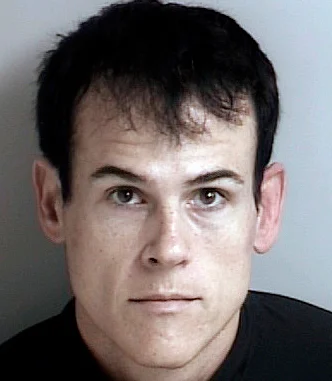
In 2017, U.S. District Judge Troy L. Nunley sentenced Muller to 40 years in prison for the kidnapping of Huskins. During the sentencing, Judge Nunley expressed the profound impact of Muller’s actions, stating, “This sentence underscores the severity of Muller’s actions. Despite having opportunities in life that many can only aspire to, he chose to use his significant intelligence to orchestrate a brutal assault and inflict psychological torment on two innocent individuals.”
Muller’s defense attorney, Thomas Johnson, sought a 30-year term, citing Muller’s diagnoses of manic depression and the potential for rehabilitation. However, the court determined that the severity of Muller’s actions warranted a longer sentence, reflecting a growing acknowledgment of the lasting effects of such crimes on victims and their families. The judge emphasized the need to ensure that Muller would never have the chance to commit similar offenses again, sending a strong message about accountability in the justice system.
As of now, Matthew Muller is incarcerated at the Federal Correctional Institution in Tucson, Arizona, with an expected release date of July 8, 2049. In a 2018 jailhouse interview with NBC Bay Area, Muller maintained his innocence, claiming he pleaded guilty out of sympathy for Huskins and Quinn. He criticized the Vallejo Police Department’s handling of the case, stating, “I don’t believe there’s any justification for how the Vallejo Police Department managed the situation,” which has raised further questions about his understanding of the gravity of his crimes.
Muller’s claims of innocence, despite his guilty pleas, highlight the complexities of criminal psychology and the ways in which perpetrators may attempt to deflect responsibility for their actions. His assertion of having acted out of sympathy further complicates the narrative, as it appears to minimize the severity of the trauma experienced by his victims.
Muller’s story serves as a chilling reminder of the complexities surrounding crime, victimization, and the often flawed perceptions of law enforcement. The American Nightmare docuseries sheds light on this disturbing case, making it a significant topic for true crime enthusiasts and a poignant discussion about the impact of crime on individuals and communities.
The case also prompts critical discussions about the treatment of victims, the psychological ramifications of violent crime, and the responsibilities of law enforcement in protecting the vulnerable. The way this case unfolded reflects broader societal issues, including the need for improved training for police officers when dealing with victims of violent crime and the importance of listening to their accounts without bias.
The case of Matthew Muller and the kidnapping of Denise Huskins highlights critical issues within the criminal justice system, including the treatment of victims and the responsibilities of law enforcement. As viewers continue to engage with the American Nightmare series, the conversation around crime, accountability, and justice remains relevant, ensuring that the lessons learned from this case are not forgotten. It serves as a powerful reminder of the need for empathy and understanding in the face of horrific events, both for the victims and for those tasked with serving justice.
What drew you to the field of personal injury law, and how has practicing in California influenced your approach to these cases?
My journey into personal injury law was rooted in a deep sense of service. I started watching courtroom drama television shows when I was in grammar school and wanted to be the lawyer fighting for the injured. I understood that standing up for the underdog—the individuals hurt by no fault of their own—was how I could make a difference. Now, practicing in California, a state with such diversity and complexity, has only sharpened my approach. I have experience practicing in Northern and Southern California and trying cases in State and Federal courtrooms. California's legal landscape is intricate and, as a personal injury lawyer in California, I keep my skills sharp, drawing on years of experience and current practice to ensure my clients receive the justice they deserve.
California is known for its complex legal system. What challenges do you commonly face when handling personal injury cases in this state?
California is a land of opportunity, diversity, and also of significant legal challenge. Navigating its complex legal systems is no walk in the park and can be treacherous for the unweary. When handling personal injury cases, especially trucking accidents, it is imperative to use best practices to preserve evidence and ensure the injured person is protected. Where a public entity or medical professional are involved, shorter timelines for presenting claims can apply. I believe knowing the rules and using the law for the protection and benefit of the client is the most important function of an attorney. My focus remains on providing clients with clear, unwavering counsel so they can move forward with confidence and we can fulfill their legal needs.
Can you share a case that exemplifies the unique aspects of personal injury law in California, and how you successfully navigated those challenges?
California is often a trendsetter, and personal injury law is no exception. I recall a case where my clients were hit by an 18 wheeler, resulting in serious injuries and a severe concussion. Their prior attorney did not work-up the case because the damage to the car did not look bad and they were stuck with a lowball offer. Having the car inspected by a licensed mechanic and body repair specialist, getting the crash data recorder from the big rig, and obtaining medical examinations by expert doctors provided the evidence to obtain policy limits from the insurance company instead of lowball offers. In the end, the clients made a great decision to switch to The Krolikowski Law Firm to prove their case and maximize their recovery.
How do California's specific laws, such as Proposition 213 or the comparative negligence rule, impact personal injury cases, and what should potential clients know about them?
When it comes to recovering damages after a car accident, Proposition 213 limits the uninsured to only recovering their economic damages and prevents recovery of damages for pain and suffering. Prop 213 applies even when the accident wasn’t their fault. It’s a tough pill to swallow for some, but it underscores the importance of carrying uninsured motorist coverage and liability insurance. The comparative negligence rule, on the other hand, can reduce your compensation if you’re found partially at fault. In both scenarios, clients face limits on the amount of money they can recover after an accident. Comparative fault and Prop 213 clients need lawyers, such as myself, that are experienced, understand the laws, and fight to obtain the fullest compensation under the law for the clients.
With the high number of car accidents and traffic incidents in California, what advice do you have for individuals involved in a collision to protect their legal rights?
As a car accident lawyer I've seen at fault parties change their stories to try to get out of being responsible for the collision. Call the police or CHP. Request a unit be sent and a report be taken. Evidence is critical. If you are one of millions of persons with a mobile device that takes photos and records videos, use it. Take pictures of the vehicles, drivers license, insurance, the locations. Take video of any witnesses and the other involved parties. Ask them what happened and let them speak. Go to the doctor and get checked out to make sure you are okay, even if you "feel fine." Contact a lawyer (preferably me) as soon as possible. The responsible insurance companies can be quick to settle, often for less than what you deserve, and before your injuries fully manifest. Work through legal counsel from the beginning to protect your rights from day one.
What role does technology play in your practice, especially when gathering evidence or presenting a case in California’s courts?
I have watched technology change since I began practicing law in 1999. At every step, I changed with the times because I never stop learning and adapting. The days of typewriters and papers files, moved into faxes and computers, and has evolved into electronic filing and AI. Staying ahead of the curve has allowed me to incorporate emerging technology into my practice. Whether it’s dashcam footage, surveillance videos, electronic medical records, my law firm uses state-of-the-art tools to acquire and analyze data and present clients’ cases clearly and convincingly in court.
California is known for its diversity. How do you ensure that your practice is inclusive and accessible to clients from different cultural and socio-economic backgrounds?
In a state as rich in diversity as California, inclusivity is essential. I believe I have a duty as a California lawyer to provide services to all persons equally access all cultural and socio-economic backgrounds. I have access to interpreter services and have been able to assist clients and provide accessibility by offering services in multiple languages, including but not limited to Spanish, Armenian, Chinese, Vietnamese and Korean. We provide culturally competent legal services, ensuring every client, no matter their background, feels heard and represented and has access to justice.
How do you manage the expectations of your clients regarding the timeline and potential outcomes of personal injury cases in California’s busy legal environment?
I provide my direct contact information to clients and make time to be available to discuss their case. Managing expectations is about honesty and clarity. Each client and case is unique, and personal injury cases can take anywhere from three months to three years, depending on the injuries, the evidence, the insurance, and the court. For example, an injured person needs to recover or reach a point in therapy where costs of medical care can be determined with reasonable certainty; A claim needs to be presented to the insurance company, who will perform their own diligence and assessment of claim value; If a settlement cannot be reached with the insurance company, the client would need to proceed with Court litigation. As personal injury cases may span several months or even years, for more precise information about case value and timeline I would need to speak directly with a client on a case-by-case basis.
What steps should someone take immediately after an accident in California to build a strong foundation for a personal injury claim?
After an accident, it’s essential to act swiftly but thoughtfully. Stay calm, but be proactive. First, call the authorities and get a police report. Then, document the scene—every angle, every detail. Get medical help immediately, even if you think your injuries are minor. Lastly, consult with an attorney like me, who will ensure that your rights are protected and help you navigate what can often be a complex claims process and civil legal process. Insurance companies have and use their lawyers, so all injured persons should do likewise. Call me, the personal injury claims lawyer, to battle the insurance company for your rights, damages and compensation.
Adam J. Krolikowski, Esq.
The Krolikowski Law Firm
930 W 17th St, Ste D
Santa Ana, CA 92706
Tel (949) 269-1869
Fax (949) 269-1868
www.usethelaw.com
California has initiated legal action against a rural Catholic hospital accused of denying an emergency abortion in February to a woman whose water broke prematurely, thereby exposing her to the risk of severe infection and hemorrhage.
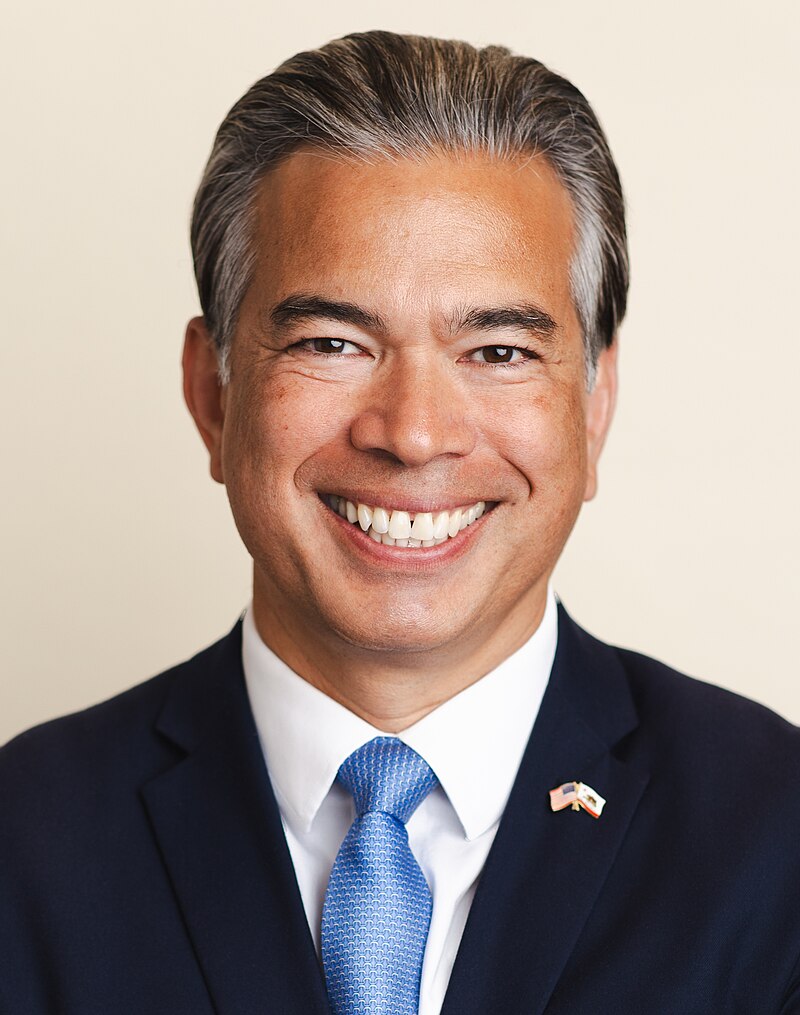
The Providence St. Joseph Hospital in Eureka, California, is alleged to have breached several state laws by discriminating against pregnant patients and refusing to offer abortion services in cases of obstetric emergencies, as stated by California Attorney General Rob Bonta during a press conference on Monday.
The lawsuit, filed in Humboldt County Superior Court, seeks not only civil penalties but also a preliminary injunction against the hospital. According to the lawsuit, Anna Nusslock, a chiropractor and resident of Eureka, was 15 weeks pregnant with twins when her water broke prematurely. Nusslock recounted at the press conference that medical professionals at Providence St. Joseph Hospital informed her that her twins would not survive and that she required an abortion to prevent life-threatening complications. However, the hospital declined to perform the abortion, citing a policy that prohibits any medical intervention while a "detectable heartbeat" is present, as detailed in the lawsuit.
"California is the beacon of hope for so many Americans across this country trying to access abortion services since the Dobbs decision," Bonta said in a statement Monday. "It is damning that here in California, where abortion care is a constitutional right, we have a hospital implementing a policy that’s reminiscent of heartbeat laws in extremist red states."
"With today’s lawsuit, I want to make this clear for all Californians: abortion care is healthcare. You have the right to access timely and safe abortion services," Bonta added.
On Feb. 23, Nusslock was rushed to Providence St. Joseph Hospital's emergency department after her water broke, according to the lawsuit. At the time, Nusslock had been experiencing increasing pain and bleeding for about a week.
A doctor at the hospital told Nusslock that there was no possibility her twins would survive and that without abortion care, she was at risk of potentially life-threatening infection or hemorrhaging, the lawsuit states.
"Despite every doctor involved agreeing that (Nusslock) needed immediate intervention, Providence Hospital policy would not allow it," according to the lawsuit.
The Attorney General's Office said the hospital's policy prohibits doctors from "providing life-saving or stabilizing emergency treatment when doing so would terminate a pregnancy, even when the pregnancy is not viable."
The lawsuit additionally claimed that the hospital suggested Nusslock be transported by helicopter to the University of California, San Francisco Medical Center for an emergency abortion. However, Nusslock stated that this option was not viable for her due to the $40,000 expense. "I inquired whether we could drive to UCSF instead, and my doctor replied, 'If you attempt to drive, you will hemorrhage and die before reaching a facility that can assist you,'" she recounted.
Ultimately, the hospital discharged her and advised Nusslock to drive to a nearby community hospital located approximately 12 miles away, as stated in the lawsuit. Before her departure, Nusslock mentioned that a nurse provided her with a bucket and towels "in case something happens in the car."
Since the U.S. Supreme Court rescinded the federal right to abortion over two years ago, numerous Republican-led states have progressively implemented stricter regulations on abortion-related healthcare. This includes prohibitions on the procedure even in situations where the life of the pregnant individual may be endangered. Nusslock's situation represents the most recent development in a series of legal disputes concerning abortion care nationwide. In August, two women from Texas lodged federal complaints against hospitals that refused to perform abortions for ectopic pregnancies.
Additionally, in July, a woman from Kansas initiated a lawsuit against the University of Kansas Health System for denying her a medically necessary abortion in 2022. In June, the U.S. Supreme Court affirmed a lower court's decision that federal law takes precedence over Idaho's nearly complete abortion ban in cases of medical emergencies; however, legal challenges regarding this matter are anticipated to persist.
What is the California Bar Exam score boost program?
The state bar announced on Friday, that it has requested the California Supreme Court to increase real bar exam scores by up to 40 points for individuals who do well on experimental tests scheduled for November and July. The maximum points on the exam is 2,000 points. Beta testers who score low will not face penalties on the actual exam.
The applicants who complete a sample test written by Kaplan could receive financial incentives. State bar leaders have indicated that they need to test drive sample multiple-choice questions created by testing firm Kaplan. The bar has recently retained Kaplan to develop a 200-question examination to begin with the February 2025 session. The bar’s testing expert will analyze the exam and its outcomes.
As an incentive for field testing 49 sample multiple-choice questions in November, up to 4,300 participants could receive an as-yet-undetermined payment if the state bar secures grant funding. The bar would also offer to raise the scores of certain sample-test participants who then take the actual multiple-choice exam in February or July 2025.
As of now, the California Supreme Court has not specified a timeline for reviewing the bar's requests to replace the NCBE multiple-choice exam with Kaplan's test and for offering score increases to field-testers. The high court has still not responded to the bar’s proposal, submitted late last year, which seeks to establish an alternative pathway to licensure that would allow successful candidates to become lawyers through supervised work rather than by passing the standard bar exam.
Riding a bicycle is an excellent form of exercise, and you expect an enjoyable experience, but when you get into an accident, you become a statistic.
In the Golden State, the numbers are frightening. In 2021, 125 cyclists lost their lives on California roads. The state usually ranks first or second in total bike accident fatalities nationwide. Accidents can be caused by speeding and reckless drivers as well as road hazards. One study found that almost 50% of cycling accidents in the city of Fremont were sideswipe accidents. While all cyclists should follow the rules of the road, wear protective gear and ride defensively, they are still at risk of being injured. Every state has its own set of laws and regulations regarding bicycles and accidents. In California, it's important for cyclists to learn about these measures and to protect their rights as accident victims if they find themselves in this situation due to someone's negligence.
Injury lawyers advise you to do the following:
Your health and safety matter. Call for medical attention right away following a cycling accident. Then, call the local police department to file a report. If you are able, take photos of the accident scene, your injuries and images of your bike and the vehicle involved. Ask witnesses for their contact information. Be careful what you say at the scene of the accident. Do not admit fault or statements that could appear that way. Just tell the police the facts as you know them.
You have rights under the law following a bicycle accident:
There are several types of compensation you may be eligible for. These could include compensation for medical costs, such as hospitalization, surgeries, medications and rehabilitation. Compensation could also be received for income lost due to the inability to work during recovery. It could also mean compensation for the repair or replacement of the victim's damaged bicycle. Compensation could also be given for physical and emotional distress following the accident.
California's Comparative Negligence Law allows victims to still seek justice and compensation even if they share some responsibility for the accident. Compensation may be reduced by your percentage of fault. Determining comparative negligence in a California bicycle accident case involves careful examination of the evidence. This can include accident reports, physical evidence, eyewitness testimony, etc.
California has a statute of limitations for filing personal injury claims, so you don't want to put this off. Two years is the default. It's important to act sooner than later; a skilled personal injury lawyer can help you navigate the legal landscape. You don't want to lose your right to pursue compensation for your injuries and damages.
The landmark ruling, delivered unanimously by the California Supreme Court, found that driver Erik Adolph did not give up his right under state law to sue on behalf of a large group of workers, despite signing an agreement to bring his own work-related legal claims in private arbitration rather than litigation.
Adolph had sued Uber in 2019 over its allegedy misclassification of drivers as independent contractors rather than employees. In this case, he has claimed that drivers should be reimbu
The ruling affects more than half of non-union private sector workers in the US, who are required to sign agreements similar to Adolph's, and could open companies in the state up to more large-scale lawsuits. However, Uber lawyer Theane Evangelis argued in a statement on 17 July that the ruling conflicts with a decision made by the US Supreme Court in 2022 involving Viking River Cruises, which found that companies could force individual PAGA claims into arbitration.
"We are considering our appellate options," she said.
