A defense lawyer's role is to ensure every person accused of committing a crime receives a fair trial. This responsibility is especially critical in sensitive situations like domestic violence charges. Prosecutors pursue these cases aggressively, but defense attorneys have strategies to balance the scales.
In many domestic violence cases, the outcome depends not just on the facts but on how each side presents them. Defense lawyers know the prosecution will lean on emotional narratives, witness testimony, and sometimes limited physical evidence. Their challenge is to test the strength of that evidence and expose weaknesses where they exist.
Questioning the Credibility of Witnesses
Witness testimony is the backbone of a domestic violence charge. But people make mistakes, and memories fade or shift under stress. Defense lawyers carefully compare statements given at different times, to police, in depositions, or in court, to highlight inconsistencies.
They may also bring up the witness’s relationship with the accused. Was there a custody battle, a financial dispute, or lingering resentment? These details matter. A credible witness can sway a jury, but a shaky or biased account can just as easily unravel a prosecution’s case.
Challenging Physical Evidence
Pictures of injuries, torn clothing, or damaged property usually carry emotional weight. But defense lawyers know evidence must be tied directly to the incident. For example, bruises could have come from another event, or property damage could have been caused accidentally.
Attorneys also look closely at how evidence was collected and stored. If the chain of custody isn’t airtight, the reliability of that evidence can be attacked. By poking holes in how evidence was handled, defense lawyers weaken the prosecution’s narrative.
Exposing Procedural Errors
Police officers must follow proper procedures during an arrest or investigation. When they don’t, defense lawyers take notice. Common issues include:
Arrests made without solid probable cause.
Failure to properly notify the accused of their rights.
Reports are missing key details or are written inconsistently.
These errors may seem technical, but they can significantly affect the outcome. If evidence was gathered unlawfully, it may be excluded entirely.
Emphasizing Lack of Intent
Many domestic violence laws require proof that the accused intended harm. Defense lawyers argue the situation was accidental, for example, an injury that happened during a heated argument without physical intent.
Attorneys show the difference between poor judgment in the heat of the moment and an actual crime through framing the event in context. Courts must see intent clearly before convicting.
Offering Alternative Explanations
Defense lawyers sometimes present scenarios that fit the evidence just as well as the prosecution's version. Alternative explanations may include self-defense, mutual involvement in the confrontation, or injuries unrelated to the alleged incident.
These alternatives create reasonable doubt, which is all the defense needs to prevent a conviction.
Using Expert Testimony
Experts usually provide the critical edge in court. A medical professional might testify that an injury’s shape or timing doesn’t match the prosecution’s claims. A psychologist might explain how stress or fear can distort a witness’s memory. Forensic experts might challenge the way evidence was analyzed.
Defense lawyers give judges and juries a more profound understanding beyond surface-level facts when they introduce these voices.
Negotiating Strategic Outcomes
Not every case goes to trial. In some situations, plea negotiation benefits the accused more than a courtroom battle. Defense lawyers can work out plea deals that reduce charges, lower penalties, or involve counseling and education programs instead of jail time.
This doesn't mean giving up. It means using a strategy. Sometimes, a carefully negotiated outcome protects a client's future better than risking the uncertainties of trial.
Conclusion
Defense lawyers challenge prosecution tactics in domestic violence cases by:
Questioning witness credibility.
Testing physical evidence.
Identifying procedural errors.
Emphasizing the lack of intent.
Offering alternative explanations.
Bringing in expert testimony.
Negotiating when it’s in the client’s best interest.
Each strategy ensures that the accused is treated fairly, and that justice is based on facts and law, not just emotion.
Testifying in court can be an incredibly daunting and emotionally taxing experience for victims of domestic violence. Many face the challenge of recounting deeply personal and traumatic events in a public setting, often in front of the very person who caused them harm. The fear of not being believed, the anxiety of reliving painful memories, and the pressure of legal procedures can be overwhelming. Additionally, victims may grapple with feelings of shame, guilt, or self-doubt, making it even harder to speak openly. The courtroom environment, with its formalities and adversarial nature, can intensify these difficulties, underscoring the immense courage it takes for survivors to come forward and share their stories in pursuit of justice.
Why Wouldn’t a Victim Testify in Court?
1. Fear of Retaliation
One of the most significant reasons victims may avoid testifying is the fear of retaliation from their abuser. Many victims worry that speaking out in court could provoke further violence or harassment once the abuser is aware of their testimony. This fear is often well-founded, as abusers may seek to intimidate or punish victims to maintain control. The threat of physical harm, threats against loved ones, or other forms of intimidation can create a powerful deterrent, making the victim reluctant to participate in the legal process.
2. Emotional Trauma and Re-Traumatization
Testifying requires victims to relive and recount traumatic experiences, which can cause significant emotional distress. The process of describing abuse in detail, often under cross-examination, can trigger feelings of fear, shame, guilt, and helplessness. This re-traumatization may lead victims to avoid testifying to protect their mental and emotional well-being. The courtroom environment, with its formal procedures and adversarial questioning, can exacerbate these feelings, making the prospect of testifying overwhelming.
3. Distrust of the Legal System
Many victims harbor deep distrust toward the legal system due to past negative experiences or perceptions that the system is unsympathetic or biased. Some may believe that their abuser will not be held accountable or that the legal process will be too slow or ineffective. This skepticism can discourage victims from testifying, as they may feel that their efforts will not lead to meaningful justice or protection, leaving them vulnerable without support.
4. Fear of Not Being Believed
Victims may worry that their testimony will be discredited or dismissed by judges, juries, or attorneys. This fear is often rooted in societal stigmas surrounding domestic violence, where victims are sometimes unfairly blamed or doubted. The prospect of being judged or marginalized can be intimidating, leading victims to remain silent rather than face potential disbelief or victim-blaming in court.
5. Financial and Practical Constraints
Testifying in court can impose significant practical burdens on victims, including time off work, transportation costs, childcare needs, and legal expenses. For victims already struggling with financial instability, these demands can be prohibitive. The logistical challenges of attending court sessions, sometimes over extended periods, may lead victims to opt out of testifying to avoid further disruption to their lives.
6. Concern for Family and Children
Victims often prioritize the safety and well-being of their children and family members. They may fear that testifying could escalate conflict, lead to custody battles, or expose their children to emotional distress. In some cases, victims worry that their testimony might result in losing custody or damaging family relationships, which can be a powerful reason to remain silent.
7. Shame and Stigma
Societal stigma surrounding domestic violence can cause victims to feel ashamed or embarrassed about their experiences. Cultural or community pressures may also discourage victims from speaking out, especially in environments where domestic violence is considered a private matter. This shame can silence victims, preventing them from testifying due to fear of judgment or ostracization.
8. Desire to Move On and Avoid Prolonged Legal Battles
For some victims, the prospect of a lengthy court process is daunting. They may wish to move on with their lives and avoid the stress and uncertainty of a protracted legal battle. Testifying can prolong the trauma and keep the abuse at the forefront of their lives, making it difficult to heal and rebuild. This desire to regain normalcy can lead victims to forgo participation in court proceedings.
9. Lack of Support or Advocacy
Victims who lack adequate support from family, friends, or advocacy organizations may feel isolated and overwhelmed by the prospect of testifying. Without emotional encouragement or practical assistance, the challenges of navigating the legal system alone can be intimidating. The absence of a strong support network can significantly reduce a victim’s willingness or ability to testify.
10. Influence or Pressure from the Abuser
In some cases, abusers exert direct or indirect pressure on victims to remain silent, using manipulation, threats, or coercion to prevent testimony. This control can be psychological, financial, or emotional, making it difficult for victims to break free and speak out. The abuser’s influence can create an environment where victims feel powerless to testify, even if they want to seek justice.
Each of these reasons highlights the complex and multifaceted challenges domestic violence victims face when considering whether to testify in court. Understanding these barriers is crucial for legal professionals, advocates, and communities to provide the necessary support and create safer, more accessible avenues for victims to participate in the pursuit of justice.
What if the Victim Doesn’t Show Up to Court?
When a domestic violence victim doesn't show up to court, it can have significant consequences for the legal case and the overall pursuit of justice. The appearance of the victim is often crucial because their testimony provides firsthand evidence of the abuse, helping to establish the facts and support the prosecution’s case. Without the victim’s account, the court may struggle to prove the charges beyond a reasonable doubt, which can lead to delays, dismissals, or even the collapse of the case.
One immediate consequence of a victim’s absence is that the court may issue a subpoena or a bench warrant to compel their attendance. A subpoena is a legal order requiring the victim to appear in court; failure to comply can result in legal penalties, including fines or arrest. However, law enforcement and the courts generally recognize the complex reasons why victims might not appear, especially in domestic violence cases, and often work to provide support rather than punishment.
If the victim repeatedly fails to appear without a valid reason, the prosecution’s case can be severely weakened. Prosecutors rely heavily on the victim’s testimony to establish the pattern of abuse, intent, and impact. In cases where there is little corroborating evidence, such as physical proof or witness statements, the absence of the victim’s testimony can lead to the charges being reduced or dropped altogether. This outcome can be frustrating for law enforcement and advocates, as it may allow the abuser to avoid accountability.
Moreover, the victim’s absence can affect protective orders or restraining orders. Courts often issue these orders based on the victim’s statements and evidence presented during hearings. Without the victim’s presence, the court may be less inclined to grant or extend such orders, potentially leaving the victim vulnerable to further harm.
It’s important to understand that a domestic violence victim doesn't show up to court for many complex reasons, including fear of retaliation, emotional trauma, or logistical challenges. The legal system increasingly recognizes these barriers and, in some jurisdictions, offers alternatives such as allowing testimony via video conferencing or through written statements to reduce the burden on victims and encourage their participation.
In some cases, prosecutors may proceed with the case even without the victim’s direct testimony by relying on other evidence like police reports, medical records, or witness statements. This approach, known as proceeding “without the victim,” aims to hold offenders accountable while minimizing the trauma and pressure on the victim. However, this is not always possible, especially if the victim’s testimony is central to proving key elements of the crime.
Ultimately, when a victim does not appear in court, it complicates the administration of justice and can impact the victim’s safety and the offender’s accountability. This reality highlights the importance of providing victims with comprehensive support, including legal advocacy, counseling, and safety planning, to help them navigate the court process and feel empowered to participate in their cases.
How Can People Help a Victim Do Their Part in the Criminal Justice Process?
With all of that being said, many loved ones and community advocates desperately want to know what they can do to help.
Helping a domestic violence victim participate in the criminal justice process is crucial for ensuring their safety and supporting the pursuit of justice. The process can be overwhelming, emotionally draining, and intimidating, so providing victims with practical, emotional, and legal support can make a significant difference in their ability to do their part.
First and foremost, offering emotional support is vital. Victims often face fear, shame, and trauma, which can make testifying or engaging with law enforcement incredibly difficult. Friends, family members, and advocates can provide a non-judgmental, empathetic ear, reassuring the victim that they are not alone and that their voice matters. Encouragement and patience help build the victim’s confidence to participate in the process.
Practical assistance is also essential. Court appearances and meetings with attorneys can involve logistical challenges such as transportation, childcare, and time off work. Helping with these needs, whether by providing rides, watching children, or offering financial assistance, can reduce barriers that might otherwise prevent victims from attending court or meeting with legal professionals. Additionally, accompanying victims to court or legal appointments can offer moral support and reduce feelings of isolation.
Legal advocacy plays a critical role as well. Victims may not fully understand their rights or the complexities of the criminal justice system. Trained advocates or attorneys can explain what to expect, help prepare the victim for testimony, and guide them through paperwork and procedures. They can also assist in safety planning to address any risks associated with participating in the process.
Finally, raising awareness and advocating for victim-centered policies within the criminal justice system can create a more supportive environment. Encouraging law enforcement and courts to use trauma-informed approaches, offer alternative testimony options, and provide protective measures helps ensure victims feel safe and respected.
Being in the middle of domestic violence isn’t only deeply traumatic and isolating, but it can also be life-changing. You might feel that your safety is in danger, as well as your other relationships, finances, and future. In these difficult situations, knowing where to turn can feel overwhelming - and this is where a domestic violence lawyer plays an essential role.
If you’re a victim of domestic or family violence, a skilled domestic violence lawyer can help you understand your rights and guide you through the justice system with compassion and care. Today, we’re looking at exactly how they can help every step of the way.
What is a domestic violence lawyer?
A domestic violence lawyer is a legal professional who specialises in handling cases involving domestic and family violence. In Australia, domestic violence can include physical harm, emotional or psychological abuse, financial control, intimidation, stalking, and social isolation within a domestic relationship. ‘Domestic’ refers to family or home relations, so this could cover partners, family members, or housemates.
A DV lawyer understands the complex and sensitive nature of domestic cases better than most, and they’ve been trained to support victims while also navigating the legal steps required to keep them safe and protected. These lawyers can defend both victims and individuals who have DV allegations against them.
How can a domestic violence lawyer help you?
If you’ve been a victim of abuse or feel unsafe within your home situation, seeking help from a domestic violence lawyer can make all the difference. Here are some ways they can assist you:
1. Obtaining protection orders for you
One of the quickest ways a domestic violence lawyer can help you is by applying for a Domestic Violence Order (DVO). In some states, these may also be called Apprehended Domestic Violence Orders (ADVO) or Family Violence Intervention Orders (FVIO) - although these mostly mean the same thing.
A DVO is a legal order issued by the court to protect you from further harm by placing restrictions on the alleged abuser’s behaviour. This might include:
Prohibiting them from contacting or approaching you
Preventing them from coming near your home, place of work, or children’s school
Stopping them from possessing weapons
Your lawyer will guide you through the application process and tell you exactly what this means for you. They’ll also represent you in court hearings and help present evidence to support your case, hopefully awarding you the correct protections to help you feel safer quickly.
2. Giving you legal advice on your rights and options
Domestic violence lawyers can involve multiple legal areas, including family law (if children or property are involved), criminal law, and tenancy or immigration matters. A DV lawyer will explain everything you need to know, as well as your rights, in plain language to make sure you understand everything. You can also ask any questions you may have at any time, working with your lawyer until you’re both 100% sure you know the ins and outs of the situation.
They’ll then be able to give you your options for you to think about and decide on. These may include things like getting a protection order, reporting the abuse to police, or making decisions about child custody or property arrangements. Having a friendly lawyer to give you clear and reliable advice can empower you to make informed decisions during such a tumultuous time.
3. Representing you in court
Attending court can be worrying, especially when you have to face your abuser. A DV lawyer will advocate on your behalf, making sure your voice is heard, your evidence is presented clearly, and your legal rights are protected throughout the entire process.
They can also make applications to limit your exposure to the person the charges are against, if this is something you want. To avoid being in close contact with them as much as possible, your lawyer might arrange remote testimonies, closed courtrooms, or legal representation without your physical presence.
4. Working with police and support services
Domestic violence lawyers often work closely with police, prosecutors, social workers, crisis shelters, and counselling services. They can work with them on your behalf to coordinate things like safety planning, emergency accommodation, or referrals to support networks while also managing your legal case at the same time.
This compassionate approach makes sure you receive both legal protection and emotional support during this stressful process. Not all DV lawyers offer this service, so if it sounds like something you’d be interested in, make sure you ask about how the lawyers you’re interviewing can work with other services to support you and your case.
Why it’s important to seek legal help early
The sooner you reach out to a domestic violence lawyer, the faster you can secure protection and prevent future harm from coming to you and your family. Early legal advice can also preserve important evidence that might lose its validity as time goes on, safeguard your rights, and make sure you’re not pressured into unsafe decisions.
Many law firms offer confidential, obligation-free consultations, so you can explore your options without any pressure. This means there’s no harm in seeking advice early, even if you’re not ready to take that step yet.
Learn more about how domestic violence lawyers can help you today
No one deserves to live in fear or endure abuse. If you’re experiencing domestic or family violence, know that help is available. A compassionate, experienced domestic violence lawyer can be your advocate and help protect you, as well as guide you through legal processes, secure protection orders, and connect you with vital support services.
If you want to learn more about how a lawyer can help, check out domestic violence lawyers at Donnelly Law Group. With over 29 years of experience under their belt and a 98% success rate, they can help in whatever legal situation you find yourself in.
Inside the Oscar Pistorius Murder Case: Lies, Evidence, and the Truth About Reeva Steenkamp’s Death.
On February 14, 2013, Olympic sprinter Oscar Pistorius, then 26, shot and killed his girlfriend, Reeva Steenkamp, then 29, at his home in Pretoria.
The double-amputee athlete, once celebrated as the “Blade Runner,” was instantly transformed from global icon to murder suspect, triggering a high-profile trial that gripped South Africa and the world.
Pistorius claimed it was all a terrible mistake. He said he thought there was an intruder in the bathroom. Feeling vulnerable without his prosthetic legs, he grabbed his gun and fired four times through the locked toilet door.
When he realized Reeva wasn’t in bed, he panicked, smashed the door open with a cricket bat, and found her bleeding inside. She died in his arms.
But the prosecution saw it differently. They said this wasn’t panic—it was rage. Steenkamp’s phone was found in the bathroom. Her final texts to Pistorius spoke of fear, control, and volatility: “I’m scared of you sometimes and how you snap at me.”
Reeva Steenkamp was 29 when she was shot and killed by Pistorius on Valentine’s Day 2013.
The timing of their last meal, revealed in her autopsy, contradicted his story. Rather than a tragic misunderstanding, prosecutors argued this was a fatal fight turned deadly.
Disputed Evidence and Police Mistakes: A Trial Built on Uncertainty
The crime scene should have spoken clearly—but instead, it whispered in contradictions. The lead detective, Hilton Botha, admitted to bungling the investigation: missing a bullet, contaminating the scene, and later being removed from the case entirely. These missteps gave the defense ample room to argue doubt.
The four hollow-point bullets Pistorius fired were fired in quick succession—or were they? That was hotly debated. Forensics expert Captain Christiaan Mangena said the shots weren’t all fired at once, implying Steenkamp may have screamed before one hit her. But the defense said the shots came too fast for that.
The bathroom door Pistorius shot through, shown as evidence during trial.
Then came the autopsy: head, hip, hand, and elbow wounds. Steenkamp would’ve lost consciousness quickly. But what raised flags was the undigested food in her stomach. Pistorius had claimed they were asleep by 10 p.m.—the food said otherwise. Were they awake and arguing just minutes before she died?
Another point of contention: Was Pistorius wearing his prosthetics? He said no, emphasizing how helpless he felt.
Initially, prosecutors challenged this but later conceded he was likely on his stumps. The image of a vulnerable man gripped the courtroom—but so did the image of a volatile one.
Oscar Pistorius’s Psychological Landscape: Vulnerability or Volatility?
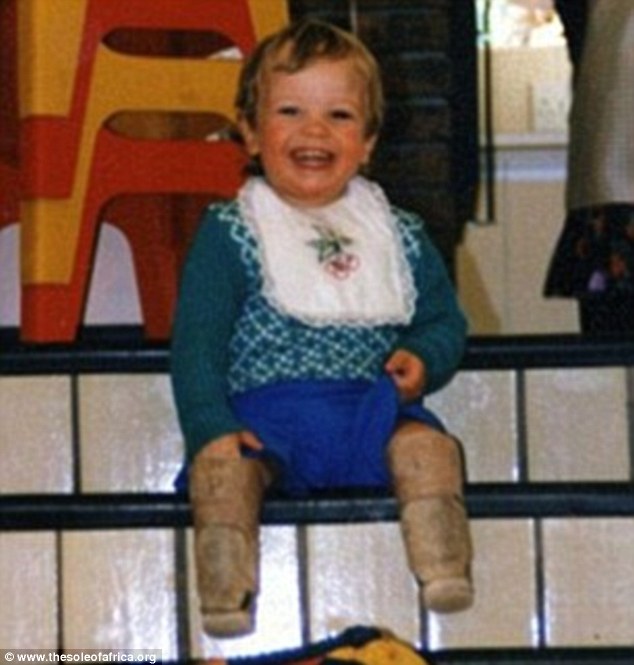
To understand what happened that night, many turned to who Oscar Pistorius really was beneath the fame. Born with a congenital defect, he had both legs amputated as a baby. His childhood was steeped in trauma—his mother was described as a “paranoid alcoholic” who slept with a gun and instilled fear in her children. She died when he was 15.
Pistorius lost both legs as a baby and rose to global fame as a Paralympian.
A defense psychiatrist diagnosed him with generalized anxiety disorder. That, they argued, explained his “fight-mode” reaction to the noise in the bathroom.
But court-appointed experts saw it differently. He was not mentally ill, they said. He understood what he was doing.
Meanwhile, Steenkamp’s text messages told a painful story of emotional turmoil. She feared his temper. An ex-girlfriend testified about his outbursts, his obsession with guns, and his controlling nature. He once fired a gun out of a car’s sunroof. He was, she said, “angry and possessive.”
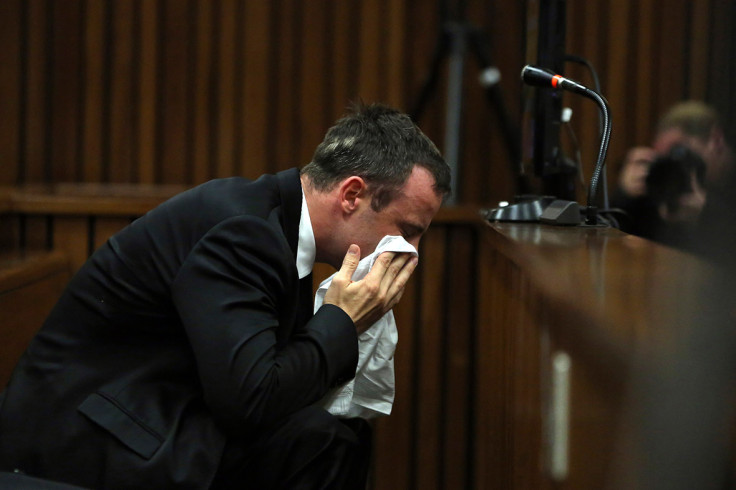
In court, Pistorius was visibly broken—crying, retching, sometimes unable to speak. Some saw it as trauma; others called it theatrical. Whatever the truth, it was clear: this was a man torn between deep-seated fear and dangerous aggression.
Trial, Verdict, and Aftermath: From Culpable Homicide to Murder
The trial began in 2014 and riveted the world. South Africa doesn’t use juries—Judge Thokozile Masipa and two assessors made the call. At first, they convicted Pistorius of culpable homicide, South Africa’s version of manslaughter. He was sentenced to five years.
Judge Masipa initially convicted Pistorius of culpable homicide in 2014
But the public reaction was furious. The idea that Pistorius could serve just 10 months in prison for killing a woman sparked national outrage. The state appealed, and in December 2015, the Supreme Court of Appeal overturned the ruling. They found him guilty of murder using dolus eventualis—meaning he knew someone might die and pulled the trigger anyway.
His final sentence: 13 years and 5 months. After serving 8.5 years in prison and seven months of house arrest, Pistorius was released on parole on January 5, 2024. He will remain under supervision until 2029.
The case left a deep scar on South African society. It forced the nation to confront uncomfortable truths: the glamorization of male athletes, the rampant violence against women, and a justice system often out of sync with public conscience.
In her tragic death, Reeva Steenkamp transcended her roles as model and girlfriend, becoming a poignant, silenced voice in the urgent conversation around domestic abuse.
People Also Ask (PAA)
What was Oscar Pistorius convicted of? Oscar Pistorius was convicted of murder in 2015 after an appeals court overturned his original culpable homicide verdict. He was found guilty under dolus eventualis, meaning he foresaw death as a possible result of his actions.
How long did Oscar Pistorius serve in prison? Pistorius served about 8.5 years in prison and an additional seven months under house arrest. He was released on parole in January 2024 and remains under supervision until 2029.
Why did Oscar Pistorius shoot Reeva Steenkamp? Pistorius claimed he mistook Steenkamp for an intruder. However, forensic evidence and her text messages pointed to a volatile relationship and supported the prosecution’s claim of intentional killing.
What is dolus eventualis in law? Dolus eventualis is a legal doctrine meaning the perpetrator foresees the possibility of death from their actions and proceeds anyway. It played a key role in upgrading Pistorius’s charge from manslaughter to murder.
What impact did the Pistorius case have on South Africa? The case sparked national debate about gender-based violence, celebrity justice, and flaws in the legal system. It also led to reforms in how the courts deal with high-profile cases and femicide.
The Riverview Murders: A Forensic and Legal Examination of the Ronnie O'Neal III Case.
The Night the Unthinkable Happened
On the evening of March 18, 2018, in Riverview, Florida, 29-year-old Ronnie O'Neal III fatally attacked his 33-year-old ex-girlfriend, Kenyatta Barron, and their 9-year-old daughter, Ron'Niveya O'Neal. Their 8-year-old son, Ronnie O'Neal IV, survived despite sustaining multiple stab wounds and severe burns.
This case, marked by its extreme violence and O'Neal's shocking decision to represent himself in court, immediately gripped public attention. This report delves deep into the heart of the Ronnie O'Neal III case, moving beyond the cold facts to explore the intricate forensic details that painted a grim picture of the crime.
At Lawyer Monthly, we examine the psychological profile of the perpetrator, the social and environmental factors that may have influenced the crime, and the legal proceedings that followed. Our goal is to uncover overlooked details in the public narrative and provide clear, informed analysis that offers a deeper understanding of this tragic case.
The Night of March 18, 2018: A Descent into Chaos
The terror began just before midnight on March 18, 2018. At 11:43 p.m. EDT, a desperate 911 call reached the Hillsborough County Sheriff's Office. On the line was Kenyatta Barron, her voice laced with fear. In the background, the chilling voice of Ronnie O'Neal III could be heard, uttering fragmented, disturbing phrases: "She killed me," "Don't come outside, call 911 now," and the ominous "Allah Akbar." The call abruptly cut off, leaving dispatchers with a horrifying sense of dread.
Kenyatta Barron
Just six minutes later, at 11:49 p.m., deputies arrived at the Riverview home to a scene of unfolding horror. Kenyatta Barron lay motionless in the front yard, her life tragically extinguished. A neighbor, James Gray, would later provide a harrowing account, testifying to hearing piercing screams followed by frantic banging on his fiancée's door.
When he opened it, he saw Kenyatta face down, unresponsive. Ronnie O'Neal III stood over her, clutching her arm, an unidentified object in his other hand. Gray recalled O'Neal shouting, "You don't understand," and repeatedly yelling "Allah Akbar" and "you don't understand, she killed me" before retreating back into the house. Gray, a brave witness, remained by Kenyatta's side until law enforcement arrived.
Minutes later, at 11:51 p.m., O'Neal himself placed a 911 call. His voice, though calmer than the chaos heard moments before, was no less disturbing. He claimed to have been attacked by "white demons" and accused Kenyatta, whom he referred to as "Ke-Ke," of trying to kill him, chillingly stating he "just killed her." He then provided their home address.
Inside the house, the nightmare continued. Ronnie III turned his unfathomable rage on his children. Nine-year-old Ron'Niveya was brutally attacked with a hatchet, her young life tragically cut short. His 8-year-old son, Ronnie IV, endured severe stab wounds, but against all odds, he clung to life. After inflicting these unspeakable injuries, O'Neal deliberately set the house ablaze, adding arson to his horrific crimes.
Amidst the smoke and flames, Ronnie IV, despite his critical stab wounds and burns, found the strength to escape the burning home. His first words to a detective were a desperate, clear declaration: "My father shot my mother." He was immediately rushed to a Tampa hospital, fighting for his life.
When police finally apprehended Ronnie III, he resisted arrest, forcing officers to use a Taser. Even in the squad car, his disturbing pronouncements continued. He referred to Kenyatta, the woman he had just murdered, as "the devil" and chillingly claimed, "the kids are the devil's kids". He was booked into Hillsborough County Jail the following day. Four days after the horrific incident, on March 22, 2018, Ronnie IV, with remarkable resilience, provided detectives with a more comprehensive and detailed account of the events that led to the deaths of his mother and sister.
The rapid, unsettling shift in O'Neal's statements—from the fragmented, possibly delusional shouts during the attack to a more structured, self-exculpatory narrative in his subsequent 911 call—offers a critical, albeit disturbing, glimpse into his state of mind. His initial cries, heard by Kenyatta and the neighbor, suggest a mind in extreme turmoil, perhaps even mid-act. Yet, his later 911 call, made just minutes after the initial horror, presents a coherent, albeit false, story of self-defense.
This pattern hints at a chilling blend of cognitive function and manipulative intent, even amidst apparent psychosis. It suggests that while delusions may have clouded his perception, there was also a conscious effort to construct a defense. The repeated "Allah Akbar" phrase, in this context, appears to be part of his chaotic, delusional world, intertwined with claims of "white demons" and "the devil's kids," rather than a clear religious motivation.
This unsettling complexity made the case a profound challenge for both legal and psychological interpretation, suggesting O'Neal retained some capacity for rational thought and self-preservation, even as his reality was severely warped. This pattern proved highly significant for the prosecution, directly challenging any defense based solely on complete mental incapacitation or lack of intent.
Kenyatta Barron beaten to death, presumably by shotgun, as observed by neighbor James Gray.
March 18, 2018
11:49 p.m.
Deputies arrive at the home, find Kenyatta Barron unconscious in the yard.
March 18, 2018
11:51 p.m.
Ronnie O'Neal III's 911 call, claiming attack by "white demons" and stating he "just killed her."
March 18, 2018
After 11:51 p.m.
O'Neal attacks daughter Ron'Niveya with hatchet (fatal), stabs son Ronnie IV (critically wounded), sets house on fire.
March 18, 2018
Shortly after attacks
Ronnie O'Neal IV escapes, tells detective "My father shot my mother."
March 18, 2018
Arrest
Ronnie O'Neal III resists arrest, tasered by police. Makes statements about Kenyatta being "the devil" and kids "the devil's kids."
March 19, 2018
Next day
Ronnie O'Neal III booked into Hillsborough County Jail.
March 22, 2018
Four days after attack
Ronnie O'Neal IV provides detailed account to detectives.
Unraveling the Crime Scene: A Brutal Canvas
The scene inside and outside the Riverview home painted a horrifying picture of extreme brutality, meticulously documented by forensic investigators. Dr. Mainland, the medical examiner, delivered chilling testimony detailing Kenyatta Barron's extensive injuries. She had suffered a gunshot wound to her right back shoulder and a much larger one to her right elbow, her arm broken in two places.
But it was the blunt force trauma to her head that truly spoke of the savagery: over fifteen separate lacerations, multiple abrasions and contusions, predominantly on the left side of her head, and a staggering six or seven skull fractures, including a fractured jaw, facial bones behind her lip, and fractures at the base of her skull. Several of her teeth were also missing. Dr. Mainland concluded, unequivocally, that Kenyatta Barron died from blunt force trauma.
Detective Dirks testified that a shotgun, found broken or disassembled within the house, was the weapon used. The court, weighing the evidence, concluded that Kenyatta Barron was beaten to death, presumably with this broken shotgun, during the agonizing 4.5 minutes between her initial desperate 911 call and neighbor James Gray's discovery of O'Neal standing over her lifeless body.
This level of violence, far exceeding what was necessary to cause death, screamed of an attack fueled by overwhelming rage or a severe psychotic break. The disorganization in weapon use—a shotgun broken and then wielded as a bludgeon—further underscored the frenzied, uncontrolled nature of the assault.
Ron’Niveya O’Neal
The violence extended to the children with equally horrifying ferocity. Nine-year-old Ron'Niveya O'Neal was tragically killed with a hatchet. Her 8-year-old brother, Ronnie O'Neal IV, endured severe stab wounds and burns, yet remarkably, he survived. After inflicting these unspeakable injuries, Ronnie O'Neal III deliberately set the family home ablaze, adding arson to his litany of crimes.
The sheer brutality and the use of multiple methods of assault—shooting, bludgeoning, hacking, stabbing, and burning—on multiple victims suggest a perpetrator in a state of profound psychological disarray, likely experiencing an acute psychotic episode where rational thought was completely overridden by impulse and distorted perception.
This transcends a simple criminal act, pointing instead to a deeply disturbed mental state, rendering any "self-defense" claim utterly implausible from a forensic standpoint. Such patterns of "overkill" and disorganized violence are often crucial indicators in forensic psychology, leading to hypotheses about severe mental illness or extreme personality pathology. This detail is vital for understanding the why behind the horrific how.
Ronnie O'Neal IV's survival and his unwavering testimony were not just pieces of evidence; they were the very cornerstone that dismantled his father's self-serving narrative and secured convictions. His immediate, clear statement to a detective, "My father shot my mother," was crucial in the initial, chaotic moments of the investigation. His more detailed account, provided just four days after the attack, further solidified the prosecution's case. During the trial, Ronnie IV displayed remarkable composure and clarity, even when cross-examined by his own father.
When asked, "Did I hurt you that night of the incident?" the boy bravely replied, "Yes." And when pressed, "How did I hurt you?" he unequivocally stated, "You stabbed me". The consistency and clarity of Ronnie IV's statements, from the immediate aftermath to his courageous courtroom testimony, are extraordinary for a child who endured such profound trauma.
His ability to directly contradict his father in court, under immense pressure, underscored the undeniable truth of his account. This highlights the critical, often undervalued, role that child witnesses can play in true crime investigations and trials. Their unvarnished accounts, when consistent and corroborated, can cut through complex legal defenses and provide undeniable clarity.
The Mind of the Perpetrator: A Fractured Reality
Ronnie O’Neal III’s words and actions during the night of the murders pointed to a deeply disturbed mental state. As Kenyatta Barron desperately called 911, O’Neal could be heard shouting phrases like “She killed me” and “Allahu Akbar.” In his own 911 call moments later, he claimed he had been attacked by “white demons” and admitted, “I just killed her.” While in the back of a police car, he referred to Kenyatta and their children as “the devil” and “the devil’s kids.”
At trial, the defense tried to explain O’Neal’s behavior through trauma and possible PTSD. Psychologist Dr. Heidi McClain testified that past abuse and a violent incident in his adulthood could have triggered an extreme stress response. But under questioning, she admitted she never actually interviewed O’Neal and couldn’t confirm whether he showed core symptoms of PTSD.
Ronnie O'Neal IV
Later, forensic psychologist Dr. Scot Machlus spent time evaluating O’Neal over 12 sessions. He concluded that O’Neal had a delusional disorder, shaped by a history of severe trauma—including sexual abuse as a child, a near-fatal shooting in 2017, and a family background of mental illness. He didn’t excuse the violence, but believed these factors should weigh against the death penalty.
These conflicting expert opinions revealed how difficult it can be to untangle mental illness in a courtroom. The early PTSD claim lacked depth, while the later, more thorough evaluation offered a troubling portrait of a man whose grip on reality had long been slipping. It raises hard questions about how trauma and untreated mental illness can fester—and how, without intervention, they can end in unimaginable tragedy.
Beyond the Individual: Domestic Violence, Delusion, and a Story of Survival
Although specific incidents weren't detailed in court, defense psychologist Dr. Heidi McClain referenced a "prior history of domestic violence" involving Ronnie O’Neal III. This aligns with Kenyatta Barron’s chilling 911 call, during which she screamed, “He’s attacking me.” While the official motive remains listed as “unknown,” the context suggests the murders may have been the culmination of ongoing abuse, rather than a sudden, isolated act.
O’Neal’s behavior during and after the attacks—including repeated shouts of “Allahu Akbar” and claims about “white demons” and “the devil’s kids”—reflected severe delusional thinking. Though the phrase “Allahu Akbar” has religious roots, no evidence linked O’Neal to religious extremism. Forensic psychologist Dr. Scot Machlus diagnosed him with a delusional disorder, indicating his statements were more likely a product of psychosis than ideology.
This underscores the need for careful, informed analysis of mental illness in criminal cases—especially when interpreting statements made during a psychotic episode. Jumping to conclusions about motive or belief can distort public understanding and media coverage.
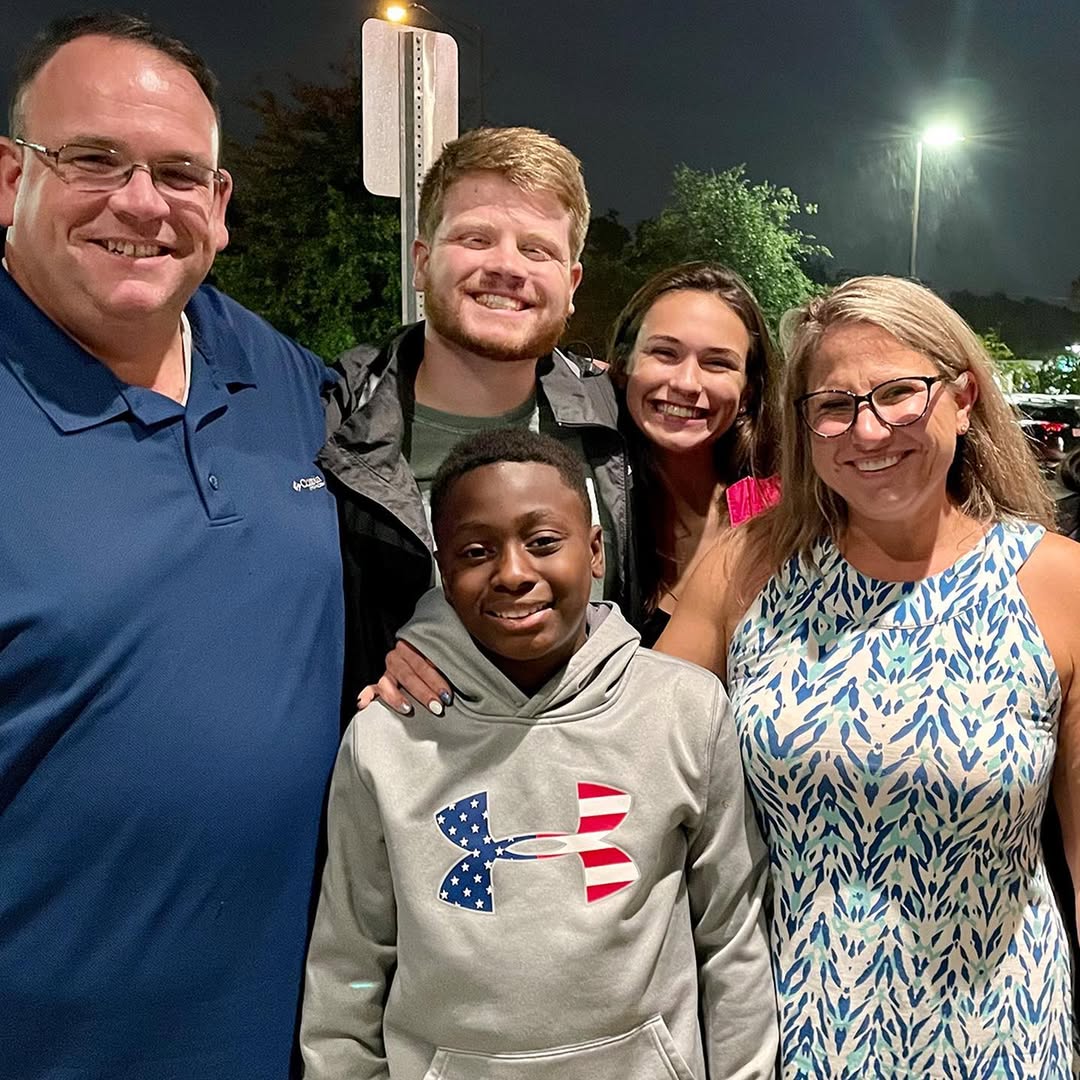
Amid the tragedy, a story of resilience emerged. Ronnie O’Neal IV, who survived the attack with serious injuries, was later adopted by Detective Mike Blair, one of the officers who comforted him the night of the murders. In 2019, he became Ronnie Blair, joining a new family and beginning a new chapter. Both he and Detective Blair have described his recovery as nothing short of remarkable.
Little Ronnie and his new family
This narrative thread provides a powerful, hopeful counterpoint to the extreme darkness of the crimes. It showcases human resilience and the profound positive impact of intervention and care. Ronnie IV's adoption by Detective Blair represents a remarkable act of restorative justice and profound human kindness. It transforms a story of unimaginable loss and trauma into one of hope, healing, and the capacity for new beginnings.
This aspect of the case resonated deeply with the public, shifting the narrative from solely the perpetrator's depravity to the resilience of victims and the positive role of compassionate individuals. This element of the case serves as a powerful reminder that even in the most tragic true crime stories, there can be narratives of survival, recovery, and profound human connection. It underscores the importance of long-term support for child survivors of violence and highlights the often-unseen dedication of law enforcement beyond their immediate duties.
The legal proceedings against Ronnie O'Neal III were a dramatic and often unsettling spectacle, marked by several key pretrial motions and highly unusual procedural aspects, most notably O'Neal's decision to represent himself in a capital murder trial.
Pretrial Proceedings and Key Motions
O'Neal's defense attorneys initially filed a motion to dismiss the murder charge of Kenyatta Barron, attempting to invoke Florida's controversial "Stand Your Ground" law. They claimed she had tried to kill him. However, after a thorough evidentiary hearing, the trial court meticulously reviewed the evidence and decisively rejected this request, finding O'Neal ineligible for such a defense.
The court found "clear and convincing evidence" that Kenyatta Barron was brutally beaten to death by O'Neal, presumably with the broken shotgun, during the approximately 4.5-minute interval between her initial desperate 911 call and neighbor James Gray's observation of O'Neal standing over her body. Crucially, the court dismissed O'Neal's self-serving 911 statement as lacking credibility, given it was made after Kenyatta was already deceased and directly contradicted by compelling eyewitness testimony.
This definitive legal outcome underscores how robust investigative work, precise forensic findings (like the nature of Kenyatta's injuries and the state of the shotgun), and compelling eyewitness testimony can effectively dismantle even legally complex defenses.
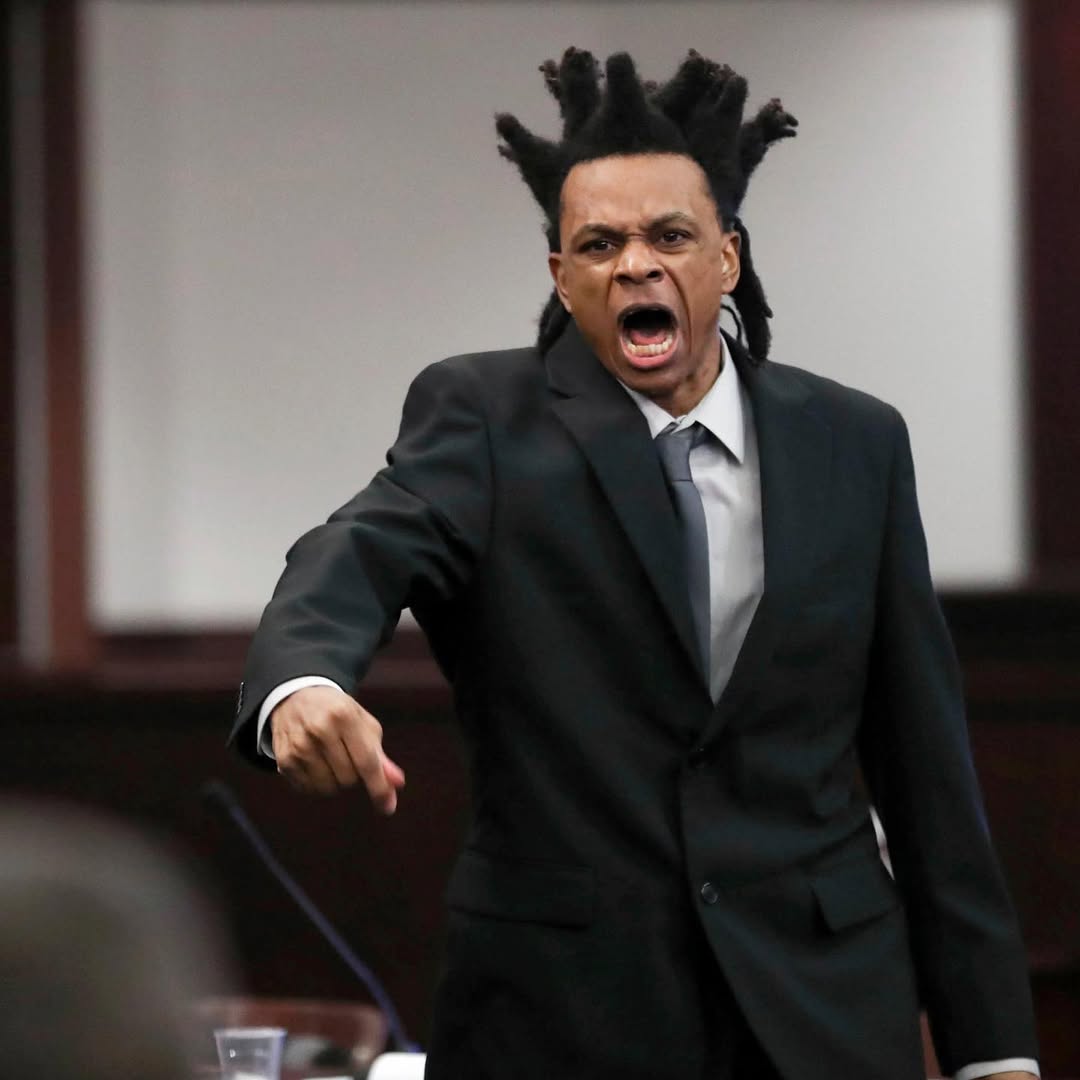
Ronnie O’neal in the courtroom acting as his own attorney and screaming at the jury.
The court found that Ronnie O’Neal III’s self-defense claims were not only unsupported but clearly contradicted by the evidence. The case highlighted the limits of Florida’s “Stand Your Ground” law, reaffirming that it doesn’t protect acts of unprovoked or excessive violence, even when a defendant claims otherwise.
O’Neal also tried to block the use of graphic crime scene photos, calling them irrelevant or excessive. The court partially agreed, allowing objections to be raised as specific images came up during trial. His team pushed to include testimony from Dr. McClain about PTSD and past trauma, but her lack of direct evaluation weakened its impact. O’Neal also requested individual juror questioning, arguing that group voir dire could bias the jury due to pretrial publicity.
Ronnie O'Neal III's Self-Representation: A Shocking Choice
Perhaps the most unsettling aspect of the trial was O'Neal's decision to serve as his own attorney, alongside his appointed counsel. This led to the shocking and deeply disturbing act of him cross-examining his own son, Ronnie IV, who was a key witness for the prosecution. Throughout the trial, O'Neal maintained that his son had lied to investigators about the incident. This self-representation in a capital murder trial is exceedingly rare and almost always detrimental to a defendant's case. O'Neal's confrontational and often incoherent approach in court, particularly his direct questioning of his traumatized child, likely alienated the jury and further exposed his unstable mental state, rather than serving as an effective legal strategy.
Key Testimonies: The Voices of Truth
The prosecution's case was built upon compelling and often heartbreaking testimonies from several key individuals. James Gray Jr., the brave neighbor, provided crucial eyewitness testimony, recounting the screams, seeing O'Neal over Kenyatta's body, and O'Neal's chilling "Allah Akbar" shouts. Detective Dirks testified about the grim crime scene findings, including Kenyatta's state, the gunshot wound, and the broken shotgun, which were instrumental in establishing the sequence of events.
Dr. Mary Mainland, the medical examiner, delivered detailed autopsy findings regarding Kenyatta's extensive injuries, particularly the blunt force trauma as the cause of death, which were central to the prosecution's case. Most impactful, however, was the testimony of Ronnie O'Neal IV, the surviving son. His consistent and brave account that his father shot his mother and stabbed him provided direct, undeniable evidence of the perpetrator's actions.
Defense Strategy and Closing Arguments: A Desperate Plea
O'Neal's defense strategy largely revolved around his self-defense claim and attempts to introduce mental health evidence to explain his actions. In his closing arguments, O'Neal, often shouting at the prosecution and the jury, vehemently reiterated his claims that his son's statements were inconsistent and had been coached. Despite these desperate claims, he made a striking and chilling admission: "I did kill Kenyatta Barron, but I want you to tell it like it is if you're going to tell it". He also bizarrely accused law enforcement of tampering with Kenyatta's body and adding injuries.
Verdict and Sentencing: Justice Served
On June 21, 2021, after hearing the overwhelming evidence and O'Neal's erratic defense, the jury found Ronnie O'Neal III guilty on all counts: two counts of first-degree murder, one count of attempted first-degree murder, two counts of aggravated child abuse, one count of arson, and one count of resisting a law enforcement officer. On July 23, 2021, he was sentenced to three consecutive life sentences without the possibility of parole, plus an additional 90 years.
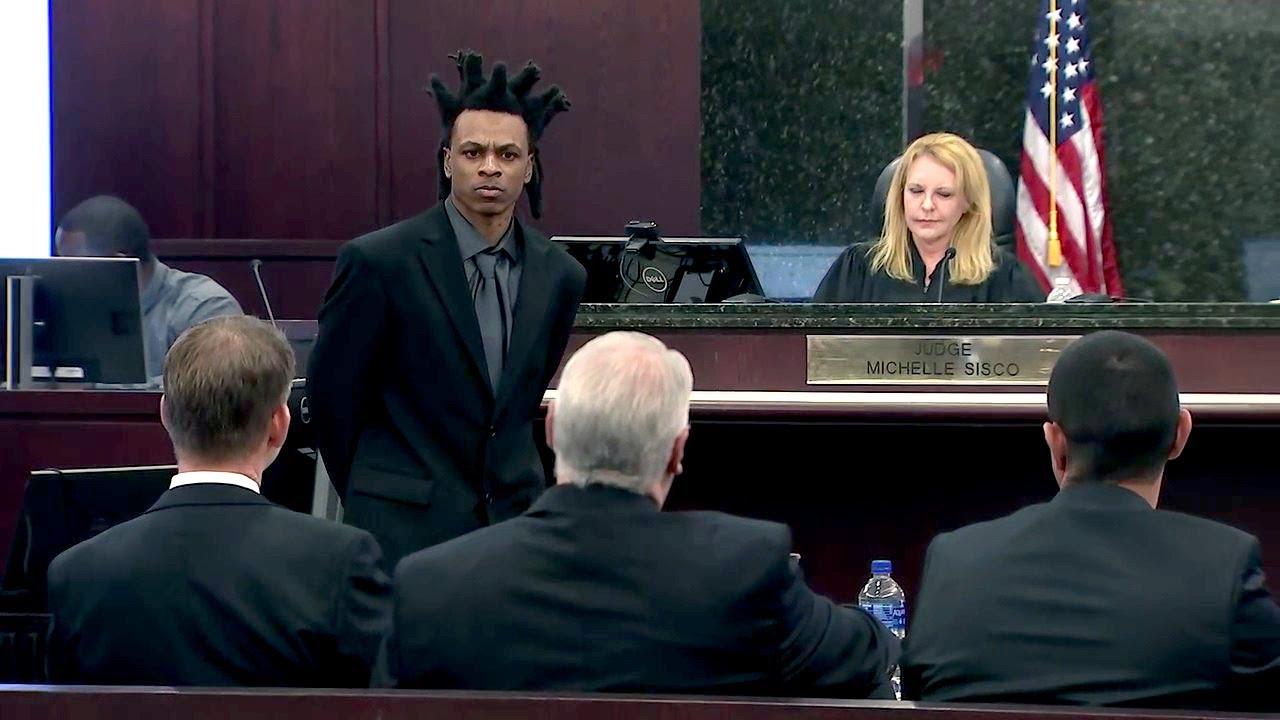
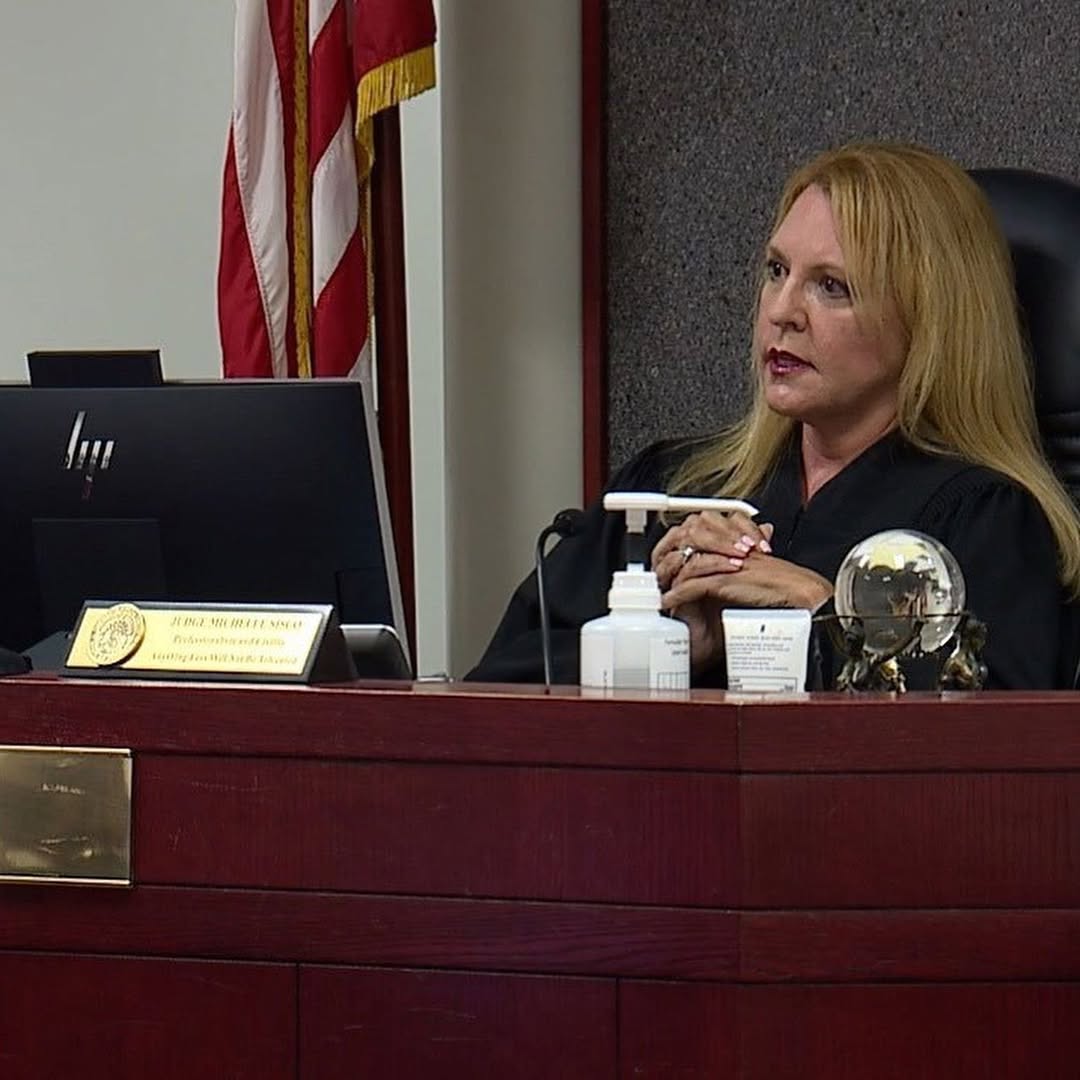
Judge Michelle Sisco
Reflecting on the case during sentencing, Judge Michelle Sisco described it as the "worst case [she's] ever seen" in her nineteen-year judicial career, specifically noting O'Neal's actions toward his daughter as "abject cruelty".
Appeals Process: The Finality of the Law
O'Neal subsequently appealed his judgment and sentences. However, the appellate court affirmed the judgment and sentences, finding no merit in the multiple issues he raised. The swift and definitive rejection of his appeal further solidified the legal system's affirmation of the trial court's findings and the undeniable strength of the prosecution's case.
A Tragedy Marked by Violence, Trauma, and Difficult Questions
The case of Ronnie O'Neal III remains one of the most disturbing examples of domestic violence in recent memory. In March 2018, O'Neal killed his ex-girlfriend, Kenyatta Barron, and their 9-year-old daughter, Ron'Niveya, and severely injured their 8-year-old son, Ronnie IV. The timeline of events, supported by 911 calls, forensic evidence, and the powerful testimony of the surviving child, painted a clear picture of what happened that night.
Investigators described the violence as extreme, with signs of “overkill” suggesting a loss of control rather than self-defense. The broken shotgun used as a blunt weapon underscored the brutality. Despite O'Neal’s attempts to claim self-defense and question his mental state, the jury found him guilty on all counts.
Psychological assessments revealed a history of trauma, including reports of childhood abuse and a past shooting. Though an early PTSD claim was dismissed, later evaluations diagnosed O'Neal with a delusional disorder and noted a family history of mental illness. These findings raised questions—but not enough to alter the outcome.
Ultimately, the courage of Ronnie O'Neal IV was central to the case. His testimony helped bring clarity to a night of chaos, and justice to a deeply tragic story.
Ronnie O’Neal the night he was arrested, covered in the blood of his family.
Ronnie O’Neal’s actions appear to stem from a severely distorted mental state, where he saw his own family as threats. This suggests a deeper psychological breakdown rather than a clear, rational motive. While details remain limited, references to prior domestic violence point to an escalating pattern that may have set the stage for the final attack.
His repeated shouts of “Allahu Akbar,” when viewed with other paranoid and delusional statements, seem tied to psychosis—not religious extremism—underscoring the need for careful interpretation in such cases.
Legally, the court rejected O’Neal’s “Stand Your Ground” defense, ruling he was the aggressor. His choice to represent himself—especially while cross-examining his surviving son—was both unusual and deeply unsettling. In the end, overwhelming evidence, including forensic reports and his son’s testimony, led to a conviction on all counts and a sentence of three consecutive life terms.
People Also Ask
Q: What was Ronnie O'Neal III convicted of? A: Ronnie O'Neal III was convicted of two counts of first-degree murder, one count of attempted first-degree murder, two counts of aggravated child abuse, one count of arson, and one count of resisting a law enforcement officer.
Q: How long was Ronnie O'Neal III sentenced to? A: He was sentenced to three consecutive life sentences without the possibility of parole, plus an additional 90 years.
Q: Did Ronnie O'Neal III represent himself in court? A: Yes, Ronnie O'Neal III chose to serve as his own attorney during the trial, in addition to his appointed counsel. This included cross-examining his own son, Ronnie IV, who was a key witness for the prosecution.
Q: What happened to Ronnie O'Neal III's son, Ronnie IV? A: Ronnie O'Neal IV survived the attack despite severe stab wounds and burns. He was later adopted by Detective Mike Blair, who had responded to the crime scene, and changed his name to Ronnie Blair.
Q: Was Ronnie O'Neal III diagnosed with a mental illness? A: A forensic psychologist, Dr. Scot Machlus, diagnosed O'Neal with a "delusional disorder" and noted a predisposition for mental illness inherited from his family, along with trauma from childhood sexual abuse and an adult shooting incident.
Navigating child custody matters is profoundly challenging, not merely a legal proceeding but a deeply personal journey fraught with emotion and uncertainty. At its core lies the unwavering priority of a child's well-being, which must guide every decision and action. The effectiveness of legal representation in these sensitive situations hinges less on aggressive posturing and more on an acute ability to absorb and interpret the nuanced realities of a family's life. This is particularly true in complex cases that may involve domestic violence, where the guidance of a skilled domestic violence lawyer Sacramento becomes crucial. A lawyer who listens intently, not just to words but to the unspoken concerns and dynamics, lays the foundation for outcomes that genuinely serve the child's best interests. This perceptive engagement transforms the legal process from a cold negotiation into a human-centered pursuit of stability and security for the most vulnerable members of the family.
The Child's Voice in Custody Matters: Beyond the Obvious
Even when children are not directly speaking in a courtroom, their needs and perspectives remain the central focus of any custody determination. A proficient legal professional understands that a child's best interests are multifaceted, encompassing their developmental stage, their need for stability, and their emotional well-being. This requires a lawyer to gather information that extends far beyond the surface level; it means piecing together the subtle cues from parental accounts, scrutinizing daily routines, school performance, and social connections. A truly attentive lawyer listens to parents with a keen ear for details that illuminate the child’s true environment and experiences. By synthesizing this comprehensive understanding, legal counsel can articulate a compelling case that effectively advocates for the child’s holistic needs, ensuring their voice, however indirect, is profoundly heard.
The Art of Listening: Why it Matters for Parents
Sacramento family law attorney capacity for genuine listening is the bedrock upon which a robust child custody case is built. For parents embroiled in these disputes, sharing their deepest concerns, hopes, and fears requires immense trust. An attorney who actively listens validates these emotions while simultaneously gathering crucial factual details about the family dynamic, its history, and daily routines. This attentive engagement allows the lawyer to identify unspoken priorities, potential challenges, and unique strengths within the family unit that might otherwise be overlooked. Building such rapport through perceptive listening is indispensable in sensitive cases, fostering an environment where parents feel truly heard and understood. This profound understanding directly informs the strategic development of the case, empowering the lawyer to negotiate effectively and advocate persuasively for the desired outcomes.
Navigating Complexities: When Listening Uncovers Deeper Issues
A lawyer's truly perceptive listening can unearth critical underlying issues that significantly impact a custody case, elements far more profound than surface-level disagreements. This acute attention allows them to identify subtle indicators of parental alienation, substance abuse, or mental health concerns that might otherwise remain hidden. They can also recognize dynamics of power imbalance or coercive control, which are vital for understanding the true safety and stability of a child's environment. In situations where such grave concerns emerge, the immediate involvement of a domestic violence lawyer in Sacramento becomes critical, focusing on protecting both the children and the non-abusive parent from further harm. This deep dive into the family's true circumstances, enabled by a lawyer's unwavering attentiveness, allows for a comprehensive assessment and the implementation of safeguards that go beyond superficial resolutions, truly addressing the child's best interests.
Strategic Advocacy: Tailoring Solutions Through Understanding
The comprehensive understanding a lawyer gains through active, empathetic listening is the bedrock of effective and personalized legal strategy in custody matters. It enables them to move beyond generic templates, developing custody plans that are genuinely tailored to the unique circumstances of each family, prioritizing the child's specific stability and emotional needs. A skilled Child Custody Lawyer Sacramento excels at translating these intricate family dynamics, the nuances revealed through listening, into persuasive legal arguments. This deep insight informs every aspect of advocacy, from negotiating amicable agreements that foster positive co-parenting relationships to crafting robust litigation strategies when courtroom intervention becomes necessary. The local legal context in Sacramento is also crucial, and a lawyer who has listened intently to their clients' stories can powerfully advocate for their child's best interests within these specific parameters, ensuring their voice resonates in every legal proceeding.
Beyond the Courtroom: A Holistic Approach to Family Well-being
The impact of a lawyer who truly listens extends far beyond the confines of a courtroom victory, embracing a holistic approach to a family's enduring well-being. Their insights gained from attentive engagement enable them to offer valuable guidance on long-term co-parenting strategies, helping parents navigate the ongoing complexities of raising children separately. Such a lawyer often connects families with crucial support resources, including counseling, therapy, or specialized mediation services, recognizing that legal resolutions are but one part of a larger healing process. A compassionate Sacramento family law attorney understands that their role is not just to secure an order but to help families transition and heal, fostering a positive environment for children long after the legal proceedings conclude. This comprehensive perspective acknowledges that the legal outcome is merely a chapter in the larger, unfolding journey of the family.
Survivor Justice Center Honors Morgan Lewis as 2025 Pro Bono Partner of the Year.
Survivor Justice Center has named Morgan Lewis its 2025 Pro Bono Partner of the Year.
The national law firm was honored for its extensive work providing free legal services to survivors of domestic violence and sexual assault, work that often happens behind the scenes but can be life-changing for those it touches.
Since 2016, Morgan Lewis attorneys have worked alongside the Survivor Justice Center on a range of critical matters, from helping clients secure restraining orders to navigating complex family law disputes.
The firm’s pro bono contributions have also extended into civil advocacy and community support, making legal protection more accessible for vulnerable individuals who often feel powerless in the system.
The award will be presented at the center’s annual Bridge to Justice Galaon May 15, held at the Taglyan Complex in Los Angeles.
Survivor Justice Center, based in California, provides wraparound services to survivors of abuse, including legal assistance, advocacy, and referrals to essential social services. Their partnership with law firms like Morgan Lewis allows the center to expand its reach.
Morgan Lewis provides critical legal support to those who need it most but often can’t afford it. Their commitment to justice and to protecting survivors and their children, continues to make a real difference.
The dissolution of a marriage is rarely a simple affair, often fraught with emotional complexities and legal hurdles. When allegations of domestic violence enter the equation, the proceedings become even more intricate, particularly concerning the determination of spousal support. Courts grapple with balancing the financial needs of one spouse against the misconduct of the other, and the presence of abuse can significantly alter the trajectory of alimony decisions. Navigating these sensitive issues requires the skilled guidance of a domestic violence lawyer Phoenix who understands the profound legal and financial ramifications.
The Legal Landscape of Spousal Support
Spousal support, also known as alimony, is a financial provision ordered by a court in a divorce or separation to assist a less financially advantaged spouse. The factors considered in awarding alimony vary by jurisdiction but often include the length of the marriage, the earning capacity of each spouse, their contributions to the marriage, and their future financial needs.
Traditional Factors in Spousal Support Determination
Courts typically assess the financial circumstances of each party, their age and health, the standard of living established during the marriage, and the time needed for the receiving spouse to become self-sufficient. These economic factors form the foundation of most spousal support decisions.
The Introduction of Marital Misconduct
Many jurisdictions also allow the consideration of marital misconduct when determining spousal support. This can encompass a range of behaviors, and domestic violence often stands out as a particularly egregious form of misconduct with significant implications.
Domestic Violence as a Decisive Factor
Allegations or findings of domestic violence can fundamentally shift the court's perspective on spousal support. The law often recognizes the profound impact of abuse on a victim's ability to maintain financial independence and may penalize the abuser financially.
Impact on the Recipient Spouse's Needs and Ability to Earn
Domestic violence can severely impair a victim's ability to earn a living. Abuse can lead to physical injuries, psychological trauma, and disruptions in employment history. A spousal support attorney will often highlight these impacts to demonstrate the victim's increased financial need.
Punitive Considerations for the Abuser
Courts may view awarding spousal support to an abusive spouse as unjust. In some jurisdictions, a finding of domestic violence against the paying spouse can be grounds for reducing or even eliminating their obligation to provide alimony.
Establishing Proof of Domestic Violence
Presenting credible evidence of domestic violence is crucial. This can include police reports, medical records, witness testimony, and personal journals. A skilled domestic violence lawyer is adept at gathering and presenting such evidence effectively.
Variations Across Jurisdictions
The specific ways in which domestic violence impacts spousal support awards can vary significantly depending on state or local laws.
States Where Domestic Violence is a Bar to Spousal Support
Some jurisdictions have laws explicitly stating that a spouse found to have committed domestic violence is barred from receiving alimony. This reflects a policy of not financially rewarding abusive behavior.
States Where Domestic Violence is a Significant Factor in the Award
In other states, while not an outright bar, domestic violence is a significant factor that the court must consider. It can lead to a substantial increase in the support awarded to the victim or a decrease in the obligation of the victim to pay support.
States with More Discretionary Approaches
Some jurisdictions grant judges more discretion in considering marital misconduct, including domestic violence, alongside other factors when determining spousal support. The weight given to such allegations can vary depending on the specific circumstances of the case.
The Burden of Proof and Credibility
Allegations of domestic violence carry significant weight, but they must be substantiated with credible evidence.
If domestic violence should document all instances of abuse, including dates, times, descriptions of the incidents, and any resulting injuries or police involvement. This documentation is vital for legal proceedings.
Addressing False Allegations
Conversely, false allegations of domestic violence can have severe consequences in spousal support and other divorce-related matters. A competent attorney will vigorously defend against unsubstantiated claims. The complexities of these situations often necessitate the involvement of a law firm experienced in handling sensitive and contested divorce cases, such as Gillespie, Shields & Taylor, which has a reputation for thorough and ethical representation.
Navigating the Intersection: Legal Strategies
Attorneys representing clients in cases involving domestic violence and spousal support employ specific legal strategies to protect their clients' interests.
For the Survivor: Seeking Increased Support and Financial Security
A domestic violence lawyer representing a survivor will focus on demonstrating the history and impact of the abuse on their client's financial well-being, advocating for a spousal support award that reflects these realities and promotes long-term financial security.
For the Accused: Defending Against False Allegations and Ensuring Fairness
An attorney representing a client accused of domestic violence will rigorously examine the evidence, challenge unsubstantiated claims, and ensure their client's right to a fair determination of spousal support based on all relevant factors.
The Emotional and Psychological Impact
The legal battle over spousal support, especially when intertwined with domestic violence allegations, can take a significant emotional and psychological toll on all parties involved.
Trauma and Re-Traumatization for Survivors
For survivors, recounting experiences of abuse in legal proceedings can be deeply traumatic. A compassionate and skilled attorney provides crucial support and guidance throughout this difficult process.
The Stress and Stigma for the Accused
Individuals facing domestic violence allegations, even if false, can experience significant stress, reputational damage, and emotional distress.
Seeking Legal Guidance Early On
It is crucial for anyone involved in a divorce where domestic violence is a factor to seek legal counsel from a qualified domestic violence lawyer and a Phoenix spousal support attorney as early as possible. Early legal intervention can help protect rights, gather necessary evidence, and develop a strategic approach to the proceedings.
Conclusion: Ensuring Justice and Financial Security in the Shadow of Abuse
Allegations of domestic violence cast a long shadow over divorce proceedings, profoundly influencing decisions regarding spousal support. Courts strive to balance financial needs with considerations of fault and the impact of abuse. The laws governing this intersection vary, underscoring the importance of seeking knowledgeable legal representation. Whether you are a survivor seeking financial stability or an individual facing accusations, understanding your rights and options is paramount. The complexities of these cases highlight the necessity of experienced legal counsel to navigate the legal landscape and advocate for a just and equitable outcome, ensuring that financial security is not further jeopardized by the devastating impact of domestic violence.
Mackenzie Anderson’s Murder: How the Legal System Failed to Stop Tyrone Thompson.
It was a crime so brutal, so violent, that it shocked even the most seasoned prosecutors in New South Wales. In 2022, 21-year-old Mackenzie Anderson was stabbed 78 times in her own home—her life stolen in a frenzied act of domestic violence at the hands of her former partner, Tyrone Thompson. Now, three years later, Thompson has finally pleaded guilty to her murder after maintaining a claim of self-defense.
The case is a devastating portrait of intimate partner violence—and a stark reminder of the legal gaps that continue to fail victims of abuse, even in the face of restraining orders, criminal records, and clear warning signs.
The Crime That Should Have Been Prevented
On that horrific night in 2022, Tyrone Thompson, then just 22 years old and two weeks out of jail, entered the home of his ex-girlfriend in Mayfield, a suburb of Newcastle, Australia. Despite an active restraining order, Thompson gained access and, in a fit of what can only be described as sadistic rage, stabbed Anderson 78 times.
Mackenzie was a young mother. She had taken legal steps to protect herself from Thompson. But the system designed to enforce that protection failed.
The raw brutality of the murder—underscored by the sheer number of stab wounds—makes Thompson’s original self-defense claim not only legally untenable but psychologically disturbing. For nearly three years, Thompson denied the killing. Only days before trial, in a move that caught prosecutors and the victim’s family off-guard, he changed his plea to guilty.
Legal Breakdown: The Myth of Self-Defense in Excessive Force Cases
Self-defense is a cornerstone of criminal law—but it’s not a get-out-of-jail-free card. In almost every common law system, including Australia and the U.S., self-defense must be proportionate. The force used in defending oneself must be reasonable under the circumstances.
Stabbing someone 78 times—nearly four dozen more than it takes to kill—is a textbook example of excessive force. It goes far beyond what any reasonable person would deem necessary to protect themselves. Prosecutors knew it. The victim’s family knew it. The medical examiner’s report proved it.
For Thompson to even attempt a self-defense claim in this case speaks volumes about the audacity of some criminal defense strategies—and the systemic delays that allow such tactics to persist for years, retraumatizing victims’ families in the process.
The Restraining Order Dilemma
One of the most legally significant—and heartbreaking—elements of this case is that Mackenzie Anderson had taken out a restraining order against Thompson prior to her death.
Restraining orders, in theory, should act as both legal and psychological deterrents to abuse. But in practice, their enforcement is often inconsistent, underfunded, and reactionary. They rely heavily on proactive reporting and swift response times from law enforcement—factors that failed Anderson when she needed them most.
Anderson’s mother, Tabitha Acret, has since become a vocal advocate for tougher domestic violence laws. In her public statement after the plea, she said: “Our fight for accountability continues, our advocacy will not stop.” Her efforts mirror those of countless families across the world who’ve watched loved ones fall through the cracks of court-ordered protection.
Sentencing: A Test of Justice or Just Optics?
While Thompson has finally admitted guilt, the legal fight isn’t over. His sentencing hearing is scheduled for later this month, and the stakes couldn’t be higher. In Australia, a murder conviction carries a maximum sentence of life imprisonment—but that doesn’t guarantee Thompson will spend the rest of his days behind bars.
Courts have wide discretion in sentencing. The defense may argue mitigating factors like mental health, past trauma, or even the stress of incarceration. But the prosecution—and Anderson’s family—will undoubtedly push for the maximum, citing the premeditation, the violence, and the restraining order violation.
And here’s where the legal world will be watching closely: Will the court use this case to send a broader message about intimate partner violence? Or will Thompson become yet another name in a long list of men whose punishment failed to match the gravity of their crimes?
Lessons for Legal Reform
This case raises critical issues that deserve urgent legal examination:
Are restraining orders enforceable enough? Should violating one automatically escalate to preemptive detainment or electronic monitoring?
Is there enough accountability for repeat offenders of domestic violence? Thompson had been in jail before—was there any oversight upon his release?
Can the justice system balance fair trial rights with the trauma inflicted on victims’ families? Should self-defense claims involving extreme violence be subject to early evidentiary screening?
In Australia and beyond, legal scholars and policymakers will undoubtedly dissect this case in years to come. It may become a flashpoint for rethinking how domestic violence is handled—not only in courtrooms but in policing, parole decisions, and victim services.
A Mother’s Mission—and a Legal Legacy
For Mackenzie Anderson’s family, no sentence will bring her back. But perhaps this case can help prevent future tragedies. Her mother’s advocacy is already gaining attention, and as the public eye turns toward Thompson’s sentencing, lawmakers will be under pressure to respond.
The law, at its best, is designed to protect the vulnerable. But as this case shows, it sometimes arrives too late.
Justice is finally catching up with Tyrone Thompson. The real question is whether it will keep pace for others still in danger.
Two Arrests, No Charges: What the Kim Delaney Case Reveals About the Limits of Domestic Violence Law
It started, as these things often do, in private. A Saturday morning. A call to the police. A home in Marina del Rey.
By the end of the day, two people were in custody: Kim Delaney — Emmy winner, former NYPD Blue star — and her husband, James Morgan. She was booked on suspicion of assault with a deadly weapon. He was arrested for misdemeanor domestic violence.
Three days later, it was over. The Los Angeles County District Attorney’s Office declined to press charges against either of them. Not because nothing happened, but because no one could prove exactly what did.
That’s where the story officially ends. But legally — and culturally — it’s where things start to get interesting.
When No One Can Tell Who Started It
Domestic violence law, especially in California, is built on the idea that there’s usually a clear aggressor. Police are trained to look for signs: visible injuries, property damage, emotional distress, prior calls to the house.
But sometimes, those signs don’t point in one direction. They point in two.
That’s what seems to have happened in the Delaney-Morgan case. According to reports, both parties had something to say about what went down — and neither version told the whole story.
In those moments, police don’t always have the luxury of time. So they make a call. In this case, they arrested both.
It’s a rare move — and it’s usually a sign that no one on the scene could figure out who was defending themselves and who was causing harm.
The Legal Deadlock of “Mutual Combat”
The term “mutual combat” sounds dramatic, but in the legal world, it’s vague and often useless in domestic violence cases.
If you and a stranger get into a fight outside a bar, maybe you both chose it. Maybe you both walk away with charges. But when people share a home, a history, maybe a child or a marriage? The law treats that differently.
California requires officers to identify the primary aggressor in domestic disputes. If they can’t, they sometimes arrest both people to prevent further harm — but it’s a controversial and widely criticized approach.
Prosecutors, on the other hand, need more than a hunch. They need a clean, coherent narrative. They need evidence. And when both people are claiming self-defense, the story often gets too tangled to untie.
“I Was Protecting Myself”
That’s the heart of most dual-arrest situations: both people say the same thing.
They weren’t attacking — they were reacting. They were scared. They didn’t mean to. They were defending themselves.
These aren’t unusual claims. But without witnesses, video, audio, or injuries that clearly tell a story, there’s nowhere for the case to go.
Kelsey McKay, a former prosecutor who now trains law enforcement on how to better handle cases like these, says the reality is often far more complicated than anyone wants to admit.
“These cases force us to look beyond black and white. They’re messy. They’re emotional. And sometimes, there isn’t a neat ending.”
A History That Doesn’t Speak
Delaney and Morgan’s relationship wasn’t exactly a tabloid fixture, but court records fill in some gaps. The couple married in 2022. Five months later, Delaney filed for divorce. She also sought a restraining order, which was never finalized. The divorce case was eventually dropped after she didn’t show up in court.
That’s not evidence of guilt. It’s not evidence of innocence either. It’s just a paper trail — one that suggests this wasn’t the first time things had gotten complicated.
In cases like these, the past doesn’t predict the future, but it colors how investigators and prosecutors see the present.
The Prosecutor’s Dilemma
Prosecutors are not in the business of taking chances. If they think they’re going to lose a case, especially one that puts two lives under a microscope, they’d rather not file charges at all.
That’s not weakness — it’s strategy.
If you were watching this from the outside, you might think no charges means nothing happened. But in truth, it may mean something happened — just nothing provable.
You can’t convict someone because you have a feeling. You need to convince 12 strangers that what you're saying is the truth — and nothing but.
What Happens When Women Fight Back?
There’s another layer to this, one that doesn’t always make it into police reports.
Rachel Louise Snyder, a journalist and professor who’s spent years writing about domestic violence, puts it like this:
“We have two different self-defense systems in this country: one for men and one for women.”
When women use force to protect themselves — especially in the context of a relationship — it’s not always viewed as self-defense. Sometimes it’s seen as escalation. Sometimes it's seen as criminal.
That’s the double bind. If you fight back, you’re punished. If you don’t, you’re hurt.
In Delaney’s case, we don’t know the full story. But the system’s reaction — arresting her alongside her husband — isn’t unusual. It happens more than we talk about.
Lessons from a Quiet Dismissal
This case didn’t go to trial. It didn’t generate weeks of coverage. It barely made it past the entertainment blogs.
But it tells us a lot about how the law works — and where it falls short.
It shows how difficult it is to prosecute when both parties are pointing fingers, and neither story stands up on its own. It shows how complicated it can be when emotion, history, and legality collide. And it reminds us that justice, especially in the realm of domestic violence, is rarely clean or clear.
What People Ask in Cases Like This
Can both partners be arrested for domestic violence? Yes. It happens when police can’t determine who was the aggressor. It’s not common, but it’s not unheard of either.
What does “insufficient evidence” really mean? It means there wasn’t enough clear, admissible information to confidently prove a crime happened — or who committed it.
Does a restraining order from the past affect new charges? It might. A judge or prosecutor could consider it as context, but it isn’t proof on its own.
Is self-defense easy to prove in domestic cases? No — not at all. Especially when both people say they were defending themselves and no outside evidence exists.
Final Word
Maybe we’ll never know what really happened that day between Kim Delaney and James Morgan. Maybe they do. Maybe they don’t even agree.
But what this case leaves behind is a familiar echo in the legal system: sometimes, the truth gets lost in the middle. Sometimes the best you can do — legally, ethically — is walk away.
To provide the best experiences, we and our partners use technologies like cookies to store and/or access device information. Consenting to these technologies will allow us and our partners to process personal data such as browsing behavior or unique IDs on this site and show (non-) personalized ads. Not consenting or withdrawing consent, may adversely affect certain features and functions.
Click below to consent to the above or make granular choices. Your choices will be applied to this site only. You can change your settings at any time, including withdrawing your consent, by using the toggles on the Cookie Policy, or by clicking on the manage consent button at the bottom of the screen.
Functional
Always active
The technical storage or access is strictly necessary for the legitimate purpose of enabling the use of a specific service explicitly requested by the subscriber or user, or for the sole purpose of carrying out the transmission of a communication over an electronic communications network.
Preferences
The technical storage or access is necessary for the legitimate purpose of storing preferences that are not requested by the subscriber or user.
Statistics
The technical storage or access that is used exclusively for statistical purposes.The technical storage or access that is used exclusively for anonymous statistical purposes. Without a subpoena, voluntary compliance on the part of your Internet Service Provider, or additional records from a third party, information stored or retrieved for this purpose alone cannot usually be used to identify you.
Marketing
The technical storage or access is required to create user profiles to send advertising, or to track the user on a website or across several websites for similar marketing purposes.
To provide the best experiences, we use technologies like cookies to store and/or access device information. Consenting to these technologies will allow us to process data such as browsing behaviour or unique IDs on this site. Not consenting or withdrawing consent, may adversely affect certain features and functions.
Functional
Always active
The technical storage or access is strictly necessary for the legitimate purpose of enabling the use of a specific service explicitly requested by the subscriber or user, or for the sole purpose of carrying out the transmission of a communication over an electronic communications network.
Preferences
The technical storage or access is necessary for the legitimate purpose of storing preferences that are not requested by the subscriber or user.
Statistics
The technical storage or access that is used exclusively for statistical purposes.The technical storage or access that is used exclusively for anonymous statistical purposes. Without a subpoena, voluntary compliance on the part of your Internet Service Provider, or additional records from a third party, information stored or retrieved for this purpose alone cannot usually be used to identify you.
Marketing
The technical storage or access is required to create user profiles to send advertising, or to track the user on a website or across several websites for similar marketing purposes.