Understand Your Rights. Solve Your Legal Problems
In her groundbreaking Hulu docuseries Call Her Alex, podcast superstar Alexandra "Alex" Cooper opens up about her traumatic college years.
While best known for hosting the smash-hit Call Her Daddy podcast, Cooper now reveals the emotional toll of alleged sexual harassment at the hands of her former Boston University (BU) women’s soccer coach, Nancy Feldman.
A Promising Soccer Career at Boston University from 2013 to 2015, Cooper earned a full-ride soccer scholarship at BU, where Feldman served as the founding head coach of the Division I women’s program.
Over nearly three decades, Feldman built a powerhouse, leading the Terriers to 14 NCAA Tournament berths, amassing 326 wins and earning a dozen conference Coach of the Year honors. Yet, for Cooper, the field became a place of anxiety and isolation.
In Call Her Alex, Cooper recounts her sophomore season, when Feldman’s attention veered from performance to personal fixation. “It wasn’t about the game,” Cooper says. “She wanted to know who I was dating, made comments about my body and insisted on driving me to night classes alone.”

Cooper describes instances of unwanted physical contact, Feldman placing a hand on her thigh and invasive questioning about her sex life. Terrified of losing her scholarship, she internalized the fear of “consequences” for resisting.
When Cooper and her parents reported the behavior in writing, BU officials allegedly declined to investigate. Faced with inaction, Cooper opted out of her senior season in 2016, retaining her scholarship but sacrificing the sport she loved.

Born and raised in Needham, Massachusetts, Feldman played collegiate soccer at the University of Massachusetts Amherst, where her four-goal single-game record endures.
After earning a master’s in exercise and sport studies from Smith College, she launched BU’s women’s soccer program in 1995.
Alongside her partner, Emily, Feldman raised two children and welcomed two grandchildren while shaping generations of student-athletes. She retired in 2022, citing a desire to step aside when she could no longer give “100 percent of the time.”
Alex Cooper’s decision to go public, ten years after leaving BU, underscores the barriers survivors face.
“I wasn’t someone with power or influence,” the 30-year-old docuseries narrator reflects. “I was just another woman whose life was changed forever.”
Filming at the very practice fields where her ordeal unfolded, she confronts “small, scared” feelings from age 18.
Cooper stresses that her experience is not unique to college sports. “This is systemic, women across workplaces and institutions face it every day,” she warns. With Call Her Alex, she aims to ignite change in protocols that left her voiceless.
Neither BU nor Feldman has publicly responded to Cooper’s allegations. As the docuseries premieres on Hulu on June 10, its candid narrative invites broader conversations about power, protection and accountability in collegiate athletics.
In the second episode of her two-part Hulu special, Cooper shares intimate footage from her April 6, 2024 wedding in Riviera Maya, Mexico.
Viewers witness the couple, who met via Zoom in 2020—exchanging heartfelt vows.

“You’re the best man I’ve ever met... the way you love me is indescribable,” Cooper says through tears. Producer Matt Kaplan responds, pausing mid-speech as emotion overcomes him.
Their private love story, long held off-limits, now becomes part of Alex Cooper’s larger journey toward healing and openness.
People Also Ask
A U.S. court has allowed part of a high-profile defamation case to move forward, marking a rare legal clash between a major pharmaceutical company and a short seller.
Spanish drugmaker Grifols can proceed with its lawsuit against Gotham City Research, according to a recent ruling from the Southern District of New York, though the judge also dismissed several key parts of the claim.
At the heart of the dispute is a scathing report released by Gotham City in early 2024. In it, the activist short seller accused Grifols of overstating its earnings while downplaying its debt obligations.
The fallout was swift and brutal: shares in Grifols plummeted by roughly a third, wiping billions off the company’s market value almost overnight.
Among Gotham’s boldest claims was that Grifols failed to disclose a $95 million loan to Scranton Enterprises, a company tied to the Grifols founding family.
That allegation, the court noted, could potentially be defamatory, if it's shown to be false and harmful.
As such, the judge ruled that this particular claim deserves to be examined in court.
But not everything in Grifols’ lawsuit will be heard. The court dismissed its accusations of unjust enrichment and unlawful interference, stating that many of Gotham’s remarks were expressions of opinion rather than verifiable falsehoods.
In short, the judge found that much of the report was protected by the First Amendment.
Grifols, however, isn’t backing down. In a statement, the company said it continues to defend itself “against what it considers a speculative attack based on misleading information.”
It’s seeking both monetary damages and injunctive relief, likely aiming to recover at least some of the financial damage tied to the stock's freefall.
Legally speaking, it’s possible, but the bar is high. To succeed in a defamation case like this, a company must show that the short seller knowingly spread false facts, or at least acted with reckless disregard for the truth.
Short sellers like Gotham often operate in a legal gray zone. Their reports are typically framed as financial analysis or opinion, which makes them harder to sue.
Courts are generally reluctant to punish those who publish market commentary, especially if the language used is speculative or interpretive rather than concrete and factual.
That said, the judge in this case did flag the loan allegation as potentially crossing the line from opinion into damaging misinformation. If proven untrue and made with malicious intent, that claim could open the door to real liability.
For businesses: This ruling is a reminder that defamation cases involving financial markets are complex and uphill battles. But if specific, harmful lies can be proven, legal recourse may be possible, even against critics with deep pockets and sharp tongues.
For investors: Reports by short sellers can significantly impact a stock’s performance. It’s essential to understand both the substance and the motivation behind such reports. Just because a report sounds confident doesn’t make it credible or accurate.
For market commentators and short sellers: You still have strong First Amendment protections but factual accuracy matters. If a claim turns out to be demonstrably false and damaging, you could find yourself defending it in federal court.
This case is far from over. With the defamation component still alive, Grifols will now attempt to prove that Gotham’s loan-related claim was materially false and intentionally harmful. If successful, the company could be entitled to a substantial payout, possibly reflecting the scale of its stock market losses.
Gotham City, for its part, welcomed the partial dismissal. In a statement, the firm said it was pleased that “the vast majority of Grifols’ claims” had been thrown out. It defended its report as a protected form of analysis, adding: “We remain confident in the integrity of our research and stand by our work.”
Interestingly, the court took a moment to comment on the nature of short selling itself. While short sellers undeniably profit from a company’s decline, the court emphasized they are still entitled to express opinions and analysis, just like any other market participant.
Can a company sue for defamation over a short seller’s report?
Yes, but the company must show that the report contained false statements of fact, not just opinion, and that it caused reputational or financial harm.
Is short selling legal in the U.S.?
It is. Short selling is a common, if controversial investment strategy, regulated by the SEC and widely used in hedge fund and institutional trading.
What’s the difference between opinion and defamation in financial writing?
Opinion is protected speech. But if a writer makes verifiably false statements about a company’s finances or behavior, that could potentially be defamatory.
Why is the Grifols vs. Gotham case important?
It underscores the legal risks short sellers face when their reports move markets and the fine line between free speech and reputational damage in modern investing.
Levi & Korsinsky, LLP, a prominent securities litigation firm, has announced the filing of a class action securities lawsuit against Zenas BioPharma, Inc. (NASDAQ: ZBIO), following concerns about the company’s initial public offering (IPO) in September 2024.
The class action lawsuit targets investors who bought Zenas BioPharma securities during the September 2024 IPO.
The complaint alleges that the company and certain individuals made misleading statements about the sustainability of its cash reserves, including the funds raised through the IPO.
Specifically, Zenas BioPharma is accused of overstating how long its existing cash, including IPO proceeds, would support its operations.
The lawsuit claims that the defendants made negligent and false public statements, which could have influenced investors' decisions and led to financial losses.
If you purchased or acquired Zenas BioPharma securities between the IPO date and now, you may be eligible to join the lawsuit.
You can participate either by applying to become the lead plaintiff or by joining the class action without serving in a leadership role.
If you're interested in taking a more active role, the deadline for submitting a lead plaintiff application is June 16, 2025.
Levi & Korsinsky, LLP encourages affected investors to learn more about their rights by filling out the case submission form available on their website. For additional information, you can contact Joseph E. Levi, Esq. directly at jlevi@levikorsinsky.com or call (212) 363-7500.
There’s no cost to join the class action. Legal fees are generally covered by any recovery from the lawsuit, so you won’t need to pay anything upfront. This allows investors to seek potential compensation without bearing any initial financial burden.
Time is of the essence for investors looking to protect their rights and seek compensation. Acting now ensures that your interests are represented in this important case. Visit the lawsuit page or reach out to Levi & Korsinsky, LLP today for more details.
Zenas BioPharma is a clinical-stage biopharmaceutical company focused on developing therapies for autoimmune diseases. Their lead product, obexelimab, targets CD19 and FcγRIIb to regulate B cell activity in diseases like Immunoglobulin G4-Related Disease, relapsing multiple sclerosis, and lupus. Zenas aims to improve patient lives with innovative treatments, guided by core values of Transparency, Relationships, Excellence, Urgency, and Innovation. Led by a seasoned executive team, the company fosters a collaborative, diverse, and dynamic culture focused on impactful results.
Levi & Korsinsky LLP is a recognized leader in securities litigation, with a track record of recovering hundreds of millions of dollars for shareholders over the past two decades. With a dedicated team of over 70 professionals, the firm specializes in complex securities cases and has been featured in ISS Securities Class Action Services' Top 50 Report for seven consecutive years.
Reality TV star Erika Jayne, 53, has opened up about the emotional fallout from the sentencing of her estranged husband, Tom Girardi, 86, who was recently handed a prison term of more than seven years for wire fraud.
Once regarded as a titan of the legal world, Girardi was convicted of embezzling millions in settlement funds from his own clients. Despite a diagnosis of Alzheimer’s, doctors found him competent enough to face trial.
For Erika, who filed for divorce back in 2020, the emotional wreckage has been overwhelming. “Emotionally destroyed” is how she described herself, betrayed by a man she “loved and trusted.”
Erika Jayne, who filed for divorce in 2020, confessed she has been “emotionally destroyed,” describing the betrayal by someone she “loved and trusted.”
While much of the media attention has centered on the scandalous celebrity drama, the case raises serious legal questions about the rights and responsibilities of spouses caught in the wake of financial crime.
Are You Liable for Your Spouse’s Financial Crimes?

Erika Jayne
Let’s get one thing straight: in most cases, you’re not going to jail for something your spouse did. Criminal liability is individual. But that doesn’t mean you’re totally in the clear.
If your name is on a shared account, if property was purchased with stolen money, or if you unknowingly enjoyed the perks of their scheme, like luxury trips or expensive gifts, your financial world could still get turned upside down.
Prosecutors can (and often do) go after anything that was bought with dirty money, even if you didn’t know where it came from. It’s called civil forfeiture.
Sounds technical, but it boils down to this: if something was funded by fraud, the government might come knocking, whether it’s your car, your house, or even your wedding ring.
Divorce and Financial Restitution: What’s at Stake?

Erika Jayne’s Ex-Husband Tom Girardi
In Girardi’s case, the court ordered him to pay back more than $2.3 million, plus a $35,000 fine. But what happens if a couple is in the middle of a divorce when one spouse gets convicted?
Timing is everything, especially in community property states like California, where anything acquired during the marriage is considered jointly owned. Even if that money was stolen.
If you're the innocent spouse, the courts might still divide the assets, but they’ll weigh whether you had any clue what was going on.
If you can prove you were kept in the dark and can show that you’ve kept your finances separate, there’s a better shot at avoiding entanglement in repayment or forfeiture battles.
In these cases, having solid documentation and a good attorney isn't just helpful, it's critical.
Conservatorships and Competency: A Legal Gray Area

Erika Jayne
Back in 2021, Girardi was placed under a court-ordered conservatorship, largely due to his Alzheimer’s diagnosis. His legal team argued that he couldn’t be held accountable for crimes he might not fully understand. And while that may seem reasonable, the law isn’t always black and white.
In federal court, mental competency isn’t about what diagnosis you have, it’s about whether you understand the charges against you and can participate in your defense. In Girardi’s case, doctors said he could.
So the trial moved forward. His conservatorship didn’t protect him from prosecution, and that surprises a lot of people.
It’s a reminder that even if someone is under guardianship or conservatorship, they can still be found legally responsible, if they’re deemed competent at the time of trial.
What Can You Do if You Suspect Your Spouse Is Committing Fraud?
View this post on Instagram
Nobody wants to imagine their partner is hiding something serious, but financial crimes often start quietly. A missing check. An unexplained deposit.
A lavish gift that seems out of place. If something doesn’t sit right, it’s worth paying attention.
Protecting yourself legally doesn't mean accusing anyone, it just means staying alert. Keep your accounts separate if you can.
Don’t co-sign anything unless you understand it fully. And if something really feels off, talk to a lawyer, quietly. You don’t have to go public, but you do need to be smart.
And if you're ever served with a subpoena or named in a case, don’t try to handle it alone. Get your own legal counsel, immediately.
People Also Ask
What happened to Erika's husband Tom?
Tom Girardi was convicted of wire fraud and sentenced to over seven years in federal prison for embezzling millions of dollars in client settlement funds while working as a high-profile attorney.
Where is Tom Girardi now?
As of 2025, Tom Girardi is serving his sentence in federal prison. Despite his Alzheimer’s diagnosis, he was found competent to stand trial and convicted accordingly.
Does Erika Jayne still talk to Tom Girardi?
Erika Jayne has publicly stated that her relationship with Tom Girardi is strained. She filed for divorce in 2020 and has indicated limited, if any, communication with him since his legal troubles escalated.
How much is Erika Jayne currently worth?
Estimates of Erika Jayne’s net worth vary, but as of 2025, most sources place it between $2 million and $5 million, factoring in her Real Housewives salary, music career, and ongoing legal costs.
From convent court fights to a billionaire’s Montecito mansion, Katy Perry’s property drama has become the stuff of real estate legend and public outrage.
By Carrie Shelton | June 10, 2025
Katy Perry’s music may be full of fireworks, but her legal record off-stage might be even louder, especially when it comes to California real estate.
Over the past decade, the global pop star has found herself at the center of multiple property battles, many involving elderly homeowners.
One case even led to the drafting of a proposed law: the so-called Katy PERRY Act, aimed at shielding seniors from real estate exploitation.
Though the act never passed into California law, its ripple effects are still being felt legally, politically, and in the court of public opinion.
Let’s break down Perry’s most infamous property fights and the legal fallout they’ve sparked.
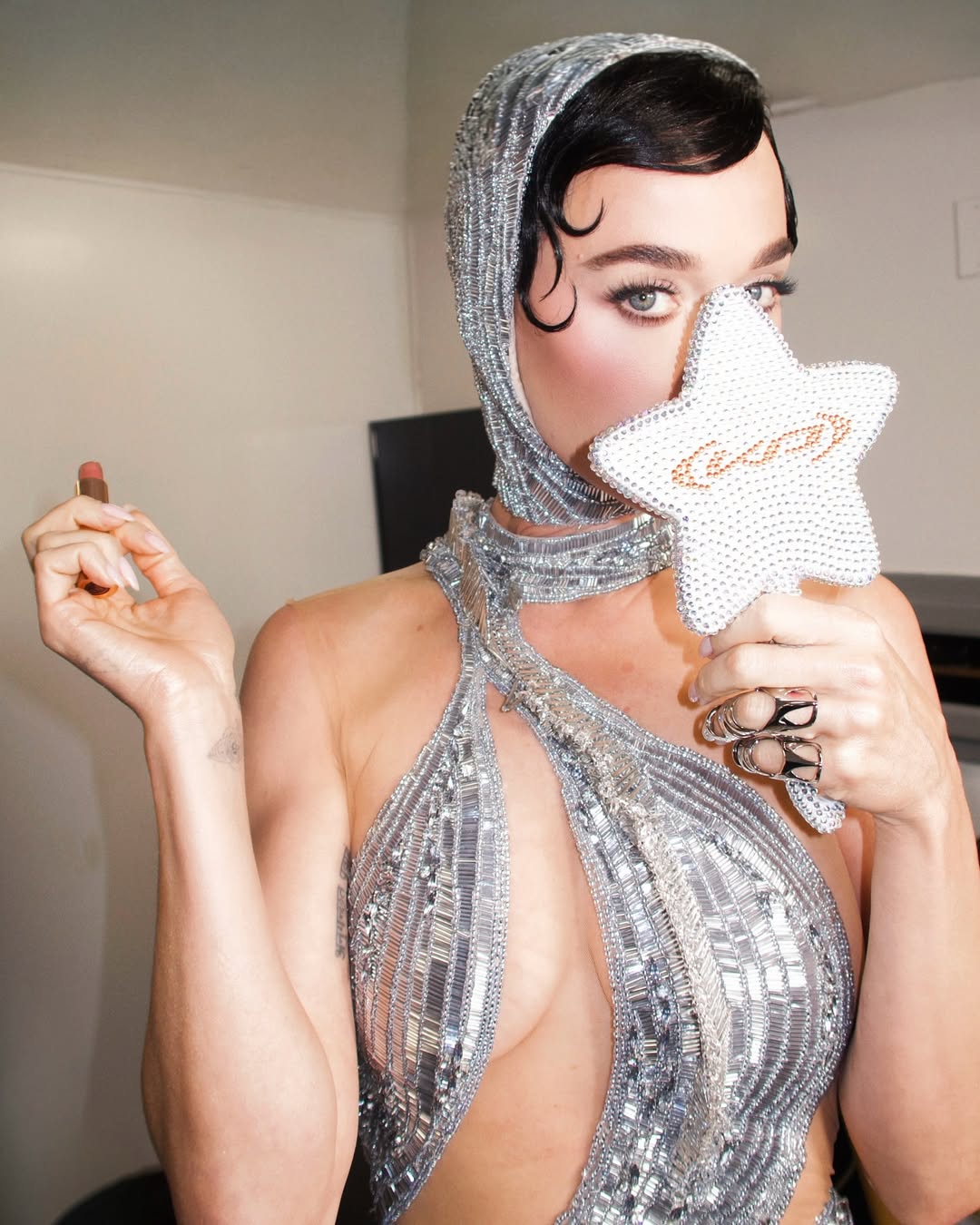
The PERRY Act, short for Protecting Elder Realty for Retirement Years, was drafted in 2023 after a heated property dispute between Perry and an 85-year-old veteran made national headlines.
The proposed bill would have introduced a 72-hour “cooling-off” period for real estate transactions involving homeowners aged 75 and up, giving either party the option to walk away, no questions asked.
The act’s now-defunct website described it as a safeguard against “elder financial abuse” and “predatory acquisitions.” While it didn’t make it through the California legislature, the bill attracted bipartisan support in other states, including Texas and New Mexico.
A Change.org petition supporting the measure remains active, with more than 350 signatures as of June 2025. It’s not law, but the idea refuses to disappear.

At the center of the firestorm was Carl Westcott, an aging Army veteran and founder of 1-800-FLOWERS. In 2020, fresh out of back surgery and grappling with Huntington’s disease, Westcott signed over his $15 million Santa Barbara home to Perry and her fiancé Orlando Bloom.
He later changed his mind dramatically. Westcott sued, arguing he was cognitively impaired and under heavy pain medication at the time of the sale.
His legal team said he was in “post-surgical delirium,” confused, and incapable of making informed decisions. Westcott insisted he intended to live out his remaining years in the home.
In 2023, a judge disagreed. The court found him mentally competent when signing the contract. Perry filed the deed in May 2024, sealing the deal.
But it didn’t end there. In a move that surprised even Perry’s critics, she countersued the elderly vet for $6 million, citing lost rental value, deferred maintenance, and legal fees.

This wasn’t Perry’s first real estate standoff with older residents.
Back in 2015, she attempted to buy a Los Feliz convent from a group of Catholic nuns who had lived on the property for decades. The sisters preferred to sell to another buyer. Perry sued to enforce her rights as a prospective buyer.
She won the legal battle in 2017, but the emotional toll was steep. During a 2018 court appearance, 89-year-old Sister Catherine Rose Holzman collapsed and died after pleading publicly, “Katy Perry, please stop.”
Ultimately, Perry’s option to purchase the property expired in 2019 after she failed to meet all contractual obligations, including restoring the site’s House of Prayer.
Taken together, these cases helped shape public perception of Perry as more than a pop powerhouse. To critics, she became a symbol of celebrity entitlement, someone willing to use her wealth and legal firepower to win at all costs. Supporters, however, argue she’s simply defending her legal rights.
Still, it’s hard to ignore the optics: a millionaire megastar suing a nun and an ailing veteran. That’s a narrative no publicist can easily rewrite.

Katy Perry Wins In ‘Dark Horse’ Copyright
Perry’s legal entanglements extend beyond real estate. A few more headline-makers include:
While the PERRY Act never became law, it continues to influence conversations around elder protection and real estate ethics. In today’s climate of rising financial scams and housing insecurity, these issues aren’t going away.
As for Katy Perry? She’s busy with new music, motherhood, and her role as an American Idol judge—but her name now carries a legal legacy that extends far beyond the stage.
As if legal controversy wasn’t enough, Perry's live shows are generating drama of their own.
On June 4, 2025, during her Lifetimes World Tour stop in Sydney, Australia, a fan jumped on stage at Qudos Bank Arena and startled the pop star mid-performance. While singing her hit "Hot N Cold," the man rushed to her, grabbed her shoulder, and began dancing excitedly. Visibly shaken, Perry spun away and quipped to the crowd: “Well, there’s never going to be another show like this, so just enjoy it, Sydney.”
View this post on Instagram
Security quickly intervened, dragging the man off stage. Moments later, Katy Perry, still holding her guitar, asked the audience, “What the hell is going on?”
This chaotic moment followed a string of viral mishaps on tour, including a near-fall when Perry was suspended upside-down by a crane during another performance, and a wardrobe malfunction scare in Las Vegas.
Despite the unexpected interruptions, Perry remains committed to finishing her Australian dates before bringing the Lifetimes Tour to the UK in October.
What is the Katy PERRY Act?
A proposed law aimed at protecting elderly homeowners from predatory real estate deals. Named after Katy Perry, it gained traction in 2023 but never passed.
Why was Katy Perry sued by a veteran?
She bought a Montecito home from Carl Westcott, 85, who later argued he lacked mental capacity due to Huntington’s disease and post-surgery confusion.
What happened with Katy Perry and the nuns?
Perry attempted to buy a Los Feliz convent from elderly nuns. One nun died in court during the legal dispute. Perry eventually lost the right to purchase the property.
Did Katy Perry win the copyright lawsuit over “Dark Horse”?
Yes. A jury originally awarded damages, but the decision was overturned and dismissed on appeal.
Is Katy Perry litigious?
While she has been involved in multiple lawsuits, Perry has generally defended her legal actions as fair, legitimate business practices.
Cliff Richard’s net worth is estimated at $100 million as of 2025, reflecting a music career that has spanned over six decades, sold 260 million records globally, and made him a pop icon across generations.
Born Harry Rodger Webb on October 14, 1940, in Lucknow, India, Sir Cliff Richard would go on to become one of Britain’s most successful solo artists, with chart-topping hits in every decade since the 1950s.
Despite never fully breaking into the American mainstream, Richard became a legend in the UK, so much so that even John Lennon once said, “Before Cliff and the Shadows, there had been nothing worth listening to in British music.”

Cliff Richard with Tony Blackburn
Richard’s early years were shaped by global upheaval. Following India’s independence in 1947, his family relocated to England. Raised in Carshalton, Surrey, young Harry found comfort in music.
By the late 1950s, he had reinvented himself as Cliff Richard and formed The Drifters (soon renamed The Shadows), debuting with the single "Move It" in 1958. The song reached #2 in the UK and was dubbed Britain’s first authentic rock ‘n’ roll hit.
Cliff Richard defined the British music scene in the pre-Beatles era, scoring hits like "Living Doll," "The Young Ones," and "Summer Holiday."
His clean-cut image and boyish charm earned him not only teenage adoration but also a solid foothold in film. In the 1970s and 1980s, he reinvented his sound with hits like "Devil Woman" and "We Don't Talk Anymore", the latter making it into the Billboard Top 40 in the U.S.
His 1990s comeback included "Saviour's Day" and "The Millennium Prayer", both of which soared up UK charts. Even into his 80s, Richard continues to perform, tour, and release new music—an astonishing feat few of his contemporaries have matched.
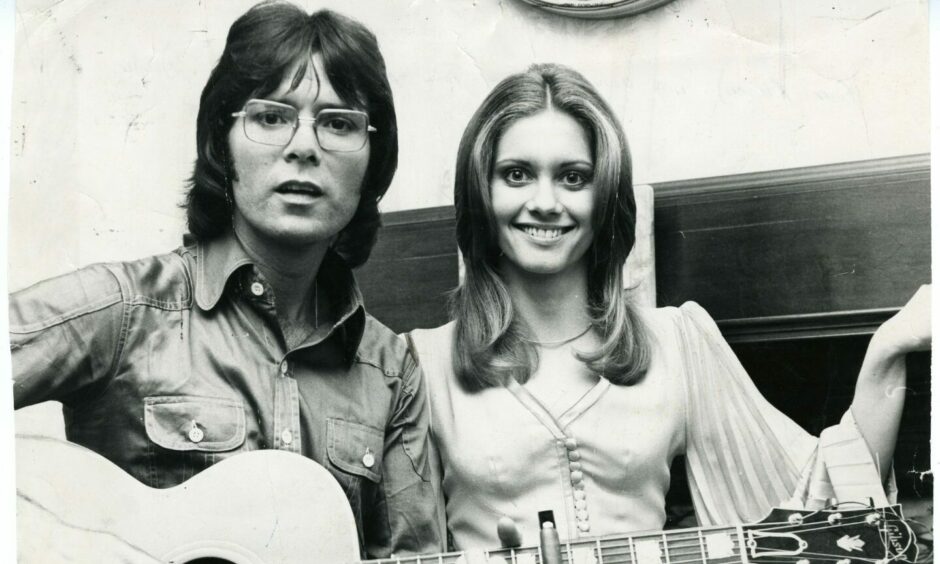
Cliff Richard and Olivia Newton-John backstage at the Caird Hall in 1972
Sir Cliff’s personal life has long been the subject of media curiosity. He’s never married and once remarked, “Marriage is a big commitment, and being an artist consumes a great deal of time.” He has spoken openly about being in love, particularly with Olivia Newton-John, whom he duetted with on “Suddenly” in 1980.
Speculation about his sexuality has followed him for years. In one candid interview, he defused the conversation with a simple retort: “If I was gay, would it make any difference?”
A devout Christian since the 1960s, Richard has channeled his fame into philanthropy, becoming an ambassador for Tearfund and supporter of Alzheimer’s Research UK. His Sir Cliff Richard Charitable Trust raised over £450,000 last year alone.
One of Cliff’s most touching moments happened 40 years ago in a village near Bath. On April 30, 1985, he surprised superfan Esther Bennett at her home after her 9-year-old daughter, Gill, arranged for him to appear on TV.
Cliff knocked on Esther’s door, kissed her hand, and joked, “This is a woman of taste!” Then, in a surreal twist, he pulled back the curtains to reveal a live band set up in her garden. He serenaded Esther with hits like “Living Doll” and “Do Ya Wanna Dance,” even dancing with her on the lawn.
Though Gill sadly passed away in 2013, Esther continues to treasure that day. “As this anniversary approaches,” she recently said, “it would mean the world to hear from Cliff again—just to feel that connection my daughter made possible.”
Sir Cliff’s financial portfolio includes luxurious properties in Portugal and Barbados.
Located in the town of Guia, Cliff’s 30-acre vineyard estate features a working windmill and was listed for $7 million in 2017, later reduced to $5 million.
Situated in the elite Sugar Hill Estate, his 2.6-acre home has been listed for $8.5 million and is available to rent. The gated community offers a clubhouse, pool, tennis courts, and 24-hour security.
| Year | Album Title | Estimated Earnings |
|---|---|---|
| 1980 | Wired for Sound | $357,500 |
| 1987 | Private Collection: 1979–1988 | $315,000 |
| 2002 | Cliff at Christmas | $300,000 |
| 1988 | Stronger | $307,500 |
| 2005 | Two’s Company – The Duets | $107,500 |
| 2012 | The Fabulous Rock 'n' Roll Songbook | $100,000 |
| Others | Multiple certified albums | $100,000–$315,000 each |
Over the decades, Cliff Richard has earned millions in record sales, with over 40 albums receiving gold or platinum certifications.
Who is Cliff Richard's partner now?
Cliff Richard has never married and is currently single. He has often spoken about his deep friendships but values his privacy.
When did Cliff Richard come out?
Cliff Richard has not come out and has addressed speculation by saying, “If I was gay, would it make any difference?”
Did Olivia Newton-John and Cliff Richard have a relationship?
Cliff has admitted he was in love with Olivia Newton-John in the 1970s. The two remained close friends and collaborators.
Where does Cliff Richard live in the UK?
While much of his time is spent abroad, Cliff has retained residences in the UK over the years, though he prefers warmer climates like Portugal and Barbados.
Now in his 80s, Sir Cliff Richard remains one of the most enduring figures in British music history. Knighted in 1995, his legacy is defined not just by hit songs, but by grace, generosity, and a career built on resilience. Whether performing for millions or serenading a single mother in her garden, Cliff Richard has always been in tune with the moment.
At the time of his death on December 5, 2013, Nelson Mandela, South Africa’s anti-apartheid icon, president, and global peace advocate, had a personal net worth of roughly $1 million.
That number may seem small by celebrity or political standards, but in Mandela’s case, it told only a fraction of the story.
Born on July 18, 1918, Mandela made most of his money later in life—through royalties from his bestselling autobiography Long Walk to Freedom, as well as honoraria for international speaking appearances and private donations tied to his post-presidential foundations.
But Mandela didn’t live like a millionaire. He made a deliberate choice to donate much of his earnings—funding children’s hospitals, rural schools, and public health programs across South Africa.
For Mandela, wealth was never the goal. His estate, in monetary terms, was modest. But in terms of purpose, it was vast.
Though he led a nation and became a global moral compass, Mandela avoided materialism. Instead of building personal wealth, he built trust—literally and figuratively.
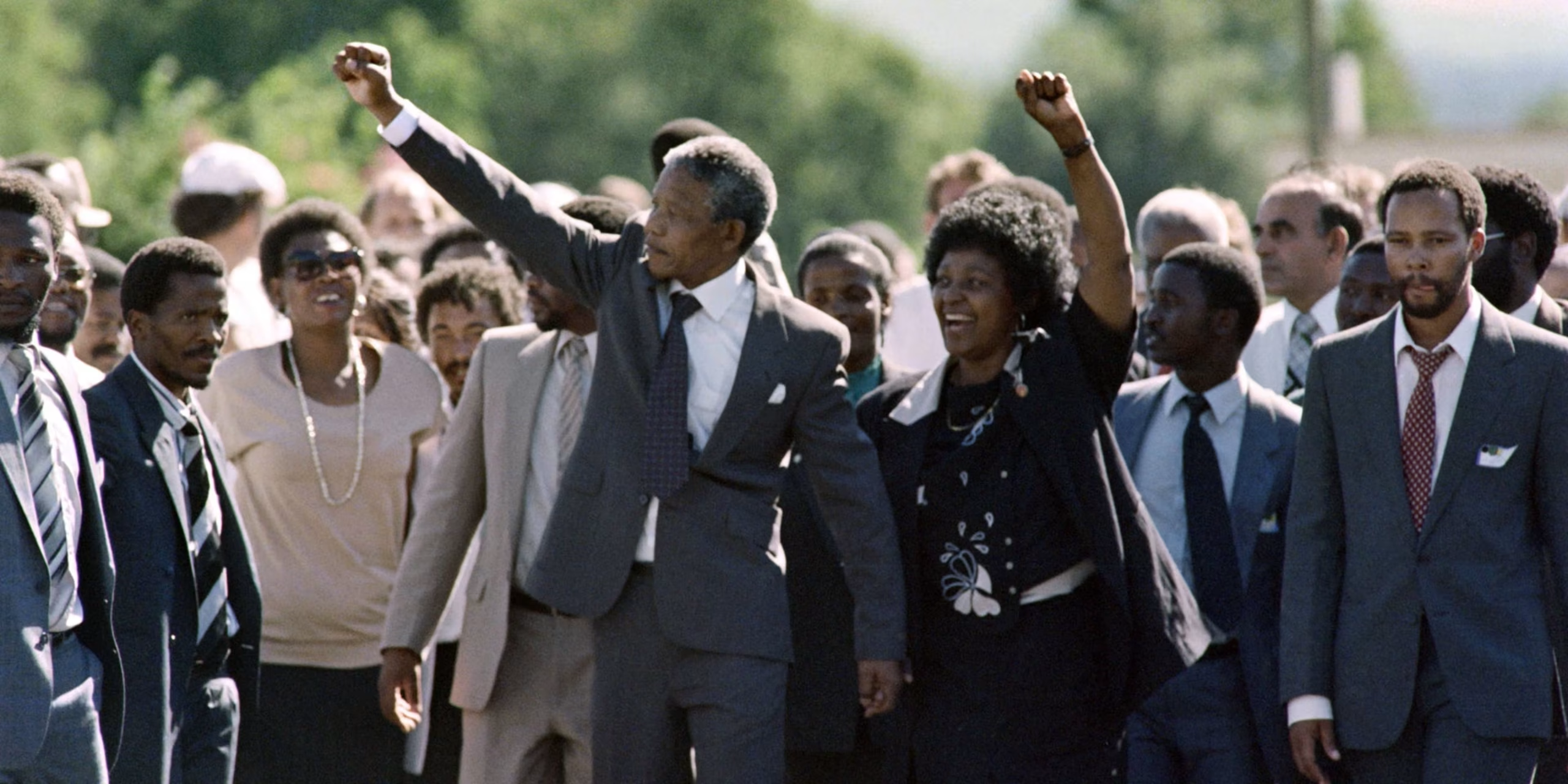
On Feb 11, 1990, Nelson Mandela walked free after 27 years in prison, holding hands with his then-wife Winnie outside Victor Verster Prison.
Mandela never sought riches. His income grew mainly in the years after his 1990 release from prison, when the world clamored to hear his story and support his vision. His memoir, Long Walk to Freedom, became a global bestseller—translated into dozens of languages and selling over six million copies.
The royalties from that book formed the core of his financial portfolio.
Occasionally, Mandela accepted speaking fees from NGOs, universities, and global forums, where he addressed issues like peace, justice, and post-colonial healing.
The money helped, sure—but most of it didn’t stay with him for long. He funneled much of it into education programs, youth scholarships, and trust funds.
Some private benefactors also stepped in quietly. Insurance mogul Douw Steyn, for example, covered some of Mandela’s housing and logistical expenses, allowing him to live with dignity without dipping into state funds or selling out his image.
Rather than take brand endorsements or commercial partnerships—which he was frequently offered—Mandela held firm. His name wasn’t for sale.
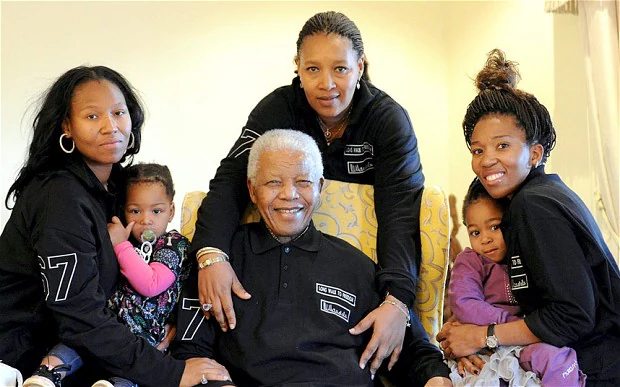
After his passing, court documents revealed that Mandela’s estate was provisionally valued at around 46 million South African rand—roughly $4.1 million at the time. That figure included tangible assets like homes and furnishings, but also intangible ones: royalties, archival materials, intellectual property.
The liquid portion was relatively modest; most of the estate’s value was locked up in trusts.
He’d thought carefully about how it would all be distributed. His estate was divided among three main pillars:
The Mandela Family Trust, supporting his children, grandchildren, and great-grandchildren—over 30 descendants in total.
Educational Trusts, aimed at providing scholarships and bursaries at schools and universities he’d supported or attended, including Fort Hare, Wits, and schools in Qunu.
The Nelson Mandela Foundation, which carried forward his legacy of social justice, peace-building, and historical preservation.
Even his staff didn’t go forgotten. His personal assistant Zelda la Grange and other long-serving aides each received 50,000 rand. His children, too, had received $300,000 in lifetime loans—wiped clean upon his death.
His widow, Graça Machel, had legal rights to half the estate. But in a gesture that stunned even Mandela’s close allies, she voluntarily waived her claim, choosing unity over entitlement.
Mandela came from royalty—born into the Thembu clan in the tiny village of Mvezo. After his father’s death, he was adopted by a local chief and raised in the halls of traditional leadership.
He studied at Fort Hare University and later UNISA and Wits, where he trained as a lawyer—one of the few Black professionals in apartheid-era South Africa.
But it was politics that would define his path. From the 1940s on, Mandela became a thorn in the side of South Africa’s apartheid regime.
He co-founded the ANC Youth League, organized protests, and later led the armed wing of the movement. In 1962, he was arrested and sentenced to life in prison.
After 27 years—most spent on Robben Island—Mandela walked free in 1990. Four years later, he became South Africa’s first Black president.
During his presidency (1994–1999), Mandela emphasized national healing, reconciliation, and steady economic policy. He resisted the temptation of a second term.
When he stepped down, he didn’t retreat into luxury or wealth-building. Instead, he threw himself into philanthropic work—fighting HIV/AIDS, funding rural development, and promoting peace around the world.
By the time he passed away, Mandela had become a global symbol of humility. He wore simple clothes, drove modest cars, and reminded people that power and money were fleeting.
His financial philosophy was simple: “Money should never define a man.”
What was Nelson Mandela jailed for?
He was imprisoned for sabotage and attempting to overthrow the apartheid regime, due to his leadership in the ANC’s armed resistance.
How did Nelson Mandela make his money?
Primarily through royalties from Long Walk to Freedom, speaking engagements, and stipends tied to his foundation work.
Why is Nelson Mandela admired around the world?
For leading South Africa’s peaceful transition out of apartheid, refusing vengeance, and dedicating his life to justice and unity.
Did Mandela give away his wealth?
Yes—he donated large portions of it to educational and charitable causes throughout his life and even after death through structured trusts.
What is the Mandela Effect and is it related to him?
Not really. The "Mandela Effect" refers to collective false memories—like the mistaken belief that Mandela died in prison. It’s a pop-culture phenomenon unrelated to his real life.
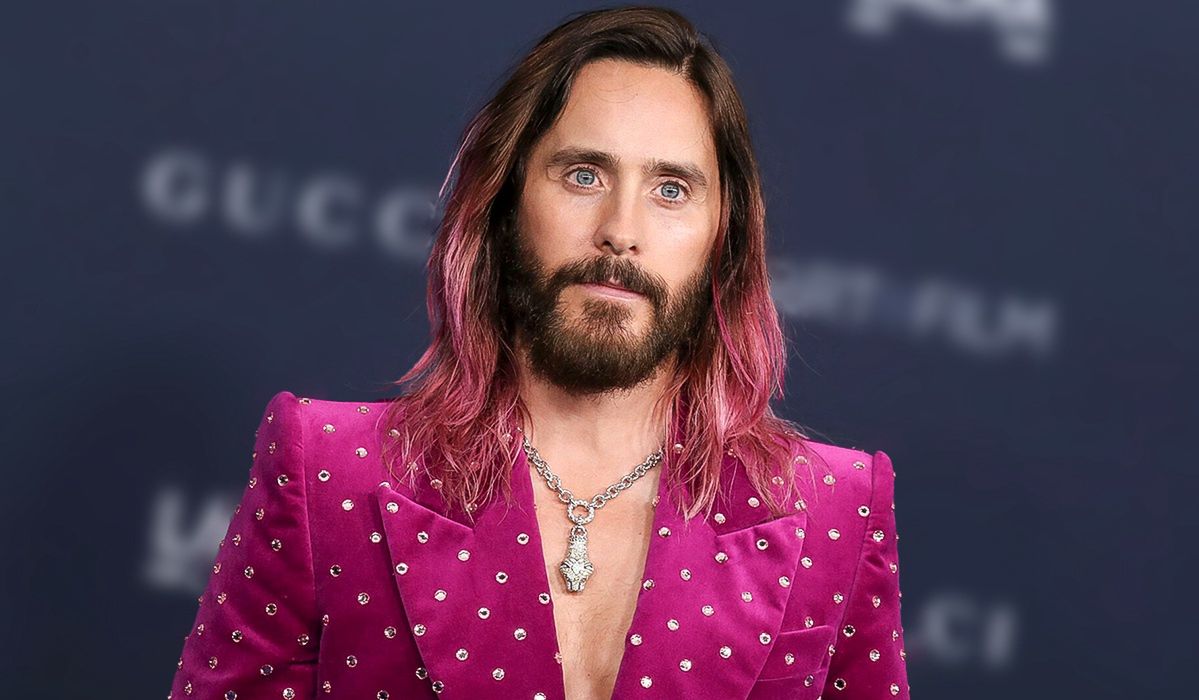
Jared Leto has always played by his own rules. Whether he's melting into a role on screen or screaming into a mic on stage, he moves through Hollywood like a shapeshifter—equal parts artist, disruptor, and mystery. Now in his early 50s, the actor-musician has built a career that’s as unpredictable as it is lucrative. With an estimated fortune of $90 million, Leto has managed to juggle critical acclaim, cult status, and commercial success in both music and film. And yet, 2025 finds him not just in the spotlight—but under a microscope.

Born Jared Joseph Bryant on December 26, 1971, in the small town of Bossier City, Louisiana, Leto’s early years were marked by instability. His parents separated when he was a toddler, and his father took his own life when Jared was only eight. His mother, Constance, a traveling hippie and artist, raised Jared and his older brother Shannon in a swirl of nomadic counterculture, hopping from Colorado to Wyoming to Virginia. It wasn’t an ordinary childhood, but it was one that nurtured creativity.
By his late teens, Leto had dropped out of school—then changed his mind. He earned his high school diploma from Emerson Preparatory School in Washington, D.C., and began dabbling in visual arts. He moved to New York City to study filmmaking at the School of Visual Arts, and somewhere along the way, found his way in front of the camera.
For all his eccentricity and artistic flair, Jared Leto is also—quietly—one of the savviest wealth builders in Hollywood. His estimated $90 million net worth isn’t just the result of fame or talent. It’s the product of years of carefully chosen projects, shrewd business moves, and a long game that most people never even realized he was playing.
Leto’s biggest film payday came with Suicide Squad, where his role as the Joker earned him a reported $7 million, plus backend bonuses tied to the film’s explosive $746 million global box office. And though his screen time was limited, his contract guaranteed a hefty chunk thanks to the character’s marketing value. Other films, like Blade Runner 2049 and Dallas Buyers Club, added millions more, both in up-front fees and prestige—leading to future offers with much higher leverage.
But the music side has also paid off. As frontman of Thirty Seconds to Mars, Leto has toured globally, sold over 15 million albums, and directed several of the band’s award-winning music videos. Albums like A Beautiful Lie and This Is War went platinum, while their 2013 release Love, Lust, Faith and Dreams helped re-cement the band as a major commercial force. Touring revenue and merchandise sales have reportedly added tens of millions to Leto’s bank account, though the band—famously independent—has battled with record labels for creative and financial control.
Where things really shift, though, is behind the scenes. Leto has quietly amassed a portfolio of tech investments and startups that dwarfs the paychecks from movies and music. He was an early investor in Robinhood, the commission-free trading platform that exploded in value in the late 2010s. His stake in the company, along with equity in Reddit and Surf Air, ballooned in value as each company scaled—and in Robinhood’s case, prepared for IPO. By some estimates, Leto’s tech holdings alone have been worth tens of millions, depending on valuation cycles.
He’s also founded his own ventures. The Hive (a digital marketing agency), VyRT (a live-streaming service built for artists), and Adventures in Wonderland (a VIP ticketing and fan experience company) all reflect Leto’s instinct to blend creativity with commerce. Though not all were financial home runs, they cemented his role not just as an entertainer—but as a builder.
Real estate has played its part too. His Laurel Canyon compound, purchased for $5 million in 2015, isn’t just a home—it’s a former military base turned creative retreat, possibly used for recording, directing, or just escaping the press. Before that, he flipped a Hollywood Hills property for a modest profit.
In the end, Leto’s financial life mirrors his public persona: scattered in style but surprisingly calculated. He doesn’t flash wealth in the usual ways—no nonstop luxury endorsements, no bombastic real estate tours—but beneath the surface, the foundation is rock solid.

It all started with My So-Called Life. The cult ‘90s teen drama, though short-lived, introduced Leto as the brooding Jordan Catalano. He played him with a kind of sleepy magnetism that quickly made him a heartthrob. But it didn’t take long for Leto to prove he was more than cheekbones and charm.
By the late ’90s, he was tackling edgier material—starring in Prefontaine, Urban Legend, and Fight Club. In 2000, his performance as a spiraling heroin addict in Requiem for a Dream left audiences shaken. Then came Dallas Buyers Club in 2013, where he played Rayon, a transgender woman living with AIDS. The performance earned him an Oscar, a Golden Globe, and praise from nearly every corner of the film world. That role, more than any other, solidified his place as a serious actor willing to take serious risks.
He’s also taken some hits. His turn as the Joker in Suicide Squad drew mixed reviews, though the film itself was a box office monster. Later, in Blade Runner 2049 and Morbius, Leto leaned into more sci-fi and villainous roles—unsettling, stylized, and always a little unpredictable.
While most would be satisfied with one career, Leto had other plans. Alongside his brother Shannon, he founded the rock band Thirty Seconds to Mars in 1998. What started as a passion project turned into an international success. Their albums—from A Beautiful Lie to This Is War to America—sold millions and spawned arena tours and cultlike fandom.
Leto didn’t just front the band. He directed the videos, oversaw production, and shaped the group’s identity. Known for elaborate visuals and raw emotional lyrics, the band gave Leto a second outlet for the same intensity he brought to his acting. The music, much like his screen roles, carried themes of chaos, beauty, and struggle.
Leto didn’t stop with movies and music. He also dove into the tech world with the same manic energy he brings to his performances. He founded several ventures, including the social media marketing firm The Hive and the ticketing service Adventures in Wonderland. His livestreaming company VyRT gave artists a new way to connect with fans. But the big money came from early investments.
Leto was ahead of the curve, buying into companies like Robinhood, Reddit, and Surf Air before they became household names. His stake in Robinhood reportedly soared into the multi-million-dollar range as the company exploded in value. Quietly, without much fanfare, Leto became one of Hollywood’s more successful private investors.

In true L.A. fashion, Leto’s real estate portfolio reads like a blend of spy novel and rock documentary. In 2006, he purchased a sleek Hollywood Hills home for $1.65 million, eventually selling it a decade later for just over $2 million. But it was his 2015 acquisition of a sprawling Laurel Canyon compound—once used as a military base—that really drew attention. The $5 million estate includes a rumored twelve bathrooms, hidden recording spaces, and an underground bunker-like aesthetic that feels very, well, Jared.
:upscale()/2014/01/18/108/n/1922398/0220ad8f153a2af1_463557397.jpg)
As accolades piled up—an Oscar, a SAG Award, critical acclaim for Artifact and music videos that snagged MTV honors—so did the image of Jared Leto as a one-of-a-kind artist. But 2025 has brought a darker chapter.
A June report by Air Mail surfaced a series of troubling allegations. Nine women came forward, accusing Leto of inappropriate and predatory behavior, dating back years. Their stories share unsettling themes: flirtations with teenage girls, sexually charged late-night calls, sudden physical exposure, and even coercion.
One woman said she was 16 when Leto got her number outside a Los Angeles café. Another, DJ Allie Teilz, said she was 17 when Leto tried to force himself on her backstage. Model Laura La Rue recounted an email relationship that turned personal, with Leto allegedly walking out nude during one of her visits. Another woman alleged that he masturbated in front of her without consent and placed her hand on him.
A spokesperson for Leto has “expressly denied” the claims, describing the allegations as “demonstrably false”. Some women, like Teilz, have stood by their stories publicly via social media, calling his behavior “predatory” and “unacceptable.” As of this writing, Leto has not issued a direct personal statement.

Despite his turbulent image, Leto has long supported causes he believes in. A vegan and longtime animal rights activist, he was named PETA’s Sexiest Vegetarian in 2014. His charity work includes support for Habitat for Humanity, World Wide Fund for Nature (where he serves as global ambassador), and Haitian relief efforts. Even here, though, his low-key style keeps him mostly under the radar.

Jared Leto has always kept the world guessing—not just with his roles or music, but also when it comes to his private life. Despite his fame, he's managed to keep personal relationships largely out of the spotlight, often dodging direct questions with a grin or cryptic remark.
In the late 1990s and early 2000s, Leto was romantically linked to actress Cameron Diaz. The two were together for several years and were even rumored to be engaged before quietly splitting in 2003. Since then, Leto’s dating life has remained murky. Over the years, he’s been spotted with celebrities like Scarlett Johansson, Ashley Olsen, and more recently, Russian model Valery Kaufman, though he’s never confirmed any long-term relationship.
He’s never married and has no children, at least publicly. Friends and collaborators have often described him as intensely focused—married more to his art and work than to any traditional domestic life. Still, speculation continues, especially given Leto’s knack for disappearing from the public eye for stretches of time and re-emerging with something new: a role, a tour, or a look no one saw coming.
Beyond romance, Leto’s personal passions include rock climbing, veganism, and photography. He’s also been seen solo hiking in the desert or attending Burning Man, reflecting his long-standing fascination with counterculture and self-exploration. It all aligns with the enigma he's cultivated for decades—an artist who reveals only what he chooses, and never quite all of it.
How did Jared Leto get rich?
Leto earned wealth through acting, music, and tech investments. His roles in blockbuster films, album sales with Thirty Seconds to Mars, and early stakes in companies like Robinhood and Reddit built his $90 million fortune.
What band is Jared Leto in?
He is the lead singer of Thirty Seconds to Mars, a rock band he formed with his brother Shannon in 1998.
What are the allegations against Jared Leto?
Nine women have accused Leto of sexual misconduct, including inappropriate interactions with underage girls and coercive behavior. He has denied all accusations.
Has Jared Leto responded publicly to the accusations?
No. As of June 2025, Leto himself has not made a public statement, though his representatives have issued formal denials.
What is Jared Leto’s most famous movie role?
Leto won an Academy Award for his role in Dallas Buyers Club, where he played Rayon, a transgender woman with AIDS.
Jared Leto is once again in the headlines — but not for a film or a fashion statement. This time, it's serious.
According to a June 2025 investigation by Air Mail, nine women have come forward with allegations of sexual misconduct against the 53-year-old actor and musician. Some say the behavior began when they were still underage. Their stories describe a pattern of unsettling interactions that span more than a decade: sexually explicit conversations, grooming, indecent exposure, and in at least one case, physical contact that crossed the line into sexual assault.
Leto, through his representatives, has flatly denied all allegations. In some cases, he claims the interactions were misinterpreted. In others, he says they never happened at all.
But regardless of guilt or innocence, these reports have revived a much bigger conversation — one that’s still far from settled. When a powerful celebrity is accused of preying on young women, what can the law actually do about it?

One woman says she was just 16 when she met Leto at a café in Los Angeles. He asked for her number. Not long after, she says he began calling her in the middle of the night — using a strange, altered voice that left her deeply uncomfortable. The conversations, she alleges, quickly turned sexual. Another accuser, also 16 at the time, claims that Leto invited her to his studio, flirted with her, and then walked out of a room fully nude, like it was completely normal.
And then there’s the more graphic story — a woman who says she was 18 when Leto, during a visit to his home, exposed himself, masturbated in front of her, then grabbed her hand and placed it on him, asking her to spit on it. She says the conversations with him started when she was still underage.
Model Laura La Rue claims something similar. She met Leto at an animal rights event when she was 16, and says he later invited her to his studio. There, she says, he was flirtatious. And during a visit the following year, he again emerged from a room completely naked.
In interviews, several women expressed the same strange mix of confusion, intimidation, and self-doubt. They were teens. He was a global rock star. They didn’t know how to interpret what was happening — but they knew it felt wrong.
In the U.S., there are multiple laws that address situations like these — especially when minors are involved. At the federal level, 18 U.S. Code § 2422(b) makes it a crime to use phones, internet, or any other means of communication to “knowingly persuade, induce, or entice” a minor to engage in any form of sexual activity. That can include grooming behavior, not just physical acts. The penalties? Up to life in prison, with a mandatory minimum of 10 years.
Even without intercourse or overt physical abuse, inappropriate sexual communication with a minor can be enough to warrant serious criminal charges. That includes late-night phone calls of a sexual nature, digital conversations, or even in-person interactions where power dynamics are used to manipulate or test boundaries.
There are also state laws. In California, where many of the alleged incidents took place, exposing yourself in the presence of a minor — particularly for sexual gratification — can be classified as a felony. Sexual battery, defined as unwanted touching of an intimate part for sexual purposes, is also criminalized and can lead to both prison time and lifetime sex offender registration.
So, while the public might debate whether a line was crossed — legally, many of these allegations would be taken seriously if formally reported and investigated.
One reason these stories are coming out now, years later, is that the law is finally giving victims more time to speak.
In California and several other states, statutes of limitations on sex crimes — especially those involving minors — have been expanded or eliminated in recent years. Victims may now have until age 40 (or even longer, depending on when they discover the impact of the abuse) to file a claim. In civil cases, victims can sue for damages tied to emotional trauma, even if no criminal charges are filed.
That’s a huge shift from how things worked even a decade ago.
Leto is far from the first A-lister to be accused of misconduct involving minors. R. Kelly was convicted in 2022 on federal racketeering and sex trafficking charges involving underage girls. He’s now serving a 30-year prison sentence. Harvey Weinstein is locked away too — convicted of multiple rapes in two states. Roman Polanski fled the U.S. after pleading guilty to unlawful sex with a 13-year-old in the 1970s. He still hasn’t returned.
But others — Kevin Spacey, Marilyn Manson, Drake Bell — faced different outcomes. Some were acquitted. Some took plea deals. Some lost careers. Few saw jail time.
Why? Because celebrity cases are notoriously hard to prosecute. Victims often face online abuse, disbelief, or career threats. There’s rarely physical evidence. And even when there is, the power imbalance makes it difficult to bring a case to court, let alone win it.
Right now, there are no criminal charges pending against Jared Leto. No police reports have been confirmed. And despite the number of women coming forward, it’s not clear whether a formal investigation is underway.
But that could change — and quickly. If just one accuser files a report and prosecutors believe there’s sufficient evidence, a case could be opened. The outcome would depend on age at the time of the incident, timing under the statute of limitations, and whether any digital or testimonial proof exists.
Civil lawsuits are another possibility. These require a lower burden of proof and often move faster than criminal cases.
Even if Leto avoids court entirely, the fallout could still be significant. Studios may distance themselves. Sponsors might step back. Public trust — once lost — is hard to recover.
If these accusations sound familiar, that’s because they are. This is the post-#MeToo era. The names change, but the stories don’t.
Young girls. Powerful men. A culture that allows silence to stretch for years — sometimes decades.
Whether Leto ever faces charges or not, these allegations reopen the same difficult conversation: How do we protect minors from grooming and coercion when the abuser isn’t hiding in the shadows — but walking red carpets?
And maybe the harder question: How many more are still keeping quiet?
What is the POSH Act in the US?
The term “POSH” (Prevention of Sexual Harassment) is primarily used in Indian labor law. In the U.S., workplace sexual harassment is addressed under Title VII of the Civil Rights Act of 1964. The Equal Employment Opportunity Commission (EEOC) enforces this federal law, which prohibits sex-based discrimination in the workplace — including harassment.
What is the penalty for sexual assault in the USA?
Penalties vary by state, but felony sexual assault can result in years—or even life—in prison. Aggravating factors, like use of force or targeting minors, can dramatically increase sentencing. Convicted offenders may also be required to register as sex offenders for life.
What is a charge of sexual misconduct?
Sexual misconduct is a general term for a range of unlawful or unethical behaviors, such as indecent exposure, harassment, sexual coercion, and assault. It may be prosecuted as a misdemeanor or felony depending on the specific act and jurisdiction.
What are the types of sexual misconduct?
They include verbal harassment, non-consensual touching, grooming, indecent exposure, sexual coercion, assault, and exploitation of minors. Some forms are criminal, others civil, but all carry significant legal and reputational consequences.
In a sweeping legal defeat, actor-director Justin Baldoni’s $400 million countersuit against It Ends With Us co-star Blake Lively—and her husband Ryan Reynolds—was dismissed on June 9, 2025, by a federal judge in New York. The lawsuit, which included claims of extortion, defamation, and retaliation, also targeted publicist Leslie Sloane and The New York Times, but was found lacking in legal merit.

Baldoni, 41, alleged that Lively and others conspired to destroy his reputation after she filed a sexual harassment and retaliation lawsuit in December 2024. That suit accused Baldoni and his production company, Wayfarer Studios, of mistreatment during the filming of It Ends With Us, which Lively stars in and Baldoni directed.
In response, Baldoni filed a massive $400 million lawsuit claiming that Lively, Reynolds, and Sloane had defamed him and cost him career opportunities. He also filed a separate $250 million suit against The New York Times over their coverage of Lively’s allegations.

U.S. District Judge Lewis J. Liman ruled that Baldoni’s legal team failed to provide sufficient facts to support their claims. Specifically:
Defamation Claims: The court found no evidence that Reynolds or Sloane acted with “actual malice,” which is required when public figures are involved.
Lively’s Statements: The judge ruled that Lively’s statements, made in a legal filing, were privileged and not grounds for defamation.
Extortion Allegation: Baldoni’s claims that Lively threatened to “steal the film” unless her conditions were met were dismissed as a form of “hard bargaining,” not extortion.
The Times Coverage: The judge determined the reporting was “fair and dramatized,” but not malicious.
However, Baldoni has been given until June 23 to amend and potentially refile parts of his case related to tortious interference and breach of implied contract.
“This was a sham lawsuit from the beginning, and the court saw right through it,” said attorneys for Blake Lively. “This is a complete vindication—not just for Blake, but also for Ryan Reynolds, Leslie Sloane, and The New York Times, who were wrongfully dragged into this retaliatory action.”
Sigrid McCawley, attorney for Sloane, added, “Justice has been served. My client did nothing wrong and is grateful to be fully cleared.”
A spokesperson for The New York Times echoed those sentiments, calling the suit “a meritless attempt to stifle honest reporting.”
Defamation is a false statement presented as fact that damages someone’s reputation—and it can have serious legal consequences. There are two types: libel, which is written (like a social media post or article), and slander, which is spoken (like during a podcast or interview). While both forms can lead to lawsuits, libel tends to be easier to prove because there's a tangible record. To win a defamation case, the plaintiff must show that the statement was false, made publicly, caused harm, and—if they're a public figure—was made with actual malice. Penalties can include compensatory damages, punitive damages, and court-ordered retractions. Famous cases include Johnny Depp’s 2022 libel victory against Amber Heard, which resulted in a $10 million jury award, and the record-breaking $787.5 million Fox News paid Dominion Voting Systems in 2023 for repeatedly broadcasting false claims. Defamation law is designed to balance free speech with accountability—and as this case involving Justin Baldoni shows, courts require strong, factual evidence before awarding damages or letting a case proceed.
While Baldoni’s countersuit was dismissed, the original lawsuit filed by Lively against him and Wayfarer Studios is still active. That trial is scheduled for March 2026, with both Lively and Baldoni expected to testify.
Can I sue someone for defamation over what they say in a lawsuit?
Not usually. Statements made in legal filings are considered privileged and protected from defamation claims.
What is “actual malice” in defamation law?
It means knowingly publishing false information or acting with reckless disregard for the truth—this is required when suing public figures.
What happens when a lawsuit is dismissed “with leave to amend”?
It means the case is dismissed but the plaintiff has a chance to revise and resubmit their claims before a set deadline.