When Towers Threaten Rivers: What Trump Tower's $4.8M Settlement Says About Corporate Water Use and the Law.
It’s not every day that a skyscraper ends up in hot water—literally and legally. But that’s exactly what happened with Trump Tower Chicago, which recently agreed to a $4.8 million settlement after years of improperly drawing millions of gallons of water from the Chicago River for its cooling systems. The case may sound like a one-off, but it taps into something deeper: the silent damage corporations can do to aquatic ecosystems—and how the law is finally starting to catch up.
At its heart, this story isn’t just about a permit violation or a high-rise on the Chicago skyline. It’s about how we, as a society, protect shared natural resources in an age of industrial scale, urban growth, and environmental vulnerability. And it's a reminder that when corporations cut corners on environmental compliance, it's often rivers, fish, and the public that pay the price.
How Water Laws Work—and What Went Wrong at Trump Tower
The legal backbone of U.S. water protection is the Clean Water Act (CWA), a landmark law passed in 1972. Its mission is simple on paper: to "restore and maintain the chemical, physical, and biological integrity of the nation's waters." But putting that into practice—especially in major cities—can be complex.
One key part of the Clean Water Act is Section 316(b), which deals specifically with how companies take in water from rivers, lakes, or other public sources—usually for cooling machinery or regulating building temperatures. These “cooling water intake structures” may sound harmless, but the environmental cost can be steep.
Trump Tower, for instance, was drawing nearly 20 million gallons a day from the Chicago River—without proper permits from the state and with little concern for how that process affected local fish and aquatic life. The building’s intake system lacked the necessary protections to prevent harm, and its operators reportedly failed to report accurate water use data.
That noncompliance triggered lawsuits, not only from regulators but also from environmental nonprofits who used citizen suit provisions built into the Clean Water Act. These provisions allow everyday people—and the organizations that represent them—to step in when the government fails to act.
The Hidden Harm of Cooling Systems: A Fish's-Eye View
To understand the environmental impact of large-scale water withdrawal, think small—like, microscopic. Fish eggs, larvae, plankton—these tiny organisms form the base of the aquatic food web. When water is sucked into a building’s cooling system, they’re either impinged (smashed against intake screens) or entrained (pulled into the machinery and effectively destroyed).
It’s not just the little guys that suffer. The cumulative damage disrupts the river’s entire ecosystem. Heated water is often discharged back into the river—a phenomenon known as thermal pollution—raising water temperatures and lowering oxygen levels, both of which can be fatal to aquatic species.
That’s why laws require companies to use the “best technology available” (BTA) to minimize harm. In many cases, that means investing in closed-loop systems that recirculate water instead of pulling it in fresh every time. Trump Tower’s system, however, fell far short of that standard.
What Happens When Corporations Ignore the Rules
The $4.8 million Trump Tower settlement is more than a slap on the wrist. It includes penalties and funding for fish habitat restoration in the Chicago River—one of the most degraded urban waterways in America, but also one with a growing conservation movement.
It’s also an example of how environmental law works in layers:
Permitting and Compliance: Facilities must have valid water intake permits and must adhere to technology standards. Trump Tower skipped key steps here.
Public Nuisance Law: Illinois called the building a public nuisance—a legal term for any activity that harms public welfare. In this case, it was the health of a public river.
Citizen Enforcement: Groups like the Sierra Club and Friends of the Chicago River helped hold the tower accountable using legal tools meant to empower the public.
This kind of multi-pronged legal pressure is becoming more common, especially as citizens grow frustrated with regulatory slowdowns and environmental backlogs.
Bigger Lessons: The Real Cost of Cutting Corners
This case taps into a much larger conversation about corporate responsibility in the face of environmental damage. What stands out isn’t just what Trump Tower did wrong—it’s what the case teaches all companies that use natural resources.
1. Noncompliance is Expensive: Beyond fines, violations can lead to lawsuits, public backlash, and brand damage that lasts far longer than a legal settlement.
2. Proactive Beats Reactive: The best companies build environmental compliance into their business models from day one. It’s cheaper, safer, and better for everyone than scrambling after you’re caught.
3. Environmental Advocates Matter: Organizations like Friends of the Chicago River don’t just raise awareness—they file lawsuits, push for regulatory change, and ensure corporate polluters face consequences.
4. Rivers Are Public Trusts: The Chicago River isn’t just water—it’s history, ecology, and community. Cases like this affirm that natural resources are held in trust for the public, not to be exploited for private gain without oversight.
5. Standards Are Always Evolving: What passed muster in 1995 might be illegal today. Environmental science and policy evolve, and corporations must evolve with them or face legal—and ecological—repercussions.
Final Thoughts: Beyond the Tower, Toward a Sustainable Future
It’s easy to treat a story like this as a Trump-era curiosity—another headline with a big name and a dollar figure attached. But that misses the point.
This case is part of a broader reckoning. Cities are growing, industries are expanding, and the strain on natural ecosystems is becoming more visible and less tolerable. Water, once treated as an infinite resource, is now recognized for what it is: precious, fragile, and deeply connected to the health of our communities.
Environmental law isn’t just about compliance—it’s about values. And the Trump Tower case reminds us that when corporations forget that, the courts—and the people—are ready to remind them.
People Also Ask (SEO Section)
How does water intake affect fish and aquatic life? Large-scale water intake can trap or kill fish and other small organisms through impingement and entrainment, disrupting local ecosystems.
What is the Clean Water Act Section 316(b)? It mandates that facilities using cooling water intake structures must minimize environmental impact using the best technology available.
What is a public nuisance in environmental law? A public nuisance is an activity that harms public resources, like rivers, making them unsafe or unusable for the community.
Can citizens sue companies for environmental violations? Yes. The Clean Water Act allows for citizen suits, enabling nonprofits and individuals to take legal action when regulators do not.
The £133 Million Question: UK Supreme Court Redraws the Lines of Wealth Division in High-Net-Worth Divorces – What It Means for You.
Brace yourselves, because a recent ruling from the UK Supreme Court is poised to send serious ripples through the financial planning of England’s wealthiest families.
In a judgment that’s been eagerly awaited in legal circles, the contentious divorce case of Standish v. Standish has concluded with a unanimous decision largely favoring former UBS executive Clive Standish. The upshot? He gets to hold onto the lion's share of his staggering £133 million estate, and it provides some much-needed clarity on what exactly counts as "matrimonial" versus "non-matrimonial" assets. Crucially, it tightens the reins on when significant wealth acquired before or outside a marriage automatically gets tossed into the shared pot.
Handed down on Wednesday 2, July, the judgment marks the bitter end of a truly protracted and incredibly high-stakes legal tussle. It squarely dismisses the appeal from Anna Standish, Clive’s ex-wife, effectively cementing an earlier Court of Appeal decision that saw her original £45 million entitlement slashed to a still-considerable, but significantly smaller, £25 million. This outcome leaves Mr. Standish with an estimated £107 million, making a very clear statement about how the court views certain asset transfers during a marriage.
At the very heart of this whopping financial disagreement was a sum of roughly £77.8 million (now sitting closer to £80 million) that Mr. Standish, once a Chief Financial Officer at UBS, had transferred into Anna’s sole name back in 2017.
This move happened a good few years before their separation in 2020 and, importantly, it wasn't just a casual gift. It was part of a pretty complex tax planning strategy, specifically designed to soften the blow of a potential £32 million inheritance tax bill upon his death, leveraging Anna’s non-domiciled status at the time. The idea was for these funds to eventually land in offshore trusts for their two children, though, as fate would have it, those trusts never actually saw the light of day.
Now, Anna Standish argued that simply putting those assets into her legal ownership effectively "matrimonialised" them. In her view, that converted them into shared marital property, ripe for an equal split under the "sharing principle" of UK divorce law. But the Supreme Court, to put it mildly, disagreed – vehemently.
In a really key part of their ruling, the judges unequivocally stated that the money wasn’t "being treated by the husband and wife for any period of time as an asset that was shared between them." This is a big deal. It powerfully underscores that a mere change in legal title, especially when it's clearly driven by strategic financial or tax planning rather than a genuine intent to create shared marital wealth, won't automatically kickstart the sharing principle.
This decision is way more than just a victory for one person in a high-profile divorce; it's a profound recalibration of judicial discretion in those incredibly complicated financial remedy cases.
It nudges British courts further away from a rigid, almost automatic application of the principle that divorcing couples should simply split everything down the middle, especially when a massive chunk of the wealth was built up by one partner before the marriage or came from outside sources. The ruling, with meticulous precision, clarifies that where the wealth originated, the true intent behind its transfer, and how it was actually treated throughout the marriage are the absolute cornerstones for determining its classification and, ultimately, its division.
Deeper Currents: Peeling Back the Layers of the Standish Judgment
The Standish v. Standish judgment isn't just about drawing clearer lines; it's also about illuminating the incredibly intricate financial landscape of today's high-net-worth divorces. Let's really dig into what these multifaceted implications might mean:
1. The Refined Art of "Matrimonialisation" – It's Not So Simple Anymore:
Ah, "matrimonialisation." This rather formal-sounding concept – essentially, how non-matrimonial assets (think money you had before marriage, or gifts and inheritances received during it) become so deeply woven into the fabric of marital life that they're treated as shared – has been a hot topic of legal debate for ages. Now, the Supreme Court has finally given us its most authoritative guidance, defining with much more precision when this kind of financial alchemy actually happens.
The court laid it bare: a simple, superficial change in legal ownership, much like that £77.8 million transfer, isn't enough to "matrimonialise" an asset. Instead, the real scrutiny falls on the demonstrable behaviour of both parties. Did they pool the asset into joint accounts? Was it regularly dipped into for shared family expenses? Was there compelling, consistent evidence that both people truly saw and treated that asset as a joint resource over a long stretch of time? Without that kind of strong evidence of genuine shared treatment, the default position now leans heavily towards respecting the asset's original, non-matrimonial flavour.
This particular principle offers a significant boost to individuals walking into a marriage with substantial pre-acquired wealth. It suggests that "ring-fencing" these assets, through careful financial management and crystal-clear communication, can be far more effective than many previously thought. However, it’s a double-edged sword. It also means that families absolutely must be mindful of how they manage and utilize all their assets. If, for example, inherited wealth ends up footing major family bills or is invested jointly for the couple's collective benefit, it runs a very real risk of being deemed matrimonialised, regardless of where it originally came from.
2. Nuptial Agreements: Your Financial Blueprint Just Got More Powerful:
Let's be clear: pre-nuptial (pre-nups) and post-nuptial (post-nups) agreements aren't strictly legally binding in England and Wales. Our courts always keep the ultimate discretion to ensure a fair outcome, no matter what's written down. But here’s the kicker: the Standish judgment has undeniably supercharged their persuasive weight. It’s hard not to notice that the lack of a clear nuptial agreement specifically detailing how those transferred funds should be treated in the Standish case almost certainly contributed to the epic, costly legal saga.
For high-net-worth individuals, these agreements are now, more than ever, an incredibly potent tool for protecting assets and sidestepping messy disputes down the line. They serve as ironclad proof of a couple's intentions regarding their financial arrangements, especially for assets brought into the marriage or received as gifts or inheritances. A well-crafted nuptial agreement, entered into voluntarily with full financial transparency and independent legal advice for both parties, can provide a robust framework that courts are increasingly inclined to uphold – as long as it passes that crucial "fairness" test (meaning, it doesn't leave one party destitute or unable to meet their reasonable needs).
Ultimately, this ruling is a loud encouragement for proactive financial planning, right from the start of a marriage, or even later on. It shifts the burden from relying solely on a judge's interpretation after a separation, towards clearly articulating and meticulously documenting financial intentions before any potential arguments even flare up.
3. The Tricky Dance Between Tax Planning and Divorce Outcomes:
The Standish case paints a vivid picture of how even the most sophisticated tax and estate planning strategies can hit an unexpected wall when divorce enters the scene. Mr. Standish’s asset transfer was explicitly about dodging inheritance tax, not about handing Anna a personal, unrestricted gift to be part of their marital fund. The Supreme Court's decision brilliantly cuts through this, drawing a sharp line between these very different intentions.
This angle is absolutely crucial for individuals and their advisors involved in complex financial structuring. Transfers made purely for tax efficiency, for succession planning, or with the clear aim of benefiting future generations (like setting up trusts for kids) will not, on their own, be seen as an intention to create shared matrimonial property. This should offer some comfort to those undertaking perfectly legitimate tax planning. But, and this is a big "but," it absolutely demands scrupulous record-keeping and a crystal-clear articulation of the purpose behind any asset transfers between spouses. That "paper trail," detailing the genuine intent behind such transfers, is going to be incredibly vital evidence if divorce ever looms.
4. The Enduring Power of "Needs" and the Pursuit of "Fairness":
It's vital to remember this: while the Standish ruling tightens the reins on applying the "sharing principle" to non-matrimonial assets, it by no means diminishes the court's core duty to ensure that the "needs" of both parties (and any dependent children) are met. The UK’s financial remedy system, after all, rests on a three-legged stool: needs, compensation, and sharing.
So, even if an asset is ultimately deemed non-matrimonial and thus escapes the sharing principle, the court still holds the power to "invade" or reallocate a portion of it if it’s genuinely necessary to cover the reasonable financial needs of a party who might otherwise be left in a precarious financial situation. And here’s a point worth noting: the definition of "needs" isn't fixed in stone. It's flexible, and can certainly stretch beyond mere basic subsistence, often taking into account the marital standard of living. In the Standish case, even though the sharing principle was decisively applied, legal observers have suggested that the assessment of Mrs. Standish's needs as a separate factor could still surface in any potential future proceedings, even with her current substantial award of £25 million.
The court's ultimate quest remains "fairness," a concept that is inherently unique to each case. It's a broad discretionary power, and "fairness" is always weighed against the specific circumstances of that particular marriage – how long it lasted, what contributions each person made (both financial and non-financial), their ages, health, and their future earning potential.
5. London's "Divorce Capital" Moniker – Is it Shifting?
London has long enjoyed, or perhaps endured, a reputation as a magnet for high-value divorce cases. This was partly due to a general perception that its courts were prone to granting more generous settlements, often leaning towards an equal sharing of assets. The Standish judgment, however, might just subtly alter this perception, particularly for those who enter marriage already possessing significant inherited or pre-acquired wealth.
The ruling clearly signals a more robust protection for non-matrimonial assets. This could, potentially, make the UK a slightly less appealing destination for a spouse looking to claim a larger share of wealth that wasn't actually generated during the marriage. Nevertheless, London's courts are very likely to remain a draw for complex international cases. Why? Because of their sophisticated legal infrastructure, highly experienced judiciary, and proven expertise in untangling intricate financial structures and multi-jurisdictional assets. They're still among the best equipped to handle the truly global, "big money" divorces.
Practical Steps in the Wake of Standish
For anyone sitting on substantial wealth, the Standish judgment offers both a sigh of relief and a very clear roadmap for proactive financial planning:
Don't Just Assume – Document Intent Explicitly: Any significant transfers of assets between spouses, or even putting things into joint names, absolutely must be backed up by clear, written documentation. This paperwork should spell out, in no uncertain terms, the precise intention behind the transfer. This is especially, especially true for transfers made for tax or estate planning purposes. Don't leave it to guesswork later.
Keep Non-Matrimonial Assets on a Leash: Where it's feasible and makes sense, maintain separate accounts and meticulous records for inherited wealth, assets you had before marriage, or substantial gifts. Try your best to avoid mixing these funds with joint marital assets or dipping into them indiscriminately for shared family expenses without a clear understanding and documented purpose for that specific use.
Embrace Nuptial Agreements – They're Your Friend: Seriously consider putting a pre-nuptial or post-nuptial agreement in place. Make sure it's drafted to be robust, fundamentally fair, and reviewed regularly as life changes. This is arguably the most effective way to establish the intended treatment of your assets and provide a clear framework for financial division, should things ever go south.
Seek Integrated Professional Advice: For high-net-worth individuals, a truly holistic approach is non-negotiable. This means bringing together both family law solicitors and tax/wealth advisors. These experts can collaborate, ensuring that your financial and estate planning strategies are perfectly aligned with your desired outcomes, even if divorce becomes a reality.
Remember the "Needs" Safety Net: While the enhanced protection for non-matrimonial assets is a big win, never forget that the court's primary objective will always be to ensure both parties' reasonable financial needs are met. This remains a potential, albeit usually last resort, pathway for non-matrimonial assets to be accessed.
The Standish v. Standish ruling isn't about blowing up UK divorce law; it's more of a powerful, welcome clarification. It beautifully underscores that while marriage is absolutely a partnership, not every single asset brought into or transferred during that partnership will automatically just become shared property. For high-net-worth individuals, the message is loud and clear: intentionality, meticulously documented conduct, and sharp professional advice are now more critical than ever in truly shaping the financial outcomes of your relationships.
Dentons Advises NEPI Rockcastle on €290M Sustainability Loans.
Dentons has advised NEPI Rockcastle N.V. and its subsidiary NE Property B.V. on two major sustainability-linked revolving credit facilities totaling €290 million, marking a significant milestone for green finance in Central and Eastern Europe.
The first, a €190 million syndicated facility, was led by BRD - Groupe Société Générale S.A. as mandated lead arranger and sustainability structuring bank, joined by UniCredit Bank S.A. and Garanti Bank S.A.
BRD committed €100 million, UniCredit €50 million, and Garanti €40 million, making this one of Romania’s largest sustainability-linked real estate financings in 2025.
The second deal, a €100 million standalone facility, was provided by ING Bank N.V. through its Amsterdam - Bucharest branch.
Both transactions are fully aligned with NEPI Rockcastle’s Sustainable Finance Framework and comply with the Sustainability Linked Loan Principles issued by the Loan Market Association.
As the region’s largest shopping center developer, NEPI Rockcastle continues to weave ESG goals into its long-term financial strategy.
The Dentons team was led by Partner Simona Marin, head of Banking and Finance in Bucharest, supported by Counsel Sandra Constantin.
“We are proud to have supported NEPI Rockcastle once again in securing two major financings aligned with sustainability objectives. These transactions not only reflect the strength of our long-standing relationship with NEPI Rockcastle, but also reinforce our ongoing role in advising the client on complex sustainability-linked financing deals.
"It is a testament to our commitment to delivering innovative, high-impact legal solutions that support our clients’ strategic and ESG-driven goals.” said Partner Simona Marin, Head of the Banking and Finance practice in Bucharest.
NEPI Rockcastle N.V. is the largest listed owner, developer, and operator of shopping centers in Central and Eastern Europe, with a portfolio valued at over €7.9 billion. Headquartered in Amsterdam and listed on the Johannesburg and Euronext stock exchanges, the company operates more than 50 retail properties across nine countries, including Romania, Poland, Hungary, and Bulgaria. NEPI Rockcastle integrates development, leasing, and asset management under one platform and is committed to sustainable growth through ESG-aligned investments and financing strategies.
Dentons, founded in 2013, is the world’s largest law firm, operating in over 80 countries. With its unique polycentric structure, Dentons offers clients access to top-tier legal talent and deep local insight across key global markets. The firm is recognized for its commitment to innovation, client service, and helping organizations navigate complex legal and business challenges in a rapidly evolving world.
Inside the Oscar Pistorius Murder Case: Lies, Evidence, and the Truth About Reeva Steenkamp’s Death.
On February 14, 2013, Olympic sprinter Oscar Pistorius, then 26, shot and killed his girlfriend, Reeva Steenkamp, then 29, at his home in Pretoria.
The double-amputee athlete, once celebrated as the “Blade Runner,” was instantly transformed from global icon to murder suspect, triggering a high-profile trial that gripped South Africa and the world.
Pistorius claimed it was all a terrible mistake. He said he thought there was an intruder in the bathroom. Feeling vulnerable without his prosthetic legs, he grabbed his gun and fired four times through the locked toilet door.
When he realized Reeva wasn’t in bed, he panicked, smashed the door open with a cricket bat, and found her bleeding inside. She died in his arms.
But the prosecution saw it differently. They said this wasn’t panic—it was rage. Steenkamp’s phone was found in the bathroom. Her final texts to Pistorius spoke of fear, control, and volatility: “I’m scared of you sometimes and how you snap at me.”
Reeva Steenkamp was 29 when she was shot and killed by Pistorius on Valentine’s Day 2013.
The timing of their last meal, revealed in her autopsy, contradicted his story. Rather than a tragic misunderstanding, prosecutors argued this was a fatal fight turned deadly.
Disputed Evidence and Police Mistakes: A Trial Built on Uncertainty
The crime scene should have spoken clearly—but instead, it whispered in contradictions. The lead detective, Hilton Botha, admitted to bungling the investigation: missing a bullet, contaminating the scene, and later being removed from the case entirely. These missteps gave the defense ample room to argue doubt.
The four hollow-point bullets Pistorius fired were fired in quick succession—or were they? That was hotly debated. Forensics expert Captain Christiaan Mangena said the shots weren’t all fired at once, implying Steenkamp may have screamed before one hit her. But the defense said the shots came too fast for that.
The bathroom door Pistorius shot through, shown as evidence during trial.
Then came the autopsy: head, hip, hand, and elbow wounds. Steenkamp would’ve lost consciousness quickly. But what raised flags was the undigested food in her stomach. Pistorius had claimed they were asleep by 10 p.m.—the food said otherwise. Were they awake and arguing just minutes before she died?
Another point of contention: Was Pistorius wearing his prosthetics? He said no, emphasizing how helpless he felt.
Initially, prosecutors challenged this but later conceded he was likely on his stumps. The image of a vulnerable man gripped the courtroom—but so did the image of a volatile one.
Oscar Pistorius’s Psychological Landscape: Vulnerability or Volatility?
To understand what happened that night, many turned to who Oscar Pistorius really was beneath the fame. Born with a congenital defect, he had both legs amputated as a baby. His childhood was steeped in trauma—his mother was described as a “paranoid alcoholic” who slept with a gun and instilled fear in her children. She died when he was 15.
Pistorius lost both legs as a baby and rose to global fame as a Paralympian.
A defense psychiatrist diagnosed him with generalized anxiety disorder. That, they argued, explained his “fight-mode” reaction to the noise in the bathroom.
But court-appointed experts saw it differently. He was not mentally ill, they said. He understood what he was doing.
Meanwhile, Steenkamp’s text messages told a painful story of emotional turmoil. She feared his temper. An ex-girlfriend testified about his outbursts, his obsession with guns, and his controlling nature. He once fired a gun out of a car’s sunroof. He was, she said, “angry and possessive.”
In court, Pistorius was visibly broken—crying, retching, sometimes unable to speak. Some saw it as trauma; others called it theatrical. Whatever the truth, it was clear: this was a man torn between deep-seated fear and dangerous aggression.
Trial, Verdict, and Aftermath: From Culpable Homicide to Murder
The trial began in 2014 and riveted the world. South Africa doesn’t use juries—Judge Thokozile Masipa and two assessors made the call. At first, they convicted Pistorius of culpable homicide, South Africa’s version of manslaughter. He was sentenced to five years.
Judge Masipa initially convicted Pistorius of culpable homicide in 2014
But the public reaction was furious. The idea that Pistorius could serve just 10 months in prison for killing a woman sparked national outrage. The state appealed, and in December 2015, the Supreme Court of Appeal overturned the ruling. They found him guilty of murder using dolus eventualis—meaning he knew someone might die and pulled the trigger anyway.
His final sentence: 13 years and 5 months. After serving 8.5 years in prison and seven months of house arrest, Pistorius was released on parole on January 5, 2024. He will remain under supervision until 2029.
The case left a deep scar on South African society. It forced the nation to confront uncomfortable truths: the glamorization of male athletes, the rampant violence against women, and a justice system often out of sync with public conscience.
In her tragic death, Reeva Steenkamp transcended her roles as model and girlfriend, becoming a poignant, silenced voice in the urgent conversation around domestic abuse.
People Also Ask (PAA)
What was Oscar Pistorius convicted of? Oscar Pistorius was convicted of murder in 2015 after an appeals court overturned his original culpable homicide verdict. He was found guilty under dolus eventualis, meaning he foresaw death as a possible result of his actions.
How long did Oscar Pistorius serve in prison? Pistorius served about 8.5 years in prison and an additional seven months under house arrest. He was released on parole in January 2024 and remains under supervision until 2029.
Why did Oscar Pistorius shoot Reeva Steenkamp? Pistorius claimed he mistook Steenkamp for an intruder. However, forensic evidence and her text messages pointed to a volatile relationship and supported the prosecution’s claim of intentional killing.
What is dolus eventualis in law? Dolus eventualis is a legal doctrine meaning the perpetrator foresees the possibility of death from their actions and proceeds anyway. It played a key role in upgrading Pistorius’s charge from manslaughter to murder.
What impact did the Pistorius case have on South Africa? The case sparked national debate about gender-based violence, celebrity justice, and flaws in the legal system. It also led to reforms in how the courts deal with high-profile cases and femicide.
Latham & Watkins Advises on Jadwa’s $50M Investment in PetroApp.
Latham & Watkins LLP has advised Jadwa Investment, a premier investment management and advisory firm in the Middle East, as lead investor in the US$50 million funding round for PetroApp, Saudi Arabia’s leading digital fuel and fleet management platform.
PetroApp is the Kingdom’s first independent provider of digital fuel payment and vehicle operations technology, empowering both public and private sector fleets to eliminate cash transactions, reduce fraud, and gain real-time control over fuel spending.
The platform has become central to the digital transformation of Saudi Arabia’s transportation and logistics sectors.
This latest funding round marks the fifth investment under Jadwa’s flagship blind-pool vehicle, the Jadwa GCC Diversified Private Equity Fund, launched in late 2024.
The deal builds on Jadwa’s recent majority investment in Makhazen Alenaya, a top player in Saudi Arabia’s beauty and personal care market - a transaction also guided by Latham & Watkins.
“PetroApp presents a compelling investment opportunity, supported by a robust technology infrastructure and strong network effects. The investment aligns with our fund’s strategy of backing ambitious management teams leading high-growth, scalable businesses across a diversified range of promising sectors.” said Tariq Al-Sudairy, Managing Director and CEO of Jadwa Investment
PetroApp’s Co-Founder and CEO Abdulaziz Al Senan added:
“We are excited to embark on this partnership at a pivotal stage in PetroApp’s journey. Jadwa’s institutional expertise will be critical in strengthening our foundation, accelerating growth, and expanding our leadership in Saudi Arabia and beyond. Together, we remain committed to setting new benchmarks in fuel and fleet management innovation, aligning with our customers’ evolving expectations and the broader objectives of Saudi Vision 2030.”
The investment reflects the growing momentum behind Saudi Arabia’s digital economy and mobility infrastructure, as public and private sector entities seek smarter, more secure ways to manage fleet operations and fuel expenditure.
The Latham & Watkins team was led by Riyadh partner Ahmed el-Gaili, with support from associates Ahmed El Banna and Bshayer Binyamin.
Jadwa Investment, founded in 2005 and headquartered in Riyadh, is a Shariah-compliant investment firm specializing in asset management, private equity, and investment advisory services. Managing over SAR 70 billion in client assets, Jadwa is known for its deep sector expertise and strategic focus across the GCC region..
PetroApp is Saudi Arabia’s first independent digital fuel and fleet management platform, providing cashless payment solutions, fraud prevention technology, and real-time fleet analytics. Serving a rapidly growing portfolio of corporate and government clients, PetroApp has emerged as a leader in transportation fintech and mobility innovation across the Kingdom.
Latham & Watkins LLP is a leading global law firm known for its expertise in corporate, litigation, and transactional law. With over 2,000 attorneys in 14 countries, the firm advises clients across a wide range of industries, including technology, healthcare, finance, and energy. Founded in 1934, Latham & Watkins is renowned for its work with emerging companies, offering legal solutions for startups and growth-stage businesses. The firm’s Emerging Companies & Growth team helps navigate complex legal matters related to business formation, financing, and scaling, making it a trusted partner for innovative companies worldwide.
Clifford Chance Advises Klesia on €250 Million Tier 2 Notes Issue and Related Tender Offer.
Clifford Chance Europe LLP has advised Klesia Prévoyance ("Klesia") on a successful debt management operation that involved a dual-track transaction. The initiative included a tender offer for its outstanding €160 million 5.375% subordinated Tier 2 notes due December 2026 and the issuance of new subordinated Tier 2 notes due July 2035. The new notes, totaling €250 million in principal, carry an initial fixed interest rate of 5.070%.
The tender offer was contingent upon the successful completion of the new notes issuance, a condition that was met in full. Following this, the settlement of the tender offer, which involved the purchase and cancellation of the validly tendered notes, was completed on 4 July 2025.
Clifford Chance’s Paris-based team provided full legal support on both the tender offer and the new issue. Partner Cédric Burford, counsel Auriane Bijon, and associate Baya Hariche led the work on the capital markets aspects of the deal. Financial regulatory and insurance law matters were handled by counsel Louis-Auguste Barthout and associate Thomas Jardin.
Klesia Prévoyance is the provident insurance arm of Klesia, a French mutualist social protection group governed on a paritary basis. It offers complementary health, life, disability, accident, and retirement insurance through sector-specific, non-profit plans.
Part of a wider group that serves around 300,000 companies and 4.7 million insured individuals, Klesia Prévoyance also contributes to managing pensions for 2.1 million retirees. The group became an entreprise à mission in 2020, committing to social and environmental goals that are independently monitored.
Over 80% of the value created is reinvested into benefits and social action, with €41 million allocated in 2022 to support vulnerable populations. Klesia employs approximately 2,900 people, and its mission is overseen by a dedicated Commission Intérêt Général.
Clifford Chance is a global law firm with over a century of history and a presence in 23 countries through 34 offices. A member of the prestigious Magic Circle, the firm is recognized for its deep expertise in banking, corporate law, finance, dispute resolution, and tax. It advises a broad spectrum of clients, including multinational corporations, financial institutions, governments, and not-for-profits by combining international best practices with local market insight. Known for its collaborative culture and forward-thinking approach, Clifford Chance delivers innovative, high-quality legal solutions across every major industry and sector.
The Riverview Murders: A Forensic and Legal Examination of the Ronnie O'Neal III Case.
The Night the Unthinkable Happened
On the evening of March 18, 2018, in Riverview, Florida, 29-year-old Ronnie O'Neal III fatally attacked his 33-year-old ex-girlfriend, Kenyatta Barron, and their 9-year-old daughter, Ron'Niveya O'Neal. Their 8-year-old son, Ronnie O'Neal IV, survived despite sustaining multiple stab wounds and severe burns.
This case, marked by its extreme violence and O'Neal's shocking decision to represent himself in court, immediately gripped public attention. This report delves deep into the heart of the Ronnie O'Neal III case, moving beyond the cold facts to explore the intricate forensic details that painted a grim picture of the crime.
At Lawyer Monthly, we examine the psychological profile of the perpetrator, the social and environmental factors that may have influenced the crime, and the legal proceedings that followed. Our goal is to uncover overlooked details in the public narrative and provide clear, informed analysis that offers a deeper understanding of this tragic case.
The Night of March 18, 2018: A Descent into Chaos
The terror began just before midnight on March 18, 2018. At 11:43 p.m. EDT, a desperate 911 call reached the Hillsborough County Sheriff's Office. On the line was Kenyatta Barron, her voice laced with fear. In the background, the chilling voice of Ronnie O'Neal III could be heard, uttering fragmented, disturbing phrases: "She killed me," "Don't come outside, call 911 now," and the ominous "Allah Akbar." The call abruptly cut off, leaving dispatchers with a horrifying sense of dread.
Kenyatta Barron
Just six minutes later, at 11:49 p.m., deputies arrived at the Riverview home to a scene of unfolding horror. Kenyatta Barron lay motionless in the front yard, her life tragically extinguished. A neighbor, James Gray, would later provide a harrowing account, testifying to hearing piercing screams followed by frantic banging on his fiancée's door.
When he opened it, he saw Kenyatta face down, unresponsive. Ronnie O'Neal III stood over her, clutching her arm, an unidentified object in his other hand. Gray recalled O'Neal shouting, "You don't understand," and repeatedly yelling "Allah Akbar" and "you don't understand, she killed me" before retreating back into the house. Gray, a brave witness, remained by Kenyatta's side until law enforcement arrived.
Minutes later, at 11:51 p.m., O'Neal himself placed a 911 call. His voice, though calmer than the chaos heard moments before, was no less disturbing. He claimed to have been attacked by "white demons" and accused Kenyatta, whom he referred to as "Ke-Ke," of trying to kill him, chillingly stating he "just killed her." He then provided their home address.
Inside the house, the nightmare continued. Ronnie III turned his unfathomable rage on his children. Nine-year-old Ron'Niveya was brutally attacked with a hatchet, her young life tragically cut short. His 8-year-old son, Ronnie IV, endured severe stab wounds, but against all odds, he clung to life. After inflicting these unspeakable injuries, O'Neal deliberately set the house ablaze, adding arson to his horrific crimes.
Amidst the smoke and flames, Ronnie IV, despite his critical stab wounds and burns, found the strength to escape the burning home. His first words to a detective were a desperate, clear declaration: "My father shot my mother." He was immediately rushed to a Tampa hospital, fighting for his life.
When police finally apprehended Ronnie III, he resisted arrest, forcing officers to use a Taser. Even in the squad car, his disturbing pronouncements continued. He referred to Kenyatta, the woman he had just murdered, as "the devil" and chillingly claimed, "the kids are the devil's kids". He was booked into Hillsborough County Jail the following day. Four days after the horrific incident, on March 22, 2018, Ronnie IV, with remarkable resilience, provided detectives with a more comprehensive and detailed account of the events that led to the deaths of his mother and sister.
The rapid, unsettling shift in O'Neal's statements—from the fragmented, possibly delusional shouts during the attack to a more structured, self-exculpatory narrative in his subsequent 911 call—offers a critical, albeit disturbing, glimpse into his state of mind. His initial cries, heard by Kenyatta and the neighbor, suggest a mind in extreme turmoil, perhaps even mid-act. Yet, his later 911 call, made just minutes after the initial horror, presents a coherent, albeit false, story of self-defense.
This pattern hints at a chilling blend of cognitive function and manipulative intent, even amidst apparent psychosis. It suggests that while delusions may have clouded his perception, there was also a conscious effort to construct a defense. The repeated "Allah Akbar" phrase, in this context, appears to be part of his chaotic, delusional world, intertwined with claims of "white demons" and "the devil's kids," rather than a clear religious motivation.
This unsettling complexity made the case a profound challenge for both legal and psychological interpretation, suggesting O'Neal retained some capacity for rational thought and self-preservation, even as his reality was severely warped. This pattern proved highly significant for the prosecution, directly challenging any defense based solely on complete mental incapacitation or lack of intent.
Kenyatta Barron beaten to death, presumably by shotgun, as observed by neighbor James Gray.
March 18, 2018
11:49 p.m.
Deputies arrive at the home, find Kenyatta Barron unconscious in the yard.
March 18, 2018
11:51 p.m.
Ronnie O'Neal III's 911 call, claiming attack by "white demons" and stating he "just killed her."
March 18, 2018
After 11:51 p.m.
O'Neal attacks daughter Ron'Niveya with hatchet (fatal), stabs son Ronnie IV (critically wounded), sets house on fire.
March 18, 2018
Shortly after attacks
Ronnie O'Neal IV escapes, tells detective "My father shot my mother."
March 18, 2018
Arrest
Ronnie O'Neal III resists arrest, tasered by police. Makes statements about Kenyatta being "the devil" and kids "the devil's kids."
March 19, 2018
Next day
Ronnie O'Neal III booked into Hillsborough County Jail.
March 22, 2018
Four days after attack
Ronnie O'Neal IV provides detailed account to detectives.
Unraveling the Crime Scene: A Brutal Canvas
The scene inside and outside the Riverview home painted a horrifying picture of extreme brutality, meticulously documented by forensic investigators. Dr. Mainland, the medical examiner, delivered chilling testimony detailing Kenyatta Barron's extensive injuries. She had suffered a gunshot wound to her right back shoulder and a much larger one to her right elbow, her arm broken in two places.
But it was the blunt force trauma to her head that truly spoke of the savagery: over fifteen separate lacerations, multiple abrasions and contusions, predominantly on the left side of her head, and a staggering six or seven skull fractures, including a fractured jaw, facial bones behind her lip, and fractures at the base of her skull. Several of her teeth were also missing. Dr. Mainland concluded, unequivocally, that Kenyatta Barron died from blunt force trauma.
Detective Dirks testified that a shotgun, found broken or disassembled within the house, was the weapon used. The court, weighing the evidence, concluded that Kenyatta Barron was beaten to death, presumably with this broken shotgun, during the agonizing 4.5 minutes between her initial desperate 911 call and neighbor James Gray's discovery of O'Neal standing over her lifeless body.
This level of violence, far exceeding what was necessary to cause death, screamed of an attack fueled by overwhelming rage or a severe psychotic break. The disorganization in weapon use—a shotgun broken and then wielded as a bludgeon—further underscored the frenzied, uncontrolled nature of the assault.
Ron’Niveya O’Neal
The violence extended to the children with equally horrifying ferocity. Nine-year-old Ron'Niveya O'Neal was tragically killed with a hatchet. Her 8-year-old brother, Ronnie O'Neal IV, endured severe stab wounds and burns, yet remarkably, he survived. After inflicting these unspeakable injuries, Ronnie O'Neal III deliberately set the family home ablaze, adding arson to his litany of crimes.
The sheer brutality and the use of multiple methods of assault—shooting, bludgeoning, hacking, stabbing, and burning—on multiple victims suggest a perpetrator in a state of profound psychological disarray, likely experiencing an acute psychotic episode where rational thought was completely overridden by impulse and distorted perception.
This transcends a simple criminal act, pointing instead to a deeply disturbed mental state, rendering any "self-defense" claim utterly implausible from a forensic standpoint. Such patterns of "overkill" and disorganized violence are often crucial indicators in forensic psychology, leading to hypotheses about severe mental illness or extreme personality pathology. This detail is vital for understanding the why behind the horrific how.
Ronnie O'Neal IV's survival and his unwavering testimony were not just pieces of evidence; they were the very cornerstone that dismantled his father's self-serving narrative and secured convictions. His immediate, clear statement to a detective, "My father shot my mother," was crucial in the initial, chaotic moments of the investigation. His more detailed account, provided just four days after the attack, further solidified the prosecution's case. During the trial, Ronnie IV displayed remarkable composure and clarity, even when cross-examined by his own father.
When asked, "Did I hurt you that night of the incident?" the boy bravely replied, "Yes." And when pressed, "How did I hurt you?" he unequivocally stated, "You stabbed me". The consistency and clarity of Ronnie IV's statements, from the immediate aftermath to his courageous courtroom testimony, are extraordinary for a child who endured such profound trauma.
His ability to directly contradict his father in court, under immense pressure, underscored the undeniable truth of his account. This highlights the critical, often undervalued, role that child witnesses can play in true crime investigations and trials. Their unvarnished accounts, when consistent and corroborated, can cut through complex legal defenses and provide undeniable clarity.
The Mind of the Perpetrator: A Fractured Reality
Ronnie O’Neal III’s words and actions during the night of the murders pointed to a deeply disturbed mental state. As Kenyatta Barron desperately called 911, O’Neal could be heard shouting phrases like “She killed me” and “Allahu Akbar.” In his own 911 call moments later, he claimed he had been attacked by “white demons” and admitted, “I just killed her.” While in the back of a police car, he referred to Kenyatta and their children as “the devil” and “the devil’s kids.”
At trial, the defense tried to explain O’Neal’s behavior through trauma and possible PTSD. Psychologist Dr. Heidi McClain testified that past abuse and a violent incident in his adulthood could have triggered an extreme stress response. But under questioning, she admitted she never actually interviewed O’Neal and couldn’t confirm whether he showed core symptoms of PTSD.
Ronnie O'Neal IV
Later, forensic psychologist Dr. Scot Machlus spent time evaluating O’Neal over 12 sessions. He concluded that O’Neal had a delusional disorder, shaped by a history of severe trauma—including sexual abuse as a child, a near-fatal shooting in 2017, and a family background of mental illness. He didn’t excuse the violence, but believed these factors should weigh against the death penalty.
These conflicting expert opinions revealed how difficult it can be to untangle mental illness in a courtroom. The early PTSD claim lacked depth, while the later, more thorough evaluation offered a troubling portrait of a man whose grip on reality had long been slipping. It raises hard questions about how trauma and untreated mental illness can fester—and how, without intervention, they can end in unimaginable tragedy.
Beyond the Individual: Domestic Violence, Delusion, and a Story of Survival
Although specific incidents weren't detailed in court, defense psychologist Dr. Heidi McClain referenced a "prior history of domestic violence" involving Ronnie O’Neal III. This aligns with Kenyatta Barron’s chilling 911 call, during which she screamed, “He’s attacking me.” While the official motive remains listed as “unknown,” the context suggests the murders may have been the culmination of ongoing abuse, rather than a sudden, isolated act.
O’Neal’s behavior during and after the attacks—including repeated shouts of “Allahu Akbar” and claims about “white demons” and “the devil’s kids”—reflected severe delusional thinking. Though the phrase “Allahu Akbar” has religious roots, no evidence linked O’Neal to religious extremism. Forensic psychologist Dr. Scot Machlus diagnosed him with a delusional disorder, indicating his statements were more likely a product of psychosis than ideology.
This underscores the need for careful, informed analysis of mental illness in criminal cases—especially when interpreting statements made during a psychotic episode. Jumping to conclusions about motive or belief can distort public understanding and media coverage.
Amid the tragedy, a story of resilience emerged. Ronnie O’Neal IV, who survived the attack with serious injuries, was later adopted by Detective Mike Blair, one of the officers who comforted him the night of the murders. In 2019, he became Ronnie Blair, joining a new family and beginning a new chapter. Both he and Detective Blair have described his recovery as nothing short of remarkable.
Little Ronnie and his new family
This narrative thread provides a powerful, hopeful counterpoint to the extreme darkness of the crimes. It showcases human resilience and the profound positive impact of intervention and care. Ronnie IV's adoption by Detective Blair represents a remarkable act of restorative justice and profound human kindness. It transforms a story of unimaginable loss and trauma into one of hope, healing, and the capacity for new beginnings.
This aspect of the case resonated deeply with the public, shifting the narrative from solely the perpetrator's depravity to the resilience of victims and the positive role of compassionate individuals. This element of the case serves as a powerful reminder that even in the most tragic true crime stories, there can be narratives of survival, recovery, and profound human connection. It underscores the importance of long-term support for child survivors of violence and highlights the often-unseen dedication of law enforcement beyond their immediate duties.
The legal proceedings against Ronnie O'Neal III were a dramatic and often unsettling spectacle, marked by several key pretrial motions and highly unusual procedural aspects, most notably O'Neal's decision to represent himself in a capital murder trial.
Pretrial Proceedings and Key Motions
O'Neal's defense attorneys initially filed a motion to dismiss the murder charge of Kenyatta Barron, attempting to invoke Florida's controversial "Stand Your Ground" law. They claimed she had tried to kill him. However, after a thorough evidentiary hearing, the trial court meticulously reviewed the evidence and decisively rejected this request, finding O'Neal ineligible for such a defense.
The court found "clear and convincing evidence" that Kenyatta Barron was brutally beaten to death by O'Neal, presumably with the broken shotgun, during the approximately 4.5-minute interval between her initial desperate 911 call and neighbor James Gray's observation of O'Neal standing over her body. Crucially, the court dismissed O'Neal's self-serving 911 statement as lacking credibility, given it was made after Kenyatta was already deceased and directly contradicted by compelling eyewitness testimony.
This definitive legal outcome underscores how robust investigative work, precise forensic findings (like the nature of Kenyatta's injuries and the state of the shotgun), and compelling eyewitness testimony can effectively dismantle even legally complex defenses.
Ronnie O’neal in the courtroom acting as his own attorney and screaming at the jury.
The court found that Ronnie O’Neal III’s self-defense claims were not only unsupported but clearly contradicted by the evidence. The case highlighted the limits of Florida’s “Stand Your Ground” law, reaffirming that it doesn’t protect acts of unprovoked or excessive violence, even when a defendant claims otherwise.
O’Neal also tried to block the use of graphic crime scene photos, calling them irrelevant or excessive. The court partially agreed, allowing objections to be raised as specific images came up during trial. His team pushed to include testimony from Dr. McClain about PTSD and past trauma, but her lack of direct evaluation weakened its impact. O’Neal also requested individual juror questioning, arguing that group voir dire could bias the jury due to pretrial publicity.
Ronnie O'Neal III's Self-Representation: A Shocking Choice
Perhaps the most unsettling aspect of the trial was O'Neal's decision to serve as his own attorney, alongside his appointed counsel. This led to the shocking and deeply disturbing act of him cross-examining his own son, Ronnie IV, who was a key witness for the prosecution. Throughout the trial, O'Neal maintained that his son had lied to investigators about the incident. This self-representation in a capital murder trial is exceedingly rare and almost always detrimental to a defendant's case. O'Neal's confrontational and often incoherent approach in court, particularly his direct questioning of his traumatized child, likely alienated the jury and further exposed his unstable mental state, rather than serving as an effective legal strategy.
Key Testimonies: The Voices of Truth
The prosecution's case was built upon compelling and often heartbreaking testimonies from several key individuals. James Gray Jr., the brave neighbor, provided crucial eyewitness testimony, recounting the screams, seeing O'Neal over Kenyatta's body, and O'Neal's chilling "Allah Akbar" shouts. Detective Dirks testified about the grim crime scene findings, including Kenyatta's state, the gunshot wound, and the broken shotgun, which were instrumental in establishing the sequence of events.
Dr. Mary Mainland, the medical examiner, delivered detailed autopsy findings regarding Kenyatta's extensive injuries, particularly the blunt force trauma as the cause of death, which were central to the prosecution's case. Most impactful, however, was the testimony of Ronnie O'Neal IV, the surviving son. His consistent and brave account that his father shot his mother and stabbed him provided direct, undeniable evidence of the perpetrator's actions.
Defense Strategy and Closing Arguments: A Desperate Plea
O'Neal's defense strategy largely revolved around his self-defense claim and attempts to introduce mental health evidence to explain his actions. In his closing arguments, O'Neal, often shouting at the prosecution and the jury, vehemently reiterated his claims that his son's statements were inconsistent and had been coached. Despite these desperate claims, he made a striking and chilling admission: "I did kill Kenyatta Barron, but I want you to tell it like it is if you're going to tell it". He also bizarrely accused law enforcement of tampering with Kenyatta's body and adding injuries.
Verdict and Sentencing: Justice Served
On June 21, 2021, after hearing the overwhelming evidence and O'Neal's erratic defense, the jury found Ronnie O'Neal III guilty on all counts: two counts of first-degree murder, one count of attempted first-degree murder, two counts of aggravated child abuse, one count of arson, and one count of resisting a law enforcement officer. On July 23, 2021, he was sentenced to three consecutive life sentences without the possibility of parole, plus an additional 90 years.
Judge Michelle Sisco
Reflecting on the case during sentencing, Judge Michelle Sisco described it as the "worst case [she's] ever seen" in her nineteen-year judicial career, specifically noting O'Neal's actions toward his daughter as "abject cruelty".
Appeals Process: The Finality of the Law
O'Neal subsequently appealed his judgment and sentences. However, the appellate court affirmed the judgment and sentences, finding no merit in the multiple issues he raised. The swift and definitive rejection of his appeal further solidified the legal system's affirmation of the trial court's findings and the undeniable strength of the prosecution's case.
A Tragedy Marked by Violence, Trauma, and Difficult Questions
The case of Ronnie O'Neal III remains one of the most disturbing examples of domestic violence in recent memory. In March 2018, O'Neal killed his ex-girlfriend, Kenyatta Barron, and their 9-year-old daughter, Ron'Niveya, and severely injured their 8-year-old son, Ronnie IV. The timeline of events, supported by 911 calls, forensic evidence, and the powerful testimony of the surviving child, painted a clear picture of what happened that night.
Investigators described the violence as extreme, with signs of “overkill” suggesting a loss of control rather than self-defense. The broken shotgun used as a blunt weapon underscored the brutality. Despite O'Neal’s attempts to claim self-defense and question his mental state, the jury found him guilty on all counts.
Psychological assessments revealed a history of trauma, including reports of childhood abuse and a past shooting. Though an early PTSD claim was dismissed, later evaluations diagnosed O'Neal with a delusional disorder and noted a family history of mental illness. These findings raised questions—but not enough to alter the outcome.
Ultimately, the courage of Ronnie O'Neal IV was central to the case. His testimony helped bring clarity to a night of chaos, and justice to a deeply tragic story.
Ronnie O’Neal the night he was arrested, covered in the blood of his family.
Ronnie O’Neal’s actions appear to stem from a severely distorted mental state, where he saw his own family as threats. This suggests a deeper psychological breakdown rather than a clear, rational motive. While details remain limited, references to prior domestic violence point to an escalating pattern that may have set the stage for the final attack.
His repeated shouts of “Allahu Akbar,” when viewed with other paranoid and delusional statements, seem tied to psychosis—not religious extremism—underscoring the need for careful interpretation in such cases.
Legally, the court rejected O’Neal’s “Stand Your Ground” defense, ruling he was the aggressor. His choice to represent himself—especially while cross-examining his surviving son—was both unusual and deeply unsettling. In the end, overwhelming evidence, including forensic reports and his son’s testimony, led to a conviction on all counts and a sentence of three consecutive life terms.
People Also Ask
Q: What was Ronnie O'Neal III convicted of? A: Ronnie O'Neal III was convicted of two counts of first-degree murder, one count of attempted first-degree murder, two counts of aggravated child abuse, one count of arson, and one count of resisting a law enforcement officer.
Q: How long was Ronnie O'Neal III sentenced to? A: He was sentenced to three consecutive life sentences without the possibility of parole, plus an additional 90 years.
Q: Did Ronnie O'Neal III represent himself in court? A: Yes, Ronnie O'Neal III chose to serve as his own attorney during the trial, in addition to his appointed counsel. This included cross-examining his own son, Ronnie IV, who was a key witness for the prosecution.
Q: What happened to Ronnie O'Neal III's son, Ronnie IV? A: Ronnie O'Neal IV survived the attack despite severe stab wounds and burns. He was later adopted by Detective Mike Blair, who had responded to the crime scene, and changed his name to Ronnie Blair.
Q: Was Ronnie O'Neal III diagnosed with a mental illness? A: A forensic psychologist, Dr. Scot Machlus, diagnosed O'Neal with a "delusional disorder" and noted a predisposition for mental illness inherited from his family, along with trauma from childhood sexual abuse and an adult shooting incident.
Erin Patterson’s Poisonous Secret: How a Mushroom Lunch Turned Deadly and Sent Her to Prison.
The serene rural landscape of Leongatha, Victoria, once known for its quiet charm, now holds a darker tale – a story of family, betrayal, and a seemingly innocuous lunch that ended in tragedy.
The recent conviction of Erin Patterson has captivated Australia and the world, pulling back the curtain on a crime that feels both unfathomable and eerily close to home. This isn't just a legal case; it's a profound human drama, rife with deception, sorrow, and unanswered questions that continue to haunt those who follow its every turn.
A Summer's Day, A Fatal Meal: The Unfolding Tragedy
On a seemingly ordinary Sunday, July 29, 2023, Erin Patterson, then 48, invited her estranged husband's family to her modest home in Leongatha. The occasion was ostensibly a family reconciliation, a chance to reconnect over a home-cooked meal. Her guests were her former parents-in-law, Gail and Don Patterson, Gail's beloved sister Heather Wilkinson, and Heather's husband, Ian Wilkinson. The only notable absence was Erin's estranged husband, Simon Patterson, who, in a chilling premonition of sorts, had declined the invitation, citing discomfort.
The Leongatha home where a family lunch turned into a scene of unimaginable horror. Herald Sun
Lunch was a homemade beef Wellington. Yet, within hours, a sinister twist emerged. All four guests began to suffer excruciating symptoms – severe abdominal pain, relentless nausea, vomiting, and diarrhea. The rapid onset and intensity quickly escalated their condition, leading to their transfer to Austin Hospital in Melbourne as their bodies waged a losing battle against an unseen enemy.
The lives tragically cut short: Don and Gail Patterson, and Heather and Ian Wilkinson, victims of the fatal lunch. (Image: Supplied/Family Handout)
The diagnosis was stark: death cap mushroom (Amanita phalloides) poisoning. This unassuming fungus, beautiful yet deadly, contains toxins that relentlessly attack the liver and kidneys, shutting down vital organs. Despite desperate medical efforts, Gail Patterson and Heather Wilkinson succumbed on August 4, 2023, followed by Don Patterson on August 5. Their deaths sent shockwaves through the close-knit community. Miraculously, Ian Wilkinson, a resilient church pastor, survived after weeks in an induced coma, his harrowing testimony later becoming a cornerstone of the prosecution's case.
From the outset, Erin Patterson maintained her innocence, painting the deaths as a "terrible accident." She claimed she, too, had fallen ill after eating the same meal, suggesting a tragic culinary mishap involving inadvertently mixed foraged and store-bought mushrooms. However, police launched an investigation on August 3, 2023, and by November 2, Erin Patterson was arrested and charged with three counts of murder and one count of attempted murder.
The ensuing trial, which began on April 29, 2025, became a national obsession. Every detail, every witness, every nuance was dissected by media and public alike. On July 7, 2025, after weeks of intense testimony and six days of jury deliberation, Erin Patterson was found guilty on all charges, sealing her fate and leaving a nation grappling with the dark reality of what transpired over a beef Wellington.
The Threads of Deception: A Chronological Unraveling of Behavior
The prosecution's case against Erin Patterson was built not just on the tragic outcome, but on a pattern of alleged behaviors before, during, and after the fateful lunch that painted a chilling picture of calculated deception.
The innocuous-looking Death Cap mushroom (Amanita phalloides), a silent killer responsible for the Leongatha tragedy. Just one can be lethal.
The prosecution’s case against Erin Patterson didn’t hinge solely on a single tragic meal—it was built on a disturbing timeline of alleged manipulation, misdirection, and calculated choices that painted a chilling portrait of intent. From strange digital patterns to discarded kitchenware, each thread told a deeper story of deception.
A Sinister Setup? (February – July 2023)
Beginning in February 2023, Erin allegedly started using two separate mobile phones. Prosecutors argue this wasn’t incidental—it was the first digital breadcrumb suggesting an effort to conceal her actions. By June, Erin had told her in-laws she was suffering from cancer, even referencing specific biopsies and appointments. Her legal team has since admitted this was a fabrication.
Prosecutors claim it was a manipulative pretext to justify hosting the now-infamous lunch and to garner sympathy. Hunting the Location data later placed Erin near Loch and Outtrim—areas known for deadly death cap mushrooms—shortly after sightings were reported online. What her defense painted as a harmless “mushroom foraging hobby” began to look more like a deliberate and dangerous search.
A Deadly Purchase: In April, Erin purchased a Sunbeam food dehydrator. Initially unremarkable, this became sinister when social media posts revealed she had been drying mushrooms and creating powdered mixtures in the weeks leading up to the incident. Perhaps most chilling was Simon Patterson’s refusal to attend the lunch. Erin’s estranged husband cited feeling “too uncomfortable”—an instinct prosecutors highlight as a subtle but significant warning of the tragedy to come.
The Fatal Lunch (July 29, 2023)
Erin alone selected the menu, sourced the ingredients, and cooked the individual beef Wellington parcels. She reportedly insisted on plating each dish herself—and refused help in the kitchen. Her own plate was, according to one survivor, a different size and color. Erin claimed she, too, fell ill. But hospital staff described her as “clinically well.” Her symptoms didn’t match those of the poisoned guests. She even drove her son to a flying lesson hours after the supposed onset of symptoms—actions that raised immediate red flags.
The Cover-Up Begins (August 2023)
Within days, Erin allegedly factory-reset both her phones—one of which had already been seized by police. Investigators saw this as a clear attempt to wipe potential evidence. On August 2, Erin reportedly drove the food dehydrator to a local tip. It was later recovered—still containing traces of deadly Amanita phalloides. This single act, prosecutors argue, shredded her claims of innocence. Erin eventually admitted she lied to police about owning the dehydrator, denied mushroom foraging, and told the Department of Health she’d used mushrooms from a mysterious “Asian grocery.” Her defense called it panic. Prosecutors called it obstruction.
The Silent Witnesses: Forensic Evidence and Legal Maneuvers
The prosecution painstakingly built its case through a combination of scientific evidence, detailed police work, and the strategic presentation of Erin Patterson's own actions and words.
The Morwell courthouse, where the complex legal battle to uncover the truth of the mushroom murders unfolded.
The Deadly Confirmation:
The undeniable presence of Amanita phalloides toxins in the victims' systems was the bedrock of the case. Forensic mycologists confirmed that the type of mushroom was unequivocally deadly, leaving no room for accidental ingestion of harmless varieties.
While Erin Patterson described her mushroom foraging as a “hobby,” experts questioned her ability—and intent—to distinguish edible from toxic varieties.
Dr. Thomas May, a leading mycologist who testified at trial, emphasized the dangers:
“The general public had a poor ability to accurately identify wild mushrooms.”
The implication was clear: misidentification could lead to tragedy—or serve as a convenient cover for something far more sinister.
The Dehydrator's Tale:
The discovery of the discarded dehydrator was a pivotal moment. Not only did it directly link Patterson to the preparation of mushrooms, but the presence of death cap traces within it provided a direct line from her possession to the fatal ingredient. This piece of evidence significantly weakened her "accidental contamination" defense.
Digital Breadcrumbs:
Mobile phone data, including cell tower pings, placed Patterson in specific locations known for death cap mushrooms, suggesting deliberate foraging. The multiple phone resets were presented as attempts to destroy evidence, bolstering the argument of a conscious cover-up.
Expert Testimonies:
While specific expert psychological testimony wasn't widely detailed in reports, medical experts testified to the severity of the victims' conditions and the nature of death cap poisoning, reinforcing the deliberate and lethal outcome. A mushroom expert explained where death cap mushrooms typically appear in Victoria, aligning with the prosecution's allegations of Patterson's travels.
The Absence of Motive (and its Legal Strategy):
Perhaps the most debated procedural nuance was the prosecution's decision not to specify a direct motive. Prosecutor Nanette Rogers argued that demonstrating a motive wasn't legally necessary; the focus was on proving intent through Patterson's actions and deceptions. This strategy allowed them to bypass the complexities of proving a specific psychological drive and instead concentrate on the physical evidence and behavioral patterns.
The Jury's Charge:
Justice Christopher Beale, presiding over the trial, meticulously instructed the jury. He warned them against automatically inferring guilt from Patterson's admitted lies, emphasizing that such lies should be used to assess her credibility. His guidance underscored the burden of proof resting solely on the prosecution, requiring conviction "beyond reasonable doubt," free from emotion or prejudice.
“The sooner a sample is taken, the better the chance of extracting evidence of a toxin.”
His expert assessment underscored a vital discrepancy in Patterson’s version of events.
Humanizing the Narrative: Family, Fascination, and the Unseen Depths
Beyond the courtroom drama, the Erin Patterson case resonated deeply within Australia, highlighting complex family dynamics and the unsettling allure of true crime.
Fractured Family, Lingering Resentment
While the defense presented Erin as a loving mother with close ties to her in-laws, even after separating from Simon (with Simon himself testifying to her "loving and respectful relationships" with his parents), the prosecution introduced a darker undercurrent.
Erin's heated Facebook messages, expressing frustration and anger towards Simon and even his parents over child support, painted a picture of simmering resentment. "I'm sick of this s*** I want nothing to do with them. I thought his parents would want him to do the right thing but it seems their concern about not wanting to feel uncomfortable and not wanting to get involved in their sons personal matters are overriding that so f*** em."
These weren't just fleeting emotions; they reveal a sense of feeling unsupported and unheard, a potential seed for deeper discord, even if not a direct, fully explained motive for murder. The court heard Erin express profound regret for these messages, acknowledging the pain they caused.
Beyond the headlines, questions linger about the complex family dynamics that may have simmered beneath the surface
The Banality of Horror
The case's most disquieting aspect for many Australians was its ordinary setting. A family lunch in a quiet country town, a seemingly typical mother of two – the stark contrast between this domestic normalcy and the horrific outcome fueled intense public fascination.
It shattered perceptions, proving that the most chilling crimes aren't always confined to the shadowy underworld but can fester unseen within seemingly ordinary lives. This "banality of evil" made the case incredibly relatable and terrifying, forcing a societal mirror onto the potential for darkness in unexpected places.
Australia's True Crime Obsession
The unprecedented media attention, with daily podcasts attracting millions of listeners and news outlets providing minute-by-minute updates, underscores Australia's deep fascination with true crime.
Academically, this phenomenon is often linked to a morbid curiosity, a desire to understand the darker aspects of human nature, or even a form of "defensive vigilance" – vicariously learning about dangers to feel safer. The Erin Patterson case, with its bizarre elements and domestic setting, became a national conversation, a collective attempt to make sense of the senseless. It highlights how true crime narratives, while providing entertainment, also serve a societal function in exploring fear, justice, and the boundaries of human behavior.
Identifying the Gaps and Formulating Unique Analytical Perspectives
Despite the extensive trial and public discourse, certain questions about the Erin Patterson case linger, inviting deeper reflection and unique analytical perspectives.
The Persistent "Why"
The most profound unanswered question remains the specific, underlying motive. While the prosecution successfully established how and that Erin Patterson committed the murders through meticulous evidence of deception, the emotional or psychological catalyst behind such a calculated act against her in-laws remains largely unstated by the court.
Was it a culmination of long-held resentments, financial pressures, a desire for control, or something far more complex? The messages about child support hint at deep-seated frustrations, but for many, it still feels insufficient to explain premeditated murder. This "why" leaves a chilling void, contributing to the case's enduring fascination.
The Architect of Deception
If one accepts the jury's verdict, then Erin Patterson's elaborate "layers of deception"—from the faked cancer diagnosis to the hurried disposal of evidence and subsequent lies—point to a highly manipulative and detached individual. Her ability to maintain such a facade while three people she knew intimately suffered and died is a stark psychological puzzle.
Was this behavior born out of a desperate attempt to cover a single, panicked mistake, as the defense suggested, or was it indicative of a deeper, perhaps psychopathic, capacity for emotional detachment and calculated manipulation? The ease with which she seemingly pivoted between caring host and alleged murderer is a disturbing dichotomy.
The Limits of Legal Truth
The trial, by its nature, sought legal truth – guilt beyond a reasonable doubt. It wasn't designed to unravel every psychological nuance or delve into Erin Patterson's complete life history beyond its immediate relevance to the crime.
This leaves ample room for analysis regarding the interplay of personal grievance, alleged opportunity, and the cold reality of consequence. The disconnect between her seemingly normal domestic life and the horrific outcome forces us to confront the fact that malevolence doesn't always wear an obvious mask.
The "Accident" as a Narrative Tool
The defense's insistence on a "terrible accident" was not merely a legal strategy but a narrative attempt to humanize Erin Patterson and explain away the seemingly inexplicable. However, the numerous specific actions (dehydrator disposal, phone resets, inconsistent illness) that defied a simple "panic" explanation, ultimately led the jury to reject this narrative. This highlights how, in true crime, the "truth" is often a constructed narrative, and the strength of evidence dictates which narrative prevails.
A Case Closed—But Scrutiny Deepens
Erin Patterson’s conviction on three counts of murder and one count of attempted murder seemed to bring closure to one of Australia’s most chilling modern crimes. But just weeks after the verdict, a new procedural wrinkle threatens to cast a shadow over the trial’s final chapter.
According to a verified report from news.com.au (July 25, 2025), the Victorian Juries Commissioner has launched an investigation after it was revealed that the jury in the Patterson trial was sequestered in the same hotel as members of the media, police, and legal counsel. This overlap occurred during the most sensitive phase of deliberation and raises legitimate concerns about the potential for perceived or inadvertent influence—even in the absence of reported contact.
Justice Christopher Beale, who presided over the case, acknowledged the issue in internal court emails, noting the “undesirable” circumstances and confirming that jurors were moved to a different hotel on the eve of the verdict. While jurors remained isolated on a separate floor with restricted access to outside communication, the proximity to other trial stakeholders—even unintentionally—could become grounds for appeals or legal challenges if exploited by defense teams.
This development does not diminish the overwhelming forensic and circumstantial evidence that led to Patterson’s conviction. Toxicology experts like Dr. Dimitri Gerostamoulos, along with mycologists and digital forensic analysts, provided robust testimony that guided the jury toward a unanimous verdict. But it underscores a vital truth: the justice system, while rigorous, is also vulnerable to logistical flaws that may complicate public trust in the process.
Forensic cases involving intentional poisoning—particularly with naturally occurring toxins like Amanita phalloides—require high standards of procedural integrity. The fact that over 250 journalists registered to cover the trial reflects the magnitude of public interest and the responsibility the courts carried in managing such a high-profile case.
As Patterson awaits sentencing, this new twist ensures that public and legal scrutiny will persist. And for many Australians, it cements this case not only as a tale of domestic tragedy and calculated murder—but as a reminder that even in the most carefully managed legal systems, perfection remains aspirational.
People Also Ask (PAA)
Who is Erin Patterson, and what was she convicted of? Erin Patterson is an Australian woman from Leongatha, Victoria, convicted on July 7, 2025, of murdering three people and attempting to murder a fourth by serving them a meal containing lethal death cap mushrooms.
What are death cap mushrooms, and why are they so dangerous?
Death cap mushrooms (Amanita phalloides) are one of the world's most poisonous fungi. They contain potent amatoxins that cause severe liver and kidney damage, leading to organ failure and death. They are dangerous because they resemble edible mushrooms and their toxins are not destroyed by cooking.
Who were the victims of the Leongatha mushroom poisoning?
The victims who died were Erin Patterson's former parents-in-law, Gail and Don Patterson, and Gail's sister, Heather Wilkinson. Heather's husband, Ian Wilkinson, survived the poisoning but suffered critical illness.
What was Erin Patterson's alleged motive for the murders?
The prosecution did not explicitly state a singular motive during the trial. Instead, they focused on Erin Patterson's alleged "layers of deception" – including fabricating a cancer diagnosis, feigning illness, and attempting to conceal evidence – as indicators of her guilt and intent. While there were mentions of tensions over child support, this was not presented as a direct motive for murder.
Did Erin Patterson claim to have eaten the mushrooms herself?
Yes, Erin Patterson claimed she also ate the beef Wellington and experienced symptoms. Her defense argued she consumed a smaller portion and later vomited, which could explain her survival compared to the fatal outcomes for her guests. However, the prosecution challenged the authenticity and severity of her reported illness.
What key evidence led to Erin Patterson's conviction?
Key evidence included the discovery of a discarded food dehydrator containing traces of death cap mushrooms, contradicting Patterson's initial denials. Mobile phone data showing her alleged research into and travel to areas known for death cap mushrooms, along with multiple phone resets, also played a significant role.
What sentence does Erin Patterson face?
Erin Patterson faces a maximum sentence of life imprisonment for the murders. Her sentencing date had not been scheduled immediately after her conviction on July 7, 2025.
Where is Erin Patterson now? As of July 2025, she is being held in a maximum-security women’s prison in Victoria, Australia. Specifically she is housed at the Dame Phyllis Frost Centre, a maximum-security facility for female inmates. Due to the high-profile nature of her case, she has been placed in a protected unit for her safety. During her trial in mid-2025, she was transported daily and temporarily held overnight in freezing concrete cells at the Morwell police station.
More Stories from the Lawyer Monthly True Crime Series:
Bryan Kohberger "Beat Her In The Face": Mom Reveals Kaylee Goncalves' Final Agony.
The raw grief of a mother, Kristi Goncalves, has brought to light agonizing details about her daughter Kaylee's final moments, revealing that Bryan Kohberger, now 30, didn't just stab the 21-year-old, but brutally beat her as she desperately fought for her life.
It's been a long and agonizing wait for answers for the families of the four University of Idaho students senselessly murdered in November 2022. But now, through the profound heartbreak of Kaylee Goncalves' mother, Kristi, a clearer, more harrowing picture of that night is beginning to emerge.
Kristi shared on Facebook that her daughter, Kaylee, was not only repeatedly stabbed but also beaten in the head and face, a testament to her valiant struggle against her attacker. These devastating details come as Kristi and her husband, Steve Goncalves, find themselves defending their emotional outcry against the recent plea deal that spares Bryan Kohberger from a trial and the possibility of the death penalty.
"What Would You Want?": A Parent's Plea for Understanding
The Goncalves family has been openly critical and deeply frustrated by the decision to allow Kohberger to plead guilty, taking away their chance for a public trial and the potential for a death sentence. This raw display of pain has unfortunately led to some public backlash, with accusations that they are seeking vengeance rather than justice.
Steve and Kristi Goncalves
But Kristi Goncalves, a grieving mother, addressed these criticisms head-on in a heartbreaking Facebook post on Thursday, July 3. She challenged her critics directly, asking, "If your 21yr old daughter was sleeping in her bed and BK went into her house with the intention to kill her and he did, by stabbing her MANY times, as well as beating her in the face and head while it was clear that she fought for her life...what would you want?"
Her words offer a crucial window into the depths of their sorrow and their desperate need for accountability. For the first time, we're hearing the horrific truth that Kohberger didn't just stab his victims; he allegedly used brutal physical force, and it seems Kaylee was specifically targeted among the four students he confessed to murdering.
A Night of Unspeakable Horror: Piecing Together the Crime
Latah County Prosecutor Bill Thompson offered a chilling account in court on Wednesday, July 2, trying to reconstruct the events of that terrible night. He described how Kohberger allegedly gained entry through a second-floor door, then made his way to the third floor, where he took the lives of Kaylee and her best friend, 21-year-old Madison Mogen.
Bryan Kohberger admits to killing 4 Idaho students in guilty plea
The horror didn't end there. Thompson indicated that Kohberger then murdered Xana Kernodle and her boyfriend Ethan Chapin, both 20, after one of them tragically crossed his path as he attempted to leave. In a chilling twist of fate, another roommate on the second floor was spared. She later recounted standing just feet away as the man who murdered her friends walked out of their Moscow home in the early morning hours.
The Unanswered "Why": A Plea Deal's Heavy Cost
One of the most painful consequences of this plea deal is that Bryan Kohberger's motive for these brutal murders will likely remain forever shrouded in mystery. Prosecutor Thompson himself admitted in court that even after an exhaustive, nearly three-year investigation involving countless hours from prosecutors, local law enforcement, and the FBI, there's still a gaping hole in the case: no evidence that Kohberger ever met or interacted with his victims. "We do not have evidence that he had direct contact with 1122," Thompson stated, referring to the house address.
The Goncalves family's anguish over Kohberger avoiding death row and the lack of explanation for their daughter's murder is palpable. Kristi poured out her heart on Facebook: "BK literally is too afraid to die, but he wasn't afraid to kill. BK wanted a plea deal and he was given one. Kaylee wasn't offered a plea deal." She emphasized, "The state is showing BK mercy by removing the death penalty. BK did not show Kaylee ANY mercy."
Under the terms of the plea deal, which Judge Steven Hippler is expected to approve, Kohberger will face four consecutive life sentences, plus an additional 10 years for burglary. He'll give up his right to appeal and won't be eligible for parole.
The community and the grieving families now look towards July 23, when the sentencing hearing is set to take place in Boise, Idaho, hoping for some measure of closure, even as the ultimate "why" remains elusive.
The Blood and the Lie: A Deep Dive into the Illusion of Theranos
The image is etched into our collective consciousness, a ghost in the machine of Silicon Valley lore: Elizabeth Holmes, draped in her signature black turtleneck, eyes a piercing blue, standing on stage, not just promising, but vowing a revolution.
She was Silicon Valley's darling, the brilliant visionary CEO of Theranos, a company poised to transform healthcare for everyone, everywhere, with just a few precious drops of blood.
Bill Clinton Interviewed Elizabeth Holmes and Jack Ma in 2015
Her story, a modern Icarus flight fueled by boundless ambition and a breathtaking capacity for deception, now serves as a cautionary tale for the ages – a compelling true crime narrative woven from soaring dreams, profound betrayals, and devastating consequences.
This long-form exploration will delve beyond the sensational headlines, inviting you to journey through the widely reported facts, but also to truly feel the common narratives that ensnared so many. We'll peel back the layers to investigate the forensic and psychological underpinnings of this monumental fraud, and explore the broader societal and environmental influences that allowed such an audacious illusion to flourish, leaving a trail of shattered trust and ruined lives.
The Genesis of a Grand Claim: From Stanford Dorm to Billion-Dollar Mirage
Elizabeth Holmes’s extraordinary journey began in 2003. At the tender, almost impossibly young age of 19, she made the bold decision to drop out of Stanford University, driven by a conviction that felt like destiny.
She founded Real-Time Cures, soon rebranded as Theranos, with a core proposition that was breathtakingly simple yet scientifically audacious: a miniature device, eventually named Edison, that could conduct hundreds of accurate blood tests from a mere finger prick. Imagine the hope, the relief this promised – no more cumbersome venipuncture, drastically reduced costs, and diagnostic testing accessible to everyone, everywhere. It was a vision that spoke directly to a universal human need.
For a decade, Theranos operated in a cloak of extreme secrecy, a meticulously guarded mystery that only amplified its allure. This wasn't just about protecting intellectual property; it was about protecting a developing lie.
The Edison, marketed as a groundbreaking device, promised to run hundreds of tests from a single drop of blood – a vision that captivated investors but concealed a stark reality
By 2014, the company's valuation had skyrocketed to an astounding $9 billion, positioning Holmes, now meticulously cultivating a deep, measured voice and a striking, almost robotic composure, as the youngest self-made female billionaire. She was hailed as the "next Steve Jobs," a moniker she actively embodied, seemingly perfecting the art of the visionary pitch.
Major partnerships with retail giants like Walgreens and Safeway, alongside an influential board boasting figures like former Secretaries of State Henry Kissinger and George Shultz, seemed to provide an impenetrable shield of validation. Hundreds of millions in investment capital poured in, not just for a company, but for a dream. This entire period was a masterclass in orchestrated performance art, a grand narrative meticulously designed to enthrall, to disarm, and to ultimately, to deceive.
The Cracks in the Foundation: Science Betrayed by Secrecy
The meticulously constructed edifice of Theranos, however, was built on nothing but a whisper of sand. While Holmes spun captivating tales of groundbreaking technology, the stark reality was brutal: the Edison was a commercial failure. It could perform only a fraction of the claimed tests, and even those yielded woefully unreliable, often dangerously inaccurate, results.
To desperately sustain the illusion, Theranos resorted to deeply unethical and perilous practices, secretly shuttling patient samples onto modified, traditional commercial blood analyzers. The very promise of precision became a perilous game of chance with people's health.
The initial cracks in this elaborate facade weren't public exposes; they were the agonized whispers from dedicated scientists and lab technicians working within the company's suffocating walls.
These were individuals who believed in the initial mission, only to witness firsthand the relentless data manipulation, the suffocating pressure to validate utterly inaccurate results, and the overwhelming secrecy that crushed any genuine scientific inquiry. Whistleblowers like Erika Cheung and Tyler Shultz (the grandson of board member George Shultz) lived with the crushing weight of this deception.
Brave former employees like Erika Cheung and Tyler Shultz risked everything to expose the systemic deception at Theranos.
Their courageous decisions to step forward, despite facing immense personal intimidation, aggressive legal threats, and the very real fear of career annihilation, ultimately proved to be the pivotal, human catalysts for truth.
Regulatory bodies, initially appearing somewhat bewildered by the rapidly evolving, secretive biotech landscape, eventually caught up. The Centers for Medicare & Medicaid Services (CMS) issued damning reports in 2016, a bureaucratic hammer blow that declared Theranos's Newark lab posed an "immediate jeopardy to patient health and safety."
Their findings detailed widespread, horrifying deficiencies, including rampant inaccurate test results and dangerously unsafe laboratory practices. The FDA, too, found "uncleared medical devices" and systemic record-keeping failures. These independent governmental investigations didn't just corroborate the whistleblowers' claims; they painted a chilling portrait of a company playing fast and loose with public health.
The final, devastating blow, however, came from the tenacious spirit of John Carreyrou, an investigative reporter for The Wall Street Journal. Beginning in October 2015, Carreyrou's meticulously researched exposés, built on the harrowing testimonies of former employees and confidential documents, systematically, relentlessly, and with irrefutable evidence, dismantled Theranos's every claim.
The meticulous reporting of John Carreyrou in The Wall Street Journal proved to be the beginning of the end for Theranos.
He revealed the company's desperate reliance on traditional machines and the alarming inaccuracies of its proprietary technology. Despite the aggressive legal bullying employed by Theranos's high-powered legal team, Carreyrou's unwavering persistence ultimately dragged the dark truth into the unforgiving, blinding light of public scrutiny.
The Legal Unraveling: A High-Stakes Courtroom Drama
The cascade of devastating revelations led inevitably to criminal charges, a dramatic turning point from corporate intrigue to undeniable true crime. In June 2018, the shoe finally dropped for Elizabeth Holmes and Ramesh "Sunny" Balwani, her former romantic partner and the company's COO. They were indicted on multiple counts of wire fraud and conspiracy to commit wire fraud. Their respective trials, separated due to pandemic delays and strategic legal considerations, became gripping spectacles, captivating audiences far beyond the legal world.
Sunny Balwani, central to Theranos's operations, was convicted on all counts, cementing his place in the scandal's fallout.
The prosecution's case against Holmes was built on a mountain of damning evidence, meticulously pieced together to demonstrate a clear and deliberate intent to defraud. They unveiled chilling internal communications, including text messages between Holmes and Balwani, that laid bare their explicit awareness of the technological failures and their concerted, cynical efforts to conceal them from unwitting investors.
Detailed financial records exposed not just inflated revenue projections, but phantom partnerships that existed only in their fabricated narratives. Most powerfully, former employees, the very people who had once believed in the dream, provided firsthand, often emotional, testimony of the dysfunctional labs, the intense pressure to falsify data, and the active, conscious deception of patients and partners.
One particularly chilling anecdote emerged: an investor was allegedly told by Holmes that Theranos's technology was already being deployed by the U.S. military in Afghanistan – a lie so audacious, it underscored the depths of their deceit.
Holmes's defense, while acknowledging the company's ultimate, undeniable failure, sought to paint a very different picture. Her legal team centered on two primary arguments. First, she claimed a good-faith belief in the technology, attempting to portray herself as a naive, ambitious entrepreneur who simply "failed to make it" in a cutthroat, unforgiving industry.
The high-stakes federal trial brought Elizabeth Holmes's carefully constructed empire crashing down.
Second, and more controversially, she accused Balwani of a horrific pattern of emotional, psychological, and sexual abuse, arguing that his coercive control utterly diminished her capacity to form the necessary criminal intent. This "abuse defense" sparked widespread, often visceral, debate, contrasting sharply with her previously cultivated image of an independent, powerful, and utterly self-possessed female leader.
On January 3, 2022, after a tense deliberation, a jury delivered its verdict: Elizabeth Holmes was found guilty on four counts related to defrauding investors. She was acquitted on charges pertaining to defrauding patients, and the jury deadlocked on other counts.
In November 2022, the full weight of her actions manifested in her sentencing to 11 years and three months in federal prison. Balwani, tried separately, was found guilty on all 12 counts of fraud and conspiracy in July 2022 and received a longer sentence of 12 years and 11 months. Both have now seen their appeals, including desperate requests for rehearing by the full Ninth Circuit Court of Appeals, unanimously denied as of early-to-mid 2025. Their only remaining, highly improbable recourse is a petition to the U.S. Supreme Court, marking the virtual, crushing end of their long legal battles.
Beyond the Persona: Unpacking the Psychology and Sociology
While endless words have been spilled about Holmes's meticulously crafted persona, a deeper psychological analysis of the Theranos saga suggests a far more complex interplay of traits and vulnerabilities. Many commentators point to strong narcissistic characteristics within Holmes: an exaggerated sense of self-importance, a striking lack of empathy for the lives impacted, and an unwavering, almost pathological conviction in her own infallibility.
This could have fueled a profound cognitive dissonance, where she masterfully rationalized her relentless lies as simply necessary, temporary steps towards an inevitable, greater success. The intense adulation she received, particularly in those dazzling early days, could have tragically created a "reality distortion field" around her, reinforcing her own self-belief and cruelly insulating her from any dissenting voices or uncomfortable truths.
Was she a cold, calculating master manipulator who knew exactly what she was doing every step of the way, or did she genuinely fall victim to her own grand delusions, a "messiah complex" where the ultimate good she envisioned justified any present deceit? The unsettling truth likely lies in a murky gray area, a gradual, imperceptible descent into self-deception that became utterly indistinguishable from calculated, criminal fraud.
Former Theranos CEO Elizabeth Holmes
Her defense during trial, foregrounding claims of horrific abuse and manipulation by Balwani, introduced a profoundly disturbing layer to her psychological profile. This intense, isolated dynamic between Holmes and Balwani could also be viewed as a destructive folie à deux, a shared delusion that mutually reinforced their isolation, their unwavering commitment to the fraud, and their distorted reality.
Balwani's own past business ventures, including a spectacular dot-com bubble flameout, might have made him particularly susceptible to, and an eager enabler of, Holmes's ambitious but ultimately hollow vision. It was a partnership of mutual reinforcement, spiraling into shared ruin.
Beyond individual psychology, the Theranos saga offers a compelling and chilling case study in sociological dynamics. The powerful "cult of personality" that surrounded Holmes was terrifyingly amplified by Silicon Valley's unique, often uncritical, ecosystem.
The industry's celebrated "disruption at all costs" ethos, coupled with a pervasive culture of aggressive risk-taking and a crippling "fear of missing out" (FOMO) among investors, created incredibly fertile ground for unverified, audacious claims. Experienced venture capitalists who typically demanded rigorous scientific validation often passed on Theranos, their caution ignored.
Instead, high-profile private investors, star-struck by the compelling narrative and the board's illustrious names, poured in hundreds of millions with startlingly insufficient due diligence. This exposed a systemic vulnerability where the intoxicating allure of a "unicorn" company tragically outweighed rational skepticism and ethical responsibility.
The extreme secrecy employed by Theranos, while outwardly justified as intellectual property protection, functioned as a powerful, insidious mechanism of control. It ruthlessly compartmentalized employees, stifled any genuine collaborative problem-solving, and actively, aggressively suppressed any internal dissent.
Whistleblowers faced a barrage of intimidation and legal threats, transforming the company into an almost cult-like environment where unquestioning loyalty to Elizabeth Holmes superseded ethical considerations, scientific integrity, and even basic human decency.
The Lingering Legacy: A Reshaped Landscape
Today, Elizabeth Holmes, now Inmate #24957-111, is adapting to a starkly different reality at FPC Bryan. Reports from an interview given to People Magazine (via a third party) indicate she is teaching French, counseling survivors of abuse, and even reportedly drafting new patents – a testament to her seemingly undiminished ambition and a potential strategic move to shape her post-prison narrative. Her projected release date, adjusted for good conduct time and First Step Act credits, is August 16, 2032. Sunny Balwani continues to serve his sentence at FCI Terminal Island in California, with his appeals exhausted, the legal avenues now definitively closed.
The profound impact of the Theranos scandal, however, reverberates far beyond the confines of a prison cell. It stands as a stark, undeniable testament to the very real dangers of unchecked ambition, unfettered hype, and systemic ethical blindness in the biotech sector. Regulatory bodies, once perceived as slow and cumbersome, have been forced to become more proactive and rigorously discerning in their oversight of novel health technologies.
For instance, there's been a critical increase in emphasis from the FDA on pre-market approval for laboratory-developed tests (LDTs), a direct response to the Theranos debacle. Investors, too, are now demanding more robust scientific advisory boards and independent third-party validation studies earlier in the funding cycle for health tech startups, a hard-learned lesson in verifiable data over charismatic narratives.
The very notion of Silicon Valley's "fake it till you make it" mantra has faced unprecedented public scrutiny, fostering a renewed, albeit fragile, emphasis on ethical conduct and transparent accountability.
While some might argue the "Elizabeth Holmes effect" has, perhaps unfairly, made it harder for all female founders to secure funding, it has undeniably spurred more nuanced and critical conversations about supporting diverse entrepreneurs while universally holding them to the highest, uncompromised standards of scientific and corporate integrity.
The story of Elizabeth Holmes and Theranos is more than just a case of corporate malfeasance; it's a modern Greek tragedy, a compelling and cautionary blend of soaring human ambition, fatal flaws, and systemic vulnerabilities.
It serves as a haunting, unforgettable reminder that in the relentless, often dazzling pursuit of innovation and wealth, the seductive allure of a compelling narrative must never eclipse the fundamental pillars of truth, transparency, and scientific integrity. The blood and the lie of Theranos will forever remain a chilling, permanent fixture in the annals of true crime, forcing us all to constantly question the perilous line between visionary aspiration and criminal deception.
For more on this captivating true crime saga and its lasting impact, explore these further articles:
To provide the best experiences, we and our partners use technologies like cookies to store and/or access device information. Consenting to these technologies will allow us and our partners to process personal data such as browsing behavior or unique IDs on this site and show (non-) personalized ads. Not consenting or withdrawing consent, may adversely affect certain features and functions.
Click below to consent to the above or make granular choices. Your choices will be applied to this site only. You can change your settings at any time, including withdrawing your consent, by using the toggles on the Cookie Policy, or by clicking on the manage consent button at the bottom of the screen.
Functional
Always active
The technical storage or access is strictly necessary for the legitimate purpose of enabling the use of a specific service explicitly requested by the subscriber or user, or for the sole purpose of carrying out the transmission of a communication over an electronic communications network.
Preferences
The technical storage or access is necessary for the legitimate purpose of storing preferences that are not requested by the subscriber or user.
Statistics
The technical storage or access that is used exclusively for statistical purposes.The technical storage or access that is used exclusively for anonymous statistical purposes. Without a subpoena, voluntary compliance on the part of your Internet Service Provider, or additional records from a third party, information stored or retrieved for this purpose alone cannot usually be used to identify you.
Marketing
The technical storage or access is required to create user profiles to send advertising, or to track the user on a website or across several websites for similar marketing purposes.
To provide the best experiences, we use technologies like cookies to store and/or access device information. Consenting to these technologies will allow us to process data such as browsing behaviour or unique IDs on this site. Not consenting or withdrawing consent, may adversely affect certain features and functions.
Functional
Always active
The technical storage or access is strictly necessary for the legitimate purpose of enabling the use of a specific service explicitly requested by the subscriber or user, or for the sole purpose of carrying out the transmission of a communication over an electronic communications network.
Preferences
The technical storage or access is necessary for the legitimate purpose of storing preferences that are not requested by the subscriber or user.
Statistics
The technical storage or access that is used exclusively for statistical purposes.The technical storage or access that is used exclusively for anonymous statistical purposes. Without a subpoena, voluntary compliance on the part of your Internet Service Provider, or additional records from a third party, information stored or retrieved for this purpose alone cannot usually be used to identify you.
Marketing
The technical storage or access is required to create user profiles to send advertising, or to track the user on a website or across several websites for similar marketing purposes.



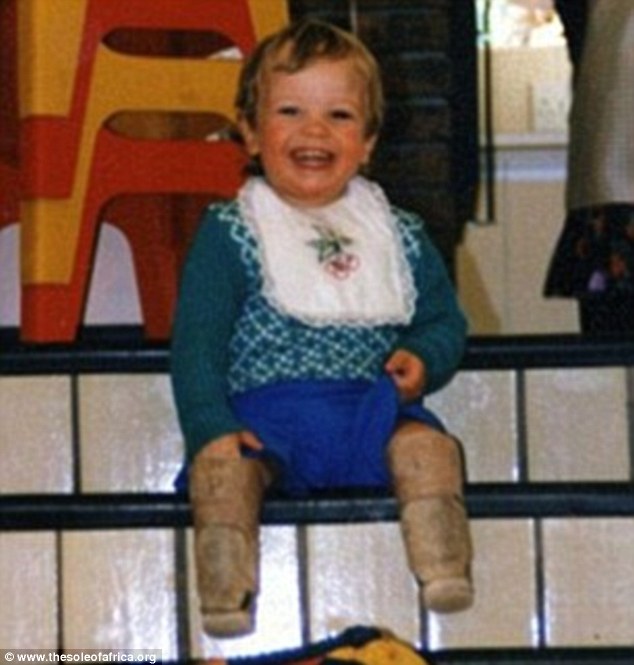
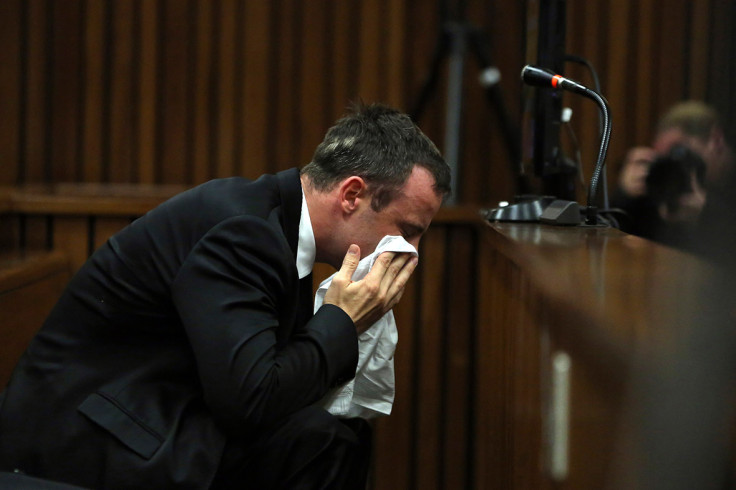


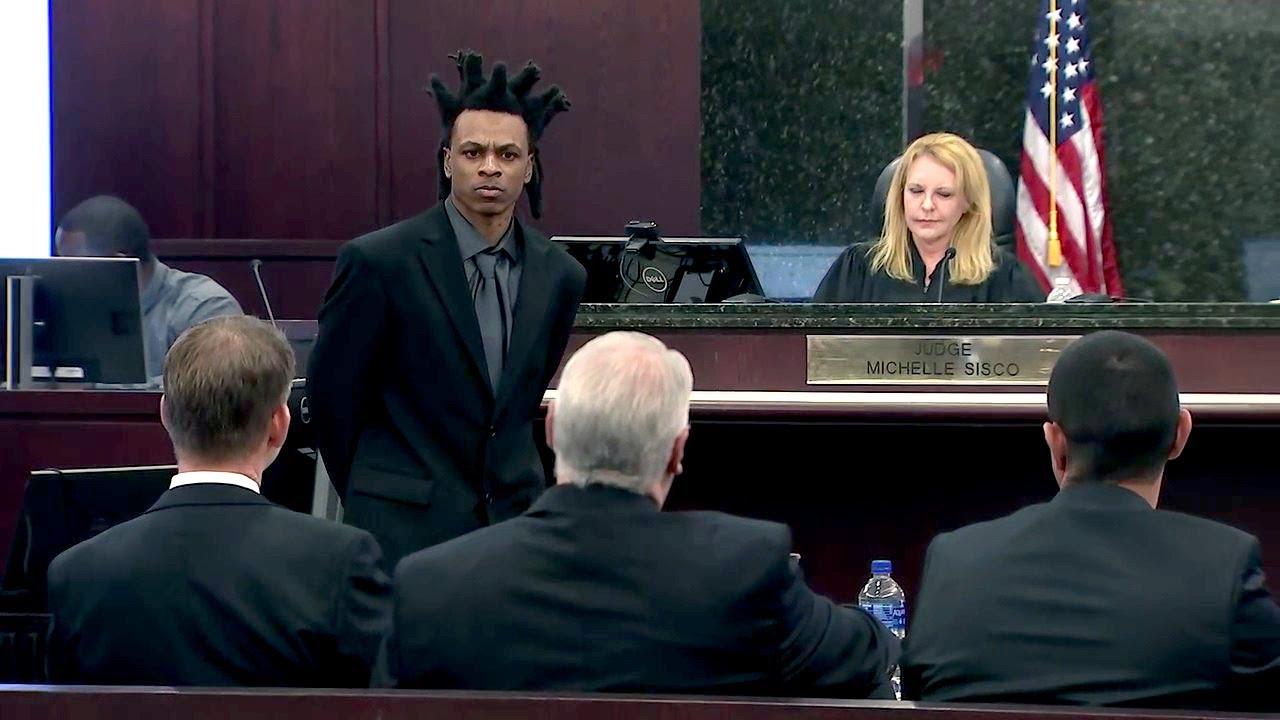
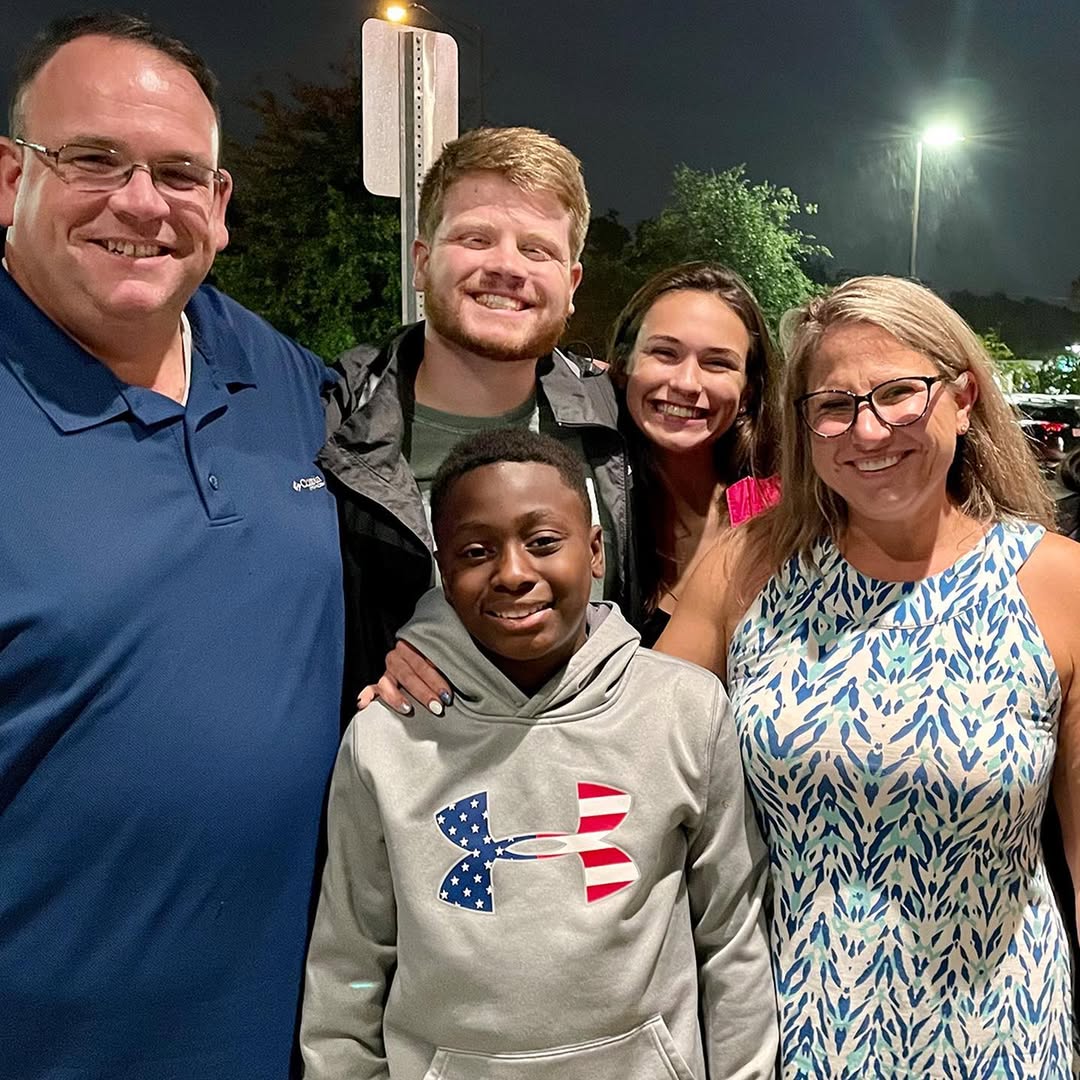

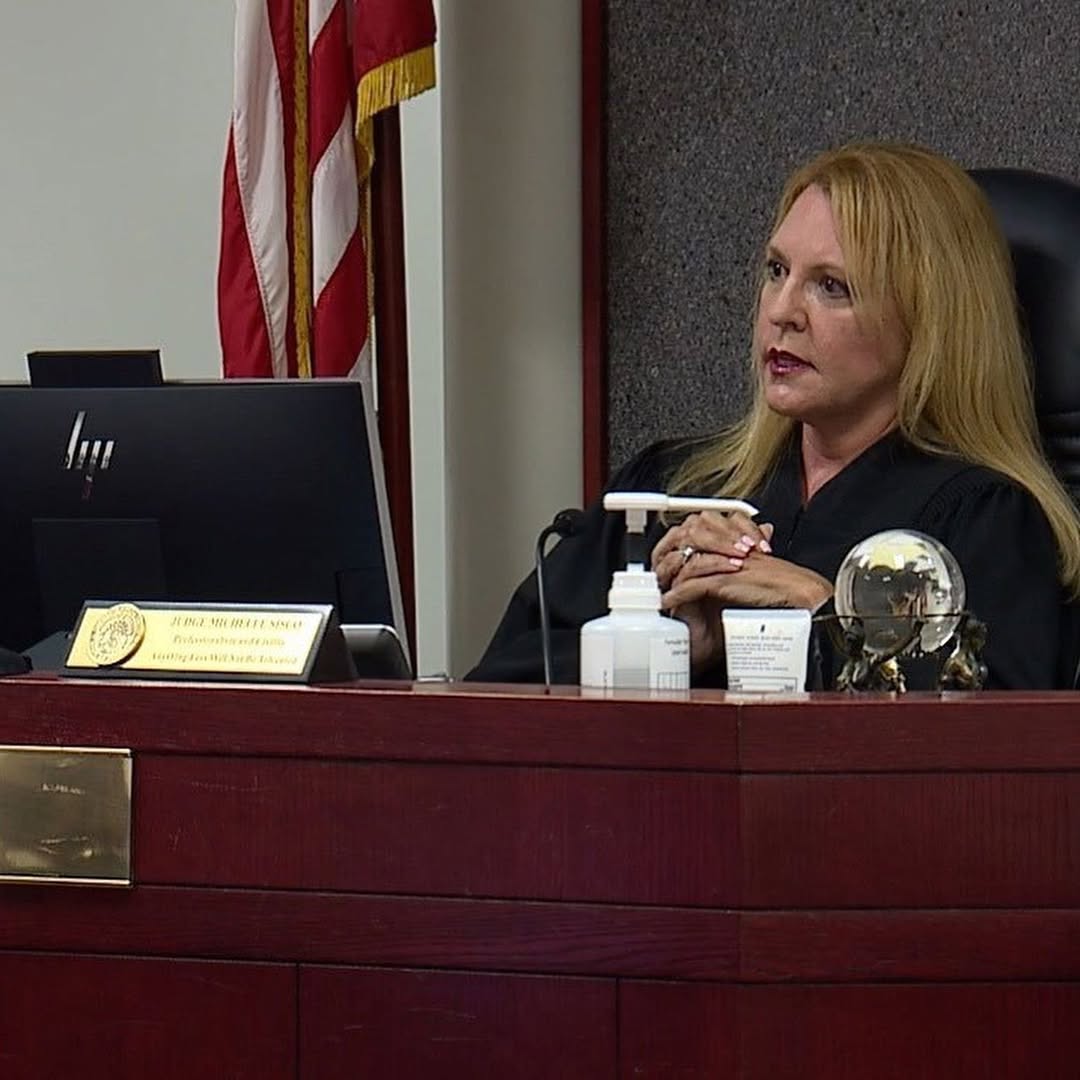






:max_bytes(150000):strip_icc():focal(749x0:751x2):format(webp)/Steve-and-Kristi-Goncalves-38-070125-a78af2707dd844549addedee219add66.jpg)