
Understand Your Rights. Solve Your Legal Problems
When a violent cartel leader is brought to justice, it’s not just a victory for law enforcement; it's a testament to the complex, global collaboration required to fight crime in the 21st century.
While the FBI's "Most Wanted" list captures national headlines, the "Most Wanted" list from Immigration and Customs Enforcement (ICE) provides an even more revealing snapshot of this new frontier.
It is here, at the intersection of international crime and U.S. immigration enforcement, that the most complex legal and jurisdictional battles are fought.
These fugitives aren't merely names on a list; they represent the evolving challenges facing U.S. prosecutors and policymakers.
From narco-trafficking to brutal violence, the charges against them underscore how the legal system must now confront crimes that transcend national boundaries, raising critical questions of justice, extradition, and due process.
The individuals below are drawn from ICE’s current “Most Wanted” list. While ICE doesn't rank them, they are presented here in order of the threat they pose to U.S. national security and public safety, based on the severity of their alleged crimes and their ties to organized crime networks.
The Threat: As the alleged leader of MS-13 in Honduras, Porky is a primary target. His network is wanted for a litany of federal crimes, including racketeering, drug trafficking, firearms offenses, and organized crime. His case exemplifies the U.S.'s focus on dismantling the command and control of transnational gangs, which operate with a level of structure and violence typically associated with military groups.
The Threat: Sons of notorious drug lord Joaquín "El Chapo" Guzmán, these brothers are accused of inheriting and continuing leadership of the Sinaloa Cartel. Their status as key figures in a multibillion-dollar narcotics enterprise, heavily involved in the deadly U.S. fentanyl crisis, makes them top-tier targets. Their indictments illustrate the use of complex Continuing Criminal Enterprise (CCE) statutes (21 U.S.C. § 848) to prosecute cartel leaders who orchestrate vast criminal networks from abroad.
The Threat: As key leaders of a powerful faction within the Sinaloa Cartel, the Salgueiro-Nevarez brothers are at the forefront of cross-border smuggling operations. They are charged with international conspiracy to distribute narcotics, including marijuana, cocaine, and fentanyl. Their cases highlight the critical role of family networks in maintaining control of criminal enterprises and the challenges of dismantling them, often requiring multiple extradition requests from Mexican authorities.
The Threat: Both men have prior convictions for manslaughter and are now wanted for removal. Their cases represent a recurring and contentious issue for the U.S. legal system: the treatment of previously convicted criminal aliens who have re-entered the country. This raises the legal question of whether a prior criminal sentence and subsequent deportation are sufficient punishment, or if their unauthorized re-entry warrants further, more severe penalties under statutes like 8 U.S.C. § 1326, which criminalizes illegal re-entry after removal.
The Threat: Wanted for serious immigration violations after prior removal orders, these individuals represent the foundational mission of ICE's Enforcement and Removal Operations (ERO). Their cases, while not tied to major international cartels, are crucial to upholding the integrity of U.S. immigration law. Bocanegra-Lupian, for instance, is a convicted felon who has been deported multiple times but is believed to have re-entered the country, showcasing the persistent challenge of enforcing deportation orders.
The individuals on this list serve as case studies for three key legal and policy challenges:
As transnational crime grows more complex, the boundaries of U.S. criminal law are continuously expanding. Each name on the ICE "Most Wanted" list represents a collision between public safety, national sovereignty, and the foundational principles of due process, shaping the future of global law enforcement.
The Human Side of a Monster: The Madness of David Berkowitz AKA Son of Sam
Lil Nas X Faces 4 Felony Charges After Wild Street Incident in Los Angeles
FBI’s Most-Wanted Daniel San Diego Captured in Wales After 20 Years
Akin Advises on Diamondback’s $750M Disposal Systems Sale to Deep Blue
Akin has advised Diamondback Energy, Inc. (NASDAQ: FANG) in the sale of its subsidiary, Environmental Disposal Systems, LLC (EDS), to Deep Blue Midland Basin LLC (Deep Blue) for a total consideration of $750 million.
The transaction preserves Diamondback’s strategic alignment with Deep Blue. Under the agreement, Diamondback renewed its 15-year water dedication across a 12-county area in the Midland Basin and will retain a 30% equity interest in Deep Blue.
Diamondback expects to receive approximately $675 million in upfront cash proceeds, subject to customary closing conditions and adjustments, with the potential for up to $200 million in additional performance-based earnouts through 2028.
The acquisition significantly expands Deep Blue’s footprint, creating the largest independent water infrastructure platform in the Midland Basin, with expanded treatment, disposal and pipeline capacity across 780,000 dedicated acres.
Scott Mitchell, Chief Executive Officer of Deep Blue, commented: “This transaction enhances our footprint and accelerates our mission to optimize water management across the Midland Basin while prioritizing greater sustainability by recycling massive amounts of produced water for upstream development. It ensures our customers benefit from unmatched scale and innovative solutions while shaping the future of water management in the Midland Basin.”
Kaes Van’t Hof, Chief Executive Officer and Director of Diamondback, added: “This transaction provides meaningful value for Diamondback while allowing us to remain closely aligned with Deep Blue as both a partner and a customer. Together, we are creating the premier system that supports the most demanding development schedules in the Midland Basin.”
The Akin team was co-led by corporate partners John Goodgame and Leana Garipova, with support from counsel Tom Hillebrand and associates Hailey Marino, Emily Varley, Andrea Cabada, Brannen Caraway, and Paxton Merrill.
The broader team also included tax partner Alison Chen and associate Samir Halawi; antitrust partner Brian Rafkin and associate Kyle Everett; executive compensation & employee benefits partner Stephanie Bollheimer; labor & employment partner Lauren Leyden; intellectual property partner David Lee; environmental & natural resources practice head David Quigley and senior counsel Andrew Oelz; and debt finance partner Eric Muñoz.
Skadden, Arps, Slate, Meagher & Flom LLP and Vinson & Elkins LLP advised Deep Blue, while Piper Sandler & Co. served as financial advisor to Diamondback.
Diamondback Energy, Inc. (NASDAQ: FANG) is a Midland, Texas–based independent oil and natural gas company focused on the Permian Basin. Founded in 2007, it has grown rapidly through low-cost operations and strategic acquisitions, and is now ranked among the Fortune 500.
Deep Blue Midland Basin LLC is a Houston- and Midland-based water infrastructure company formed in 2023 as a joint venture between Diamondback Energy and Five Point Infrastructure. The firm develops and operates large-scale systems for gathering, transporting, recycling, and disposing of produced water, with more than 2 million barrels per day of capacity and an extensive pipeline network across the Midland Basin. Led by CEO Scott Mitchell, Deep Blue has quickly become the region’s largest independent water infrastructure platform.
Akin Gump Strauss Hauer & Feld LLP is a leading global law firm with over 900 lawyers across offices in the U.S., Europe, Asia, and the Middle East. Founded in 1945, the firm is recognized for excellence in complex transactions, litigation, financial restructuring, and public policy. Akin is known for its innovative, diverse, and collaborative culture, serving corporations, governments, and individuals with tailored legal solutions.
The Justice Department has stepped directly into one of the country’s most polarizing debates: gender-affirming healthcare for young people.
On September 3, 2025, Attorney General Pamela Bondi announced that the Department had drafted and sent a new bill to Congress called the Victims of Chemical or Surgical Mutilation Act (VCSMA).
If passed, the measure would bar doctors, clinics, and hospitals from performing certain medical interventions on minors - procedures the DOJ describes as “chemical or surgical mutilation.” (Source: The U.S. Department of Justice)
The law would also give families the right to sue, opening the door to civil claims if a child undergoes treatment later considered harmful or irreversible.
The bill takes direct aim at hormone treatments and surgeries performed on people under 18 for gender-related purposes. Supporters say these measures protect children from making life-altering decisions before they are old enough to fully understand the consequences.
Backing the DOJ’s draft are Rep. Bob Onder (R-MO-03) and Sen. Marsha Blackburn (R-TN), both longtime critics of gender-affirming care for minors.
Attorney General Pamela Bondi commented: “We have heard from far too many families devastated by mutilative medical procedures that fly in the face of basic biology,” framing the DOJ’s push as a duty to defend children from practices it considers experimental.
The move follows Executive Order 14187, signed by President Trump in January 2025. That order cut off federal funding for gender-affirming care for minors and told agencies to withdraw reliance on international medical guidelines, such as those issued by the World Professional Association for Transgender Health (WPATH).
The proposal instantly raises thorny questions. Would a federal ban override states that still permit gender-affirming treatments for minors? How would courts balance parental rights, medical judgment, and constitutional protections?
Civil rights groups and major medical organizations are expected to challenge the measure if it gains traction in Congress. They argue that gender-affirming care is medically recognized and, for many transgender youth, a vital part of protecting mental health.
On the other side, advocates of the bill see it as a safeguard against what they view as rushed or even coercive medical decisions.
If the VCSMA clears Congress, lawsuits are almost guaranteed. Critics could argue that it infringes on the Fourteenth Amendment’s equal protection clause, or conflicts with Section 1557 of the Affordable Care Act, which prohibits sex discrimination in healthcare. Courts would then face the difficult job of reconciling this new law with existing protections.
The private right of action is also significant. By allowing families to sue directly, the DOJ is inviting years of litigation that could expand liability for doctors, clinics, and even insurers.
The DOJ’s proposal doesn’t exist in isolation. Hospitals and medical providers have been navigating a confusing legal landscape. Many paused gender-affirming treatments for minors after the January executive order.
Dentons, the world’s largest global law firm, has announced the election of Susan Kelly as Non-Executive Chair of the Global Board, effective November 10, 2025.
Susan Kelly, a banking partner in Dentons’ Edinburgh and London offices, has long been a prominent figure in the firm’s leadership. Ms. Kelly currently serves on both the Dentons UK, Ireland and Middle East LLP Board and the Firm’s Global Board. The new appointment follows Nick Park, who previously held the role of Non-Executive Chair.
As Non-Executive Chair, Ms. Kelly will preside over meetings of the Global Board, the Global Advisory Committee, and the General Assembly of the Verein.
“I am excited to assume the role of Non-Executive Chair and support Dentons as we continue to prioritize aligning and integrating the firm. Dentons is uniquely positioned in more than 80 countries to provide support and solutions to clients, and I plan to look at ways in which we can bring client and leadership perspectives into the boardroom to benefit everyone.” Susan Kelly said.
Dentons’ Global CEO Kate Barton emphasized the importance of Kelly’s election for the firm’s future:
“With my thanks to Nick for his service, I am delighted to welcome Susan as our incoming Non-Executive Chair of the Global Board. Susan has been an integral part of Dentons for many years. We will all benefit from her years of legal and industry experience as we continue to deliver exceptional client service.”
“She is a seasoned and dynamic operator, and I am confident that she will play a key role in overseeing the function of the Global Board as we lead the Firm from strength to greater strength.”
Ms. Kelly began her career with Dentons in 1991, when she joined the firm in Scotland under its former identity, Maclay Murray & Spens. She became a partner in 1998 and went on to build a practice that spans corporate lending, acquisition finance, and real estate finance in both domestic and international markets.
Her expertise stretches across industries including food and drink, manufacturing, technology, and real estate. Over three decades, Kelly has developed a reputation for guiding clients through high-value and complex transactions.
Susan Kelly’s track record has earned her consistent recognition from legal directories. Both Chambers and Legal 500 rank her as a Band 1 lawyer in Finance, and she is included in the Legal 500 Hall of Fame. Chambers also recognizes her as an Eminent Practitioner, describing her as a “distinguished practitioner, praised for her involvement in significant deals.”
Outside of Dentons, Ms. Kelly has served on the Board of Strathclyde University and contributed to its Investment and Innovation Committee.
In that capacity, she played a key role in developing governance frameworks and helped the university achieve some of the strongest investment returns in the UK , ranking just behind Cambridge and Oxford.
Dentons, founded in 2013, is the world’s largest law firm, operating in over 80 countries. With its unique polycentric structure, Dentons offers clients access to top-tier legal talent and deep local insight across key global markets. The firm is recognized for its commitment to innovation, client service, and helping organizations navigate complex legal and business challenges in a rapidly evolving world.
Latham & Watkins Advises Victory Park Capital on $175M Crusoe Deal
What You Need to Study in the United States: A Student Visa Guide
LegalZoom vs Incfile for Business Formation: Which Gives More Value?
Latham & Watkins LLP has advised Victory Park Capital (VPC) on a $175 million credit facility to support Crusoe, the vertically integrated AI infrastructure provider, in expanding its Crusoe Cloud capacity at atNorth’s ICE02 data center in Iceland.
The financing will enable Crusoe to accelerate deployment of advanced GPU hardware and meet growing global demand for AI-driven cloud services.
The expansion at atNorth’s ICE02 site leverages Iceland’s geothermal and hydroelectric energy, supporting clean energy data center growth across Europe and North America.
Chase Lochmiller, Co-Founder and CEO of Crusoe:
“Crusoe runs the infrastructure for intelligence. This credit facility from Victory Park Capital enables us to accelerate the deployment of the most advanced GPU hardware to meet the incredible demand we're seeing from the market for Crusoe Cloud.”
"Our partnership with atNorth allows us to leverage the abundant geothermal and hydroelectric power in Iceland to build energy-first AI infrastructure so that our customers can run their most demanding AI workloads on Crusoe Cloud."
Eyjólfur Magnús Kristinsson, CEO atNorth:
“We are delighted with Crusoe's success in serving its clients via our data centers and are excited to announce this significant development in our ongoing partnership.”
"The expansion of our ICE02 site will feature cutting-edge infrastructure and highly energy-efficient Direct Liquid to Chip (DLC) cooling technology. This aligns with both companies’ commitment to sustainability, and we are proud to support Crusoe on their path to decarbonize their workloads while delivering AI-ready solutions in an environmentally responsible way.”
Connell Hasten, Partner at Victory Park Capital:
“AI and high-performance computing are placing unprecedented demands on global digital infrastructure. We are proud to support Crusoe’s mission to power the future of AI with clean energy and see tremendous potential in its vertically integrated model."
"We believe the company is uniquely positioned to develop and operate AI-optimized data centers that efficiently support large-scale GPU clusters.”
Latham & Watkins has advised Victory Park Capital with a cross-disciplinary team. The private credit work was led by partners Paul Bonewitz and Victor Ludwig, alongside associate Christian DeSimone. Additional support came from partner Morgan Brubaker on data and technology transactions, and partner Bora Bozkurt on tax matters.
Crusoe is a vertically integrated AI infrastructure provider dedicated to accelerating the “abundance of energy and intelligence.” The company unites clean energy sourcing, hyperscale data center development, and its GPU-powered Crusoe Cloud to deliver high-performance, sustainable compute. Its energy-first approach leverages geothermal, hydro, wind, and solar power, backed by a 20 GW pipeline, while its AI-optimized data centers feature direct liquid-to-chip cooling and 99.98% uptime. By controlling the full stack from energy to compute, Crusoe delivers faster, more resilient, and cost-efficient infrastructure for the future of AI.
Victory Park Capital (VPC) is a Chicago-based global alternative asset manager focused on private credit and structured financing. Since its founding in 2007, the firm has invested around US $11 billion across 230 transactions. Now a majority-owned affiliate of Janus Henderson Group, VPC integrates ESG principles, responsible investing, and community engagement into its investment approach.
atNorth is the leading data-center services provider in the Nordics, driven by a vision of “more compute for a better world.” Founded on sustainability and innovation, the firm delivers efficient, scalable solutions, including high-density colocation, build-to-suit facilities, and the Gompute HPC-as-a-Service platform across its Nordic network. With a team of infrastructure professionals committed to innovation and low-carbon operations, atNorth serves as the decarbonization partner of choice, embedding environmental responsibility at the core of its strategy.
Latham & Watkins LLP is a leading global law firm known for its expertise in corporate, litigation, and transactional law. With over 2,000 attorneys in 14 countries, the firm advises clients across a wide range of industries, including technology, healthcare, finance, and energy. Founded in 1934, Latham & Watkins is renowned for its work with emerging companies, offering legal solutions for startups and growth-stage businesses. The firm’s Emerging Companies & Growth team helps navigate complex legal matters related to business formation, financing, and scaling, making it a trusted partner for innovative companies worldwide.
Updated August 24, 2025.
Lyle and Erik Menendez admitted to killing their parents, Jose and Kitty Menendez, but claimed they acted out of fear after years of physical, emotional, and sexual abuse. Prosecutors, however, argued the murders were driven by greed — that the brothers wanted control of their parents’ multimillion-dollar estate.
Their story has since become one of the most infamous and debated true crime cases in American history. Below is the complete Menendez brothers’ timeline of events.
Erik and his best buddy from high school, Craig, came up with a movie idea about a rich kid who offed his parents for cash. Kitty is said to have typed up the screenplay. Although it didn’t make it into evidence during the trials that followed, it’s still an important piece of the puzzle.
Lyle got kicked out of Princeton for plagiarism and found himself back in California. While he was home, he and his brother pulled off two big burglaries. As Dominick Dunne mentioned in Vanity Fair, "These burglaries were significant; they involved cash, valuables, and some serious bling, totaling around $100,000, taken from neighbors' safes. One of Erik’s buddies, who figured out the combo to his friend's dad's safe, was in on the first job.
That same friend got left out of the second heist and ended up snitching on them." He went on to say, "Jose decided that Erik, who was still a minor, would take the blame for both of them. Thanks to a deal their lawyer worked out, Erik ended up with probation and mandatory counseling." Erik then started seeing Dr. Jerome Oziel, and he signed a confidentiality waiver so Oziel could share anything he learned with Jose and Kitty.
In 1987, Princeton accepted Lyle’s second application. He was accepted to the college more because of his background and tennis ability, over his actual academic successes. Lyle had pretty average high school grades. Lyle is accused of plagiarizing an assignment in his Psychology class, and then suspended for a year.
Billionaire Boys Club is a two-part television film that aired on NBC in 1987. It told the story of the Billionaire Boys Club, and its founder, Joe Hunt, who was convicted in 1987 of murdering con-man Ron Levin. This drama, inspired by real events, tells the story of Joe Hunt, a cutthroat investor who will stop at nothing to build his wealth through shady tactics.
When con artist Ron Levin (Ron Silver) gets tangled up with Hunt's dubious operations, their partnership takes a dark turn. Before long, Levin ends up dead, and Hunt believes he's escaped the consequences of his actions. However, Hunt's relentless ambition and greed may ultimately lead to his downfall.
Prosecutor Lester Kuriyama later claimed that the film's storyline mirrors what the brothers did to their parents, and they had seen it just before the events unfolded.
In episode four of Monsters, it’s revealed that the day before the murders, the family hired a charter boat named Motion Picture Marine for a shark fishing trip. The captain later mentioned that the brothers mostly hung out at the front of the boat, keeping their distance from Jose and Kitty.
Erik, who was 18, and Lyle, at 21, tragically took the lives of their parents, Jose and Kitty, on Sunday, August 20, 1989. They used 12-gauge shotguns and shot their parents a total of 14 times.
Erik's confesses about the murders to best friend to Craig Cignarelli 12 days after the bloody shootings.
Erik reached out to Dr. Oziel on the day of Halloween 1989. He later shared with journalist Robert Rand, "I struggled to explain why I was feeling suicidal because I hadn’t told him I killed my parents, so he wasn’t really understanding."
Erik felt the need to confide in someone, and he chose that moment to open up. "I really wanted him to reassure me that I wasn’t a bad person, but he couldn’t do that without knowing the truth about my parents." After that, Oziel suggested they call Lyle to come to the office. Judalon Smyth mentioned she was in the waiting room during all of this.
At first, the police thought the murders were linked to the mob, which led Erik and Lyle to hop from one hotel to another to stay under the radar. But soon enough, the cops started to eye the brothers suspiciously and turned to Erik's close friend, Craig Cignarelli, for assistance.
According to Vanity Fair, Erik admitted to Cignarelli that he had killed his parents just 12 days after the crime. So, in November, a few months after the August murders, the police asked Craig to wear a wire to catch a confession on tape. But when Craig met up with Erik again, he backtracked on his earlier claim, saying he had lied and hadn’t actually killed his parents. On cross-examination, Cignarelli said he had initially told police on Nov. 17, 1989, that he remembered the confession occurring the month before, in October.
Craig, following the police's request, brought a tape recorder to a two-hour dinner at Gladstones with his buddy. Later, when they talked about that night again, Erik switched up his story.
The therapist managed to persuade Lyle and Erik to allow him to record their sessions.
Judalon Smyth plays a crucial role in the Menendez brothers' case because of her connection with Dr. Jerome Oziel. She first crossed paths with Oziel in June 1989 when she was running a tape-duplicating business and suggested they market tapes of him discussing psychology. She told police that not only had Lyle and Erik confessed, but Oziel had tapes of their confessions. After, officers searched Dr. Oziel's home under a warrant, seizing records and tape recordings.
Beverly Hills Police arrested Lyle outside his parents' mansion.
When Lyle was arrested, Erik was in Israel for a tennis tournament. Erik flew from Israel to London, England, London to Miami and Miami to Los Angeles. On his departure at LAX International, Erik was met by the police. He surrendered at Los Angeles International Airport upon his retrial.
After the brothers were arrested, there was a heated debate between the state and their defense lawyers about whether the recordings made by Oziel could be used in court.
"Before the trial began, both sides argued over the admissibility of certain tapes recorded by the brothers' psychologist during therapy sessions," the American Psychological Association notes about the situation.
"The defendants claimed that these recordings were protected as confidential patient-therapist communications. However, the California Court of Appeal ruled that the recordings were not protected. Some of the content was considered outside the privilege due to California's Evidence Code, specifically the dangerous patient exception. Additionally, other parts were ruled not privileged because the court found that the discussions between the psychologist and the brothers took place in sessions that weren't intended for therapy."
In August 1992, the California Supreme Court decided that two of Oziel's recordings could be used in court due to the "dangerous patient" exception, but the other two couldn't, including one where Erik confesses to the murders, because they were considered privileged communication.
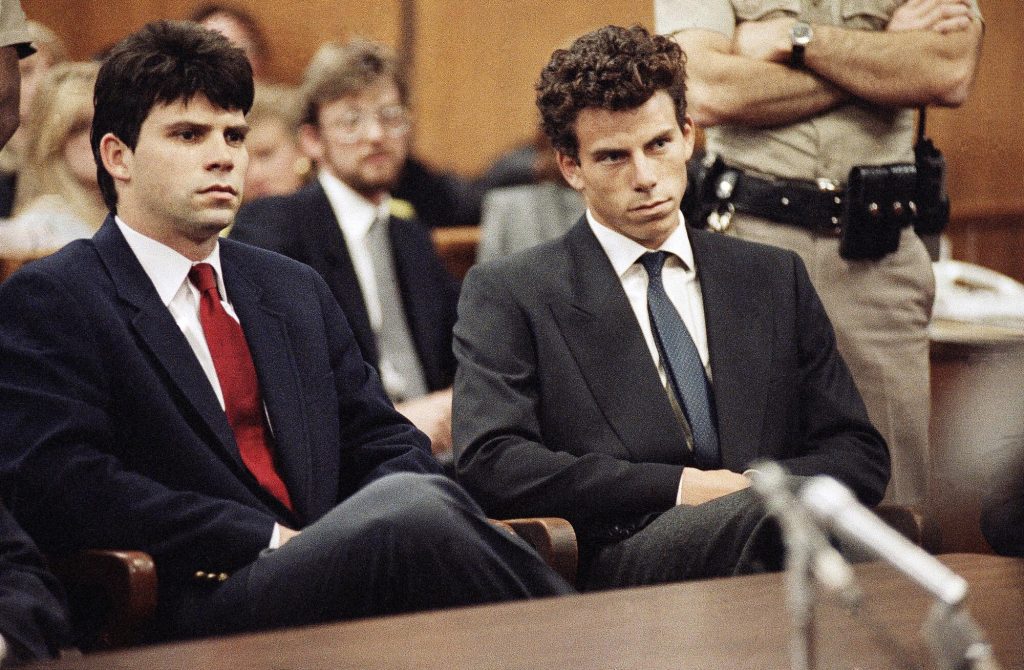
Erik and Lyle Menendez in Court
Defense Lawyer Robert Shapiro worked with the Menendez brothers very briefly before the brothers switched to Jill Lansing (Lyle's attorney) and Leslie Abramson (Erik;s attorney). Robert Shapiro was a top L.A. defense lawyer and represented former NFL star O.J Simpson in his 1995 murder trial of which Simpson was found Not guilty of the murders of former partner, Nicole Brown Simpson and Ronald Lyle Goldman.
They were put on trial together, but each had their own jury since some evidence could only be used against one brother and not the other, as reported by the Washington Post. Both brothers shared their experiences of the sexual abuse they faced. Interestingly, the trial was shown on CourtTV. According to John D. Rogers law office, the Menendez brothers' trial stood out for a few reasons. One big factor was the extensive media attention it got.
It was broadcasted on national TV and captured the interest of the American public. Another key point was the introduction of the 'extreme emotional disturbance' defense, which was pretty new back then and hadn’t been seen in many previous cases. Plus, it was the first time the abuse defense was brought up in a murder trial.
The jury informed the judge that they were completely stuck, according to the Washington Post. The New York Times mentioned that the jurors said the main issue causing their confusion was figuring out how badly the brothers had been mistreated and whether that mistreatment was enough to justify what they did.
During their second, joint trial, the judge excluded evidences of abuse from their defence case. A jury found them guilty and the pair were convicted of first-degree murder and conspiracy to murder in 1996.
On July 2, 1996, Erik and Lyle were both sentenced to life imprisonment without the possibility of parole.
As the trial wrapped up, Judge Stanley M. Weisberg decided that the 'abuse excuse' defense was off the table. This meant the jurors had to choose between completely acquitting the brothers or finding them guilty of murder, according to the New York Times. At that time, Time noted that the jury sided with the prosecution, believing the brothers killed their parents to access the family wealth, and dismissed the defense's claim that the murders were a reaction to abuse.
In 1997, the Menendez brothers’ defence team filed an appeal, seeking to overturn their convictions for the murders of their parents. They argued that significant errors were made during the trial, particularly regarding improper jury instructions that could have influenced the verdict.
Despite these claims, the California Court of Appeal rejected the appeal, ruling that the trial had been conducted fairly and upholding the original convictions. This decision solidified their life sentences and left the brothers with limited legal avenues to challenge their conviction at the time.
In 1999, the Menendez brothers filed a motion requesting a new trial, arguing that their original defence had been inadequate and that the jury had been improperly influenced by prejudicial information.
They also claimed that key evidence had been excluded during the trial, which could have supported their case. However, the court rejected their motion, ruling that there were no grounds for a retrial and upholding the original convictions. This decision effectively closed the door on their attempts to challenge their sentences at that time.
In 2010, the Menendez brothers filed a post-conviction petition to reopen their case, citing new evidence that alleged sexual abuse by their father, Jose Menendez. This petition was based on public revelations made through media interviews and documentaries, which brought forward the brothers' claims of abuse as a key part of their defence.
However, the court ruled that the new evidence was not compelling enough to warrant a retrial, and the petition was denied. The convictions remained in place, as the court determined that the new claims did not alter the outcome of the original trial.
In 2017, the Menendez brothers’ legal team filed a motion for a new trial, presenting new evidence, including testimonies and documentation of alleged sexual abuse by their father, Jose Menendez. One key piece of evidence was a signed statement from Roy Rossello, a former Menudo member, who accused Jose Menendez of sexual abuse.
Despite this, the court ruled that the new evidence was not substantial enough to justify a retrial, and the petition was denied. The brothers’ convictions remained intact, as the court determined the new information did not significantly impact the case’s outcome.
Throughout their imprisonment, Lyle and Erik Menendez had periodic parole hearings, with their legal teams advocating for early release based on their good behaviour and rehabilitation. These hearings, a standard part of the parole process for life sentence prisoners, occurred every few years. However, in each instance, parole was denied.
The parole board emphasised the severity of the crimes and determined that the brothers should continue serving their life sentences. Despite their rehabilitation efforts, the board maintained that the nature of their crimes warranted the full length of their sentences.
Lyle and Erik Menendez have had multiple parole hearings since their conviction. Erik had three hearings, with denials in 2005, 2010, and 2017. Lyle had two hearings, with denials in 2005 and 2012. In each case, parole was denied due to the severity of the crimes and the need to serve their sentences.
On November 17, 2022, the Menendez brothers’ legal team submitted a formal clemency petition to California Governor Gavin Newsom, urging a reconsideration of their life sentences. The petition highlighted new evidence of childhood abuse, their rehabilitation efforts, and the lasting mental health impacts of their trauma. As of 2023, the clemency petition remains under review, with no decision made yet. This ongoing review reflects continued efforts to reassess their case, based on evolving understandings of trauma and rehabilitation.
Since their convictions in 1996, the Menendez brothers have continued to seek a reduction in their life sentences through periodic legal motions. Their defence teams have argued that the original sentences are disproportionate, especially given the time they have already served.
They contend that the brothers’ sentences do not adequately take into account the extensive trauma and mental health issues they endured as children, particularly the alleged abuse they suffered at the hands of their father, Jose Menendez. The brothers have both spoken extensively about their childhood trauma, which they claim played a significant role in the events leading to the murders of their parents.
Over the years, the legal teams have stressed that their rehabilitation and good behaviour in prison should be factored into any reconsideration of their sentences, as they have reportedly shown remorse and worked to improve themselves during their incarceration. However, despite these ongoing legal motions and petitions, no substantial changes have been made to their sentences.
Each motion for sentence reduction has been met with rejection, with courts citing the severity of the crime as the primary reason for upholding the life sentences. As of now, the Menendez brothers continue to serve their sentences, though their legal teams remain persistent in their efforts to secure a reconsideration of their cases based on the brothers’ personal growth and the traumatic circumstances of their youth.
In January 2025, a hearing to determine whether the Menendez brothers should be resentenced more than 30 years after murdering their parents was delayed due to the ongoing fires in the Los Angeles area. Initially set for later this month, the hearing for Erik and Lyle Menendez has been rescheduled for March, as announced by the county's top prosecutor in January.
This marks the second postponement by Nathan Hochman, the new Los Angeles County District Attorney, regarding the brothers' future behind bars. His predecessor, George Gascon, had previously recommended they be resentenced and granted parole. The brothers are currently serving life sentences for the 1989 murders.
Meanwhile, Los Angeles continues to battle the fires, which have claimed at least 27 lives and devastated numerous communities.
In April 2023, former Menudo member Roy Rosselló claimed that José Menendez sexually assaulted him as a teenager. The allegation fueled renewed public debate and added weight to the brothers’ long-standing defense that their father had subjected them to years of sexual abuse. The claim was widely covered in media outlets and used by the defense team in their push for a resentencing.
In October 2024, then–District Attorney George Gascón recommended the brothers be resentenced under California’s youth offender sentencing reforms, which allow parole consideration for those who committed serious crimes before the age of 26. A Los Angeles judge agreed in May 2025, formally resentencing Lyle and Erik to 50 years to life, making them immediately eligible for parole after serving nearly 35 years.
August 21, 2025 – Erik Denied Parole
After a nearly 10-hour hearing, Erik Menendez was denied parole by the California Board of Parole. The board cited the brutality of the murders, the possession of contraband cell phones in prison, and what they described as “unreasonable risk to public safety.”
August 22, 2025 – Lyle Denied Parole
One day later, Lyle also faced the parole board. While commissioners acknowledged his remorse and positive prison record, they pointed to “ongoing signs of anti-social behavior” and similarly denied his release.
Both brothers were issued three-year denials, though they remain eligible for administrative review in 18 months.
Following the denials, Talia Menendez, Erik’s daughter, declared on Instagram that the “fight is not over,” blasting the parole process as “mental torture.” She also criticized celebrities who previously expressed support but have stayed silent, singling out actor Cooper Koch—who portrayed Erik in Netflix’s Monsters—as the only consistent supporter.
Meanwhile, actress Rosie O’Donnell, who has long maintained contact with the brothers, publicly renewed her call to “Free the Menendez brothers,” sparking backlash and reigniting debate about whether the siblings should ever be released.
As of August 2025, Lyle (57) and Erik (54) Menendez remain incarcerated at the Richard J. Donovan Correctional Facility in San Diego, where they were reunited in 2018 after spending nearly two decades in separate prisons.
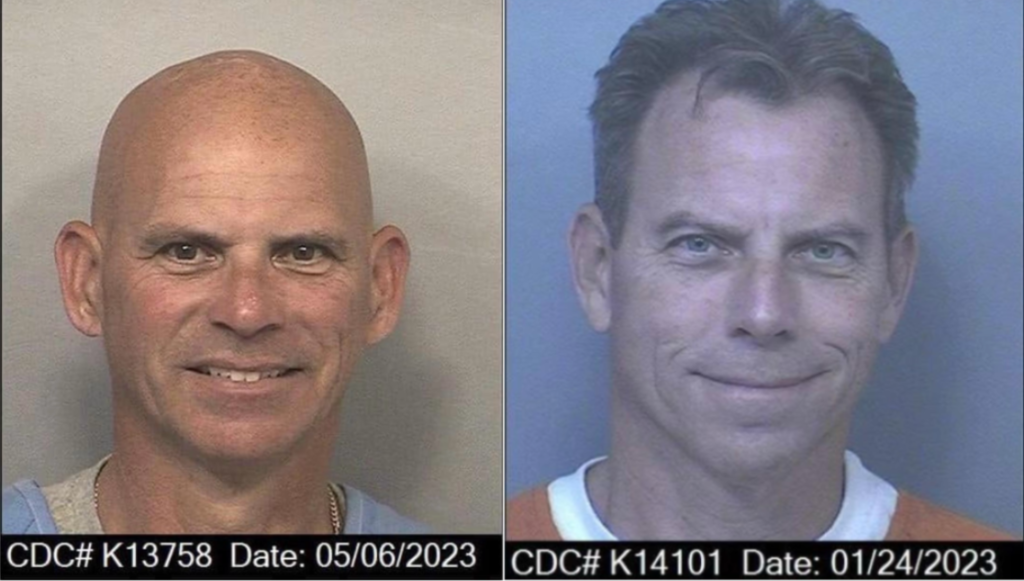
Both men have married while behind bars. Lyle wed Anna Eriksson in 1996, though the marriage ended in divorce in 2001. He later married Rebecca Sneed in 2003. Erik married Tammi Saccoman in 1999, and she has remained one of his most vocal supporters, often speaking publicly about their relationship and his rehabilitation.
Their most recent legal fight centered on California’s youth offender laws, with a judge resentencing them in 2025 to 50 years to life, making them parole-eligible after 35 years served. Yet in back-to-back hearings this August, both brothers were denied parole. The board cited public safety concerns, disciplinary violations, and what it called ongoing signs of anti-social behavior.
Despite these setbacks, their attorney Mark Geragos has vowed to appeal the denials directly to Governor Gavin Newsom, who has the authority to overturn parole board decisions in extraordinary cases.
For now, the Menendez brothers remain behind bars — symbols of one of America’s most notorious family murder cases, and central figures in a decades-long debate over trauma, accountability, and rehabilitation.
RELATED: Fact-Checking ‘Monsters: The Lyle and Erik Menendez Story’: Fact v Fiction
In a rare display of bipartisan unity, Representatives Ro Khanna (D-CA) and Thomas Massie (R-KY) are spearheading a congressional campaign to force the release of federal files related to Jeffrey Epstein’s long-suspected trafficking network. But beneath their shared mission, sharp divisions are emerging — particularly over the future of Epstein’s most infamous accomplice, Ghislaine Maxwell.
During a joint appearance on NBC’s Meet the Press this weekend, the lawmakers reaffirmed their support for transparency “on behalf of the victims,” but clashed on whether a presidential pardon for Maxwell could be justified in exchange for her cooperation.
“Whatever they need to do to compel [Maxwell’s] testimony, as long as it’s truthful, I would be in favor of,” said Rep. Massie, hinting at openness to reduced sentencing if it meant uncovering the full truth.
Khanna disagreed bluntly.
“No, I don’t believe Maxwell should be pardoned,” he told moderator Kristen Welker. “She’s already been convicted of sex trafficking and indicted for perjury. This isn’t someone we should reward — it’s someone who should be held accountable.”
House Speaker Mike Johnson (R-LA) also weighed in during a separate interview, describing the idea of a pardon as morally fraught and politically toxic.
“If you’re asking my opinion, I think 20 years was a pittance,” Johnson said, referencing Maxwell’s 2021 sentencing. “She should have received a life sentence. The sheer magnitude of the harm — it’s hard to put into words.”
Still, Johnson emphasized that the decision ultimately rests with President Donald Trump, telling Meet the Press, “I won’t get in front of him. That’s not my lane.”
Trump, for his part, offered a characteristically ambiguous statement last week when asked directly about pardoning Maxwell: “I’m allowed to do it, but it’s something I have not thought about.”
At the heart of this debate lies a broader bipartisan push to declassify documents related to Epstein’s operations, which allegedly involved powerful figures in politics, finance, and entertainment. On Truth Social, Trump claimed he had instructed Attorney General Pam Bondi to pursue court approval for the release of pertinent grand jury materials.
Bondi and Deputy Attorney General Todd Blanche — who reportedly interviewed Maxwell for two full days last week — have since filed a motion in Manhattan federal court to unseal parts of the record. Meanwhile, a federal judge in Florida rejected a separate Justice Department request to release grand jury transcripts from its own Epstein probe.
Multiple officials within the DOJ have expressed concern that making these records public could endanger victims’ privacy or retraumatize survivors. But both Khanna and Massie reject that rationale as a political smokescreen.
“It’s a straw man,” Massie said. “Ro and I drafted this legislation with redactions in mind. Victim identities would be protected. No child pornography would be released.”
Tensions over the Epstein files have created deep fissures within the Republican Party. Last week, Speaker Johnson sent lawmakers home one day early for summer recess — a move that some Democrats said was an effort to shield GOP members from a vote on Khanna and Massie’s bill.
“Why is it painful for Mike Johnson to call a vote on this?” Massie asked. “This is what the American people deserve — not just for justice, but for trust in government.”
Johnson pushed back on those accusations, claiming Democrats had “hijacked” the Rules Committee and attempted to “turn it into an Epstein hearing.”
“That’s not what the Rules Committee is about,” Johnson said. “So that’s why the floor votes ended on Wednesday instead of Thursday.”
But the maneuver has only intensified scrutiny, especially among conservatives worried that continued obstruction will demoralize the GOP base heading into the 2026 midterms.
“This is going to hurt Republicans,” Massie warned. “Voters are already apathetic. They want us to hold the rich and powerful accountable — and if we don’t, they’ll stay home.”
Despite their partisan differences, Khanna and Massie have emerged as unlikely allies in the fight for government transparency. Their proposed bill — which demands the release of all unclassified Epstein records — has attracted support from across the aisle, including Reps. Alexandria Ocasio-Cortez (D-NY), Nancy Pelosi (D-CA), and nearly a dozen conservative Republicans.
“Politics is the art of the doable,” Massie said. “And there’s enough pressure now that we can get 218 votes.”
The alliance has not come without cost. Massie has drawn fire from within his own party, including from Trump-aligned PACs that have already poured over $1 million into ads targeting him in Kentucky.
Khanna praised his colleague’s courage.
“The only person who’s taken political pain here is Congressman Massie — for telling the truth,” Khanna said. “It’s just made him stronger.”
Khanna, a rising star in the Democratic Party and potential 2028 presidential candidate, has linked the Epstein file release to his broader political message of economic justice and institutional accountability.
“You can’t rebuild this country — with Medicare for All or a 21st-century Marshall Plan — if people don’t trust the government,” Khanna said. “This is about restoring that trust.”
With Congress on recess, Khanna and Massie plan to continue gathering signatures for a discharge petition — a procedural move that could force a House vote despite resistance from GOP leadership. If they reach the 218-signature threshold, Speaker Johnson will face a difficult decision: allow the vote, or attempt to change House rules midstream — a move likely to trigger national attention.
“That becomes the vote,” Massie said. “Not just on Epstein, but on who gets to control what the American people know.”
As for the victims at the center of the Epstein case, many advocacy groups remain cautiously hopeful that this bipartisan momentum could bring long-overdue accountability — not just to Epstein and Maxwell, but to the full web of enablers still shrouded in secrecy.
Why are Khanna and Massie pushing to release Epstein files?
They argue it’s a matter of justice and transparency, especially for victims, and say the American public deserves to know the full scope of Epstein’s network.
What is the controversy over pardoning Ghislaine Maxwell?
Massie is open to reduced punishment if Maxwell provides truthful testimony, while Khanna and Speaker Johnson believe she should serve more time, possibly a life sentence.
What’s in the proposed Epstein records release bill?
The bipartisan bill calls for publication of all unclassified Epstein-related documents with redactions to protect victims and prevent the release of illegal content.
Will the Epstein files actually be released?
That remains uncertain. A federal judge must approve any unsealing of grand jury materials, and Congress must pass a release measure — which leadership currently opposes.
Billy Joel And So It Goes Part 2 Review: As the final notes of And So It Goes echo across the closing scenes of HBO’s two-part documentary, Billy Joel sits quietly at his piano—no crowd, no band, just the man and the keys that have defined his life. With glassy eyes and a half-smile, he admits, “I may not ever figure it all out. But I’m tryin’.” It’s a simple line. And yet, for Joel—who turned 76 this year—it says everything.
“Billy Joel: And So It Goes” Part 2 picks up in 1982, the moment a motorcycle accident threatened to silence the Piano Man for good. What unfolds is a raw, intimate portrait of survival: through heartbreak, bankruptcy, addiction, and rediscovery. It is not a nostalgic walk through hits. It is a reckoning.
This article was informed by the author's review of ‘Billy Joel: And So It Goes – Part 2’ and decades of coverage on Joel’s career.
Watch the official trailer: Billy Joel’s story, from heartbreak to redemption.
Before the stadiums, before the superstardom, before Piano Man, there was just Billy and a silence he couldn’t shake: his father’s absence. Howard Joel fled the family when Billy was still a boy. The loss scarred him deeply, becoming a ghost that haunted his lyrics and a force that fueled his drive.
In Vienna, a song Joel wrote as a young man, listeners hear a yearning not just for purpose, but for peace. That song was for his father, whom he later found—of all places—in Vienna, distant and emotionally unreachable. Their strained relationship would never quite heal. Joel tried. Repeatedly. Until Howard’s death in 2011.
:max_bytes(150000):strip_icc():focal(742x374:744x376):format(webp)/rosalind-nyman-billy-joel-cold-springs-harbor-park-1991-helmut-howard-joel-billy-joel-nuremberg-1995-072525-cd1d6b286ae84764a805d3c3c8652d8b.jpg)
Billy Joel with his mother Rosalind Nyman Joel (left) and father Howard Joel (right). His complicated relationship with his father, who fled Nazi Germany and later settled in Vienna, is explored in the HBO documentary.
There is pain in Joel’s voice when he says, “No matter what, I will always be a Jew.” The line isn’t just about identity—it’s resistance, legacy, and a tribute to his father’s survival under Hitler’s regime. During a 2017 concert, Joel pinned a yellow Star of David to his lapel in protest of white supremacy after the Charlottesville rally. It was one of the few times he let his politics speak so loudly on stage.
:max_bytes(150000):strip_icc():focal(979x494:981x496)/billy-joel-dating-history-split-261ba8196df84984bcf0c00003f31d4e.jpg)
Then and now: Billy Joel with supermodel Christie Brinkley during their marriage in the 1990s (left), and with current wife Alexis Roderick in the 2020s (right), highlighting the personal evolution chronicled in his HBO documentary.
When Billy Joel met Christie Brinkley in St. Barts, he was exhausted—physically and emotionally. He had just wrapped The Nylon Curtain tour and was seeking solace. What he found was something more surprising: love.
Their courtship, immortalized in “Uptown Girl,” felt like a fantasy—an everyman New Yorker landing the world’s most glamorous supermodel. But their real story wasn’t about appearances. It was about connection. Brinkley recalls, “There was something sweet and old-fashioned about him.” Joel, smiling in vintage home videos, simply calls her “a muse.”
Together, they had daughter Alexa Ray and captured a version of domestic bliss—singing songs in the car, carving turkeys, dancing on boats. But behind the smiles, darkness crept in.
:max_bytes(150000):strip_icc()/GettyImages-86098930-56fde4c85f9b586195e59eee.jpg)
A young Billy Joel performing in the 1970s. His raw, energetic early shows laid the foundation for a career that would span more than five decades.
Brinkley wasn’t just Joel’s wife—she was his reality check. When she discovered that Joel’s manager (and former brother-in-law) Frank Weber had squandered millions of his earnings, she raised the alarm. Joel didn’t want to believe it.
“He trusted Frank more than he trusted me,” Brinkley says tearfully in the film.
The betrayal cut deep. Joel filed a $90 million lawsuit against Weber in 1989. But the emotional cost went further. The years that followed brought albums like Storm Front and River of Dreams, but also a heavy drinking problem. Alcohol dulled the pain, but it also numbed the joy.
“I don’t think he knew how he could hurt people,” Brinkley reflects. They divorced in 1994 after nearly a decade together.
Years later, Joel would again try to find comfort in marriage—this time with chef Katie Lee, who was 32 years his junior. But his old demons followed. Depression. Isolation. Addiction. That marriage ended, too.
Then came Alexis Roderick, a former Morgan Stanley executive. Their 2015 wedding was quiet, held at Joel’s Long Island estate, officiated by none other than New York Governor Andrew Cuomo.
Together, they have two young daughters, Della Rose and Remy Anne. And perhaps for the first time in a long while, Joel seems anchored. “I still believe in love,” he says simply.
There’s a softness in his demeanor now—a man no longer chasing hits or headlines, just the next breath, the next melody.

Billy Joel with ex-wife Christie Brinkley and their daughter Alexa Ray Joel. Despite their divorce, the former couple maintained a supportive relationship while co-parenting their only child.
In 2012, Hurricane Sandy devastated Joel’s beloved Long Island. For a while, he stayed silent, unsure if he had anything left to offer. Then came the 12-12-12 benefit concert. Joel returned to the stage at Madison Square Garden, looked out at the sea of faces, and thought: There’s still gas in the tank.
That single show sparked a historic monthly residency at MSG—100 consecutive sellouts over a decade. No other artist has come close.
Each concert ended the same way: Joel at the piano, harmonica in hand, playing the first notes of Piano Man. The crowd would erupt. And for a moment, the years would vanish.
From classical influences in The Nylon Curtain to doo-wop inspirations in An Innocent Man, Joel’s genre versatility has always defied trends. He’s a musical chameleon, but one rooted firmly in place.
“He was a bridge and tunnel artist, as I count myself as,” Bruce Springsteen says in the documentary. “We stuck to a lot of where we came from in what we wrote about, but we wrote about it using slightly different tools. I’m obviously more identified with New Jersey, so I came more out of a folk rock-and-roll background. Billy is still more identified with New York—he had all that Broadway and Tin Pan Alley, which is why his melodies are better than mine.”
The HBO documentary Billy Joel: And So It Goes has received significant attention from major outlets. Here are a couple of representative review comments:
From Variety, Danielle Solzman writes:
“Watching Billy Joel: And So It Goes, you get a real sense of just how tough it was for musicians trying to break into the industry. Joel's rise to fame didn't happen overnight, and his reflections on his early contracts paint a bleak picture of the music business in the 1970s.”
The documentary doesn’t shy away from the harder truths. Joel discusses alcoholism and rehab, not with shame but clarity. He’s candid about suicidal thoughts, past breakdowns, and the frightening moments when he felt the music slipping away.
But it’s also about survival. Joel admits he doesn’t write as much anymore. “I said what I had to say,” he shrugs. And yet, when he plays—even now—something lights up inside him.
“Music saved my life,” he says. And you believe him.
Billy Joel: And So It Goes – Part 2 isn’t just a film about a legendary musician. It’s a story of resilience. Of getting knocked down—again and again—and choosing to stand back up, piano bench beneath you.
At 76, Billy Joel is still searching, still trying to figure it all out. But maybe that’s the point.
As he says, eyes misting, hands resting on the keys that never left him, “I’m not finished.”
And thank God for that.
🎤 Billy Joel’s Top 10 Songs, According to the Los Angeles Times
“If a musician’s legacy can be judged by which of his peers are willing to show up and sing his praises in a documentary about him, consider Billy Joel’s in good standing.”
– Mikael Wood, Los Angeles Times
What happened to Billy Joel’s father?
Howard Joel left the family when Billy was a child. Their relationship remained strained, though they reconnected briefly in Vienna. Howard died in 2011.
How many times has Billy Joel been married?
Billy Joel has been married four times: to Elizabeth Weber, Christie Brinkley, Katie Lee, and Alexis Roderick.
Did Billy Joel suffer from alcoholism?
Yes. Joel has openly discussed his battle with alcohol, especially in the 1990s and early 2000s, which he attributes in part to emotional trauma and career pressures.
What is Billy Joel doing now?
Joel recently completed a 10-year residency at Madison Square Garden and continues to perform selectively. He lives in Long Island with his wife Alexis and their two daughters.
What is Billy Joel’s most famous song?
While he has dozens of hits, “Piano Man” remains his signature song and is performed at the end of every concert.
Updated with November 2025 developments
On May 31, 2014, the quiet suburb of Waukesha, Wisconsin became the scene of one of the most disturbing crimes in modern American history.
A 12-year-old girl, Payton Leutner, was lured into the woods by two friends, stabbed 19 times, and left to die. The attackers—her classmates Morgan Geyser and Anissa Weier—believed the killing would prove their loyalty to Slender Man, a fictional internet horror character.
Miraculously, Payton survived. But while her physical wounds healed after emergency surgery, her emotional recovery would take years.
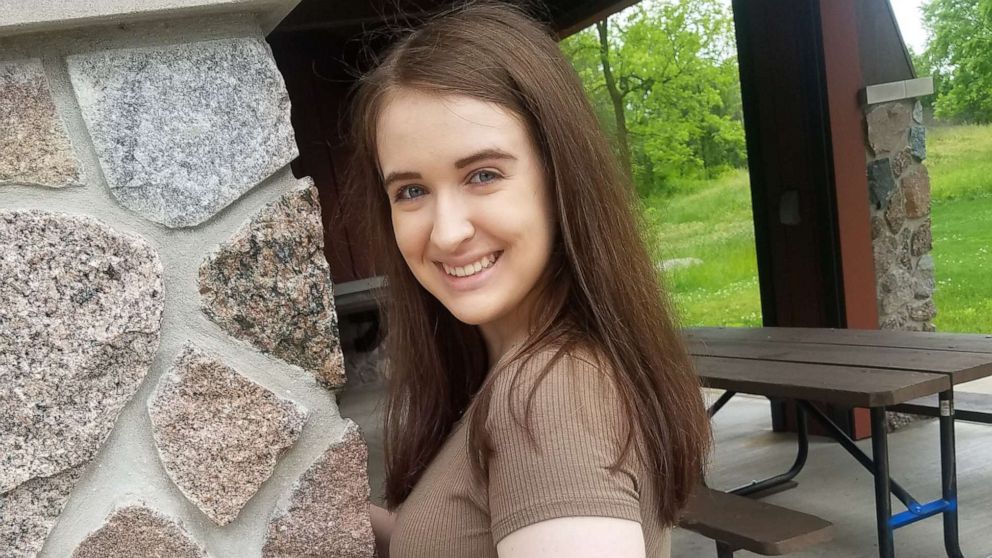
Slender Man' stabbing victim Payton Leutner
Slender Man emerged in 2009 during an online horror contest, when creator Eric Knudsen posted eerie black-and-white images of a faceless, elongated figure lurking behind children. The character quickly spread across forums and creepypasta sites, evolving into a sinister, supernatural entity in fan fiction and online games.
For most people, Slender Man was nothing more than digital folklore.
For two 12-year-old girls struggling with fear, delusion, and social isolation, he became terrifyingly real.
Weier and Geyser convinced themselves that Slender Man would kill them—or their families—unless they made a human “sacrifice.” They chose Payton, one of Geyser’s closest friends.
What began as an ordinary sleepover—pizza, games, late-night chatter—was a prelude to an attack already planned.
The next morning, under the guise of playing hide-and-seek, the girls led Payton into the woods. There, Geyser pulled a kitchen knife from her waistband and stabbed Payton repeatedly while Weier urged her on.
One stab wound missed Payton’s heart by the width of a human hair.
Believing she would die, Geyser and Weier told her to “stay there” while they pretended to go for help.
Instead, they walked away into the woods, hoping to find Slender Man’s “mansion.”
Through extraordinary will, Payton crawled from the forest to a bike path, where a passing cyclist spotted her and called 911. Police and paramedics were stunned that she was still conscious.
Surgeons later said her survival bordered on the miraculous.
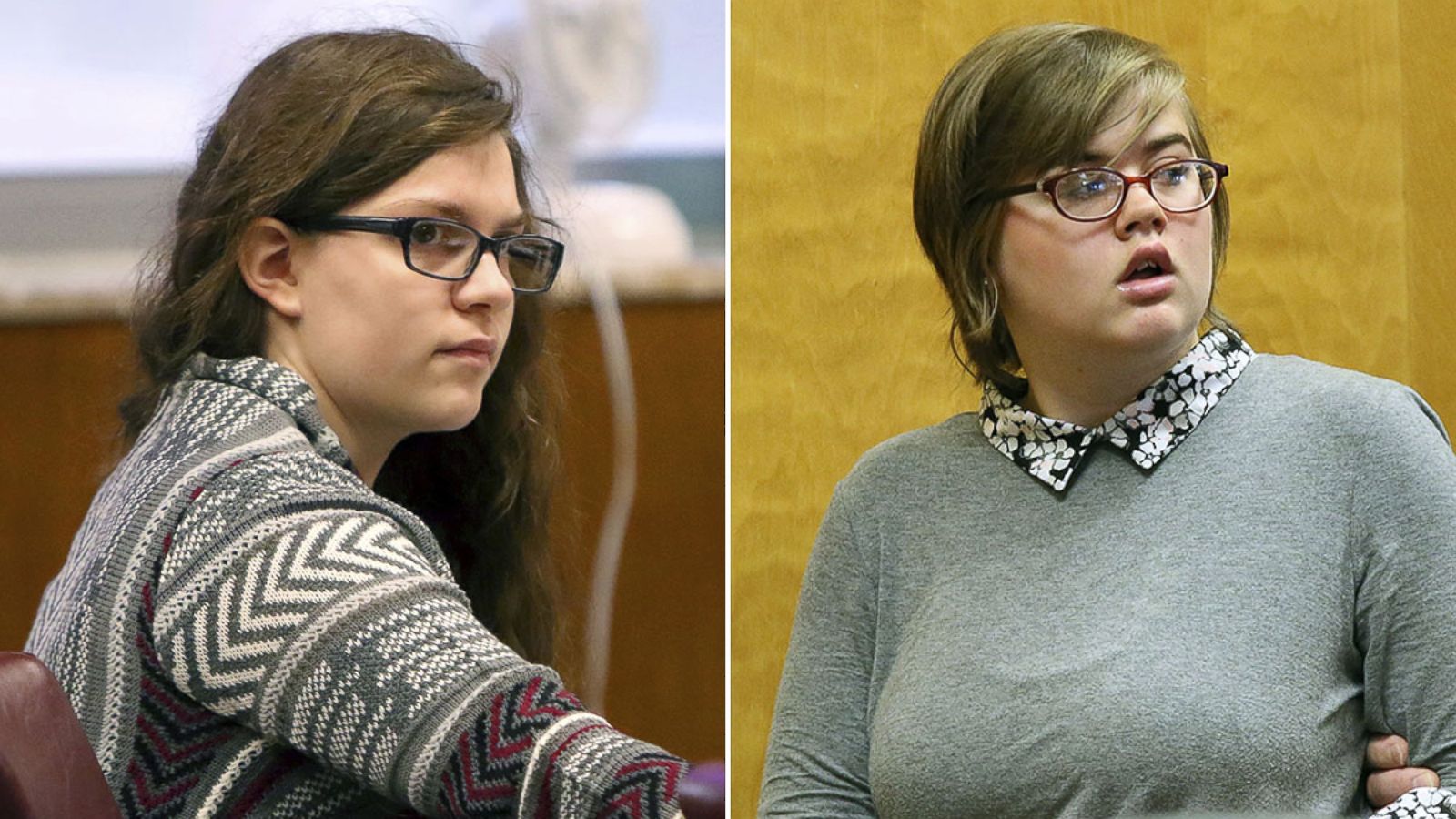
Morgan Geyser (left) and Anissa Weier (right) during separate court hearings related to the 2014 Slender Man stabbing, a shocking case that linked internet folklore to real-world violence.
During police interviews, investigators noted stark differences between the girls:
Morgan Geyser showed little immediate remorse, described hallucinations, and referenced conversations with imaginary figures—including a smoky, ink-like man she called “It.”
Anissa Weier expressed guilt and fear but insisted the attack was necessary to appease Slender Man.
Psychiatric evaluations revealed that Geyser exhibited symptoms consistent with early-onset childhood schizophrenia, including visual and auditory hallucinations long before the stabbing.
Her behavior after arrest—talking to herself, meowing like a cat, believing she communicated with fictional characters—reinforced the diagnosis.
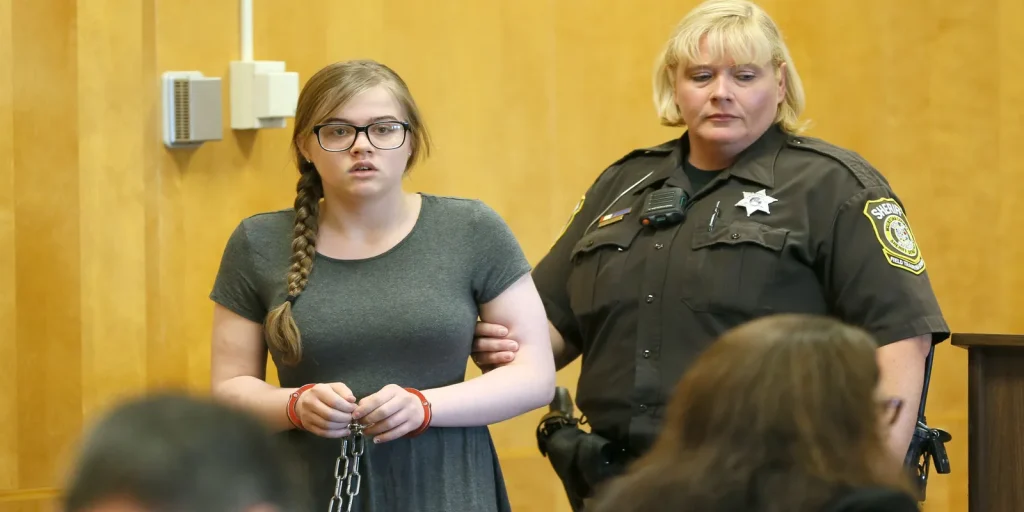
Morgan Geyser in 2014 asks for conditional release
Wisconsin prosecutors charged both girls as adults under Wis. Stat. § 938.18, which allows juvenile cases to be waived into adult court for the most serious crimes, including attempted homicide.
Pleaded guilty to being a party to attempted second-degree homicide
Found Not Guilty by Reason of Mental Disease or Defect (NGI)
Sentenced to 25 years to life, including at least three years in confinement and decades of community supervision
A forensic psychologist testified that Weier experienced a “shared delusion” fed by her friendship with Geyser.
For a clear breakdown of how mental illness is evaluated in criminal cases, see our guide: Mental Health Defense in Criminal Law: 7 Things to Know.
Pleaded guilty to attempted first-degree intentional homicide
Also found NGI due to schizophrenia
Received a 40-year to life commitment to a secure psychiatric facility
Her subsequent appeal, arguing she should have been tried as a juvenile, was rejected by the Wisconsin Supreme Court in 2020.
For readers wanting a clearer breakdown of how intent, mental illness, and criminal responsibility are evaluated in the U.S., see our guide: How Criminal Law Really Works: Inside the Principles That Shape Justice in America.
Payton’s physical healing was only the beginning.
In interviews, she described years of fear and hyper-vigilance. For a long time, she slept with a pair of broken scissors under her pillow—a small gesture that made her feel safer.
At school, she faced whispers, stares, and an overwhelming spotlight. Despite that, she worked hard to rebuild normalcy, keeping a small circle of close friends and pouring herself into academics.
In her first and only full interview, a 2019 ABC 20/20 special, she spoke with composure well beyond her age. She insisted that while the attack would always be part of her history, it would not define her.
She later graduated high school with honors and expressed interest in a medical career—hoping to help others the way her doctors helped her.
Granted conditional release in 2021 after nearly seven years in state care
Remains under GPS monitoring, psychiatric treatment, and strict supervision
Continued treatment at Winnebago Mental Health Institute
Petitioned multiple times for supervised release; earlier attempts were denied
The next major development came in late 2025.
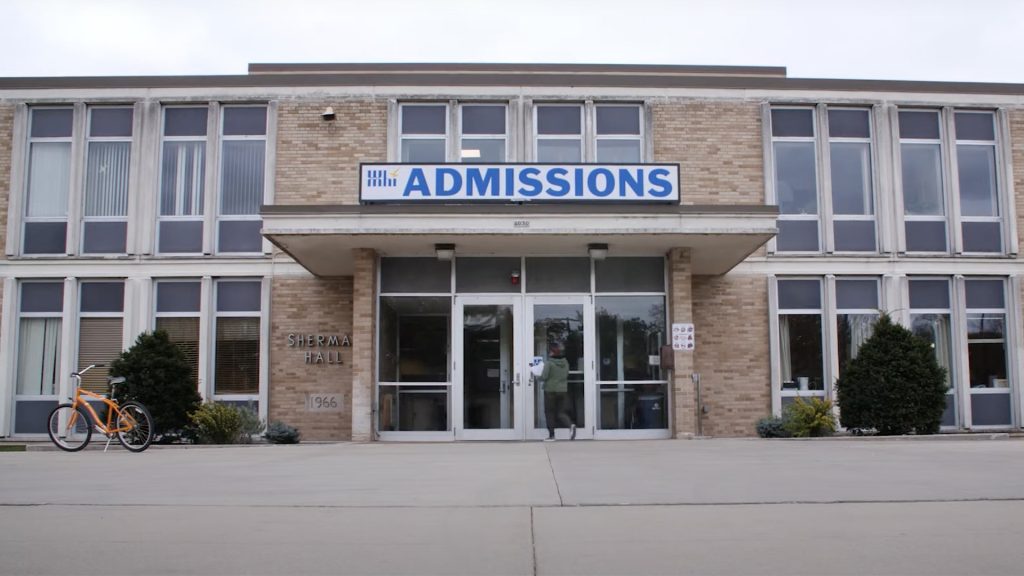
Winnebago Mental Health Institute
In a startling turn nearly 11 years after the attack, 22-year-old Morgan Geyser briefly escaped custody on Saturday night, Nov. 22, 2025.
According to the Madison Police Department, Geyser:
Cut off her Department of Corrections GPS monitoring bracelet
Left her state-supervised group home with an adult acquaintance around 8 p.m.
Was reported missing when the device registered as “malfunctioning”
Triggered a statewide alert and public safety warning
On Sunday, Nov. 23, at 10:34 p.m., Illinois authorities confirmed that Geyser had been located and taken into custody.
No details have yet been released about the adult she was last seen with.
Under Wisconsin law, escape or non-compliance typically leads to:
Immediate return to a secure psychiatric facility
Suspension or revocation of supervised release
A new risk assessment hearing
Officials have not released whether Geyser will remain in Illinois temporarily or be transported directly back to state custody.
For Payton and her family, even a brief disappearance is an unwanted reminder that the case continues to reverberate more than a decade later.
The Slender Man stabbing remains a chilling example of:
The vulnerability of young minds
The power of online mythology
The consequences of untreated childhood mental illness
The complexities of adjudicating severe crimes involving mentally ill juveniles
Above all, Payton’s story is one of extraordinary resilience. She was left for dead. She survived. She rebuilt.
Her life now stands as proof that trauma can shape someone—but it does not have to define them.
2009 – Slender Man character created
2013 – Geyser and Weier develop fixation
May 31, 2014 – Payton stabbed 19 times
2017 – Both attackers found NGI; committed
Sept 2021 – Weier granted supervised release
Nov 22–23, 2025 – Geyser escapes group home and is recaptured in Illinois
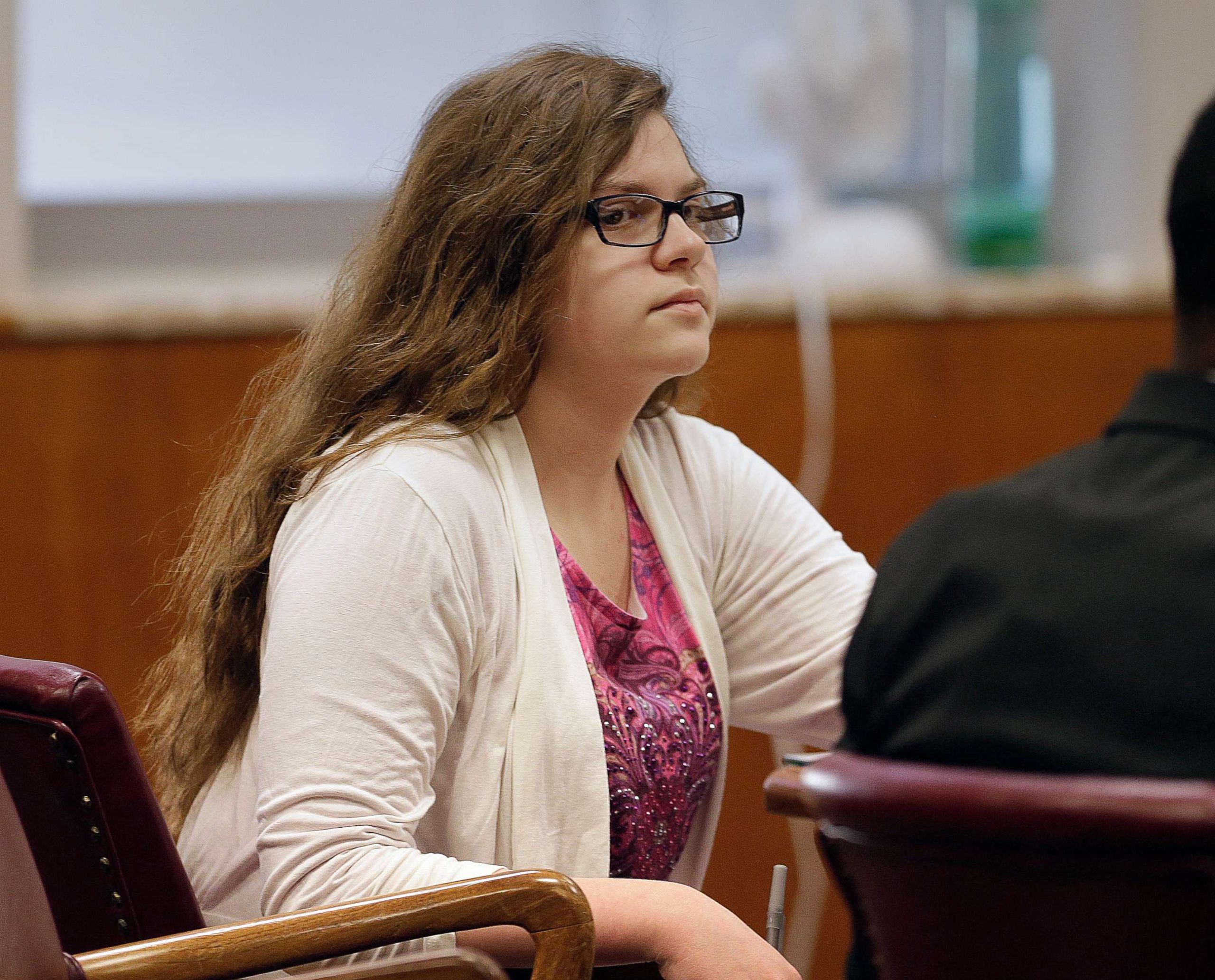
Slender Man Stabbing: Anissa Weier
Slender Man has been banned or restricted in some schools and online platforms due to concerns that the character inspired real-life violence, most notably the 2014 stabbing of a 12-year-old girl in Wisconsin by two classmates who claimed they were trying to appease the fictional entity.
Slender Man is a tall, faceless humanoid figure typically depicted in a black suit with unnaturally long limbs. Created as an internet urban legend, he lurks in forests and is said to stalk, abduct, or psychologically manipulate his victims—usually children.
Slender Man is generally portrayed as a malevolent or sinister figure. While interpretations vary, most stories and games cast him as an eerie, supernatural predator that evokes fear and dread.
Most experts and parents agree Slender Man is not appropriate for children. The character’s dark mythology, violent associations, and psychological horror themes can be disturbing for young audiences and are linked to real-life violent incidents involving minors.
As of 2025, Morgan Geyser remains in custody at a Wisconsin mental health facility. Although she has petitioned for conditional release, her request was denied in 2023, and her legal team may appeal in the future depending on her mental health evaluations.
Morgan Geyser was charged with attempted first-degree intentional homicide for her role in the 2014 Slender Man stabbing. Prosecutors argued that the attack was premeditated and extremely violent, despite her young age.
Yes. Morgan Geyser was tried as an adult due to the severity of the crime. At the time of the attack, Wisconsin law allowed minors to be charged as adults for certain serious offenses, including attempted homicide.
Authorities have not released a motive for Morgan Geyser’s escape. According to police statements, she left the Wisconsin group home with an adult acquaintance and removed her DOC-issued GPS monitoring bracelet before disappearing.
The Wisconsin Department of Corrections reported that Geyser cut off her GPS monitoring bracelet on Saturday, Nov. 22, 2025. The device initially registered as “malfunctioning,” and staff later confirmed it had been deliberately removed.
The Madison Police Department confirmed that Geyser was located and taken into custody in the state of Illinois at approximately 10:34 p.m. on Sunday, Nov. 23, 2025—roughly 24 hours after she went missing.
Yes. Police reports state she was last seen around 8 p.m. on Nov. 22 with an adult acquaintance near Kroncke Drive before she fled. Further details about that individual have not been publicly released.
It is likely. Under Wisconsin law, violating the conditions of supervised release—particularly by removing GPS monitoring and fleeing—typically results in immediate review and possible revocation. Courts often order individuals back into secure psychiatric custody in similar cases.
Before her escape, Geyser lived in a court-approved group home under the supervision of the Wisconsin Department of Health Services. Conditions included GPS monitoring, treatment compliance, restricted travel, and regular reporting. Violating any of these terms can trigger legal consequences.
Based on official statements, Geyser was missing for roughly 24–26 hours between Saturday night, Nov. 22, and her confirmed capture on Sunday night, Nov. 23.
Wisconsin officials have not yet announced new criminal charges. Typically, supervised release violations in NGI cases lead to revocation hearings, not necessarily new charges. Final decisions will depend on prosecutorial review and court findings.
Authorities did not indicate any specific threat to the public, but they issued a missing persons alert and requested assistance due to her non-compliance with court-ordered supervision.
A court will now review her supervised release status, evaluate the circumstances of the escape, and determine whether she should return to a secure psychiatric institution. Additional hearings are expected in the coming weeks.
BOISE, ID – New, unsealed documents in the Bryan Kohberger case have cast a disturbing light on the convicted murderer's alleged behavior leading up to the brutal slayings of four University of Idaho students. These revelations include claims of inappropriate conduct with female students during his tenure as a teaching assistant at Washington State University and a chilling account from an exotic dancer who alleges Kohberger expressed homicidal ideations years before the crimes.
The newly released interview transcripts, obtained by PEOPLE, offer a disquieting glimpse into Bryan Kohberger's character, suggesting a pattern of concerning interactions and unsettling fantasies that predate the quadruple homicide.
A former co-worker of Kohberger's at Washington State University, whose identity remains redacted in the documents, provided an account to Moscow Police Department investigators.
This individual, who shared an office with Kohberger during his single semester at the institution, stated that Kohberger "inappropriately interact[ed] with female students." The co-worker further elaborated that he "thought Kohberger wanted a girlfriend" and that this topic was frequently discussed between them. This testimony raises questions regarding Kohberger's professional conduct and boundaries while in a position of authority within an academic environment.
More profoundly unsettling is the testimony from an exotic dancer, who recounted an encounter with a man she believes to be Kohberger in 2019, an estimated two hours from his Pennsylvania residence. According to her statement, she was performing for the man, who was the sole patron in the establishment at the time, when she allegedly overheard him "state something about 'wanting to kill people.'" Interpreting the comment as a bid for attention, she reportedly engaged him by jokingly asking "who he was going to kill." His alleged reply was, "whoever I want."
The woman's account continued, detailing a subsequent private dance during which the man purportedly directed her to maintain direct eye contact while proceeding to ask personal questions about her home address and the type of vehicle she drove. Following this unnerving interaction, the woman stated that the man departed the club and, to her knowledge, never returned.
These disclosures emerge as Bryan Kohberger has begun serving four consecutive life sentences for the murders of Xana Kernodle, 20; Ethan Chapin, 20; Madison Mogen, 21; and Kaylee Goncalves, 21. Despite his recent confession at a plea hearing, law enforcement officials have consistently stated that a definitive motive for the heinous crimes remains undetermined.
Kohberger, who was recently photographed in a "gaunt and devoid of emotion" mugshot upon his transfer to the Idaho Department of Corrections, has not offered further explanation for his actions beyond his plea. The details surfacing from these unsealed interviews, while not directly establishing a motive for the Idaho murders, contribute to a disturbing profile of an individual whose alleged concerning behaviors and violent ideations appear to have manifested prior to the tragic events for which he was convicted.
Q1: What new information has been revealed about Bryan Kohberger? Newly unsealed documents, including interview transcripts obtained by PEOPLE, reveal allegations of Bryan Kohberger's inappropriate interactions with female students while he was a teaching assistant at Washington State University. Additionally, an exotic dancer has come forward claiming Kohberger expressed "wanting to kill people" to her in 2019, years before the Idaho murders.
Q2: Who made these new allegations against Bryan Kohberger? The allegations come from a former co-worker of Kohberger's at Washington State University, and separately, an exotic dancer who states she encountered him in Pennsylvania in 2019.
Q3: Were these allegations known before Kohberger's conviction? These specific details from the unsealed interview transcripts are new to the public, though it's unclear when investigators obtained this information during their inquiry. Their release now provides further context to Kohberger's character.
Q4: How does this new information relate to the University of Idaho murders? While these allegations don't directly provide a motive for the quadruple homicides, they paint a more disturbing picture of Kohberger's alleged conduct and mindset in the years leading up to the murders. They suggest a pattern of concerning behavior and violent ideation.
Q5: Has a motive for the Idaho murders been established? No. Despite Bryan Kohberger's confession at a plea hearing, law enforcement officials continue to state that the exact motive behind the murders of Xana Kernodle, Ethan Chapin, Madison Mogen, and Kaylee Goncalves remains undetermined.
Q6: What is Bryan Kohberger's current status? Bryan Kohberger is currently serving four consecutive life sentences in the custody of the Idaho Department of Corrections for the murders of the four University of Idaho students.
Q7: Will these new revelations affect Bryan Kohberger's sentence or appeal? These details are part of the broader body of evidence and investigation. As Kohberger has already been convicted and sentenced to life, these particular revelations are unlikely to alter his current sentence. Any potential appeal would address legal and procedural aspects of his trial and conviction.
Top 5 Trademark Disputes of All Time – From Apple vs. Apple Corps to Nike’s logo wars, explore the courtroom battles that reshaped brand protection forever.
Where Did the Menendez Brothers’ Money Go? – A financial deep-dive into the infamous double murder case and the hidden fortune behind it.
Hulk Hogan’s “Real American Beer” Faces Legal Trouble Over Alleged IP Theft – The wrestling icon enters a new ring: trademark law.
Surviving Slender Man: The Long Road to Recovery for Payton Leutner – The emotional and legal journey following one of the internet’s most disturbing criminal cases.
