Understand Your Rights. Solve Your Legal Problems


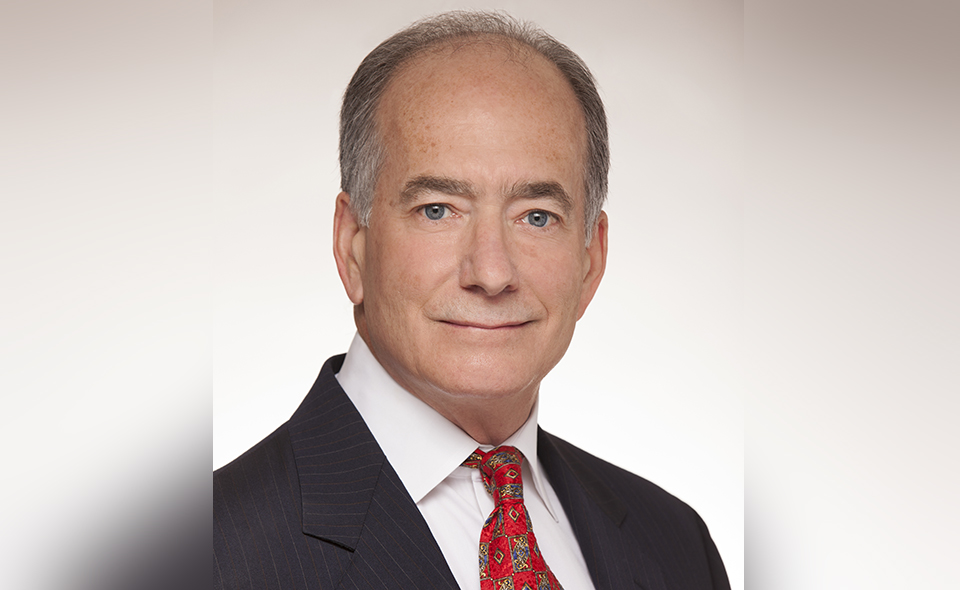
When construction projects or facility systems fail, the consequences can be complex—and costly. Few understand this better than Bill Acorn, an internationally recognized forensic engineer, expert witness, and founder of Acorn Consulting Services, LLC (ACS).
In this exclusive Lawyer Monthly feature, Acorn offers a detailed look at the world of forensic engineering, explaining how expert witnesses help legal teams resolve disputes in construction, design, and facilities management.
ACS provides expert services related to the built environment, specializing in HVAC, piping, plumbing, fire protection, and energy management systems that affect the operation and performance of commercial, institutional, and industrial buildings.
“We evaluate both the design and construction of these systems,” Acorn explains, “and opine on matters related to defects, standard of care, environmental control, and contractual disputes.”
ACS also advises on intellectual property cases, including trade secret misappropriation and patent infringement related to building systems and technologies.
Each case involves a unique set of facts, participants, and technical challenges. Acorn and his team evaluate the who, what, where, and how behind each claim and develop a strategic plan to support the litigation process.
This often includes on-site investigations, component testing, document review, and collaboration with other subject-matter experts such as electrical, structural, or metallurgical engineers. In complex disputes, ACS helps coordinate expert efforts to avoid overlap and ensure consistency in the findings presented to counsel.
The firm customizes its methods to each case, depending on the technical complexity and nature of the alleged failure. Evaluations may include:
Observation and documentation of construction sites
Review and reconstruction of design calculations
Testing of materials, components, and systems
Long-term performance trend analysis
Non-destructive and destructive testing
Based on these results, ACS prepares authoritative expert reports, advises on discovery strategy, or develops rebuttal reports addressing opposing expert opinions—all while maintaining transparency and cost-effectiveness.
ACS works with both plaintiff and defense teams, always maintaining scientific integrity.
“For plaintiffs, we build affirmative expert opinions based on sound engineering and verified evidence,” says Acorn. “For defendants, we evaluate the opposing expert’s methods and conclusions, recognizing those that are valid and rebutting those that are not.”
Through careful analysis, testing, and clear communication, ACS provides objective, defensible insights that help shape legal strategy on both sides of the courtroom.
ACS’s expertise spans a wide range of forensic engineering and construction-related disputes, including:
HVAC system performance issues
Cleanroom and humidity control failures
Power and process piping system malfunctions
Energy management system defects
Fire, explosion, and chemical exposure claims
Code compliance and design negligence cases
The firm frequently evaluates advanced manufacturing sites, hospitals, data centers, and large commercial buildings—anywhere technical failures have serious operational or legal consequences.
“In complex facility disputes,” Acorn explains, “a forensic expert should be brought in as soon as possible.” Immediate engagement ensures that critical evidence, such as damaged components or environmental conditions, is preserved.
Delays can make it much harder—and more expensive—to determine the root cause of a system failure. A seasoned forensic engineer can help organize evidence, coordinate specialists, and present technical findings clearly to attorneys, judges, and juries.
Forensic engineering is both analytical and interpretive. “A skilled forensic analyst,” says Acorn, “must reconstruct what went wrong using limited data—facts that a layperson might find completely inadequate.”
Essential skills include:
Deep technical experience and applied engineering judgment
Strong written and verbal communication
Objectivity under cross-examination
Ability to simplify complex theories for lay audiences
Acorn adds that confidence, composure, and intellectual humility are equally vital. “The best experts know when to acknowledge weaknesses and prepare their clients accordingly.”
To maintain credibility, experts must stay at the forefront of their discipline. Acorn prioritizes continuing education, teaching, and publishing, noting that instructing others sharpens one’s understanding and communication.
“Teaching seminars or writing for professional journals forces you to organize information, challenge assumptions, and explain complex topics in simple terms,” he says.
By engaging in professional organizations like FEWA and NAFE, experts also learn the legal nuances that distinguish effective expert testimony from routine technical consulting.
Acorn encourages emerging professionals to cultivate both technical mastery and credibility:
“Be known as the go-to person in your field. Teach, publish, and stay active in professional organizations. Learn to communicate technical ideas clearly—and never stop challenging yourself.”
He emphasizes humility and lifelong learning: “There will always be someone with greater experience. The best experts never stop learning from others.”
William R. Acorn, P.E., DFE, FASHRAE, CFLC
Founder, Acorn Consulting Services, LLC
16420 N 92nd St, Suite 200B, Scottsdale, AZ 85260, USA
Tel: +1 602-888-7250 | Fax: +1 520-577-0851
E: bill@acs-eng.com
Bill Acorn is an internationally recognized authority on forensic engineering and facility system analysis, with over 45 years of experience. As an expert witness and litigation consultant, he has represented plaintiffs, defendants, and insurers in high-value cases exceeding $250 million.
Founded in 1999, Acorn Consulting Services specializes in diagnosing and resolving issues involving design, construction, code compliance, environmental control, and performance of mechanical and building systems.