Understand Your Rights. Solve Your Legal Problems


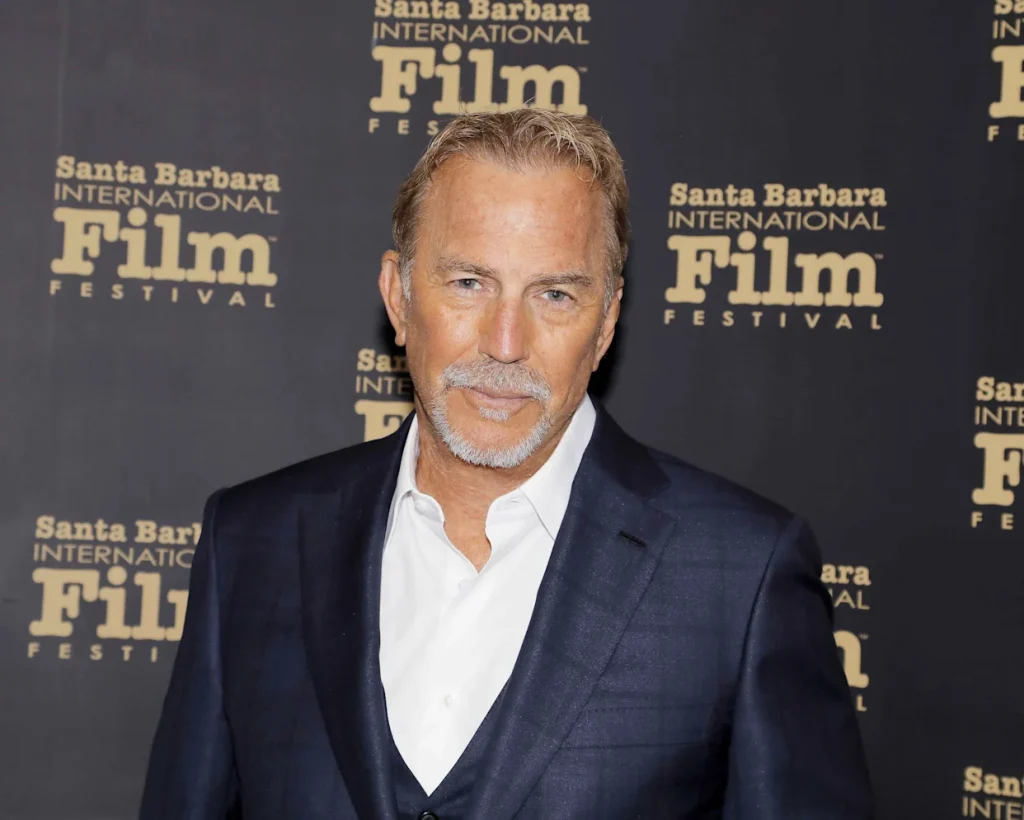
Kevin Costner has formally responded to sexual harassment allegations made by stunt performer Devyn LaBella, calling the sexual harassment claims “absolutely false” and insisting they were designed to harm both his personal reputation and the future of his Horizon Western film series.
The 70-year-old actor, director, and producer filed a motion to strike in California Superior Court this week, arguing that LaBella’s lawsuit is “a blatant lie” and amounts to reputational sabotage.
LaBella first filed her complaint in May 2025, later amending it in June with additional details. She alleges that while filming Horizon: An American Saga, she was pressured into performing what amounted to an unscripted rape scene without prior consent or preparation.
Her attorneys said the ordeal left her in “shock, embarrassment and humiliation.” According to the filings, she was not informed in advance of the scene’s direction and was denied the chance to provide consent, violating both professional stunt standards and workplace protections.
In his sworn declaration, Costner categorically denied the claims:
“Devyn’s claims against me are absolutely false, and it is deeply disappointing to me that a woman who worked on our production would claim that I or any other member of my production team would make one of our own feel uncomfortable, let alone suffer the ‘nightmare’ she has invented,” Costner wrote.
He further alleged the language used in the lawsuit was “sensationalistic” and calculated to cause damage.
“My belief is that Devyn’s claims were designed, through the use of false statements and sensationalistic language, to damage my reputation,” he continued. “These allegations are so patently false I can only assume the purpose was to embarrass me and undermine the Horizon movies.”
Costner also attached photos, text messages, and declarations from colleagues who were present during the disputed shoot. He argued that LaBella appeared comfortable on set, sharing meals with her stunt coordinator afterward and even texting about the “wonderful weeks” she had spent working on the film.
Allegations of this kind fall under California’s Fair Employment and Housing Act (FEHA), one of the strongest anti-harassment frameworks in the United States. Under the law, sexual harassment is defined broadly, covering not only unwanted advances but also coercive or hostile work environments.
A key legal test is whether a reasonable person in the same position would have felt harassed, humiliated, or placed under duress. For film and stunt performers, this includes informed consent before intimate or violent scenes. The rise of intimacy coordinators in Hollywood productions reflects an industry-wide shift toward stronger protections, though legal enforcement often relies on civil lawsuits like LaBella’s.
If LaBella’s allegations were proven true, the case could fall under workplace sexual harassment, potentially leading to damages for emotional distress, lost wages, and punitive penalties. If the claims are unsubstantiated, Costner could seek dismissal or countersue for malicious prosecution.
Costner’s filing repeatedly emphasizes the reputational harm he says these allegations have caused. For celebrities, reputational damage can be as severe as legal penalties. Even if cleared in court, the public perception of wrongdoing can cost actors roles, endorsements, and trust from audiences.
Legal experts note that defamation law overlaps here. If a court determines LaBella knowingly made false statements with malicious intent, Costner could argue defamation and seek financial compensation. However, because LaBella’s claims were filed in court documents, they may fall under litigation privilege, making a defamation countersuit difficult.
Reputation is often called the “intangible currency” of Hollywood—easily damaged, rarely restored. Whether or not the allegations are proven, this case illustrates how modern litigation can reshape the trajectory of a star’s career.
Despite the legal turmoil, Costner has pressed ahead with his passion project. Horizon: An American Saga – Chapter 1 premiered in 2024 to mixed reviews, while Chapter 2 debuted earlier this year at the Santa Barbara International Film Festival. Costner has confirmed that a third and fourth installment are already in development, though no release dates have been set.
The pending case could determine not only the trajectory of LaBella’s claims, but also the future of one of Costner’s most ambitious cinematic undertakings.
The Costner–LaBella case underscores two realities: how sexual harassment law continues to shape Hollywood workplaces, and how quickly reputational damage can alter a public figure’s legacy, regardless of the eventual verdict.
In California, sexual harassment includes any unwelcome sexual advances, requests for sexual favors, or conduct that creates a hostile, intimidating, or offensive work environment. This applies to all workplaces, including film sets, where performers must give informed consent before participating in intimate or violent scenes.
Yes. If someone can prove that false allegations caused measurable harm to their reputation, career, or income, they may bring a defamation or reputational harm claim. However, statements made in official court filings are often protected under litigation privilege, which can make such lawsuits challenging.
Hollywood productions increasingly employ intimacy coordinators and require clear consent protocols for sensitive scenes. Unions such as SAG-AFTRA also enforce workplace safety standards, ensuring performers are fully informed and protected during filming.
If a court determines that a sexual harassment claim is unfounded and was made with malicious intent, the accused party may seek dismissal, attorney’s fees, or even countersue. However, proving malicious intent is difficult, and courts carefully balance protecting victims with preventing misuse of the legal system.