Understand Your Rights. Solve Your Legal Problems
Those in the legal profession have an innate sense of when something that starts out minor could develop into an issue. As soon as that happens, lawyer-mode switches on. But most of the general public don’t have the ability to determine if a seemingly small accident or injury could become a court matter, so may end up implicating themselves unknowingly. Humans tend to apologise unnecessarily or accept blame in certain situations to smooth things over anyway. But how important is it to get people to think like a lawyer and not say sorry when an incident looks like it may occur?
Sorry seems to be the hardest word, at least in the eyes of the law. Apologising is often seen as an admission of guilt. In accidents that could result in insurance payouts, apologising can often see the claim dismissed if the claimant is seen to have been in some way responsible. Insurance companies especially look for ways in which the claimant could accept some of the blame.
There is an interesting case for malpractice suits, especially in the medical field. While the defendant would want to avoid apologising or accepting blame publicly on the legal matter, if they fall under the media’s fire then they could feel the urge to apologise for image protection.
Even PR experts would suggest that saying sorry in such a situation could end up irreparably damaging the defendant’s image as the apology is then used to show they were fallible. Mortification strategy is often used to ensure the right balance is attained to show remorse and empathy while remaining unimplicated.
[ymal]
According to McGinley Solicitors, admitting liability when it comes to road traffic accident claims especially, could cause the claim to be thrown out and compensation lost. Saying that you are sorry, that you didn’t spot the light, or that you didn’t see a sign could be an acceptance of blame. Many people say these things without thinking, even when the accident is objectively not their fault. Anything that can be quoted could be used in a claim or in court later on - even if you feel it was said in the heat of the moment.
Admitting liability is an especially thorny subject when it comes to accidents on public-owned land, for example. Decades of precedent mean that the onus is on the claimant to prove not only the provenance of the trip hazard but that the owner/council knew about the hazard and had adequate time to do something about it. Usually, this means proving they knew about the issue six months prior to the accident. If at any point in this claim, the claimant comments on their walking ability, suggests that they tripped of their own accord, or admits to not paying attention (being on the phone) then the claim is harder to prove.
When an accident occurs, no matter how small, it’s important to remain level-headed and to think carefully about every word we say. This comes down to fighting human instinct to offer reassuring words or accept culpability to help ease an awkward situation. But the wrong words could end up implicating someone as responsible for an accident or injury that they weren’t to blame for and could hamper a case or claim.
Alec Colson, Head of Employment Law at Luton-headquartered law firm Taylor Walton, explains the grounds an employer might have for mandating employee vaccination and the circumstances where potential employees could bring discrimination claims against them.
As increasing numbers of employees become eligible for a vaccine and a return to the workplace draws nearer, some employers have stated it is their intention to require employees to be vaccinated against the coronavirus as a condition of employment.
Whilst there is currently no legal provision to address this issue, the Chief Medical Officer has stated that health professionals have a professional obligation to take the vaccine and the case for care home staff to be vaccinated appears to be overwhelming.
To require an employee to be vaccinated raises a number of legal issues and any employer considering such a move will need to tread carefully and take into account their own business requirements before making a decision.
Under section 2 of the Health and Safety at Work Act 1974 (HSWA 1974) an employer must take all reasonably practicable steps to reduce workplace risks. Also, under section 7 of the HSWA 1974, an employee has a duty to co-operate to enable a company to comply with any statutory requirements including steps to reduce workplace risks.
Although employees will need to be assured they are working in a safe environment, it’s unlikely to extend to employees being legally required to take the vaccine in all business sectors.
Under section 2 of the Health and Safety at Work Act 1974 (HSWA 1974) an employer must take all reasonably practicable steps to reduce workplace risks.
It is expected that guidance will be offered on what measures an employer may be required to take, but initially the Government decided it was a matter for employers, whilst now there is discussion around vaccines becoming compulsory for staff in certain sectors, or the need to be tested regularly.
The meaning of ‘reasonableness’ in the health and safety legislation is likely to depend on the circumstances of the employer and the services it provides.
For example, an employer in the social care sector requesting its employees to take the vaccination could be argued to be a ‘reasonable management request’, as refusing it could pose severe risk to fellow employees and patients, threatening the business.
Dismissal in such circumstances could fall within the range of reasonable responses for the employer to dismiss the employee fairly, either on conduct grounds or for some other substantial reason.
The position in other sectors is likely to be less clear and in any event, an employer should proceed with caution before deciding to dismiss. Employers will need to consider alternatives, which may include moving the employee to another role involving less contact with clients or other employees.
Some employees may argue they will not pose a risk if they work from home, and given that for many this has been the situation recently, this argument may carry some force in certain situations.
Employers will need to consider alternatives, which may include moving the employee to another role involving less contact with clients or other employees.
Employers might consider making the vaccine a condition of employment for new employees, but this is not without its problems as potential employees can still bring discrimination claims. Therefore an employer must carefully consider the risks, which include but are not limited to:
It is unlikely that an ‘anti-vax’ belief amounts to a philosophical belief for the purposes of the Equality Act 2010. Although an employee may believe vaccines are harmful, legislation requires the belief to have a certain level of seriousness and importance, worthy of respect in a democratic society, not incompatible with human dignity and not conflict with the fundamental rights of others.
Not all vaccines list their ingredients, and if they include gelatine or use it in the production process an employee with certain religious beliefs or vegans may have grounds for refusal.
If an employee’s doctor advises them not to take the vaccine, an employer’s requirement for them to be vaccinated may amount to disability discrimination. An employee’s fear of needles may also amount to a disability and the employer would need to consider whether it could provide alternative working arrangements.
The current government vaccination programme is mainly based on age, so a requirement to have a vaccine currently indirectly discriminates against younger employees on the basis that younger employees are unlikely to be able to obtain a vaccine in the near future.
Therefore, an employer would need to objectively justify why it is not employing staff without the vaccine due to the fact that individuals have not been able to obtain the vaccine because they are in a lower priority group due to their age.
It is unlikely that an ‘anti-vax’ belief amounts to a philosophical belief for the purposes of the Equality Act 2010.
Public Health England’s current advice states: “women should be advised not to attend for vaccination if they are, or may be, pregnant, or are planning a pregnancy within three months of the first dose. Vaccinated women who are not pregnant should be advised to avoid becoming pregnant for two months after the second dose of vaccine”.
Therefore, a requirement to take the vaccine for a pregnant employee, or an employee planning a pregnancy, may amount to indirect sex discrimination.
Personal data collected in connection with an employee’s vaccination records will be ‘sensitive personal data’ or ‘special category’ personal data and will need to be processed in accordance with the data protection legislation.
The Information Commissioner's Office (ICO) website has a vaccination section that provides useful guidance for employers. There are 10 conditions for processing special category data in Article 9 of the UK GDPR.
Outwardly, an employer’s requirement for an employee to have a COVID vaccine appears a ‘reasonable instruction’ for their own safety and that of others in the work place.
However, the position is complex and raises numerous legal issues which will need to take into account the requirements of the employer and the individual circumstances of the employee, shaped by ongoing advice from the Government.
[ymal]
The vaccine is a huge step forward, but should be considered the next chapter in the pandemic story and sadly not the end. Employers will need to tread carefully, whilst encouraging staff to take the vaccine when it becomes available to them and if doubts persist, seek expert legal advice.
France Digitale is set to file a complaint against Apple with data privacy watchdog CNIL on Tuesday targeting the Personalised Advertising system used in the tech giant’s flagship iPhone series.
In a seven-page complaint seen by Reuters, the lobby claimed that the system – which displays ads in the App Store, Apple News and Stocks apps based on individual user data – did not ask for users’ permission before using their data to implement the targeted ads.
France Digitale states that, while iPhone users are asked for permission before installed apps gather identifying data, the devices’ default settings allow Apple to launch targeted advertisements without clearly asking users for their consent beforehand.
Under EU data privacy regulations, firms must ask digital users for permission before collecting their data using trackers or other tools.
France Digitale represents the bulk of France’s digital entrepreneurs and venture capitalists.
“It’s a startup version of David versus Goliath, but we are determined,” the llobby’s CEO, Nicolas Brien, said in a statement.
Apple has denied the claims listed in France Digitale’s complaint. “The allegations in the complaint are patently false and will be seen for what they are, a poor attempt by those who track users to distract from their own actions and mislead regulators and policymakers,” the company said in a written statement.
[ymal]
The legal action from France Digitale is reminiscent of previous complaints alleging that Apple’s systems illegally handle user data without permission. In November, the Austrian advocacy group Noyb filed a complaint with data protection watchdogs in Germany and Spain claiming that iPhones’ IDFA technology contravened GDPR and the ePrivacy Directive.
Nearly half of the UK public picture lawyers as white, and one in four assume that they will be male, according to research released on International Women’s Day.
The study was conducted by research agency TLF on behalf of The University of Law (ULaw). In a sample of 2,000 survey respondents, it found that 25% would assume a lawyer to be male, and 48% would assume them to be white.
TLF’s research also found that 28% of respondents would expect a lawyer to wear natural or very little makeup, while only 8% would expect them to have a full face of make-up. Just 6% of respondents expected a lawyer to be from a working-class background.
Of the survey’s female respondents, only a quarter said they feel fully represented in the legal profession, and one in ten said they do not feel represented at all.
“This research has highlighted a stark reality, which is that more needs to be done to redefine what someone working in the legal industry can look like,” said Patrick Johnson, director of equality, diversity and inclusion at ULaw. “It is no longer a profession solely for upper class white males, but in fact, accessible to all.”
Johnson emphasised that, while there is still progress to be made, the legal sector is making steps towards gender parity. Among the current ULaw cohort, he said, “77% of undergraduate and 67% of our postgraduate students are female.”
[ymal]
ULaw’s theme for International Women’s Day this year is “Choose to Challenge”; its goal in researching common perceptions of lawyers was to challenge them and amplify voices that feel unrepresented in the sector.
With the fight against inequality remaining, we reflect on the women who not only became prominent historical figures, but also those who broke barriers that impacted the law we know today.
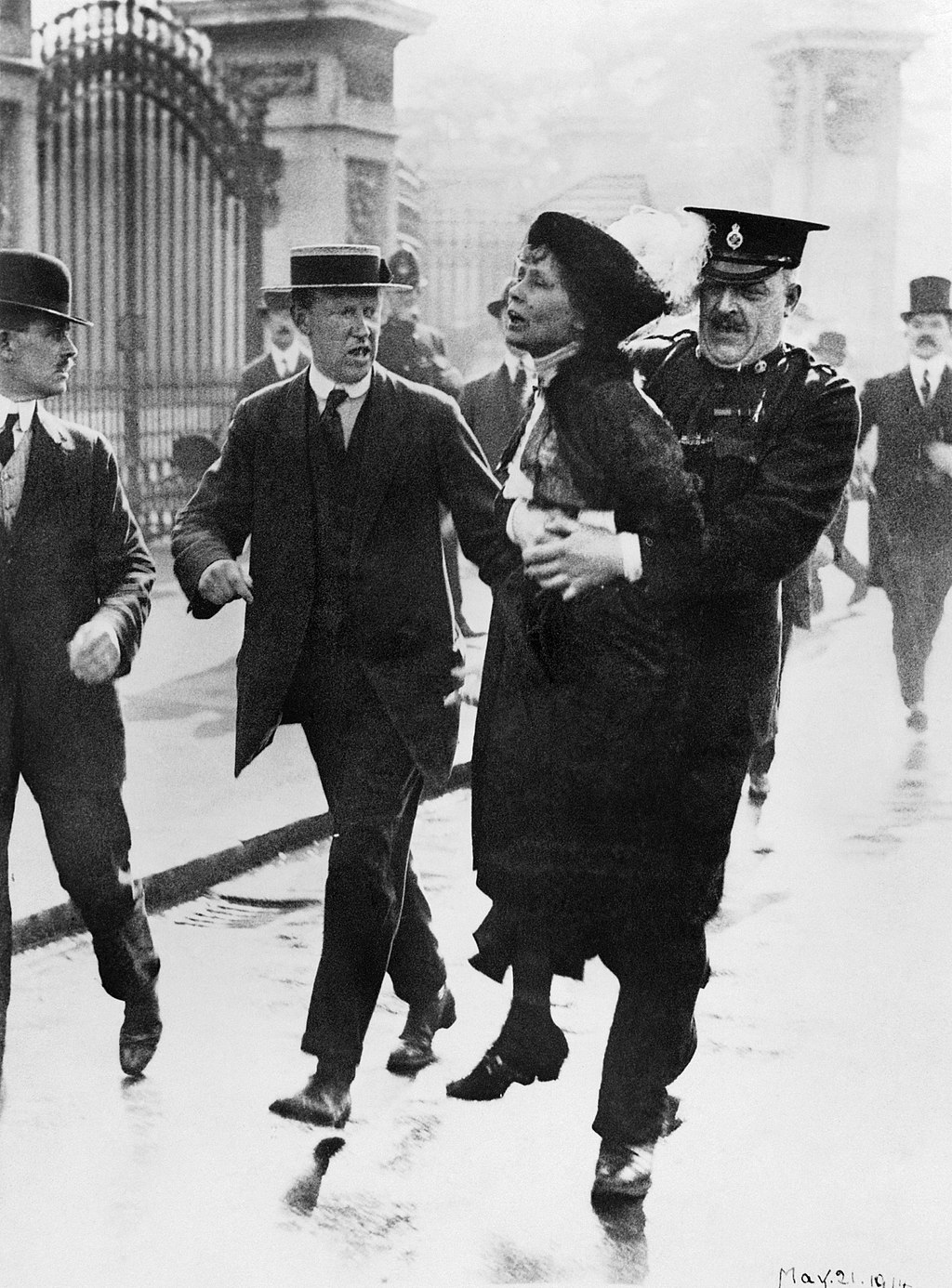
Source: Wikicommons
Emmeline Pankhurst, leader of the women's suffragette movement in the UK, is known for her fierce advocacy for getting women the right to vote. She founded the Women's Social and Political Union in 1903, which became known for physical confrontations with the law. After years of rallying, protesting and giving encouraging speeches, in 1918, the Representation of the People Act granted votes to all men over the age of 21 and women over the age of 30, who were also property owners. (This discrepancy was intended to ensure that men did not become minority voters as a consequence of the huge number of deaths suffered during the First World War.) Emmeline didn’t live to see the law changing in 1928 allowing all women over 21 years of age the right to vote as, unfortunately, she died a few weeks prior.
The image shows Emmeline being arrested outside Buckingham Palace while trying to present a petition to King George V in May 1914.
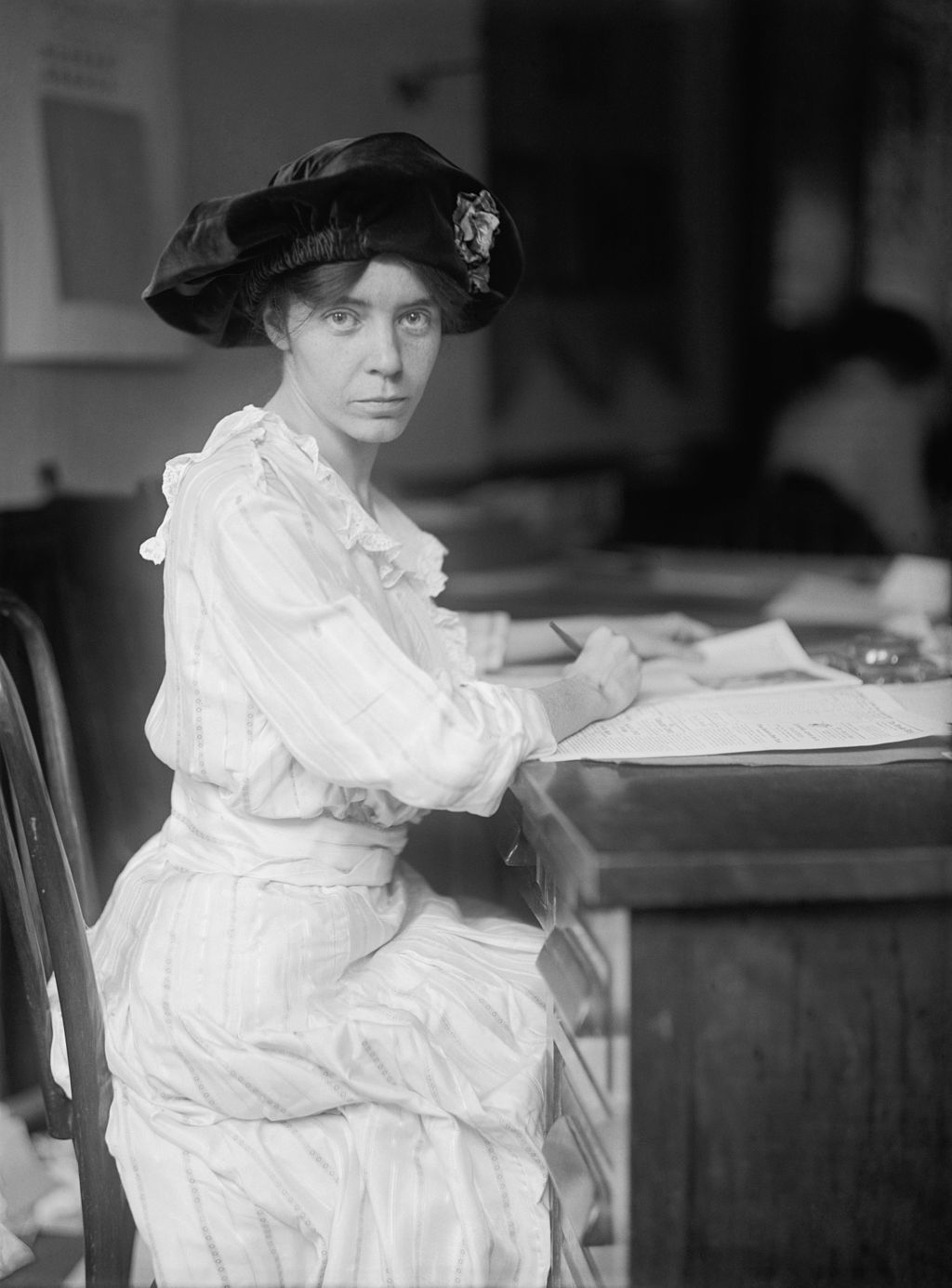
Source: https://commons.wikimedia.org/wiki/File:Alice_Paul_(1915)_by_Harris_%26_Ewing.jpg
After being a part of the suffragette movement in the UK, Alice Paul moved to the U.S. where she became a key figure in the voices that led to the passage of the 19th Amendment in 1092, allowing women to vote in the U.S. In 1923, an amendment that Paul had drafted — called the Lucretia Mott amendment — was first introduced in Congress. Unfortunately, it didn't progress any further for decades, but after a new women's movement gained strength, both houses of Congress finally passed the Equal Rights Amendment in 1972, which Paul, unfortunately, didn’t live to see.
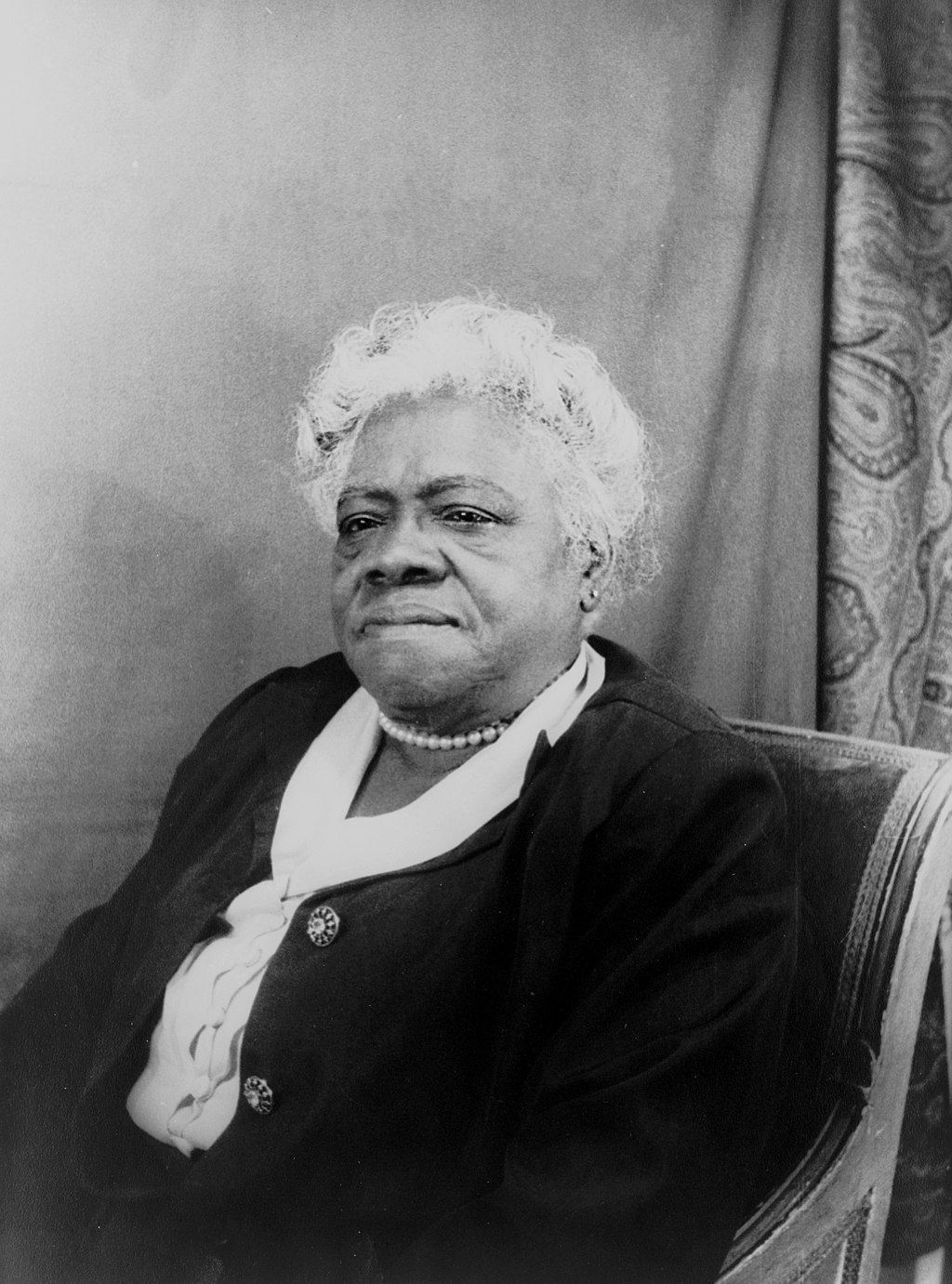
Source: https://upload.wikimedia.org/wikipedia/commons/thumb/4/40/Mary_McLeod_Bethune_%281949%29.jpg/1024px-Mary_McLeod_Bethune_%281949%29.jpg
For African American women, getting the vote often didn't mean being able to cast a ballot. Mary McLeod Bethune was an educator and activist, serving as president of the National Association of Colored Women and founding the National Council of Negro Women and served as the director for the Division of Negro Affairs in the National Youth Administration under the Roosevelt administration. As the highest-ranking African American woman in government, Bethune paved the way for many African Americans, especially women, labelling her "The First Lady of The Struggle".
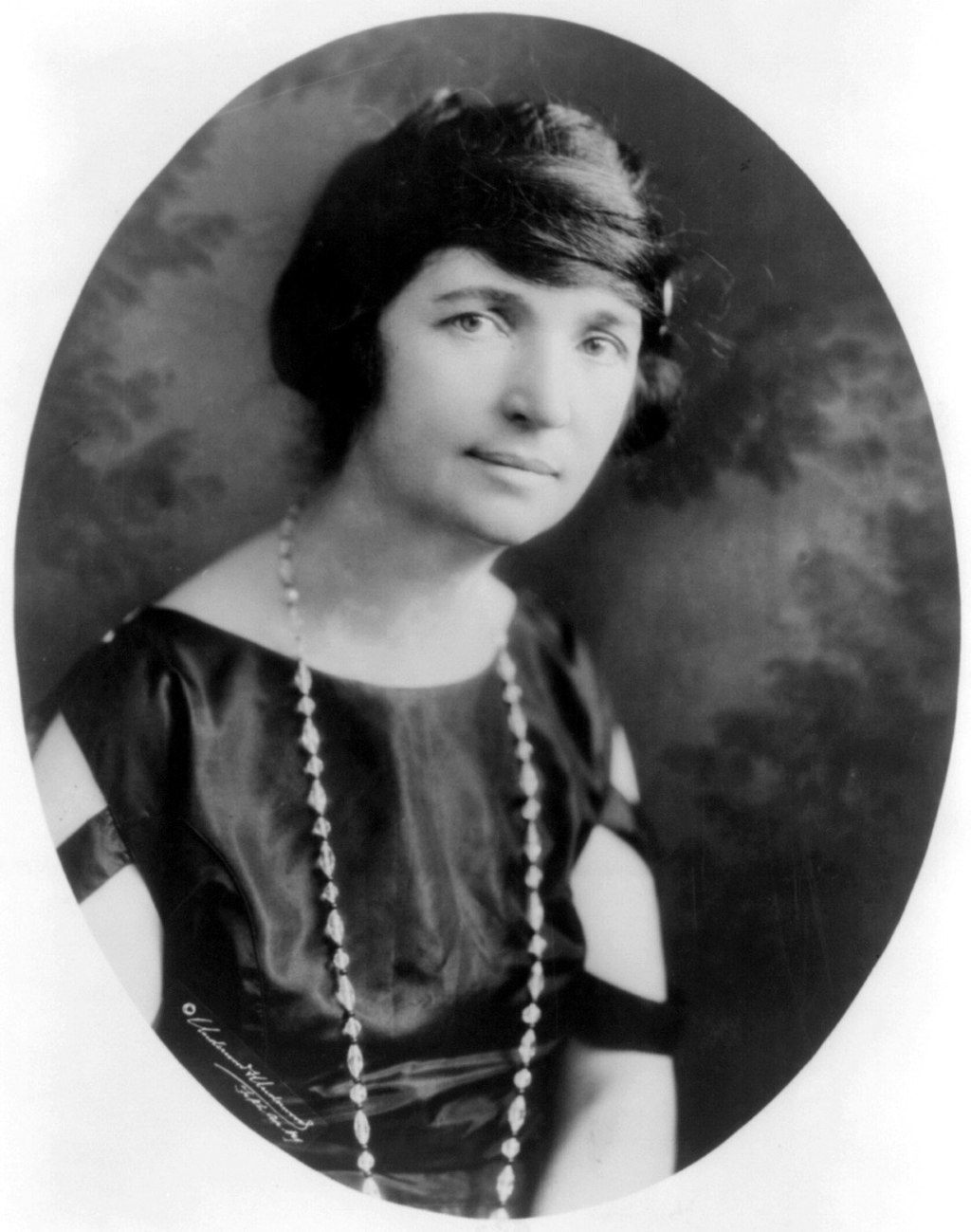
Source: https://commons.wikimedia.org/wiki/File:MargaretSanger-Underwood.LOC.jpg
Margaret Sanger was an American birth control activist who popularised the term "birth control", opened the first birth control clinic in the U.S. - which led to her arrest for distributing information on contraception -, and established organisations that evolved into the Planned Parenthood Federation of America. In the case of People v. Sanger, the New York State Court of Appeals reversed the criminal conviction of Sanger, ruling that New York’s limitations on the distribution of birth control are unconstitutional because they infringe upon women’s liberties by forcing them to conceive more children than they want. In her later life, Sanger spearheaded the effort that resulted in the modern birth control pill by 1960. She was criticised for being a ‘eugenicist’, but nonetheless, she paved the way for women’s birth control rights.
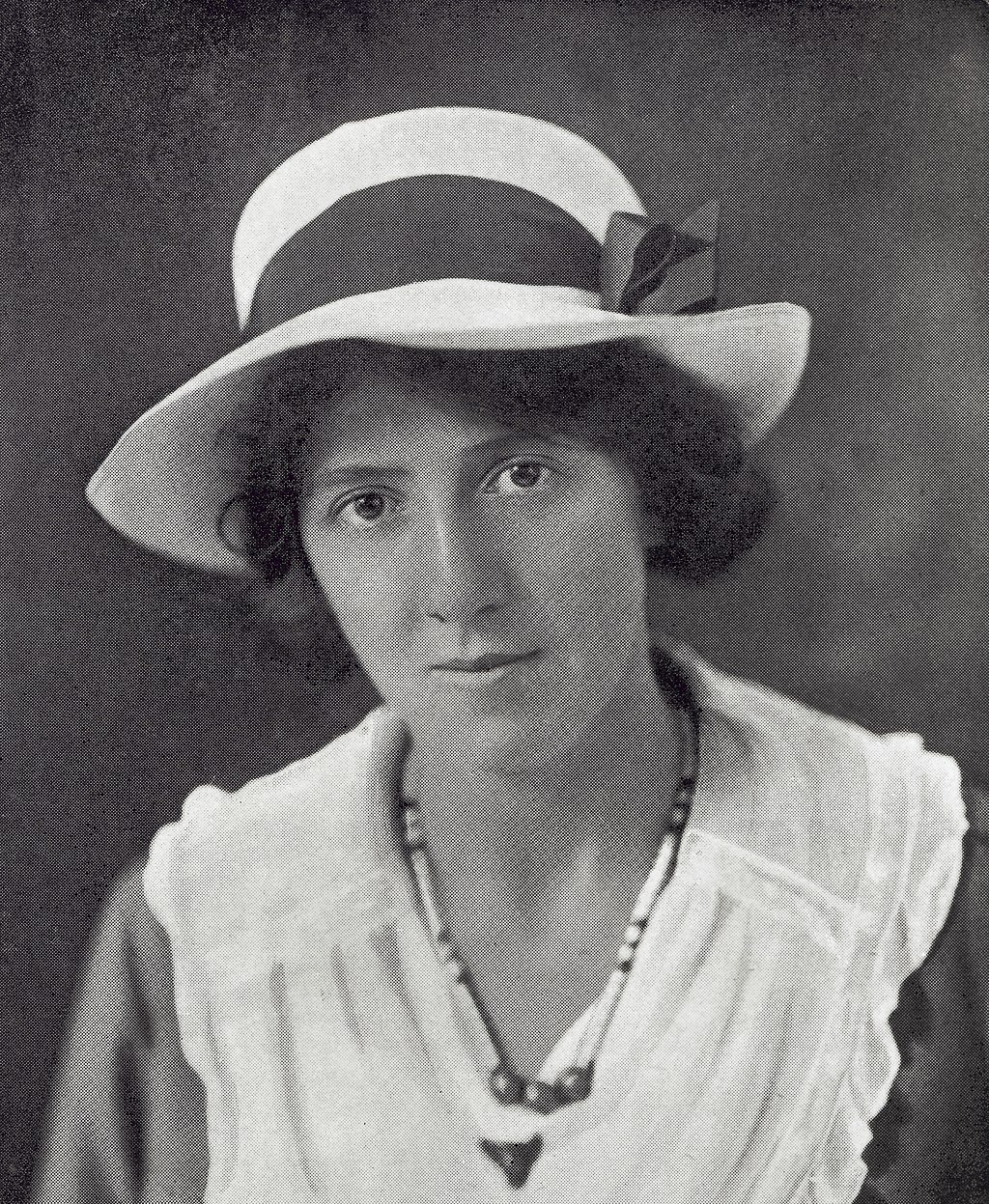
Source: Marie Stopes at the time of the marriage with Mr. H.V. Roe. Credit: Wellcome Collection. Attribution 4.0 International (CC BY 4.0)
Marie Stopes was a British campaigner for women’s birth control rights. Stopes founded the first birth control clinic in Britain in 1921 and had previously exchanged ideas with Sanger. Throughout the 1920s, Stopes and other feminist pioneers had played a major role in breaking down taboos about sex and increasing knowledge, pleasure and improved reproductive health. Stopes’ clinic was the first notable movement towards women’s rights on birth control; in 1967, The Family Planning Act was enacted, making contraception readily available through the NHS by enabling local health authorities to provide advice to a much wider population.
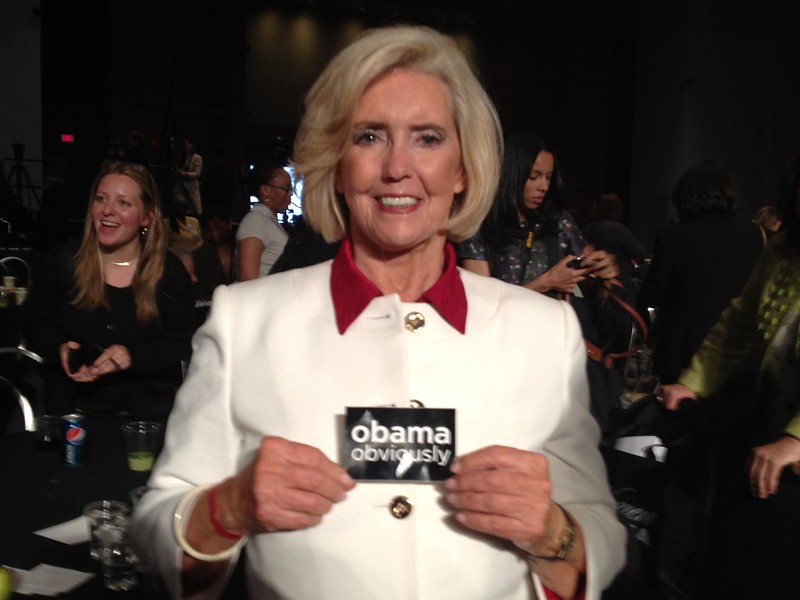
Source: https://www.flickr.com/
On 29 January 2009, Barack Obama signed his first law as President: the Lilly Ledbetter Fair Pay Act. Lilly Ledbetter was the plaintiff in the United States Supreme Court case Ledbetter v. Goodyear Tire & Rubber Co. regarding employment discrimination and fought to close the gap between women’s and men’s wages, after sparring with the Supreme Court and lobbying Capitol Hill in a historic discrimination case. The Act now requires employers to redouble their efforts to ensure that their pay practices are non-discriminatory and to make certain that they keep the records needed to prove the fairness of pay decisions.
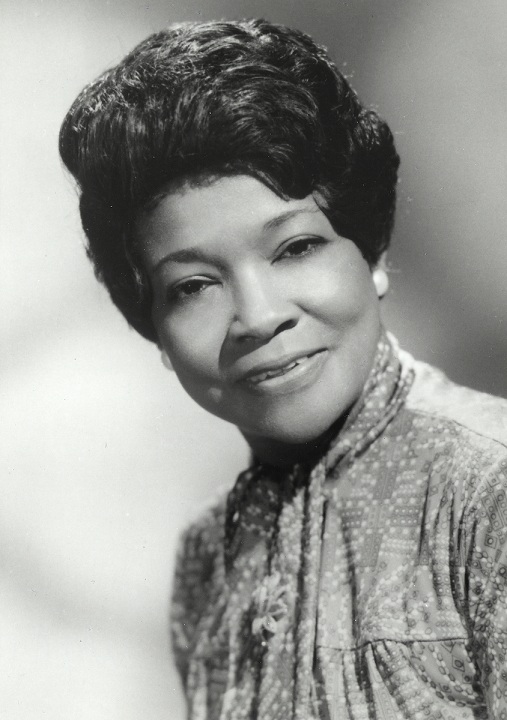
Source: Flickr - CULR_04_0189_2134_001, Chicago Urban League Records, University of Illinois at Chicago Library
Addie L. Wyatt is known for being the first African American woman elected international vice president of a major labour union, the Amalgamated Meat Cutters Union. Her concerns for the rights of working people, women, and minorities, and her belief in the organised labour movement led to her becoming a leader in the United Packinghouse Workers of America (UPWA).
In the early 1950s, Wyatt joined the UPWA when discovering the union did not discriminate against its members. As the forefront leader of black women, she and others took advantage of their union's antiracist and anti-discrimination laws and fought race-based and gender-based inequities. Among other achievements, Wyatt and her union of black, white, and Latino labourers were able to win "equal pay for equal work" provisions in many union contracts well before the Equal Pay Act of 1963.
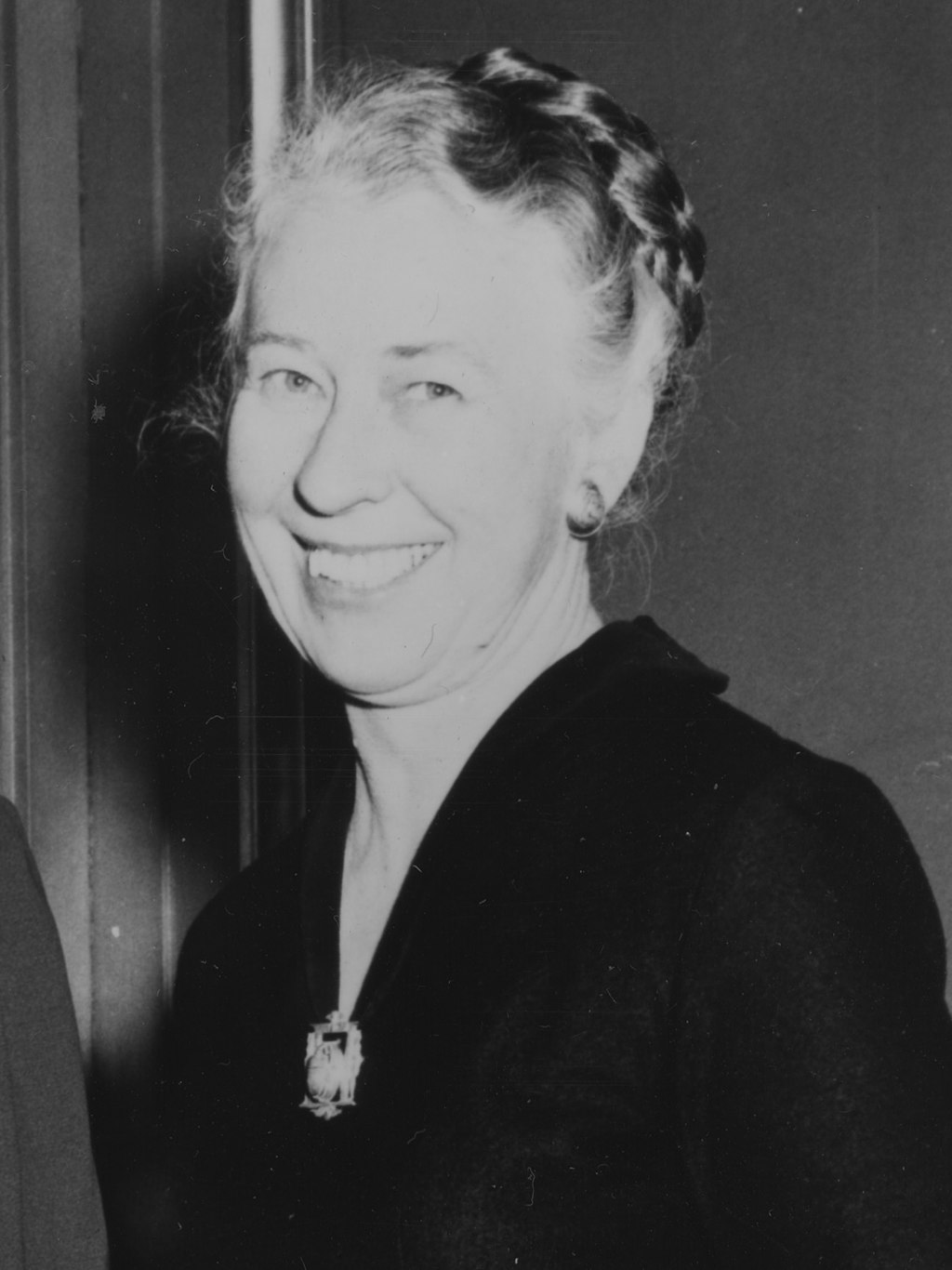
Source: Wikicommons. This file has been extracted from another file: Eleanor Roosevelt and Esther Peterson (President's Commission on the Status of Women) - NARA - 196595.jpg
Esther Peterson was an American consumer advocate who worked to make product information available to the public and advocated for equal pay for the sexes.
In 1961, Peterson was appointed to head the Women's Bureau in the Department of Labor, which was responsible for administering gender-issue labour laws. At her urging, President Kennedy established the Presidential Commission on the Status of Women to develop recommendations for achieving equality. In February 1963, Peterson submitted a draft bill of an Equal Pay Act to Congress on behalf of the Kennedy administration and on 10 June 1963, the Equal Pay Act passed the House and Senate and was signed into law.
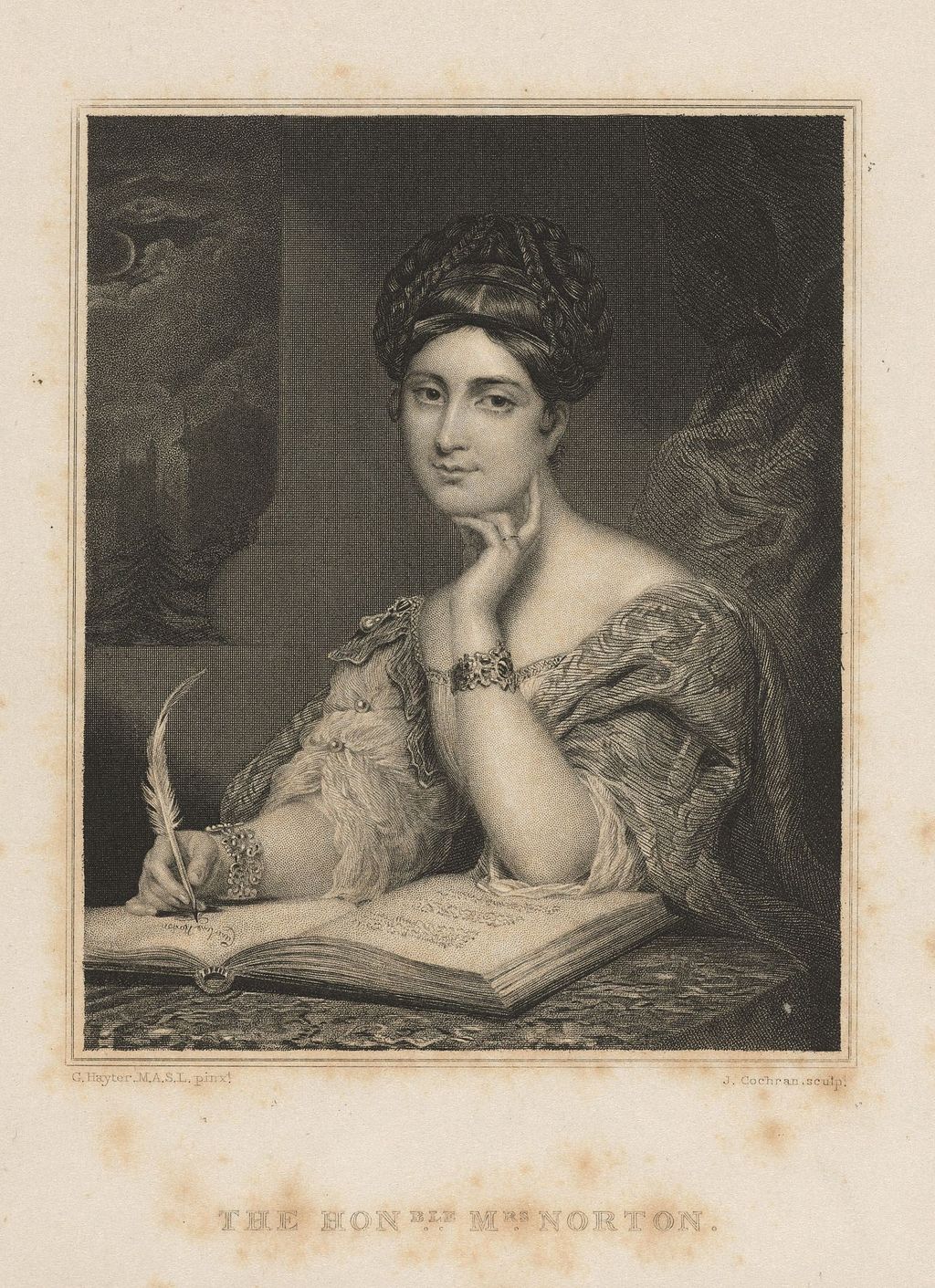
Source: Houghton Portrait File, Houghton Library, Harvard University
Caroline Elizabeth Sarah Norton was an English social reformer and author active in the early and mid-19th century. In 1863, Norton had left her husband, following which he sued her close friend and the then Whig Prime Minister Lord Melbourne for criminal conversation (i.e., adultery). The jury threw out the claim, but she was unable to obtain a divorce and was denied access to her three sons. When Parliament debated the subject of divorce reform in 1855, Norton had submitted to the members a detailed account of her own marriage, describing the difficulties faced by women as the result of the existing laws. Norton's intense campaigning led to the passing of the Custody of Infants Act 1839, the Matrimonial Causes Act 1857 and the Married Women's Property Act 1870.
The suffragette movement was beginning in the UK and Mary Smith was the first women's suffrage to petition to Parliament. During this time, The Great Reform Act specifies that only "male persons" can vote.
Born in London, Maria Rye – whose father was a solicitor himself – became concerned over the lack of opportunities for women in employment outside of teaching. She thus set up a law stationer’s business in Lincoln’s Inn in order to provide employment opportunities for women, such as clerking and copying legal documents.
Arabella Mansfield became the first female lawyer in the United States, despite the fact that there was an Iowa state law that restricted females from entering the bar exam. Arabella didn’t allow this to stop her; she took the exam, earning high scores and thus admitted to the Iowa bar in 1869.
Ada Kepley became the first woman in the US to graduate from law school.
Charlotte E. Ray became the first African-American female lawyer in the United States, as well as the first female admitted to the District of Columbia Bar, and the first woman admitted to practice before the Supreme Court of the District of Columbia.
A law was enacted allowing qualified female attorneys to practice in any federal court in the United States.
However, in the UK Eliza Orme applied to take the Law Society’s exams to become a solicitor. Her application was refused.
Belva Lockwood became the first woman to argue before the United States Supreme Court. She was also the first woman admitted to the US Supreme Court Bar.
Helen Taylor became the first woman parliamentary candidate. Her programme included just and better laws for women, the prevention of war, and 'less work and better pay' for the working classes.
Despite being knocked down before, Eliza Orme became the first woman to earn a law degree in England at UCL. Prior to this, she was ‘unofficially’ practising law.
Cornelia Sorabji, who was the first woman to practice law in Indian and Britan and the first female advocate in India, was also the first Indian national and first woman at Oxford university to sit Bachelor of Civil Law. She had to wait a long 30 years for her degree, however, until the Sex Disqualification Act.
Ethel Benjamin became the first female lawyer in New Zealand (and also the first in the British Empire).
Emmeline Pankhurst founded the Women's Social and Political Union (WSPU) and became a prominent figure who helped women win the right to vote.
Reina Lawrence became the first female councillor elected in Britain. She also became a solicitor post the 1919 Sex Disqualification Act, despite receiving her LL.B in 1893.
Bebb v The Law Society. Maud Crofts, Karin Costelloe, Lucy Nettlefold and Gwyneth Bebb challenged the Law Society to admit women on the basis that ‘women were a person within the means of the Solicitors Act 1843’. They were unsuccessful, but the publicity of this case marked an impact for the Sex Discrimination Act in 1919.
UK Parliament passed the Representation of the People Act granting women over 30, who were householders, wives of householders, occupiers of property and graduates, to vote.
Sex Discrimination Act passed. This allowed women to enter the legal sector, to receive their degrees and allowed them to act on juries and as magistrates.
Nancy Astor became the first woman to take a seat in the House of Commons after being elected as MP.
After the Sex Discrimination Act 1919 was passed, Ada Jane Summers became the first female to sit as a magistrate.
A major landmark saw the 19th amendment of the US constitution stating women had the right to vote. Elizabeth Cady Stanton, Susan B. Anthony, and Lucy Stone were important figures in the women's rights movement.
Ivy Williams was the first woman to be called to the English bar.
Helena Normanton became the first female barrister to practice in England.
Florence E. Allen became the first woman ever elected to a state supreme court (specifically, the Ohio Supreme Court).
Florence King became the first woman to win a case before the US Supreme Court in 1923 (Crown v. Nye).
Helena Normanton was the first woman to obtain a divorce for a client, the first woman to lead a prosecution in a murder trial, the first woman to conduct a trial in America, and became the first [British] woman to have their passport issued in her maiden name, believing that men and women should not need to share their money and property.
The Equal Franchise Act allowed women over 21 to vote, finally allowing men and women to have the exact same rights to vote.
The Bar Council allows women to practice under their maiden name so they: “are not deprived of the professional reputation acquired as spinsters.”
Frances Moran became the first woman to take silk in the British Isles when she was called to the Irish Inner Bar.
Janet Wood was the first woman to complete a law degree in the UK. During this time, women were required to take a ‘special exam for women’. Women were not granted degrees at Cambridge until 1947.
The first female to be appointed as High Court judge in the UK was Elizabeth Lane. She is also responsible for introducing ‘Your Ladyship’ into legal discourse.
Moya Quinlan was elected the first Lady Council member of the Law Society.
Barring women from practising law was prohibited in the US.
The Sex Discrimination Act made it illegal for companies to promote or employ a male worker with fewer qualifications and less experience over a qualified and well experienced female worker. The Act shifted to enable more equality in the workplace, by stating it was also illegal to demote employees on their return from maternity and paternity leave, and refusing to hire women based on the nature of the work, for e.g., physical qualities.
A big shift saw a 16% intake of female barristers at the Bar. This was the first time the intake hit more than 10%, showcasing a rise of female barristers.
Margaret Thatcher became the first female Prime Minister in the UK.
Arnette Hubbard became the first female president of the (American) National Bar Association.
Lady Hale was the first woman and youngest person to ever be appointed to the Law Commission.
Dame Elizabeth Butler-Sloss, a highly ranked female judge who also chaired inquests into the deaths of Princess Diana and Dodi Fayed, was the first woman appointed as Lord Justice of Appeal.
Barbara Mills became the first female Director of the SFO (Serious Fraud Office).
Madeleine Elizabeth Wall became the first female General Counsel of an FTSE100 business.
Baroness Scotland of Asthal was not only the first black woman to be appointed Queen’s Counsel, but was also one of the youngest to take Silk
Dame Heather Carol Hallett was elected as the first woman to Chair the Bar Council.
Listed as one of Britain’s most powerful women, Dame Linda Penelope Dobbs became the first non-white person to be appointed to the senior judiciary in England and Wales.
After establishing a career as an academic lawyer, law reformer and judge, Baroness Hale was appointed the first woman Justice of the Supreme Court.
The youngest person to be called to the Bar in 600 years was Gabrielle Turnquest.
For the first time, statistics had shown that women overtook men for practising as solicitors. At the time there were 4623 women compared to 4609 men practising as solicitors in Ireland.
The first woman to be appointed as Chancellor and Secretary of State for Justice – a role which was created in 1707 - was Elizabeth Truss.
After the role of Senior Presiding Judge of the Court of Appeal of England and Wales was created in 1983, Lady Justice Macur became the first female appointed.
Sources:
https://first100years.org.uk/digital-museum/timeline/
https://en.wikipedia.org/wiki/Timeline_of_women_lawyers
https://nationalwomenshistoryalliance.org/resources/womens-rights-movement/detailed-timeline/
https://blog.oup.com/2019/03/women-law-timeline/
A shocking number of people automatically assume legal professionals to be male, according to new research from The University of Law (ULaw) ahead of International Women’s Day on 8th March.
The university’s study revealed that only 4% of men picture someone working in the legal industry to be female, while almost half (42%) said they picture someone in the industry to be male.
Using the research findings, ULaw illustrated what the British public assume a legal professional to look like in 2021, highlighting some stark preconceptions.
A staggering 48% of people said when they pictured a legal professional, they automatically thought of someone white, while 25% said male. Interestingly, over a quarter (28%) said they would expect a lawyer to wear natural or very little make up, compared to 8% who said they expect them to have a full face of makeup.
The research also revealed that only a quarter (25%) of females see themselves fully represented in the legal system, with one in ten (10%) females stating they do not feel represented in the legal system at all. This is unsurprising, as only 6% said they expect someone in the legal industry to be from a working-class background.
Patrick Johnson, Director of Equality, Diversity & Inclusion at The University of Law commented on the findings: “This research has highlighted British people’s perceptions of those working in the legal industry, however, this year’s theme for International Women’s Day is ‘Choose to Challenge’, so we wanted to challenge these perceptions and encourage others to do the same.
“We want to demonstrate that a career in the legal industry is open to anyone, no matter their background. Whilst there’s always room for progress and improvement in the industry, looking at our current students provides a promising picture for the future of our profession. Amongst our current cohort, 77% of undergraduate and 67% of our postgraduate students are female.
“We’re committed to impacting change in our industry. We’re investing in initiatives such as our upcoming Diversity Matters events and working with leaders in equality and diversity to continue amplifying voices that need to be heard.”
To find out more about women in the legal industry, please visit: https://www.law.ac.uk/resources/blog/harini-iyengar/
The hearing focused to a significant extent on the online trading platform Robinhood, including Robinhood’s decision to limit trading in certain stocks, and accusations that Robinhood seeks to lure young and inexperienced investors into trading on its platform by, as one lawmaker put it, “seem[ing] to have perfected the gamification of trading.” Some members of Congress haled Robinhood’s supposed “democratisation” of stock trading; others fretted about Robinhood’s supposedly commission-free trading, but from which Robinhood receives payment for order flow from larger Wall Street clearing firms.
The controversy surrounding Robinhood arises at least in part from online stock trading becoming a substitute for online sports betting and, for many participants, work itself, because of the COVID-19 lockdowns of the past year. Notably, Dave Portnoy converted his platform of “Barstool Sports” into stock trading, claiming he could make more money than Warren Buffett. In a well-publicised video, Portnoy ranted, “[w]hat do you do if you listen to old man Buffett? ‘Get out of the airlines.’ Idiot. … Unbelievable. All I do is make money. This game’s so f---ing easy. Look at me. Look at me. It’s so f---ing easy. Literally the easiest game I’ve ever been a part of. Up, up, up, up, up.”
This crisis led U.S. regulators to impose stricter net-capital requirements – the same requirements that led to Robinhood’s trading halts last month.
Both the tenor of the 18 February Robinhood hearings as well as the folly of statements such as Portnoy’s lack the perspective of the history of speculative trading, of which Robinhood is only the latest chapter. Bereft from the hearing and rants such as Portnoy’s is a discussion of how and why speculative bubbles form and what forces determine long-term and short-term market. And bereft from the hearing and much of the commentary was any mention of the legal and regulatory rules that allowed – and required – Robinhood to halt trading in certain stocks for the benefit of all market participants.
Before policymakers undertake to amend the regulatory environment, and before speculators learn why the vast majority of them will never enjoy trading success of any kind (much less that of Warren Buffett – who is an investor, not a “trader”,) they should learn some history, market dynamics, and market structure for which existing policies have been developed and put in place.
Anyone with some knowledge of the stock markets of the new millennium remembers the so-called “new economy” of internet stocks and internet trading platforms. Much like with Robinhood, low-cost trading platforms emerged as part of a broader trend of reducing trading costs with innovators of the time such as Charles Schwab and E*Trade. As Charles Kindleberger recorded in Manias, Panics, and Crashes, this technology gave rise to legions of “day traders” not significantly different than Robinhood traders of today. Those amateurs may not have had Reddit, but they had plenty of media hype accompanying this frenzy – in television, print media, and fledging chat rooms, as Roger Lowenstein notes in Origins of the Bubble. In parallels to Portnoy’s turning from sports betting to financial speculation, Lowenstein notes that market news channel “CNBC pioneered a breathless sportscaster’s version of financial reporting that kept its audience at a fever pitch, beginning with the countdown to morning trading.”
A generation earlier, the 1960s saw a rash of speculation that led to failures of many brokers similar to the jeopardy that Robinhood faced at the peak of the GameStop crisis. From 1968 to 1970, about a hundred brokers vanished through merger or liquidation and most of them were tied up in legal battles with the customers unable to get their cash or securities, as John Brooks notes in The Go-Go Years. This crisis led U.S. regulators to impose stricter net-capital requirements – the same requirements that led to Robinhood’s trading halts last month.
And, although both sides of the political spectrum advocate “democratisation” of trading, this concept has roots that date more than a century ago, with mixed results. In the U.S., so-called “bucket shops", which did not trade securities but allowed betting on the markets, proliferated in the late 19th century to rural communities as ticker services expanded and shop owners dressed their offices up to appear like functioning brokerages. Bucket shops thrived in these small towns, as noted in Edwin LeFevre’s Reminiscences of a Stock Operator. According to LeFevre, proponents touted bucket shops as a way to “democratise” trading, but, as policymakers contend today, this view faded as public anger and established brokerages and exchanges pushed to eliminate bucket shops’ “unsavoury practices.”
The inherently dynamic nature of markets exists largely because of human reactions to market changes, which magnify boom-and-bust cycles, as George Soros explains in The Alchemy of Finance. These dynamics also gave rise to the concept of “information arbitrage” where those with superior information could create a trading “edge”, and size trades according to a formulation developed in the 1950s by J.L. Kelly Jr. of Bell Labs. Back then, someone looking at the ticker at the New York Stock Exchange or via a private wire had an information advantage over someone looking at it in Boise, Idaho. This advantage persists today but at millisecond or even picosecond intervals through server co-location and order-entry algorithms. Execution engines exploit these small arbitrage opportunities and can scale them by the volume of order flow. This explains why the “order flow” to execution firms has innate value.
This history helps explain Robinhood’s limits on trading GameStop and other so-called “meme” securities more credibly than speculation that those limits came from Citadel, the U.S. government, hedge funds, or Janet Yellen. It is because of risks to net capital that Robinhood included the right to impose these limits in its customer agreements. The available data indicate that during the late January market frenzy, Robinhood faced exponentially large demand for “meme” securities all at once. The volatility of these securities and the volume of demand for them appear to have triggered the restrictions in place because such extreme events jeopardised Robinhood’s net capital.
Indeed, the exchanges maintain “circuit breakers” to halt trading in highly volatile stocks. Volatility is often a function of limited liquidity on either (or both) sides of the bid/offer in a fast-moving market. Ironically, these circuit breakers help ensure all participants receive a fair fill price on their orders. As an extension – and a warning to those trading only to influence price – circuit breakers will limit the ability to push price using low volumes as a lever. All traders, especially would-be short-squeeze engineers, should take note.
Regardless of one’s opinions of whether Robinhood should have encouraged this kind of trading through its model of democratising stock trading, Robinhood must comply with these regulatory and contractual obligations to halt trading in stocks whose extreme volume and volatility put Robinhood’s regulatory solvency in jeopardy. The onus rests on participants large and small to understand the realities of market structure. These rules have existed for decades because history is littered with instances where extreme market volatility has put investment firms, and thus investors, at risk. Inexperienced traders fail to appreciate these market dynamics because they occur sporadically in markets. Nevertheless, they happen. It is a classic “meme”, and the subjective awareness of this exponential growth compounds that growth. Traders large and small must learn, among many other lessons, to “beware the crowded trade” – that is, avoid the memes.
David Bissinger is a partner of the law firm of Bissinger, Oshman & Williams LLP in Houston, Texas. He prosecutes and defends businesses and individuals in trials, arbitrations, and investigations, particularly involving complex financial disputes including securities, trade secrets, and corporate governance.
David Port is a partner at TDI Advisors in New York and Washington, DC, where he advises clients major commercial transactions involving complex risk- management issues, particularly involving commodities. He has a been Chief Risk Officer for Noble Group, Eon Global Commodities, and Citadel, among others.
NQ Commerical Lawyer
Location: Liverpool, North West England, remote working opportunities
Salary: £30000 - £45000 Per Annum
Job type: Commercial Lawyer, Solicitor, Permanent
Job sector: In House
Sector: Commercial
Experience: Newly Qualified
The Company
A leading law firm with a mission to utilise cutting edge legal technologies to provide a market leading legal service to their clients. They are truly disrupting the legal sector with their innovative approach and they offer an amazing opportunity for any newly qualified solicitor, junior solicitor or a lawyer with mid level experience. If you are excited by innovation within the legal sector and are keen to develop in an environmentthat will help develop your skills then please apply.
The Job
This is an opportunity for dynamic forward thinking junior to mid-level lawyers who have the ambition and passion to embrace new technologies and work with one of the most dynamic law firms in the UK, and in indeed also globally. You will be joining the managed services team as it continues it rapid growth, providing legal solutions for a range of large corporate clients.
Responsibilities include:
What you will have:
Legal
Personal
Application
To apply click here
The updated Divorce Act focuses on preventing harassment and domestic abuse. I was happy to see some changes in language that attempt to move away from the “custody battle” language.
One of the goals of the updated Divorce Act is to push couples towards settling disputes outside of court. This can include mediation, arbitration, and the signing of separation agreements.
If this goal is successful, it will save Canadian taxpayers a lot of money. Staffing the court with judges, sheriffs, and court staff is extremely expensive.
Now that the federal government is pushing for changes, it will be up to divorce lawyers to follow. The lawyers will need to push their clients towards mediation and settling the dispute outside of court.
I would say from experience that about half of divorce lawyers truly care about their clients and want them to have a good experience. These lawyers want to make their client’s divorce experience as smooth as possible.
The other half of lawyers always seem to escalate issues and conflict, normally for financial gain. If they could have resolved a client’s issue in ten hours, at $300/hour, they would have received $3000.
Instead, the issue goes to court, and the law firm ends up working 40 hours on the file. Therefore, the law firm receives $12,000.
The new law elaborates on the previous guide that family law judges used “the best interests of the child.”
Lawyers are not equal. Unfortunately, it’s these lawyers that give others a bad name.
I have seen countless divorces in my six years in the divorce industry, and very few of them go smoothly. I often see good people at their worst behaviour. It’s not always the lawyers that increase the drama, it’s often the clients as well. When someone is a father of three children, and his wife takes off with the kids, suddenly the father is making decisions that they normally would not make.
When you get a text message for an amber alert, it’s often family law related. A parent has taken a child from school and ran off. The divorce industry doesn’t get a lot of media attention, because it’s something that people don’t want to think about.
The new law elaborates on the previous guide that family law judges used “the best interests of the child.” It will be up to the divorce lawyers to reframe their client’s mind, to get away from fighting over financial matters (houses and bank accounts.) Instead, they will have to explain to the judge why their plan is better for the child and the family.
There are also new guidelines under the new Divorce Act for those that want to relocate with their children. This is a common source of custody battles. Let’s say that one of the parents is from China, and the other is Canadian. The Chinese mother wants to move back to Shanghai after the divorce, and of course, wants to bring the child. The father, who lives in Toronto, knows this means he won’t get to see his son often. Both parents are willing to go to the mat to fight it out.
The new laws are a big step forward in addressing some of the “behind the scenes” issues that come up during a separation. Family violence can turn a home into a place worse than the most violent of prisons. The impact of children growing up in a violent home is devastating. Children are robbed of their childhood. They can grow up to think that violence is okay.
The new laws are a big step forward in addressing some of the “behind the scenes” issues that come up during a separation.
The federal law changes are great, but along with the lawyers, the provinces will have to follow suit. The Family Law Act is the provincial legislation in Ontario and BC, with the Divorce Act being the federal law. You can see why separation and divorce laws are so complex.
Alistair Vigier is the CEO of ClearWay Law, a website that connects people with law firms in Canada and China.

