
Understand Your Rights. Solve Your Legal Problems
White House Reaches Landmark Agreement With Skadden.
President Donald Trump announced a major development on Friday — a legal pact between the White House and one of the world’s top law firms, Skadden, Arps, Slate, Meagher & Flom LLP, pledging $100 million worth of pro bono legal services to support causes aligned with the Trump administration. The agreement is described as “essentially a settlement” and sets a new precedent in the legal-political landscape.
As part of the deal, Skadden will fund fellowships for law school graduates, enabling them to work on projects that align with the administration’s initiatives. These include legal assistance for veterans, ensuring fairness in the justice system, and combating antisemitism. The fellowship program will welcome graduates representing “a wide range of political views, including conservative ideals.”
Skadden also committed to merit-based hiring, promotion, and retention, and pledged to reject diversity, equity, and inclusion (DEI) discrimination practices. The firm agreed not to deny legal representation to clients based on political affiliations, specifically ensuring that politically disenfranchised groups have access to legal support.
This move by Skadden preemptively avoids becoming the sixth major law firm to face executive orders from Trump. Other firms, such as Perkins Coie, Jenner & Block, and WilmerHale, have filed lawsuits against the administration in response to sanctions that included revoked security clearances and restricted access to federal contracts and buildings.
Skadden’s proactive approach mirrors a similar agreement between the administration and Paul, Weiss, which pledged $40 million in pro bono legal services after Trump revoked an executive order targeting the firm.
Skadden drew attention earlier this month when Elon Musk — a vocal Trump ally — publicly criticized the firm. Musk’s remarks came in response to claims from conservative commentator Dinesh D’Souza, who accused the firm of “systematic lawfare” against his film 2000 Mules. Although no executive order had been issued against Skadden, Musk’s post amplified scrutiny around the firm’s litigation activity.
In a statement released by President Trump, Skadden Executive Partner Jeremy London expressed satisfaction with the outcome:
“We engaged proactively with the President and his team in working together constructively to reach this agreement,” London said. “The Firm looks forward to continuing our productive relationship with President Trump and his Admin.”
The firm emphasized that the deal reflects its commitment to its clients, its people, and its core values — positioning the agreement as a strategic move to avoid potential legal and reputational damage while staying engaged with key political stakeholders.
Q: Why did Skadden agree to a settlement with the Trump administration?
A: To avoid potential executive orders targeting the firm and to align with causes supported by the administration.
Q: What kind of legal work will Skadden provide?
A: $100 million in pro bono services focusing on veterans’ rights, fairness in the justice system, and antisemitism.
Q: What are the implications for other law firms?
A: Other firms may face similar pressure or executive actions if they don’t comply with administration-aligned policies.
Q: What is the role of Elon Musk in this deal?
A: Musk amplified criticism of Skadden’s litigation through social media, increasing political scrutiny of the firm.
In a time when politics and the law are more intertwined than ever, Skadden's deal with the Trump administration raises a fundamental question: Are major law firms protecting justice — or simply protecting themselves? As influence shifts from courtrooms to boardrooms, the legal world may need to decide whether compliance is survival — or surrender.
Christy Walton, heir to the Walmart fortune, has made headlines with a full-page ad placed in The New York Times and local newspapers, urging Americans to engage in the political process.
The 76-year-old billionaire's message was clear: it’s crucial for citizens to actively participate in shaping the future of the country, regardless of political affiliation. Walton’s ad, featuring an image of the Statue of Liberty, emphasizes values like working with international allies, defending against aggression, and respecting constitutional principles. This politically charged move marks a bold stand against former President Donald Trump’s administration.
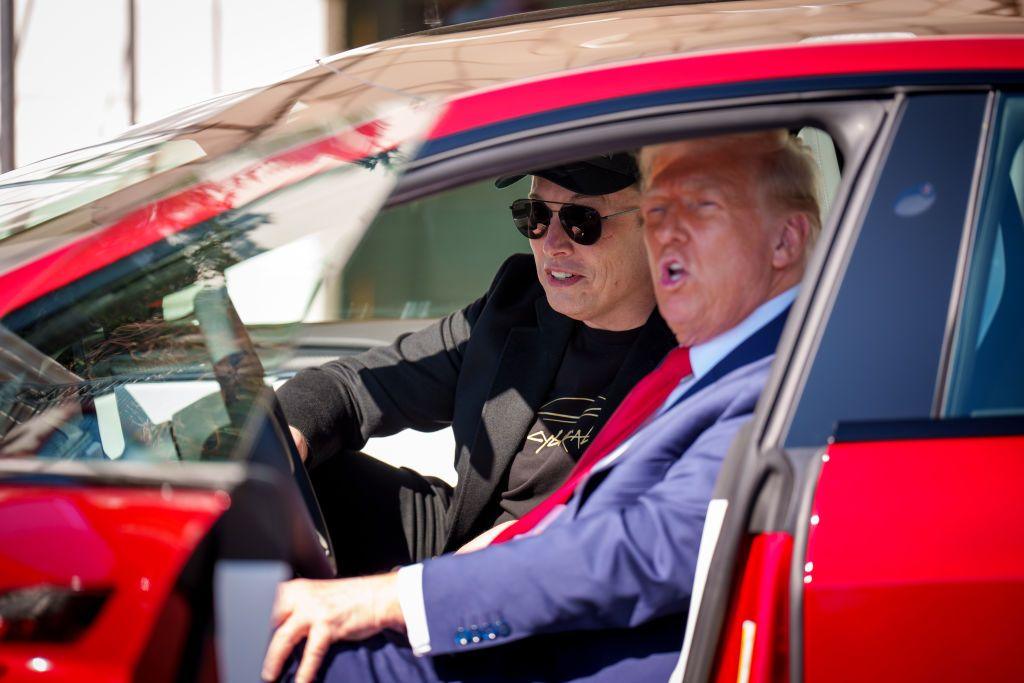
Donald Trump and Elon Musk in a Tesla
The ad, which was published on Sunday, carries the message that “the honor, dignity, and integrity of our country is not for sale,” encouraging Americans to take action by attending town halls and being civil. Walton’s call for action includes commitments like standing by allies, defending against dictators, respecting neighbors and trading partners, and upholding the Constitution. She invites readers to engage, ensuring their voices are heard as part of the democratic process. Notably, the ad states that the views expressed belong solely to Walton.
Although Walton intended her message to be nonpartisan, many Americans quickly connected her call to action with the actions of Donald Trump. Under Trump’s administration, controversial tariffs were imposed on Canada and Mexico, sparking criticism from international leaders. The ad’s message, urging cooperation with allies and commitment to the U.S. Constitution, seemed to stand in stark contrast to Trump’s often combative approach to foreign policy. As a result, Walton’s message has ignited debate, with readers questioning whether her stance was implicitly aimed at the former president’s actions.
While Walton’s recent ad focused on a nonpartisan appeal, her history of political involvement suggests she has supported causes and candidates in alignment with Democratic values. Walton co-hosted a fundraiser for Vice President Kamala Harris in 2020, with ticket prices ranging from $1,250 to $100,000. Additionally, Walton has made donations to the Lincoln Project, a political action committee dedicated to combating Trumpism, and has also donated significantly to groups supporting Senate Democrats. These actions raise questions about whether Walton’s ad was truly neutral or if it carried a subtle political message.
One of the key areas where Walton’s values seem to directly conflict with Trump’s approach is the administration’s handling of international trade. The Trump administration imposed tariffs on Canada, Mexico, and other countries, which resulted in diplomatic tensions and criticism from global leaders. In addition, Trump’s relationship with Ukrainian President Volodymyr Zelensky was marked by controversy after a tense meeting, where Trump’s actions were widely scrutinized. Walton’s ad, by calling for respect for trading partners and standing by allies, appears to counter these policies, promoting a vision of cooperation and diplomacy.
Christy Walton’s bold political message has generated significant attention, particularly due to her position as a wealthy heir to the Walmart fortune. By placing a full-page ad urging Americans to get involved in politics and stand up for core values, Walton is sending a strong message about the importance of civic engagement. Whether the ad is perceived as a veiled criticism of Donald Trump’s administration or simply an appeal for unity and respect, Walton’s action has stirred conversation. Her past political contributions and involvement suggest a more Democratic leaning, but her recent stance calls for broader participation in governance, underscoring the importance of preserving the nation’s integrity.
Christy Walton’s decision to place an ad calling for unity and political engagement highlights her belief in the need for Americans to participate in the democratic process. Though her message is rooted in nonpartisanship, many have linked it to the actions of the Trump administration, especially regarding international policies. Walton’s wealth and influence make her an important figure in the political landscape, and her ad has sparked debate about the current state of U.S. politics. Regardless of her political affiliations, Walton’s call for Americans to be civically engaged is a timely reminder of the power of participation in shaping the future of the nation.
President Donald Trump has escalated his attacks on the legal industry with a new executive directive targeting lawyers and law firms involved in “frivolous, unreasonable, and vexatious” litigation against the U.S. government. The president, on Friday, ordered the Department of Justice (DOJ) to sanction attorneys who engage in what he considers misconduct, particularly those involved in immigration cases. Trump’s memo, titled “Preventing Abuses of the Legal System and the Federal Court,” has drawn significant attention for its focus on law firms challenging his administration’s policies.
In the directive, President Trump calls for stricter accountability for attorneys and law firms that violate U.S. laws or professional conduct rules. His memo emphasizes the importance of holding these lawyers accountable, especially when their actions could threaten national security, public safety, or the integrity of elections.
Trump specifically targets immigration lawyers, alleging that many have coached clients to lie or conceal past actions in an attempt to circumvent U.S. immigration laws and gain undeserved asylum relief. He has instructed Attorney General Pam Bondi and Homeland Security Secretary Kristi Noem to prioritize enforcement of regulations that govern attorney conduct, focusing on those who have litigated against the federal government in the last eight years.
Trump’s directive extends beyond individual cases and targets entire law firms, some of which have represented individuals critical of his administration. Recently, the president has focused on firms like Paul, Weiss, Rifkind, Wharton & Garrison LLP and Perkins Coie, accusing them of playing a role in litigation that opposes his administration’s policies. He has threatened to revoke security clearances and reconsider government contracts for these firms.
However, Trump’s scrutiny of law firms has sparked backlash, especially after he rescinded an earlier order against Paul Weiss. This decision came after the firm agreed to provide $40 million in pro bono legal services for Trump-aligned initiatives.
The memo orders a review of all law firms involved in litigation against the federal government over the past eight years. The review will focus on cases related to asylum litigation, with Trump arguing that legal aid and pro bono work by large firms have weakened U.S. immigration laws.
As part of the directive, Trump has also called for a review of any “misconduct” that could result in sanctions, including the potential revocation of security clearances or termination of federal contracts. Critics argue that this could effectively prevent lawyers from representing clients who oppose the administration, sending a strong message of deterrence.
Keker, Van Nest & Peters, while not directly targeted, has taken a stand in defense of the legal profession’s independence. In a statement from John Keker, Robert Van Nest, Elliot Peters, Laurie Carr Mims, and the partnership, they expressed the following:
"Trump’s new Executive Order underscores how far removed this President, Attorney General and Administration are from our nation’s Constitution and bedrock values.
Our liberties depend on lawyers’ willingness to represent unpopular people and causes, including in matters adverse to the Federal Government. An attack on lawyers who perform this work is inexcusable and despicable.
Our profession owes every client zealous legal representation without fear of retribution, regardless of their political affiliation or ability to pay. We encourage law firm leaders to sign on to an amicus effort in support of Perkins Coie’s challenge to the Administration’s executive order targeting the firm, and to resist the Administration’s erosion of the rule of law."
Trump's actions have sparked significant concerns about the independence of the judiciary and the legal profession. Critics argue that these measures could lead to political retaliation, undermining the fairness of the legal system. Legal experts have pointed out that the distinction between "frivolous" and "failed" litigation is not always clearly defined, making it challenging to apply sanctions fairly, especially in politically sensitive cases.
At the same time, several prominent lawyers have pledged to continue challenging Trump in court despite his efforts to target their firms. They view the directive as an attempt to silence opposition and deter lawyers from taking on high-profile legal battles, particularly those related to the 2020 election.
Critics argue that Trump's actions are part of a broader strategy to weaken the legal system. They contend that the ultimate goal is to "disable the adversary system" by limiting the ability of well-resourced law firms to represent clients in cases that oppose the Trump administration.
Following the president’s order, the DOJ has begun an immediate review of law firms that have engaged in what the administration considers "inappropriate activity" or "weaponized lawfare." The DOJ’s review will examine cases dating back to 2015, including those related to immigration and national security.
Trump's decision to target major law firms underscores his broader strategy of using executive power to influence the legal profession and protect his administration from legal challenges. While the president has framed this as a necessary step to protect national security, critics argue it could have far-reaching consequences for the legal industry and the fundamental right to legal representation.
In addition to his criticisms of law firms, Trump’s directive particularly singles out the role of legal aid groups in asylum litigation. The president claims that these organizations are undermining the integrity of U.S. immigration laws by offering free legal services to asylum seekers. His memo claims that this practice makes it easier for clients to manipulate the legal system, ultimately jeopardizing national security.
Trump’s memo has sparked a heated debate about the balance between government authority and legal representation. While the administration argues that it is taking necessary steps to prevent abuse of the legal system, others believe that it could discourage lawyers from taking on important cases, particularly those involving human rights or political opposition.
As Trump’s DOJ review continues, it remains to be seen how the administration will apply Rule 11 sanctions and other legal measures against firms and attorneys it deems responsible for "frivolous" litigation. While the president has framed his directive as a safeguard for national security and public safety, many legal professionals fear it could become a tool for silencing legal opposition and weakening the integrity of the judicial system.
By expanding the scope of federal investigations into legal misconduct, Trump’s administration risks setting a dangerous precedent that could erode the legal protections guaranteed to all U.S. citizens. As the legal community responds, it’s clear that the fallout from this directive will be felt for years to come.
MEMORANDUM FOR THE ATTORNEY GENERAL
THE SECRETARY OF HOMELAND SECURITY
March 22, 2025
SUBJECT: Preventing Abuses of the Legal System and the Federal Court
Lawyers and law firms that engage in actions that violate the laws of the United States or rules governing attorney conduct must be efficiently and effectively held accountable. Accountability is especially important when misconduct by lawyers and law firms threatens our national security, homeland security, public safety, or election integrity.
Recent examples of grossly unethical misconduct are far too common. For instance, in 2016, Marc Elias, founder and chair of Elias Law Group LLP, was deeply involved in the creation of a false “dossier” by a foreign national designed to provide a fraudulent basis for Federal law enforcement to investigate a Presidential candidate in order to alter the outcome of the Presidential election. Elias also intentionally sought to conceal the role of his client — failed Presidential candidate Hillary Clinton — in the dossier.
The immigration system — where rampant fraud and meritless claims have supplanted the constitutional and lawful bases upon which the President exercises core powers under Article II of the United States Constitution — is likewise replete with examples of unscrupulous behavior by attorneys and law firms. For instance, the immigration bar, and powerful Big Law pro bono practices, frequently coach clients to conceal their past or lie about their circumstances when asserting their asylum claims, all in an attempt to circumvent immigration policies enacted to protect our national security and deceive the immigration authorities and courts into granting them undeserved relief. Gathering the necessary information to refute these fraudulent claims imposes an enormous burden on the Federal Government. And this fraud in turn undermines the integrity of our immigration laws and the legal profession more broadly — to say nothing of the undeniable, tragic consequences of the resulting mass illegal immigration, whether in terms of heinous crimes against innocent victims like Laken Riley, Jocelyn Nungaray, or Rachel Morin, or the enormous drain on taxpayer resources intended for Americans.
Federal Rule of Civil Procedure 11 prohibits attorneys from engaging in certain unethical conduct in Federal courts. Attorneys must not present legal filings “for improper purpose[s],” including “to harass, cause unnecessary delay, or needlessly increase the cost of litigation.” FRCP 11(b)(1). Attorneys must ensure that legal arguments are “warranted by existing law or by a nonfrivolous argument for extending, modifying, or reversing existing law or for establishing new law.” FRCP 11(b)(2). And attorneys must ensure that their statements about facts are “reasonably based” on evidentiary support, or a belief that such evidence actually exists. FRCP 11(b)(3)-(b)(4). When these commands are violated, opposing parties are authorized to file a motion for sanctions. FRCP 11(c). The text of the rule specifically addresses and provides for sanctions for attorneys and their firms as well as for recalcitrant parties given the solemn obligation that attorneys have to respect the rule of law and uphold our Nation’s legal system with integrity. Furthermore, Rule 3.1 of the Model Rules of Professional Conduct provides that, “A lawyer shall not bring or defend a proceeding, or assert or controvert an issue therein, unless there is a basis in law and fact for doing so that is not frivolous, which includes a good faith argument for an extension, modification or reversal of existing law.”
Unfortunately, far too many attorneys and law firms have long ignored these requirements when litigating against the Federal Government or in pursuing baseless partisan attacks. To address these concerns, I hereby direct the Attorney General to seek sanctions against attorneys and law firms who engage in frivolous, unreasonable, and vexatious litigation against the United States or in matters before executive departments and agencies of the United States.
I further direct the Attorney General and the Secretary of Homeland Security to prioritize enforcement of their respective regulations governing attorney conduct and discipline. See, e.g., 8 C.F.R. 292.1 et seq.; 8 C.F.R. 1003.101 et seq.; 8 C.F.R. 1292.19.
I further direct the Attorney General to take all appropriate action to refer for disciplinary action any attorney whose conduct in Federal court or before any component of the Federal Government appears to violate professional conduct rules, including rules governing meritorious claims and contentions, and particularly in cases that implicate national security, homeland security, public safety, or election integrity. In complying with this directive, the Attorney General shall consider the ethical duties that law partners have when supervising junior attorneys, including imputing the ethical misconduct of junior attorneys to partners or the law firm when appropriate.
I further direct that, when the Attorney General determines that conduct by an attorney or law firm in litigation against the Federal Government warrants seeking sanctions or other disciplinary action, the Attorney General shall, in consultation with any relevant senior executive official, recommend to the President, through the Assistant to the President for Domestic Policy, additional steps that may be taken, including reassessment of security clearances held by the attorney or termination of any Federal contract for which the relevant attorney or law firm has been hired to perform services.
I further direct the Attorney General, in consultation with any relevant senior executive official, to review conduct by attorneys or their law firms in litigation against the Federal Government over the last 8 years. If the Attorney General identifies misconduct that may warrant additional action, such as filing frivolous litigation or engaging in fraudulent practices, the Attorney General is directed to recommend to the President, through the Assistant to the President for Domestic Policy, additional steps that may be taken, including reassessment of security clearances held by the attorney, termination of any contract for which the relevant attorney or law firm has been hired to perform services, or any other appropriate actions.
Law firms and individual attorneys have a great power, and obligation, to serve the rule of law, justice, and order. The Attorney General, alongside the Counsel to the President, shall report to the President periodically on improvements by firms to capture this hopeful vision.
French Montana, the Moroccan-American rapper, recently embarked on his first visit to India, and he is in awe of the country's culture and the love he received from Indian fans. Speaking about his trip, French shared how his connection to India dates back to his childhood when he became enchanted by Bollywood movies.
“My visit to India has been great. I love the culture here. When I was a Moroccan kid, I fell in love with Indian culture from what I saw in the Bollywood movies back in the day. It feels great to be here and see the people. It's overwhelming to see that I have so much love out here,” French Montana said in a recent interview.
When asked what sets Indian fans apart from others, French Montana couldn’t help but highlight their intense and heartfelt love for the artists they support. He explained, “They just love so wholeheartedly. They are more intense with what and whom they love, and they're not scared to show their love. They also have a lot of fun and they are happy for you. They love their artistes, and I’ve seen it first hand; it was great.”
During his visit, French Montana also dropped his latest song, Rolla Rolla, marking a significant milestone as it was his first-ever collaboration with Mohamed Ramadan, the Egyptian actor and rapper, alongside Jasmine Sandlas. This track blends Indian and Middle Eastern musical styles, and French expressed his excitement about the global impact of music. “I loved it because it shows that music is the only language that everybody speaks worldwide. You could grab somebody from Egypt, Morocco, or India, and they all come together to make a song. I love that we all come from different cultures, but music brings us together as one culture,” French added.
French Montana’s visit to India also included a standout moment when he performed live at the Women’s Premier League's closing ceremony. The performance was particularly special for French, who described the experience as “very special.” He added, “Performing in front of that many people for the first time, I loved it. I want to tell my Indian fans I love you all. This is the first of many performances, and we will be coming back to give back for all the love that we have got.”
While his time in India was full of excitement, French Montana is currently facing legal troubles in the United States. He recently made headlines by challenging a $402,000 default judgment that was entered against him over a dog attack lawsuit. The lawsuit stems from an incident in November 2019, when Jason Leyva, a landscaper, claimed he was attacked by French’s dog while working at the rapper’s Los Angeles home. Jason filed a lawsuit seeking damages, initially requesting $2.3 million. The court, however, awarded Jason $400,225 in damages, along with an additional $2,419 in costs.
French Montana’s legal team argued that the default judgment should be vacated, citing “excusable neglect.” According to his lawyer, French was unaware of the lawsuit at the time because he had relocated to Las Vegas in September 2019. The rapper’s legal team also claimed that French had believed the matter had already been resolved through a previous settlement agreement in August 2020, which was intended to cover all claims related to the dog bite.
However, Jason’s legal team has disputed the validity of the settlement, suggesting it was a ruse. In response, French’s lawyer began an investigation and requested that the court vacate the default judgment. French has since hired a lawyer and taken the necessary legal steps to resolve the matter, expressing his desire to argue his case in court.
In addition to his legal troubles, French Montana recently made headlines for releasing a controversial collaboration with Lara Trump, Donald Trump’s daughter-in-law. The song, No Days Off, generated confusion among many fans, given the political differences between the rapper and the Trump family. The unexpected pairing has raised eyebrows, especially considering French’s usually politically neutral stance in the public eye.
In a shocking move that could leave millions of American consumers vulnerable, President Donald Trump and his controversial ally Elon Musk are plotting the total destruction of the Consumer Financial Protection Bureau (CFPB) — the only federal agency standing between you and ruthless corporations looking to take your money!
The CFPB, created to protect consumers from financial fraud, deceptive practices, and debt collectors, is now on the chopping block as Trump’s administration and Musk’s Department of Government Efficiency (DOGE) wage war against it.
Billionaire mogul Elon Musk, best known for his Tesla empire and Twitter chaos, is now using his power in DOGE to strip down the CFPB, leaving it shattered and defanged. Musk, whose financial interests in digital payments might directly benefit from the CFPB’s destruction, has made his disdain for the agency clear.
His infamous tweet, “CFPB R.I.P.,” sent shockwaves through the financial world. Experts are now warning that Musk’s tech empire could exploit the CFPB’s sensitive data for his own gain, giving him an unfair advantage over competitors.
Can you trust a man like Musk, who’s fighting to access your banking data for his digital empire, to protect you from financial abuse? NO!
The CFPB has helped recover more than $21 billion for Americans who’ve been wronged by greedy corporations. But now, the Trump administration has set its sights on shutting it down, leaving consumers with zero protection against corrupt banks, credit card companies, and medical debt collectors. Under Trump’s leadership, this agency has already seen massive layoffs, with over 200 employees booted out. What’s next? A complete shutdown of the CFPB, forcing its employees to sit idle while corporations run riot.
If the CFPB is gone, who will stop banks from charging you outrageous fees or letting fraudulent debt collectors steal your money?
Republican lawmakers have long hated the CFPB, calling it a “rogue agency” and a “waste of taxpayer money.” Senator Pat Toomey even referred to the agency as the “most unaccountable agency” in U.S. history. But now, Trump and his allies are ready to pull the plug for good. With CFPB funding coming from the Federal Reserve, not Congress, critics argue it’s too powerful and unregulated. But Trump’s GOP doesn’t care — they want to slay the so-called “leviathan” and gut its powers, even though millions of Americans depend on it for financial justice.
The CFPB's 200 laid-off employees aren’t going down without a fight. They’ve taken Trump to court, arguing that Congress, not the president, has the power to shut down this vital agency. However, with Musk pushing forward with plans to slash the workforce to a bare-bones skeleton crew, this battle is far from over. The future of the CFPB — and your consumer rights — now hangs in the balance as Trump’s administration pushes for its dismantling.
With the CFPB on the brink of collapse, Americans are left wondering: Who will protect me from corporate greed? The answer is no longer clear. If Trump and Musk succeed, millions of consumers will be at the mercy of unchecked banks, debt collectors, and companies eager to take advantage of you. Without the CFPB, financial abuses could skyrocket — and you might be left with no recourse. Is this the America we want?
Don't let this happen! Join the fight to save the CFPB, and demand that Trump and Musk stop this reckless attack on your financial freedom!
Final Thoughts: Is Your Financial Future at Risk?
With the CFPB fighting for survival, the next few months will be crucial for consumers. Will Trump’s radical cuts to the agency leave you exposed to corporate corruption? Musk’s growing influence could tip the scales in favor of the tech giants — but at what cost to YOU? The battle is far from over, but the clock is ticking. Stay informed and stand up for your rights before it's too late!
In an unprecedented move that has left both the public and political insiders reeling, the U.S. government has released a massive, jaw-dropping trove of secret files surrounding the 1963 assassination of President John F. Kennedy.
The highly anticipated JFK document release, which was made public on March 19, 2025, contains over 63,000 pages of shocking information—far surpassing anything the public has seen before. The release was so immense that it had even President Trump’s own national security team scrambling to assess potential security risks before the files were made available online.
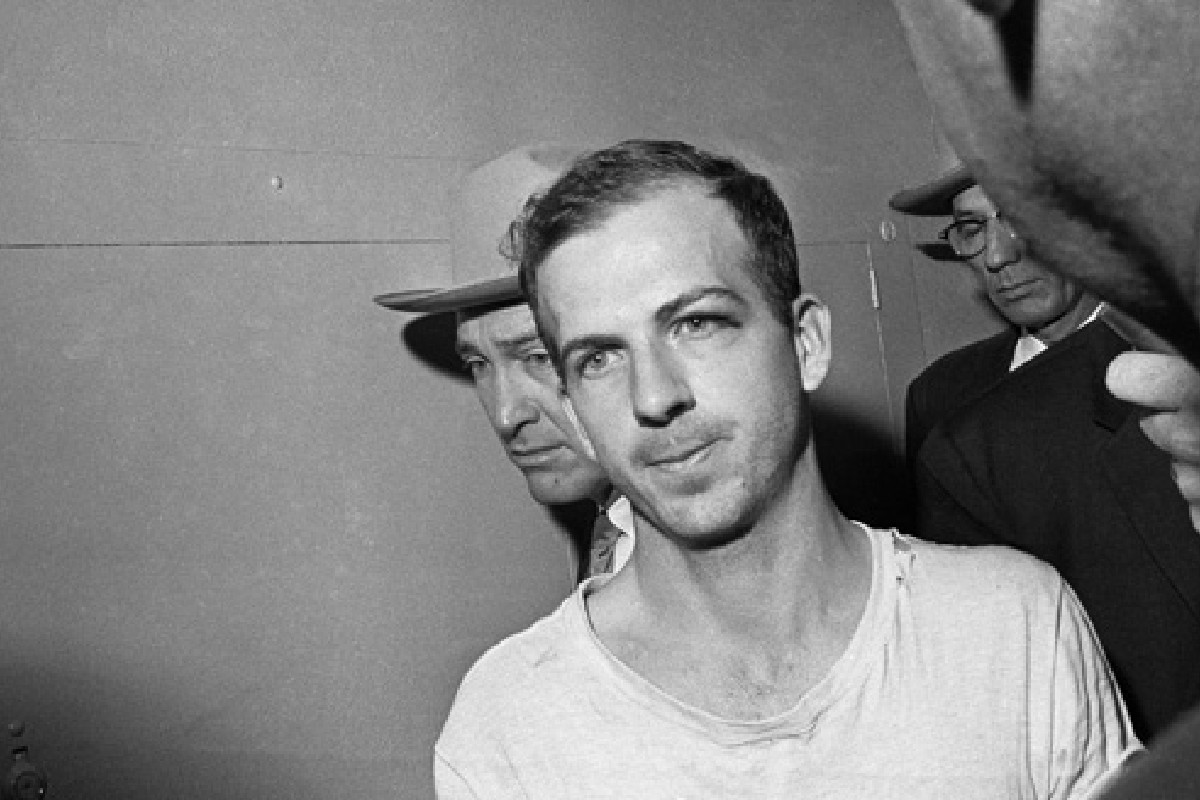
Lee Harvey Oswald
The explosive batch of documents, totaling a staggering 2,182 PDF files, opens a Pandora’s box of theories and speculations surrounding JFK’s murder, raising more questions than answers. Inside these newly revealed JFK documents are typewritten reports, handwritten notes, and even startling details about the role of the CIA in the assassination—a conspiracy that has long been whispered but never fully exposed.
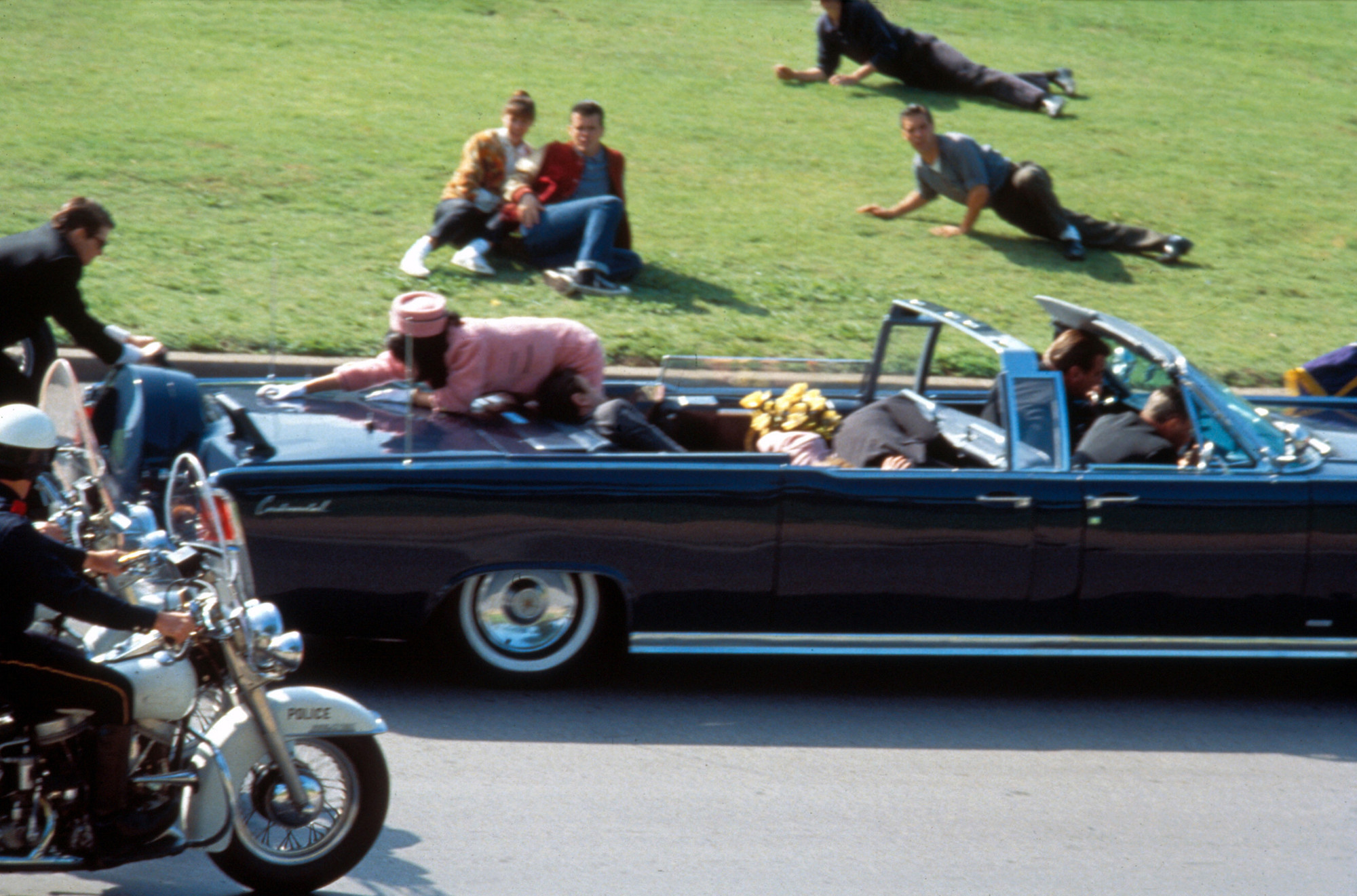
JFK
The unprecedented scale of the release has caught even Trump’s national security experts off guard. With the files now accessible on the National Archives website, experts are frantically combing through the pages to find any potential security hazards or risks. From the moment the documents were released at around 7 PM, the chaos began. Widespread backlash erupted across political circles, as both liberals and MAGA supporters expressed frustration with the documents' poor organization, faded scans, and, most controversially, the numerous redactions that remain. While the liberal-leaning media immediately dismissed the release as little more than a repeat of Biden’s previous drops, Trump supporters are claiming that these new files hold the keys to unlocking the ultimate conspiracy.
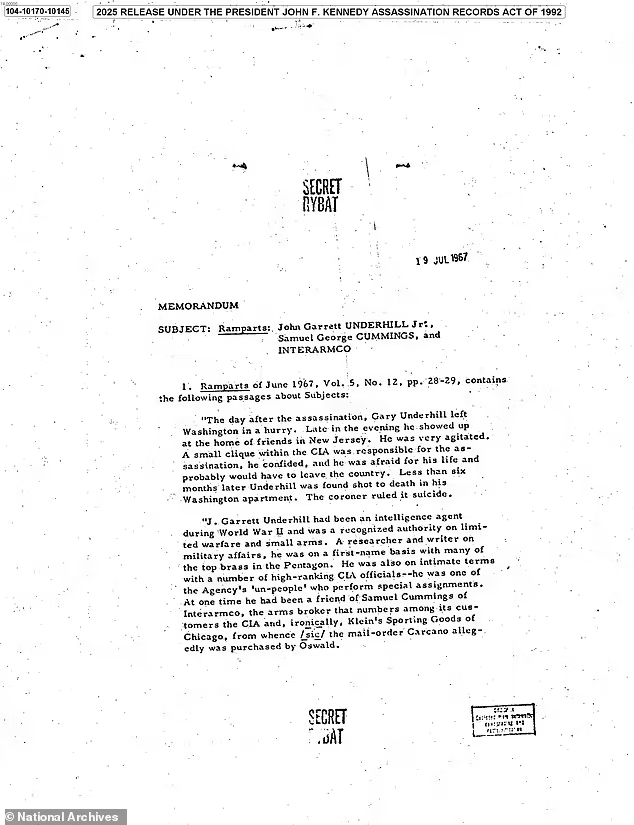
A passage from the 1967 magazine article about the JFK files that gained traction following the latest document release.
Among the most explosive revelations is a document that points to the CIA as possibly being involved in Kennedy’s death. According to the documents, a top CIA agent, who had close ties to high-ranking officials, confided in 1967 that a “small clique” within the CIA was responsible for orchestrating Kennedy’s assassination. But it doesn’t stop there. Another document suggests that Kennedy’s Secret Service had been warned in advance about the likelihood of an assassination attempt in August 1963, a full three months before the tragic events unfolded in Dallas.
One document causing waves across conservative circles focuses on Lee Harvey Oswald, the alleged assassin. A critical piece of information suggests that Oswald was not a skilled marksman. In fact, the files indicate that the KGB closely monitored Oswald during his time in the Soviet Union, and Oswald’s skills as a “poor shot” were widely noted. Does this imply Oswald was the lone gunman—or is there something far darker at play?
The files also reveal disturbing details about a mysterious figure named John Garrett Underhill, a CIA informant who allegedly knew too much about the assassination. Underhill, who was close to several high-ranking CIA officials, allegedly fled Washington the day after the assassination, fearing for his life. He claimed that a covert faction within the CIA was directly responsible for Kennedy’s murder. Just months later, Underhill was found dead under suspicious circumstances, his death officially ruled a suicide by the coroner.
What’s more chilling is a letter written by a man named Sergyj Czornonoh, who claimed to have warned the U.S. Consulate in London about Oswald’s assassination plans months before the tragedy. These bombshells are just the beginning, leaving conspiracy theorists and political insiders clamoring for more answers.
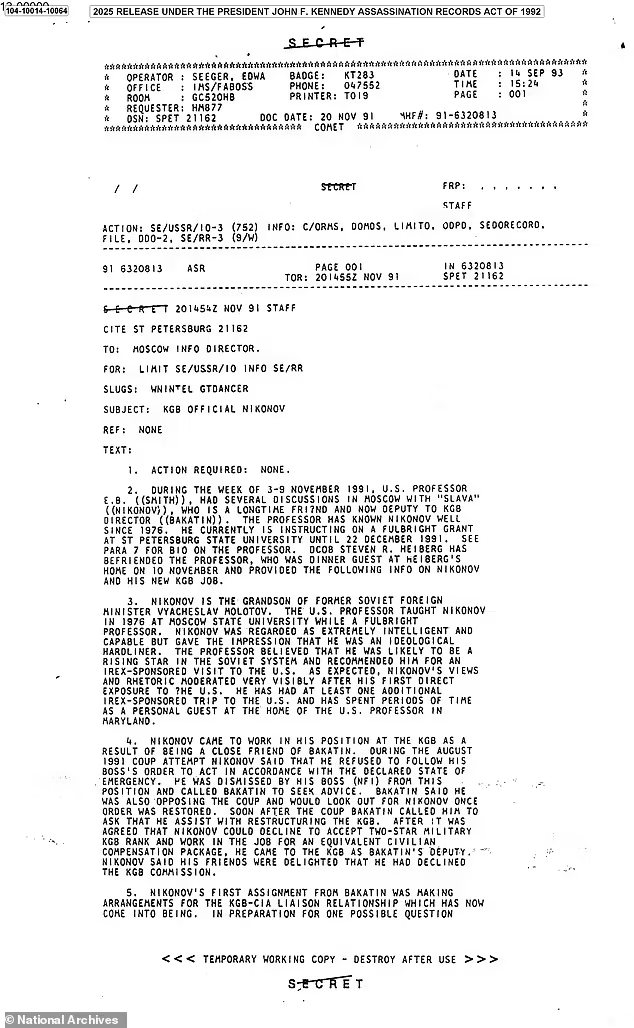
One document circulating after the latest JFK file release revealed that Oswald was considered a 'poor shot' during his time in the USSR.
Despite the sensational headlines, many historians and experts caution that these revelations may not lead to a dramatic shift in the long-standing narrative surrounding JFK’s assassination. The disorganized, poorly scanned, and heavily redacted documents have left many frustrated, with some questioning whether the release is anything more than a political stunt aimed at increasing transparency—something President Trump had promised during his first term in office. The public has been promised a “complete” release of files, but so far, many important documents are still withheld, leaving Americans and researchers wondering what secrets are being kept from them.
Historians like Larry J. Sabato argue that while these documents may shed some light on old conspiracy theories, they are unlikely to overturn the long-standing understanding of what happened on that fateful day in 1963. The incomplete nature of the release, combined with the widespread frustration over redactions and illegible scans, has led many to conclude that this release is far from the full story. The true revelations may still be hidden in the files that have yet to see the light of day.
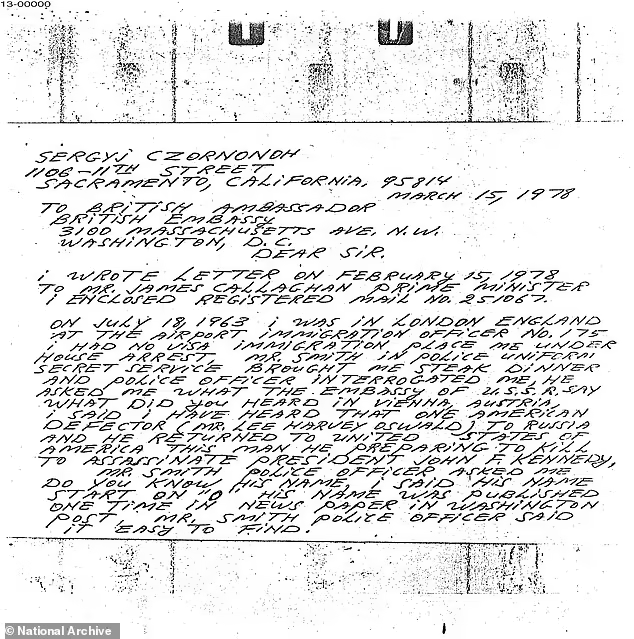
Another key detail revealed was a letter from a man named Sergyj Czornonoh, sent to the British Embassy in 1978
While this may seem like the final chapter in the JFK assassination saga, experts like Jefferson Morley, vice president of the Mary Ferrell Foundation, suggest that this release is just the beginning of a much deeper investigation. What the public and the media are yet to uncover is the full extent of how these files may reshape our understanding of not only Kennedy’s death but also the roles played by numerous government agencies. Many of the files related to the CIA’s involvement have been heavily redacted, leading to suspicions that key pieces of information are being deliberately concealed.
As for Trump, the long-time advocate of releasing these files, his promise to bring transparency to the American people may not be fully realized just yet. With more than two-thirds of the promised records still unreleased, this case is far from closed.
As Americans sift through the controversial JFK files, one question lingers in the air: can we ever trust the government to fully declassify all relevant information? As more files are expected to be released in the coming months, political insiders and conspiracy theorists alike are waiting with bated breath for the next bombshell. But for now, this latest release raises more questions than answers, and the conspiracy theories surrounding JFK’s assassination remain as strong as ever.
The Files are Just the Beginning
The release of these files is the most significant step yet in a decades-long search for answers surrounding JFK’s assassination. But for now, the chaos, confusion, and controversy only seem to grow. As the country waits for further revelations, one thing is certain: the hunt for truth is far from over, and the saga of JFK’s death remains one of America’s most enduring and mysterious political dramas.
Tesla is in freefall—and Elon Musk’s political ambitions might be dragging the company to its doom. Once the crown jewel of the electric vehicle (EV) industry, Tesla is now hemorrhaging sales worldwide.
With global competition surging and progressives abandoning the brand, even Donald Trump’s desperate rescue mission may not be enough to save it. Tesla’s stock has tanked by 36% in 2025, marking its worst year in half a decade. Meanwhile, rival automakers like BYD are circling like vultures, ready to feast on Tesla’s market share.
The numbers don’t lie: Tesla is in crisis. In Europe, Tesla’s sales crashed 50% in January, with Germany suffering a catastrophic 76% drop year-over-year in February. Meanwhile, in China—Tesla’s second-largest market—shipments plunged 49%, their lowest since July 2022. Even in the U.S., where Trump is championing Musk’s cars, Tesla’s January sales fell 11%, while rival EV brands surged ahead. Boycotts in Canada, Portugal, and the U.K. are dealing even more damage.
The problem? Musk has alienated the very customers who made Tesla a success. Once a symbol of progressive innovation, Tesla is now tainted by Musk’s controversial politics and deep ties to Trump. Many former buyers want nothing to do with a company now seen as a symbol of the far-right movement.
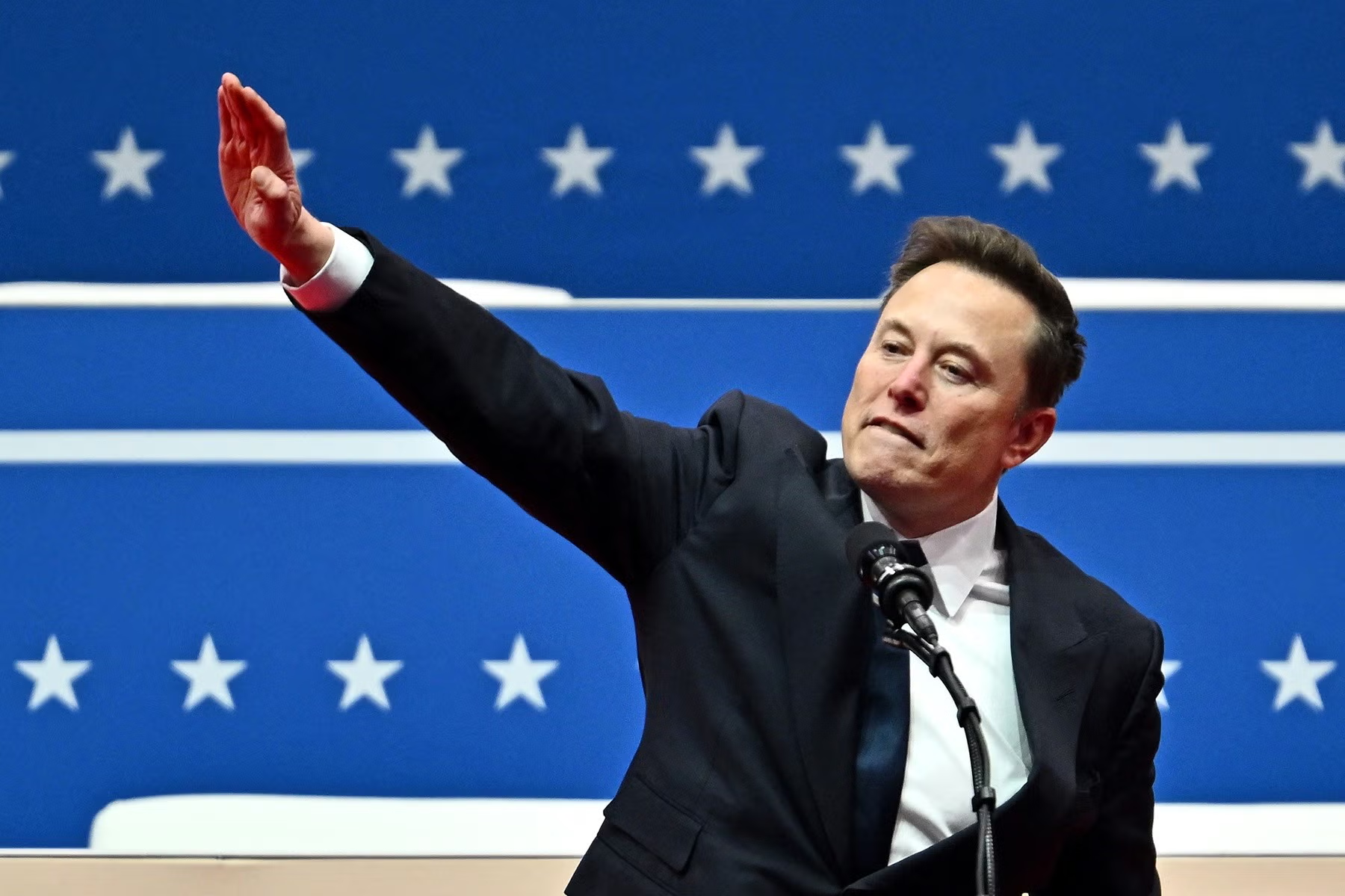
Elon Musk
Musk’s new role as the head of Trump’s Department of Government Efficiency (DOGE) has only deepened Tesla’s troubles. His outspoken political rants on X (formerly Twitter) have made him a polarizing figure—and Tesla is paying the price. Reports of vandalism against Tesla cars are rising in U.S. cities, while European consumers are turning away in droves.
Trump’s public endorsement of Tesla—including a promise to buy one himself—has done little to reverse the company’s spiraling decline. While Trump’s base cheers Musk on, the reality is clear: conservatives aren’t buying EVs in large enough numbers to offset Tesla’s losses.
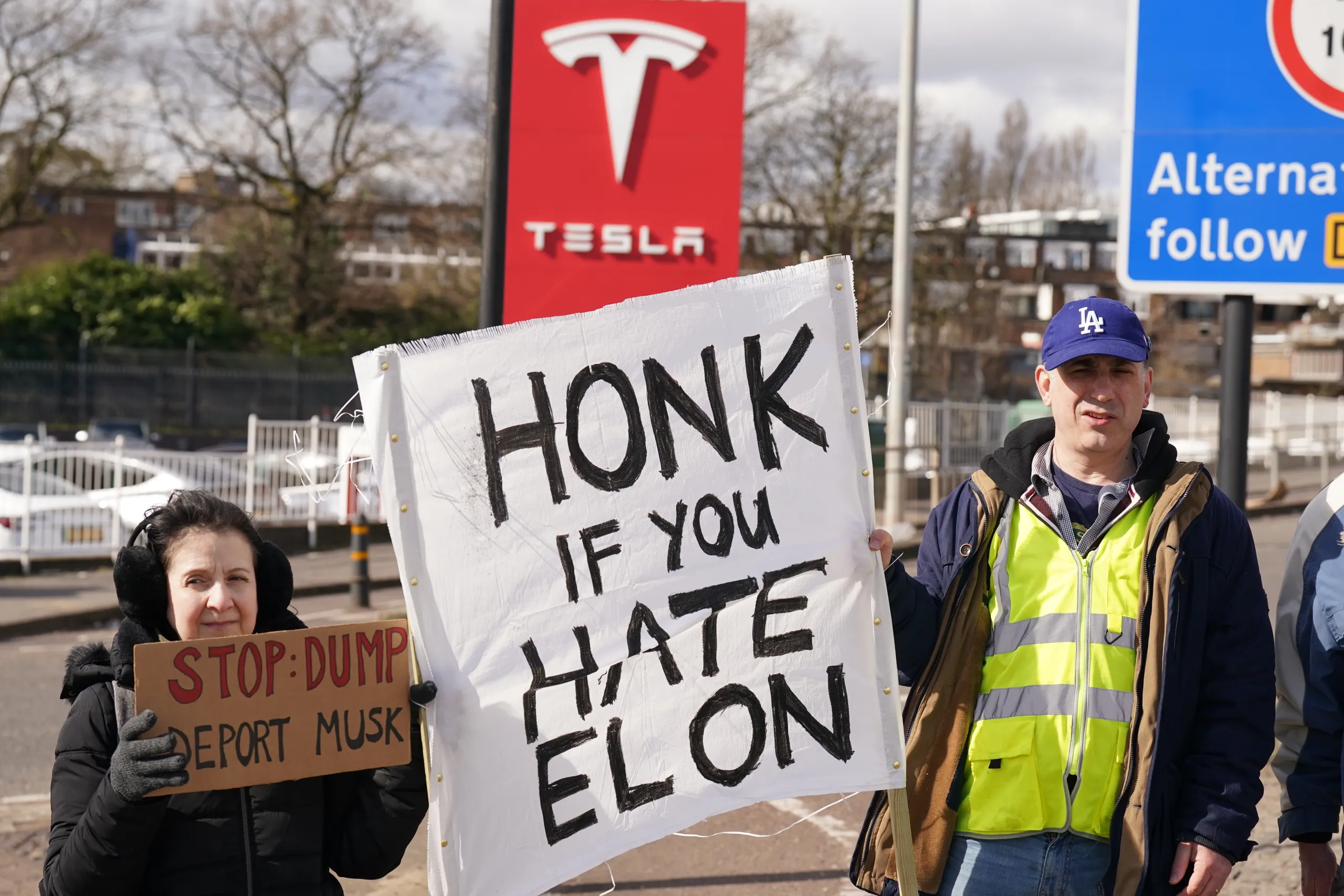
Boycott tesla protests
As Tesla bleeds customers, China’s EV giant BYD is seizing control. BYD has already overtaken Tesla as the world’s top EV producer, flooding the market with cheaper, high-tech alternatives. Tesla’s latest move—a low-cost Model Y designed for China—feels like a desperate attempt to claw back its vanishing market share.
Adding to Tesla’s woes, Trump’s aggressive trade policies are stoking tensions with China, putting the company at further risk. Tariffs and retaliatory measures could make Tesla vehicles even less competitive, worsening its already dire situation.
Tesla’s stock collapse is sending shockwaves through Wall Street. Since the start of 2025, shares have plummeted 36%, wiping out billions in market value. On March 11 alone, Tesla’s stock nosedived 15%, closing at a devastating $215—the lowest since Trump’s election victory.
Financial analysts are sounding the alarm. JPMorgan’s latest report warns that Tesla’s brand has taken an “unprecedented” hit, with no clear path to recovery. Meanwhile, Musk’s obsession with the Cybertruck and AI ventures is distracting from Tesla’s crumbling core business. His decision to kill the affordable $25,000 Tesla in favor of the niche Cybertruck has baffled industry experts.

Tesla Charging Station
Tesla’s future has never looked more uncertain. With sales collapsing, stock tanking, and customers fleeing, the company is at a make-or-break moment. Musk’s political entanglements may have doomed his own brand, and his once-loyal customers may never return.
If Tesla can’t reverse this downward spiral, it may soon lose its place as the EV industry leader—or worse, face total irrelevance in the market it once dominated. While Musk remains the world’s richest person, Tesla is now fighting for its survival.
Will Tesla make a miraculous comeback, or is this the beginning of the end? Let us know your thoughts in the comments below. 👇
U.S. Launches Airstrikes Against Houthis Over Red Sea Attacks.
U.S. President Donald Trump has launched military strikes against the Iran-backed Houthi rebels in Yemen, following their attacks on international shipping in the Red Sea. The operation, conducted solely by the U.S., marks the first direct military action against the Houthis under Trump's second administration. Reports from Yemen indicate that the airstrikes hit multiple locations, including the capital, Sanaa. Trump, in a post on his Truth Social platform, warned Iran to "end its support immediately" or face consequences.
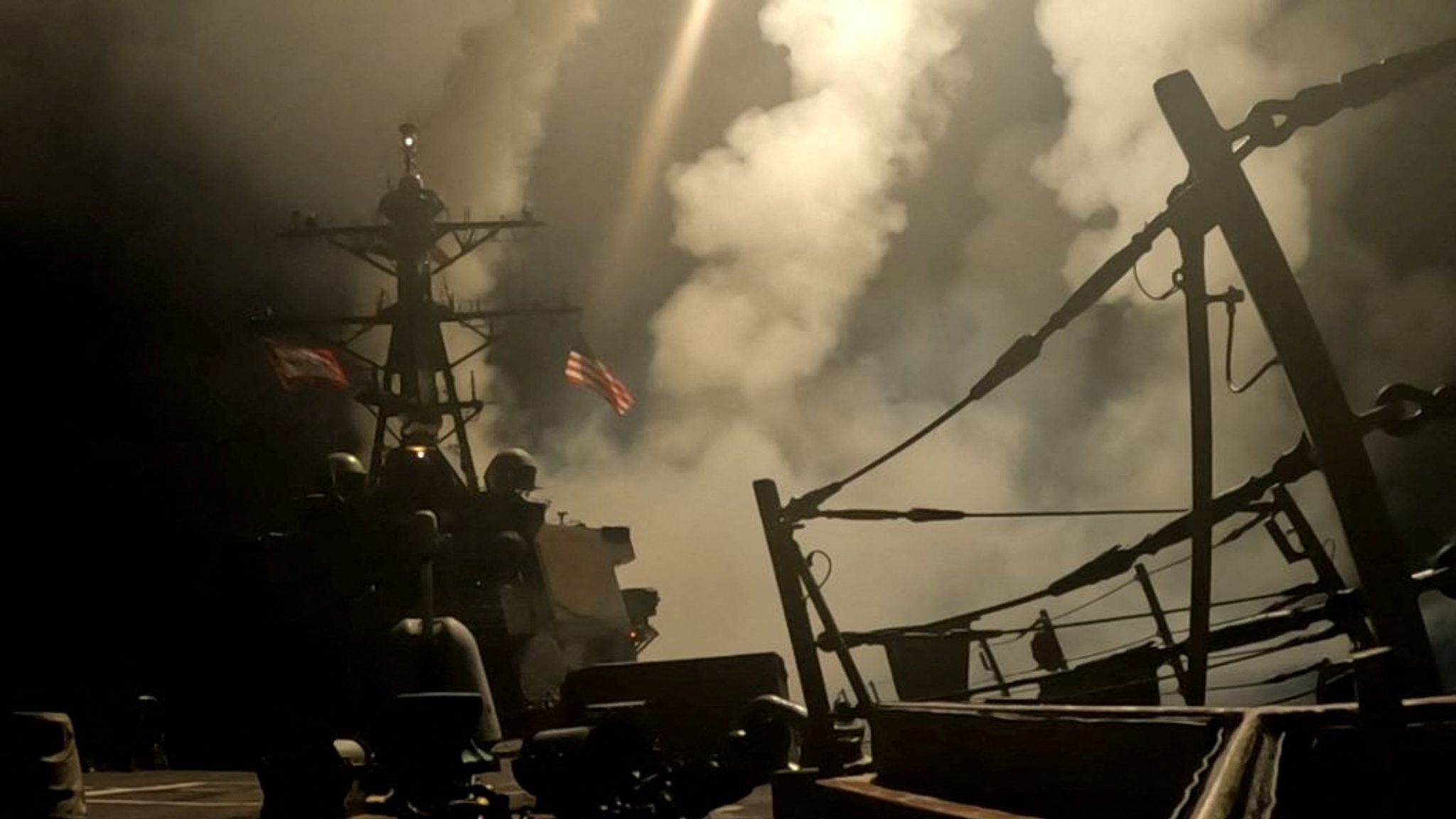
Pic: US Central Command/Handout via Reuters
According to the Houthi-run health ministry, at least 31 civilians, including women and children, were killed, with 101 others injured. Images circulating online show black smoke rising from the vicinity of Sanaa’s airport complex, which includes a large military facility. Residents described powerful explosions that shook neighborhoods, with one witness, Abdallah al Alffi, likening the impact to "an earthquake." The Houthi media office claims the strikes hit residential areas, increasing fears of further civilian casualties in an already war-torn nation.
President Trump justified the airstrikes as a necessary response to Houthi aggression against Red Sea shipping lanes, warning, "Your time is up, and your attacks must stop, starting today. If they don't, hell will rain down upon you like nothing you have ever seen before." He further stated that Iran would be held "fully accountable" for the Houthis' actions, emphasizing, "And we won’t be nice about it!" The U.S. has taken a hardline stance against Iranian-backed forces, signaling a potential escalation in tensions across the Middle East.
The Houthi rebels have conducted over 100 attacks on Red Sea shipping since November 2023, citing solidarity with Palestinians in Gaza amid Israel's ongoing war with Hamas. Days before the U.S. strikes, the Houthis threatened to resume attacks on Israeli-linked vessels, despite no confirmed incidents since their statement. Israel recently blocked aid to Gaza, intensifying regional hostilities. The U.S. previously launched similar military operations against the Houthis under Joe Biden’s administration, responding to attacks on both commercial and military vessels in the region.
Trump defended the military action by highlighting its economic impact, stating, "These relentless assaults have cost the U.S. and world economy many BILLIONS of dollars while, at the same time, putting innocent lives at risk." The conflict threatens major global trade routes, with potential disruptions to supply chains and increased costs for shipping companies. The Red Sea, a vital passage for international commerce, remains a flashpoint for escalating hostilities between Iran-backed militias and Western forces.
As the situation in Yemen escalates, the risk of wider conflict in the Middle East grows. The U.S. has signaled that further military action remains on the table if the Houthis continue their attacks. Iran’s response to Trump's warning will be crucial in determining the next phase of this crisis. Meanwhile, humanitarian groups express concerns over civilian casualties and the worsening conditions in Yemen, already facing one of the world’s worst humanitarian crises. With tensions at an all-time high, global leaders will need to navigate this volatile situation carefully to prevent further escalation.
In a controversial move, the Trump administration has invoked a rarely used wartime law to fast-track the deportation of undocumented migrants linked to the Venezuelan gang Tren de Aragua.
The Alien Enemies Act of 1798, a law originally designed for wartime scenarios, has only been used three times in U.S. history—all during periods of war.
The administration argues that gang members have “unlawfully infiltrated the United States” and are engaging in “irregular warfare and hostile actions.” However, legal experts warn the move could face serious constitutional challenges in court.
On Saturday, March 16, 2025, the White House issued a proclamation justifying the use of the Alien Enemies Act by citing its recent designation of Tren de Aragua as a foreign terrorist organization.
The administration claims the gang poses a serious national security threat, warranting immediate arrests, detentions, and removals. Critics, however, argue that the law was never intended for use against criminal organizations and is designed for times of war or direct foreign invasion. The use of this 18th-century law for modern immigration enforcement has sparked intense debate over the limits of presidential power.
Legal challenges swiftly followed. Just hours before the order took effect, a federal judge issued a temporary restraining order, halting the deportation of some undocumented immigrants affected by the measure.
The ruling came after lawsuits were filed by the American Civil Liberties Union (ACLU) and Democracy Forward, arguing that criminal activity does not meet the legal definition of an invasion—a requirement for invoking the Alien Enemies Act. The temporary order currently applies only to the individuals involved in the lawsuit, but a broader hearing is scheduled to determine if the restriction should be expanded.
The Alien Enemies Act of 1798 has a controversial past. Historically, it has only been used during World War I and World War II, when the U.S. government detained and expelled immigrants from Germany, Austro-Hungary, Italy, and Japan. The law also played a key role in the forced internment of Japanese Americans during World War II, a policy that has since been widely condemned.
By applying the law in a non-wartime context, the Trump administration has raised alarm among civil rights groups, who fear it could set a dangerous precedent for immigration enforcement.
Following the judge’s ruling, the Department of Justice immediately filed an appeal with the D.C. Circuit Court of Appeals, seeking to overturn the restraining order.
The case is now set for a high-stakes legal battle that could determine the future scope of presidential power in immigration enforcement. If the courts uphold Trump’s use of the Alien Enemies Act, it could dramatically expand executive authority over deportations, allowing the government to bypass standard legal procedures. However, if the courts strike it down, it would serve as a major legal rebuke to the administration’s aggressive immigration policies.
This case could reshape U.S. immigration policy for years to come. If upheld, it could pave the way for future administrations to use wartime laws to target specific migrant groups under the guise of national security. Critics warn this could erode due process rights and create a dangerous precedent for executive overreach.
On the other hand, if courts rule against Trump’s order, it could set clear legal limits on how far a president can go in using wartime powers for domestic immigration enforcement. With millions of undocumented immigrants watching closely, the outcome of this case will have far-reaching consequences.
In a stunning move, President Donald Trump’s administration has gutted Voice of America (VOA) and other pro-democracy news agencies, forcing employees onto leave and shutting down key international broadcasts.
On Saturday, March 16, 2025, the Trump administration launched an aggressive funding cut targeting Voice of America (VOA), Radio Free Europe, and Radio Free Asia—U.S. government-backed media outlets that provide news to millions living under authoritarian regimes.
The massive budget slash followed Trump’s directive on Friday night, just after Congress passed its latest funding bill. In response, employees across the U.S. Agency for Global Media (USAGM)—which oversees VOA and related outlets—received notices placing them on paid administrative leave.
Kari Lake, the former Arizona gubernatorial candidate and newly appointed senior adviser to USAGM, confirmed the move in a post on X, directing employees to check their emails. The layoffs immediately impacted VOA journalists worldwide.
The move has sparked an international backlash. Reporters Without Borders condemned the decision, calling it a dangerous step away from the U.S.’s commitment to free press and democracy.
“We urge Congress and the international community to take action against this unprecedented attack on independent journalism,” the group stated.
VOA, along with Radio Free Asia, Radio Marti, and Radio Free Europe, has been a key tool in combating authoritarian propaganda in countries like China, North Korea, and Russia. The shutdown could silence independent news sources for millions living under oppressive regimes.
One VOA journalist, speaking anonymously, revealed that every employee received the same layoff notice, and many are uncertain about their future.
Thomas Kent, former CEO of Radio Free Europe/Radio Liberty, warned that eliminating U.S.-backed news agencies gives hostile nations full control over America’s global image.
“Without VOA and its affiliates, China, Russia, and other adversaries will dominate the information space, shaping the narrative without challenge,” Kent stated.
The Trump administration has also cut contracts with major news agencies like The Associated Press, Reuters, and Agence France-Presse, further limiting U.S.-backed journalism.
Prime Minister Anthony Albanese of Australia denounced the cuts, stating, “This is a serious blow to press freedom, and it will be felt worldwide.”
In a video posted on X, Kari Lake downplayed the layoffs, describing them as part of a cost-cutting effort. She singled out a VOA-leased building as a “waste of taxpayer money” and vowed to cancel unnecessary contracts.
“We’re downsizing to eliminate waste, making sure there’s no misuse of your dollars,” Lake stated. However, she failed to address the shutdown’s impact on global democracy efforts.
The VOA staff memo confirmed that employees would still receive pay and benefits “until otherwise notified” but ordered them to return all government-issued equipment and refrain from using agency facilities.
This is just the latest move in Trump’s crackdown on independent institutions. His order also targets the Woodrow Wilson International Center for Scholars, the U.S. Interagency Council on Homelessness, and the Community Development Financial Institutions Fund.
The international community is closely watching to see if Congress will intervene. For now, hundreds of journalists remain in limbo, and millions around the world may soon lose access to independent news from the U.S.
