Cash App Payouts in Illinois: $175 Million Settlement Update Over Fraud and Weak Security.
Cash App users in Illinois could soon receive a paycheck following a significant legal action against the mobile payment platform.
The Consumer Financial Protection Bureau (CFPB) has ordered Cash App's parent company, Block Inc., to pay $175 million due to its insufficient security measures that allowed fraud to proliferate on the app.
Here’s what Cash App users need to know about the settlement, eligibility, and how much money they could receive.
What Did Cash App Do Wrong?
The Consumer Financial Protection Bureau (CFPB), the federal agency that enforces consumer finance laws, has accused Cash App of misleading and deceiving its customers. According to the CFPB, Cash App’s weak security practices enabled widespread fraud on its platform, leaving users vulnerable to scams.
Cash App allegedly closed fraud cases without conducting legally required investigations and sometimes directed users who lost money to their bank, only for the bank to deny the reversal request.
“Cash App created the conditions for fraud to thrive on its popular payment platform,” said Rohit Chopra, Director of the CFPB. “When issues arose, Cash App failed to take responsibility and even shifted the burden onto local banks, worsening the situation for its customers.”
Furthermore, Cash App is accused of misleading users into thinking that banks were responsible for handling dispute resolutions, which violates federal consumer protection laws. The company also failed to provide meaningful and effective customer service when users sought help after being defrauded, which led some users to unknowingly interact with scammers online.
"Block, Inc. knew about the fraud issues and failed to take swift action to protect its users," the CFPB stated in its release.
How Much Can Illinois Cash App Users Expect to Receive?
Though the exact amount users will receive remains unclear, the CFPB’s recent order for Cash App to pay out $175 million includes a $120 million refund for defrauded users. Additionally, $55 million will be paid into a government relief fund designed to help those harmed by companies that violate federal consumer financial protection laws.
In a previous settlement, Cash App paid out $15 million, with users receiving up to $2,500 for damages caused by a security breach.
The exact timeline for when users will receive compensation has not been confirmed, for further details on settlements, please visit the Lawyer Monthly dedicated Cash App Guide.
How Do I Receive a Cash App Refund?
Good news for Cash App users—there is no need to take action at this time. The CFPB's settlement order stipulates that Cash App users do not need to sign up or take any steps to receive the refund. Users who are eligible will automatically be notified.
Who Is Eligible for the Settlement?
Cash App users who may qualify for a refund under the settlement include:
Consumers who did not receive refunds for fraudulent transactions.
Consumers whose accounts were affected by unauthorized transfers that Cash App did not properly investigate.
Users whose accounts were locked or restricted due to fraud-related issues.
Consumers who did not receive provisional credits during delayed investigations.
If you fall into any of these categories, you may be eligible for a refund as part of the settlement.
Can I Contact Someone If I Have Questions?
If you have questions regarding the settlement or your eligibility for a refund, you can contact Block, Inc., Cash App’s parent company, using the following methods:
Cash App users in Illinois could be entitled to refunds following a $175 million settlement involving the company’s weak security measures and failure to prevent fraud. Those affected by unauthorized transactions, improper investigations, and poor customer service may qualify for compensation. Users do not need to take any action at this time, and further details will be provided once the payment process begins.
For ongoing updates, Cash App users are encouraged to monitor official communications from the company and the CFPB.
10 Notorious Fraudsters Who Scammed Their Way Into History.
Throughout history, various swindlers have turned trust into personal fortune, only for their deceptive schemes to eventually crumble. As the world evolved, so did the methods of these tricksters, who adapted to technological advances and shifting economic landscapes. From classic scams to digital cons, notorious figures like Charles Ponzi, Anna Delvey, and Amanda Riley have captivated the public's imagination, leading to a cultural fascination with their exploits.
The internet, digital currencies, and social media have made it easier for con artists to deceive others on a larger scale. The likes of Belle Gibson and Amanda Riley, as well as crypto schemer Sam Bankman-Fried, have emerged in the digital age, pulling off sophisticated frauds that caused immense harm to unsuspecting victims. Their stories have been chronicled in podcasts, documentaries, and films, offering a glimpse into their unscrupulous ways.
Here are 10 of the most infamous con artists in history and the details of their schemes.
Princess Caraboo
In April 1817, Almondsbury, England, was mystified by the appearance of a woman wrapped in a shawl, wearing a colorful dress, and speaking a strange, incomprehensible language. The woman, who introduced herself as "Caraboo," claimed to be a princess from the Indian Ocean island of Javasu. She convinced many of the villagers that she had escaped from kidnappers, and her knowledge of exotic fruits like pineapples seemed to add weight to her story.
She was taken in by a local magistrate’s family, where she entertained visitors with native dances and religious rituals. However, her ruse was exposed when a landlady in nearby Bristol revealed that Princess Caraboo was actually Mary Willcocks, a young woman from Devon. Rather than facing punishment, Willcocks managed to avoid imprisonment, even convincing the magistrate’s wife to fund her trip to America. Eventually, she returned to England, married, and found stability by starting a legitimate business importing and selling leeches for medicinal use.
Phoebe Cates famously portrayed Mary Willcocks in the 1994 comedy-drama film Princess Caraboo.
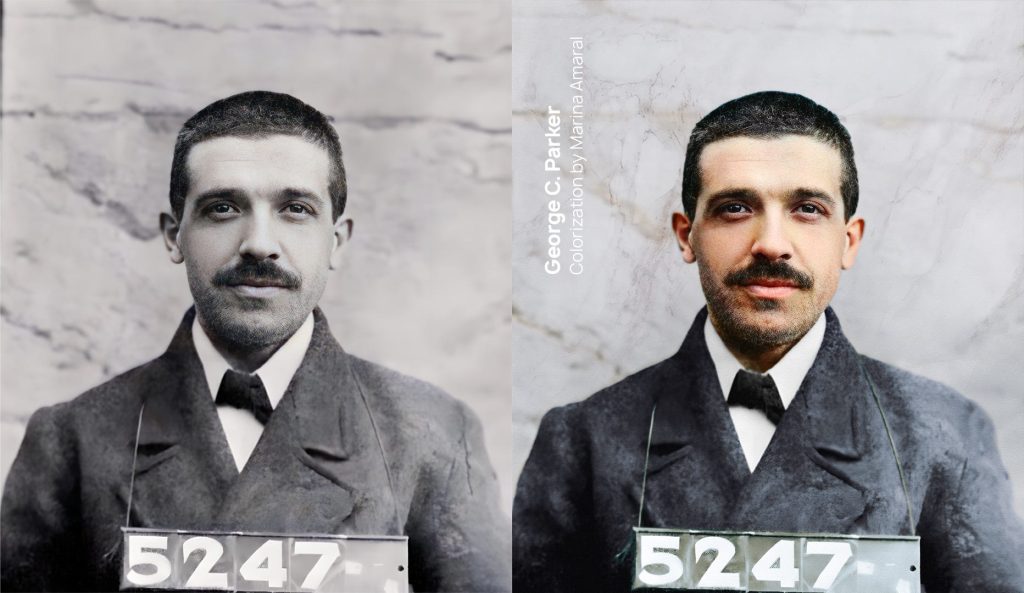
George C. Parker: The Man Who Sold New York's Brooklyn Bridge
The phrase “If you believe that, I have a bridge to sell you” is believed to trace back to one of America's most notorious con artists, George C. Parker. Active during the late 19th and early 20th centuries, Parker developed a reputation for selling the Brooklyn Bridge in New York City—a monument that he didn’t own and had no authority to sell. According to Carl Sifakis’ Hoaxes and Scams, Parker had a remarkable ability to deceive unsuspecting immigrants, often luring them with promises of employment at an unbuilt toll booth. Once he had their trust, he would then convince them that they could purchase the bridge outright.
On occasion, Parker's scams led to chaotic and humorous situations. Victims, believing they had successfully acquired the bridge, would often attempt to build toll booths, only to have construction work halted by confused police who were unaware of the fraudulent transactions taking place.
Although his most famous scheme involved the Brooklyn Bridge, Parker's con artistry didn't stop there. He also sold fake deeds to other iconic landmarks such as the Statue of Liberty, Madison Square Garden, and the Metropolitan Museum of Art. However, he was most proud of his success in convincing people they could own the famed Brooklyn Bridge.
Parker’s fraudulent activities eventually caught up with him. It was a forged check that led to his arrest, marking the beginning of the end for his grifting career. In 1928, after years of deception, Parker was sentenced to life in prison. Ironically, he reportedly enjoyed his time behind bars, as younger inmates looked up to him and treated him with considerable respect.
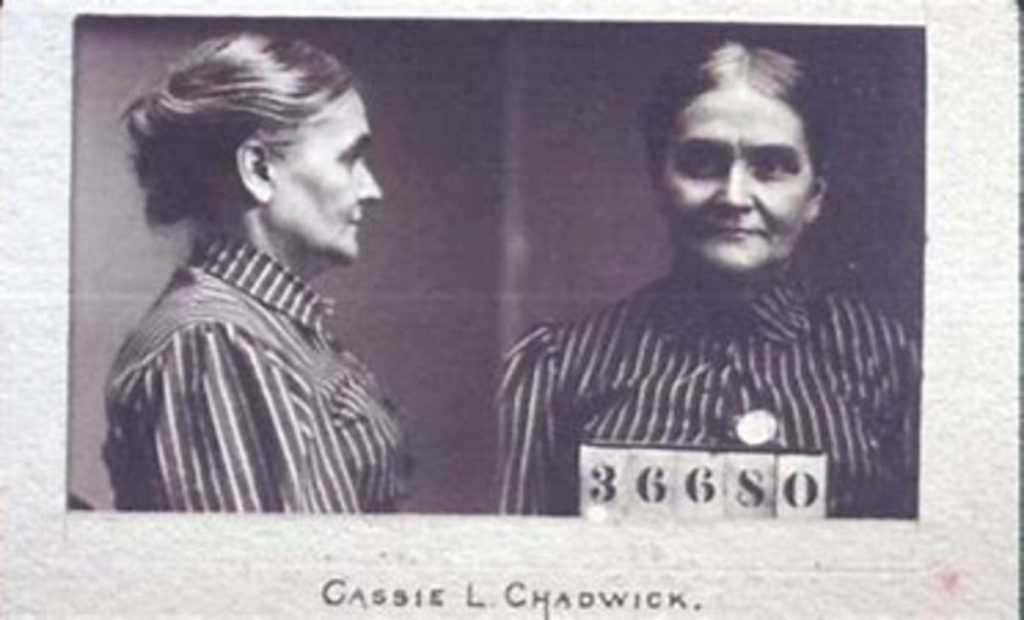
Elizabeth Bigley, aka Cassie Chadwick: The Heiress Who Defrauded the Rich
Elizabeth Bigley, a woman who would come to be known by many names, spent more than two decades swindling banks and wealthy investors across the Northeast and Midwest. She first caught attention in the 1890s when she served time in Ohio for forging checks. Bigley, who also went by aliases like Cassie L. Chadwick, led a life of deception that began with a stint as a clairvoyant before she embarked on an even bolder scheme.
After her release from prison, she resurfaced in Cleveland and married a wealthy widower, quickly spending his money on extravagant purchases like clothing, jewelry, and fine furniture. But living a lavish lifestyle wasn’t enough to satisfy her ambitions. In a daring move, she fabricated a story claiming to be the illegitimate daughter of steel magnate Andrew Carnegie, a rumor that opened doors to an increasing number of loans and cash advances from unsuspecting lenders.
Her fraud was eventually exposed when a bank owner grew suspicious. By late 1904, Chadwick failed to repay a $190,000 promissory note, and her network of lies unraveled. In early 1905, her highly publicized trial even attracted the attention of Carnegie himself, who attended to see the proceedings. Less than a year later, Chadwick died while serving her prison sentence.
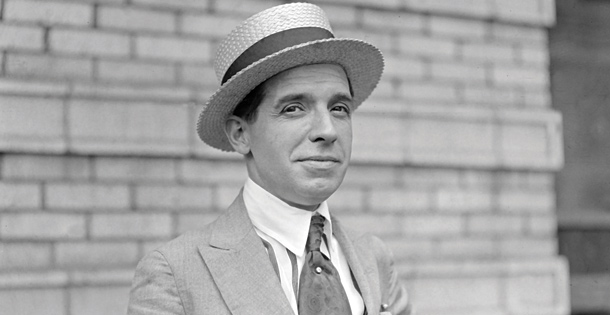
Charles Ponzi: The Man Behind the Scheme That Bears His Name
Charles Ponzi, an Italian immigrant seeking a better life in Boston, became infamous for one of the most notorious financial schemes in history. In 1919, Ponzi founded the Securities Exchange Company, claiming that international reply coupons purchased overseas could be redeemed at a much higher value in the United States. Promising investors returns of 50 percent in just 45 days, Ponzi attracted around 20,000 investors who collectively contributed $10 million.
With his newfound wealth, Ponzi indulged in a lavish lifestyle, purchasing a mansion and hiring a limousine driver. However, his success came at the expense of the investors who had trusted him. Ponzi was using the money from new investors to pay returns to earlier ones, a classic sign of a financial pyramid scheme.
His downfall came when his extravagant displays of wealth caught the attention of journalists and federal investigators. In August 1920, Ponzi was arrested on 86 counts of mail fraud. He spent the next 14 years behind bars, eventually dying in poverty in Brazil. Despite his tragic end, Ponzi's name became permanently linked to fraudulent investment schemes, forever etching the term “Ponzi scheme” into the lexicon of financial deception.
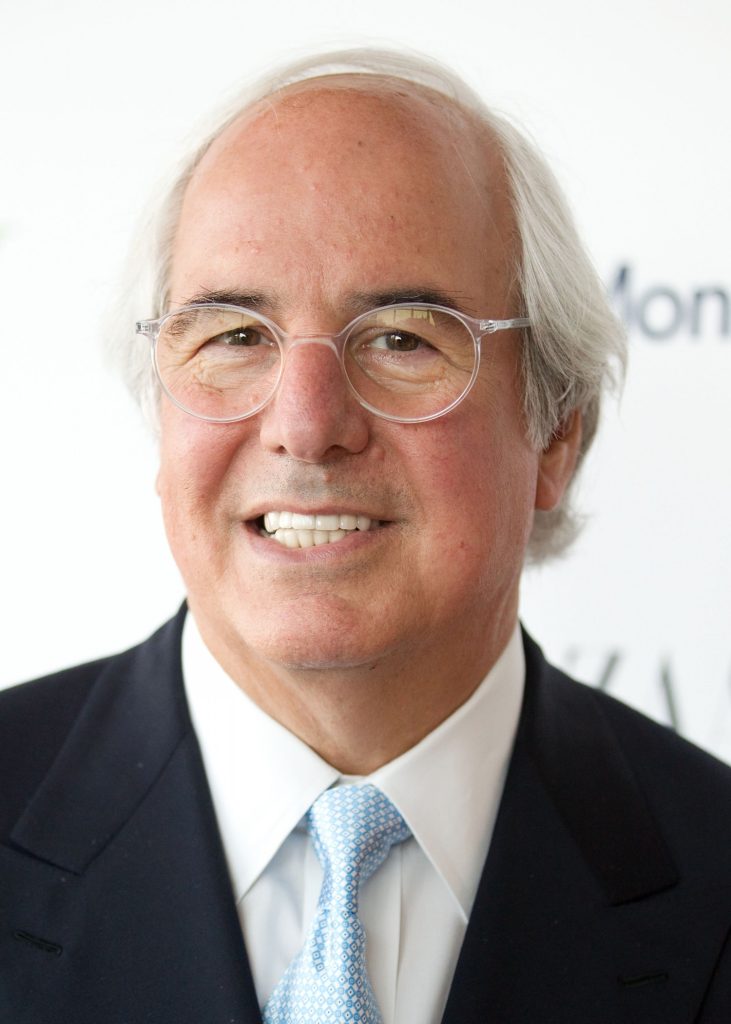
Frank Abagnale Jr.: The Legendary Con Artist Who Became a Security Expert
Few stories of deception are as captivating as that of Frank Abagnale Jr. Beginning in the mid-1960s, Abagnale’s own account tells the tale of how, at just 16 years old, he became known as the "Skywayman," successfully hitching rides around the world while posing as a Pan Am pilot. In the process, he managed to cash in around $2.5 million in fraudulent checks. His schemes didn’t stop there, as he also claimed to have worked as a doctor, an assistant district attorney, and a college professor, all while maintaining his elaborate ruse until his capture in France in 1970.
After serving four years in prison, Abagnale made a remarkable transformation. He shared his unique insights at the FBI National Academy, authored a 1980 memoir titled Catch Me If You Can, which later became a 2002 film starring Leonardo DiCaprio and Tom Hanks. Additionally, he launched a successful career as a security consultant and public speaker.
However, according to Alan C. Logan’s 2020 book, The Greatest Hoax on Earth: Catching Truth, While We Can, Abagnale’s exploits may have been less grandiose than he claimed. Logan suggests that Abagnale’s true activities were on a much smaller scale, involving the theft of money from only a few families and businesses. In fact, Logan argues that Abagnale’s greatest deception might have been convincing the world that he carried out the high-profile heists he is famous for.
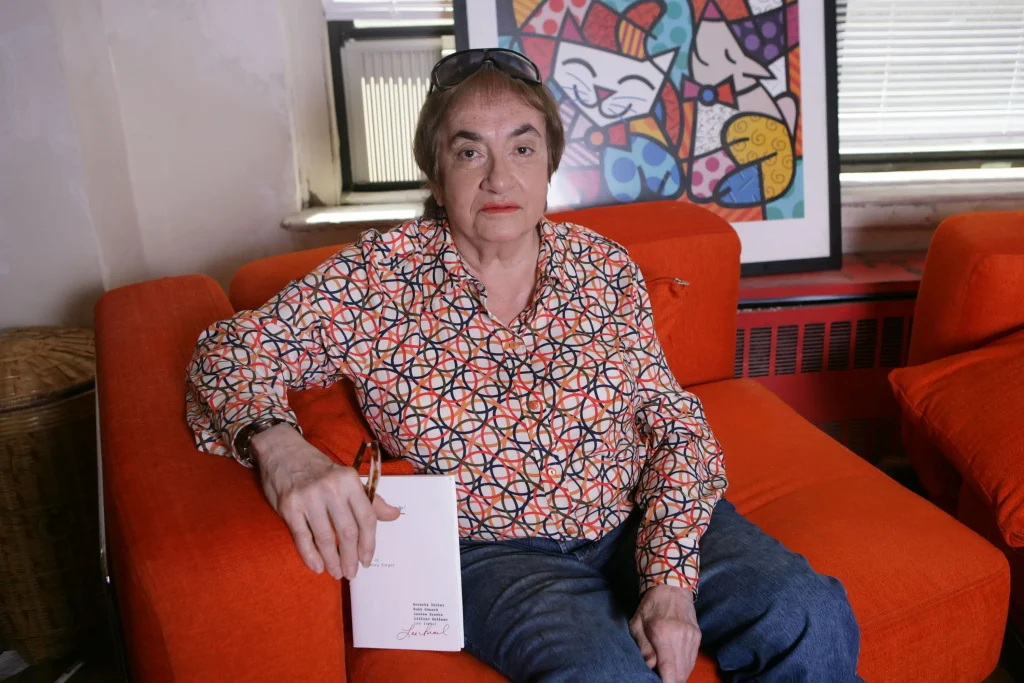
Lee Israel: The Literary Forger Who Became an Icon
Lee Israel initially gained success as a biographer, even making the New York Times bestseller list with her 1980 book on journalist Dorothy Kilgallen. However, Israel’s real talent lay in impersonating the iconic writers she admired. In the early 1990s, she spent about a year and a half forging hundreds of letters, mimicking the distinct styles of legendary figures such as Dorothy Parker, Ernest Hemingway, and Noël Coward. Using vintage typewriters specific to each writer, she carefully crafted the letters and sold them to memorabilia dealers.
When dealers eventually caught on to her forgeries, Israel began stealing authentic letters from private collections and replacing them with her own replicas. The FBI eventually shut down her operation in 1993, though Israel received a relatively mild sentence of six months under house arrest and five years of probation.
The scandal surrounding her forgeries ultimately led to a book deal. Her 2008 memoir, Can You Ever Forgive Me?, was adapted into a critically acclaimed movie starring Melissa McCarthy, which earned an Academy Award nomination.
Anna Delvey: The Heiress Who Fooled New York’s Elite
Russian-born Anna Delvey, whose real name is Anna Sorokin, became a notorious figure in New York City after she arrived in 2013, claiming to be a wealthy German heiress. Delvey had completed fashion internships in Europe, and quickly convinced many of her colleagues in the New York social scene that she was part of a prominent family with an unlimited fortune. Her persona as a sophisticated socialite covered up several glaring inconsistencies, including an inability to pay for lavish dinners and parties.
Despite this, she managed to stay in a luxurious downtown hotel for an extended period and even sought millions of dollars in loans to fund a lavish arts center using fabricated assets. The ruse ultimately unraveled when she failed to pay her hotel bills and a friend she had duped ended up with a staggering $60,000 bill for a lavish vacation they had taken together.
In October 2017, Delvey was arrested in Los Angeles. By April 2019, she was convicted on eight counts of grand larceny and theft of services. After serving two years in prison, she was transferred into the custody of U.S. Immigration and Customs Enforcement (ICE) upon her parole.
Delvey’s story became a media sensation, with Netflix reportedly paying her $320,000 for the rights to adapt her tale into the 2022 limited series Inventing Anna, where Julia Garner portrayed her onscreen. In 2024, Delvey also appeared on Dancing with the Stars, further solidifying her status as a cultural figure.
Simon Leviev: The Tinder Swindler Who Stole Hearts and Money
Simon Leviev, born Shimon Hayut in Israel, became infamous for his deceptive ways after fleeing his home country in 2011 to escape theft and forgery charges. He was imprisoned for two years in Finland for defrauding three women, but Hayut didn’t stop there. After assuming the identity of Simon Leviev, he posed as the son of Lev Leviev, a diamond mogul, to con several women he met on Tinder into giving him their credit card numbers and granting him loans, which he never repaid.
Leviev’s reign of deception came to an end in 2019 when he was apprehended in Greece and later extradited to Israel to stand trial for the 2011 charges. Despite his involvement in the massive scheme that involved an estimated $10 million stolen from unsuspecting women, Leviev served only five months in prison.
Leviev’s notorious actions were immortalized in the 2022 Netflix documentary The Tinder Swindler, which exposed his fraudulent activities to a global audience. Although the documentary led to his expulsion from dating sites and a lawsuit filed by the Leviev diamond family, Hayut has since signed with a Hollywood agent and expressed interest in starring in his own dating show.
Amanda Riley: The Woman Who Faked Cancer for Donations
Amanda Riley gained attention and sympathy online when she began documenting her supposed battle with Hodgkin’s lymphoma and later lung cancer on her blog and social media starting in 2012. As part of her deceptive scheme, Riley shaved her head to simulate the effects of chemotherapy and solicited donations from friends, family, and strangers to fund her medical care. Over the years, she amassed more than $105,000 in online donations, in addition to other forms of cash and goods.
However, it was all a fabrication—Riley never had cancer. She was ultimately caught, and in 2021, she was convicted of wire fraud for her actions. Riley was sentenced to five years in prison. Doctors have since speculated that Riley might suffer from Münchausen syndrome, a psychological disorder in which a person feigns illness or deliberately produces symptoms to gain attention and sympathy.
Riley’s story became widely known when it was featured on the 2023 podcast Scamanda, which was later adapted into a four-part miniseries that aired on ABC and Hulu.
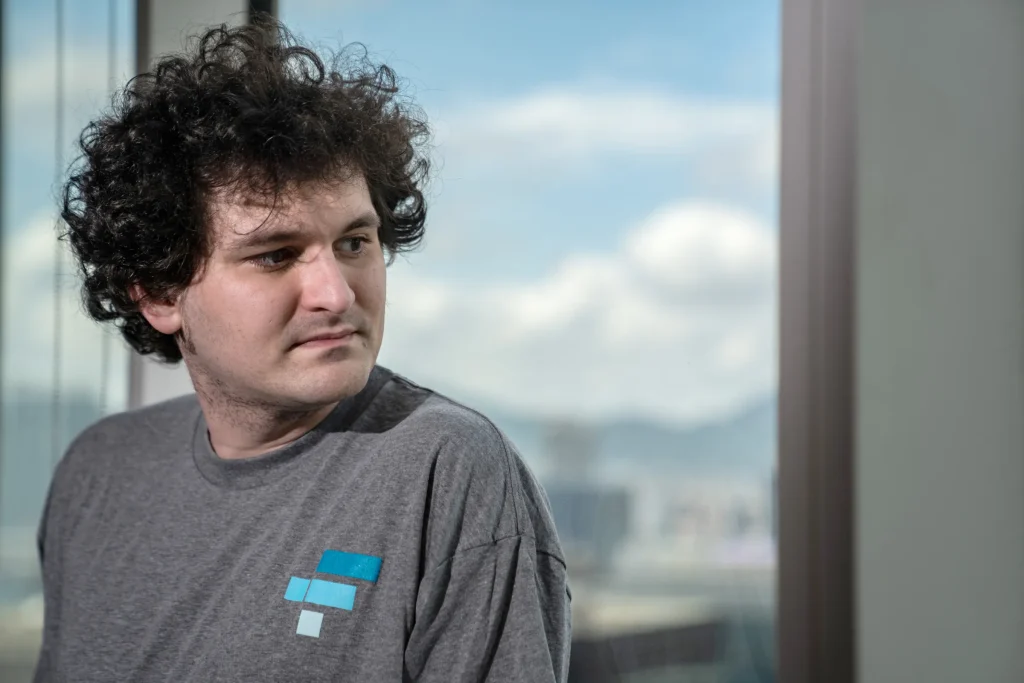
Sam Bankman-Fried: The Crypto King Who Lost It All
In 2019, Sam Bankman-Fried launched FTX Trading, a platform for cryptocurrency investors. Within just three years, the company—which at its peak was valued at $26.5 billion—collapsed, and Bankman-Fried was left to answer for his actions. Prosecutors accused him of using customer deposits to fund his own hedge fund, purchase real estate, and make political contributions to sway crypto regulations in his favor.
In November 2023, Bankman-Fried was convicted on several charges, including wire fraud conspiracy and wire fraud. He was sentenced to serve 25 years in prison and ordered to forfeit more than $11 billion. While his legal troubles continue, reports surfaced that his parents have been consulting with lawyers linked to former President Donald Trump in an effort to explore the possibility of a presidential pardon.
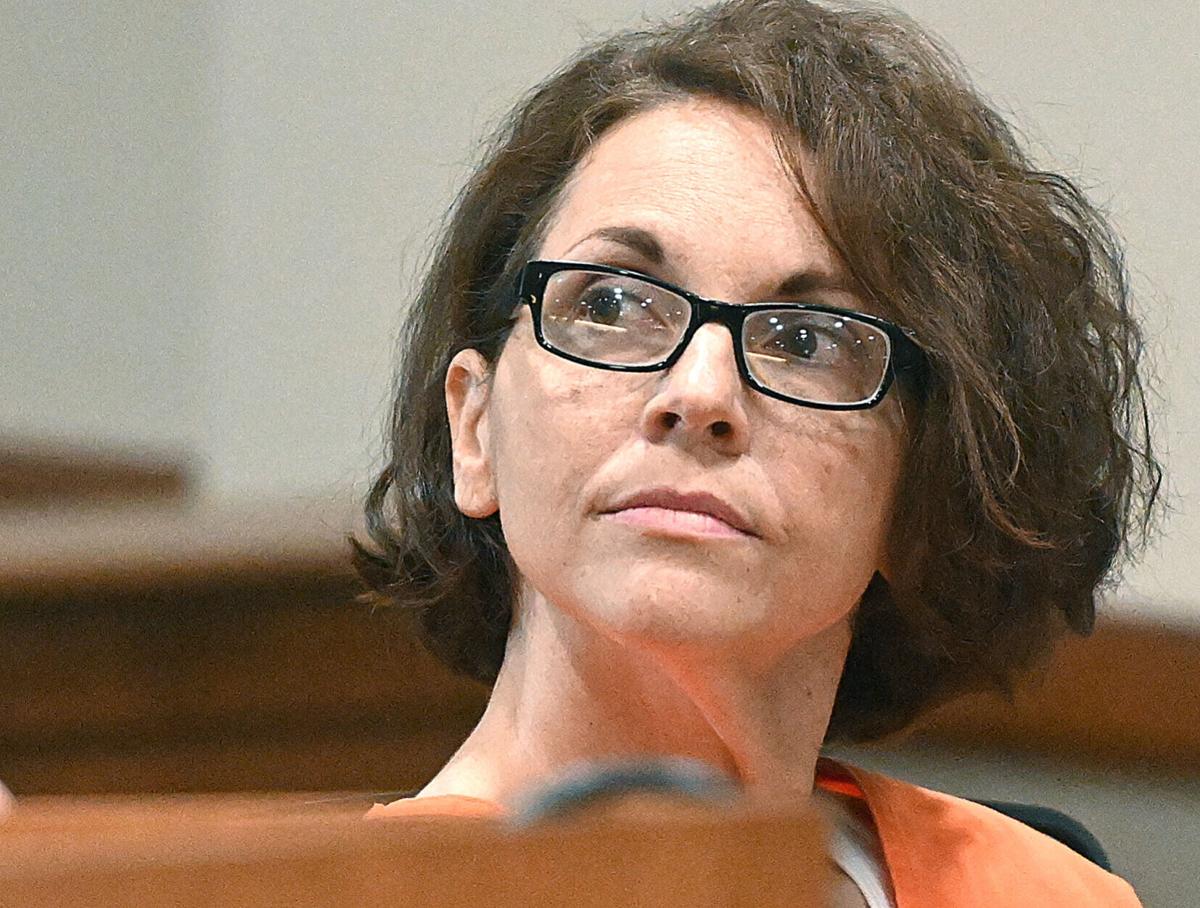
The Shocking Murder Conviction of Natalie Cochran: A Ponzi Scheme and Poisoning Case.
In February 2019, Michael Cochran's sudden death shocked his loved ones, but the truth about his passing would take years to uncover. Investigators linked his death to his wife, Natalie Cochran, who, along with Michael, ran a Ponzi scheme that defrauded investors out of millions. Natalie, 38, was later convicted of first-degree murder on January 29, 2025, after prosecutors argued she poisoned her husband with insulin to conceal her fraudulent activities.
Michael's death was initially ruled as natural, but as detectives investigated the financial fraud surrounding their company, Tactical Solutions Group (TSG), they discovered crucial evidence. "We had more than enough evidence and documentation to proceed with indictment," stated Detective Tim Bledsoe, who led the investigation. The discovery of a vial of insulin in the Cochran home, along with the realization that Michael was unaware of the Ponzi scheme, prompted authorities to exhume his body and further investigate.
Natalie, who had been convicted of federal wire fraud and money laundering in 2020, faced charges of first-degree murder in connection with her husband's death. She was sentenced to life without parole. According to prosecutors, Natalie, who convinced investors to fund TSG by falsely promising lucrative government contracts, used Michael's death to cover up the truth about the company's fraud. "We loved her and we believed her. Everything she told us, we believed everything she said to us," said Michael’s mother, Donna Bolt, revealing the painful betrayal from someone they trusted.
The case unfolded with many twists, starting from the suspicious activity surrounding missing funds in a middle school baseball league, where Natalie served as treasurer. "There were purchases to TJ Maxx, purchases to Olive Garden... $32,000 in one night," said private investigator James Quesenberry, highlighting the suspicious financial activities that eventually led to the exposure of the Ponzi scheme.
The investigation showed that the Cochran’s business was a scam from the beginning. "There were no government contracts; in fact, there were never any contracts at all," said one of the investigators. The couple’s lavish lifestyle, which included real estate investments and expensive vacations, was funded entirely by new investors who were unaware that they were part of a fraudulent scheme.
The complex case eventually led to Natalie’s arrest in June 2019, when law enforcement discovered enough evidence to charge her with 26 fraud-related offenses. Despite her claims of innocence, Natalie pled guilty to wire fraud in 2020 and received an 11-year prison sentence. Yet, it was her subsequent murder charge that shocked the public.
Natalie Cochran
Natalie Cochran’s Ponzi scheme is a tragic example of deception and greed. What began as a seemingly legitimate business venture, Tactical Solutions Group (TSG), quickly devolved into an elaborate fraud that defrauded friends, family, and investors out of millions of dollars. By fabricating government contracts and living an extravagant lifestyle funded by stolen money, she manipulated trust for her gain.
Her actions were not only financially devastating but also emotionally damaging to those who believed in her, including her husband, Michael, who was tragically murdered in what prosecutors believe was a cover-up for her scheme. Cochran's attempts to maintain a facade of success, even after her husband’s death, highlight a chilling disregard for human life and moral integrity. The scheme's eventual collapse left victims with shattered lives and lost investments, serving as a stark reminder of the devastating consequences of financial fraud and betrayal. Cochran’s eventual conviction for first-degree murder further underscores her malicious intent.
Now, the story is set to be featured in the new episode of 20/20, titled "Small Town, Big Con," airing on Friday, February 14 at 9 p.m. ET. The episode will delve deeper into the complex case and the shocking turn of events that led to the conviction of Natalie Cochran.
Elizabeth Holmes Shares Her Daily Life in Prison, from Assisting Inmates Launch Careers to Facing 'Pure Pain'.
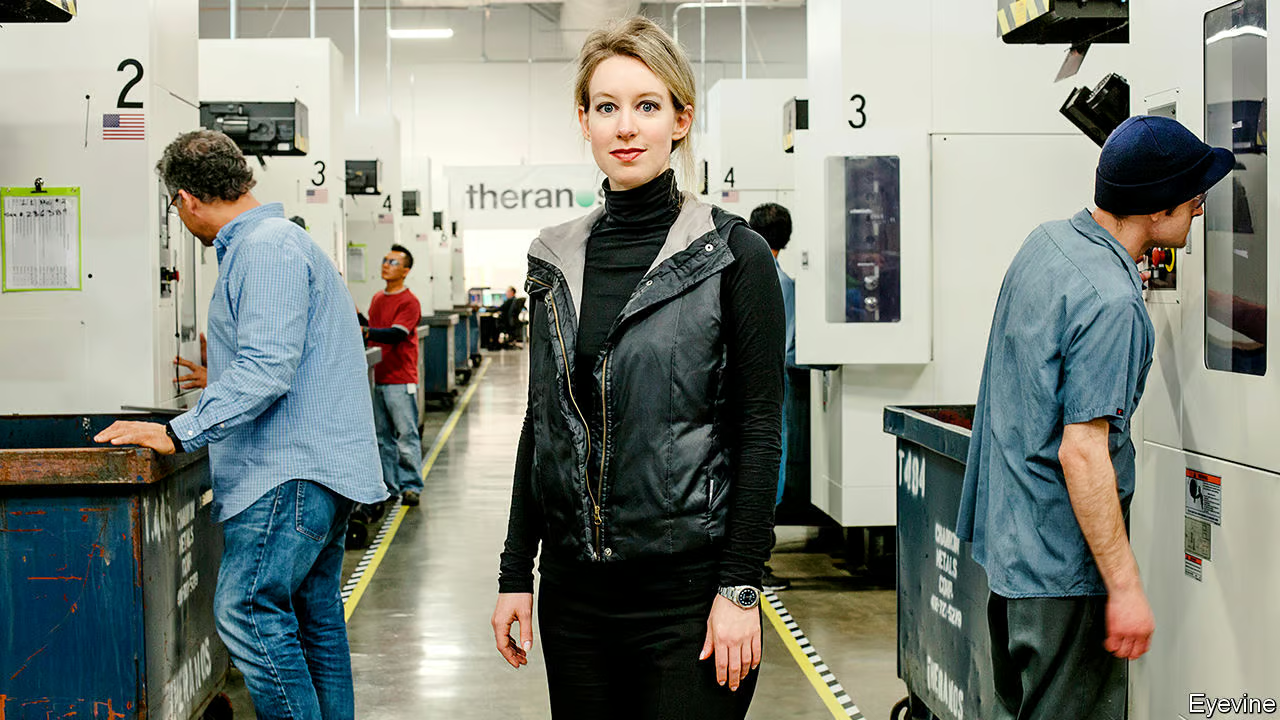
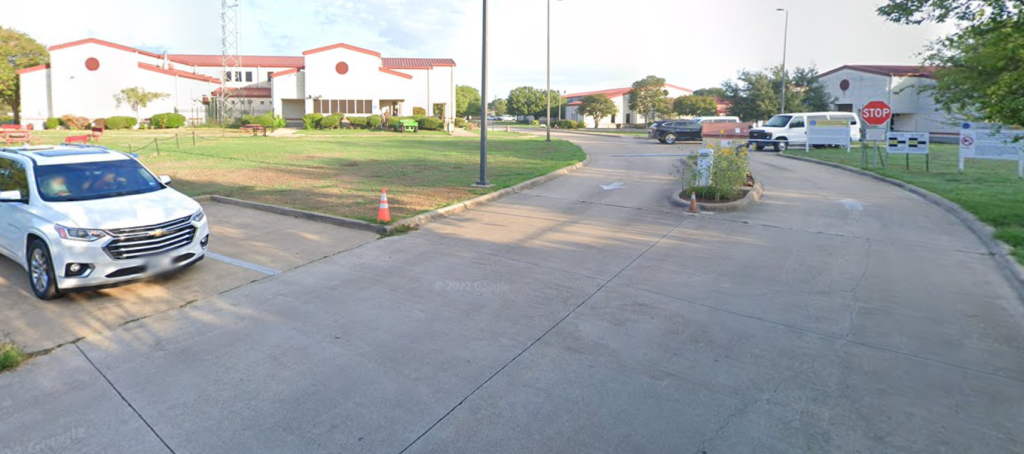
Elizabeth Holmes, the former CEO of Theranos, the billion-dollar health-tech startup that collapsed in a fraud scandal, has spent the last two years at a federal prison camp in Bryan, Texas. Holmes, 41, is serving an 11.25-year sentence, reduced to nine years for good behavior, after her involvement in a fraudulent scheme that cost investors hundreds of millions. Despite the circumstances, Holmes has established a daily routine that she says keeps her body and mind healthy.
"I wake up just after 5 a.m. every day. At 6 a.m., the compound opens and 6:30 a.m. is breakfast. I usually eat pieces of fruit," Holmes explains. "Then I work out every day for 40 minutes, lifting weights, rowing. I lift 20-lb. weights, I run track and do body weight exercises to keep my body and mind sound."
Holmes is separated from her young children—3-year-old son William and 2-year-old daughter Invicta—who are being raised by her partner Billy Evans, 33, nearby. Despite the separation, she cherishes the time spent with them during their weekend visits. "It's been pure pain since I've been here," Holmes admits. "It's been torture." During visitation, Holmes is able to spend time with her children in a bare room with blue plastic chairs, occasionally watching them explore the prison yard for insects.
She goes on to say, "It is impossible to say goodbye to my family when they leave. Every time it is like surrendering all over again. I don't use the word 'goodbye' because I am always with them." Her weekends are filled with these emotional visits, and weekdays are marked by work and personal projects.
By 8 a.m., Holmes is at the prison’s education building, working as a reentry clerk earning 31 cents an hour. She helps other inmates prepare résumés, apply for government benefits, and transition back into society after their release. Holmes also works on her recently launched initiative for criminal justice reform, having drafted a bill called the American Freedom Act, aimed at enhancing the presumption of innocence in criminal procedures.
However, legal experts like Neama Rahmani, a former federal prosecutor, express skepticism about Holmes' proposed reforms, especially given her conviction for one of the largest frauds in U.S. history. Rahmani suggests that Holmes should focus on taking responsibility for her actions, rather than attempting to reform the system. Holmes, while maintaining her innocence, acknowledges the gravity of the situation, stating, "I replayed mistakes I made a million times in my mind, burning them into my body." When pressed about the "mistakes," Holmes says, "Theranos failed. I take responsibility for that failure. Failure is not fraud."
FPC Bryan A minimum security federal prison camp.
In her role as a prison law clerk, Holmes assists inmates with their legal matters, including helping women secure compassionate release and providing counsel to rape survivors. "So many of these women don’t have anyone," she reflects. "And once they’re in there, they’re forgotten."
Holmes also attends weekly cognitive and behavioral therapy for PTSD, overseen by a psychiatrist, and continues to support fellow inmates in various ways. Despite the difficulties, she remains focused on her future, with her release scheduled for April 3, 2032. Holmes hopes to continue advocating for justice reform while spending as much time as possible with her family.
Although her dormitory has no decorations, Holmes keeps photos of her children and fiancé in a badge she wears around her neck. "I tape their pictures in all my books, and I lay them out in front of me as I work," she says. "They are what I live and fight for."
Caribou Biosciences Faces Class Action Securities Lawsuit Over Alleged Fraud.
Levi & Korsinsky, LLP is notifying investors of Caribou Biosciences, Inc. (NASDAQ: CRBU) about a class action securities lawsuit. The legal action seeks to recover losses sustained by investors who were allegedly impacted by securities fraud between July 14, 2023, and July 16, 2024.
The lawsuit claims that Caribou Biosciences and its leadership made misleading statements and/or failed to disclose critical information that negatively affected investors. Specifically, the lawsuit addresses several key allegations:
Exaggerated Claims about CB-010: The complaint alleges that the defendants overstated the safety, effectiveness, and durability of Caribou’s CB-010 treatment compared to approved autologous CAR-T cell therapies for patients with relapsed/refractory B-NHL and/or LBCL. The statements regarding CB-010's clinical outcomes and its market potential were also allegedly misleading.
Financial Struggles: Investors are also claiming that Caribou failed to disclose its significant financial risks, including a potential lack of sufficient cash, liquidity, and capital to sustain its ongoing business activities, including preclinical research for its allogeneic CAR-NK platform.
Impact on Operations: The complaint further suggests that these financial challenges and the misrepresentation of CB-010’s potential would severely affect Caribou’s business and operations, which was not adequately communicated to investors.
Misleading Public Statements: As a result of these factors, the lawsuit claims that the public statements made by Caribou Biosciences were materially false and misleading throughout the relevant period, which contributed to financial losses for its investors.
If you are an investor in Caribou Biosciences, you may be eligible to join this class action. For more information, or if you would like to discuss the case, please contact Joseph E. Levi, Esq. via email at jlevi@levikorsinsky.com or by phone at (212) 363-7500 or follow this link to get more information.
Caribou Biosciences, Inc. is a leading biotechnology company focused on developing transformative CRISPR-based cell therapies. The company uses its proprietary CRISPR/Cas9 platform to create cutting-edge allogeneic cell therapies designed to treat various diseases, including cancer and autoimmune disorders. Caribou's technologies leverage its innovative genome-editing capabilities to enhance the precision, durability, and safety of treatments. The company aims to provide life-changing therapies to patients with unmet medical needs and is advancing its clinical programs with a focus on oncology.
Levi & Korsinsky LLP is a recognized leader in securities litigation, with a track record of recovering hundreds of millions of dollars for shareholders over the past two decades. With a dedicated team of over 70 professionals, the firm specializes in complex securities cases and has been featured in ISS Securities Class Action Services' Top 50 Report for seven consecutive years.
Belle Gibson & Apple Cider Vinegar: The True Story Behind the Deception.
Apple Cider Vinegar is a gripping drama that delves into the life of Belle Gibson, an Australian wellness influencer whose rise to fame was built on a web of deception. The series, starring Kaitlyn Dever, 28, as Belle Gibson, 33, is inspired by the true story of a woman who falsely claimed to have cured her terminal brain cancer through alternative health practices. As viewers follow the story, they are taken on an emotional rollercoaster that explores the complexities of wellness culture and the trust people place in social media influencers.
Dever shared her excitement about playing the role of Belle, emphasizing the show’s focus on the confusion surrounding the wellness industry. “The show really does an amazing job at shedding light on the confusion that surrounds the medical world and the wellness industry — and also human behavior and why we lie,” Dever said. “It does have very high stakes and feels very life and death.” Through Dever's portrayal, audiences witness the dangerous consequences of misplaced trust in online wellness communities.
Apple Cider Vinegar is out on Netflix
The six-episode limited series was crafted by renowned Australian author Samantha Strauss, who is known for her previous works such as Nine Perfect Strangers and Dance Academy. Strauss draws from her own experiences, living in Melbourne during Gibson's rise to fame. She also reflects on the cultural shift of the early 2010s, when wellness culture exploded, and social media, particularly Instagram, began to play an influential role in shaping public perception. Strauss notes the powerful connection between social media and food, saying, “It’s really interesting to look at how media uses food as a weapon against us and how much we crave the nourishment, but how much of a privilege and how expensive it is to try to be well.”
While Apple Cider Vinegar is based on real-life events, it takes creative liberties to craft a compelling narrative. It’s inspired by the 2017 book The Woman Who Fooled the World, written by journalists Beau Donelly and Nick Toscano. Strauss explains how she was drawn to the story after reading the coverage in The Age newspaper. “They wrote about the people who had been misled by Belle and how that had impacted them,” said Strauss. “They created this beautiful tapestry that looked at how Western medicine lets us down emotionally and why people are drawn toward wellness. If the book had only been about a cancer scam, I don’t think I would have been that interested in adapting it for television."
Kaitlyn Dever, who portrays Belle Gibson, says that she wasn't familiar with Belle’s story prior to taking the role. "And that's one of the big reasons I wanted this role. And that's why I was really excited to take this on. Because I think it’s a deeply layered and complex case study that needs to be shared.” Dever's portrayal of Belle is multifaceted, capturing both the charm and deceit that fueled her rise and eventual downfall in the wellness world. “Kaitlyn was so brave,” says Strauss. “The character is so monstrous at times, so vulnerable, unlikable, and snotty. And Kaitlyn went there, again and again and again.”
Apple Cider Vinegar stars Kaitlyn Dever as Belle Gibson (@kaitlyndever Instagram)
Through the story of Belle Gibson, Apple Cider Vinegar highlights how easy it is for misinformation to spread in the digital age, especially when it comes to health and wellness. While the series is rooted in deception, it also serves as a cautionary tale about the dangers of blindly trusting online influencers and the importance of seeking real medical advice.
Who is Belle Gibson?
Belle Gibson claimed that in 2009, doctors diagnosed her with a malignant brain tumor and gave her just six weeks to live. She stated that chemotherapy made her ill, prompting her to turn to alternative therapies.
In 2013, Gibson launched The Whole Pantry app, and later published a book under the same title with Penguin. She built her wellness empire by claiming she had cured her cancer through a gluten- and sugar-free diet, along with a holistic lifestyle. The app quickly gained traction, being downloaded 200,000 times within its first month. Additionally, Gibson made several other shocking claims, including multiple heart surgeries, near-death experiences, and a stroke. She later asserted that her cancer had spread to her blood, spleen, uterus, and liver.
Investigative journalist Richard Guillatt, whose wife had been diagnosed with cancer, began reaching out to experts about Gibson's illness claims. He soon realized something was off. “I realized, if it’s a scam, it’s a really big scam,” he said, noting that Gibson had amassed hundreds of thousands of followers globally.
When Guillatt interviewed Gibson, she revealed that her doctor had diagnosed her with brain cancer but then disappeared. In a recorded conversation, Guillatt asked: “Christ almighty, Belle, you’re kidding, you actually don’t have cancer? This was just the last thing I expected…” Gibson then admitted, “She’s basically saying she can’t back up her cancer claims.”
Gibson was born in Launceston, Tasmania, and later moved around Australia, living in Manly, Queensland, Perth, and finally Melbourne in 2009. She became a mother at 18.
In 2013, after launching The Whole Pantry, Gibson became the subject of an investigation by Consumer Affairs Victoria in 2016 for "misleading and deceptive conduct." She faced accusations of falsely claiming that proceeds from her app and book were donated to charity. Gibson was fined $410,000 AUD (£214,000) in September 2017.
In 2020 and 2021, the Sheriff’s Office of Victoria raided Gibson's home to recover unpaid fines, which, due to accumulating interest, had risen to over half a million dollars.
Following the raids, a video surfaced in which Gibson claimed to be living with an Ethiopian community in Melbourne. However, Tarekegn Chimdia, president of the Australian Oromo Community Association, disputed this claim, stating, “It was concerning when someone is using the community’s name who is not a member of that community." He clarified that Gibson had no involvement with their community or fundraising efforts. Gibson has since disappeared from public view, remaining off all social media platforms and is believed to still be residing in the Melbourne area.
Asil Nadir, tycoon who fled charges of fraud and theft after his massive company Polly Peck collapsed.
Asil Nadir, the Turkish Cypriot entrepreneur who spent 17 years evading justice after the collapse of his business empire Polly Peck, has passed away at the age of 83.
Born on May 1, 1941, in Lefka, Northern Cyprus, Nadir’s journey from humble beginnings in the London rag trade to becoming one of the UK's most high-profile businessmen in the 1980s is nothing short of remarkable. By 1980, he took control of Polly Peck, a small fashion house listed on the stock market, and transformed it into a booming conglomerate.
Polly Peck’s expansion under Nadir’s leadership spanned multiple industries including fruit packaging, electronics, hotel developments, and even mineral water bottling. By 1989, Nadir had acquired Del Monte's canned fruit business for $875 million, solidifying Polly Peck’s place in the prestigious FTSE 100 index. At the height of his success, Nadir was ranked as Britain’s 36th richest person.
However, Nadir’s rise to the top came with controversy. In 1990, rumors of share price manipulation and questionable financial practices began to surface. The Serious Fraud Office (SFO) launched an investigation, and by 1990, Polly Peck, once a thriving conglomerate, faced a sudden collapse, revealing £1.3 billion of debts. Nadir was accused of transferring large sums of company cash to Northern Cyprus, where he had amassed significant property holdings.
Facing 66 charges of theft and false accounting, with an estimated £146 million stolen from Polly Peck, Nadir fled the UK in May 1993. Leaving behind a failed business empire, he took refuge in Northern Cyprus, where no extradition agreement existed with Britain.
For 17 years, Nadir remained a fugitive. In 2010, he returned to the UK and was arrested at Luton airport. Proclaiming his innocence, he was placed on bail and fitted with an electronic ankle tag. After a trial in 2012, Nadir was convicted on 10 charges of theft and sentenced to 10 years in prison. However, in 2016, following the repayment of £2 million owed to the Legal Aid Agency, he successfully petitioned to serve his sentence in Turkey, where he was released after just one night in jail.
Asil Nadir's early years in Cyprus shaped his character. His father, Irfan, moved the family to London in 1959, where they became part of the Turkish Cypriot community in the East End. Nadir worked alongside his father in the rag trade, eventually branching out on his own with a business called Wearwell. By the early 1970s, he had become a rising star in the industry, and by 1980, he was ready to take control of Polly Peck.
Nadir’s growth of Polly Peck captured the imagination of the stock market, with Polly Peck becoming a symbol of Thatcher-era economic expansion. Yet, the company’s unsustainable growth and subsequent financial struggles led to its spectacular downfall.
Throughout the years of his exile, Nadir rebuilt his wealth in Cyprus, focusing on hotels, real estate, and media ventures. He maintained a lavish lifestyle and continued to use his wealth to influence politics and business in Cyprus, even securing contracts such as running the Lefkonico military airport, despite doubts about his businesses' capacity to manage such an operation.
Nadir's personal life was also marked by drama. He was married twice—first to Aysegul Tecimer, the mother of his two sons, and then to his second wife, Nur, who was 43 years his junior. Despite the turmoil in his personal life and business affairs, Nadir’s life remained a testament to his ambition and determination.
He is survived by his wife, Nur, and four children, as well as two more children from other relationships.
Asil Nadir died on February 9, 2025, leaving behind a complex legacy marked by his extraordinary rise and dramatic fall in the world of business.
The Rise and Fall of Polly Peck: A Tale of Ambition, Fraud, and Collapse
Polly Peck International, once one of the most admired British conglomerates of the 1980s, represents both a symbol of corporate success and a cautionary tale of unchecked ambition and corporate fraud. Headed by the ambitious Turkish Cypriot entrepreneur Asil Nadir, the company’s meteoric rise was followed by a catastrophic collapse that shocked the business world.
The Rise of Polly Peck
Polly Peck’s story begins in the 1980s, a period of economic optimism and significant corporate growth in the UK. Asil Nadir, who was born in Cyprus in 1941, moved to the UK with his family as a child. He began his business career in the London rag trade, before venturing into the fashion industry with his acquisition of Polly Peck in 1980. At the time, Polly Peck was a small, stock market-listed fashion house, but Nadir had bigger plans.
By 1983, Polly Peck began expanding rapidly, acquiring a diverse range of companies and diversifying into new industries. Nadir’s approach was aggressive; he used Polly Peck’s growing market value to acquire businesses in sectors such as fruit packaging, electrical goods, mineral water bottling, and even hotel development. Under Nadir’s leadership, Polly Peck grew to encompass more than 200 companies and became one of the most notable conglomerates in Britain. The company’s portfolio included the Russell Hobbs brand of household appliances, and Nadir’s ambitions grew even further when he acquired the Del Monte fruit business in 1989 for $875 million.
By the early 1990s, Polly Peck had secured its place in the FTSE 100, making it one of the UK’s most prominent companies. Nadir’s personal wealth also soared, with the businessman ranking as one of the richest individuals in the country. The company had a glamorous image, with Nadir cultivating a reputation as a charismatic, larger-than-life figure in business circles. He hosted lavish parties, was a regular donor to the Conservative Party, and made numerous connections with high-profile figures.
The Fall of Polly Peck
However, Polly Peck’s rapid rise was ultimately unsustainable. In 1989, as the company’s expansion continued, rumors began circulating about possible share price manipulation, dubious accounting practices, and black holes in Polly Peck’s financial records. These concerns reached a boiling point in 1990 when Polly Peck’s shares were suspended from trading, and the company faced an investigation by the Serious Fraud Office (SFO).
It was soon revealed that Polly Peck had accumulated a staggering £1.3 billion in debts. Investigators found that large sums of money had been transferred to Northern Cyprus, where Nadir had a personal property portfolio. The allegations were grave: Nadir was accused of misappropriating company funds, falsifying accounts, and embezzling vast amounts of money from Polly Peck.
In 1993, Nadir fled the UK, taking a private plane to Northern Cyprus, which had no extradition arrangements with Britain. For the next 17 years, he lived as a fugitive, enjoying a lavish lifestyle in exile while the authorities pursued him. During this time, Polly Peck’s creditors were left to pick up the pieces, with the company’s assets liquidated and its employees left in the lurch.
The Return and Conviction of Asil Nadir
In 2010, Nadir made a surprising return to the UK, where he was immediately arrested. He was charged with 66 counts of theft and false accounting, with the total amount embezzled from Polly Peck estimated at £146 million. Despite proclaiming his innocence, Nadir was convicted in 2012 after an eight-month trial. He was sentenced to ten years in prison, though he served only a brief period before being released to serve his sentence in Turkey.
The fall of Polly Peck and Nadir’s subsequent conviction remains one of the most infamous corporate scandals in British history. Nadir, once a symbol of entrepreneurial success, was ultimately undone by his own financial misdeeds. Polly Peck, which had once been a shining example of corporate ambition, became a cautionary tale about the dangers of excessive risk-taking, fraudulent accounting, and the failure to rein in a tycoon’s unchecked power.
Legacy of the Polly Peck Scandal
The Polly Peck scandal served as a wake-up call to both the business world and regulatory bodies, underscoring the importance of corporate governance and transparency. For Asil Nadir, it marked the tragic end of a remarkable rise and fall, leaving behind a legacy of both ambition and deceit. Despite his eventual return to the UK and brief legal battles, the case remains a somber reminder of the perils of corporate excess and financial mismanagement.
The Notorious Crimes of Sante Kimes and Her Son Kenny: A Mother-Son Duo's Reign of Deception and Violence.
The case of Sante Kimes and her son Kenny Kimes remains one of the most chilling and infamous criminal sagas in modern American history. Operating as a mother-son criminal duo, they orchestrated a series of heinous crimes that spanned murder, kidnapping, fraud, and real estate scams. Known for their manipulative tactics and cold-blooded actions, Sante and Kenny left a trail of destruction, their crimes casting a long shadow over their victims' lives.
Sante Kimes: A Master Manipulator and Con Artist
Born in 1940, Sante Kimes was a career criminal whose primary modus operandi was deception. A master of manipulation, she used her charm and wits to exploit others for financial gain. Her criminal activities ranged from fraudulent real estate schemes to insurance scams, and she was infamous for luring wealthy individuals into her web of lies.
Sante was domineering, particularly over her son Kenny, and their relationship was one of manipulation and control. She not only led him into a life of crime, but she also turned him into a willing accomplice in her nefarious schemes. Together, they made a formidable team—one that would leave a trail of victims in its wake.
Kenny Kimes: The Follower and Perpetrator
Kenny Kimes, born in 1973, was heavily influenced by his mother’s toxic control. Described as impressionable and vulnerable, Kenny became an active participant in many of the Kimes duo’s criminal undertakings. While Sante was often the mastermind, Kenny was a key player, carrying out her plans and aiding in their illegal ventures.
Their most notorious crimes included the murder of millionaire businessman Sylvester "Ted" Amaya and the kidnapping and subsequent murder of 82-year-old socialite Irene Silverman. In both cases, Sante and Kenny sought to gain access to their victims’ wealth and properties. The murders were cold and calculated, with the duo attempting to cover their tracks and avoid detection.
Sante & Kenneth Kimes Interview (1999)
The Murders of Irene Silverman, Syed Bilal Ahmed, David Kazdin and Elmer Holmgren
The Kimes duo was linked to several other killings that further highlighted their dangerous and manipulative nature.
Irene Silverman: In 1998, Irene Silverman, an 82-year-old socialite and wealthy widow, was kidnapped and murdered by the Kimes duo. Sante and Kenny plotted to gain control of her fortune, which was tied to her Upper East Side Manhattan townhouse. They lured Silverman into their scheme by posing as legitimate agents of change, ultimately kidnapping her and suffocating her. Her body was never found, but the Kimes were convicted of her murder after a lengthy investigation. They also sought to sell her property, highlighting the extent to which they were willing to go for financial gain.
Syed Bilal Ahmed: On September 4, 1996, Syed Bilal Ahmed, a 46-year-old banker who managed Sante Kimes' offshore accounts in the Bahamas, was murdered. Kenneth Kimes Jr. confessed to the crime, claiming that he and his mother Sante acted together to drug Ahmed, drown him in a bathtub, and dump his body offshore. Though the Bahamian authorities had their suspicions, no formal charges were filed. Sante Kimes denied any involvement, claiming that Kenneth's confession was made to avoid the death penalty.
David Kazdin: In another gruesome act, David Kazdin, a 63-year-old man who had allowed Sante to use his name on a property deed in Las Vegas, was murdered by Kenneth Jr. in 1998. Sante had convinced a notary to forge Kazdin's signature on a loan application, which led to a $280,000 loan using Kazdin's property as collateral. When Kazdin discovered the forgery and threatened to expose Sante, she ordered her son to kill him. On March 9, 1998, Kenneth shot Kazdin in the back of the head in his Los Angeles home. The murder weapon was never recovered, having been disassembled and disposed of in a storm sewer. Kazdin's body was later found in a dumpster near Los Angeles International Airport.
Elmer Holmgren: Another chilling case linked to the Kimes duo was that of Elmer Holmgren, a lawyer who had moved to Las Vegas and was working for Sante and Kenneth Kimes. Elmer had been struggling financially following the death of his employer in Florida. In February 1991, Elmer called his son Ken Holmgren and told him that if he didn’t hear from him again in a few days, he should contact an agent with the ATF (Bureau of Alcohol, Tobacco, Firearms and Explosives).Ken recalled: "Panic set in. I didn’t know who he was working for." At the time, Ken knew his father had relocated to Las Vegas, working for the Kimes, but he had no idea about Sante’s criminal history, including her involvement in thefts and indentured servitude crimes. He also didn’t know that Sante had recently served time in federal prison for abusing undocumented women she had recruited to work as housekeepers. Ken’s unease grew as he realised his father’s involvement with such dangerous people, unaware that this was just the beginning of a more troubling and dangerous situation.
The Fall of the Kimes Duo: Life Sentences, Arrests, and Convictions
Eventually, the Kimes’ criminal reign came to an end. After a lengthy investigation, both Sante and Kenny Kimes were arrested and convicted for their crimes. Sante was sentenced to life in prison, where she would spend her final years before passing away in 2014. Kenny, too, received a life sentence for his role in the murders and frauds, and he remains incarcerated to this day.
The case captured public attention not only because of the nature of the crimes but also because of the disturbing relationship between mother and son. The Kimes’ ability to manipulate and control each other to commit such violent and fraudulent acts remains a chilling testament to their depravity.
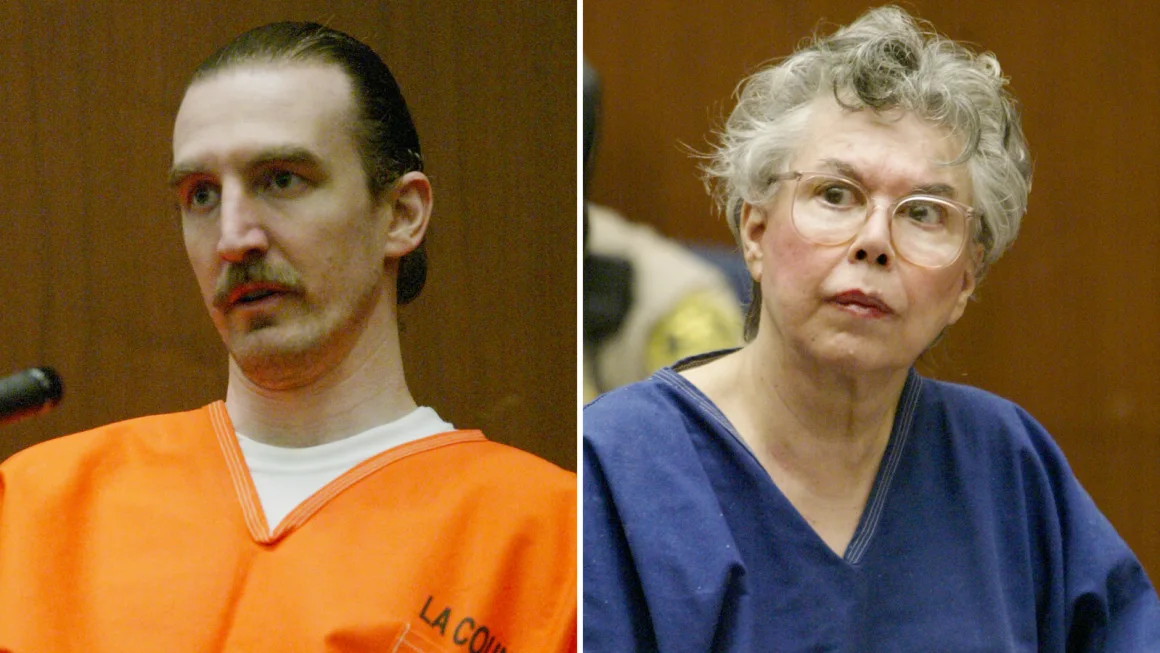
Kenneth Kimes and his mother, Sante Kimes, pictured in a Los Angeles courtroom in 2004. The duo was convicted for a series of crimes, including murder.
The Toxic Bond That Led to Destruction
The story of Sante and Kenny Kimes serves as a chilling reminder of the devastating consequences of manipulation and unchecked power within a family. Their web of deception, violence, and fraud left a permanent mark on countless victims. The Kimes’ reign of terror ultimately ended with their arrest, but their legacy as a notorious mother-son criminal duo will forever be remembered as one of the most sinister in American history. This case underscores the potential dangers of toxic relationships, where manipulation and control can lead to unimaginable destruction.
Crimes: Federal Charges of Bank Fraud and Tax Evasion
Sentence: 7 years
Who is Julie Chrisley?
Julie Chrisley, born January 9, 1973, is a central figure on the reality TV show Chrisley Knows Best. The daughter of a Baptist minister and a former Miss Carolina, Julie is known for her strong personality and as Todd Chrisley’s business partner, best friend, and “super mom.” Unafraid to voice her opinions, she often spends the family’s money as she sees fit, regardless of Todd’s preferences.
A breast cancer survivor, Julie has a deep appreciation for life and teaches her family, including Todd and their children, not to stress over minor issues. Over their 18-year marriage, Julie has played the role of the “calm one,” expertly managing Todd’s fiery temper. Her ability to stay composed has been a key element in maintaining balance within the family dynamic.
Chrisley Knows Best
Chrisley Knows Best was an American reality TV series that aired on the USA Network from March 11, 2014, to March 27, 2023. The show centred around Todd Chrisley, a real estate tycoon, and his affluent family. Initially filmed in Roswell and Alpharetta, Georgia, the series later moved to Nashville starting with the fourth season. A spin-off, Growing Up Chrisley, focusing on Todd's children Chase and Savannah, debuted in 2019.
Crimes and Charges
In August 2019, Todd and Julie Chrisley were indicted on 12 counts of bank and wire fraud, tax evasion, and conspiracy. The charges stemmed from accusations that they had evaded nearly $2 million in state taxes between 2008 and 2016. Prosecutors also claimed that they used their production company, 7 C Production, to conceal over $1 million of their reality TV income from the IRS. Additionally, it was alleged that Todd had directed an employee to falsify income and asset documents.
Despite these allegations, the Chrisleys turned themselves in and pleaded not guilty to the charges. In October 2019, the Georgia Department of Revenue cleared them of the state tax evasion charge, agreeing that they had overpaid taxes in four of the years in question. However, they still had a net liability of less than $77,000 for one year of incorrect filing.
After a nearly three-week-long trial, the couple was found guilty on all counts in a federal court in Georgia. Julie was also convicted of wire fraud. The Chrisleys were indicted by a federal grand jury in August 2019 on charges of bank and wire fraud, tax evasion, and conspiracy, all of which they denied.
Prison Sentence
The reality stars began their prison sentences on January 17, 2023. Todd is set to be released on January 22, 2033, from the Federal Prison Camp in Pensacola, while Julie will be released on October 19, 2028, from the Federal Correctional Institution in Marianna. Their original sentences were 12 years for Todd and seven years for Julie, but both sentences were reduced in September 2023. In June 2024, a judge granted Julie’s appeal and vacated her seven-year sentence due to insufficient evidence. However, in September 2024, a separate judge ruled that her original punishment was appropriate and resentenced her to 84 months in prison.
Savannah Chrisley, their daughter, expressed frustration with the court's decision, stating, "This is 100 percent [an] injustice. I will continue to fight for my parents." The couple’s legal battle continues, with their supporters vowing to push for further appeals and legal actions in the coming years.
Recent Heartbreak
Savannah Chrisley has been facing the challenges of raising her younger siblings, Grayson and Chloe, while her parents, Todd and Julie Chrisley, serve their federal prison sentences. As the reality star continues balancing school, work, and family responsibilities, she often shares how much she misses her mom, Julie, especially in difficult moments.
Julie and Todd began their prison sentences in 2023, and Savannah has been visiting them as often as possible. Despite their close-knit bond, it won’t be until 2028 that Savannah can reunite with her mother, who is serving a seven-year sentence. The family, known for their reality TV show Chrisley Knows Best, has faced significant upheaval, and Savannah has taken on a lot of responsibility in the wake of her parents' absence.
On Instagram, Savannah shared a heartfelt throwback video with Julie, captioning it, “I miss you so much Mama… Please come home soon 💔😭 #bringthemhome.” The emotional post reflects the toll the separation has taken on her.
Savannah has also used her platform, including her podcast Unlocked with Savannah Chrisley, to share updates about her parents’ situation. She’s expressed concerns over Todd’s prison conditions and has worked to raise awareness about the treatment they’re receiving. Despite the hardships, Savannah continues to hold her family together, all while navigating the emotional challenges that come with their absence.
Elon Musk Promises to Cancel Grants Following Access to US Treasury System.
Elon Musk has pledged to “rapidly shut down illegal payments” after his Department of Government Efficiency (DOGE) team gained access to the US Treasury's vast payment system, which distributes trillions of dollars annually. The move comes after the DOGE team discovered that payment approval officers were reportedly instructed to approve payments, even to known fraudulent or terrorist groups.
Musk, the world's richest man and a key backer of US President Donald Trump’s 2024 re-election campaign, has claimed responsibility for reviewing and rectifying these irregularities. On social media platform X, Musk boasted about his team’s efforts to combat fraud, citing a recent report revealing grants to Lutheran organisations. His remarks were made following confirmation that DOGE had secured access to the Treasury’s payment system, which processes payments like social security and government contracts.
Can Musk really cut payments?
However, questions have been raised about the legality and authority of DOGE’s involvement. A source familiar with the situation confirmed that DOGE does not have the power to cut payments; it can only review payment data. The Treasury already has its own team responsible for identifying fraudulent transactions.
Senator Ron Wyden, a leading Democrat on the Senate Finance Committee, condemned the move, stating that Treasury Secretary Scott Bessent had granted DOGE full access to the system. Wyden has demanded an explanation for allowing Musk’s team to oversee such sensitive operations. “I can think of no good reason why political operators who have demonstrated a blatant disregard for the law would need access to these sensitive, mission-critical systems,” Wyden said.
In the wake of the controversy, David Lebryk, the Treasury official overseeing its financial infrastructure, resigned on Friday. Lebryk had spent 36 years in government, briefly running the Treasury before Bessent’s confirmation.
To provide the best experiences, we and our partners use technologies like cookies to store and/or access device information. Consenting to these technologies will allow us and our partners to process personal data such as browsing behavior or unique IDs on this site and show (non-) personalized ads. Not consenting or withdrawing consent, may adversely affect certain features and functions.
Click below to consent to the above or make granular choices. Your choices will be applied to this site only. You can change your settings at any time, including withdrawing your consent, by using the toggles on the Cookie Policy, or by clicking on the manage consent button at the bottom of the screen.
Functional
Always active
The technical storage or access is strictly necessary for the legitimate purpose of enabling the use of a specific service explicitly requested by the subscriber or user, or for the sole purpose of carrying out the transmission of a communication over an electronic communications network.
Preferences
The technical storage or access is necessary for the legitimate purpose of storing preferences that are not requested by the subscriber or user.
Statistics
The technical storage or access that is used exclusively for statistical purposes.The technical storage or access that is used exclusively for anonymous statistical purposes. Without a subpoena, voluntary compliance on the part of your Internet Service Provider, or additional records from a third party, information stored or retrieved for this purpose alone cannot usually be used to identify you.
Marketing
The technical storage or access is required to create user profiles to send advertising, or to track the user on a website or across several websites for similar marketing purposes.
To provide the best experiences, we use technologies like cookies to store and/or access device information. Consenting to these technologies will allow us to process data such as browsing behaviour or unique IDs on this site. Not consenting or withdrawing consent, may adversely affect certain features and functions.
Functional
Always active
The technical storage or access is strictly necessary for the legitimate purpose of enabling the use of a specific service explicitly requested by the subscriber or user, or for the sole purpose of carrying out the transmission of a communication over an electronic communications network.
Preferences
The technical storage or access is necessary for the legitimate purpose of storing preferences that are not requested by the subscriber or user.
Statistics
The technical storage or access that is used exclusively for statistical purposes.The technical storage or access that is used exclusively for anonymous statistical purposes. Without a subpoena, voluntary compliance on the part of your Internet Service Provider, or additional records from a third party, information stored or retrieved for this purpose alone cannot usually be used to identify you.
Marketing
The technical storage or access is required to create user profiles to send advertising, or to track the user on a website or across several websites for similar marketing purposes.