
Understand Your Rights. Solve Your Legal Problems
The cause of death for congressional aide Regina Aviles has been officially confirmed.
According to the Bexar County Medical Examiner’s Office, the 35-year-old staffer died by suicide through self-immolation after dousing herself in gasoline and setting herself on fire in the backyard of her Uvalde, Texas, home on September 14, 2025.
Aviles — a married mother of one who had been separated from her husband — served as the regional district director for Congressman Tony Gonzales (R-TX). Authorities said there was no evidence of foul play, and that surveillance footage from home security cameras captured the incident.
Colleagues and friends have described Aviles as a compassionate, hardworking woman who carried the weight of the community she served. As part of Gonzales’s district team, she worked to connect veterans, families, and small business owners with federal resources — a job that often kept her up late at night.
“She always made time for people who felt unheard,” said one former coworker. “Even when she was struggling herself, Regina’s instinct was to help others.”
Those close to her say the months before her death were marked by emotional strain following her marital separation. She shared custody of her eight-year-old son, who, relatives say, was her reason for pushing through.

Congressman Tony Gonzales, who employed congressional aide Regina Aviles before her death, speaks during an interview at his office.
After her death, multiple reports surfaced alleging that Aviles had been romantically involved with Congressman Gonzales. The relationship, said to have begun in late 2021, reportedly caused tension within the office and her marriage.
When contacted by reporters, Congressman Gonzales did not deny the alleged affair. In a statement released by his office, he said:
“Regina Aviles was a kind soul who had a lasting impact on her community, which she continued to serve until her untimely death. To see political bottom-feeders distort the circumstances around her passing is truly sickening.”
Gonzales did not attend Aviles’s funeral on September 25, according to multiple sources familiar with the service.
Aviles’s mother, Nora Gonzales, insists her daughter’s death was a tragic accident, recalling Regina’s final words as, “I don’t want to die.”
Her obituary described her as “a devoted mother, loving daughter, and loyal friend whose kindness touched every life she encountered.”
Despite the medical examiner’s ruling, the City of Uvalde has sought to seal all records connected to the case — including 911 recordings, police reports, and video evidence. Officials have cited “privacy concerns” and requested that the Texas Attorney General’s Office allow the records to remain confidential.
That decision has now triggered a broader debate over government transparency and the public’s right to know the full story behind a tragedy that touched both political and personal worlds.
When a tragedy unfolds in public service, citizens often expect answers. But in Texas, those answers can disappear behind legal exceptions — even when the facts should belong to the public record.
The key question many Texans are now asking:
Can the public access the autopsy and investigation records in the Regina Aviles case?
Under the Texas Public Information Act (TPIA), government-held documents — including autopsy reports — are presumed public unless exempted by statute.
Similarly, Article 49.25 of the Texas Code of Criminal Procedure states that autopsy reports are public records, except for sensitive photos or medical imagery.
However, both the City of Uvalde and the Bexar County Medical Examiner’s Office have asked to withhold the full file, claiming privacy protections for the family and citing the “ongoing review process” — even though law enforcement has said no criminal charges will result.
According to Kelley Shannon, Executive Director of the Freedom of Information Foundation of Texas:
“Just because a record is technically public doesn’t mean you’ll get it. Counties often delay or redact using discretionary exceptions that weren’t meant for this purpose. That lack of transparency chips away at trust — especially when public figures are involved.”
Shannon adds that access to records isn’t just a media issue — it’s about ordinary citizens being able to confirm what their government is doing.
When agencies restrict access to basic information, public confidence in both law enforcement and elected officials suffers.
In Aviles’s case, sealed records mean unanswered questions for her family, her colleagues, and the broader community she served.
For everyday Texans, the takeaway is clear:
You have the right to request autopsy and investigation records through the TPIA.
If denied, agencies must cite the exact legal exemption they’re using.
You can appeal to the Texas Attorney General’s Open Records Division — a step most citizens never realize they can take.
Transparency, as Shannon notes, “isn’t about politics. It’s about closure, truth, and the public’s right to understand the institutions that serve them.”
The story of Regina Aviles is one of ambition, heartbreak, and unanswered questions.
Her death reveals not just the weight of personal despair, but the silence that sometimes follows when tragedy touches power.
For her family, the battle for transparency is about dignity.
For the public, it’s a reminder that truth in government should never depend on who’s involved — only on what’s right.
American country-rap star Jelly Roll says what was meant to be a relaxing shopping day in Sydney turned into something far more humiliating — and it’s struck a nerve with fans worldwide.
The Grammy-nominated Nashville singer, who’s been performing across Australia at festivals including Strummingbird, Harvest Rock and Sunburnt Country, claimed that staff at the Louis Vuitton Sydney store made him feel “like a criminal” the moment he walked in.
“Hey man, the Louis Vuitton in Sydney legitimately just treated us like we were finna come in and rob that place,” Jelly Roll told his 3.2 million Instagram followers. “I have never been looked at more like a crim. The last time I was looked at like a criminal this bad … I was actually a criminal.”
Within hours, the post blew up across social media. Fans flooded his comments with messages of support — and frustration. One joked, “Welcome to Sydney — where tattoos mean you must be plotting something.” Another wrote: “If Jelly Roll can’t get respect in a store, what hope do the rest of us have?”
The 39-year-old singer — born Jason DeFord — has spoken openly about his troubled past, time in jail, and battle to rebuild his life through music. In recent years he’s become one of the most relatable names in modern country, blending raw emotion with gospel and hip-hop influences.
That authenticity has made his fans fiercely loyal. They see a man who clawed his way out of addiction and incarceration, who now fills arenas with songs about redemption and pain. So when he said a luxury store made him feel like a criminal again, it hit home.
“He’s the kind of guy who wears his past openly,” one fan posted on Reddit. “For him to feel judged like that, after everything he’s overcome, it’s just wrong.”
The Louis Vuitton brand has long been a global symbol of exclusivity — but in 2025, stories like this one highlight how fashion’s obsession with image can backfire. In an era where shoppers expect inclusivity and respect, being profiled or made to feel unwelcome can spark instant backlash online.
“Racial profiling and suspicion in retail spaces sends a clear message: you don’t belong. That kind of exclusion impacts self-worth long after you leave the store.” — Cassie Pittman, Assistant Professor of Sociology at Case Western Reserve University, commenting on retail discrimination research.
Louis Vuitton has yet to comment on the incident, but the public reaction is telling: the old divide between ‘luxury’ and ‘ordinary’ customers is increasingly unacceptable.
Jelly Roll’s complaint raises an uncomfortable but vital question: what are your legal rights when a store treats you like you don’t belong?
In Australia, customers are protected by anti-discrimination laws that extend to retail spaces. Under the Equal Opportunity Act 2010 (Vic) and similar legislation nationwide, businesses cannot treat a customer unfairly or refuse service because of characteristics such as race, appearance, gender identity, religion, or disability.
Additionally, the Respect@Work Act 2022 (Cth) introduced a “positive duty” for employers — including retailers — to prevent discrimination and harassment proactively, not merely respond when it happens.
So what does this mean for everyday shoppers? If you walk into a boutique and feel watched, ignored, or treated as a potential thief without cause, you have the right to complain.
Write down what occurred — date, time, store name, staff involved.
Ask for a manager and calmly explain that you felt discriminated against or unfairly profiled.
File a formal complaint with your state’s Equal Opportunity or Human Rights Commission.
Seek advice from a lawyer or community legal centre if the incident affected your dignity or caused distress.
Kate Eastman SC, a leading Australian discrimination barrister and chair of the Australian Human Rights Commission’s Advisory Committee, who has publicly said:
“No one should be made to feel unwelcome because of how they look or where they come from. Retailers have both moral and legal obligations to ensure fairness in service.”
Takeaway: You have the right to shop without fear, suspicion, or humiliation. And the law is slowly catching up to make sure of it.
Beyond the legal debate, Jelly Roll’s post connected because it reflects a broader truth: no matter how famous or wealthy someone becomes, stigma can follow. People remember tattoos, accents, body types — not the transformation behind them.
In the age of viral justice, that human vulnerability is what turns a celebrity’s Instagram rant into a global talking point. It’s not just about Louis Vuitton; it’s about anyone who’s ever felt unseen or misjudged.
For Jelly Roll, this may be another lesson in the strange space between fame and prejudice. For the rest of us, it’s a reminder that respect is not a luxury item — it’s a basic right.
When it comes to car insurance and crash recovery, few topics cause more confusion—or carry higher stakes—than Pennsylvania’s tort options, insurance deadlines, and post-accident procedures. To help drivers understand how these laws really work, Lawyer Monthly spoke with Jared M. Teich, Partner at Haggerty, Goldberg, Schleifer & Kupersmith, P.C. (HGSK), who co-authored these insights with Shareholder Jeffrey Stanton.
Together, they break down some of the most common—and most critical—questions Pennsylvania drivers face after a crash, from choosing the right coverage and handling medical bills to protecting your rights when insurers or government entities are involved.
Below, Teich and Stanton share practical, plain-English answers that every Pennsylvania motorist should know before—and after—a collision.

Jeffrey K Stanton - Haggerty, Goldberg, Schleifer & Kupersmith, P.C.
When reviewing your auto insurance policy, one of the most important—and often misunderstood—choices you’ll make is whether to select full tort or limited tort coverage. This decision can have a major impact if you or a loved one is ever injured in a crash.
With limited tort coverage, you agree to give up your right to recover for pain and suffering unless you suffer a “serious injury,” such as a permanent disfigurement or a serious impairment of a bodily function. You can still recover economic losses like medical bills or lost wages, but not for the very real physical and emotional harm caused by another driver’s negligence—except in limited circumstances, such as when the at-fault driver was DUI or the vehicle was registered outside Pennsylvania.
Full tort coverage, on the other hand, gives you full protection. It allows you to pursue both economic and non-economic damages, regardless of how severe your injuries may appear.
Importantly, your tort selection generally applies to everyone covered under your policy—including your spouse, children, and other resident relatives—and it also impacts your uninsured/underinsured motorist (UM/UIM) benefits.
While full tort coverage usually costs a bit more, it offers far greater peace of mind and ensures you and your family retain the right to be fully compensated if tragedy strikes.
At HGSK Injury Lawyers, we handle both full and limited tort claims and are here to help our clients understand their rights every step of the way.
The hours immediately following a car crash are critical. What you do—or don’t do—can make all the difference in protecting your rights.
First, call the police and make sure a report is filed. A formal police report documents how the crash occurred and identifies the at-fault driver, which is essential for any insurance or legal claim.
Next, gather evidence at the scene. Take photos or videos of the vehicles, the surrounding area, skid marks, road conditions, and any visible injuries. If you notice nearby businesses or homes with cameras, make a note—surveillance footage can be invaluable in proving fault.
Seek medical attention immediately, even if you think your injuries are minor. Go to a hospital, urgent care center, or your primary care physician. Early documentation of your injuries connects them to the crash and helps prevent insurance companies from arguing that your pain “came later.”
The sooner you act within those first 72 hours, the stronger your claim will be.
At HGSK Injury Lawyers, we help clients preserve evidence, document injuries, and protect their rights from day one.
After a crash, medical bills can pile up quickly—but understanding how Pennsylvania’s insurance laws work can help protect your finances.
Every Pennsylvania auto policy includes at least $5,000.00 in first-party medical benefits, commonly called Personal Injury Protection or “PIP.” Once you complete a PIP application, your own auto insurer must pay your medical bills—regardless of who caused the accident. If you don’t have your own policy (for example, as a passenger), the PIP coverage of the vehicle you were in applies.
When PIP coverage is exhausted, your health insurance usually becomes responsible for the remaining medical costs. However, many health insurers seek reimbursement or “subrogation” from your settlement—essentially asking to be repaid for bills they covered.
Importantly, Pennsylvania’s Motor Vehicle Financial Responsibility Law contains an anti-subrogation provision that prevents certain health insurers from asserting a lien against your recovery. Whether a specific insurer has that right—and the scope or amount of the lien—depends on the type of health insurance plan as well as the language of the plan itself, which can be legally complex.
At HGSK Injury Lawyers, we analyze plan language, challenge improper liens, and negotiate reductions so our clients keep as much of their settlement as possible.
Understanding how PIP, health insurance, and liens interact is key to protecting your recovery—and your financial future.
Uninsured motorist (UM) coverage is vital if you’re injured by a driver who has no insurance or in a hit-and-run crash. In those cases, your own UM coverage may be the only source of recovery for your injuries.
Equally important is underinsured motorist (UIM) coverage, which applies when the at-fault driver’s insurance limits are too low to fully compensate you. In Pennsylvania, the minimum required liability coverage is only $15,000 per person, an amount that rarely comes close to fully compensating an accident victim. If you or a loved one suffers injuries in a car crash, UIM coverage ensures additional protection beyond the other driver’s policy.
Pennsylvania also allows for stacking, a powerful option that increases your UM/UIM protection when you have more than one vehicle or policy. With intra-policy stacking, you multiply the UM/UIM limits on a single policy by the number of vehicles insured under it. For example, if your policy lists three cars with $100,000 of UM/UIM per vehicle, stacking gives you $300,000 in total protection.
You can also have inter-policy stacking, which lets you combine UM/UIM coverage across multiple separate policies—for instance, if you insure different vehicles or household members under different policies.
In short, UM/UIM coverage and stacking provide critical protection when other drivers are uninsured or underinsured.
At HGSK Injury Lawyers, we help clients understand their coverage, identify potential stacking options, and make sure they—and their families—are fully protected before and after a crash.
Insurance companies are supposed to protect you—but too often, profit comes first. They make money by collecting premiums, not by paying claims, and sometimes use delay, denial, or underpayment tactics to protect their bottom line. When this happens, Pennsylvania law gives you powerful tools to fight back.
Under 42 Pa.C.S.A. § 8371, if an insurer acts in bad faith, courts can award punitive damages, interest, attorney’s fees, and court costs. The Pennsylvania Supreme Court’s decision in Rancosky v. Washington National Insurance Co. defines bad faith as when (1) the insurer lacks a reasonable basis to deny benefits, and (2) it knows—or recklessly disregards—that lack of reason.
Bad faith can take many forms: refusing to investigate a claim properly, ignoring evidence favorable to the insured, unreasonably delaying payments, misrepresenting policy terms, or offering unreasonably low settlements. It’s more than just “hard bargaining”—it’s a failure to act honestly, fairly, and in good faith.
At HGSK Injury Lawyers, we have decades of experience holding insurers accountable when they cross the line from tough negotiation into unlawful conduct. Our Insurance Coverage Team has successfully handled complex coverage disputes and recovered bad-faith damages for policyholders across Pennsylvania.
If you believe your insurer is treating you unfairly, contact HGSK Injury Lawyers for a free evaluation. We’ll review your claim, explain your rights, and help you pursue the compensation—and fairness—you deserve.
Yes — you may have a case, but claims against government entities are subject to special rules and strict deadlines.
In Pennsylvania, if your injury was caused by a government vehicle or a roadway defect, you must give the public entity written notice of your claim within six months of the accident. Failing to do so can bar your claim entirely, even if it’s otherwise valid.
Government agencies are generally protected from lawsuits under the Sovereign Immunity Act (for state entities) or the Political Subdivision Tort Claims Act (for local entities). However, there are several important exceptions that allow injured people to pursue compensation. These include cases involving the operation of government vehicles, dangerous road or sidewalk conditions, or negligent maintenance of traffic controls, among others.
These claims can be complex—public entities have unique defenses, shorter time limits, and caps on damages. That’s why it’s critical to consult an experienced attorney as soon as possible.
At HGSK Injury Lawyers, we understand the nuances of government liability and will carefully evaluate whether your case meets one of the legal exceptions. We’ll help ensure all notices are filed on time and fight to hold the responsible entity accountable.
Yes — in many cases, you still can. Pennsylvania follows a rule called comparative negligence, which means you can recover compensation for your injuries as long as you are not more than 50% at fault for the accident.
In practical terms, this means that even if you share some responsibility—say, you were speeding slightly, but the other driver ran a red light—you can still pursue a claim. However, your total recovery will be reduced by your percentage of fault. For example, if a jury finds you 20% responsible and awards $100,000 in damages, your recovery would be $80,000.
Insurance companies often try to exaggerate a claimant’s share of fault to reduce payouts, so it’s important to have experienced legal counsel protecting your interests.
At HGSK Injury Lawyers, we know how to investigate accidents, gather evidence, and push back against unfair blame-shifting tactics. Even if you think you may be partly at fault, don’t assume you have no case—you may still be entitled to significant compensation.
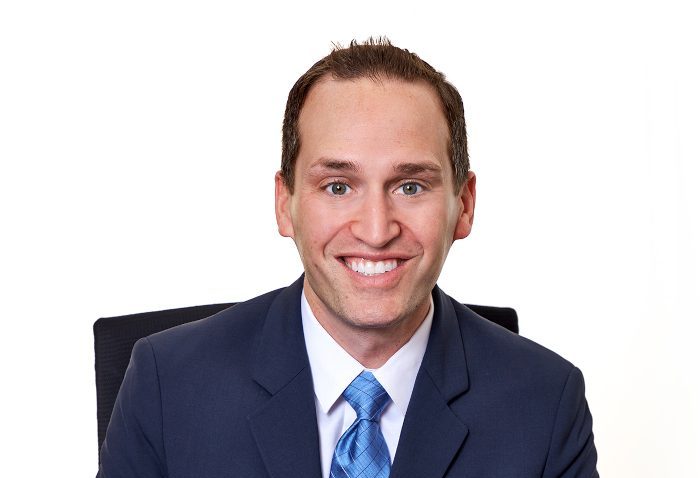
Jared Teich - Partner at Haggerty, Goldberg, Schleifer & Kupersmith, P.C.
In Pennsylvania, the law gives you two years from the date of an automobile accident to either settle your claim or file a lawsuit. This is called the statute of limitations, and missing that deadline can bar your right to recover entirely.
The overall timeline of your case often depends on the length and nature of your medical treatment. The attorneys at HGSK Injury Lawyers don’t rush to settle while you’re still healing—we want to be sure every injury, medical bill, and future treatment need is fully documented and included in your claim.
If your case does not resolve within two years, our firm will file a lawsuit to preserve your rights. Once in litigation, cases can sometimes take additional time depending on the court’s schedule, discovery, and the insurance company’s willingness to negotiate. Throughout this process, HGSK’s attorneys work tirelessly to keep your case moving forward and to maximize your recovery.
As for fees, HGSK Injury Lawyers works on a contingency-fee basis—meaning you pay nothing unless we recover money for you. Our fee comes as a percentage of the settlement or verdict, so our success is directly tied to yours.
From start to finish, our goal is simple: to handle the legal burden so you can focus on healing.
Attorney Jeff Stanton provides valuable knowledge and guidance to individuals injured by the negligence and carelessness of others. As an experienced personal injury litigator, Mr. Stanton is adept at handling all aspects of a personal injury claim—from the initial investigation through trial. His hands-on approach is aimed at delivering real results for clients.
As a partner in the firm and a member of HGSK’s Insurance Coverage Team, Mr. Stanton’s practice involves personal injury litigation, complex insurance coverage disputes, uninsured/underinsured motorist claims, bad faith litigation, and appellate cases. He has been recognized as a Pennsylvania Super Lawyer, Rising Star, an honor bestowed on no more than 2.5% of lawyers in Pennsylvania.
Prior to joining Haggerty, Goldberg, Schleifer & Kupersmith, P.C., Mr. Stanton served as an attorney for the Governor’s Office of General Counsel, representing and advising the Pennsylvania Department of Transportation. He also clerked for the Honorable Chad F. Kenney in the Delaware County Court of Common Pleas.
While completing his J.D. at Drexel University (cum laude, 2011), Mr. Stanton served as an Executive Member of the Moot Court Board and Teaching Assistant in the Trial Advocacy Program. He earned the Cozen O’Connor Best Moot Court Competition Brief Award and the Highest Classroom Achievement Award in Pennsylvania Practice. He holds a B.A. in Psychology (2007) from Pennsylvania State University, where he was a member of Psi Chi, the National Honor Society in Psychology.
Mr. Stanton is licensed to practice in Pennsylvania and New Jersey. He serves on the Board of Governors of the Pennsylvania Association for Justice, is a Member of the Philadelphia Trial Lawyers Association, and formerly sat on the Editorial Board of Young Lawyer, a supplement to The Legal Intelligencer (2013–2020).
Attorney Jared Teich is an experienced trial lawyer who represents individuals injured in motor vehicle accidents, premises liability, and medical malpractice cases throughout Pennsylvania and New Jersey.
Before joining Haggerty, Goldberg, Schleifer & Kupersmith, P.C., Mr. Teich spent six years defending physicians, nurses, hospitals, and health systems in medical malpractice claims. He now uses that experience to benefit injured plaintiffs, providing strategic insight and an insider’s understanding of how the defense operates.
Attorney Teich is known for his attention to detail and his commitment to guiding clients through every step of the litigation process toward a successful outcome.
For more than two decades, the question lingered: why hadn’t David Beckham — England’s golden boy, global ambassador, and charity champion — been knighted?
Today, that story reached its long-awaited conclusion.
Under the vaulted ceilings of Windsor Castle, King Charles III officially conferred knighthood on David Beckham, honouring his extraordinary contribution to sport and humanitarian causes. The moment, steeped in emotion and symbolism, marked the culmination of a journey that began in a modest London back garden, where a boy from Leytonstone once dreamed of playing for Manchester United.

David Beckham was officially knighted by King Charles at Windsor Castle on Tuesday morning, receiving the prestigious honour in recognition of his remarkable contributions to sport and his ongoing charitable work.
Beckham arrived at Windsor Castle with his wife Victoria Beckham, impeccably dressed in a custom-tailored suit she designed herself. His parents, Ted and Sandra Beckham, stood proudly nearby, their faces etched with quiet joy as the boy they raised on grit and family values finally became Sir David.
“I’ve always been a royalist,” Beckham told Town & Country earlier this year. “My grandparents would’ve been so proud to see this day.”
It’s hard not to feel the weight of that sentiment. Beckham’s career has transcended sport — a blend of talent, discipline, and an instinct for global connection. From the last-gasp free kick that sent England to the 2002 World Cup, to his transformative impact on American soccer through LA Galaxy, Beckham’s story has always been about reinvention, resilience, and redemption.
Born in 1975, Beckham joined Manchester United as a teenager in 1993 under Sir Alex Ferguson’s legendary management. What followed was footballing poetry: six Premier League titles, two FA Cups, and a 1999 Champions League victory that remains one of English football’s greatest triumphs.
His time at Real Madrid and later LA Galaxy reshaped the global perception of the sport, blending athletic excellence with cultural sophistication. Even after hanging up his boots at Paris Saint-Germain in 2013, Beckham continued to champion football’s reach, helping to establish Inter Miami CF and investing heavily in youth and community programs.
But it wasn’t just football that defined him. His enduring marriage to Victoria Beckham, his work with UNICEF, and his role as an ambassador for The King’s Foundation have all made him a symbol of modern British dignity — one built on kindness as much as fame.
For years, many fans wondered: how could one of Britain’s most visible global ambassadors not already be Sir David Beckham?
The answer lies in the opaque and highly regulated British honours vetting process — a system that blends royal tradition with strict government oversight.
According to Ben Rose, a senior partner at Hickman & Rose Solicitors, who specializes in public and criminal law, “The honours system isn’t just about merit — it’s about public integrity. Every nominee faces scrutiny from the Cabinet Office’s Honours Forfeiture Committee, which checks tax compliance, conduct, and any links to public controversy before approval.”
Beckham’s name was reportedly held back for several years due to an appearance on an HMRC 'red list' — a confidential government database tracking individuals involved in complex tax matters or offshore investments. While Beckham was never accused of wrongdoing, the committee typically delays nominations until any such matters are “fully resolved.”
In 2023, those files were finally cleared, paving the way for his inclusion in the King’s Birthday Honours.
Legal experts say this reflects a growing shift toward transparency and accountability in how public honours are awarded. “There was a time when fame alone could secure recognition,” Rose explains. “Now, integrity and transparency matter more. It’s a sign the honours system is evolving with public expectations.”
The Beckham case underscores how any public recognition in the UK — even from the Crown — is bound by administrative law and fairness principles. Citizens, too, have the right to challenge honours decisions under judicial review if they believe a nomination was unfairly withheld.
It’s also a reminder of the growing intersection between tax law, reputation management, and royal protocol. For those who receive honours, any lapse in legal compliance — even historic — can lead to suspension or revocation. (Remember how banker Fred Goodwin was stripped of his knighthood in 2012 after the RBS collapse?)
Takeaway: For public figures and ordinary citizens alike, the Beckham story shows that integrity isn’t just moral — it’s legal currency. In modern Britain, transparency and clean records aren’t optional; they’re prerequisites for lasting honour.
As Beckham bowed before King Charles and rose as “Sir David,” the moment wasn’t just ceremonial — it was redemptive. A former boy from East London, once vilified for a red card in the 1998 World Cup, now stood before the monarch as a national treasure.
Victoria Beckham, who fought back tears, later said privately that “it’s everything David has worked for — not the fame, but the respect.”
And perhaps that’s what resonates most with the public. In an age of scandal and cynicism, Beckham’s knighthood feels like more than a medal — it’s a moment of earned grace.
Why did it take David Beckham so long to finally receive his knighthood?
Answer: David Beckham's knighthood was reportedly delayed for several years due to a "red flag" raised by HMRC (UK tax authorities). The honours vetting process requires strict scrutiny of tax compliance and conduct, and his name was held back until matters related to his involvement in an investment scheme were fully resolved in 2023.
For what contributions was David Beckham knighted?
Answer: He was knighted for his extraordinary contributions to sport (including his legendary career with Manchester United, Real Madrid, and the England national team) and his significant humanitarian and charitable causes, particularly his long-standing work with UNICEF and his role as an ambassador for The King's Foundation.
What is David Beckham's new official title and what title does his wife Victoria receive?
Answer: David Beckham's new official title is Sir David (or Sir David Beckham). As the wife of a knight, his wife Victoria Beckham is now officially referred to as Lady Beckham (or Lady Victoria Beckham).
Two years ago, Sam Bankman-Fried’s name was synonymous with betrayal. The hoodie-wearing crypto billionaire who once promised to “build a better financial system” became the face of one of the largest financial scandals in history. But today, behind prison walls, Bankman-Fried is mounting a comeback — not to rebuild his fortune, but to rewrite the story of his downfall.
As oral arguments for his appeal begin in Manhattan this week, the 33-year-old founder of the collapsed FTX exchange is claiming that he was “presumed guilty” from day one — that prosecutors, the media, and even the judge denied him the fair trial that every American is promised.
At the heart of the appeal are two explosive claims: that FTX was never actually insolvent, and that Bankman-Fried was stripped of his right to fully defend himself.
When FTX collapsed in November 2022, it wasn’t just a company that imploded — it was a family’s life’s work unraveling in public view.
Bankman-Fried’s parents, Joseph Bankman and Barbara Fried, both respected Stanford law professors, were left to watch their son transform overnight from wunderkind to criminal pariah. They insist the trial was tainted from the beginning — a media-driven crucifixion that ignored facts and context.
“From the moment he was arrested, Sam was treated as guilty,” a close family friend told reporters. “No one wanted to hear about the balance sheets or the solvency. The story had already been written.”
The public saw a villain. His parents saw a scapegoat — a young man whose idealism collided with a system eager for someone to blame.
Bankman-Fried’s latest defense centers on a simple claim that upends the accepted narrative: FTX, he says, wasn’t broke — it was blocked.
In a newly disclosed 15-page statement dated September 30, the former crypto mogul insists that FTX and its sister trading firm, Alameda Research, held $25 billion in assets and $16 billion in equity value when the liquidity crisis hit. The problem, he argues, wasn’t theft — it was timing.
“The crisis FTX faced in November 2022 was a liquidity crisis, not a solvency crisis,” the document reads. “It was on track to be resolved by the end of the month — until FTX’s external counsel seized control.”
According to Bankman-Fried, those lawyers — led by new FTX CEO John J. Ray III — forced the company into unnecessary bankruptcy, generating nearly $1 billion in fees for consultants and liquidating assets worth billions below market value.
He claims that, had those assets been preserved, the FTX estate could have repaid every customer — and then some.
“Today, those assets together with the FTX equity held by Alameda would be worth approximately $136 billion — if the Debtors hadn’t decimated the company,” the statement said.
For his critics, these words sound like revisionism. But for his supporters, they’re a cry for justice — one rooted in a simple question: Was FTX destroyed by fraud, or by panic and mismanagement after he was pushed aside?
Bankman-Fried’s lawyers argue that during his trial, the court’s restrictions made it impossible to tell his side of the story.
Judge Lewis Kaplan, known for his no-nonsense rulings in the Donald Trump and Prince Andrew cases, allegedly barred the defense from introducing key evidence about FTX’s solvency and its reliance on outside counsel.
“In many ways, Sam was fighting with one hand tied behind his back,” said criminal defense attorney Michael Bloch, who is not involved in the case. “The jury never saw the full picture. They saw what the prosecution wanted them to see.”
The result was a one-sided narrative — that Sam Bankman-Fried looted billions in customer deposits to cover Alameda’s risky bets — with little room for nuance or context.
If his appeal fails, Bankman-Fried’s family is reportedly preparing for a last-ditch option: a presidential pardon.
According to The New York Times and The Wall Street Journal, the family has consulted an attorney connected to Donald Trump’s 2016 campaign — a sign that they may be hoping to reach out directly to the White House.
From his prison cell, SBF has made media appearances on conservative platforms, including The Tucker Carlson Show, and in interviews has praised Trump’s approach to crypto regulation. “I know President Trump had a lot of frustrations with Judge Kaplan,” he told The New York Sun. “I certainly did as well.”
The irony is striking. The once-progressive billionaire who funded Democratic causes is now seeking mercy from the Republican president whose second term has been marked by unprecedented leniency toward white-collar offenders.
In just the past year, Trump has pardoned Binance founder Changpeng Zhao and Silk Road creator Ross Ulbricht, both of whom were previously convicted of major financial or cyber-related crimes.
To watchdog groups, these pardons signal a dangerous precedent. “The unmistakable message is: crime pays,” said Dennis Kelleher, CEO of Better Markets. “The administration is incentivizing corruption — because criminals now know that if they have enough money, they can buy a get-out-of-jail-free card.”
One of the most critical legal questions in Bankman-Fried’s appeal — and one rarely discussed in the headlines — is whether the trial judge improperly blocked his ability to use what’s known as the “advice-of-counsel” defense.
This defense allows a defendant to argue: I believed my actions were legal because I relied on advice from qualified lawyers. It’s not a get-out-of-jail card — but it can show that the accused lacked criminal intent, a core element of any fraud case.
In the appeal brief, Bankman-Fried’s team argues that Judge Kaplan “severely curtailed” his ability to tell jurors that FTX’s lawyers had approved many of the corporate decisions prosecutors labeled criminal. As Reuters legal analyst Alison Frankel summarized, the judge’s ruling “cut the defense off at the knees,” preventing the jury from understanding how FTX’s operations were legally vetted.
“Blocking that context risks creating a one-sided view,” said defense attorney and former prosecutor Jacob Frenkel of Dickinson Wright. “If you eliminate the ability to show reliance on counsel, you strip away one of the fundamental safeguards of fairness in white-collar prosecutions.”
Most readers will never face a $10-billion fraud trial — but the principle touches anyone who relies on professional advice. If you follow a lawyer’s or accountant’s guidance, the law assumes you’re acting in good faith. When courts narrow that defense, it raises concerns about fairness — and about how accountability is distributed between executives and the legal experts they trust.
The takeaway?
If you run a business, manage investments, or rely on legal guidance, document it. Keep records of your communications, legal memos, and compliance checks. Those records can make the difference between proving good faith and facing criminal exposure if things go wrong.
For Bankman-Fried, this appeal could redefine how future crypto fraud cases are tried — and whether juries are allowed to hear the full story of what advice was given, and by whom.
Sam Bankman-Fried’s road back to legitimacy may be the longest in modern financial history.
He’s not just appealing a conviction — he’s fighting a moral verdict handed down by the public long before the trial began.
The stakes go beyond one man’s freedom. His case has become a reflection of how we, as a society, decide who deserves redemption — and who doesn’t.
Is he a manipulative genius who built a house of cards, or a reckless idealist swallowed by the system he tried to outsmart?
For now, one thing is certain: his story isn’t over. And whether it ends in vindication or infamy may depend not only on the courts, but on how America decides to judge those who fall from extraordinary heights.
Was Sam Bankman-Fried’s trial fair?
His lawyers say no — claiming he was prevented from showing evidence that FTX was solvent and that lawyers approved key company actions.
Could Sam Bankman-Fried be pardoned by Donald Trump?
It’s possible. His family has reportedly sought guidance from Trump-aligned legal figures, and SBF has expressed support for Trump’s stance on crypto.
Was FTX really solvent when it collapsed?
SBF claims yes — saying FTX held $25 billion in assets and was pushed into unnecessary bankruptcy by external counsel.
What’s the “advice-of-counsel” defense?
It allows defendants to show they acted in good faith by following legal advice — a right SBF’s lawyers say was wrongly denied.
Final Takeaway:
Sam Bankman-Fried’s appeal isn’t just about crypto or corruption — it’s about fairness, due process, and how quickly public judgment can crush nuance. Whether you view him as a fraud or a fallen idealist, his fight is forcing America to confront an uncomfortable truth: in the court of public opinion, guilt often arrives long before justice.
(Updated: November 4, 2025, 10:55 AM GMT)
BREAKING DEVELOPMENT: Police have released crucial footage capturing the alleged attacker moments before the train incident.
A wave of dread washed over the investigation today as police released chilling new CCTV footage showing Anthony Williams, the 32-year-old Peterborough resident charged with a staggering 10 counts of attempted murder, carrying a knife and entering a local barbershop. This deeply unsettling video provides a stark, crucial look into the suspect's movements just minutes before the horrific mass stabbing that shattered the journey aboard the LNER service from Doncaster to London King’s Cross on Saturday, November 1, 2025.
The immediate reaction to the footage underlines the sheer terror experienced by passengers. It places the alleged Huntingdon train knifeman in the public eye, armed, and seemingly on a collision course with tragedy long before the high-speed train left the station.
The newly released video evidence solidifies the timeline leading up to the shocking events. Captured inside a Peterborough establishment, the footage shows Williams, armed with a knife, according to authorities. For investigators, this material is invaluable, confirming that the suspect was armed and allegedly preparing for violence in the hours preceding the attack.
The violence erupted suddenly in a middle carriage, triggering a desperate stampede as terrified passengers fled down the train carriages, frantically pressing emergency buttons. "It was absolute chaos—people were screaming," one witness recalled, their voice echoing the shared panic of everyone on board. The speed and efficiency of the police response, however, likely prevented an even greater catastrophe. Armed British Transport Police (BTP) officers stormed the LNER service at Huntingdon Station, subduing Williams within eight minutes of the initial 999 call.
Williams, of Langford Road, Peterborough, now faces a complex web of serious criminal charges. Beyond the ten counts of attempted murder connected to the Cambridgeshire train attack, he is also charged with:
The human cost of this rampage is profound. At least 11 people were hospitalised, including a courageous LNER rail worker fighting for life after reportedly stepping in to shield passengers. Deputy Chief Constable Stuart Cundy was quick to praise the "heroic and selfless actions" of the train staff, declaring their response "undoubtedly saved lives."
The sheer scale of this violent attack raises unsettling questions about passenger safety. While police confirmed the incident is not being treated as terror-related, victims and the public are asking: What responsibility do rail operators have in preventing such brutal, random acts?
Victims of the Huntingdon train stabbings have access to legal remedies, including the government-backed Criminal Injuries Compensation Authority (CICA). Legal experts emphasize that transport operators, such as LNER, owe a significant duty of care to their passengers. If investigations reveal any failures in staffing, emergency alarms, or response protocol, victims’ potential negligence claims against the operator will be significantly strengthened.
For a full detailed profile of who Anthony Williams is, a comprehensive timeline of events, and a full legal analysis of victims' rights, please read our original, in-depth report. Who is Anthony Williams - Exclusive Full Profile.
The digital world often feels lawless, but when online abuse escalates—involving cyberstalking, interstate threats, computer hacking, or identity theft—it crosses the line into serious federal crimes in the United States.
Understanding the U.S. federal laws designed to combat these digital offenses is crucial for victims seeking justice and protection. Because the internet is a channel of interstate commerce, these federal statutes apply whenever a digital device is used, even if the abuser and victim are in the same state.
When abuse involves severe harm or crosses state lines electronically, these key federal laws come into play. They target different forms of digital misconduct and carry significant penalties:
| Federal Law | Focus & Prohibited Action | Key Terms & What it Penalizes |
| 18 U.S.C. § 2261A | Cyberstalking & Severe Harassment | Prohibits using the internet to cause substantial emotional distress or fear of death/serious injury. |
| 18 U.S.C. § 875 | Interstate Threats & Extortion | Penalizes transmitting threats across state lines via digital means (email, internet) for ransom, extortion, or injury to reputation. |
| 47 U.S.C. § 223 | Harassing Communications | Prohibits using telecommunications devices to harass or threaten a specific person across state lines. |
| 18 U.S.C. § 1030 | Computer Hacking (CFAA) | Bans unauthorized access to any protected computer (any device connected to the internet) to obtain data, extort, or cause damage. |
| 18 U.S.C. § 1028 | Identity Theft | Outlaws the knowing, unlawful use, transfer, or possession of another person’s identification documents or information. |
Penalties for violating these federal cybercrime laws can range from significant fines to lengthy prison terms, often extending for many years, especially in cases resulting in injury or death.
Deciding where to report online harassment can be confusing. Here is a clear pathway:
When the abuse is severe (cyberstalking, felony threats, hacking) and crosses state lines, you can report the incident to federal authorities:
Crucial Insight: Federal law enforcement, including the FBI, reserves resources for only the most extreme cyber crimes. Intervention is rare unless local authorities have already documented the abuse and the victim is suffering extreme, ongoing harm.
While the U.S. currently lacks a specific federal criminal law for the distribution of nonconsensual intimate images (often called revenge porn), U.S. Copyright Law provides a powerful legal avenue for relief in civil court.
This is an effective strategy for victims of online image abuse to regain control and force the removal of damaging content.
Online harassment isn’t just “part of the internet” — it’s a real, prosecutable offense under U.S. federal law. Whether it’s cyberstalking, identity theft, or the spread of private images, every victim has legal rights and tools to fight back.
If you’re experiencing digital abuse, document every incident, report threats to law enforcement, and use copyright or DMCA mechanisms to reclaim your privacy and content. Most importantly, don’t stay silent — federal law exists to protect you, and agencies like the FBI’s Internet Crime Complaint Center (IC3) are there to help track offenders.
The more people understand these laws, the safer the online world becomes. Awareness isn’t just prevention — it’s power.
FBI Internet Crime Complaint Center (IC3)
📍 File official cybercrime complaints and track reports of digital fraud, hacking, and harassment.
🔗 https://www.ic3.gov
Cyber Civil Rights Initiative (CCRI)
📍 Provides crisis counseling, legal guidance, and support for victims of nonconsensual image sharing and online exploitation.
🔗 https://www.cybercivilrights.org
Federal Trade Commission – Identity Theft Resources
📍 Step-by-step recovery plans and identity theft reporting tools.
🔗 https://www.identitytheft.gov
National Domestic Violence Hotline
📍 24/7 confidential help for individuals facing harassment, threats, or stalking — both online and offline.
🔗 https://www.thehotline.org | ☎️ 1-800-799-SAFE (7233)
Streamer Nina Lin has issued a public apology after several resurfaced Twitch clips showing her making “uncomfortable” interactions with fellow creators — including Disguised Toast and FaZe Silky’s assistant, Said — reignited debate across social media about consent, accountability, and the blurred boundaries of livestream entertainment.
The controversy erupted in late October when an old clip featuring Lin and fellow streamer Zoe Spencer appeared online, showing both behaving inappropriately toward FaZe Silky’s assistant during a broadcast.
The video went viral within hours, prompting Twitch to issue temporary bans against both Lin and Spencer. But soon after, older clips involving Lin’s interactions with Disguised Toast resurfaced — and that’s when the firestorm truly began.
In one of the clips, Disguised Toast appears visibly uncomfortable while Lin continues to engage for the sake of “content.” Viewers called it “cringe” and “crossing a line,” igniting fierce debate about how far streamers should go for entertainment.
The bans didn’t last long. Twitch quietly reinstated both Lin and Spencer within 48 hours, drawing criticism from creators and fans who felt the platform wasn’t taking harassment seriously.
Said, the assistant seen in one of the clips, publicly called the reversal “unreal.” Many accused Twitch of prioritizing high-profile creators over accountability.
Lin, facing growing pressure, issued a second, lengthier apology across Instagram stories:
“My actions and words are inexcusable. I will not deflect from my wrongdoings but I will speak my truth, as there have been many clips circulating with false and skewed narratives,” Lin wrote.
“It’s inexcusable to have let it get that far to the point where [Said] felt uncomfortable and harmed. That was never my intent, and it was completely my fault for not reading the room better.”
Lin also directly addressed the now-viral Disguised Toast clip, admitting she was “out of line” and motivated by the pressure to create viral content.
“I let the focus on content creation blind me,” she said. “It was at the expense of someone’s comfort, and I deeply regret it. I’ve reached out to Toast to apologize profusely. My intentions were never to harm or catch him off guard.”
Toast has since acknowledged the apology, telling fans he hopes the incident “leads to better awareness among creators.”
Main Legal Question: Can a livestreamer be held legally responsible for making another person uncomfortable or crossing physical boundaries on camera?
The Nina Lin controversy goes beyond drama — it cuts straight into a growing legal frontier: non-consensual physical contact during livestreams.
What happens when entertainment meets real-world law?
Under U.S. state laws (notably California, where many major streamers operate), consent must be affirmative, informed, and voluntary. If a person engages in unwanted physical contact during a broadcast — and the other party shows discomfort — it can meet the legal threshold for assault or battery even if it began as a “joke.”
The Disguised Toast clip, for example, shows clear discomfort. That visual evidence alone could be enough to support a civil claim if the affected party pursued one.
There are two key areas of liability here:
Criminal – Physical contact without consent can fall under assault or harassment statutes, especially if the incident occurs in a private setting.
Civil – A victim could claim emotional distress or reputational harm if their likeness is broadcast in a compromising context.
In California Penal Code § 647(j), filming someone in a situation that violates their expectation of privacy — or uploading content depicting unwanted contact — can lead to prosecution.
Meanwhile, AB 392 (2025) expanded liability for non-consensual content uploads, meaning livestreamers now face harsher penalties for crossing personal boundaries on-air.
If you’re a content creator, this case is a warning shot. “It’s just for views” is not a defense if someone feels violated.
If you’re a viewer or guest, know that you retain your rights even on camera — consent cannot be assumed simply because you appear in a stream.
According to attorney Jeff Herman, who has represented victims in several high-profile internet misconduct cases, “The internet isn’t a legal vacuum. When a creator ignores clear boundaries or exploits another person for content, liability follows the camera.”
Always record explicit consent before filming any physical interaction.
If discomfort arises, stop immediately and address it, both privately and publicly.
Guests should feel empowered to withdraw consent at any time, even mid-stream.
Re-uploading or resharing a clip involving unwanted conduct could expose you to secondary liability.
A Pew Research study found that 1 in 3 women under 35 has faced some form of online sexual harassment — a statistic that’s increasingly relevant in the age of Twitch and TikTok. For a deeper look at how U.S. federal laws protect victims of online harassment and cyber abuse, our in-depth legal guide explains what constitutes a federal crime and how to report it.
This isn’t just about one streamer’s mistake; it’s about a digital culture where entertainment and ethics often collide.
Bottom line: Whether you’re live on Twitch, YouTube, or Kick, consent doesn’t end when the camera starts rolling. Streamers who fail to respect boundaries aren’t just risking bans — they’re risking lawsuits.
The situation has sparked a wider discussion about parasocial dynamics — the one-sided relationships between creators and their audiences.
While Lin has continued streaming after her suspension, she faces calls for greater accountability and transparency in how Twitch moderates such incidents.
Some creators argue the platform’s enforcement remains inconsistent. Others say the renewed focus on consent and comfort in livestreaming could push the industry toward clearer ethical standards.
Nina Lin’s case is more than another online scandal — it’s a warning about how blurred the line between “entertainment” and “exploitation” has become.
In today’s influencer economy, your personal boundaries, reputation, and legal rights matter as much as your content.
Before you press “Go Live,” make sure everyone involved has said yes — and meant it.
Answer: Yes. Under U.S. state laws, particularly those like California Penal Code, unwanted physical contact during a broadcast—even if intended as a joke—can meet the legal threshold for assault or battery. The Disguised Toast clip, for example, showing clear discomfort, could serve as visual evidence in a civil claim for emotional distress or, potentially, criminal prosecution under harassment statutes.
Answer: Twitch quietly reinstated both creators within 48 hours of their temporary bans, a move that drew widespread criticism from fans and other creators. While Twitch did not publicly state its reasoning, many accused the platform of prioritizing high-profile creators over enforcing accountability and consistency in its moderation policies regarding on-stream misconduct.
At just 19 years old, Barron Trump has reportedly amassed a $150 million stake primarily through a novel venture: crypto tokens tied to the Trump family brand. This isn't just a sensational headline; it's a powerful case study for the general public, revealing a fundamental shift in how mega-wealth is being created in the digital age—and why the old rules of finance no longer apply.
For Gen Z investors and everyday readers alike, this story cuts through the noise: Could a rapid, nine-figure fortune be built almost overnight, and what are the hidden mechanics, and massive risks, involved?
Barron Trump, the youngest son of Donald Trump, typically avoided the spotlight until his name became synonymous with the World Liberty Financial (WLFI) crypto venture. The narrative isn't about traditional stock picking; it's about the convergence of brand power, political timing, and blockchain finance.
As finance professor Seoyoung Kim of Santa Clara University noted, the sheer volume of capital raised in record time is directly attributable to the "Trump" brand leverage, showing that in the token economy, brand matters more than an early Minimum Viable Product (MVP).
The core business mechanism that catapulted this venture's valuation—and Barron's stake—is what sets it apart: Token Sales as a Pre-Revenue Monetisation Strategy.
In a traditional startup, a company builds a product, gains users, generates revenue, and then goes public or sells equity. The WLFI model, however, flipped the script:
The Lesson: This structure teaches the public that new digital ventures, armed with strong brands, are monetising potential and future network value immediately, shifting the risk balance heavily toward later retail investors.
The single most crucial legal question for the public reading this story is: Does the celebrity or founder affiliation in a token sale create legal liability for investors if the project fails or if it's considered an unregistered security?
In the United States, the legal risk for celebrity-backed token sales hinges on the Securities and Exchange Commission (SEC)'s aggressive enforcement of the anti-touting provision of the Securities Act of 1933.
For the average Gen Z or retail investor in World Liberty Financial, the founder's compliance matters immensely:
The lesson here is simple: celebrity-backed ventures, whether they involve endorsements or a founder stake, operate in a high-risk regulatory grey area.
Philip Moustakis, a partner at the law firm Seward & Kissel LLP and a former senior counsel in the SEC’s Division of Enforcement, has stated: "When it comes to celebrity-backed tokens, the primary concern for the SEC is investor protection. If a famous person is involved, the assumption is that the value is driven by fame, not utility. Founders who allocate themselves large, locked token stakes must be hyper-vigilant that their entire offering doesn't run afoul of securities laws, as the risk of an enforcement action is very real."
Your Actionable Insight: Before investing in any token tied to a famous name or brand, always verify the following:
Barron Trump's $150 million stake is an extreme outlier, but it perfectly illustrates the new wealth playbook:
Final Takeaway: Don't chase the next "Barron moment." Instead, use this story as a warning and an education. Learn to dissect the underlying token economics, scrutinise the founder alignment, and understand the very real SEC liability risks that come with brand-driven digital assets. The key to financial survival in this era is not early entry, but informed skepticism.
Answer: When wealth is described as "illiquid" or "locked up," it means the owner cannot immediately convert that asset into cash at its assumed market value.
Answer: The SEC's anti-touting rule is fundamentally about protecting the public from biased information in investment promotion. While the initial rule targeted celebrity endorsers who failed to disclose being paid for a shout-out, the broader principle applies to anyone associated with selling what the SEC views as an unregistered security.
The British Broadcasting Corporation (BBC), long considered a global gold standard for impartial news and editorial integrity, is now facing a fierce internal challenge. A recently surfaced 19-page dossier alleges that the BBC’s flagship investigative show, Panorama, mis-edited footage of Donald Trump's January 6, 2021, speech. This isn't just a technical editing error; it’s an accusation that the broadcaster may have intentionally manipulated words to change the political context, a move that directly impacts the trust of millions of viewers and the future of media accountability.
The core issue revolves around how Panorama presented Trump’s words on the day of the Capitol breach. The internal memo, authored by former BBC external adviser Michael Prescott, claims the documentary incorrectly spliced together separate segments of the speech.
The upshot is a highly contentious documentary that presented the former US President as explicitly encouraging a violent march, fundamentally skewing the narrative for the general public and BBC licence-fee payers.
This controversy arrives at a perilous time for mainstream media and broadcasting standards. The public's trust in journalism is already fragile, and allegations of this nature—especially against a public service broadcaster—add significant fuel to the fire.
The most crucial question for the public when a major broadcaster is under fire is simple: Can a broadcaster be held legally responsible if it edits footage to materially change what someone actually said?
In the UK, the answer lies with the media regulator Ofcom and Defamation Law. Broadcasters are legally bound to uphold a standard of “due accuracy and due impartiality” under the Ofcom Broadcasting Code. Specifically, Section 5 requires that material facts must not be presented, disregarded, or omitted in a way that misleads the audience.
If an edited clip materially distorts a person’s public statement, it can trigger legal liability in two main ways:
This serious harm threshold means that while a clear editorial mistake might anger viewers, it only becomes a major legal threat when the subject—like a politician—can prove demonstrable, serious damage to their standing.
Barrister David Glen of 11 KBW, a specialist in Defamation and Media Law, has previously noted that "The test in media law isn't just about whether a statement is technically false, but whether the publisher, given the context, took reasonable steps to verify the statements and whether there was a reasonable belief in their truth."
This underscores the BBC's potential exposure: if the internal memo's warnings were allegedly ignored, the broadcaster may have failed this "reasonable steps" test, making any defence of the edit much harder.
Your Actionable Insight: Don't rely solely on the soundbite. If you hear a dramatic quote on any major news programme, especially in a political context, your legal protection against misinformation starts with checking the original, unedited source—whether it's the full speech transcript or the unedited video. Accountability in the digital age requires active, not passive, consumption of broadcast news.
This is far from over. Parliament’s Culture, Media and Sport Committee may call BBC executives to explain the alleged breakdown in editorial standards. Furthermore, the BBC’s looming Royal Charter review will inevitably be framed by how it handles this crisis of trust. For the public, this is a moment to demand clearer disclosure on edited footage and to scrutinise the news you consume.
