Understand Your Rights. Solve Your Legal Problems
Kim Kardashian Reveals Prison Source Told Her Who Ordered a Hit on Her Life
The chilling revelation came straight from behind bars. Kim Kardashian, 44, says she was told by someone in prison exactly who ordered a hit on her life — a claim she describes as one of the most terrifying experiences she’s ever faced.
In a new preview for next week’s episode of The Kardashians on Hulu, the reality star and aspiring lawyer disclosed that investigators reached out to warn her someone “extremely close” to her allegedly wanted her dead. The news, she said, came from a prison source who identified the person behind the threat.
While the identity of the alleged perpetrator has not been made public, Kardashian’s comments have already ignited a storm of speculation — and renewed attention to the complex overlap between celebrity, criminal threats, and personal safety in the digital era.

For Kardashian, who has lived much of her adult life in the public eye, the line between fame and vulnerability has always been razor-thin. The mother of four has spoken openly about past trauma — most notably the 2016 armed robbery in Paris, when she was held at gunpoint in a luxury apartment and robbed of $10 million in jewelry.
Now, nearly a decade later, the emotional echoes of that night seem to have resurfaced. In the Hulu clip, Kim’s voice trembles as she recalls the call from investigators. “They told me who it was,” she says, visibly shaken. “Someone from prison told me everything.”
Her revelation has left fans both horrified and deeply empathetic, as the clip spread rapidly across social media, drawing millions of views within hours.
For most people, receiving a death threat would lead to an immediate police response. But when the target is a global celebrity like Kim Kardashian, the legal and logistical complications multiply.
According to California Penal Code §422, criminal threats — including those made indirectly through third parties or inmates — are treated as “serious felonies” that can carry prison sentences of up to four years. Legal experts note that when such threats involve public figures, prosecutors must weigh not only the credibility of the threat but also the privacy and public safety implications that follow.
“High-profile cases like this often involve complex evidentiary challenges,” ABA Journal reported in a 2024 feature on celebrity security law. “Even when the threat originates in prison, investigators must establish intent, corroborate the source, and ensure the claim isn’t part of a wider manipulation tactic.”
In Kardashian’s case, no official charges have been filed, and the identity of the alleged individual remains confidential. But the emotional and psychological toll is unmistakable — particularly for someone who has spent recent years pursuing justice reform and advocating for inmates’ rights.
Ironically, this frightening chapter coincides with one of the most defining moments in Kim Kardashian’s legal journey. In the same episode, she’s seen grappling with the stress of preparing for the California Bar exam — a milestone she’s long described as deeply personal.
Kardashian, who previously passed the “baby bar” in 2021, has since completed her studies through an apprenticeship program. She told The Graham Norton Show last month that she felt “confident” about passing the final stage of the exam this time around.
Her decision to study law was inspired by her late father, Robert Kardashian, who famously served on O.J. Simpson’s defense team in the 1990s. Since 2018, she’s championed criminal justice reform, helping secure the release of several inmates through her partnership with the nonprofit #Cut50.
“According to Marty Singer of Marty Singer & Associates, when public figures face credible threats or allegations of violence, swift legal and security coordination is essential to preserve legal rights and institutional credibility.”
When a threat against a civilian or public figure is traced to a correctional facility, a specialized legal and investigative process begins.
Under U.S. federal law (18 U.S.C. § 875), any threat to harm or kill another person — whether communicated by letter, phone, or email — can result in federal charges. When issued from prison, it also triggers internal investigations by the Bureau of Prisons or state correctional authorities.
Officials typically document the communication, isolate the inmate for questioning, and assess whether the threat was credible, coerced, or retaliatory. Often, recorded phone calls or letters become evidence in a broader criminal probe.
In 2023, the Los Angeles Times reported that several California inmates had been charged with orchestrating online harassment campaigns and death threats using contraband cell phones. Prosecutors relied on digital forensics to link messages to specific inmates — a precedent that could inform Kardashian’s case if it develops further.
For ordinary citizens, this case underscores the importance of digital and physical threat reporting. Even indirect threats should be documented and reported to law enforcement immediately. As one Law.com commentary noted: “When threats emerge from inside prison walls, the justice system must walk a fine line between free speech rights and the duty to protect potential victims.”
Beyond the headlines, this episode serves as a stark reminder of the hidden dangers faced by public figures — and the emotional cost of living under constant scrutiny. For Kardashian, it’s another test of resilience in a life defined by transformation: from reality TV star to prison reform advocate, and now to a woman confronting the darker consequences of fame.
Yet amid fear and uncertainty, she continues to push forward — balancing motherhood, activism, and her long pursuit of justice. “I’ve come too far to stop now,” she told Graham Norton last month, smiling.
Whether the threat proves credible or not, one thing is certain: Kim Kardashian’s journey from pop culture icon to legal reformer is now inseparable from the very dangers she’s trying to help others escape.
Is it illegal to threaten someone from prison?
Yes. Inmates who make threats — whether through calls, letters, or intermediaries — can face new felony charges, extended sentences, or federal prosecution.
Can celebrities get special protection under law?
Not formally, but law enforcement often collaborates with private security teams to manage verified threats due to the public safety risks involved.
Does Kim Kardashian’s law study affect this investigation?
No. Her legal training is independent of any ongoing investigation, though her public advocacy may raise awareness about the intersection between crime, rehabilitation, and safety.
What’s next for Kim Kardashian?
She’s awaiting her California Bar results, continuing her advocacy for criminal justice reform, and — as Hulu teases — revealing more about this terrifying ordeal later in the season.
For readers facing threats or harassment, local police and online crime units encourage prompt reporting. Learn more about California’s criminal threat laws at www.lawyer-monthly.com
Ex-NBA Star Tony Allen Arrested in Arkansas on Drug Charges: Legal Fallout Looms for the Former Defensive Legend
The Poinsett County Sheriff’s Office in Arkansas has confirmed that former NBA star Tony Allen, 43, was arrested this week on drug possession charges after a traffic stop near the Tennessee border. Authorities say Allen faces one felony count and one misdemeanor related to the discovery of marijuana and cocaine during a roadside search late Wednesday evening.
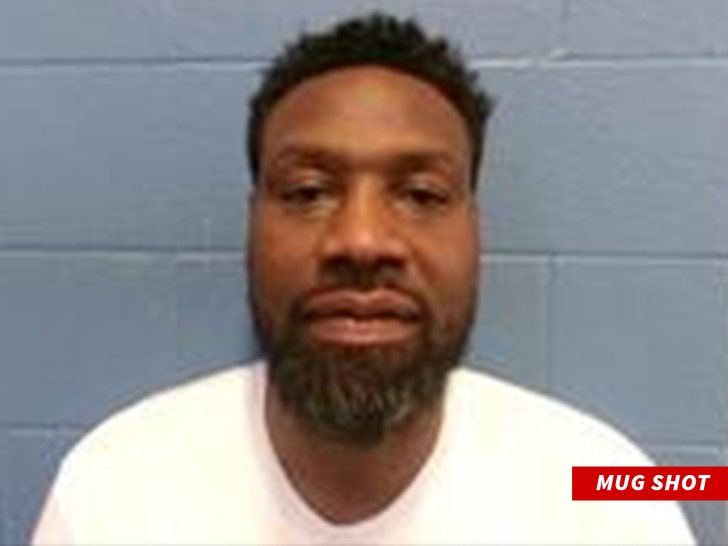
According to Sheriff Kevin Moulder, the former Memphis Grizzlies standout was a passenger in a vehicle pulled over for an improper lane change roughly 50 miles outside of Memphis. Deputies reported finding a small bag of marijuana on Allen’s person, while a further search of the vehicle allegedly turned up a cigarette box containing cocaine. Allen, who was taken into custody without bond, posed for a booking photo early Thursday morning wearing a plain white T-shirt.
For many basketball fans, Tony Allen’s name is synonymous with grit, defense, and heart. Known affectionately as “The Grindfather,” Allen spent the prime of his career with the Memphis Grizzlies from 2011 to 2017, where his relentless defense became a defining feature of the franchise’s “Grit and Grind” era. Earlier this year, in March 2025, the Grizzlies retired his No. 9 jersey, honoring his impact on the team and the city.
But in recent years, Allen’s life off the court has taken a darker turn. In 2023, he pleaded guilty in a federal health insurance fraud case involving several former NBA players. The scheme, which defrauded the league’s health plan of millions, resulted in Allen receiving three years of supervised probation and community service instead of jail time.
This latest arrest now casts doubt on whether that leniency will continue — and whether Allen’s legacy, once celebrated for his toughness and discipline, can withstand another brush with the law.
Drug laws in Arkansas are among the strictest in the southern United States. Under Arkansas Code § 5-64, possession of a controlled substance like cocaine is classified as a felony offense, while possession of marijuana may be charged as either a misdemeanor or felony depending on quantity and prior record.
If convicted, Allen could face:
Up to 6 years in prison for the felony possession of cocaine
Fines reaching $10,000 or more
Possible revocation of his existing federal probation stemming from the 2023 case
Legal analysts confirm that a probation violation could significantly compound Allen’s exposure. Neama Rahmani, a former Federal Prosecutor and President of West Coast Trial Lawyers, explains the severity:
“This is not just a new state charge; it is a direct violation of his federal supervised probation from the fraud case. A drug felony is a substantive violation, and any federal judge is going to view that as a huge betrayal of trust. The court now has the power to revoke his probation and sentence him to prison time that was previously suspended, making the fallout from this arrest far more severe than the Arkansas charges alone.”
Drug possession in Arkansas is prosecuted under a “constructive possession” doctrine, meaning an individual doesn’t need to physically hold the drugs to be charged — proximity and knowledge can be enough. Because Allen was a passenger, the legal question will likely center on who owned or controlled the substances found in the vehicle.
Courts in Arkansas have previously ruled that passengers can be convicted if prosecutors can prove awareness of the drugs and intent to control them — even without direct evidence of ownership. The burden now shifts to Allen’s defense to argue lack of control or knowledge, especially regarding the cocaine reportedly found in the cigarette box.
This case highlights an important point for readers:
If you are ever a passenger in a vehicle where illegal substances are found, you can still face serious charges unless you can clearly prove lack of knowledge or involvement.
Allen’s arrest follows a troubling pattern among former professional athletes struggling with post-career transitions. The NBA veteran once earned millions, celebrated for his defensive intensity and leadership, yet has since faced public humiliation and mounting legal issues.
Sports psychologists often describe the years following retirement as “identity collapse” — when athletes lose structure, income, and purpose. Without strong financial management or mental health support, many drift into substance use or risky behavior.
For fans in Memphis, where Allen remains a beloved figure, the news has sparked both sadness and disbelief. “Tony meant everything to this city,” one fan posted on X (formerly Twitter). “He gave 110% every night — this doesn’t feel like the guy we knew.”
Beyond the headlines, Allen’s arrest underscores a broader legal truth: celebrity offers no immunity from criminal liability. Drug possession laws in the U.S. operate on strict liability principles — meaning intent or fame rarely mitigate the offense itself.
It also highlights the challenge of balancing rehabilitation with accountability. Having already received a second chance through probation, prosecutors may be less inclined to show leniency again. Defense attorneys could, however, emphasize Allen’s cooperation, lack of violent history, and ongoing rehabilitation efforts to argue for reduced sentencing.
In Arkansas and beyond, this case serves as a reminder of how swiftly one mistake can compound past missteps, especially for public figures already under scrutiny.
Is drug possession a felony in Arkansas?
Yes. Possession of Schedule I or II substances (like cocaine) is a felony under Arkansas law, with penalties ranging from 3 to 20 years depending on quantity and prior offenses.
Can probation be revoked for a new arrest?
Absolutely. Even without a conviction, being arrested while on supervised probation can trigger a violation hearing and possible incarceration.
What defenses are available for drug possession in a vehicle?
Common defenses include lack of knowledge, unlawful search and seizure, or proving the drugs belonged to another occupant.
Could Tony Allen’s NBA career honors be affected?
While jersey retirements are symbolic and typically permanent, public perception — and future opportunities with the team or league — may be impacted by continued legal trouble.
As of Thursday morning, Allen remained in custody awaiting his initial court appearance. His attorneys have not yet issued a public statement.
For now, the man once revered as the “Grindfather” faces a new kind of battle — one not fought on the hardwood, but in the courtroom. His story serves as both a legal cautionary tale and a deeply human one about the weight of past mistakes and the fragile line between redemption and relapse.
Key Takeaway:
Tony Allen’s arrest is more than another celebrity headline — it’s a window into how U.S. drug laws operate, how prior convictions heighten risk, and how even the most disciplined athletes can falter when structure and support fall away.
The cause of reality star Nikki Exotika’s recent health emergency has been officially confirmed as excessive bleeding following breast reconstruction surgery in October 2025 — an incident now prompting renewed discussion about informed consent and duty of care in elective cosmetic procedures. According to statements from her representatives and social media updates from close friends, the 42-year-old 90 Day Fiancé alum experienced serious complications during recovery and was temporarily kept under medical observation due to dangerously low blood pressure.
One of Exotika’s friends, identified only as Mike, took over her Instagram on October 15 to alert followers that she was “very weak” and “lucky to be alive.” Doctors reportedly stabilized her condition after several tense hours, allowing her to return home the following day.
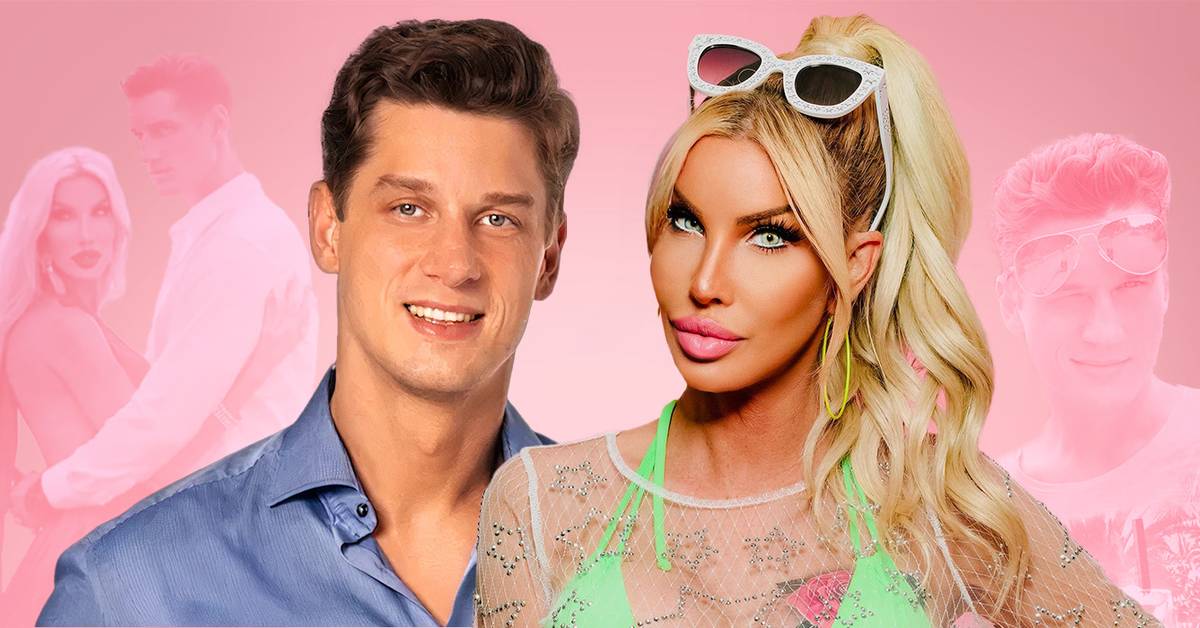
Fans Say Nikki Exotika Deserved Better in Her Relationship With Igor ‘Justin’ Shutenkov
Nikki Exotika, who rose to fame on 90 Day Fiancé Season 10, has spoken openly about her ongoing struggles with prior cosmetic surgeries. In August 2025, she told followers she would undergo a “barrage of surgeries” to correct damage from a 2019 implant procedure that left her with infection and extensive scar tissue.
The recent operation was meant to remove that scar tissue, perform fat grafting, and replace the implants — a routine but technically delicate combination of reconstructive techniques. Unfortunately, complications set in almost immediately after the procedure.
Mike’s update described a cascade of concerning symptoms: “Nikki wasn’t doing well after a very complicated surgery… her blood was very thin, which caused excessive bleeding… her blood pressure keeps dropping to a concerning level.” Nikki had reportedly taken Advil, a non-steroidal anti-inflammatory drug (NSAID), a few days before surgery — a decision that can dramatically increase bleeding risk.
According to the U.S. National Library of Medicine, NSAIDs like ibuprofen and aspirin inhibit platelet function, preventing the blood from clotting properly during surgical procedures. Even small doses can complicate post-operative recovery, especially when combined with extensive tissue reconstruction.
After stabilizing her blood pressure with medication, doctors allowed Nikki to return home, though her recovery remains ongoing. “I’m very weak and in a lot of pain,” she wrote in a later Instagram post, thanking fans for their support. “I’m still draining a lot of blood after my breast reconstruction surgery.”
Despite her exhaustion, Exotika’s message was clear: she feels grateful to be alive. “All I will say is I’m lucky to be alive right now,” she wrote, reflecting on the years of physical and emotional strain that preceded this operation.
The reality star has long been candid about her extensive cosmetic journey. In prior interviews, she estimated spending more than $1 million on surgeries throughout her life — a transformation she has described as central to her identity but not without pain, risk, and public scrutiny.
While Exotika’s ordeal appears to stem from a medication-related complication rather than direct negligence, her story shines a light on an area of medicine where legal accountability and patient protection are often misunderstood: cosmetic and elective surgery.
In the United States, medical malpractice law applies equally to cosmetic and reconstructive procedures. Surgeons owe the same “duty of care” as any other physician — including proper pre-operative screening, informed consent, and post-operative monitoring.
As Dr. Leah Binder, CEO of The Leapfrog Group, has often emphasized in interviews about patient safety, elective surgeries carry the same medical risks as any other operation — but many patients underestimate those risks, making informed consent especially critical.
Binder noted that complications involving anesthesia, infection, or bleeding are among the most litigated issues in cosmetic surgery malpractice claims. “The question isn’t whether a risk existed — it’s whether the surgeon disclosed it clearly, documented it, and prepared for it.”
Under U.S. law, informed consent requires a surgeon to provide the patient with clear, comprehensible information about:
The procedure’s purpose and benefits
Known risks and potential complications
Available alternatives
The expected recovery process
Failure to disclose material risks — such as the dangers of taking NSAIDs before surgery — can expose medical professionals to claims of negligence or breach of duty.
Legal experts told Law.com that courts often evaluate whether the surgeon’s explanation would have “allowed a reasonable patient to make an informed decision.” Even if the doctor acted skillfully, a patient who was not adequately warned about drug interactions or clotting risks could argue that their consent was not legally valid.
The American Society of Plastic Surgeons (ASPS) reports that over 18 million cosmetic procedures were performed in the U.S. last year — a record number, driven partly by social-media-influenced beauty trends and the normalization of body modification on television.
With that boom has come a surge in malpractice claims. A 2024 study in the Journal of Patient Safety & Risk Management found that approximately 1 in 50 cosmetic procedures results in a legal claim or settlement, most commonly involving infection, nerve damage, or hematoma due to unmonitored bleeding.
In cases like Nikki Exotika’s, excessive bleeding could raise legal questions if it were determined that post-operative monitoring or pre-operative screening fell below professional standards. However, since Exotika herself admitted to taking NSAIDs — a known risk factor — the case also underscores the shared responsibility between patient and provider in elective surgery outcomes.
Attorney Maggie Astor, a New York-based medical negligence specialist, told NPR earlier this year that “cosmetic surgery malpractice is a legal grey zone, because consent forms are extensive, yet patients often sign them without absorbing the implications. Real consent isn’t just a signature — it’s an understanding.”
For everyday patients considering cosmetic surgery, the Exotika case offers several takeaways:
Be transparent with your surgeon. Even over-the-counter medications like Advil or supplements such as fish oil can thin the blood and increase surgical risk. Always disclose them.
Demand clarity, not just consent. Ask your doctor to explain potential complications in plain language — and what steps they will take if something goes wrong.
Check credentials. Verify that your surgeon is board-certified in plastic or reconstructive surgery, not simply cosmetic medicine.
Have realistic expectations. Even routine surgeries carry serious risks, especially for patients with prior procedures or scar tissue.
The National Institutes of Health advises patients to avoid NSAIDs, herbal supplements, and certain vitamins for at least two weeks before surgery, unless cleared by a physician. Adhering to that guidance can prevent complications like the one Exotika endured.
Beyond her personal ordeal, Nikki Exotika’s story highlights a wider cultural shift in how we perceive cosmetic transformation and bodily autonomy. Reality television has blurred the line between personal choice and public performance, while social media has intensified pressures to modify appearance.
As the American Bar Association Journal noted in a 2024 editorial, courts are increasingly encountering malpractice suits that “arise not from gross incompetence, but from the collision of unrealistic expectations, influencer culture, and medical marketing.”
That insight rings particularly true for public figures like Exotika, whose identity and livelihood are intertwined with appearance. When complications occur, the fallout is not just physical — it’s reputational, financial, and emotional.
In her most recent updates, Nikki said she plans to focus on recovery and regaining strength before undergoing additional procedures. “This surgery should’ve been done a few years ago, but I had a lot going on in my life, and now it’s time to take care of it,” she told followers.
While she remains “in pain and still draining a lot of blood,” her tone is one of determination rather than defeat — an acknowledgment that survival, in itself, is a kind of triumph.
Her experience serves as both a cautionary tale and a reminder of resilience. For fans and legal observers alike, it also opens a deeper conversation about medical responsibility, informed consent, and patient empowerment in an industry that is still grappling with its rapid growth and shifting ethical boundaries.
Cosmetic surgery carries the same legal standards as any other medical procedure. Patients must receive full, comprehensible disclosures of risks, and doctors must document those discussions thoroughly. Both sides share responsibility: patients for honesty and preparation, doctors for diligence and communication.
As Nikki Exotika’s ordeal demonstrates, even elective procedures can quickly become life-threatening when medical guidance isn’t fully understood — making awareness, consent, and trust the cornerstones of safer, legally sound care.
Can a patient sue for complications after cosmetic surgery?
Yes — if negligence or lack of informed consent can be proven. In the U.S., cosmetic surgeons are held to the same medical malpractice standards as all physicians. Patients may have a case if the surgeon failed to disclose key risks, performed the procedure incompetently, or neglected proper post-operative care. However, proving liability can be difficult when complications arise from known risks that were clearly explained and consented to.
What does “informed consent” mean in cosmetic surgery?
“Informed consent” means your surgeon must explain, in clear language, the procedure’s purpose, risks, alternatives, and recovery expectations before you agree to it. You must be given enough information to make an educated decision. If crucial risks — such as the bleeding danger of taking NSAIDs — aren’t disclosed, the consent may be legally invalid, even if the surgery itself was skillfully performed.
How can patients reduce their legal and medical risks before surgery?
Patients can protect themselves by being fully transparent about medications and supplements, researching their surgeon’s board certification, and asking specific questions about potential complications and emergency protocols. Avoiding NSAIDs and other blood-thinning substances before surgery is especially critical. Keeping copies of consent forms and written instructions can also help if a dispute or malpractice claim arises later.
Rob Kardashian’s Return to Reality TV Marks a Turning Point — and a Lesson in Privacy Law and Mental Health
The long-absent Kardashian sibling is officially back on screen. Rob Kardashian, 38, made his surprise return to The Kardashians during the Season 7 premiere in October 2025 — his first major appearance since stepping away from reality television in 2017, a decision that once sparked broader discussion about privacy and the legal rights of reality TV participants. His sister, Kim Kardashian, confirmed the news during an October 28 interview with Andy Cohen on SiriusXM’s Radio Andy, noting that Rob’s return signals a genuine personal shift rather than a publicity move.
“He’s in such a good headspace,” Kim said. “If he’s in the mood and wants to put himself out there, he’s great and silly and so much fun. It’s just been a choice for him to chill a little bit.”

The Kardashians’ Season 7 Trailer Teases Returns of Caitlyn Jenner and Rob Kardashian — Plus a Surprise Cameo by Glenn Close
Rob’s return wasn’t staged or forced. For years, the only Kardashian brother had stepped away from public life, citing discomfort with his body image and the pressures of constant exposure. In a July 2025 conversation on Khloé in Wonderland, he explained candidly: “I don’t want to be filming and putting myself in a position where I’m not comfortable. I wasn’t comfortable in my skin — so why would I want to go on camera and be vulnerable when that’s not what I want to do?”
It was a rare moment of openness in a family known for turning their private lives into public currency. His honesty struck a chord with many fans who have followed his struggles with mental health and privacy over the past decade.
Kim emphasized that her brother’s reappearance was entirely his choice. “We all want to respect whoever doesn’t want to be on [the show],” she said. “All of us don’t have to have the same dreams and goals. He’s changed his up a little bit — and now he’s like, ‘I don’t mind it.’”
For longtime viewers, Rob’s cameo — filmed at Kris Jenner’s former home — was more than just another family moment. It represented renewal.
Rob Kardashian’s experience highlights a growing legal and ethical issue in the entertainment industry: the right to privacy in reality television contracts.
When reality TV exploded in the 2000s, participants often signed contracts giving networks extensive control over their likeness, footage, and even post-show image rights. Many of these contracts — particularly those involving family-based shows — blurred the line between personal choice and professional obligation.
According to the American Bar Association’s 2024 Media Law Review, participants in long-running reality series are frequently subject to “perpetual use clauses,” which grant production companies indefinite rights to reuse or distribute filmed material. This means that even after leaving a show, cast members may still see old footage aired in reruns or promotional material without additional consent.
However, mental health awareness and public sentiment have shifted the conversation.
Legal analysts, including attorney Rachel Stockman of the Law & Crime Network, have noted that traditional reality contracts were rarely designed with mental health or privacy recovery in mind. In recent commentary, experts told Law.com that networks are now being pushed to revisit what “informed consent” means — particularly when participants wish to withdraw for personal or psychological reasons.
This legal tension is part of a broader movement in entertainment law to protect participants’ post-production privacy rights. The California Civil Code § 3344, for instance, provides individuals with a “right of publicity,” which limits how a person’s image or likeness can be used for commercial gain without permission. While the Kardashians operate largely under negotiated contracts that supersede typical public rights, the law underscores an important principle: even celebrities have boundaries.
For the average viewer, the Kardashian family’s legal boundaries might seem distant — but the principles behind them apply widely. Anyone appearing in a reality show, documentary, or even social media sponsorship should understand:
You may be giving away long-term rights to your image or voice.
You may have limited control over how footage is edited or portrayed.
Opting out later may not revoke those rights.
These clauses, often buried in legal fine print, can have emotional and reputational consequences years down the line. As Stockman notes, “If the entertainment industry continues to blur the line between authenticity and exploitation, stronger legal safeguards will become necessary.”
For Rob, stepping back wasn’t about rejecting fame — it was about reclaiming autonomy. In the years following his public split from Blac Chyna, with whom he shares his 8-year-old daughter Dream, he largely retreated from Hollywood’s spotlight. Friends described the period as one of quiet recovery, emphasizing family over fame.
Kris Jenner reportedly encouraged his return — albeit gently — after seeing his renewed confidence. According to E! News, the family matriarch “wants to give Rob a makeover” and help him reintroduce himself to fans “on his own terms.”
It’s a shift that aligns with the Kardashian brand’s evolution toward emotional transparency. Recent seasons of The Kardashians have placed greater emphasis on therapy, body image, and family boundaries — reflecting broader cultural conversations about wellness and consent.
Rob Kardashian’s comeback might seem like another celebrity headline, but it also serves as a subtle referendum on consent and personal choice in entertainment.
For decades, fame and exposure were treated as inseparable. Today, as public awareness of privacy law deepens, celebrities — and ordinary participants in social media culture — are reclaiming their right to step back without stigma.
Legal scholars see this as part of a generational shift. As Professor Danielle Citron of the University of Virginia School of Law wrote in The Fight for Privacy (2024), “Privacy is not about hiding — it’s about having the freedom to decide when and how we share ourselves with the world.”
That freedom is precisely what Rob Kardashian seems to be exercising now.
Whether you’re joining a reality show, a streaming documentary, or even a brand partnership, it’s critical to review your image rights and privacy clauses.
Read every clause regarding likeness, lifetime rights, and future use.
Ask for time-limited or reviewable consent wherever possible.
Remember that withdrawal from a project doesn’t automatically revoke previously granted permissions.
If in doubt, consult an entertainment lawyer — ideally one experienced in media rights — before signing. As Rob Kardashian’s experience shows, stepping back from the spotlight can be empowering, but only when it’s truly your choice.
1. Can reality TV stars legally stop producers from airing their footage after they leave a show?
In most cases, no. Reality TV participants usually sign contracts granting producers broad rights to use their likeness and footage indefinitely — even after they leave the show. However, some states, such as California, recognize limited protections under the Right of Publicity (California Civil Code § 3344), which can restrict how a person’s image is used for new commercial purposes without consent.
2. Do reality TV contracts protect a person’s mental health or privacy?
Historically, not sufficiently. Traditional reality TV contracts prioritize production rights over participant welfare. In recent years, however, networks have started revising agreements to include mental health clauses and access to counseling, following public concern about emotional exploitation. Legal experts urge participants to have an entertainment lawyer review any contract before signing to ensure their privacy and psychological wellbeing are protected.
In the end, Rob’s quiet return isn’t just about family television — it’s a reminder that even the most public figures deserve moments of private healing, legal protection, and self-determination.
Prince Harry and Meghan Markle made a surprise appearance at Game 4 of the World Series between the Los Angeles Dodgers and Toronto Blue Jays on October 28, 2025, arriving in matching blue caps and coordinated navy-and-white outfits. Harry, 41, wore a white tee and blazer, while Meghan, 44, paired a knit sweater with a white button-down and gold accessories.
Days earlier, Meghan shared photos from a pumpkin patch outing with their children, Archie, 6, and Lilibet, 4. What seemed like a casual date night quickly sparked debate over celebrity privacy and media law — raising the question of how much control public figures truly have over their image at high-profile events.
:max_bytes(150000):strip_icc():focal(734x287:736x289)/Prince-Harry-Meghan-Markle-4-102825-2f25f868fd0d48928c3f9a5b830d1796.jpg)
Prince Harry and Meghan Markle attend Game 4 of the World Series at Dodger Stadium on October 28
For the Sussexes, stepping into the front row behind home plate — ahead of legendary stars like Sandy Koufax and alongside NBA hall-of-famers — isn’t just a night out. As reported, their seats drew commentary: broadcaster Howie Rose asked, “How does Sandy end up in the second row?” when Koufax was seated behind them. In an era where every public outing by high-profile figures is parsed for meaning and media reaction, this event carries three intertwined threads: fandom, branding and optics.
From a public interest standpoint, people are asking:
Why did the couple choose this outing now?
How does this shift public perception of their roles — as former royals turned Hollywood-adjacent celebrities?
What does this say about the balance between personal life and public life for figures under constant scrutiny?
Social media lit up within minutes — not over the game, but the performance. Some praised the couple’s relaxed look and family vibe, while others called the moment staged, citing carefully angled clips on Instagram.
For Meghan, an L.A. native and longtime Dodgers fan, the outing felt authentic. For Harry, it sparked debate over allegiance and optics. Brand-wise, it fit neatly into the Sussexes’ image as global yet relatable figures — family-first, media-savvy, and always camera-ready. Still, one question lingers: how much of it was genuine, and how much was crafted?
When high-visibility personalities like the Sussexes appear in public events, they operate at the intersection of visibility rights and personal privacy. Under UK and U.S. law, there are distinct concepts:
Origin & scope
In the UK, under the Human Rights Act 1998, Article 8 of the European Convention on Human Rights protects “the right to respect for private and family life”, while Article 10 protects freedom of expression. Courts balance these when deciding privacy cases involving public figures.
In the United States, the law tends to allow a reduced expectation of privacy for public figures. The “public figure” doctrine — stemming from landmark decisions like New York Times v. Sullivan (1964) — limits the ability of public persons to claim defamation unless actual malice is shown. Privacy torts (e.g., intrusion upon seclusion, public disclosure of private facts) remain available depending on jurisdiction.
Why it matters
For individuals such as the Sussexes, attending a high-profile sports event invites media attention, but it doesn’t automatically relinquish all privacy rights. A photo of them in the stands is likely “newsworthy” and allowed under freedom-of-expression principles. But if they were to attend with a heightened expectation of privacy (for example via invite-only hospitality box off-camera), a disclosure of private behaviour might trigger a successful claim — particularly in UK courts.
Precedent & example
For instance, the UK press-regulation body and courts have recognised that even royals are entitled to some privacy protection. In 2023, the UK courts ruled against certain media outlets for photographing and publishing images of their private activities when the individuals were acting in a purely private capacity. Meanwhile, in the U.S., public figure plaintiffs face stronger barriers: they must demonstrate that the publication was made with actual knowledge of falsity or reckless disregard for the truth.
Expert insight
Legal experts have noted that public figures should expect to be photographed in open venues, but context determines whether privacy expectations still apply. Analysts told Reuters that even a former working royal “cannot expect complete immunity from press coverage when attending a high-profile sporting event” (Reuters, 2024).
Reader takeaway
If you’re a public figure attending an open stadium event, you should assume your image may be published and your conduct may be commented on. While you retain rights against intrusions or unauthorised commercial uses of your likeness, you will have a significantly reduced claim if your presence is public, at a ticketed event, and the images are used for journalistic reporting.
In recent days, the Sussexes’ appearance at the World Series ties into larger threads — their ex-royal status, their American re-location, and their navigation of contemporary celebrity culture. Unlike their earlier high-profile interviews or royal tours, this outing is softer, more domestic: a date night, a family moment, a fandom flash. Yet it still carries spectacle.
For Meghan, this moment re-centres her Los Angeles roots and her fan identity as a Dodgers supporter. For Harry, it demonstrates his adaptability: shifting from royal duties to public appearances in wholly new contexts. Together, they appear less as aloof archetypes and more as a modern celebrity couple. That pivot resonates in search patterns: terms like “Meghan Markle Dodgers fan”, “Prince Harry Los Angeles date night public outing”, and “royal couple celebrity sports event 2025” are likely trending upward.
But the optics also invite scrutiny: critics on social platforms flagged elements of performance — the perfect hat angle, the camera-ready moment, the front-row seats. One X user wrote:
“LOOKS SO FAKE… the camera was perfectly positioned to capture everyone”
And another:
“So scripted… of course it was NOT staged because you know, the camera…”
Whether orchestrated or not, these critiques matter: in the court of public opinion, authenticity is currency. The couple’s future engagements will likely be measured not just for content, but for tone.
This World Series outing may seem like light-entertainment, but for the Sussexes it ticks numerous boxes: family time, brand reinforcement, media moment, story arc. For us as observers and publishers, it underscores how even seemingly casual appearances by prominent figures carry multiple layers — personal, legal, reputational.
And if you’re thinking of headlining your next piece with “Meghan and Harry at Dodgers” — you’re already speaking into the wave of search interest, public curiosity and legal nuance that this event embodies.
1. What rights do public figures have when it comes to privacy?
Public figures — including celebrities, politicians, and royals — have a limited expectation of privacy, especially when appearing in public spaces. Courts often balance privacy against the public’s right to know. In the U.K., Article 8 of the Human Rights Act protects private life, but it’s weighed against Article 10 (freedom of expression). In the U.S., public figures face even higher hurdles and must show “actual malice” in defamation or privacy claims.
2. Can media outlets publish photos taken in public without consent?
Generally, yes — if the photo is taken in a public setting and used for news reporting rather than commercial purposes. However, publishing images taken in private spaces, or using them to promote products without permission, may violate privacy or publicity rights. Exceptions exist if the subject has a reasonable expectation of privacy, such as in a private residence or restricted area.
3. What can individuals do if their privacy is violated by the media?
They can file a legal claim depending on the jurisdiction — for instance, for intrusion upon seclusion, public disclosure of private facts, or misappropriation of likeness. In the U.K., victims may pursue claims under the Data Protection Act 2018 or privacy torts recognised by courts. Remedies often include damages, takedown orders, and, in serious cases, injunctions preventing further publication.
The eldest daughter of reality star Todd Chrisley, now known as Lindsie Landsman, has spoken out publicly for the first time since the release of Lifetime’s new documentary The Chrisleys: Back to Reality. According to Landsman, the series misrepresents her and omits what she describes as years of blackmail, emotional manipulation, and threats by members of her own family.
“The Lifetime documentary of my family came out, and a lot of the things that were aired were inaccurate depictions of what has transpired,” Landsman said on her podcast The Southern Tea.
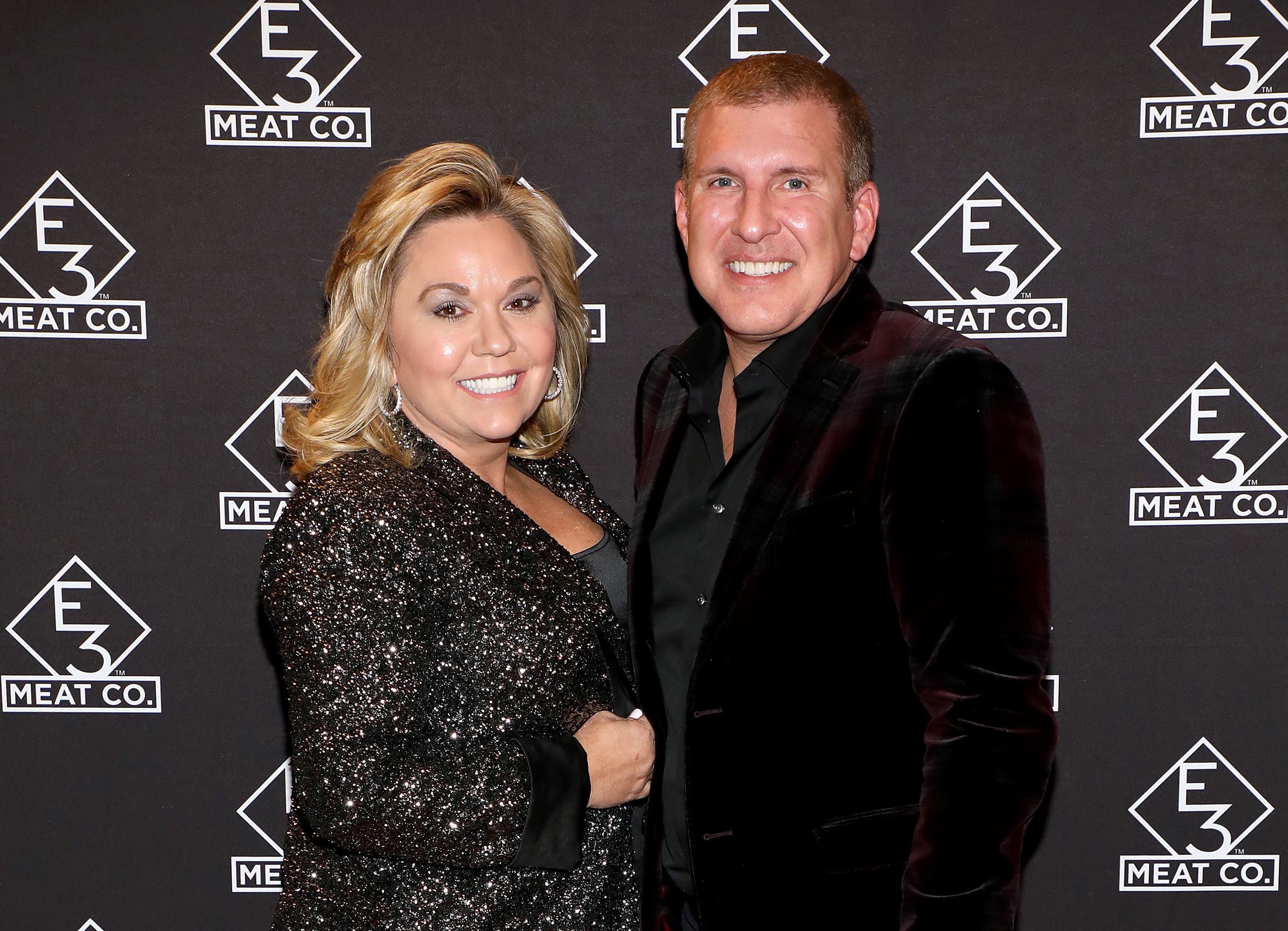
Landsman rose to prominence as part of Chrisley Knows Best, the once-popular USA Network series that showcased Todd Chrisley’s affluent Southern family. Yet behind the picture-perfect image, she says, was turmoil and coercion.
In the days following the Lifetime premiere, Landsman announced a three-part podcast series across The Southern Tea and Coffee Convos (co-hosted with Teen Mom star Kail Lowry). The first episode dropped on October 22, followed by a second on October 23 and a Patreon-exclusive finale on October 24, before the full release on October 29.
She claims that after her father’s indictment on bank-fraud and tax-evasion charges in 2022, she was pressured to defend him and threatened with the release of a private sex tape if she refused to lie to investigators. Landsman says she later contacted both the Georgia Department of Revenue and the FBI, and even sought a restraining order against her father.
Meanwhile, the Chrisley siblings have fired back. On Lifetime’s Back to Reality, Savannah Chrisley said, “The prosecutors read the letter Lindsie wrote to the FBI. We’re no longer family.” Her brother Chase added, “If your blood will screw you over, then a stranger definitely will.”
Todd Chrisley and his wife Julie were convicted in 2022 for bank fraud and tax evasion, accused of using falsified documents to obtain over $30 million in loans. They began serving prison sentences in January 2023 — but both were granted full pardons by former President Donald Trump in May 2025.
For years, the Chrisleys’ TV brand sold a vision of Southern charm and family loyalty. Now, it’s that same family that appears fractured beyond repair. Landsman’s decision to speak publicly marks a striking reversal of the family dynamic once curated for millions of viewers.
Her statements are also a warning about how easily public personas can conceal deeper pain. As Landsman put it, “I will share my truth.”
At the legal heart of this case lies a critical question: can a family member’s threat to expose private sexual material constitute criminal blackmail or coercion?
Under both federal law and Georgia state statutes, threatening to release intimate material to force another person’s cooperation can qualify as extortion or sexual coercion. The Georgia Code (O.C.G.A. § 16-11-39.1 and § 16-8-16) prohibits threats made with intent to compel an action or gain advantage. Even within families, such conduct may trigger criminal liability and civil suits for intentional infliction of emotional distress or invasion of privacy.
Legal experts have noted that coercive control within family relationships can still fall squarely under harassment or blackmail statutes. According to an analysis cited by the American Bar Association Journal, “When intimate images become a weapon for manipulation, the act transcends private conflict — it becomes a matter of law.”
Across the U.S., “revenge porn” or non-consensual image-sharing laws have gained traction, covering both digital and threatened distribution. More than 48 states — including Georgia — criminalize such behavior. Victims can also seek restraining orders, civil damages, and injunctive relief to prevent dissemination.
For the public, Landsman’s allegations highlight a broader reality: coercion and blackmail don’t only occur between strangers or ex-partners. They can exist inside families, workplaces, or any power-imbalanced relationship.
Document everything: Save emails, messages, or recordings of threats.
Report immediately: Contact local law enforcement or your state attorney general’s office.
Seek legal advice: A civil or family-law attorney can file restraining or protective orders.
Know your rights: Even if you once consented to recording or sharing images, you can still claim violation if those images are later weaponized.
Bottom line: Blackmail is illegal — even when it happens under the same roof.
As Landsman’s podcast unfolds, listeners will hear her side of the story — backed, she claims, by emails, legal letters, and court filings. Lifetime, for its part, has stood by its series, calling it a “comprehensive portrait of the family’s journey.”
Todd Chrisley has denied all accusations of blackmail, saying through his lawyer that the claims are “categorically false.” Yet public reaction has been swift: social-media users have rallied behind Landsman, praising her for exposing what they call “toxic family control.”
For observers of media law, this saga underscores a recurring question: when does storytelling cross into defamation or invasion of privacy? If Landsman can prove misrepresentation or false light in Lifetime’s portrayal, civil claims could follow — though reality-TV contracts often contain broad waivers that make defamation suits difficult.
The next few weeks will determine how much of Landsman’s evidence is released and whether her allegations prompt official legal review. What’s clear is that this public reckoning — blending personal trauma, media spectacle, and unresolved criminal history — has turned one of reality TV’s most famous families into a real-life case study in coercion, power, and the limits of forgiveness.
For viewers, it’s a story about more than fame; it’s about control, truth, and the right to speak freely, even against those who once called you family.
If you believe someone is threatening you with exposure or harm — even a family member — contact:
The National Domestic Violence Hotline: 1-800-799-SAFE (7233)
RAINN (Sexual Assault Hotline): 1-800-656-4673
Your local law enforcement or state attorney general’s office
You have the right to your privacy, your peace, and your story.
Can you sue a family member for blackmail?
Yes. Under Georgia and federal law, threats of exposure or coercion for personal or financial gain can qualify as extortion or blackmail — even between family members.
What is considered coercion under U.S. law?
Coercion involves forcing someone to act against their will through threats, manipulation, or intimidation. It can lead to both criminal charges and civil damages.
Does reality TV affect ongoing legal cases?
It can. Public commentary or edited portrayals may complicate investigations or influence public opinion, which is why lawyers often advise caution when legal proceedings are active.
Zohran Mamdani’s net worth is estimated at around $200,000 in 2025 — a far cry from the millionaires he’ll soon govern. The newly elected socialist mayor of New York City owns no luxury property, drives no car, and still rents a modest apartment in Queens. His six-figure fortune is redefining what power looks like in America’s wealth capital.
In a city built on Wall Street wealth, New York’s new mayor, Zohran Mamdani, stands apart for what he doesn’t have.
According to filings with the New York City Campaign Finance Board, the 34-year-old Democratic Socialist reported total assets worth between $150,000 and $250,000 — a figure that includes an undeveloped parcel of land in Jinja, Uganda, gifted by a relative.
That alone would make him one of the least-wealthy mayors in modern city history. Yet it’s exactly that financial modesty that turned Mamdani’s campaign into a movement. His 2024 legislative salary of $142,000, rent-stabilized Astoria apartment, and reliance on the subway have become emblems of his authenticity — proof that his politics of equality aren’t just rhetoric, but lived reality.
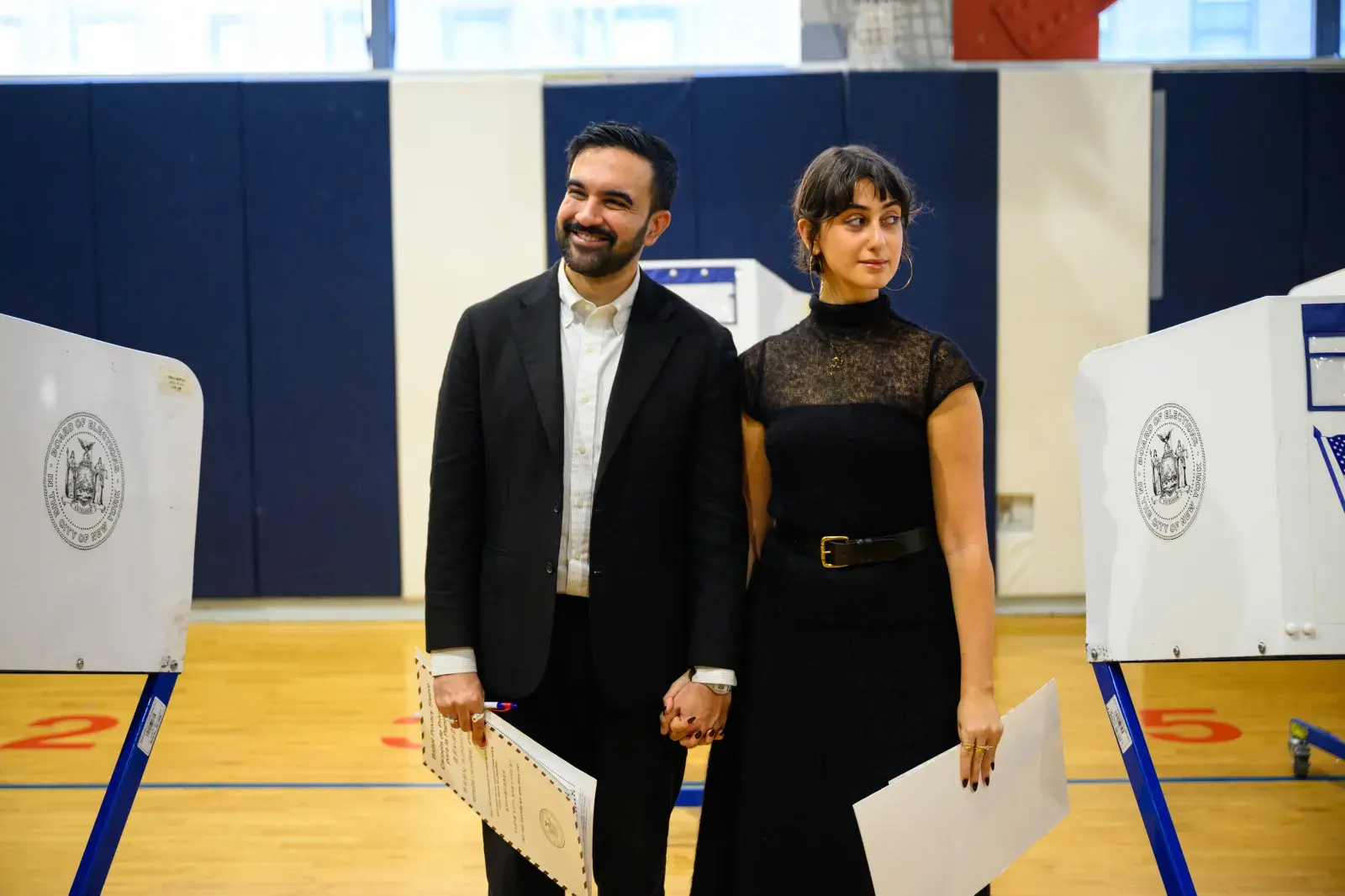
Who is Rama Duwaji? Rama Duwaji is the Syrian-American illustrator and wife of NYC mayor Zohran Mamdani, has built a rising art career with The New Yorker, Vogue, and The Washington Post while using her work to speak out on Gaza and immigration issues.
Estimated 2025 Net Worth: $150,000 – $250,000
Primary Asset: Four acres of undeveloped land in Uganda, near Lake Victoria
Annual Income (Assembly): $142,000
Projected Mayoral Salary (2026): ≈ $258,750
Home: Rent-stabilized apartment, Astoria, Queens
Transportation: NYC subway
The Jinja property — roughly four acres overlooking Lake Victoria — accounts for most of his wealth. Gifted by an uncle around 2012–2016, it’s valued at up to $250,000 but generates no income. Analysts note the land is non-liquid, meaning its symbolic worth far exceeds its financial utility.
For three terms in the New York State Assembly, Mamdani earned $142,000 per year — a decent wage, but hardly extravagant in the nation’s most expensive housing market. After taxes and rent, his lifestyle remains middle-class by New York standards.
Few realize that before politics, Mamdani recorded hip-hop tracks under the name Mr. Cardamom. His 2024 disclosures show under $1,000 in residual music royalties.
He also once invested about $10,000 in a social-enterprise start-up called MiTec. The company dissolved, and he reportedly recouped roughly half his stake.
These modest streams reinforce a rare picture in modern politics — a mayor whose wealth stems not from boardrooms or real estate, but from public service.
Though Zohran Mamdani’s personal finances remain modest, his family background tells a different story. His parents — Columbia University professor Mahmood Mamdani and Oscar-nominated filmmaker Mira Nair — are among East Africa’s cultural elite.
In September 2025, the New York Post revealed that their five-bedroom Ugandan estate overlooking Lake Victoria has been listed on Airbnb for nearly a decade, renting for $300–$350 a night. The villa features a pool, gardens frequented by monkeys, and a full household staff.
The revelation raised eyebrows, given Mamdani’s outspoken opposition to short-term rentals and his calls for “the abolition of private property.” Critics labeled him a “silver-spoon socialist,” while supporters countered that he has no financial ties to the property and continues to live in a rent-stabilized apartment in Queens.
The episode highlights the paradox of a progressive leader with privileged roots — a tension that both fuels and challenges his authenticity as New York’s first openly socialist mayor.
Zohran Mamdani’s wife, Rama Duwaji, has quietly become a figure of fascination in her own right. A Syrian-American illustrator born in Houston and raised in Dubai, she has built a successful career with credits in The New Yorker, Vogue, and The Washington Post.
The couple met on the dating app Hinge and married in 2025, holding ceremonies in Manhattan and Uganda. Duwaji’s art often explores political and humanitarian themes — from Palestinian solidarity to U.S. immigration policy — earning both praise and controversy. In one viral animation, she depicted a young Palestinian girl amid Gaza’s food crisis, captioned: “It is deliberate starvation.”
While some critics have targeted her online, Mamdani has defended her publicly, calling her “an incredible artist who deserves to be known on her own terms.” As New York’s new first lady, Duwaji continues to use her platform to merge art, activism, and empathy, standing as both a creative partner and a moral counterpoint to her husband’s political rise.
When Mamdani pledged to raise taxes on income over $1 million, critics dismissed it as class warfare. But his finances tell another story. His low six-figure net worth makes him the inverse of the city’s elite — a man governing Wall Street’s skyline from a one-bedroom apartment.
He still rides the N train, pays $2,300 in monthly rent, and has been photographed commuting without security. In a political landscape dominated by millionaires, Mamdani’s day-to-day reality mirrors that of the voters who put him there.
Under New York City law, elected officials must publicly declare their assets, income, and liabilities. Mamdani’s consistent financial disclosures — from his Assembly tenure through his mayoral campaign — have reinforced his credibility and commitment to transparency.
Opponents, including former governor Andrew Cuomo, tried to weaponize his modest lifestyle, suggesting that a rent-stabilized mayor lacked “executive seriousness.” The attack backfired. For millions of renters, Mamdani’s story became proof that the city’s housing laws can still protect ordinary people — and that one of their own could lead City Hall without compromising integrity.
Mamdani’s campaign pitted grassroots activism against billionaire money. Super PACs backed by financiers like Bill Ackman poured millions into attack ads portraying him as anti-business — yet the financial onslaught only deepened the moral divide.
In the days following his victory, Barstool Sports founder Dave Portnoy threatened to move his media company out of New York, calling Mamdani’s win “a death sentence for small business owners.” The comment quickly went viral, fueling an online culture clash between the city’s entrepreneurial class and the new socialist leadership.
But for Mamdani’s supporters, the outrage from billionaires and moguls only reinforced his message. They rallied around the symbolism of a mayor who didn’t cash in to climb up — a politician whose net worth aligns with his ideals. For progressives across the country, it marked a watershed: the first time in decades that a major U.S. city elected a leader whose personal balance sheet looked more like a social worker’s than a hedge-fund manager’s.
Despite his humble wealth, Mamdani’s policies have drawn fire from real-estate groups and Wall Street lobbyists. Detractors argue that his proposed rent freeze could stifle housing investment.
Supporters counter that his firsthand experience with rent stabilization makes him uniquely qualified to reform it responsibly.
Even political rivals concede one thing: Mamdani’s financial transparency is beyond reproach. Unlike many of his predecessors, he publishes full statements online — a practice anti-corruption groups have praised as “a new standard for municipal ethics.”
In a metropolis where luxury penthouses trade for $250 million, Mamdani’s financial humility is a cultural earthquake. His victory challenges the assumption that wealth equals leadership.
Managing a $115 billion city budget while personally worth under $250 K makes him an anomaly — and, to many, an inspiration.
His story also highlights the broader shift reshaping U.S. politics: voters rewarding authenticity over affluence. The real question now is whether a mayor who governs from the subway can outlast the billionaires who fund his opposition.
How much is Zohran Mamdani worth in 2025?
Public filings estimate his net worth between $150,000 and $250,000, mostly tied to land in Uganda.
Does Zohran Mamdani own a home in New York City?
No. He rents a rent-stabilized apartment in Astoria, Queens, for about $2,300 a month.
What will his salary be as mayor?
Upon taking office in 2026, Mamdani will earn approximately $258,750 per year, the official mayoral salary.
Where did he make his money?
Mainly through public service income, minor music royalties, and a small social-enterprise investment.
Why does his net worth matter politically?
It underscores his commitment to progressive values and credibility as a leader who personally experiences the economic challenges his policies address.
Zohran Mamdani’s six-figure fortune won’t land him on any rich list — but it might redefine what political power looks like in 2025. His finances mirror his philosophy: transparent, modest, and uncorrupted by excess.
In a city long governed by moguls, he represents something rarer — a mayor whose wealth lies in public trust, not private equity.
The election of Zohran Mamdani as New York City’s first Muslim mayor on Tuesday night has sparked an immediate backlash from Barstool Sports founder Dave Portnoy, who publicly threatened to move his company out of the city. Mamdani, a self-described Democratic socialist, won with 50.4% of the vote, defeating former Governor Andrew Cuomo and Republican Curtis Sliwa.
Following the results, Portnoy shared a video on X quoting CNN commentator Scott Jennings, calling Mamdani a “great actor.” In his own post, Portnoy added, “If this is what the people of NYC want, then so be it. Thank God I don’t live there anymore.” The remarks reignited his ongoing feud with New York politics and his growing disillusionment with the city’s direction under progressive leadership.

Dave Portnoy, 48, has long embodied New York’s brash entrepreneurial spirit. As the founder of Barstool Sports—a media empire that started as a free gambling newspaper and grew into one of America’s most influential digital brands—Portnoy’s public persona is synonymous with unfiltered commentary and cultural defiance. His conflict with Mamdani, however, highlights a deeper ideological divide in post-pandemic New York: one between the city’s progressive politics and its business leaders who feel increasingly alienated.
On a recent episode of The Unnamed Show podcast, Portnoy didn’t mince words:
“If it was just me, I’d move the company out of New York City because I hate this guy so much. But I won’t, because there are a lot of people in New York, and I don’t want to change their lifestyle for it.”
Despite that concession, Portnoy later hinted that relocation may still be on the table. “I told our finance guy to start looking around for property. No joke. Take a principled stand.”
According to company data, Barstool employs roughly 1,300 people globally—about 325 of whom are based in New York. Moving the company’s headquarters would not only affect staff livelihoods but also deal a symbolic blow to New York’s post-pandemic business recovery.
Mamdani’s victory marks a historic moment: the first Muslim and first openly socialist mayor in New York City’s history. The 33-year-old, born in Uganda and raised in Queens, has built his political reputation around housing reform, wealth redistribution, and immigrant rights.
At his Brooklyn victory party, Mamdani addressed supporters with a fiery message aimed squarely at President Donald Trump, who had previously called him a “communist.”
“New York will remain a city of immigrants, built by immigrants, powered by immigrants, and now led by an immigrant,” Mamdani declared.
For Portnoy and many like him, those words represented not celebration, but a shift away from the business-friendly ethos that once defined New York’s global status.
Portnoy has threatened to move Barstool before, but this time he may have the leverage to do it. Since regaining full ownership in 2023, he’s expanded offices in Chicago, Miami, and Boston—making a relocation feasible.
Still, leaving New York would mean severing Barstool from its cultural roots. Analysts say any move would be practical, not personal, likely toward low-tax states like Florida or Texas.
Pollster James Johnson warned in The Economic Times: “If anywhere near that number actually left, the economic impact would be seismic.”
Portnoy’s outspoken politics highlight a growing legal gray area: how much political speech business owners can express without crossing workplace or legal boundaries.
The First Amendment protects personal speech from government action, not from consequences inside private companies. As attorney Andrew Kragie told Associated Press,
“The First Amendment does not apply in private workplaces to protect employees’ speech. It actually does protect employers’ right to make decisions about employees, based on employees’ speech.”
Experts like Michael R. Marra of Fisher & Phillips LLP note that employers can restrict political expression to prevent workplace conflict, while S. McKinley Gray III of Ward & Smith P.A. urges “clear, narrowly tailored policies” to limit risk.
The takeaway: business leaders can speak freely, but they must separate personal politics from company policy—especially in states like New York, where Labor Law §201-d protects employees’ lawful political activity outside work.
Whether Portnoy actually relocates Barstool remains uncertain, but the debate reflects a larger narrative about the exodus of entrepreneurs from high-tax, regulation-heavy states. From Elon Musk moving Tesla to Texas to hedge funds shifting from Manhattan to Miami, the pattern is clear: ideological and economic divides are redrawing the map of American business power.
As of now, Barstool’s headquarters remain in New York, but Portnoy’s words have already landed their punch. They tap into a national mood of frustration among business owners who feel politically alienated—and for many readers, that’s the real story behind his outburst.
Is Dave Portnoy really moving Barstool Sports out of New York?
Not yet. Portnoy has expressed serious frustration and has instructed his team to explore alternatives, but no formal relocation has been announced.
Who is Zohran Mamdani?
Zohran Mamdani is the newly elected mayor of New York City, a Democratic socialist and the city’s first Muslim leader.
Why does Dave Portnoy dislike Mamdani?
Portnoy has criticized Mamdani’s policies as “anti-business” and “communist,” claiming his leadership would drive companies away from New York.
What law protects political speech for business owners?
The First Amendment protects individual expression, but workplace laws—like New York’s Section 201-d—limit how employers can act on political beliefs within company settings.
The cause of death for Akira Stein, 19, has been officially confirmed by the U.S. Drug Enforcement Administration (DEA). According to authorities, she died from a fentanyl-laced pill overdose at her family’s Manhattan apartment in May 2023.
Her father, Chris Stein, the co-founder and guitarist of the iconic band Blondie, broke his silence after five people were arrested and charged with distributing the counterfeit pills that led to her death. The arrests, announced on October 30, 2025, were part of a broader DEA investigation into a New York drug network responsible for three teen fatalities — including Akira and Leandro De Niro Rodriguez, the grandson of actor Robert De Niro.

That same day, Stein, 75, posted a photo of his daughter to Instagram and thanked the DEA, NYPD, and U.S. Attorney’s Office for their work, calling their efforts “very sympathetic and respectful.”
“Arrests have been made and announced today in Akira’s case,” Stein wrote. “The DEA, U.S. Attorney folks from the NYC Southern District, and NYPD have been very sympathetic and respectful through this process. I can’t thank them enough for this hope of some justice for her. Please be careful.”
Akira, the younger daughter of Stein and actress Barbara Sicuranza, had long been described as creative and warm-hearted. Her older sister Vali, now 20, continues to live in New York. In a July 2023 Facebook post, Stein revealed that Akira had “been struggling for a few years and addiction took her.”
“She was wonderful and a bright place in the world,” he wrote. “Barbara, Vali and I are moving ahead but there’s a huge piece missing from our lives. Just remember her and be kind to each other — and you young people please avoid this trap.”
According to the federal indictment unsealed in Manhattan, the defendants allegedly ran a fentanyl pill distribution network that used social media and encrypted messaging apps to sell to teenagers across New York City.
Authorities said Akira purchased pills from two of the defendants during the six months before her death and suffered multiple non-fatal overdoses before the final, fatal incident. Despite those warning signs, the same dealers allegedly continued supplying her counterfeit pills disguised as legitimate painkillers.
This detail has sparked a haunting question among families and readers alike:
How could someone who had already overdosed multiple times still get pills from the same dealers?
Investigators say the men relied on online anonymity — ephemeral messages, emoji-coded offers, and slang for pills — to target vulnerable teens. Many believed they were buying Percocet (M30) or Oxycodone, unaware that the pills were fake and laced with potent fentanyl.
“Every pill, every dose, represents a calculated act of devastation,” said HSI New York Special Agent Ricky Patel. “These defendants left behind shattered lives and the destruction of dreams.”
Blondie frontwoman Debbie Harry, Akira’s godmother, shared her own grief shortly after Stein’s announcement.
“While on stage sometimes I felt she was there watching — just like when she was a little girl,” Harry wrote. “I will grieve for the rest of my life at our terrible loss.”
Harry also urged fans to recognize the growing threat of synthetic opioids, calling fentanyl “too dangerous yet seductive and too easy to get.”
For Blondie’s tight-knit circle — a group that once symbolized downtown New York’s energy and rebellion — the tragedy has added a new layer of purpose: a warning against the illusion of safety around counterfeit prescription drugs.
Under the Controlled Substances Act (21 U.S.C. § 841), it is illegal to manufacture, distribute, or possess with intent to distribute a controlled substance — including fentanyl. When distribution results in death or serious injury, the penalty can include up to life imprisonment.
In Akira’s case, prosecutors say the defendants knowingly distributed counterfeit oxycodone pills that led to her overdose. They have been charged with conspiracy to distribute and possess with intent to distribute fentanyl, a violation that carries mandatory minimum sentences if proven.
But this tragedy also exposes a new dimension of drug law — one that stretches beyond the physical street corner and into the digital ecosystem.
“Drug traffickers are targeting our teens and young adults where they spend time — on social media — and they’re selling fake pills made of fentanyl,” said DEA Administrator Anne Milgram in a prior 2024 statement.
For everyday readers, the takeaway is clear: these laws don’t just target cartel-level traffickers. They can apply to anyone knowingly distributing a controlled substance — including individuals reselling counterfeit pills on Snapchat, Telegram, or Instagram.
Actionable takeaway: Parents and guardians should be alert not only to physical drug use but to digital behavior — slang terms like “percs,” “M30s,” or “blues” — which can signal high-risk interactions online.
If a young person experiences a non-fatal overdose, it must be treated as an emergency intervention point, not just a scare. Dealers who continue to sell after such incidents may face federal homicide-level penalties.
Data from the Centers for Disease Control and Prevention (CDC) shows that more than 100,000 Americans died of overdoses in 2023, with synthetic opioids like fentanyl responsible for nearly 70% of those deaths.
In New York City alone, health officials reported over 2,400 fentanyl-linked fatalities in 2024 — and nearly 75 involved teens and young adults aged 15–24.
These numbers show the same chilling pattern: counterfeit pills bought online, delivered through encrypted messaging apps, consumed by unsuspecting teens — sometimes after surviving prior overdoses.
Public health experts say repeated non-fatal overdoses are one of the strongest predictors of eventual death. Yet few legal or medical systems have real-time tracking to flag and intervene when those events occur.
In May 2025, two years after his daughter’s death, Stein posted a short video on Facebook titled simply “Akira.” The caption read:
“Two years. I carry your heart with me (I carry it in my heart). I am never without it.”
In his memoir Under a Rock, Stein described Akira’s death as “the hardest thing I’ve ever dealt with.” He reflected on his own past drug experiences and the guilt he carries.
“I thought that I presented my own drug experiences in a negative light to our kids,” he wrote. “But I’m racked with guilt that any discussions might have been misconstrued.”
Now, his grief has become advocacy — a call for awareness, accountability, and compassion in a crisis claiming thousands of young lives each year.
The case against the five defendants will proceed in federal court in Manhattan. Prosecutors say their arrests mark a significant step toward dismantling the social-media-based supply chain that has claimed multiple teen lives.
Meanwhile, the DEA continues to warn that fake prescription pills remain the deadliest form of fentanyl exposure — responsible for the majority of new overdose deaths nationwide.
For Chris Stein and his family, justice may still be far off, but the message is already echoing: even one counterfeit pill can kill.
Police in London have launched a fresh manhunt for Ahmed Salem Alsaedi, a 36-year-old Saudi national accused of sexually assaulting a woman, after he failed to appear at Southwark Crown Court on November 5, 2025.
The search comes as the Metropolitan Police face mounting pressure following today’s revelation that two prisoners were mistakenly released from HMP Wandsworth—the latest in a series of high-profile errors involving foreign offenders five days after the release of migrant sex offender Hadush Kebatu
According to court records, Alsaedi, whose address was listed as the Oyo Townhouse Sussex Hotel in Paddington, had been due to enter a plea with the assistance of an Arabic interpreter. The alleged assault occurred on June 11, 2022, and the defendant was previously released on conditional bail pending trial. When Alsaedi failed to appear, Judge Justin Cole immediately issued a warrant “not backed for bail”, meaning he will be detained upon arrest.
His disappearance now joins a troubling list of cases challenging the UK’s criminal justice system. Earlier today, Sky News reported that two inmates—both foreign nationals—were erroneously released from HMP Wandsworth, including one convicted sex offender.
Officials later confirmed the mistake was caused by a court communication error, fueling public anger and political criticism over what former Justice Secretary Sir Robert Buckland described as “a breakdown in accountability.”

The police manhunt began after Alsaedi failed to appear at Southwark Crown Court earlier today.
Alsaedi’s absence has prompted urgent questions about how a foreign national facing a serious sexual assault charge could evade the court process. Police sources confirmed that officers visited his listed hotel address in Paddington shortly after the warrant was issued, but he was no longer there. Immigration Enforcement and Border Force have been notified, and investigators are reviewing surveillance footage from nearby transport hubs.
The case has struck a nerve with the public. On social media, users drew immediate parallels between Alsaedi’s disappearance and the Wandsworth blunders, accusing authorities of systemic negligence.
One viral post read: “How can this keep happening? Another foreign offender vanishes, and we’re told it’s just an ‘error.’”
Katie Russell, national spokesperson for Rape Crisis England & Wales, said the case “sends the worst possible message to survivors of sexual violence.”
“When victims see the accused simply disappear,” she added, “it deepens the trauma and erodes confidence in the justice process.”
Under UK law, a defendant’s failure to attend court without reasonable cause triggers an immediate bench warrant. Judge Cole’s decision to make the warrant “not backed for bail” ensures that Alsaedi, if located, will remain in custody until his next court appearance.
Legal analysts say such absences complicate prosecution timelines and stretch police resources. Once a warrant is issued, details are uploaded to the Police National Computer (PNC) and shared with immigration and international enforcement agencies. But if the suspect has already fled abroad, enforcement depends on Interpol cooperation and, in many cases, political goodwill.
Alsaedi’s disappearance highlights a broader and politically sensitive issue—extradition gaps and international arrest enforcement—particularly in cases involving non-UK citizens.
The UK’s Extradition Act 2003 governs the process of returning suspects to face justice. However, Saudi Arabia is not part of the UK’s formal extradition treaty network, meaning that even if Alsaedi has fled home, there is no automatic legal mechanism to compel his return.
“Without a binding treaty, extradition depends entirely on diplomatic cooperation,” said Professor Gavin Phillipson, a constitutional and international law scholar at the University of Bristol. “An Interpol Red Notice is only an alert, not an obligation—so political will often determines whether justice is served.”
Data from the Home Office reveals that more than 1,200 foreign nationals have absconded from criminal proceedings in the past five years, with fewer than 10% successfully extradited. Critics argue that this exposes a significant weakness in the UK’s ability to uphold justice across borders, especially in sexual assault cases where victims depend on closure and accountability.
For ordinary citizens, the takeaway is clear: extradition is not guaranteed, even in serious criminal cases. Legal experts advise victims and witnesses to stay in contact with the Crown Prosecution Service’s Victim Liaison Unit, which can provide updates and coordinate with international authorities if a suspect flees abroad.
The twin scandals—the Wandsworth prison blunders and Alsaedi’s disappearance—have intensified political scrutiny of Justice Secretary David Lammy and the Ministry of Justice. Government ministers have pledged to “work through the night” to correct the errors, while opposition MPs accuse the administration of “losing control of the justice system.”
Former Justice Secretary Sir Robert Buckland told Sky News that “the British public has every right to expect competence and integrity from our justice institutions. When offenders walk free through clerical mistakes or weak supervision, trust evaporates.”
Inside Parliament, calls are growing for an independent review into how foreign offenders are monitored before trial, including the use of hotels or temporary housing as bail addresses. A recent Prison Reform Trust report warned that staff shortages, outdated record systems, and poor coordination between courts and prisons are contributing to “avoidable failures” that undermine public confidence.
As of Wednesday evening, the Metropolitan Police confirmed that the search for Ahmed Salem Alsaedi remains active, with specialist units working alongside immigration and border authorities. A spokesperson said, “Every possible lead is being pursued to ensure public safety and justice for the victim.”
Authorities are reviewing flight manifests, hotel records, and CCTV from major transport routes in and out of London. Investigators have not ruled out the possibility that Alsaedi may have left the country before the warrant was issued.
Anyone with information on his whereabouts is urged to contact Met Police at 101 or Crimestoppers anonymously at 0800 555 111.
The case of Ahmed Salem Alsaedi now stands as a symbol of a justice system under strain—from the administrative failures at Wandsworth Prison to the complex international realities of modern policing.
While the immediate priority is locating the missing suspect, the deeper question remains: how many more offenders might slip through the cracks before meaningful reform arrives?
Until then, the search for justice continues—not only for the unnamed woman at the heart of this case but for a nation increasingly uncertain about the reliability of its own courts and prisons.