
Understand Your Rights. Solve Your Legal Problems
by Rolf Behrentin of Behrentin Rechtsanwälte
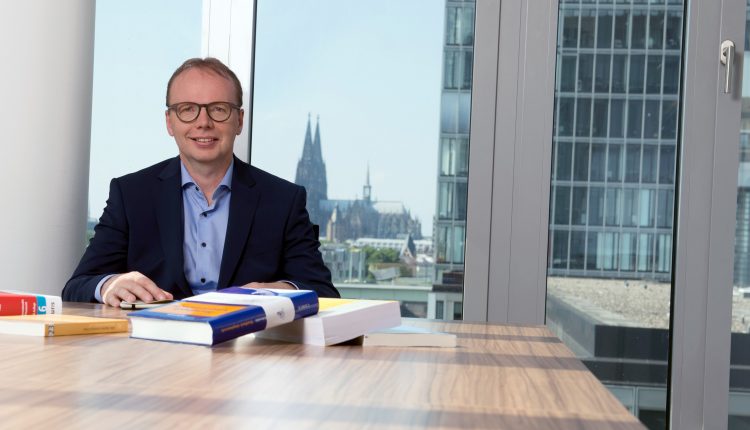
For most people, there comes a time in their lives when they think about having children. For those who have made this decision, if it turns out that they cannot have children naturally, this can be incredibly hard to accept. Once this difficult situation has been accepted, the question of alternatives arises. At this point, couples will be confronted with topics such as adoption or surrogacy. However, these routes to parenthood can be troublesome and emotionally challenging. This is often the case where proceedings take place abroad, and the law in the child’s country of birth does not correspond to the legal requirements in the country of origin of the intended parents.
Adoption in particular is an area that can hold many uncertainties on the road to legal parenthood of an adopted child. One parent may unlawfully refuse to agree to the adoption, or a responsible authority might give a negative prognosis that is unjustified. Whenever such legal difficulties arise, affected couples will almost inevitably seek the counsel of a specialised attorney. In the USA there is an abundance of specialised experts among lawyers and law firms. In Germany, on the other hand, there are a few renowned family law experts, but only one law firm specializes in adoption law and also covers further aspects of international family and reproductive law. Aside from counselling clients, this law firm is active in academic research, provides international assistance to clients, other law firms, public authorities and Courts, and prepares expert opinions. We spoke to the owner, Rechtsanwalt Rolf Behrentin, about adoption, reproductive law, his work and interesting cases in his day-to-day practice.
You have specialized in adoption law since 2002 and also in reproductive law since 2010. Please give us an overview on the legal situation and developments in Germany.
Adoption Law
Under German law, the provisions governing adoption comprise two large areas: the adoption of minors and the adoption of adults. The paramount principle governing the adoption of minors in Germany is that the adoption must be in the child’s best interests, which equates to international standards. Therefore, the process of adopting minors seeks to find suitable parents for a child, and not to find a suitable child for the parents. The majority of adoptions of minors in Germany concerns stepchildren, i. e. cases where a new partner adopts the child of the other spouse. The numbers in this area have been stable over the years and are very likely to grow in the future, due to constantly changing circumstances in family life.
In the other area of so-called “non-family adoptions” (Fremdadoptionen) there are more applicants in Germany than children available for adoption. As a result of this, the chances of applicants actually adopting a child will often be slim. It is also possible to adopt children from abroad. Often, these children are highly traumatized, or they are children with special needs, and to adopt them would be challenging. This discourages many applicants. As a result of these circumstances and the developments in reproductive medicine, in particular the developments in surrogacy in other countries, the number of successful adoptions from abroad has been constantly decreasing in Germany. As an attorney I have had to react and adapt to these developments, which is why I have been expanding my field of practice into reproductive law for some years now.
Reproductive law
In recent years, surrogacy has been at the heart of discussions about reproductive law in Germany. As opposed to the United States, German law prohibits both the medical procedure and facilitating a surrogate mother. Therefore, affected couples must go abroad to arrange a surrogacy, e. g. to California or to the Ukraine. German legislators continue to oppose surrogacy. From a German law perspective, the legal mother of a child is the woman who has given birth to the child. The legal father is either the mother’s husband, or the man who has acknowledged that he is the father, or the man who has been judicially declared to be the father. This leads to the frustrating situation that, while in the state of birth of the child the intended parents are viewed as the legal parents, under German law, there is initially no legal relationship between the intended parents and the child. If there is a parentage judgment/order (Abstammungsentscheidung), as in many States in the US, the legal parenthood of the intended parents can be determined with binding effect relatively simply through judicial recognition. In countries that do not provide for such a judgment, such as the Ukraine, it is more difficult. If the surrogate mother there is not married, the intended father can become the father by acknowledging his fatherhood, and the child will thus become a German national. However, if the surrogate mother is married, the intended father can only become the legal father – resulting in the status of German national for the child - by judicially contesting the husband’s fatherhood and having his own fatherhood determined. In these cases, the child will not be permitted entry into Germany prior to the close of these proceedings, which puts the affected couple in a difficult situation. The intended mother can then become the legal mother only by adopting the child by way of a stepchild adoption. These cases always involve difficult questions of international law. In the USA, this seems hardly conceivable, but in Germany it is the bitter reality. In these cases, I benefit from my experience as an attorney specialized in adoption law.
__________________________________________________________________________
"Our adoptions situation was extremely complex and we switched to Rolf after losing in the first instance. Rolf patiently worked through the situation and with his strong relationships, outstanding legal mind drove the situation to a wonderful resolution"
_________________________________________________________________________________________
Are there differences between the work of an adoption attorney in Germany and in the USA?
Yes, there is a considerable difference. In the United States, attorneys are permitted to arrange adoptions, whereas in Germany, this is not only impossible, but outright prohibited. In Germany, the matching procedure and the establishing of contact between the intended parents and the adoption agency responsible for the child, on both national and international level, may only be undertaken by public authorities or institutions accredited by such authorities. I am a Member of the Board of an accredited adoption agency operating internationally. However, this is only a side job, and I keep my work as an attorney strictly separate from these activities. Nevertheless, they provide me with important insights into the practice of matching procedures and the extrajudicial aspects of adoption and with valuable experience for my internationally active law firm.
Please share some of these experiences with us.
I also provide legal counsel to the association of accredited adoption agencies in Germany. This keeps me up to date, and I am well aware of the problems and worries of the accredited adoption agencies in Germany. Both activities have provided me with comprehensive experience in dealing with German and foreign public authorities. Dealing with German public authorities is not particularly exciting. In most of these cases, the public authority and the accredited institution have a different view of certain legal aspects, and the task then is to negotiate or achieve clarification in Court proceedings.
Dealing with public authorities abroad is much more exciting. It requires dealing with different cultural environments and different approaches to work, which greatly enriches my role. To win countries for adoption agencies, I have travelled a lot in Africa and also on other continents. I have had to negotiate agreements, conditions and procedures with Ministries and attorneys in those countries. I have also seen dramatic developments during adoptions, cases, in which the genetic parents of the child showed up and I then had to reverse the adoption. I have gained experience in over 50 countries worldwide.
Are there problems related to international adoption that we in the USA are not familiar with?
There are a few. Some German embassies abroad can be quite stubborn when it comes to problems in the country of origin of a child. Theoretically, German embassies and consulates would have to verify for themselves whether the adoption can be recognised under German law and whether the child has acquired German nationality through adoption and may therefore enter the country. Nevertheless, many German diplomatic missions instead require formal recognition proceedings before the German Courts. These proceedings will take at least six months. As a result of this, the adoptive parents, or one of them, must live with the child in the country of origin until the proceedings are closed, and the child may not enter Germany beforehand. I am involved with such cases quite often. To my knowledge, the US authorities are much more accommodating as these problems do not seem to occur for US nationals. On the whole, the recognition of an adoption from abroad is considerably less difficult in the United States than in Germany. In one of the worst cases I have had to deal with, it took four years to get the adopted child and the parents into Germany, because recognition was refused. We were forced to resort to a so-called “post adoption” (Nachadoption) to get the child here. Under these circumstances, it often proves difficult to get assistance from foreign public authorities, because they consider the adoption proceedings to be closed. On one occasion, I had to travel abroad and stay there for weeks, speaking daily with the central authority or to Courts or Ministries to make it happen. I spent an entire trip to India at CARA, and have experienced the same issues in some African and South American countries. The situation can be equally difficult if the country of origin suspends the international adoption, and the applicants are in the middle of the preparatory phase at that point. German authorities will not be of any assistance then, and so I have to pack my suitcases again. The US authorities provide much more support to their citizens in such cases.
A large area of your activities has not yet been mentioned: you are also involved in the adoption of adults. Please tell us more about it.
That does form a large part of my work. Unlike the other activities I engage in, the reason for the adoption of an adult is not usually the unfulfilled wish to have children; generally, the reasons are quite different. Under German law, the adoption of an adult will lead to positive tax benefits in succession cases. This means that succession tax will be considerably lower if the beneficiary was adopted prior to the testator’s death. If this was the only reason for the adoption, that would obviously be a problem, because the adoption of adults was not intended to be a tax saving device. Adoption of adults is also found in cases dealing with corporate succession, because it also brings tax advantages in that area. Another motive can be to facilitate the inheritance of family names or aristocratic titles. I have already been involved with some such cases in the European aristocracy. Of course, the German Courts are aware of the situation and will therefore take a close look at the reasons given for the adoption. Then my role is to bring the family-related adoption reasons more into the focus of both the Court and the client.
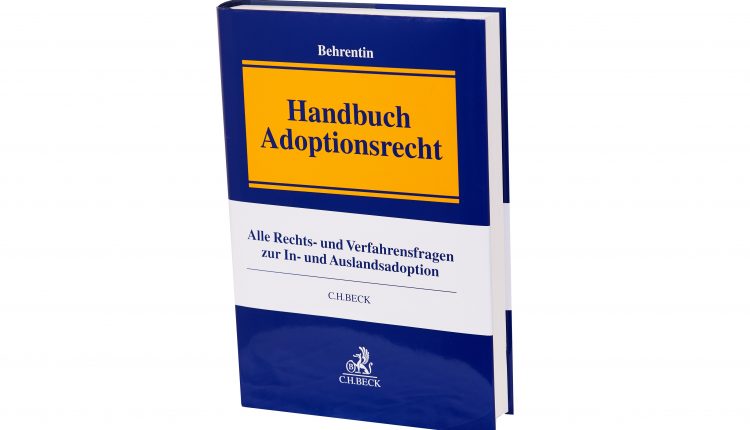
"They really do exist - books that we've been missing. [... An] excellent handbook on adoption law ..."
Dr. Claus-Henrik Horn, Fachanwalt für Erbrecht, Düsseldorf, in: ErbR 12/2017, to 1th. edition 2017
FIRM PROFILE
Behrentin Rechtsanwälte offers you comprehensive advice as well as judicial and extrajudicial representation in all matters of international adoption and reproductive law at the highest level. For more than a decade, the law firm Behrentin Rechtsanwälte has specialised in national and international adoption law with experience in more than 50 countries. A scientific approach and extensive practical experience unite in this law firm. Through many years of academic activity, longer periods spent abroad and the practical experience of the law firm owner, we are prepared for any kind of complex issues. A team of academic staff supports Behrentin Rechtsanwälte to ensure high scientific standards are maintained for the benefit of clients.
Behrentin Rechtsanwälte also prepares expert opinions on all questions of adoption and reproductive law. We also provide support and advice for other national and international law firms.
ABOUT ROLF BEHRENTIN
As an independent lawyer, Rolf Behrentin has specialised for many years in both German and international adoption law, with experience in more than 50 countries.
Activities:
PraxisKommentar BGB in the 7th edition.
Qualifications: Studied at the University of Cologne. Lawyer training in Cologne and Bangalore (India). Admitted as a lawyer since 2002. Successfully completed specialist family law and inheritance law courses.
AREAS OF EXPERTISE
Aspects
CONTACT BEHRENTIN RECHTSANWÄLTE
Rolf Behrentin, Im MediaPark 8, 50670 Cologne
Tel: +49 (0) 221/788 20 400
Fax: +49 (0) 221/788 20 401
Email: rb@behrentin.de
Web: www.behrentin.de
The European GDPR (EU General Data Protection Regulation), aims to strengthen the control of individuals over their personal data and to encourage stakeholders to play an active role in monitoring compliance with the processing of such data "accountability". The protection of personal data is also a way for companies to strengthen the trust they place in their customers, partners and employees in an increasingly digital environment, and to possibly force competitors from privacy low level EU countries out of the running.
The main impact of GDPR? Ignoring users’ rights/ the rules of GDPR will be much more expensive in the future; up to 4% of ww turnover or EUR 20million. And the chances of it being noticed are increasing.
Join Sybille Boese-Tarsia, an expert in privacy law, and follow her ‘quiz’ on GDPR, where you can test some of your prejudices about the changes occuring.
The GDPR does not affect me if I have already anonymised the personal data.
TRUE: The GDPR does not apply to anonymised data. CAUTION, because the GDPR refers to "pseudonymised" data that can be used to identify a person through a series of cross-checks. Anonymisation presupposes that the identification of the individual becomes impossible or difficult (taking into account the costs, the time or the available technology).
The GDPR is not my concern if I only have paper files.
FALSE: The GDPR applies to fully or partially automated processing, but also to files that are not automated at all and consist of a structured data record (customer or patient files, e.g., handwritten list of defaulting payers, etc.).
The customer's consent is always required before data can be retrieved.
FALSE: It is possible to collect, use and process personal data if the person has consented to the processing of their personal data, but also if the processing is necessary to fulfil a contract (in which the person is involved) or to fulfil a legal obligation to which the responsible person is subject, the protection of a person's vital interests (e.g. in emergencies), the performance of a task of public interest or the pursuit of the legitimate interest of the responsible person or the subcontractor (unless this is contrary to the interests of the persons concerned).
GDPR does not apply to me if I have less than 250 employees.
FALSE: There is no threshold. The GDPR concerns all organisations (i.e. companies, associations, trade associations, trade unions, political parties, public authorities, etc.) and all companies (start-ups, small and medium-sized enterprises, large companies, international groups). Not all smaller organisations (less than 250 employees) are subject to all obligations, e.g. appointment of a Data Protection Officer, DPO.
I must obtain the employee's/employee's consent to the processing of his/her personal data.
FALSE: The processing of an employee's personal data is necessary for the execution of the employment contract. The employee's consent is therefore not required, however, for data that is not directly related to the employment contract but are necessary to receive benefits for the employee, such as number of children, age of children, etc., the data can only be collected with the employee's prior consent.
In general, I am responsible for what my subcontractors/processors do with the data I entrust to them.
TRUE: The company is responsible for processing the personal data it collects or uses. On the other hand, when entrusting the management or processing of this data to third parties (partners, external service providers or subcontractors), these third parties may be regarded as subcontractors/processors within the meaning of the GDPR. Parties should therefore provide for a contract or contractual clauses governing the relationship between the undertaking responsible for processing and processors ("subcontractors") in relation to personal data (or concluded in a new or modified form). In addition, depending on their role, these third parties may also be regarded as co-responsible for the controlling and thus have the same obligations with regard to the processing of personal data and share the liabilities with the responsible company /controller. The subcontractor is subject to certain obligations of the GDPR (designation of a DPO, to keep records of processing activities, safety, documentation of its activities in particular).
I can entrust the processing of my company's personal data to a provider/processor outside the European Union.
TRUE: It is possible to choose a non-European partner or a service provider. However, this is a transfer of personal data outside the European Union. It is therefore necessary to check the country of establishment of the processor or subcontractor and the possibility of transferring the data to that country. In fact, the transfer is only possible if: there is an international agreement (e.g. Privacy Shield for the USA), or if there are established company BCRs (Binding Corporate Rules: binding corporate rules that are only used within a group of companies) that have been validated by the Data Privacy Authority, or agreed EU Standard Clauses with the processor.
In the specific case I store my data in a cloud, it is imperative that I find out where the servers are installed.
TRUE: The use of the cloud is considered as the transfer of personal data if the cloud operator is in the EU but the servers are outside the European Union. In this case, the company must: agree on the EU Standard Clauses in writing, or set up BCR’s (if it is a transfer to a company in the same group) or check the existence of an international agreement (e.g. Privacy Shield in the USA), or obtain the express consent of the parties concerned beforehand.
For example: " Slack ", which, like all tools used by US providers, especially for its US messenger service, is now under scrutiny under the GDPR . Slack is not yet GDPR compliant.
Among other things, functions for exporting customer data and extended functions for managing access rights of administrators and users are still missing.
However, according to data protection experts, start ups do not have to worry about continued use. According to the company, the tools are already in work. Slack is expected to meet all the necessary requirements of the GDPR by the deadline.
If a DPO is appointed, she/he is responsible for non-compliance with GDPR in the processing of personal data.
FALSE: The DPO’s task is to monitor processing operations and advise the company on the protection of personal data. He/she must therefore be linked as quickly as possible to any (new) project containing such data. However, he/she is not liable for non-compliance with the processing operation for which the company and its representative are solely responsible. On the other hand, it is possible to initiate disciplinary proceedings under employment law in the event of serious misconduct on the part of the DPO if the DPO has been named within the company; his/her liability insurance applies to an external DPO.
Particular attention shall be paid to the processing of personal data which may pose a high risk to the rights and freedoms of data subjects.
TRUE: If processing involves high risks for the rights and freedoms of the data subjects, a data protection impact assessment is compulsory before the introduction of the concerned software/electronic measure. This document, which must be sent to the Data Protection Authority in certain cases, contains a detailed description of the processing operation concerned and the measures planned by the company to limit the risks.
If the impact assessment reveals a high risk to human rights and freedoms, I must consult the Data Protection Authority.
TRUE: The Data Protection Authority must respond to the measures within a maximum period of 8 weeks and be guaranteed that the person responsible for monitoring intends to implement them. At the end of this period, the Data Protection Authority may decide to approve the processing operation, impose additional measures or restrict or suspend the processing operation.
To protect personal data, I can simply use antivirus and firewalls.
FALSE: The use of anti-virus or firewalls alone is not sufficient for the company's security obligations under the GDPR. Other security measures, such as the use of passwords or access codes, encryption or the division of access rights, must be introduced. On the other hand, it must be ensured that an up-to-date virus protection or firewall is used. One of the first measures recommended by data protection authorities is to ensure that the IT systems and software already in use are updated.
The first of the security measures to be taken is to secure physical access to the premises, especially if you have paper files containing personal data, such as personnel files. Sites or furniture must be closed, a video surveillance system or an access control system installed.
In the event of a security incident affecting personal data, I must notify the Data Protection Authority.
TRUE: In the event of a security-related event (e.g. unauthorised access, data leakage or data loss) that could pose a threat to the rights of the persons concerned (e.g. loss of access to bank data), the DPO or the company manager must notify the Data Protection Authority. This notification must be made within 72 hours of the discovery of the incident, i.e. from the time when the person responsible is certain that a security breach has occurred on his or her computer systems and that personal data is involved.
Sybille Boese-Tarsia
Managing Partner
Nickisch-Rosenegkstrasse 9
D-14129 Berlin
Telephone: +49 30 804 03 588
About Sybille Boese-Tarsia and her firm
Sybille Boese-Tarsia, headquartered in Berlin, works pragmatically, solution-oriented and tries to discourage legal disputes - often in advance by sensitizing and training clients in the course of legal advice. As a successful lawyer, I look after German, French, Italian and Anglo-Saxon clients in the areas following website together with my team at the law office in Berlin.
iPipeline® – a leading provider of cloud-based software solutions for the life insurance and financial services industry – announced the acquisition of AlphaTrust, an expert and global leader in electronic signature process automation solutions. Since 1998, AlphaTrust has provided its eSignature and document process automation technology to some of the world’s most trusted brands.
AlphaTrust’s PRONTOSign™ is a next-generation eSignature and document process automation platform.PRONTOSign™ automates the creation of legally enforceable, permanent business records, which are the commercial and legal equivalent of paper records. The solution creates electronic signatures that comply with applicable laws and regulations around the world.
“Digital transformation is drastically altering how the life insurance and financial services industry thinks about eSignature. Paper is undergoing an obsolescence, rapidly being replaced by automated solutions that meet the expectations of today’s digital customers,” said Tim Wallace, CEO, iPipeline. Lauletta Birnbaum represented iPipeline® in their recent acquisition of AlphaTrust, an expert and global leader in electronic signature process automation solutions. In an increasingly paperless world, eSignature technology is an integral solution for the life insurance and financial services companies that iPipeline serves.
Pursuit of Essure Mass Tort Litigation by Justin Parafinczuk and Marcus Susen
Marcus Susen and Justin Parafinczuk of the law firm Koch Parafinczuk Wolf Susen have been at the forefront of the national litigation against Essure, the permanent form of birth control, which includes more than 10,000 cases across the United States. Several years ago, lawyers were shying away from the case because the device had a “premarket approval”, creating hurdles to file a lawsuit no one wanted to face.
Marcus and Justin have spoken about their path that has led to now, the hurdles they were forced to overcome and the formation of the Plaintiff’s Steering Committee, in which they both hold leadership positions, Marcus as Lead Counsel and Justin as Discovery Chair. Their persistency serves as a valuable lesson for young legal professionals to keep with them throughout their careers.
The matter of mass tort litigation concerning the Essure contraceptive device offers a lesson in how persistence can play an essential role in advancing a case few attorneys thought worthy of taking on –less winning – and fighting a flawed product that had harmed countless thousands of users.
Dogged persistence took many forms that fell beyond the practice of law. Thousands of hours were, and continue to be, spent by us listening to the heart-breaking stories of thousands who suffered from complications – even before the case was accepted by the firm.
First thought futile by countless attorneys nationwide, the case of Helen McLaughlin vs. Bayer Essure, Inc., Bayer Healthcare Pharmaceuticals, Inc., has given hope to countless women and their families who have been affected by Essure’s use. Today, the matter is helping reshape the US Food and Drug Administration’s approach to medical device approvals and steering legislation affecting products. It’s impacting the legal sector itself.
Simply put, taking a hyper-active role in the case against Essure has proven that with persistence, change can come and advocacy can shine a bright, public light on a dangerous product.
Essure, Flawed from the Start
First, the background: Essure is an intrauterine birth control device developed and marketed as a “worry free” way to prevent pregnancy with 99% efficacy. Its owner, Conceptus, Inc., obtained Conditional Premarket Approval (CPMA) by the US Food and Drug Administration in 2002. Conceptus was acquired by Bayer in 2013.
At first, results seemed promising. But then, unbeknownst to each other, thousands of women around the world began experiencing a host of symptoms. It was found that Essure’s two tiny coils that were designed to prevent pregnancy were in some instances migrating out of the fallopian tube. They also perforated organs and caused persistent pelvic pain, hair loss, adhesions, bloating, excessive bleeding, tooth loss, even hysterectomies.
Several health agencies around the world ordered the product pulled. Bayer itself voluntarily withdrew the product from the remaining countries. Yet, the FDA failed to require Bayer to do so in the US and Bayer has left the product on the market here.
The product became the subject of “The Bleeding Edge”, a documentary released this year and slated for Netflix this summer.
Even once the dots were connected, regulatory and legal hurdles presented serious challenges. Specifically, when women brought their complaints to attorneys who handled defective medical device claims nationwide, those firms declined to take the cases. For most attorneys, Essure was untouchable. The device has FDA CPMA, providing a blanket of federal law that supersedes state law and precludes the filing of certain claims.
After hearing hundreds of women’s stories and their plight for help, we decided to investigate. We found a Facebook group page with thousands of members, some of whom posted images of perforated a fallopian tube or their uterus after a hysterectomy. We discovered several Adverse Event Reports had been filed with the FDA.
Then we discovered Essure’s unique CPMA status. Relying on the manufacturer’s own studies, the FDA granted approval in 2002. This designation granted the product broad federal immunity from liability.
But, we believed that sufficient causes of actions could be alleged. Working with prospective clients who had reached out to our firm, we prepared to file our case. We filed a multi-count complaint against Bayer Essure Inc., and Bayer Healthcare Pharmaceuticals, Inc.
Our advocacy efforts went beyond the courtroom and took us around the US with our clients. We met alongside victims with several congressman and women in Washington, DC, rallied outside the United States Supreme Court, and met with the Commissioner of the FDA, Scott Gottlieb, where victims were able to tell him firsthand what this device has done to them and their families
The FDA has acted, to some degree. In 2016, it required Bayer to implement a strict “Black Box Warning”. After the meeting with the Commissioner, the FDA then required that Essure can only be used if prescribing physicians provide a “unique type of restriction” informing individual patients of potentially serious side effects. The FDA noted in its order that “Despite previous efforts to alert women to the potential complications of Essure, we know that some patients still aren’t receiving this important information. That is simply unacceptable. Every single woman receiving this device should fully understand the associated risks.”
While Bayer and other health agencies have removed the product from other countries, it remains in use in the US.
Moving Forward
What pursuit of this matter, in both the courts of law and public discourse, has helped us realise is that our calling is greater than the practice of law. What once seemed insurmountable has been scaled by persistence. And this persistence is not just from us on the legal front, but that of our clients who have never given up. Their persistence is contagious and is not only saving lives but changing both the legal and regulatory makeup of this country.
For the over 1,000 women we represent and the 16,000 represented by other firms nationally, this persistence allowed us to clear the initial legal hurdles leading the way for other attorneys across the country to follow suit.
What we’ve discovered is that persistence in the fight to remove this – or any – dangerous drug or device from the market must go beyond the “normal” duties of an attorney, and could serve as a lesson for others at any stage of their legal careers.
About the Authors
Justin Parafinczuk and Marcus Susen are members of the Plaintiffs’ Steering Committee regarding Essure in PA federal court and are shareholders with Koch Parafinczuk Wolf Susen, which has offices in Coral Gables, Pensacola, Fort Lauderdale, Fla. For more information, visit www.kpwlaw.com.
OpCapita Consumer Opportunities Fund II LP (“the Fund”), advised by OpCapita LLP (“OpCapita”), the European private equity partnership, announced the signing of an agreement to acquire Sebeto Group Spa (“Sebeto” or “the Company”), a leading operator of casual-dining restaurants in Italy and 11 other countries, including the flagship Rossopomodoro pizza chain.
The Fund is acquiring the Company from funds advised by Change Capital Partners LLP (“Change Capital”), the London-based private equity firm. Financial terms of the transaction are not being disclosed.
Rossopomodoro is one of the best-known restaurant chains in Italy, with a strong identity and a very high brand awareness. It has more than 60 branches across the country and more than 20 outlets internationally, including the in the US, the UK, Germany, Denmark and Turkey.
OpCapita sees significant potential to further improve and grow the Rossopomodoro brand. In Italy, the aim is to reinforce its position as the country’s leading domestic pizza chain, leveraging the favourable market conditions: modern, casual dining is growing rapidly, with multi-site operators gaining a progressively stronger market share. The authentic Italian/Neapolitan identity of the concept will also be the mark of further clustered international expansion and will benefit from the registration last year of the Art of Neapolitan ‘Pizzaiuolo’ on UNESCO’s Representative List of the Intangible Cultural Heritage of Humanity.
Rothschild & Co acted as sole financial adviser to Change Capital and the other shareholders in connection with the disposal of Sebeto. Lazard acted as sole financial advisor to OpCapita. Legal advisors on the deal were Chiomenti, advising OpCapita, Legance Avvocati Associati advising Change Capital and Studio Legale Ambrosino-Pecora, advising founders and other shareholders.
Navigating the legal and commercial challenges of Artificial Intelligence
The future is now. Artificial Intelligence (AI) is changing the way we live our lives. From smart homes to self-driving vehicles, to healthcare and everything in between and beyond. These new technologies present significant commercial opportunities and huge potential to improve our future. Clients need lawyers with a clear understanding of the legal landscape, not just as it currently exists but also how it might evolve to take account of new innovations. Pioneering companies need lawyers who understand the demand for high-speed, clear thinking, and a practical approach.
Hogan Lovells' Partners Valerie Kenyon and Matthew Felwick – supported by a vast and highly experienced and innovative Global Products Law practice – are helping steer clients through the possible minefields. Here, they share some thoughts on the future of AI in the product law context.
What impact does AI have on your practice?
VK: There will be a huge impact in the consumer product space. A lot is already happening. Development of smart appliances and the growth of home digital assistants are changing the way we interact with the everyday machines in our homes.
We've still got a way to go. Full adoption of AI technology is constrained in some respects by human expectations. Smart home systems and autonomous vehicles will soon be able to act completely autonomously. Products on the market today are already capable of making good decisions: but we aren't yet ready to hand over control (and the technology is not yet ready for that, either). A key factor in getting people ready for that new technology is being able to reassure people that new products are safe – if not safer – than the way things have been done before. This is an important point for companies, too. With technological development moving so much faster than law and regulation, our clients need help to navigate through product safety and liability issues. We work with them in relation to the requirements of relevant regulatory regimes globally and help our clients to get their products ready for launch. We also help our clients to stay ahead by working with them to anticipate how future regulation is likely to develop, as well as acting as thought-leaders in this space.
MF: Technology is rapidly changing the way the health care industry works. Most people are familiar with fitness trackers but we're also seeing continued advances in AI contributing to the transformation of health care services. Companies are developing AI-enabled clinical decision support software and medical chatbots to interact with patients. For example, the NHS has partnered with babylon, a digital health provider, to deliver an app which allows patients to book a video appointment with a GP. The app uses AI to check a patient's symptoms to help determine whether they need to see a GP. The appointment is recorded and can be played back at any time for instant access to their doctor's advice. We're going to see more mainstream use of AI in relation to life sciences in the near future. Such developments bring with them new potential risks for health care companies. We're working with our clients to prepare for, and mitigate, the risks involved.
What are the key challenges?
MF: Early reports of patient engagement and satisfaction with the new technology in primary health care are evidence that certain sections of the public, such as millennials, are ready to embrace it. This will only progress if the public continue to have trust in that technology. Companies need to ensure they implement robust systems to protect personal data and stay abreast of cyber-security threats. There are real world examples of medical devices being hacked. Increasing technological advances are also likely to require updated regulatory frameworks. Companies will need to be alert to possible developments to ensure they are in step with evolving regulation.
VK: That's also a key challenge for other products companies – how to ensure your product is safe when the product is not captured by current legal regimes. Another challenge is how to be prepared for new regulation coming later down the line. Innovative products are designed ahead of law and regulation and those companies need advice on how to try to "futureproof".
When looking to launch a new AI product there are likely to be additional complicating factors compared with a traditional product launch, such as: the identification of appropriate technical standards; determining how relevant product laws apply where the laws couldn’t possibly have envisioned the technology in question (guidance and case law is likely to be thin on the ground); and the appropriate testing of the product (e.g. identifying a test house with the requisite expertise).
MF: The life sciences industries are among the most highly regulated industries already, but the pace of innovation is incredible and this can create a lot of potential issues. The reality is that innovations in medicine and health lead to legal uncertainty. Add in other issues which can affect the legal landscape, such as Brexit and the GDPR, and companies are faced with a rapidly evolving landscape. We're working with our clients to help them continue to develop new products, while seeking to minimise future litigation risk.
How do you help?
VK: We provide advice and support throughout the product lifecycle. This is especially valuable in relation to innovative products, as the right legal and commercial input at an early point can very heavily contribute to a successful product launch. Our team of products lawyers have a detailed understanding of the relevant laws and regulatory regimes and are tech-savvy and commercially focused. We are plugged in to complementary practice areas including customs, tax, corporate, data and privacy law, and all aspects of regulatory compliance and public policy. We make it a point to thoroughly understand our clients' businesses so that we can give tailored advice, in tune with the company's own culture, philosophy and objectives. Our vast global network of product law specialists is involved with, and monitors, legal developments around the world so we can help our clients stay ahead. Our team combines product regulatory and product litigation experts: this is crucial, as considering potential risk and liability, as well as product compliance aspects, is vital to help companies to manage a successful product launch. In the area of AI all of this is imperative.
MF: We've always had a very strong life sciences practice at Hogan Lovells, sitting within our wider products practice. Our teams frequently work closely with our in-house Science Unit, staffed with post-doctoral scientists, to deal with the complex medical and scientific issues our clients are facing.
VK: Our Science Unit is especially helpful in issue-spotting potential developing areas of product liability. They work with our lawyers, and incredible clients, to think to the future and help our clients to make safe products – whatever industry those products are in. We help clients deal with the uncertainties and ambiguity which cannot be addressed within the borders of traditional areas of law and local regulation.
How might AI influence the legal landscape?
VK: AI could have an enormous impact. Legislators and regulators have to grapple with how to ensure the safety and performance of AI products while not stifling innovation and market entry. A number of jurisdictions including the US and the EU have started to consider whether AI products need specific legislation, regulations, and standards. The EU is currently evaluating whether the Product Liability Directive is still fit for purpose. One of the key issues is whether it adequately covers new technological products. Use and abuse of personal data is very much in the news currently. When it comes to looking after their most sensitive personal data, users will rightly demand the highest protection and will claim compensation if the standards are not met. This is a growing threat for companies.
MF: Similarly, in the life sciences field, legislators and regulators will have to wrestle with how to encourage innovation, while simultaneously protecting the safety of patients and their data. Risks relating to connected medical devices and software hacking are also likely to increase as the technology becomes increasingly mainstream.
What next?
VK: Particularly challenging legal issues arise when AI begins to make its own independent decisions. What happens if an AI product learns to become unsafe in response to its external environment? Would the capacity to learn to become unsafe make it a defective product, bringing it within the scope of product liability regimes? Who would be liable - the programmer/designer, the manufacturer who puts the “nuts and bolts” of the product together, or the owner of the AI’s algorithm? What about the consumer who home-programmed the product? These are the type of issues to be grappled with when assessing risks associated with marketing new AI products.
MF: Some people argue that sophisticated AI products should be assigned legal personhood (although this doesn't equate to giving machines legal rights). Meaning that a product/robot could be held liable for any damage it causes. This approach is not without its own challenges. It would likely require that the product be covered by insurance. It remains to be seen whether the insurance market would offer affordable policies covering new AI products.
VK: We shouldn't be ruling out human involvement just yet. One of the most difficult issues – particularly as AI technology increases in complexity - is ensuring that the algorithms (and their self-evolutions) do not include biases. Perhaps some human intervention will remain important to ensure transparency and lack of bias.
Valerie Kenyon, Partner
Valerie helps companies to manage their risks. She is a Global Products Law Partner focusing on both disputes and regulatory work in the product world, and contributes to global thought-leadership around the future of products law and innovative technology. She co-authors International Product Liability Review, the only quarterly publication covering global product regulatory and liability news and analysis.
Matthew Felwick, Partner
Matthew is a disputes Partner in the Global Product Law practice at Hogan Lovells and is co-chair of our London life sciences team. Whether advising a life science company facing a group action in England, or helping a global product manufacturer work through claims across Europe, Matthew's extensive experience of complex, cross-border litigation means he gets the commercial context and quickly finds the best solution.
About Hogan Lovells
Whether you’re expanding into new markets, considering capital from new sources, or dealing with increasingly complex regulation or disputes, we can help. Whether change brings opportunity, risk, or disruption, be ready by working with Hogan Lovells.
Polish Enterprise Fund VII, a private equity fund managed by Enterprise Investors (EI), has signed an agreement to acquire a 65% stake in Pan-Pek, a leading bakery producer and retailer in Croatia. EI will team up with Ivan Parać, the founder and CEO of Pan-Pek, to facilitate the company’s dynamic future growth.
The value of the transaction was not disclosed.
Pan-Pek was established in 1992. Today it is one of the biggest producers of frozen bakery products in the Adriatic region, serving modern grocery retailers in Croatia. Pan-Pek also operates its own network of bakery outlets numbering around 50 stores, predominantly in the Zagreb area. Through its retail operations the company offers a variety of breads, baguettes and sandwiches that customers can enjoy at home or on the go. In recent years Pan-Pek introduced state-of-the-art, fully automated production lines for selected product categories, and continues to invest in modern equipment. In some categories the company has unparalleled production capacities across the Adriatic region. The main factory is in Zagreb, with a second smaller plant located in Dakovo, Eastern Croatia. In 2017 Pan-Pek generated over EUR 32 million in revenue. The company currently employs over 700 people.
“I am very proud that Pan-Pek will partner with Enterprise Investors, one of CEE’s biggest and most experienced private equity funds. With this support, we will significantly strengthen our position on the market, developing together with our suppliers to meet the growing expectations of our customers in both the wholesale and retail channels,” said Ivan Parać, CEO of Pan-Pek.
Enterprise Investors is one of the largest private equity firms in Central and Eastern Europe. Active since 1990, the firm has raised nine funds with total capital exceeding EUR 2.5 billion. These funds have invested EUR 1.8 billion in 140 companies across a range of sectors and exited 126 companies with total gross proceeds of EUR 3.6 billion.
Interview with Beragua
Q. Please tell me about your involvement in the deal?
Beragua was selected by Enterprise Investors to perform the strategic and commercial Due Diligence of the Company. During the process, we performed an in-depth market analysis as well as the full review of the company’s performance, we identified and proposed commercial improvements based on international best-in-class models, estimated the potential growth for the business and contributed to understand the customer perception of the model and evaluate potential future developments. During our work, we performed an extensive groundwork evaluating the main business models operating in the market and understood their competitive positioning in terms of pricing, value proposal and commercial model.
Q. Why is this a good deal for all involved?
We believe that for Enterprise Investors, Pan-Pek is a superb platform to enter the sizeable Croatian bakery market, offering both good organic growth prospects and the possibility to lead the consolidation of a market which is still very fragmented and shows a strong weight of traditional retailers. In addition, the internationalisation of the Company can be contemplated in the near future.
For the Company, the partnership with Enterprise Investors, a reputed Private Equity firm with broad experience in retail and in bringing small companies to next development stages, will represent also a great support and impulse.
Q. What challenges arose? How did you navigate them?
Understanding the country specific peculiarities in each industry is always a challenge.
In this case, Croatia exhibits two main specificities that shape its market: first of all, its bakery consumption is significantly higher than in other European territories, which partly explains the strong relevance of specialists. These models have found their space as proximity operators in high traffic locations as well as residential areas and became very successful. The main difference between specialised bakery formats in Croatia vis-à-vis other countries is the lack of dedicated areas for customers to sit in most of the premises.
The second one is the massive importance of tourism (in fact, the number of tourists has increased significantly during the last years reaching 17.5 million in 2017 over a total population of 4.2 million inhabitants), which requires retail businesses to adapt their models to satisfy the demands of both permanent residents and domestic and foreign tourists.
Due to these peculiarities, we needed to devote a good amount of time ‘on the ground’ in order to clearly understand drivers of consumption of bakery products in Croatia and particularly main shopping missions covered by specialists vs. food retailers or traditional businesses.
We also worked very hard in bringing new commercial ideas implemented by other international peers and adapting them to Croatia and to the Company particularities.
Q. If you were to work on this deal again, what would you do differently?
In our view, there are always small aspects to be improved and lessons learnt after finishing each project. However, in this case the work has been carried out very smooth, combining analytical tasks with a strong interaction with investors, management and ownership. We believe that, overall, it has been a great experience and an excellent job from all parties involved.
Q. What was your personal favourite part of working on this transaction?
Every industry in each market has features of its own and the bakery segment in Croatia is not an exception. In my personal view, understanding the dynamics of very successful proximity players with different business models than the ones of large international players, has been the most interesting part of our work.
In most of the countries (i.e. Europe and US) bakery concepts evolved from pure specialists towards bakery cafes, where value added goods such as prepared meals, soups, salads, juices or smoothies have a strong share in the assortment. In these models, customers value an attractive in-store atmosphere where they can sit down and relax.
However, the market in Croatia is more oriented towards the ‘on-the-go’ consumption and main competitors have a limited assortment with a reduced offer of value added products. Despite this narrow offer, these small proximity formats have proven to be very successful and are consistently gaining market share from the rest of incumbents.
Moreover, the strong interaction with the Investors and the quality of internal discussions carried out with the Company Management and Ownership have also been one of the most interesting parts of our work.
In his role as an attorney, Karsten Hagel-Sørensen benefits greatly from the special understanding of the interaction between law and politics that he gained from working in the central administration. He speaks on his experience standing in the EU Court of Justice and as adviser to the Danish Government.
With years of experience behind you, what do you think had been the most prominent part of your legal career?
Definitely working in the interface between law and politics, especially in relation to EU law and international law. It is becoming more and more common that attorneys are working in this sphere. The reason is that human rights appeal to the authorities' values and empathy. The European Convention on Human Rights is a balancing of conflicting considerations: On one hand the states' central responsibility for the public policy objectives, and on the other hand the consideration for the individual citizen. As an attorney I have to articulate the consideration for the freedom of action of the government elected by a public vote. I have helped pave the way for human rights to play a more important role in the everyday life of the Danish people as I was the chairman of the committee that prepared the implementation of the European Convention on Human Rights into Danish law.
How do you prepare for cases when standing in the EU Court of Justice?
The emphasis is on the written presentation in the proceedings before the EU Court of Justice contrary to the situation in Denmark where the oral presentation is more important. An attorney must be prepared to accept this basic condition. Only 30 minutes are set aside for stating the case before the EU Court of Justice. It means that you have to be very specific and extremely well-prepared. The primary objective of the oral statement is also to give the judges the opportunity to ask questions. This is why you have to be able to answer all conceivable questions.
Five judges sit on the bench of the EU Court of Justice in most cases. More important cases are heard by the Grand Chamber. I have conducted several of such cases that have been landmark cases. One example is the Centros case from 1999, case C-212/97, where the Court established that a company with a registered office in one EU Member State cannot be refused the registration of a branch in another EU Member State, even if the company does not conduct any business in the home country. The Danish authorities considered this to be illegal as a circumvention of the requirements of the country in which the branch is situated of paying up a minimum share capital. All the Court's 15 judges sat on the bench in that case. Another important case was when the Danish Government was an intervener in the T-Mobile Austria/Hutchison case about an auction of 3G mobile telecommunications licences (cases C-284/04 and C-369/04). The case was about whether the tender price included VAT, which the Court ruled was not the case.
Are there any changes you would like to witness in the EU which will help Denmark?
The Danish opt-outs mean that Denmark is not part of EU cooperation on defence, the euro and parts of EU legal policy. Brexit and consequently Great Britain's break with EU means that Denmark will stand more alone with these opt-outs. As a nation we contribute greatly to the economic cooperation and peacekeeping measures and we fulfil our obligations.
The politicians must decide on the further development, but as an attorney I hope that the cooperation in the EU which has made economic progress possible and removed barriers can continue and develop.
What would you state are the more restrictive EU laws? How does this affect your clients?
The rules on state aid. They can affect the implementation of big and important infrastructure investments. One example from Denmark is the fixed road and railway link between Germany and Denmark, the Fehmarn Belt Fixed Link, where the question was whether government guarantees for loans were in conflict with the rules on state aid. The European Commission ruled that the Danish model for the public funding of the link was not in conflict with the EU rules on state aid. The same applied to the establishment of the bridge between Denmark and Sweden, the Øresund Bridge, where the Danish and Swedish governments gave government guarantees to the company behind the Øresund Bridge. Also in this matter the European Commission rejected a complaint by a shipping company about illegal state aid. But that does not mean that the case is settled.
An example of the effect of the rules on a completely different area can be found in the ten-year long case about the Danish television channel TV2. It turned out that the Danish state aid to the channel was compatible with the rules on state aid. But the case had serious consequences for the television channel as the EU Court of Justice ruled that the rules of procedure for the payment of aid had not been observed. The consequence is that the television station risks having to make large illegality interest payments. The case has also prevented the television channel from being privatised and affected all the other EU Member States' ability to support the production of public service broadcasting.
You take an active interest in EU and human rights; what do you think is the most pressing issue the EU should currently address?
The protection of personal data in a human rights perspective. The EU Court of Justice has already made the much talked about ruling on data security where the Court found that the US cannot be considered to be a safe harbour in connection with the transfer of personal data. The judgment has had serious consequences for many companies transferring data from Europe to servers in the US.
Digitalisation is also a crucial issue nowadays. The Danish Government has decided that all new Danish legislation must be ready for digitalisation, meaning that it must be possible to automate the case handling and the administrative tasks. The target is that legislation ready for digitalisation will generate administrative gains which instead can be used to create welfare. But it is important that the EU has the same target of rationalising as national law. If not, EU law will become a foreign element in national law. The EU should consequently give greater priority to the wish to not just create legislation but also to run legislation, so that the legislation will be easier to understand and be digitalisable.
At Kammeradvokaten (Legal Adviser to the Danish Government)/Poul Schmith we have decided to take the digital agenda quite literally. It means that we are the front runner on the Danish market for legal services when it comes to the development of digital platforms. In recent years we have invested in and developed digital tools that facilitate the legal processes in a number of different areas.
Karsten Hagel-Sørensen
Partner, Attorney
M: +45 25 10 05 23
T: +45 72 30 72 43
I have a solid background of many years as a senior official focusing on international law and EU law with the Danish Ministry of Justice. In 1991, I joined Kammeradvokaten (Legal Adviser to the Danish Government)/Poul Schmith as a Partner and Co-Owner. As the legal adviser to the Danish State we are directly involved in many of the cases that go down in Danish history and we provide a special synergy across authorities. This is why we always include the broad perspective in our advice and we generally have an innovative approach when working with the law.
In 2006, I had the rare honour of being appointed an adjunct professor at the Department of Law at the University of Aarhus. It was only the second time in the history of the Department that a practising lawyer was appointed a professor. One of the reasons was that I co-authored the text-book on EU law that was used by Danish law students for 20 years and the editor of the leading work containing commentaries on EU law.
Kammeradvokaten (Legal Adviser to the Danish Government)/Poul Schmith is currently the biggest full-service law firm in Denmark and we assist both public authorities and private businesses. The firm is the Danish State's primary law firm and we have an agreement with the Government to provide legal assistance in all areas of the law. The firm is also Denmark's leading litigation firm with extensive experience from all courts, including the Danish Supreme Court and the EU Court of Justice. The firm's long-standing relationship with the Danish State has had a profound influence on the entire firm's values and access to cases and advice to both private and public clients. We do not only safeguard our clients' interests. We also think of how the law affects the developments of society as such.
Archimed, a leading European strategic and financial partner for Healthcare companies, has acquired a majority stake in Soest Medical Group (SMG), the holding company of Eurotape and Somed. The existing management team of SMG: Hans van der Meer (CEO), Miguel Pablo (CCO) and former owner Jan Holtrop, reinvested their shares alongside Archimed as part of the transaction. SMG had emphasised that as a result of this transaction, they will continue to provide to our customers the high level of service and differentiated products that has characterised Eurotape and Somed so successfully over the last years. Eurotape and Somed have developed a sustainable market leadership position in the medical adhesives' space in Europe and beyond and will now have the chance to extend to new segments of the market with the support of specialist investors, such as Archimed who are able to provide access to their valuable international healthcare network.
“ArchiMed’s deep knowledge and connections throughout the global healthcare sector will help us diversify our products and expand our sales to new geographies,” says Hans Van Der Meer, chief executive of SMG. “They’ll accelerate our growth substantially.”
CEPTON strategies was in charge of the Strategic Due Diligence. Jean Reboullet (Managing Partner) and Camille Bertin (Manager) led a team of two additional consultants.
Equistone Partners Europe, one of Europe’s leading mid-market private equity investors, announced that it had signed an agreement to acquire a majority stake in Small World Financial Services, a leading international, UK-headquartered, multi-channel, cross-border payment service provider. Small World’s investors, including FPE Capital and MMC Ventures, will sell their shareholdings in the Company as part of the transaction, with management reinvesting for a minority stake. The financial terms of the deal are undisclosed and, as Small World is regulated in multiple countries, completion of the transaction remains subject to regulatory approvals.
Small World’s technology-driven platform allows customers to make cross-border payments via its physical network of over 6,000 third-party send-side agents and 80 branches. Small World’s high-growth digital channels, through both app and web, provide choice and convenience to its three million active customers. Since being founded by CEO Nick Day in 2005, Small World has assembled an extensive proprietary international payments infrastructure, providing customers with access to cash collection through a worldwide banking network, fast direct-to-account payments, and loading of mobile wallets. The Company places strong emphasis upon regulatory compliance, relationships with partner banks, and innovative technology to provide a fast, reliable, and good value service to its customers. With millions of customers worldwide, Small World currently employs c.680 people across 16 countries and generates revenues in excess of £110m.
Dominic Geer, Andrew Backen, and Richard Briault from Equistone led the investment. Equistone has been advised on the acquisition by Quayle Munro (M&A), Travers Smith (legal), EY (financial due diligence), PwC (tax), Huntswood (regulation), UX Fabric (IT due diligence) and Marsh (insurance).
Small World was advised on the acquisition by Canaccord Genuity (financial) and Charles Russell Speechlys (legal).
Interview with Matthew Drage, Head of Regulatory Development at Huntswood
What are three main steps you follow when undergoing due diligence in such a deal?
At Huntswood, from a due diligence perspective, we specialise in financial crime, payments, information security and regulatory conduct risk. Our approach to due diligence typically takes three main steps, which are as follows:
Did anything arise which took your team by surprise?
The vendor’s technology solution allowed for full front to back-end functionality and reporting throughout the vendor group. It interacted with several internal and external applications to facilitate the management of regulatory risks and, following case testing, was viewed as significantly reducing the risk associated with various business lines. In our view, the technology solution adopted was market leading and the fact that this was a bespoke solution was particularly impressive.
All in all, why do you think this was a good deal for the parties?
Demand for cross-border payments is increasing and firms that offer alternatives to traditional forms of banking remittance are expected to grow in stature. By combining strong regulatory compliance with a convenient alternative payment system, and with the experience which both teams bring to the table, Small World Financial Services is likely to benefit from further organic and potentially acquisitive growth.
