
Understand Your Rights. Solve Your Legal Problems
The private family life of real estate mogul Mauricio Umansky—best known as the estranged husband of Real Housewives of Beverly Hills star Kyle Richards—has become a very public legal saga involving restraining orders, elder abuse allegations, conservatorship, and financial disputes. With conflicting court filings and emotional testimony from multiple family members, the high-profile case provides a cautionary look into what can happen when legal safeguards are necessary to protect aging loved ones—and when family dynamics break down under pressure.
Mauricio, 54, recently testified under oath in Los Angeles Superior Court as part of his family's effort to obtain a restraining order to protect his 81-year-old father, Eduardo Umansky, from Eduardo’s longtime partner, 68-year-old Simin Tabibnia. The dispute began when Mauricio’s sister, Sharon Umansky Benton, filed for an elder abuse restraining order in October 2024, alleging that Simin had engaged in a long-term pattern of emotional and physical abuse against their father—allegations Simin strongly denies.
Sharon’s legal filing included harrowing claims of bloody arms, bruises, and what she described as a pattern of threats, sexual coercion, and manipulation. She also accused Simin of isolating Eduardo from his family and financially exploiting him by coercing him into handing over more than $260,000. Sharon and Mauricio later sought and were granted conservatorship over Eduardo, citing his dementia and diminished capacity to manage his finances or protect himself from undue influence.
In turn, Simin filed for a restraining order of her own, claiming that she—not Eduardo—was the true victim of long-term abuse. Her filing alleged instances of physical violence, verbal attacks, and coercion, including being punched and choked. She presented photographs of bruises she said Eduardo had caused, and she claimed Sharon was trying to block her from Eduardo’s estate out of financial self-interest. However, the court ultimately denied Simin’s restraining order request, while granting a five-year order protecting Sharon from further contact with Simin.
During the court hearing, Mauricio provided insight into Eduardo’s financial situation. As the founder and CEO of The Agency, a prominent luxury real estate firm, Mauricio explained that Eduardo was once an agent at the company and remains a 4% equity holder. However, due to a downturn in the real estate market, Eduardo had not earned significant income in recent years—reportedly bringing in around $35,000 in commissions in 2023.
Mauricio testified that Simin had once worked for The Agency in an unofficial capacity but was never formally employed by its core team. He further revealed that she had been let go due to repeated violations of company ethics and values. “We don’t accept poor integrity,” Mauricio said in court, referencing multiple reports of verbal abuse in the workplace and a viral video allegedly showing Simin engaging in public harassment while displaying The Agency’s branding.
Despite the apparent volatility between Simin and the Umansky family, Mauricio admitted that until recently, he had maintained a cordial relationship with her. That changed after observing his father’s cognitive decline, which he described as progressing dementia, and growing concerns about Eduardo’s ability to protect himself from possible manipulation.
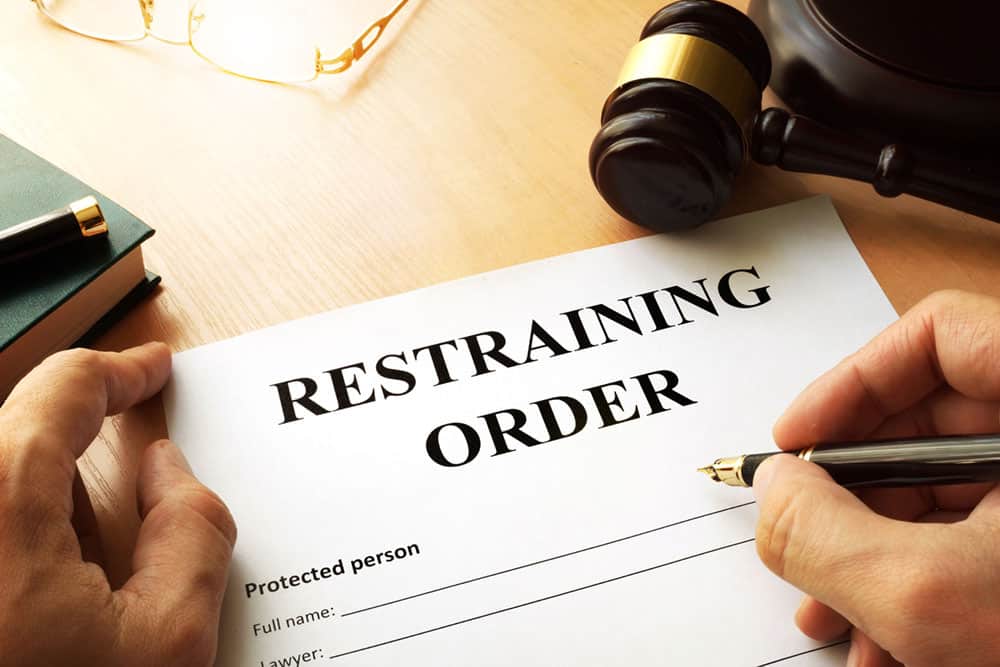
The Umansky case brings renewed attention to the legal tools families can use to protect vulnerable individuals. A restraining order, also known as a protective order, is a court order intended to prevent one person from harassing, threatening, abusing, or contacting another. In California, as in many states, there are specific types of restraining orders based on the relationship between the parties and the nature of the alleged abuse.
Elder Abuse Restraining Orders, like the one Sharon obtained for Eduardo, are designed to protect individuals aged 65 and older—or younger adults with certain disabilities—who are victims of physical abuse, neglect, abandonment, isolation, financial exploitation, or other treatment resulting in physical or mental harm.
To be granted, the petitioner (in this case, Sharon) must present clear and convincing evidence that abuse has occurred or is likely to occur. Evidence can include medical records, photographs, police reports, testimony from witnesses, and written communication such as texts or emails. Courts weigh this evidence carefully, especially in family matters where accusations may be fueled by personal conflict.
Once issued, a restraining order can:
Prohibit the restrained person from contacting or coming near the protected person
Order the restrained person to move out of a shared residence
Include provisions related to financial control, property, or custody in certain cases
Be enforced by police if violated
Violating a restraining order can lead to arrest, fines, or jail time.
In this case, the court found Sharon’s allegations against Simin credible enough to grant a five-year restraining order. Simin’s counter-petition was denied due to insufficient evidence.
Mauricio and Sharon also pursued conservatorship—a legal process in which the court appoints someone to manage the personal or financial affairs of a person who is no longer capable of doing so themselves. This is often necessary in cases involving dementia or other cognitive impairments.
Conservatorship over Eduardo was granted after Sharon and Mauricio presented evidence that Eduardo was unable to stop Simin’s alleged exploitation and no longer had the capacity to manage his assets. This legal status now allows Sharon and Mauricio to protect his estate from further unauthorized access or influence.
What makes the Umansky case especially complex is the intersection of public exposure, family loyalty, business ties, and legal obligations. As Sharon and Mauricio step into legal guardianship roles, they also face scrutiny over their motivations—accusations Simin has used to paint their actions as self-serving rather than protective.
Meanwhile, Mauricio is dealing with additional legal pressure stemming from a federal lawsuit tied to COVID-era Paycheck Protection Program (PPP) loans obtained by The Agency. The outcome of that case could further impact his finances and public image.
While celebrity drama often dominates headlines for its sensationalism, the legal issues in this case are real and relatable. Many families face similarly painful decisions when aging parents show signs of vulnerability—especially when romantic partners, finances, or cognitive decline are involved.
If you’re concerned about a loved one being financially or emotionally abused, or if you believe a restraining order or conservatorship might be necessary, consult with a licensed attorney who specializes in elder law or family law. These legal tools exist to protect—not punish—and can be instrumental in ensuring the safety and dignity of those most at risk.
People Also Ask:
What qualifies as elder abuse in California?
Elder abuse includes physical harm, emotional abuse, neglect, abandonment, isolation, abduction, or financial exploitation of a person aged 65 or older.
What is needed to get a restraining order?
You must show that the other party has harassed, threatened, or harmed you—or is likely to do so. Evidence such as witness testimony, photos, texts, and medical reports strengthens your case.
How does conservatorship work in California?
A conservator is appointed by the court to manage the personal or financial affairs of someone who can’t do so themselves due to physical or mental limitations.
Can family members file for restraining orders on behalf of an elderly parent?
Yes. If the elder is unable or unwilling to file themselves, a close family member or caregiver can file a petition in their interest.
Let us help you protect your loved ones. If you're dealing with similar concerns about elder abuse, financial exploitation, or the need for a restraining order or conservatorship, contact our office today for a confidential consultation.
Abby Lee Miller, best known for Dance Moms, has filed a medical malpractice lawsuit that’s raising eyebrows across both Hollywood and healthcare. The 59-year-old reality star is suing Cedars-Sinai Medical Center and two doctors, claiming a catheter was left inside her body during spinal surgery in 2020—and remained undetected until 2024.
For nearly four years, Miller says she lived with persistent, unexplained pain. Despite repeated visits to doctors and clear complaints, no imaging was done. It wasn’t until she went to a different hospital for an unrelated issue that a CT scan finally uncovered the truth: a bright blue catheter embedded beneath layers of scar tissue.
The device was surgically removed during an emergency procedure last summer. Miller is now seeking at least $1.4 million in damages for what she calls a preventable and prolonged medical error.
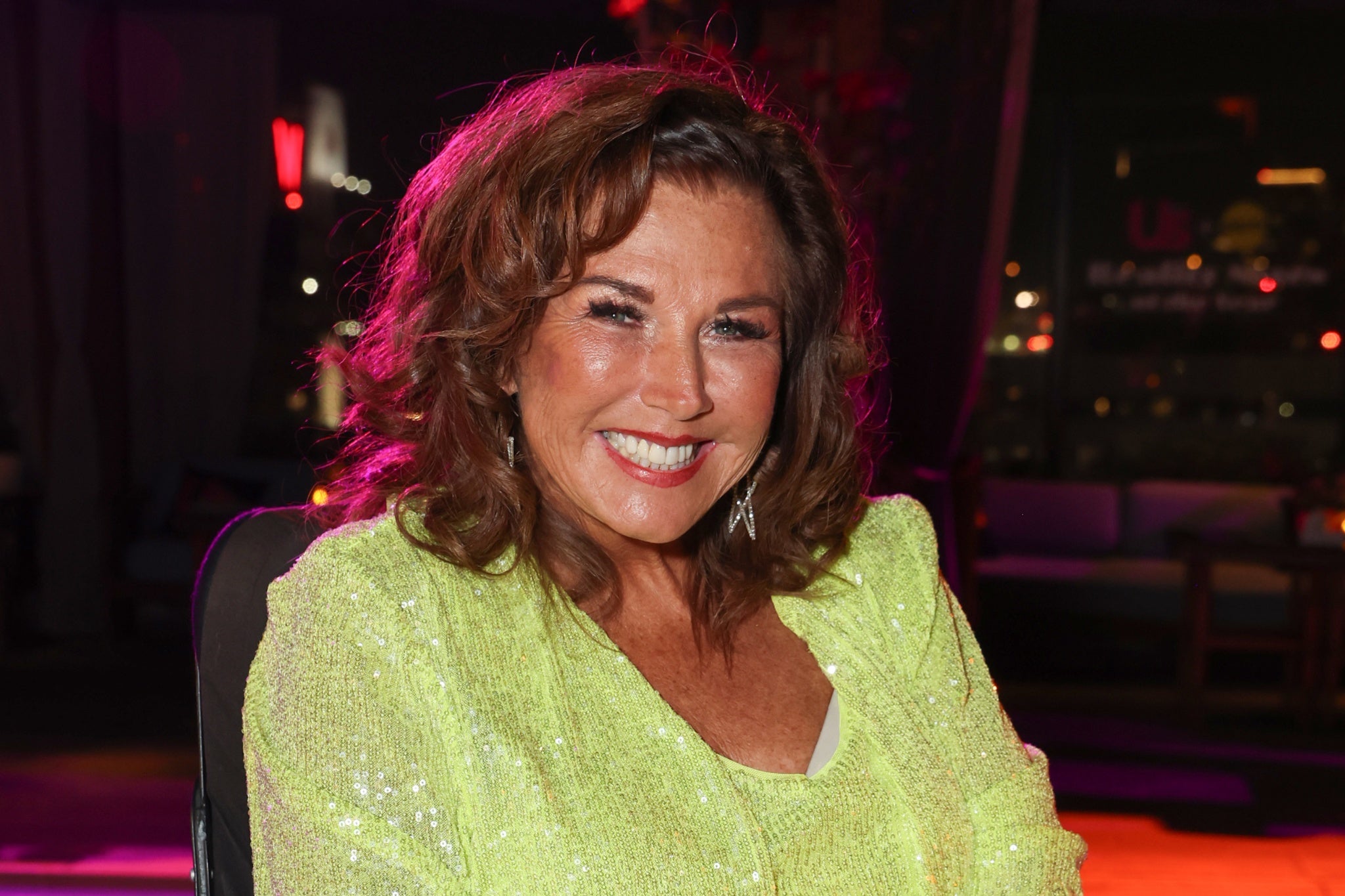
Miller’s legal team argues this case goes far beyond one surgical oversight—it reflects a broader pattern in medicine, particularly in how women’s pain is treated. “She was vocal. She was in visible distress. And she was ignored,” said Miller’s attorney, Nadine Lewis.
Following her 2018 diagnosis with Burkitt lymphoma, a rare and aggressive cancer, Miller became paraplegic and has required ongoing medical care. Though she was declared cancer-free in 2019, she remained wheelchair-bound and frequently reported post-surgical pain.
But instead of investigating her symptoms, the lawsuit claims physicians chalked it up to scar tissue and offered no further diagnostics. "Not one scan. Not one real answer,” Miller reportedly told friends.
Cedars-Sinai, citing patient privacy and legal policies, declined to comment on the details but stated that the care and safety of patients remain a top priority.
Miller’s story may sound dramatic, but the underlying issue is disturbingly common. Each year, an estimated 1 in 5,500 surgeries results in a foreign object being left inside the patient’s body—ranging from gauze to metal tools. These are classified as “never events,” meaning they’re errors that should never happen in modern medicine.
The legal process for pursuing a malpractice case in California starts with a 90-day notice, giving providers a chance to settle out of court. In Miller’s case, neither the hospital nor the doctors responded. That silence led to a public lawsuit and renewed attention to the risks patients face when trust in the system breaks down.
Financially, payouts vary. Minor cases may settle for under $100,000, while serious cases involving long-term damage or permanent disability—like Miller’s—can result in settlements in the high six or seven figures. California’s MICRA law caps non-economic damages at $350,000, but there’s no limit on tangible costs like ongoing care or lost income.
Most doctors and hospitals carry malpractice insurance, which typically covers settlement payments. But major claims can lead to state medical board reviews, higher insurance premiums, or even job consequences. And for patients like Miller, there’s also the emotional toll—knowing the pain could have been avoided if someone had simply listened.
“This isn’t just about what they did,” her lawyer said. “It’s about what they refused to see.”

Just as her lawsuit made headlines, Miller had a rare joyful moment: a reunion with former student JoJo Siwa on Access Daily. The 22-year-old singer and dancer surprised her longtime mentor on live TV, instantly embracing her and calling her a guiding force.
“I think the one thing I would never lose for Abby is respect,” Siwa said. “Even after everything, that never changes.”
Miller—known for her intense coaching style—teared up as she watched old clips and laughed at how far they’ve both come. “She was a star from day one,” Miller said, recalling JoJo’s first audition.
The moment reminded fans that even in difficult seasons, connection and recognition still matter. For Miller, the fight in court may be grueling—but her legacy as a teacher and survivor remains firmly intact.
Can you sue a hospital for leaving something inside you?
Yes. Leaving a foreign object after surgery is considered medical malpractice and may lead to significant compensation.
What’s the average payout for surgical negligence?
Amounts vary. Simple cases may settle for $50,000–$200,000, while severe errors causing disability can exceed $1 million.
How long do I have to file a malpractice lawsuit in California?
You typically have one year from the date of discovery, or up to three years from the injury—whichever is sooner.
What is medical battery?
Medical battery refers to unauthorized or negligent treatment that causes harm—especially when done without informed consent.
Do doctors get punished for these mistakes?
Sometimes. Serious malpractice claims may result in license reviews, increased insurance costs, and potential job consequences.
By Phil Rose, Health Contributor
You probably don’t think twice when your doctor orders a routine screening—maybe a cholesterol test, maybe a mammogram. And why would you? For years now, under the Affordable Care Act (ACA), those kinds of preventive services have been covered by insurance, often without you paying a dime.
But that could change very soon.
The Supreme Court has taken up a case—Braidwood v. Becerra—that might upend the way health insurance works in this country. It sounds technical (and it is), but the bottom line is simple: if the justices rule against the federal government, insurers could stop covering many of the preventive services we’ve all come to take for granted.

At the center of the fight is a group of employers who argue they shouldn’t be forced to provide certain types of care—particularly things like HIV prevention drugs—to their employees. But this case isn’t just about that.
The real legal issue is more structural: they’re claiming the U.S. Preventive Services Task Force (USPSTF)—the panel that decides which services must be covered—is unconstitutional. Why? Because its members weren’t nominated by the President or confirmed by the Senate. And yet, their recommendations have real legal weight under the ACA.
That, according to the plaintiffs, violates the Constitution’s Appointments Clause. They argue it gives too much power to unelected people making decisions that affect the whole country.
This isn’t just a theoretical debate. If the Court agrees with the plaintiffs, here’s what could be affected:
HIV prevention pills (PrEP)
Mammograms, colonoscopies, and cancer screenings
Cholesterol and blood pressure testing
Smoking cessation and obesity counseling
Routine vaccinations for both kids and adults
These are all services insurers are currently required to cover at no cost. But without the legal mandate, insurers could start adding co-pays, raising deductibles—or removing the coverage altogether.
This case could have ripple effects far beyond whether your next physical includes a free test.
If the Supreme Court rules that USPSTF lacks the legal authority to set national coverage rules, it could open the door for broader attacks on how federal agencies work. Agencies like the CDC, the FDA, even the EPA—all of them rely on expert panels and delegated authority to make decisions without congressional micromanagement.
Legal scholars have been warning for a while: this is part of a larger push to weaken the so-called “administrative state.” Braidwood might just be the next domino.
Dr. Sara Rosenbaum, a professor of health law and policy at George Washington University, warned in The New York Times,
“This would be the first time a court has held that the preventive services provisions of the ACA are unconstitutional. It’s a huge deal.”
The Supreme Court has agreed to hear the case. Oral arguments are likely to happen in the fall, and a ruling is expected by summer 2025.
In the meantime, lower courts have issued a mix of rulings. One federal judge sided with Braidwood, striking down part of the ACA’s preventive care mandate. That ruling has been partially paused—so for now, insurers are still following the existing rules.
But make no mistake: this case is moving. And depending on how it lands, it could change how insurance coverage works by as early as 2026.
Let’s say the Supreme Court rules in favor of the plaintiffs. What then?
Insurers might begin phasing out free preventive coverage. Not all at once—but gradually. Some services might start coming with out-of-pocket costs. Employers might skip coverage for certain things, especially if they claim moral or religious objections. And unless Congress or state governments step in, there may not be much patients can do.
On the other hand, if the ACA wins, the current structure stays in place—and preventive care continues as it has for over a decade. But the legal questions raised in Braidwood won’t disappear. Similar challenges could pop up again, targeting other parts of the law.
This is one of those cases that could sneak up on people. So here’s what you can do to stay ahead of it:
Take a look at your current health plan and see what preventive services are included.
Stay informed. This case isn’t getting the headlines it deserves—but it will matter when renewal season rolls around.
Support state-level action. Some states already have laws requiring insurers to cover certain preventive services. Others could pass similar protections, especially if federal rules collapse.
The bottom line? What the Supreme Court decides in Braidwood v. Becerra might not just affect policy—it could affect your next doctor’s appointment.
Is preventive care still free in 2025?
Yes—for now. The ACA still requires insurers to cover most preventive services at no cost, but that could change depending on the Court’s decision.
What does Braidwood v. Becerra challenge?
It argues that the federal task force making preventive care recommendations is unconstitutional because its members weren’t Senate-confirmed.
Could insurers start charging for screenings?
If the Court sides with the plaintiffs, yes—some insurers could start charging for services that are currently free.
Will states still be able to protect preventive care?
Yes. States can create their own mandates, and several already have laws in place to keep preventive services covered.
Each year, millions of Americans balance work with caring for a sick loved one or managing their own serious health conditions—yet many don’t realize that denying even a short leave can be a violation of federal law. Recent court rulings and lawsuits, including a federal decision involving Costco and a new complaint against Amazon, are shining a spotlight on the legal protections workers have under the Family and Medical Leave Act (FMLA), the Americans with Disabilities Act (ADA), and the Pregnant Workers Fairness Act (PWFA).
These cases illustrate what can happen when employers fail to properly accommodate employee health needs or caregiving responsibilities—and why understanding your rights matters more than ever.

The Family and Medical Leave Act provides eligible employees with up to 12 weeks of unpaid, job-protected leave each year to care for a spouse, child, or parent with a serious health condition—or to manage their own serious illness. To qualify, an employee must have worked for their employer for at least one year, logged a minimum of 1,250 hours in the previous 12 months, and work for a company with at least 50 employees within a 75-mile radius.
In a recent case, Terry Head, a long-serving Costco employee, resigned after being denied leave to care for his wife, who was battling cancer. Head sued Costco, and a federal judge ruled that his FMLA claim could proceed to trial, noting the company may have violated the law by refusing to accommodate his caregiving needs. The court's ruling emphasized the potential for "associational discrimination," where an employer penalizes an employee due to their relationship with a person who has a serious medical condition.
Associational discrimination occurs when an employer treats an employee unfairly because they are closely associated with someone who has a disability or serious illness. In Terry Head’s case, the question is whether Costco’s denial of leave—followed by his resignation—was an unlawful act of discrimination due to his wife’s condition. Federal courts are increasingly recognizing these claims, especially when employers fail to engage in dialogue or consider legitimate leave requests.
While the Costco case focuses on family caregiving, a more recent lawsuit against Amazon broadens the conversation to workers’ own medical emergencies—specifically pregnancy-related conditions.
On May 29, 2025, a warehouse worker in Orlando filed a federal lawsuit against Amazon after the company allegedly refused to approve unpaid medical leave for her ectopic pregnancy, then terminated her employment. According to the complaint, she notified the company of her condition using Amazon’s employee app and followed up with emails to HR requesting five weeks of leave to recover from surgery that included removal of an embryo and one fallopian tube. Her doctor even faxed medical documentation confirming her diagnosis and treatment timeline.
Despite this, Amazon reportedly fired her for not being approved for leave—without engaging in any interactive process required under employment law. The lawsuit claims violations of the Family and Medical Leave Act, the Americans with Disabilities Act, the Florida Civil Rights Act, and the newly enacted Pregnant Workers Fairness Act (PWFA).
Under the FMLA, an eligible employee can take leave for a "serious medical condition"—including pregnancy-related health complications. U.S. Department of Labor regulations clarify that this includes any condition requiring inpatient care or ongoing treatment. Pregnancy-related incapacity, prenatal care, and complications like ectopic pregnancy clearly qualify.
Beyond FMLA, the PWFA, finalized by the EEOC in April 2024, requires employers to reasonably accommodate conditions related to pregnancy, even if the condition isn’t considered a disability under the ADA. This includes recovery from miscarriage, stillbirth, or medically necessary abortions. In the Amazon case, the alleged failure to engage in dialogue or provide accommodations may violate multiple federal statutes, each designed to protect vulnerable employees during medical crises.
Whether you're dealing with your own medical needs or caring for a loved one, these cases show that legal protections exist—but they are only useful if workers know how to use them. In both the Costco and Amazon cases, the central issue isn’t just the denial of leave—it’s the failure of the employer to meaningfully engage in a process to assess and honor valid requests.
This lack of engagement can open employers to serious legal liability and emotional harm for workers. With over 670,000 divorces and 2 million marriages each year in the U.S., and growing caregiving responsibilities across generations, understanding the reach of these federal laws is crucial.
If your leave request is denied—whether for a pregnancy-related issue or a family emergency—don’t wait to seek advice. Most FMLA claims must be filed within two years of the violation, and documentation can be the difference between success and dismissal in court. Save emails, app messages, HR communications, and medical records.
Engaging an employment lawyer early helps clarify your rights and next steps, especially if you’re being pressured to resign or terminated unfairly.
The recent lawsuits involving Costco and Amazon underscore how easily workplace leave requests can become legal battles. From caring for a spouse with cancer to recovering from a traumatic medical emergency, employees across America rely on the protections of FMLA, ADA, and PWFA.
Employers are required to take these laws seriously—and so should you. If you’re denied time off for a legitimate health or caregiving reason, you have legal options.
If you believe your employer acted unlawfully, or if you’re unsure whether your rights were violated, contact us today. We help employees protect their families, their jobs, and their futures—because no one should be punished for trying to take care of themselves or the people they love.
What should I do if my leave request is denied?
Start by asking your employer for a written explanation. Then, review your eligibility under laws like the FMLA or PWFA. If you believe the denial was unlawful, consult an employment attorney immediately. Acting quickly can preserve your legal rights.
Is it illegal for an employer to deny compassionate leave?
There’s no specific federal law called “compassionate leave,” but if your request involves caring for a seriously ill family member or dealing with your own serious condition, you may be protected under the Family and Medical Leave Act (FMLA) or similar state laws. In some cases, a denial could be unlawful.
Can you legally be denied annual leave?
Yes, in most U.S. states, employers can deny annual or vacation leave requests if the timing doesn’t suit business needs—unless it’s contractually guaranteed. However, medical or family-related leave under federal laws like FMLA must meet stricter legal standards for denial.
It’s not just Kanye West who might be facing a messy breakup without a financial safety net—millions of American couples are still skipping prenuptial agreements. Family law experts say that could be a serious mistake, one that hits way closer to home than we like to think.
Kanye West and Australian architect Bianca Censori got married in late 2022 under a confidential license in California. But with rumors of a split swirling—and after a string of eyebrow-raising public moments—it’s not their relationship drama that’s raising legal red flags. It’s this: they reportedly didn’t sign a prenup.
That might sound shocking, considering Kanye’s massive fortune (he's claimed it's $2.77 billion). But the real surprise is how many everyday couples make the exact same move—getting married without any legal protection in place. In California, which is a community property state, anything earned during the marriage is typically split 50/50. If this couple divorces, Bianca could walk away with a very large piece of the pie.

And it’s not just them. Other famous couples—Jennifer Lopez and Ben Affleck, Jessica Alba and Cash Warren, even Justin and Hailey Bieber—have also reportedly skipped prenups. Some of those marriages are now unraveling, and they’re facing the legal consequences.
But here’s the thing: you don’t have to be rich or famous to need one. If you own a house, have student loan debt, are bringing kids into the marriage, or even just want clarity about what’s yours and what’s shared—a prenup can protect both partners. It’s not about greed. It’s about boundaries, fairness, and planning ahead while everyone’s still on the same page.
A friend of mine got burned this way—no big assets, no massive income, but after a messy split, she still spent thousands untangling a joint car loan and a shared credit card balance. A prenup might’ve prevented all that.
And consider this: every year, around 2 million couples get married in the U.S., while roughly 670,000 to 800,000 divorces are filed. That’s a lot of relationships ending—and often, without a financial agreement in place. Prenups aren’t just smart. They’re becoming essential.
One thing a lot of people miss? Prenup laws aren’t universal. California follows a “community property” model, but most U.S. states use “equitable distribution,” where courts divide assets based on fairness instead of a strict 50/50 rule. Plus, different states have different standards for how and when prenups must be signed, and whether both parties had independent legal advice.
Long story short: a prenup that’s totally valid in one state could be tossed out in another. That’s why it’s crucial to talk to a local lawyer who understands your state’s laws and how to draft something enforceable.
At its core, a prenuptial agreement is a contract. It’s a document that two people agree to before getting married that says, “Here’s what we’ll do with our finances if things go sideways.” It’s not cold. It’s practical.
Sure, a prenup can outline how you’ll split property or whether one spouse will pay the other support. But it can also address debt, business ownership, and even what happens to a family pet. It’s flexible, and it can be as detailed—or as simple—as the couple wants.
Attorney Kirk Stange has seen plenty of people hesitate to bring up prenups out of fear that it’ll ruin the romance. But he says it actually helps many couples avoid tension later. “It can simplify a divorce tremendously,” he told The U.S. Sun. And he’s right—it's way easier to talk about money while you're still in love than when you’re angry, hurt, and trying to move out.
Now, to clear up a myth: prenups don’t let you plan everything. For example, you can’t decide child custody or child support ahead of time—courts handle that based on what’s best for the child at the time of separation.
Get Jointly, an online prenup service gives this advice "what a prenup can do is lay out how property and income will be divided, who keeps what, who pays what, and what happens to shared assets. It can even address how one spouse is compensated for giving up a career to raise children. Just make sure it’s balanced—an unfair prenup can be challenged and possibly thrown out."
Worried it’s complicated? It’s not. The prenup process is surprisingly straightforward. Both partners disclose what they own and owe. They each get their own lawyer (which is important), and ideally, the agreement gets signed weeks—not days—before the wedding.
The goal is to make sure everything is done fairly and voluntarily. Courts can and do toss out prenups that look rushed, coerced, or one-sided. So don’t DIY this one. This is a “get it right the first time” situation.
Prenups aren’t just about shielding wealth. They’re about clarity and communication. They give couples a framework for understanding each other’s finances and planning for worst-case scenarios—before emotions take over.
And when done right, a prenup can save both parties money, time, and a ton of stress. “It can prevent high legal fees and conflict down the road,” says Stange. By deciding upfront who’s responsible for what, couples can focus on moving forward—rather than fighting it out in court.
Interestingly, although only about 15–20% of couples actually sign prenups, a full 50% of American adults say they support the idea. That suggests the stigma is fading—even if behavior hasn’t caught up just yet.
The stigma around prenups is slowly fading, especially among younger couples. About 43% of first marriages still end in divorce, but only 15% of engaged or married couples currently have a prenup—though that number is growing fast.
Younger generations are leading this shift. Millennials in particular are marrying later in life, often with more personal assets—or debt—to protect. For them, a prenup isn’t seen as planning for divorce, but as a smart part of marriage prep. Financial transparency is the new romantic gesture.
Kanye and Bianca’s story is just one of many. Whether you’re making $50,000 or $50 million, this stuff matters. A prenup isn’t planning for failure. It’s just smart, honest preparation—just like getting insurance or writing a will.
And let’s be real: if you don’t have one, the law makes those decisions for you. Wouldn’t you rather decide for yourselves?
What happens in a prenup?
A prenup outlines how finances, property, and debts are divided if the marriage ends. It can also clarify spousal support or inheritance arrangements.
Why would a couple want a prenup?
To avoid legal battles, protect personal assets, and make financial expectations clear from the start.
What is the difference between a prenup and a postnup?
A prenup is signed before marriage. A postnup is signed after the wedding but serves a similar purpose.
Are prenups common in America?
They’re becoming more common, particularly among millennials and second marriages. While only 15–20% of couples have them today, support for prenups is growing rapidly.
Tension boiled over across Los Angeles County this weekend after Immigration and Customs Enforcement (ICE) officers carried out surprise raids in three separate locations on Friday, detaining dozens of people.
The federal operations, which advocates say lacked transparency and due process, quickly ignited a wave of protests that has since morphed into a citywide standoff.
California Governor Gavin Newsom condemned the actions as “chaotic federal sweeps” intended to fulfill an “arbitrary arrest quota,” while pro-immigrant organizations and labor groups flooded the streets in response.
The L.A. County Sheriff’s Department confirmed the operations were “proceeding as planned,” even as demonstrations swelled by the hour.
By Saturday, hundreds had taken to the streets, with large crowds gathering outside federal buildings and detention centers.
Protesters chanted, carried signs, and marched through major neighborhoods including Downtown Los Angeles and Boyle Heights.
Tensions reached a tipping point when demonstrators blocked the 101 Freeway, prompting police to declare an unlawful assembly.
Law enforcement deployed tear gas, flash-bang grenades, rubber bullets, and pepper spray in an effort to disperse demonstrators.
Footage circulated on social media showed scenes of unrest, including clashes with officers, property damage, and the burning of multiple vehicles, among them an autonomous Waymo car allegedly set on fire by rioters.
Throughout the day, numerous individuals were detained. By Sunday, the LAPD confirmed at least 56 arrests, though independent estimates place the total at over 100 since the protests began.
Injuries have been reported on both sides, including at least three demonstrators, several law enforcement personnel, and six members of the National Guard.
A foreign journalist was also struck by a sponge bullet round while reporting from the scene.
In response to the escalating situation, President Donald Trump ordered the deployment of 2,000 National Guard troops to Los Angeles, with approximately 400 arriving by Sunday morning.
He cited the need to restore "law and order," and warned of a potential “violent insurrection,” suggesting further military action could follow.
The deployment was met with strong opposition from state and local leaders. "What we’re seeing in Los Angeles is chaos that is provoked by the administration."
"This is about another agenda, this isn't about public safety.” said Mayor Karen Bass.
Governor Gavin Newsom echoed Mayor Bass’s concerns, announcing his intent to file a lawsuit against the federal government. He described the National Guard deployment as unconstitutional and “deliberately inflammatory.”
Prominent Democratic figures, including Vice President Kamala Harris and Representative Maxine Waters, also criticized the administration’s use of military force in response to civilian demonstrations.
Protests entered a third consecutive day on Monday, with no indication of de-escalation. Organizers have pledged to sustain momentum throughout the week, with planned demonstrations outside ICE field offices, courthouses, and major transportation corridors.
Chants of “Sanctuary Now” and “Abolish ICE” were widely heard as immigrant communities and advocacy groups mobilized to shield vulnerable residents from federal enforcement actions.
Levi & Korsinsky Files Class Action Against Compass Diversified
Latham & Watkins Guides Strategy.com Through IPO of STRD Stock
Hogan Lovells has advised KSL Capital Partners on the refinancing of Il Sereno, a world-renowned luxury hotel set on the shores of Lake Como, Italy.
The borrower, Le Sereno Lago Di Como Srl, owner of the hotel is affiliated with KSL, a private equity firm known for investing in top-tier travel and leisure assets.
The cross-border Hogan Lovells team was led by London partner Andrew Flemming, with support from counsel Simon Bacchus and associate Catriona Deery.
Partner Carlo Massini oversaw the Italian legal aspects, working alongside associates Giulia Geraci and Isoken Obayagbona on finance matters, and senior associate Francesco De Michele on real estate and due diligence.
Deutsche Bank served as the incoming lender, with Clifford Chance acting as its legal counsel. A&O Shearman represented the outgoing lender, Cheyne Capital Management, a global firm specializing in alternative investments.
KSL Capital Partners is a private equity firm specializing exclusively in travel and leisure. With over $23 billion in assets under management, KSL invests across equity, credit, and tactical opportunities. The firm operates from offices in Denver, New York, Stamford, and London, and takes an operator-first approach to partnering with businesses, emphasizing long-term growth, integrity, and performance.
Hogan Lovells is a global law firm with over 2,600 lawyers across six continents, offering top-tier legal services in complex litigation, regulatory, and transactional matters. Known for its deep industry knowledge and cross-border capabilities, the firm partners with clients to solve their toughest legal challenges and drive strategic growth. Hogan Lovells serves major players in life sciences, financial services, technology, energy, and beyond, combining local insight with global reach.
A new travel ban signed by President Donald Trump has taken effect, barring entry from 12 countries due to national security concerns.
The policy has drawn immediate criticism, particularly in Florida, where immigrant communities in cities like Miami and Orlando face significant personal and family disruptions.
The executive action, signed last Tuesday, stops almost all visa approvals for people coming from countries that U.S. officials say aren’t doing enough to verify identities or share critical security information.
The countries now facing a full entry ban include:
Afghanistan
Burma (Myanmar)
Chad
Republic of the Congo
Equatorial Guinea
Eritrea
Haiti
Iran
Libya
Somalia
Sudan
Yemen
Seven other countries, Cuba, Venezuela, Laos, Togo, Burundi, Turkmenistan, and Sierra Leone face more limited restrictions, such as bans on certain types of visas.
South Florida, which hosts some of the largest Haitian, Cuban, and Venezuelan populations in the United States, is among the regions most directly affected by the new travel ban.
For many families, the implications are immediate and deeply personal, ranging from delayed family reunifications to missed life events, including weddings and funerals.
Local leaders have voiced strong opposition. Miami-Dade Commissioner Marleine Bastien criticized the policy as “cruel and short-sighted,” warning it could destabilize immigrant communities and strain social services.
U.S. Representative Maxwell Frost, who represents parts of Orlando, called the executive order “inhumane,” noting that it disproportionately affects individuals fleeing conflict, political repression, and economic hardship.
Florida is home to over 500,000 immigrants from the affected nations, including nearly 300,000 Haitians and tens of thousands of Venezuelans and Cubans, according to U.S. Census data and the Migration Policy Institute.
Advocacy groups warn the ban may interrupt ongoing visa petitions, delay humanitarian cases, and heighten anxiety among mixed-status families.
While the new ban is sweeping, there are some exceptions:
Green card holders
Dual citizens traveling with a passport from an unaffected country
Special visa recipients from Afghanistan
Relatives of U.S. citizens
Certain diplomats, athletes, and humanitarian travelers
People who already have valid U.S. visas issued before the June 9 cutoff aren’t affected at least for now. But new visa applications from those countries will likely be denied unless the traveler qualifies under a narrow exemption.
Donald Trump’s team says the new policy is about tightening national security. Officials claim some foreign governments haven’t been cooperative with U.S. screening requirements or have high rates of visa overstays.
A recent attack in Colorado carried out by a man from Egypt, was cited as an example, even though Egypt wasn’t included in the ban. The attack happened on June 1 in Boulder, Colorado, during a peaceful solidarity walk near Pearl Street Mall.
Witnesses say Mohamed Sabry Soliman, a 45-year-old Egyptian man, threw Molotov cocktails into the crowd and used what appeared to be a homemade flamethrower. Sixteen people were hurt, many of them older adults and investigators have called it a hate-driven act with ideological motives.
The Trump administration has signaled interest in tightening asylum rules, reducing green card pathways, and stepping up deportations.
Investors who held shares of Compass Group Diversified Holdings (NYSE:CODI) between May 1, 2024, and May 7, 2025, may be eligible to participate in a securities class action lawsuit currently underway.
The lawsuit, filed by Levi & Korsinsky, LLP, follows a sharp decline in Compass stock dropping over 60% in a single day, after the company announced an internal financial investigation involving a key subsidiary.
On May 8, 2025, Compass shares fell from $17.25 to $6.55 after the company revealed that its 2024 financial statements could no longer be relied upon, a disclosure that took many investors by surprise.
The complaint alleges that Compass Group Diversified Holdings misled investors by:
Failing to fix or disclose weaknesses in its financial oversight
Keeping quiet about questionable financing linked to Lugano Holding, Inc., one of its subsidiaries
Overlooking red flags in Lugano’s sales figures, cost reporting, and inventory records
Making upbeat public statements that didn’t reflect what was really happening behind the scenes
Things came to a head after the market closed on May 7, when Compass revealed that its audit committee had launched an internal investigation into how Lugano may have been funding its inventory.
That same day, Lugano’s founder and CEO, Moti Ferder, resigned abruptly without severance, further deepening investor concerns.
If you bought Compass stock during the affected time period and suffered a financial hit, Levi & Korsinsky may be able to help you recover your losses.
🔗 Submit your information here
Or reach out directly to discuss your potential claim:
Email: jlevi@levikorsinsky.com
Phone: (212) 363-7500
Contact: Joseph E. Levi, Esq., Founding Partner at Levi & Korsinsky, LLP
Compass Diversified (NYSE: CODI) is a long-term holding company that invests in middle-market businesses with strong growth potential. Founded in 1998, CODI provides permanent capital and strategic support while allowing its subsidiaries to operate independently. The company is guided by core values of integrity, accountability, humility, passion, and collaboration.
Levi & Korsinsky LLP is a recognized leader in securities litigation, with a track record of recovering hundreds of millions of dollars for shareholders over the past two decades. With a dedicated team of over 70 professionals, the firm specializes in complex securities cases and has been featured in ISS Securities Class Action Services' Top 50 Report for seven consecutive years.
Morgan Lewis Assists Kyrgyzstan on $700M Sovereign Bond Deal
NY Governor Hochul Signs Sweeping Worker Safety Reforms Into Law
White & Case LLP has guided sustainable investment firm Mirova through a key strategic move: joining forces with Solveo Energies to support the company’s next phase of growth in renewable energy.
Mirova, which focuses on environmental and socially responsible investing and is affiliated with Natixis Investment Managers, took the lead in Solveo Energies’ latest fundraising round. Through its Energy Transition 6 fund, Mirova invested equity alongside existing shareholders and acquired a stake in the business.
The investment marks a major milestone for Solveo Energies, an independent French renewable energy producer known for its local, community-rooted approach. With fresh backing from Mirova, the company plans to speed up development and roll out more clean energy projects across France and beyond.
“We are very proud to welcome Mirova to our entrepreneurial adventure. This transaction reinforces our model as an independent, regionally-rooted player."
"Thanks to this long-term strategic partnership, we now have the resources to accelerate our development, consolidate our portfolio and remain true to our convictions: to produce sustainable, local energy that respects the regions." said Jean-Marc Mateos, Chairman of Solveo Energies.
Jocelyn Dioux, Investment Director at Mirova, shared: “We are delighted to be joining Solveo Energies. We were particularly impressed by the talent of the teams, the relevance of the asset portfolio, the rigour of the processes and the company's clear strategic vision."
"This transaction fits perfectly with our MET6 portfolio strategy, which selects committed and successful players in the energy transition."
The legal side of the deal was handled by White & Case’s Paris office, with partners Guillaume Vallat and Edouard Le Breton taking the lead. They were joined by fellow partners Jean-Luc Champy, Valérie Ménard, Estelle Philippi, and Jérémie Marthan, counsel Henri Bousseau, and associates Marovola Rasoanaivo, Camille Fouqué, Pauline Abbouche, Sarah Kouchad, Thibault Faivre-Pierret, Rahel Wendebourg, Camille Coulon, and Clément Bellaclas.
Mirova is a global asset management firm dedicated to sustainable investing. An affiliate of Natixis Investment Managers, Mirova manages multi-asset strategies with a focus on environmental and social impact. Headquartered in Paris and certified as a B Corp, the firm operates across Europe, North America, Africa, and Asia, channeling capital into projects that drive the energy transition and long-term sustainable growth.
White & Case LLP is a global law firm known for providing high-quality legal services to clients across a broad range of industries. Founded in 1901, the firm has grown to become one of the largest international law firms, with offices in over 40 locations worldwide. White & Case specializes in complex legal matters, including banking and finance, mergers and acquisitions, capital markets, dispute resolution, and regulatory compliance. The firm represents multinational corporations, governments, and financial institutions, offering expertise in cross-border transactions, international litigation, and arbitration. White & Case is renowned for its deep industry knowledge, innovative solutions, and commitment to delivering results for its clients.
