
Understand Your Rights. Solve Your Legal Problems
Ropes & Gray has advised Benefit Street Partners (BSP), a leading alternative credit investment manager, on the successful closing of its third captive U.S. CLO equity fund, BSP CLO Equity III, which secured $500 million in total equity commitments.
The fund's closing was announced on June 12 and is expected to significantly expand BSP’s structured credit capabilities.
This latest fund is a major boost to BSP’s already expansive credit platform. If fully deployed, it could bring in up to $10 billion in additional assets.
Together with its European affiliate, Alcentra, BSP now ranks among the largest CLO managers worldwide, with more than $26 billion tied to this strategy. The firm has been investing in CLO equity for over two decades, navigating multiple credit cycles while continuing to draw investor interest.
“The consistent performance of U.S. CLO equity across multiple credit cycles has earned it a permanent allocation within private credit portfolios,” said Vince Pompliano, Managing Director and Co-Head of BSP’s CLO business.
“Investor demand for this strategy reflects both the asset class’s growing appeal and continued confidence in BSP’s ability to deliver attractive, risk-adjusted returns through disciplined investing, deep credit expertise and the strength of our experienced team.”
The Ropes & Gray team advising BSP brought together talent from across the firm, including asset management partners Melissa Bender, Katie Waite, and Anna Lawry; tax specialists Adam Greenwood and Franziska Hertel; and finance partner Patricia Lynch.
Benefit Street Partners (BSP) is a credit-focused alternative asset manager with approximately $78 billion in assets under management. Founded in 2008, BSP offers strategies across private debt, CLOs, structured credit, high-yield bonds, and real estate. The firm serves institutional and high-net-worth investors globally and operates from offices in New York, Boston, West Palm Beach, and London. BSP is a wholly owned subsidiary of Franklin Templeton.
Ropes & Gray is a global law firm providing comprehensive legal services to clients across a wide range of industries. With a reputation for excellence, the firm is known for its expertise in areas such as corporate law, private equity, M&A, intellectual property, litigation, regulatory matters, and finance.
A few months ago, my cousin called me in a panic. He was trying to lease out his spare room, but the tenant wanted a custom agreement that included rules about pets, overnight guests, and subletting.
“Do I need to hire a lawyer for this?” he asked, sounding overwhelmed. “Or is there, like… a template I can just buy?”
That conversation stuck with me, because it's a question so many of us face. Whether you're launching a side hustle, finalizing a divorce, starting an LLC, or managing a rental, you hit a wall: Pay for a legal subscription? Or just download what you need?
It’s a common dilemma, especially for gig workers navigating side income, rentals, or self-employment without legal backup. Here's how gig workers can use online legal services to protect themselves.
It’s not a simple answer. But you’ve got options. And depending on your situation, one might save you hundreds and a whole lot of stress.
Let’s break it down together.
If you’ve never tried one before, think of a monthly legal plan like having a law firm in your back pocket—minus the terrifying bill. You pay a flat monthly fee (typically $20 to $40), and in return, you get access to a library of legal forms, plus phone consultations with real attorneys.
Some of the most popular providers: like LegalZoom and Rocket Lawyer, include perks like:
Basically, you get ongoing help without getting nickeled and dimed.
Wondering which provider is better for your needs? We dive into that in LegalZoom vs. Rocket Lawyer: Which Legal Service Is Right for You.
This one’s simpler: you pay a one-time fee for the document you need nothing more. No monthly fees, no ongoing commitment. You might spend $15 on a lease, or $50 for a living will, depending on what you’re dealing with.
Platforms like Nolo, Incfile, and eForms have made this model popular, especially for folks on a budget, or anyone who just needs one or two forms without extra bells and whistles.
If you're considering Nolo specifically, take a look at Is Nolo Worth It for DIY Legal Contracts to see whether it fits your needs.
If you're confident editing documents yourself and don’t need ongoing legal advice, this route can make a lot of sense.
For example, if you’re starting a business and want to keep things lean, Incfile is a solid choice. Here's our Step-by-Step Guide to Starting an LLC with Incfile to help you get started.
If speed matters, you’ll also want to read What’s the Fastest Way to File an LLC Without a Lawyer? for step-by-step tips to register your business quickly without legal fees.
Still deciding between two of the biggest names? Our breakdown of LegalZoom vs Incfile for Business Formation: Which Gives More Value can help you choose the best fit for your launch budget and goals.
And once you're up and running, don't miss our checklist of Legal Documents Every Startup Founder Needs in Year One, it covers the contracts and forms that can make or break your first 12 months.
Here’s where it gets personal.
Let’s say you’re a freelancer who juggles multiple clients. Each project might need a new contract, an NDA, or even revisions when a client moves the goalposts.
You’ll want to read 5 Things Freelancers Should Know About Online Legal Forms or Legal Document Tools Every Freelancer Should Know.
Or maybe you’re a landlord with more than one property. Leases, renewal terms, pet clauses, late rent notices, those add up fast. We explain what to watch out for in Best Legal Services for Landlords in 2025.
Small business owners? They often benefit most. You’ll likely need help with compliance, employee agreements, and partnership docs. Learn more in How Small Businesses Use Rocket Lawyer for Compliance or What Services Does Rocket Lawyer Offer for Small Business Owners?.
Sometimes, the simplest path is the best.
Say you're just looking to set up a power of attorney for a loved one. No need to overcomplicate it, services like Nolo or eForms can help for a one-time fee. Here's a good place to start: Where to Create a Legally Binding Power of Attorney Online.
Other great use cases for pay-per-doc:
The main upside? You only pay for what you use. No subscriptions, no strings.
Choosing between a monthly legal plan and pay-per-document pricing often comes down to one simple question: How often do you need legal help? Here’s a side-by-side look at typical costs for common legal needs:
| Scenario | Monthly Plan | Pay-Per-Doc |
|---|---|---|
| One-time rental agreement | $35 | $25–$30 |
| LLC setup + basic contracts | $35/month | $150+ |
| Estate planning + power of attorney | $35/month | $100–200 |
| Ongoing business needs (yearly total) | ~$420/year | $500+ |
On paper, pay-per-doc pricing looks cheaper, especially if you're only downloading a single lease or will. But the moment you need two or three documents, or a little legal advice along the way, that math changes quickly.
For example, say you start a business and need an operating agreement, client contract, and website terms of service. That could run $300+ on a pay-per-doc model. A legal plan could give you all three, plus attorney support for the cost of one monthly payment.
Quick tip: If you’ll need legal help more than twice a year, or want the option to consult a lawyer without hourly fees, a monthly plan almost always offers better long-term value.
Still not sure which route is best for your situation? Our guide Can I Make My Own Legal Documents Online in 2025? walks you through when it’s safe to go DIY—and when you might be better off getting help from a pro.
When it comes to legal documents, the stakes can be higher than they seem at first glance.
Online legal services are generally reliable, and millions of people turn to them every year for help with everything from rental agreements to business formation.
But and this matters, not all platforms are equally thorough, and not every document is built to meet the specific requirements of your state or situation.
Some services invest in keeping their templates up to date, offer built-in legal reviews, and provide access to licensed attorneys. Others... well, they don’t.
You might end up with a form that looks fine, until a key clause is missing or the wording doesn’t hold up when it’s actually tested in a dispute.
That’s why it’s worth digging a little deeper before you download anything. We break it down in more detail in Are Online Legal Services Legit? What the Law Says in 2025.
But just as important: Will the document stand up in court if challenged? That’s the question most people forget to ask and the one that matters most when legal trouble hits. To find out exactly what makes a document enforceable, and when courts are likely to honor (or reject) what you’ve signed online, read Are Online Legal Documents Recognized in Court?. It could save you from a costly misstep.
If you’re wondering where the line is between saving money and risking too much, this guide might help: Free vs Paid Legal Forms: What You Risk by Going Cheap.
It’s not about fear, it’s about being informed. A little caution now can save a lot of stress later.
Leah, 29, launched a boutique design agency. She used Incfile to register her LLC (you can too, see Why Incfile Is Popular for First-Time Entrepreneurs), then subscribed to Rocket Lawyer for the ongoing legal docs. She's protected and it shows.
Carlos, 52, manages three rental homes. He pays for templates one by one, tailoring them himself. For him, pay-per-document just works.
Maya, 38, runs a nonprofit helping veterans. She doesn’t have a legal team, but she doesn't need one. Platforms offering Affordable Legal Document Options for Nonprofits keep her compliant without wrecking her budget.
Let’s make it simple:
There’s no perfect answer, just the one that fits your life right now. And remember, you can always start small and switch later.
Still stuck? It might help to ask:
Would you rather pay $35 a month to feel covered or $150+ every time you need something new?
In most cases yes, especially for non-litigation needs. If you’re just forming a business or need legal templates, it’s a huge cost saver.
Most let you cancel month-to-month. Some offer prorated refunds or trials. Just check the fine print.
Yes, if they’re state-specific and properly completed. Still, if it’s high-stakes (like a prenup or business acquisition), consider legal review.
It depends. If you're working with new clients regularly, a monthly legal plan with unlimited contract templates might be more efficient. Otherwise, buying a couple of forms a year works too.
Not always. Read Do You Really Need a Lawyer to Write a Contract? Here’s the DIY Alternative for honest insight and safer shortcuts.
Still unsure where to begin? Check out our full guide to the Best Legal Document Services in 2025: What They Offer and Who They're For, a great starting point if you're comparing tools side by side.
Hollywood is not just buzzing – it's erupting. The entertainment world is reeling from explosive allegations that strike at the heart of one of its most powerful figures: Tyler Perry. Yet, in the face of a staggering $260 million lawsuit accusing their close friend and their own daughter Princess Lilibet's godfather of sexual assault and retaliation, Prince Harry and Meghan Markle remain conspicuously, almost defiantly, silent.
Why the unfathomable quiet from their lavish Montecito estate? And more importantly, does this calculated silence carry a deeper, more troubling implication for the self-styled "champions of compassion" – hinting at a legal complicity that could shatter their carefully constructed public image?

Prince Harry and Meghan Markle, pictured here recently, have remained conspicuously silent on the severe allegations facing their close friend and daughter's godfather, Tyler Perry.
New, damning court documents reveal actor Derek Dixon has sued Tyler Perry for an astonishing $260 million. Dixon’s complaint, filed June 13, lays bare a chilling narrative of alleged sexual harassment, assault, and retaliation during his work on Perry's acclaimed shows, "The Oval" and "Ruthless."
These are not whispers; they are grave, specific accusations that threaten to dismantle Perry’s vast empire and send shockwaves through every corner of the entertainment industry.
Despite the sheer gravity of these claims against a man who famously offered Harry and Meghan refuge in his sprawling Los Angeles home after their dramatic royal exit – a "safe haven" during their most vulnerable time – the Sussexes' Archewell offices have maintained an unbroken, stone-cold silence.
Fox News Digital reached out for comment, but our inquiries were met with a resounding, and telling, void. This isn't merely a lapse in social graces; legal and public relations experts are dissecting the couple's shocking lack of response, suggesting it could be interpreted as far more than just a preference for privacy.
British royals expert Hilary Fordwich didn't mince words, telling Fox News Digital, "Instead of offering their stalwart support as good friends would who even lived in his home, this silence is a clear demonstration of… a total lack of moral courage." But for many, the concerns extend far beyond simple morality.

A composite image features three head-and-shoulder portraits side-by-side: Tyler Perry on the left in glasses and a dark shirt, Meghan Markle in the center in blue, and Prince Harry on the right with a red beard in a dark blue shirt.
In the cutthroat world of high-profile legal battles, silence from influential allies can be a treacherous double-edged sword. While directly uninvolved in the alleged acts, the Sussexes' undeniable prominence and their profound relationship with Perry – godfather to their own child – casts an intensely uncomfortable glare on their inaction.
"Harry and Meghan are in a lose-lose situation," Fordwich warned. "Keeping their distance has backfired either way. If Tyler Perry is exonerated, their lack of support will be seen as a betrayal, further damaging their credibility among friends and potential allies alike. If allegations against Tyler Perry are proven, distancing themselves to protect their brand will still appear opportunistic and ungrateful."
But the question looms larger: Is this more than just appearing opportunistic? Legal observers are now openly questioning if the Sussexes' prolonged, calculated silence, particularly in light of their profound personal and even implied financial ties to Perry (who, as their rescuer, facilitated their very "freedom flight" to the U.S. and provided them sanctuary), could be seen as an implicit endorsement of his defense.
Or, at the very least, a deliberate, strategic avoidance of a crisis that threatens the foundation of their carefully managed public persona.
Kinsey Schofield, host of the "To Di For Daily" podcast, didn't hesitate to invoke Prince Harry's own past pronouncements: "To quote Prince Harry from his January 2023 interview with Anderson Cooper on ‘60 Minutes,’ ‘Silence is betrayal.' I imagine Tyler Perry would appreciate any backup at this point."
Perry's attorney, Matthew Boyd, has issued an emphatic denial, stating, "This is an individual who got close to Tyler Perry for what now appears to be nothing more than setting up a scam.
But Tyler will not be shaken down and we are confident these fabricated claims of harassment will fail." While Perry's legal team aggressively defends against the accusations, the chilling public silence of his most famous, most beholden friends only serves to intensify the already boiling scrutiny.
:max_bytes(150000):strip_icc():focal(742x231:744x233)/meghan-markle-as-ever-logo-021825-5acfa3b24942458d95bb3189d4824fea.jpg)
A split image features a close-up of Meghan Markle in a black beanie on the left, smiling, and her light blue As Ever brand logo with palm trees and birds on the right.
Meghan Markle has been a whirlwind of activity recently, aggressively promoting her new "As Ever" brand and launching a torrent of fresh content across social media.
Yet, amidst this frenetic self-promotion, not a single syllable has been uttered regarding the legal firestorm engulfing her closest confidante, a man who literally saved her family in their moment of need.
"Harry and Meghan’s refusal to get involved is clearly an act of self-preservation," Schofield claimed. "But with Meghan’s almost binge-like activity on social media and the constant promotion of her As Ever brand, their avoidance of the Perry scandal feels amplified. It's a shocking display."
This begs an uncomfortable, pointed question: What are their priorities? "You can post a four-year-old video of yourself [doing the ‘Baby Mama Dance’] but you can’t acknowledge a friend in need?
One who showed you so much kindness that measuring it would be impossible? A man who gave you a private plane, a luxury home and – most importantly, an exit strategy?" Schofield argued, voicing the mounting public outrage.
The allegations against Perry are dire, ranging from sexual assault to creating a "sexually exploitative dynamic" and retaliation when Dixon allegedly resisted.
In a world increasingly demanding transparency and accountability, the Sussexes' unwavering silence on these specific legal claims against a man to whom they owe so much – a man who was their very sanctuary – is not merely perplexing; it is being decried by many as a stark, morally indefensible indictment of their own character and their self-proclaimed roles as advocates for compassion and justice.

As this shocking $260 million lawsuit unfolds in the courts, the world waits not just for legal clarity from Tyler Perry's camp, but for any flicker of acknowledgement or gesture of support from the Duke and Duchess of Sussex. Their silence now speaks volumes, resonating with a disturbing lack of loyalty and echoing with the very "betrayal" Harry once condemned.
Will they eventually break their silence, perhaps with a carefully crafted statement from Archewell aimed at damage control? Or will their continued quietness solidify the public perception that their brand comes before all else, hinting at a deeper, legally compromising complicity that could define their legacy for years to come? The stakes for the Sussexes have never been higher.
As of 2025, Prince Harry and Meghan Markle remain together. While rumors of tension occasionally surface in the media, there has been no official confirmation or credible reporting suggesting a separation. The couple continues to appear publicly together and collaborate on personal and professional projects.
Meghan Markle has not publicly disclosed any medical or mental health diagnosis. While she has spoken openly about her emotional struggles—especially during her time as a working royal—there is no confirmed diagnosis on record. Any speculation should be treated with caution and respect for privacy.
Meghan Markle’s frequent hair-touching has sparked curiosity, but experts suggest it’s a common self-soothing gesture—often tied to stress, nervous energy, or simply habit. In public life, especially under intense scrutiny, such unconscious behaviors are fairly normal.
No, Prince Harry and Meghan Markle no longer receive public funding from the royal family. After stepping back from official duties in 2020, they became financially independent. Their current income comes from private deals, including media projects, books, and brand partnerships.
👉 Meghan Markle’s Instagram Blunder: A Strategic PR Move or a Mistake?
👉 Meghan Markle’s As Ever Logo Features Special Tribute to Prince Harry
👉 Prince Harry Resigns from Sentebale Amid Racism and Misogyny Allegations
PHOENIX, AZ – June 25, 2025 – He's back behind bars. For the second time, Barry Morphew is facing charges for the murder of his wife, Suzanne.
Five years have passed since her mysterious Mother's Day disappearance in 2020. Nearly two years have ticked by since her remains were tragically found.
Now, a Colorado grand jury has delivered a fresh indictment, unfurling a meticulously detailed case and reigniting the relentless pursuit of justice in a saga that has captivated and, frankly, confounded a nation.
Morphew, now 57, found himself in custody in Gilbert, Arizona, on June 20, 2025. He'd waived his right to an extradition hearing.
Soon, he'll be transferred back to Colorado, where a daunting $3 million cash bond awaits him. It's a renewed legal battle, rife with dramatic turns, contentious evidence, and the lingering specter of prior prosecutorial missteps.
As Twelfth Judicial District Attorney Anne Kelly aptly put it, "Federal, State, and local law enforcement have never stopped working toward justice for Suzanne." That commitment, it seems, remains unwavering.

Barry and Suzanne Morphew smiling together, before her disappearance, capturing a moment from their life prior to the unfolding tragedy.
Suzanne Morphew, a vibrant 49-year-old mother of two, vanished on Mother's Day, May 10, 2020, after reportedly planning a bike ride near her Salida, Colorado, home.
Her husband, Barry, informed authorities he'd been away on a business trip in Broomfield. Search efforts immediately kicked into high gear. Her bike and helmet were quickly found, strangely, in separate locations near their property.
Investigators, even then, harbored suspicions that the bike had been discarded there on purpose, without any signs of a crash.
In those initial, frantic interviews, Barry painted a picture of a perfect marriage, claiming his relationship with Suzanne was "the best." Yet, the multi-page indictment, unsealed just this month, sharply contradicts his account.
It lays bare details of Suzanne confiding in friends about her profound unhappiness. She'd been discussing divorce plans. A damning text message, sent to Barry just four days before she vanished, reads: "I'm done.
I could care less what you're up to and have been for years. We just need to figure this out civilly." The indictment further notes that Barry and Suzanne were alone at their home during the critical window of her disappearance, their daughters having been away on a pre-planned trip.

Barry Morphew leaving the Chaffee County Courthouse
Almost precisely a year after Suzanne went missing, in May 2021, Barry Morphew faced his first arrest. He was charged with her presumed murder, despite her body not yet having been found.
The initial case, we learned, relied heavily on circumstantial evidence, including Barry's inconsistent alibis and suspicious vehicle data.
But then came the stunning twist in April 2022.
Just weeks before his trial was slated to begin, prosecutors with the 11th Judicial District Attorney's Office requested a dismissal of the charges, albeit "without prejudice."
This move came after a judge barred key expert witnesses due to egregious discovery violations, including the alleged withholding of crucial exculpatory evidence such as DNA from an unknown male found in Suzanne's SUV glovebox.
The lead prosecutor at the time, Linda Stanley, was even disbarred by the Colorado Supreme Court in 2024 for her misconduct related to this and other cases.
The exhaustive search for Suzanne Morphew finally yielded results in September 2023. Her skeletal remains were unearthed in a shallow grave in Saguache County, Colorado, discovered incidentally during an unrelated search operation.
This grim find was about 40-45 miles south of where she lived. The El Paso County Coroner's autopsy report, released in April 2024, unequivocally ruled her death a homicide by "undetermined means." And here's the critical piece: the autopsy confirmed the presence of a potent drug cocktail in her bones.
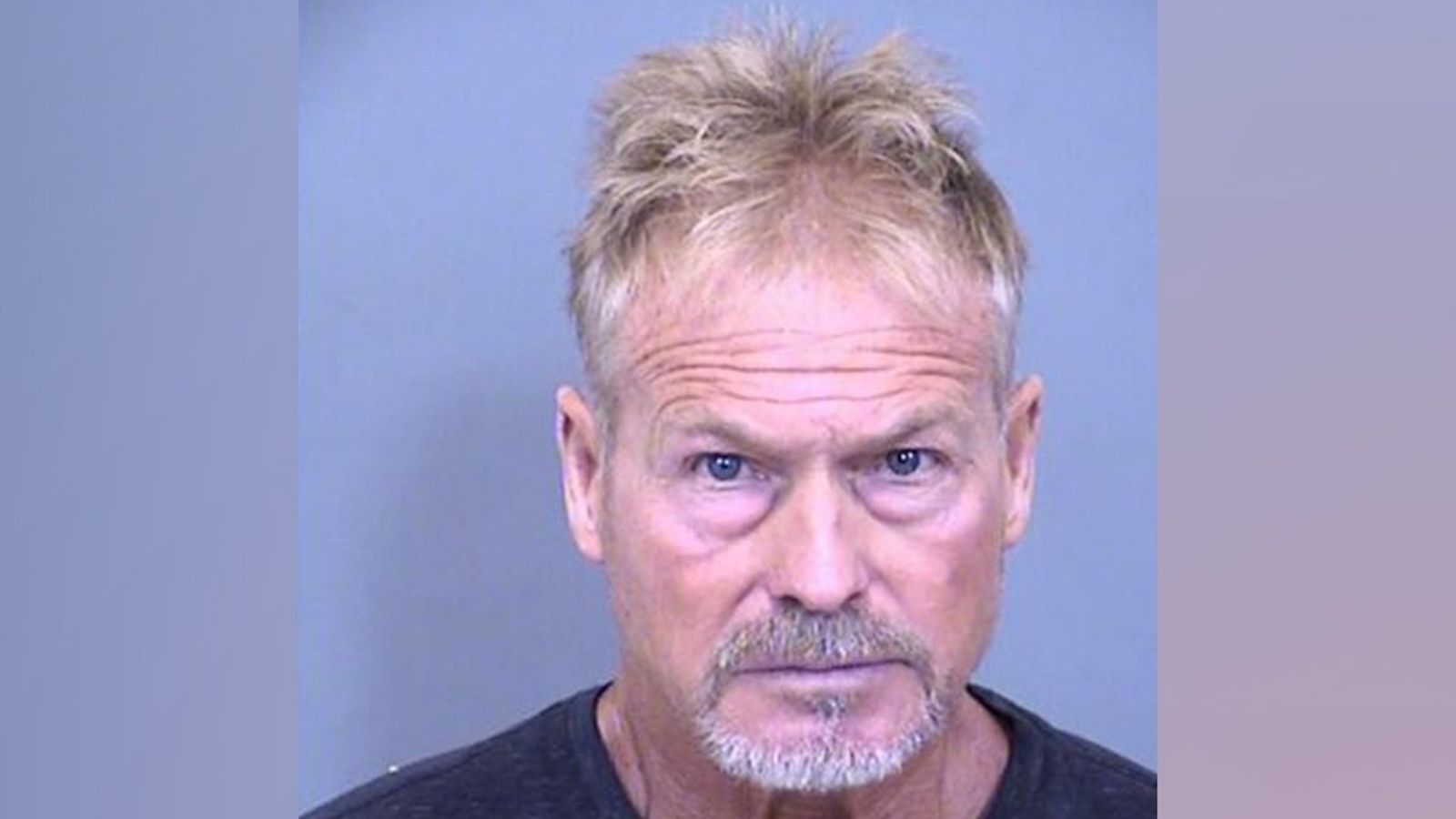
A booking photograph of Barry Morphew, released by the Maricopa County Sheriff’s Office in 2025, following his re-arrest in Arizona.
The June 2025 indictment isn't just a rehash; it’s a meticulously detailed document laying out the evidence that directly led to the first-degree murder charge.
A central, chilling focus is the presence of BAM (Butorphanol, Azaperone, and Medetomidine). This isn't your everyday medication; it's a powerful chemical mixture commonly combined to create a tranquilizer used to sedate large animals.
A pharmacology expert, cited within the indictment, clarified that BAM is administered by injection, typically takes several minutes to take effect, and can render a recipient immobile and utterly vulnerable.
While it's not FDA-approved for human use, Barry Morphew, interestingly, was a former deer farmer in Indiana. He had openly admitted to using BAM in Colorado as recently as April 2020.
Prescription records, highlighted in the indictment, show he last purchased multiple kits of the compound in Indiana back in March 2018.
Here’s the stunning implication, directly from the indictment: "Ultimately, the prescription records show that when Suzanne Morphew disappeared, only one private citizen living in that entire area of the state had access to BAM: Barry Morphew."
But there's more. The indictment paints a picture of deliberate deception:
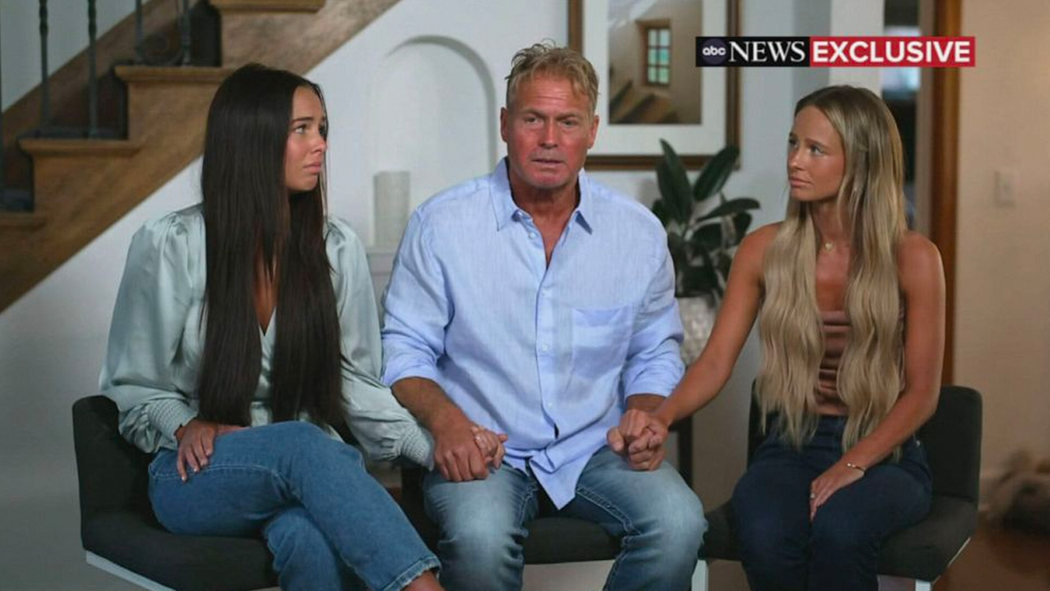
Barry Morphew and his daughters during their May 2023 ABC News interview, speaking out and defending his innocence after initial murder charges were dismissed.
Despite the renewed charges and seemingly mounting new evidence, Barry Morphew's attorney, David Beller, remains resolute in asserting his client's innocence.
In a recent statement, Beller declared: "Yet again, the government allows their predetermined conclusion to lead their search for evidence. Barry maintains his innocence. The case has not changed, and the outcome will not either."
Morphew had previously filed a $15 million malicious prosecution lawsuit against Colorado officials following the dismissal of the first case.
While that lawsuit was eventually dismissed by a federal judge, the judge did acknowledge some prosecutorial missteps, though concluding there was still sufficient reason to arrest and charge Morphew. Through it all, his daughters have consistently stood by their father, unwavering in their belief of his innocence.
Have they ever found Suzanne Morphew? Yes, Suzanne Morphew's skeletal remains were discovered in a shallow grave in Saguache County, Colorado, in September 2023, more than three years after her disappearance.
Is Barry Morphew going to be charged? Yes, Barry Morphew was re-indicted by a Colorado grand jury in June 2025 on a charge of first-degree murder in connection with Suzanne's death. He was arrested in Arizona on June 20, 2025.
How far away was Suzanne Morphew found? Suzanne Morphew's remains were found in Saguache County, Colorado, approximately 40-45 miles south of her home in Salida.
What was Suzanne Morphew's last proof of life? Suzanne Morphew's last known electronic communication was a text message to a man with whom she was having an affair at 2:11 p.m. on May 9, 2020. Her phone then turned off shortly after Barry Morphew returned home that day.
The legal journey for Barry Morphew is far from over. Here’s a look at the anticipated next steps in this high-profile case:
The re-indictment signals an aggressive prosecution in the Twelfth Judicial District, now aided by the Boulder County District Attorney's Office. This ensures the pursuit of justice for Suzanne Morphew remains a top priority, with every twist and turn closely watched by a public eager for resolution.
Here are three additional true crime articles, offering insights into other compelling cases:
Idaho Murders: Kohberger Trial Updates The tranquil town of Moscow, Idaho, was shattered in November 2022 when four university students were brutally murdered. As Bryan Kohberger's trial approaches, this article details the agonising investigation, the role of digital forensics, and the defence's challenging strategy. Read the full article here.
The Retrial Advantage: Why the Karen Read Case Had a Second Chance and What Changed The high-profile Karen Read murder case saw a rare mistrial, granting both prosecution and defence a crucial opportunity to refine their strategies for a second trial. Discover how this "retrial advantage" shifted the legal battle and led to a complex verdict. Read the full article here.
The Menendez Brothers & Money Beyond the shocking patricide, the Menendez brothers' case involves a tangled financial story. This article delves into what happened to their parents' estimated $14 million fortune, their extravagant spending, and the legal measures that ultimately barred them from inheritance. Read the full article here.
Berger Montague, a nationally known securities litigation firm, is investigating possible claims on behalf of investors in Hims & Hers Health, Inc. (NYSE: HIMS) after the company’s stock tumbled over 26% in a single day.
The drop came on June 23, when Novo Nordisk abruptly ended its partnership with Hims & Hers. The pharma giant accused the telehealth company of deceptive marketing and selling unapproved compounded versions of semaglutide, the active ingredient in GLP-1 drugs like Wegovy and Ozempic.
Hims & Hers had recently expanded into the GLP-1 weight loss drug space, promoting treatments tied to semaglutide, despite questions about how the medications were being sourced and marketed.
Berger Montague is investigating whether Hims & Hers and its executives misled investors by failing to disclose:
Regulatory concerns tied to compounded semaglutide
The risks involved with its GLP-1 offerings
The true nature of its deal with Novo Nordisk
If you bought HIMS stock and were affected by the June 23 crash, you may have legal options. To learn more about the investigation, please visit Berger Montague’s dedicated page here.
To learn more or speak with an attorney:
Andrew Abramowitz – aabramowitz@bm.net | 📞 (215) 875-3015
Peter Hamner – phamner@bm.net
Hims & Hers Health, Inc. is a publicly traded telehealth company (NYSE: HIMS) founded in 2017 and headquartered in San Francisco, California. The company provides accessible, digital-first healthcare services across the U.S. and UK, offering treatment for conditions related to sexual health, hair loss, dermatology, mental health, and weight management.
Through its platform, users can access licensed medical professionals, receive personalized treatment plans, and have prescription medications shipped directly to their homes. Hims & Hers emphasizes stigma-free, affordable care and has grown to serve over 1.5 million subscribers. In 2021, the company went public via a SPAC merger and has since expanded internationally, including through its acquisition of UK-based telehealth provider ZAVA.
Berger Montague is a prominent law firm founded in 1970, specializing in complex litigation, including class actions, antitrust, and consumer protection cases. Headquartered in Philadelphia, Pennsylvania, the firm has a nationwide presence and is known for securing significant legal victories. Berger Montague represents consumers, investors, and employees, recovering billions of dollars in high-profile cases. With a team of skilled attorneys, the firm is dedicated to achieving justice through strategic advocacy and extensive resources, earning recognition for its expertise and commitment to clients.
Latham & Watkins has advised the joint sponsors and underwriters in connection with CaoCao Inc.’s successful listing on the Hong Kong Stock Exchange. CaoCao, a prominent ride-hailing platform in China, was originally developed by Geely Group, the well-known automotive company behind brands like Volvo and Polestar.
The IPO offered 44.18 million shares at a price of HK$41.94 per share, raising approximately HK$1.85 billion.
Huatai International, ABC International, and GF Securities acted as joint sponsors, working alongside CICC, with the group serving in multiple roles including global coordinators, bookrunners, and lead managers.
Latham’s team advising on the transaction was led by partners Daying Zhang, Terris Tang, and Benjamin Su in Hong Kong. They were supported by associates Chimmy Tao, Weigang Meng, Jovi Cheng, and Lizzy Zhang, along with foreign legal consultants Xiang Ao, Ziyue Li, and Manyu Tian, and senior paralegal Candy Mak.
Zhejiang Geely Holding Group (Geely Holding) is a leading global mobility technology company headquartered in Hangzhou, China. Founded in 1986, it entered the automotive industry in 1997 and has since grown into a Fortune Global 500 company. Geely owns and operates a portfolio of well-known brands including Geely Auto, Volvo Cars, Polestar, Lotus, Lynk & Co, and Zeekr. The group is also active in commercial vehicles, ride-hailing (CaoCao Mobility), and advanced technologies such as autonomous driving, satellite networks, and onboard chips. With operations across Asia, Europe, and the Americas, Geely Holding combines manufacturing, innovation, and sustainability to shape the future of smart mobility worldwide.
Latham & Watkins LLP is a leading global law firm known for its expertise in corporate, litigation, and transactional law. With over 2,000 attorneys in 14 countries, the firm advises clients across a wide range of industries, including technology, healthcare, finance, and energy. Founded in 1934, Latham & Watkins is renowned for its work with emerging companies, offering legal solutions for startups and growth-stage businesses. The firm’s Emerging Companies & Growth team helps navigate complex legal matters related to business formation, financing, and scaling, making it a trusted partner for innovative companies worldwide.
DLA Piper has advised Optima Bank, one of Greece’s most dynamic financial institutions, on the launch of a €500 million Euro Medium Term Note (EMTN) Programme and its debut issuance of €150 million in Tier 2 Reset Notes due 2035.
Investor interest in the transaction far exceeded expectations. The offering was oversubscribed 11 times, making it the most in-demand European bank bond so far this year.
The Notes come with a fixed annual coupon of 5.5%, mature in just over ten years, and feature an early redemption option after five and a quarter years. They’re listed on the Luxembourg Stock Exchange’s Official List and are being traded on its Euro MTF market.
The funds raised will boost Optima Bank’s Tier 2 capital, while also supporting liquidity, growth, and investment across its lending and development efforts in Greece.
Orestis Omran commented: "The establishment of Optima's EMTN programme and issuance of the Notes thereunder will further strengthen Optima's leading position in the Greek banking sector. The successful completion of this issuance highlights our experience and knowledge of the Greek financial services market and our strength in cross-border debt capital market transactions."
DLA Piper’s cross-border team advising on the deal was led by Orestis Omran (Litigation & Regulatory, Brussels, and Head of the firm’s Greece Country Group) and Louise Hennessey (Finance, London).
They were supported by Ioanna Saranti (Senior Associate, Finance, London), Michail Risvas (Senior Lead Lawyer, Brussels), and Elina Bitzika (Lawyer, Brussels), all from the firm’s Litigation & Regulatory group.
Optima Bank is a dynamic Greek financial institution offering a full range of retail and corporate banking services. Launched in 2019 from the transformation of Investment Bank of Greece, it blends cutting-edge digital tools with personalized customer service. With a strong capital base and a growing branch network, Optima Bank is committed to supporting individuals, businesses, and the broader Greek economy through transparent, efficient, and growth-focused banking.
DLA Piper is a global law firm with a strong reputation for providing legal services across a broad spectrum of industries and sectors. With offices in more than 40 countries, the firm offers comprehensive legal solutions in areas such as corporate law, litigation, intellectual property, real estate, and regulatory matters. DLA Piper serves a diverse range of clients, including multinational corporations, governments, and individuals, delivering innovative and strategic advice. The firm is known for its collaborative approach, providing tailored legal expertise to address complex, cross-border issues while maintaining a commitment to exceptional client service.
Kirkland & Ellis has advised Greenbelt Capital Partners on the close of its inaugural fund, Greenbelt Capital Partners III L.P., at $1 billion, reaching the firm’s hard cap and exceeding its original $750 million target.
Greenbelt, based in Austin, Texas, is focused on backing middle-market companies that are pushing the energy and power industries into a new era, one that’s cleaner, more resilient, and increasingly electrified.
The fund drew strong backing from a wide mix of institutional investors, including pension plans, sovereign wealth funds, insurance firms, and foundations with global reach across North America, Europe, and the Asia-Pacific region.
The firm was founded in 2022 by longtime colleagues Chris Manning and Glenn Jacobson, who together have spent over 20 years investing in companies that sit at the crossroads of energy, infrastructure, and innovation.
Over the course of their careers, they’ve deployed more than $6 billion in equity, bringing deep experience and a strong network to the table.
“We're proud to have assembled a high-quality group of investors that share our long-term vision and commitment to building businesses that are both commercially excellent and critical to the future of energy and infrastructure."
"We are truly grateful for the strong support and confidence from our limited partners around the world.” said Chris Manning, CEO and Managing Partner of Greenbelt.
Glenn Jacobson, a Managing Partner, added: “Our team is at the front end of what we believe is a generational investment opportunity. We sit at the intersection of several defining megatrends - from grid modernization and power generation to digital infrastructure, industrial electrification and energy efficiency."
"We aim to help drive a carbon competitive and sustainable future by backing strong commercial leaders who are shaping the next era of innovation and economic growth."
With the close of Fund III, Greenbelt now oversees about $2.5 billion in assets. The team has already begun making investments and is actively evaluating new opportunities across its core focus areas.
Kirkland’s legal team on the transaction included investment funds attorneys Laura Stake, Matt Nadworny, and Devon Salge; tax partners Steve Butler and Dion Toledo; and corporate lawyer Shubi Arora.
Greenbelt Capital Partners is a private equity firm based in Austin, Texas, focused on middle-market investments in the evolving energy sector. Spun out from Trilantic North America’s energy team, the firm targets investments of $50–$150 million across growth equity, buyouts, and recapitalizations. With decades of experience, Greenbelt backs companies advancing the New Energy Economy, including solar, storage, EV infrastructure, and grid modernization.
Kirkland & Ellis is a leading global law firm known for its excellence in M&A, corporate law, litigation, intellectual property, and private equity. With offices in key financial centers worldwide, the firm advises clients across a broad range of industries. Recognized for its work on high-stakes transactions and disputes, Kirkland delivers innovative legal strategies backed by deep industry knowledge. Its focus on complex deals and cutting-edge solutions positions it as a trusted advisor in the global legal market.
LegalZoom vs Incfile for Business Formation: Which Gives More Value
How Gig Workers Use Online Legal Services to Protect Themselves
When you're facing a legal task, whether it's drafting a will, forming a business, or helping a family member, you might be tempted to reach for a free legal form.
It’s accessible, it’s quick, and on the surface, it seems like a smart way to save time and money.
But what often goes unspoken is just how risky that choice can be.
Consider Lauren’s situation. In an effort to assist her aging father, she downloaded a free power of attorney form she found online. It seemed straightforward, until she tried to use it.
The bank rejected it immediately, citing that it didn’t meet her state’s legal requirements. What followed was months of delay, thousands in unexpected legal expenses, and immense emotional strain, all because of one incorrect form.
Unfortunately, her experience isn’t uncommon. And when these issues arise, there’s often no safety net in place.
They’re templates - contracts, wills, lease agreements, NDAs, operating agreements, the usual suspects that you can download from the internet, often from government websites, blogs, or DIY legal portals.
Sometimes they’re decent. But more often than not, they’re missing state-specific clauses, improperly formatted, or outdated. As 5 Things Freelancers Should Know About Online Legal Forms points out, one wrong assumption on a “standard” template can turn into a legal nightmare fast.
Even if a form looks polished, that doesn’t mean it’ll hold up in a dispute. If you’re wondering where the line is between a safe DIY approach and a risky shortcut, Can I Make My Own Legal Documents Online in 2025? breaks it down with real-world use cases, expert tips, and clear pros and cons for self-prepared legal forms.
LegalZoom, Rocket Lawyer, Nolo - these aren’t fly-by-night operations. They’ve got real attorneys designing, reviewing, and updating their documents.
If you’re weighing which service is right for you, check out LegalZoom vs. Rocket Lawyer: Which Legal Service Is Right for You. It’ll help you figure out what fits your needs.
Free templates? No such support. You’re rolling the dice every time you fill one out.
A one-size-fits-all contract won’t cut it for forming a business or protecting your assets. That’s why many new business owners turn to platforms like Incfile.
If you're wondering how quickly you can get your LLC set up, What’s the Fastest Way to File an LLC Without a Lawyer? breaks down the fastest method for getting your business registered without hiring legal help.
If you're curious about the process, How to Start an LLC with Incfile: Step-by-Step Guide gives you a clear, step-by-step roadmap.
Or let’s say you're working on a rental agreement, something that really needs to reflect local laws. Best Online Services for Lease Agreements and Rental Contracts explains which platforms help landlords stay compliant.
Need a power of attorney that actually works when you need it to? See Where to Create a Legally Binding Power of Attorney Online, because it’s way more than just a signature and a notary.
One of the biggest advantages of using a reputable paid legal service is the access to real, on-demand support when you need it most. Things don’t always go according to plan, contracts fall apart, tenants stop paying rent, business partners disagree, or government agencies come knocking.
In those moments, having a vetted legal team or expert just a click away can make all the difference.
Some platforms, like Rocket Lawyer, go beyond static documents and offer live legal advice as part of their subscription. That means if you’re a small business owner dealing with an unexpected dispute or compliance question, you can speak directly with a licensed attorney without booking a costly in-person consultation.
Not sure if a subscription is worth it or if paying per document makes more sense? Here’s a helpful comparison to guide your decision: Monthly Legal Plan vs Pay-Per-Document: Which Is Better for You.
(See [What Services Does Rocket Lawyer Offer for Small Business Owners] for more on this benefit.)
It’s especially helpful when you're navigating ongoing legal requirements, things like renewing your business license, updating employee policies, or sending out compliant notices.
How Small Businesses Use Rocket Lawyer for Compliance breaks this down in detail, showing how entrepreneurs and founders stay legally sound without hiring an in-house legal team.
Whether you're drafting new agreements or reviewing old ones, that level of legal backup offers a safety net that free templates simply can't match.
Free forms often sit untouched for years, never updated to reflect new laws. That free contract from 2018? It might be missing protections added by courts or legislatures in the last few months. Are Online Legal Services Legit? What the Law Says in 2025 walks through how fast things change.
But even more importantly, will your free document actually hold up in court? That’s the question most people don’t ask until it’s too late. Not all contracts are created equal, and enforceability depends on more than just filling in the blanks.
To understand what makes a document legally binding and when courts will (or won’t) honor it, read Are Online Legal Documents Recognized in Court?. It’s a must-read if you’re relying on any DIY form, paid or otherwise.
Most DIY templates don’t include key sections, like jurisdiction, indemnity, or how disputes get resolved. If you’re freelancing or starting a business, that’s not a gap you want to discover later.
Legal Document Tools Every Freelancer Should Know and How Gig Workers Can Use Online Legal Services to Protect Themselves explain why these “small details” make or break your ability to get paid or stay protected.
You can't just fill in a form and move on. Some documents require witnesses. Some need to be notarized. Some need to be filed with your state or court. Miss a step, and the whole thing might be invalid.
Articles like Using Online Tools to File a Living Will or Advance Directive explain how paid platforms walk you through it, making sure you don’t skip anything critical.
Sometimes, yes. If you're just scribbling out a bill of sale for your old lawnmower or printing a rent receipt for a roommate, a free form might be fine. These are low-risk situations. There’s not a lot riding on the paperwork, and chances are, nobody's going to drag you into court over a used microwave.
But once you’re dealing with real stakes - money, contracts, ongoing responsibilities, or anything that could come back to haunt you later, the risks change. And suddenly, that "free" form isn’t such a bargain.
Let’s say you're a landlord. Maybe you’re renting out a unit or renewing a lease. That generic template you grabbed online? It might not include your state’s required disclosures.
Or maybe it’s missing clauses about late rent, security deposits, or lease termination rules. One gap like that can cost you months of income or worse, land you in court. If that sounds a little too familiar, check out Best Legal Services for Landlords in 2025. It breaks down affordable, compliant tools that were built for exactly this kind of situation.
Same thing if you’re running a nonprofit. Maybe you’re trying to save money, which makes sense. But the wrong bylaws, a vague fundraising agreement, or a missing conflict-of-interest policy can put your status or your mission at risk.
That’s why Affordable Legal Document Options for Nonprofits is such a valuable read. It shows how to stay protected without blowing your budget.
The truth is, free forms can work… until they don’t. And when they don’t, the fix is usually a lot more expensive than just doing it right the first time.
A free form might save you $30. But if it fails, the fallout could be massive:
You lose control of your business.
You can’t enforce payment from a client.
Your will gets tossed out in probate.
A lease loophole costs you thousands.
And what if you’re trying to keep estate planning affordable? Don’t just download the first template you see, read Affordable Estate Planning with Nolo: Worth It. Or if you’re wondering if Nolo’s DIY approach is safe, Is Nolo Worth It for DIY Legal Contracts lays out the pros and cons clearly.
Nobody wants to pay for paperwork. But the first time something goes wrong: a dispute, an eviction, a broken contract you’ll wish you had the right documentation.
If you’re launching a business, don’t wing it. Legal Documents Every Startup Founder Needs in Year One explains what you actually need from day one.
Not sure if you even need a lawyer? Do You Really Need a Lawyer to Write a Contract? Here’s the DIY Alternative helps you draw the line between safe self-service and dangerous guesswork.
And when it comes to forming a business, compare LegalZoom vs Incfile for Business Formation: Which Gives More Value. Not every platform works for everyone, but each gives you something you won’t get from a free download: legal confidence.
Free legal forms are everywhere, and in some situations, they work just fine. If the stakes are low and the risks minimal, a basic template might be all you need.
But when a document touches on anything serious, your finances, your property, your business, or your family, you have to ask yourself what’s really at risk if something goes wrong. Because once a legal form fails, fixing it can cost far more than doing it right in the first place.
That’s why it’s worth exploring the tools that offer more than just a blank page. Services like those featured in Best Legal Document Services in 2025: What They Offer and Who They're For provide documents that are built to hold up under pressure, not just fill in a few blanks.
If you’re launching a new venture and want peace of mind from the start, Why Incfile Is Popular for First-Time Entrepreneurs is a helpful guide. Or if you're preparing something like an NDA, How to Make a Custom NDA with LegalZoom or Nolo can show you how to build a document that protects what matters most.
At the end of the day, legal forms aren’t just paperwork, they’re protection. You may not need them often, but when you do, they need to work. The right form isn’t always the free one. It’s the one that won’t fail when it matters most.
Sometimes, but many don’t meet state-specific requirements or include necessary language. Paid forms are built to comply with current laws.
Missing clauses, outdated language, or improper execution can make your document unenforceable. That can lead to lost income, failed deals, or legal disputes.
If your document involves money, liability, or long-term planning, then yes. Services like LegalZoom, Rocket Lawyer, and Incfile offer updated, legally sound forms and helpful guidance.
You can, but make sure you follow guides like Do You Really Need a Lawyer to Write a Contract? or Top Mistakes to Avoid When Using Online Legal Templates to avoid the most common traps.
That depends on your needs, but Best Legal Document Services in 2025 and LegalZoom vs Rocket Lawyer are great starting points for comparing features and costs.
On a cold November morning in 2022, the tranquil college town of Moscow, Idaho, was brutally awakened to a nightmare that sent shivers across the nation.
Four bright lights—University of Idaho students Kaylee Goncalves, Madison Mogen, Xana Kernodle, and Ethan Chapin—were found mercilessly taken from their off-campus home. What unfolded next was an agonizing year of relentless media glare, a public wrestling with confusion and fear, and a desperate, tense hunt for justice.
Now, as the accused killer, Bryan Kohberger, stands poised for a trial set for August 2025, the heart-wrenching questions linger: what truly happened in those early hours, and how does a community begin to mend when the echoes of such a profound loss refuse to fade?

UPDATE: As of June 23, 2025, Judge Steven Hippler has firmly indicated that despite recent defense motions citing media leaks, Bryan Kohberger's high-profile murder trial is indeed likely to commence as scheduled in August, pushing forward the long-awaited quest for justice.
Video Summary: This video provides a detailed overview of the University of Idaho murders that occurred on November 13, 2022. It covers the brutal crime, introduces the four victims, outlines the timeline of events, details the investigation including the evidence and identification of Bryan Kohberger as the suspect, and explains the legal proceedings leading to the upcoming August 2025 trial. The video also explores potential motives and the profound impact on the community. For a full visual overview, click here: Watch the video.

The King Road residence, off-campus housing that became the tragic scene of the 2022 University of Idaho murders.
Kaylee Goncalves, 21. Madison Mogen, 21. Xana Kernodle, 20. Ethan Chapin, 20. These weren't just names in a headline; they were vibrant souls, each with dreams, laughter, and a future suddenly ripped away.
Kaylee and Maddie, inseparable since sixth grade, embodied the carefree spirit of youth, their bond a testament to enduring friendship. Xana and Ethan, a loving couple, were simply enjoying the everyday joys and quiet comforts of college life. They were, in every sense, the heart of their respective families and circles.
Their last known hours painted a familiar picture of student life – a night out with friends, returning to the warmth and presumed safety of their King Road home in the quiet pre-dawn of November 13, 2022.
What transpired in the moments that followed remains a chilling void, pieced together by investigators from fragments of time and a haunting, terrifying lack of direct witnesses.
Two other housemates were present in the residence, their miraculous survival adding a layer of perplexing, gut-wrenching complexity to the narrative. It wasn't until nearly noon, at 11:58 a.m., that a 911 call reporting an "unconscious person" shattered any remaining illusion of peace.
When police arrived, they uncovered a scene of unimaginable horror—four young lives, brutally extinguished, most likely as they slept, sending shockwaves through a town unaccustomed to such violence.
Autopsy results grimly confirmed the savage nature of the attack: multiple stab wounds, some bearing the desperate marks of defensive struggles.
Crucially, no signs of sexual assault were found, suggesting a motive beyond the depravity of sexual violence and leaving an even more bewildering void.
The suspected murder weapon, a fixed-blade combat-style knife, immediately became a crucial, yet initially elusive, piece of the puzzle, leaving law enforcement and a deeply shaken public grappling with the sheer brutality and chilling randomness of the crime.
The immediate aftermath was defined by a pervasive, suffocating fear, a gnawing vacuum of information, and an outpouring of raw grief that stretched far beyond Idaho’s quiet borders.

A white Hyundai Elantra, similar to the vehicle crucial to the Idaho murder investigation, seen in surveillance footage near the crime scene.
For agonizing weeks, the case seemed to languish in a haunting silence. The absence of a suspect, a weapon, or even a clear motive fueled public anxiety and a torrent of desperate speculation.
The FBI, inundated with thousands of tips, deployed every sophisticated investigative technique available, a testament to the evolving, often chillingly effective, landscape of modern criminal detection. Each day without answers felt like an eternity for the grieving families and the terrified community.
The turning point, a glimmer of hope in the darkness, emerged in early December, as investigators meticulously honed in on a white Hyundai Elantra spotted near the crime scene.
This seemingly small detail, gleaned from countless hours of surveillance footage, became the critical thread in a complex digital tapestry.
It underscored a profound shift in modern policing: the increasing, almost sci-fi reliance on data analytics, cutting-edge vehicle recognition technology, and a painstaking reconstruction of digital movements that can sometimes feel like peering into the past.
By December 30, the painstaking, behind-the-scenes work bore fruit with the arrest of Bryan Kohberger, a 28-year-old criminology Ph.D. student from nearby Washington State University.
His apprehension, quietly carried out at his parents' home in Pennsylvania, spoke volumes about the vast, invisible web of interconnected digital evidence that can now stretch across states and time zones.
Authorities began to piece together a compelling, albeit still contested, narrative linking Kohberger to the crime through a series of chilling digital breadcrumbs:
Kohberger was swiftly extradited to Idaho and formally charged with four counts of first-degree murder and burglary, entering a plea of not guilty. The stunning convergence of these diverse digital clues serves as a powerful, and at times unsettling, reminder of how, in the 21st century, even the most clandestine acts can leave an indelible, traceable electronic trail.

Bryan Kohberger, the criminology Ph.D. student accused of the University of Idaho student murders
Court filings have begun to paint a chilling, if still fiercely contested, picture of the events. The DNA on the knife sheath, the consistent cellphone pings, and the surveillance footage of the white Hyundai Elantra form the very bedrock of the prosecution's case.
Furthermore, a detailed 3D model of the home and a description of a figure with "bushy eyebrows" provided by a surviving roommate are expected to be pivotal demonstrative elements that will bring the stark reality of the scene into the courtroom.
However, the defense, led by the formidable Anne Taylor, has been aggressive and unyielding in challenging this narrative, pushing for an alternative understanding of both the evidence and Kohberger's character. Their arguments are complex and multifaceted, aiming to sow seeds of doubt:
These defense arguments highlight the intricate, often agonizing dance between cold forensic science, the complex nuances of behavioral psychology, and the high-stakes legal strategy that will unfold in the courtroom. It's a battle not just of facts, but of interpretation and human perception.

The Ada County Courthouse in Boise, Idaho, the venue for the upcoming Bryan Kohberger murder trial.
The legal proceedings have been protracted, contentious, and emotionally draining, reflecting the immense public pressure and the agonizing stakes of the case. The Bryan Kohberger Trial Timeline has been marked by significant milestones and fierce procedural battles, each one a step closer to a day of reckoning that families have waited years for:
Kohberger’s legal team has waged an aggressive campaign of motions, seeking to dismiss the indictment, suppress crucial DNA evidence, strike the death penalty, and even prevent the use of descriptive phrases like "bushy eyebrows" in court, arguing they could unfairly bias a jury.
Despite these numerous objections, Judge Hippler has maintained a firm stance, notably ruling in November 2024 that capital punishment remains a viable option and denying a motion for a Franks hearing to suppress warrant evidence.
The path to trial remains arduous, fraught with legal maneuvering and profound implications.

The now-cleared site on King Road where the victims' home once stood, a poignant reminder of the enduring tragedy in Moscow, Idaho.
Beyond the sterile arguments of the courtroom, the Idaho murders have carved an indelible, painful scar on the town of Moscow and the entire University of Idaho community.
The King Road house, a haunting symbol of the tragedy, was controversially demolished in December 2023. This decision, made despite the heartfelt objections from the Goncalves and Kernodle families who wished to preserve it for future investigative purposes, was defended by the university citing safety, the risk of trespassers, and the immense emotional burden it placed on the community.
Prosecutors agreed its utility as evidence was exhausted. This act of demolition, while perhaps a physical step towards removing the blight, did not, and could not, erase the deep-seated trauma.
The University of Idaho has, with immense compassion, made significant efforts to foster healing. They organized solemn vigils, established a contemplative healing garden—a quiet space for reflection and remembrance—and posthumously awarded degrees to the four victims, ensuring their academic aspirations were honored even in death.
Survivors Bethany Funke and Dylan Mortensen have largely remained out of the public eye, their personal experiences shielded from the relentless media glare. Yet, texts and 911 transcripts released in 2024 offered fleeting, agonizing glimpses into their moments of terror and confusion, a stark reminder of the night's chaos.
The FBI's ongoing work, including the painstaking creation of a 3D reconstruction of the house for demonstrative trial use, speaks to the meticulous lengths investigators go to present a comprehensive, undeniable picture to the jury. Even after more than two years, the heart of Moscow hasn't fully healed.
Students transferred, unable to stay where such darkness had fallen. Parents continue to grieve with an unimaginable sorrow. And a nation, captivated by the unfolding legal drama, waits, not just for a verdict on guilt or innocence, but for a semblance of understanding and, perhaps, a fragile measure of closure in a case that defies easy answers and leaves an enduring ache.

A conceptual image highlighting the role of digital forensics and data in modern criminal investigations, a key theme in the Idaho murders case.
The Idaho College Murders case, and the impending trial of Bryan Kohberger, transcend the immediate, horrific tragedy. It stands as a potent, harrowing case study that forces us to grapple with several critical societal and legal questions:
As the trial date approaches, the world will indeed watch, not just for a verdict on Bryan Kohberger, but for insights into these larger, more human questions—questions that resonate far beyond the quiet streets of Moscow, Idaho, and touch upon the very fabric of our justice system and our collective humanity.
When is Bryan Kohberger's trial? Jury selection is scheduled to begin July 30, 2025, with opening statements set for August 11, 2025, in Ada County, Idaho. Despite recent defense requests for a delay, the judge has indicated the trial is highly likely to proceed on this date.
What evidence links Kohberger to the Idaho murders? Key evidence includes DNA found on a knife sheath at the crime scene, cellphone data placing him near the victims' home multiple times, surveillance video of his white Hyundai Elantra, and his alleged purchase of a knife matching the presumed murder weapon type.
Was Kohberger connected to the victims? As of now, no confirmed direct connection (e.g., social or personal relationship) between Kohberger and the victims has been publicly established. However, investigators have suggested he may have followed some of them on social media and returned to the house after the murders.
Why was the King Road house demolished? The University of Idaho razed the house in December 2023, citing safety concerns, potential for trespassers, and the emotional burden it placed on the community. Prosecutors agreed its utility as evidence was exhausted.
Will Kohberger face the death penalty? Yes. Prosecutors are actively seeking capital punishment in this case. The judge has ruled that it remains a legal possibility if he is convicted.
Here are three additional true crime articles, offering insights into other compelling cases:
Barry Morphew Re-Indicted: Suzanne Morphew Case 2025 Barry Morphew is re-indicted for Suzanne Morphew's murder in 2025. Explore new evidence like BAM, inconsistent alibis & the twisted case timeline. Read the full article here.
The Retrial Advantage: Why the Karen Read Case Had a Second Chance and What Changed The high-profile Karen Read murder case saw a rare mistrial, granting both prosecution and defense a crucial opportunity to refine their strategies for a second trial. Discover how this "retrial advantage" shifted the legal battle and led to a complex verdict. Read the full article here.
The Menendez Brothers & Money Beyond the shocking patricide, the Menendez brothers' case involves a tangled financial story. This article delves into what happened to their parents' estimated $14 million fortune, their extravagant spending, and the legal measures that ultimately barred them from inheritance. Read the full article here.
