How Road Hazards Contribute to Serious Motorcycle Accident Litigation
Charlotte, North Carolina, moves fast, with commuters and freight flowing through major interstates and the I-485 loop, while growth and citywide street projects keep crews in the roadway across the metro every single day. From Uptown to South End, streets stay busy daily. That pace can leave motorcyclists riding beside steel plates, rough patches, shifting lane markings, and debris that appears after storms or heavy traffic.
When a crash traces back to a roadway defect, the legal story often turns on timelines, inspection habits, and whether the responsible agency acted reasonably after a hazard was reported. In these situations, a motorcycle accident lawyer in Charlotte at DeMayo Law can help connect roadway conditions to the records that show notice, repair schedules, and contractor activity. The goal is to build a clear narrative that explains why an avoidable road hazard became the turning point in a serious motorcycle injury claim.
Common Types of Road Hazards
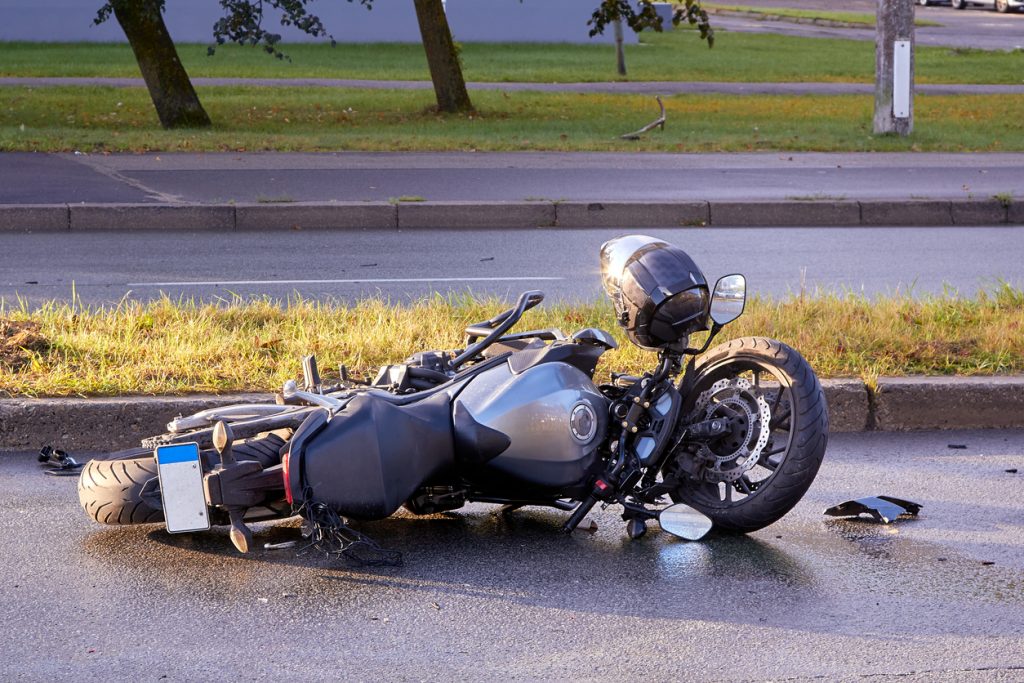
For motorcycle riders, there are some potential hazards. Things like potholes, loose gravel, and uneven paving are some of the most common. Traction between oily floors or wet ones after rain can be uncertain. Riders may also be forced to respond to sudden situations like fallen branches or debris from wrecked vehicles littering the road. All of these hazards create the risk of losing control and potentially suffering life-threatening injury.
Why Motorcyclists Face Greater Risks
Motorcycles offer less stability and protection than larger vehicles. A bumper sticker for the movie would be "A Little Bump—A Huge Bang!" Just the tiniest irregularity in the tarmac can trigger a catastrophic crash. Even the riders are more susceptible, as they are unprotected and have a high chance of severe or fatal injury if an accident happens. Low visibility from nearby drivers adds to the risk of avoiding road hazards with little warning.
How Road Conditions Affect Liability
When accidents involve hazardous road conditions, who is liable? Did you report the hazard to the correct authorities? Are maintenance teams able to fix it within an appropriate time frame? In some cases, if an agency knew of a danger and did not do anything to remedy the situation, it may face liability, such as if the municipality is a city or county. On the other hand, private property owners could be liable if their negligence created dangerous conditions in areas such as entranceways or parking lots.
Importance of Evidence in Law
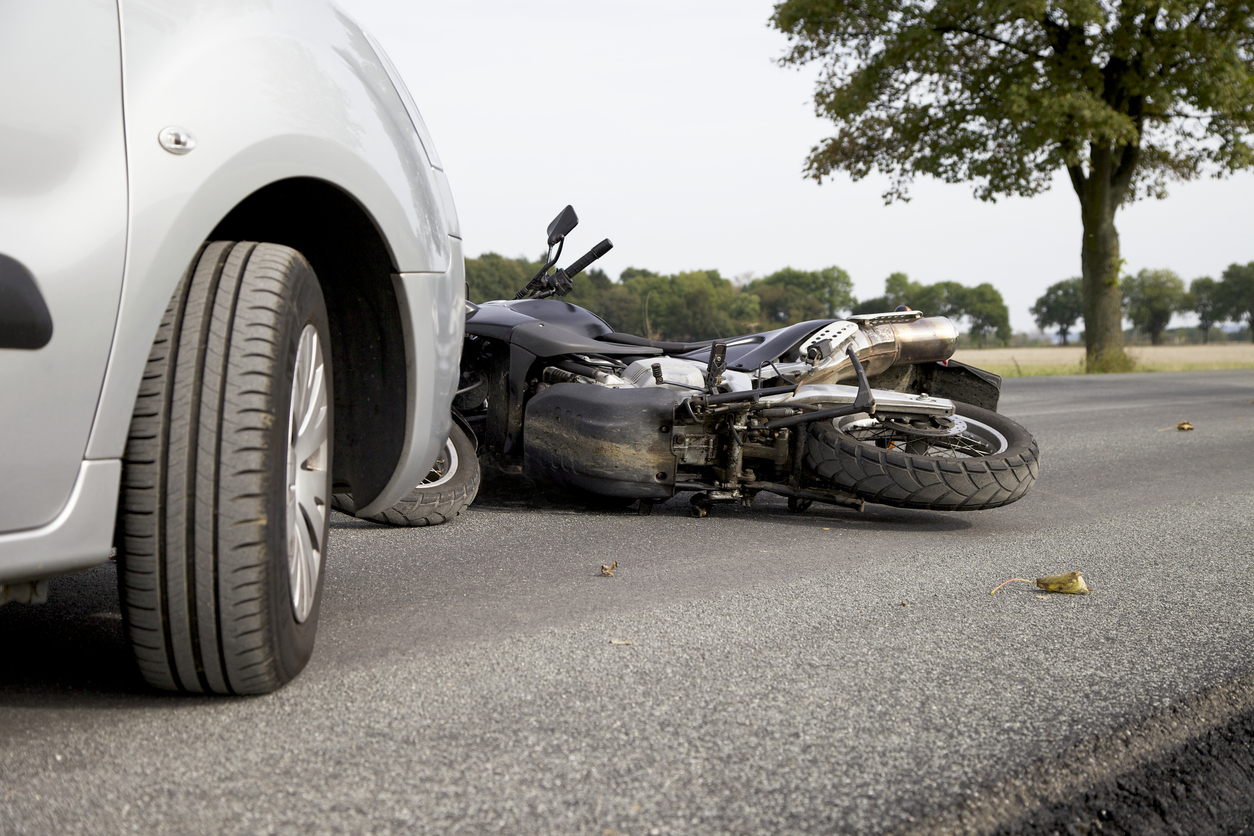
Motorcycle accident cases are often very dependent on physical evidence. Accident Scene Photos: Photographs showing the specific nature of the hazard. The tire marks or marks after the debris, may come to the rescue in arranging the order of events. Reflections of eyewitness accounts give context on how the crash happened, giving us additional details. This info needs to be collected quickly, as the weather can change in an instant, or cleanup may be happening.
Proving Negligence in Court
For those injured to win in litigation, they must show that another individual or organization was negligent. They must demonstrate the existence of a hazard, demonstrate that the entity knew or should have known about the hazard, and demonstrate that the entity failed to take appropriate measures. Other evidence that can lend credibility to a claim includes medical records, expert testimony, and maintenance logs. This feature makes it more difficult to prove fault without clear evidence.
Challenges Facing Accident Victims
Motorcycle riders can face skepticism in the court of law because some individuals will forever view the rider as the one at fault, regardless of the situation. Insurance companies may attempt to minimize their liability by placing blame on the injured party. These are challenges that need preparation plans and strong lobbying. Experienced legal professionals can be the difference between you receiving compensation for your injuries and losses or nothing at all.
Improving Road Safety for Motorcyclists
Solving dangerous situations takes all hands on deck; agencies, construction crews, and the public are needed. If hazard locations are repaired quickly, other accidents can be avoided. Adding warning signs or barricades to these high-risk areas enhances safety further. If drivers understand the high probability of injury or death, they are likely to be more cautious, especially since motorcyclists lack the protective structures that cars provide; educational campaigns reinforce this message.
The Importance of Legal Awareness
Knowing your rights and what to expect, legally, after a motorcycle accident allows people to advocate for themselves. Understanding how to document an incident properly, who you should report it to, and what the court process looks like will make things a lot less confusing and easier to navigate. Documenting and getting treated immediately after an accident makes it easier to show health problems and future claims.
Conclusion
Road hazards are one of the largest contributing factors to motorcycle accidents, which can result in serious injuries and complicated legal issues. Understand where they fit into the litigation process and recognize their dangers so communities and individuals can continue to fight for safer streets and for more equitable treatment in court. Combining these efforts helps mitigate risks and assist victims of motorcycle accidents.