Understanding the Legal Impact of Multi-Vehicle Collisions on Your Claim
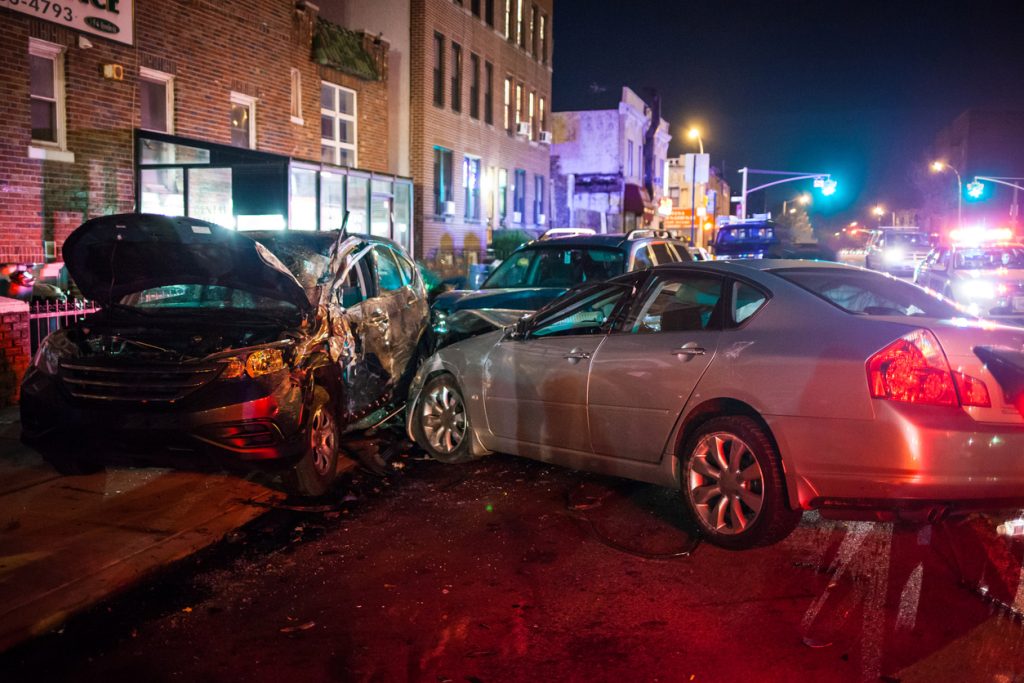
Los Angeles, CA, is known for its sprawling freeways and high traffic volume, which unfortunately means multi‑vehicle collisions are all too common on roads like the 405, 101, and I‑10. In fact, California consistently ranks among the top states for traffic accidents, and Los Angeles County accounts for a significant share of those crashes each year. When more than two vehicles are involved, the legal aftermath becomes far more complicated, as fault isn’t always clear and multiple insurers may be involved. For anyone hurt in these chain‑reaction wrecks, understanding how the law treats these incidents is essential to protecting your rights and seeking fair compensation.
That’s where car crash lawyers at Bana Law come in. With experience handling complex collision claims throughout the cities of Los Angeles, CA, they can help clients make sense of how a multi‑vehicle collision might impact their case, from determining liability to negotiating with numerous insurance companies. This guide breaks down the legal effects of multi‑vehicle crashes on your claim so you can move forward with clarity and confidence.
Determining Fault in Complex Accidents
Determining fault in crashes with multiple vehicles requires a thorough analysis of the evidence. Important elements that help establish a timeline of events include police reports, witness statements, and collision scene photos. This information is dissected by insurance companies and legal professionals looking to assess who was at fault in the incident. In other cases, more than one driver may be responsible, which can impact an award for damage or injury.
The Role of Comparative Negligence
In these cases, most states have a system of comparative negligence in place to help determine payout amounts. Each driver gets a percentage of the blame under this system. So, if one driver is 70 percent responsible and the other is 30 percent at fault, their settlement is adjusted. This leads to more equitable results because it takes into account the wrongdoing of all parties involved.
Insurance Claims and Coverage Issues
Dealing with insurance claims after a multi-vehicle accident can be complex. Depending on how many vehicles were involved and the damage caused, two or more policies may be triggered. Adjusters need to analyze each policy separately to identify the coverage limits and exclusions. Sometimes the coverage isn't enough to cover losses, especially when multiple people are badly injured.
Delays in Claim Resolution
These types of accidents involve multiple parties, so claims often take longer to resolve than just a single-vehicle incident. Every insurance company needs time to collect information and evaluate liability. Disputes regarding accountability only add to the backlog and unnecessarily prolong the process for everybody. Here, patience is a virtue since quick settlements are not the norm.
Involvement of Legal Professionals
A multi-vehicle crash is where legal advice comes in handy. Lawyers assist with evidence collection, examining the terms of your insurance policy, and dealing with multiple adjusters. Their experience can help clarify confusing facets of liability and ensure plaintiffs are treated fairly. If negotiations fail or the wrongful death leads to a lawsuit, representation may be required.
Medical Bills and Damages
In case of a multi-vehicle crash, medical expenses can pile up in no time. Some victims will need to stay in hospitals, go through therapy, or get surgery. Figuring out an equitable response to these costs will necessitate a good deal of paperwork and may need to be cleared by the court. The claim also includes lost income, property damage, and pain and suffering, which adds more complexity to the process.
The Importance of Accurate Documentation
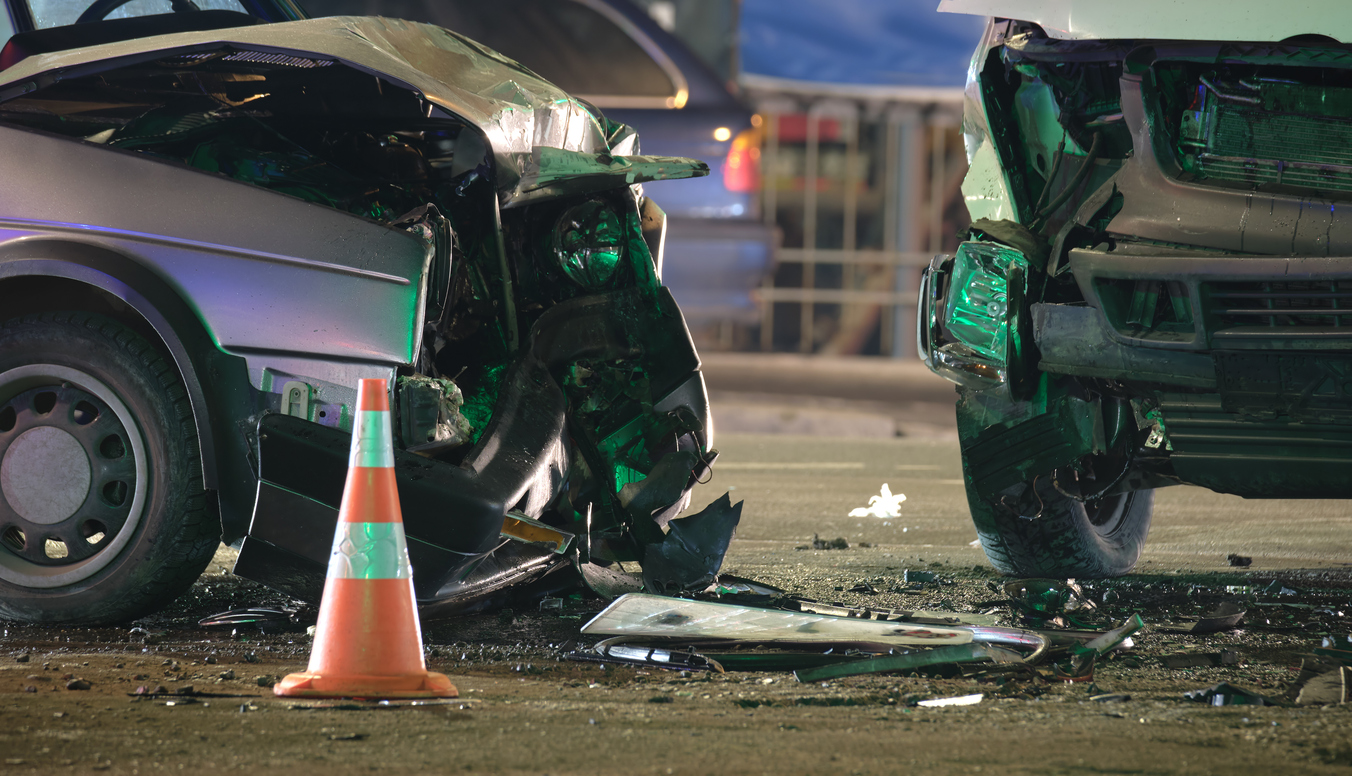
If you intend to seek compensation, you must at least have thorough records. Having receipts and invoices, such as medical bills, repair estimates, and dealings with insurers, helps bolster a case. Accurate photographic event scene evidence, along with witness contact data, allows for an exact reconstruction of the event. Structured documentation helps legal professionals and insurance investigators throughout the investigation process.
Potential for Litigation
At times, negotiations between parties do not work out in favor of either party. It is in these types of circumstances that lawsuits may need to be pursued to obtain proper compensation. To prove fault and determine damages, court proceedings rely on evidence and witnesses. While preparing for trial takes some time, it can deliver the best result for an individual whose claim has been denied or underpaid.
Steps to Protect Your Interests
Acting swiftly helps protect yourself from a future multi-vehicle crash claim. This includes calling emergency services, getting medical treatment, and recording the scene. Avoid discussing fault at the time of the accident. Notifying insurers and getting in touch with legal experts as soon as possible increases the odds of a settlement process going well.
Conclusion
Compensation arising from multi-vehicle accidents faces a separate set of challenges. Taking the time to collect evidence, knowing the limits of coverage, and potentially hiring a lawyer can help lessen the blow of a crash. Staying patient and active throughout the process allows for all parties to be heard and their claims to be met. Keeping informed of developments and managing the approach to handle these events helps navigate some of the challenges that accompany multi-vehicle accident claims.