When Luxury Homes Go Wrong: Who Pays for Multi-Million-Pound Building Defects?
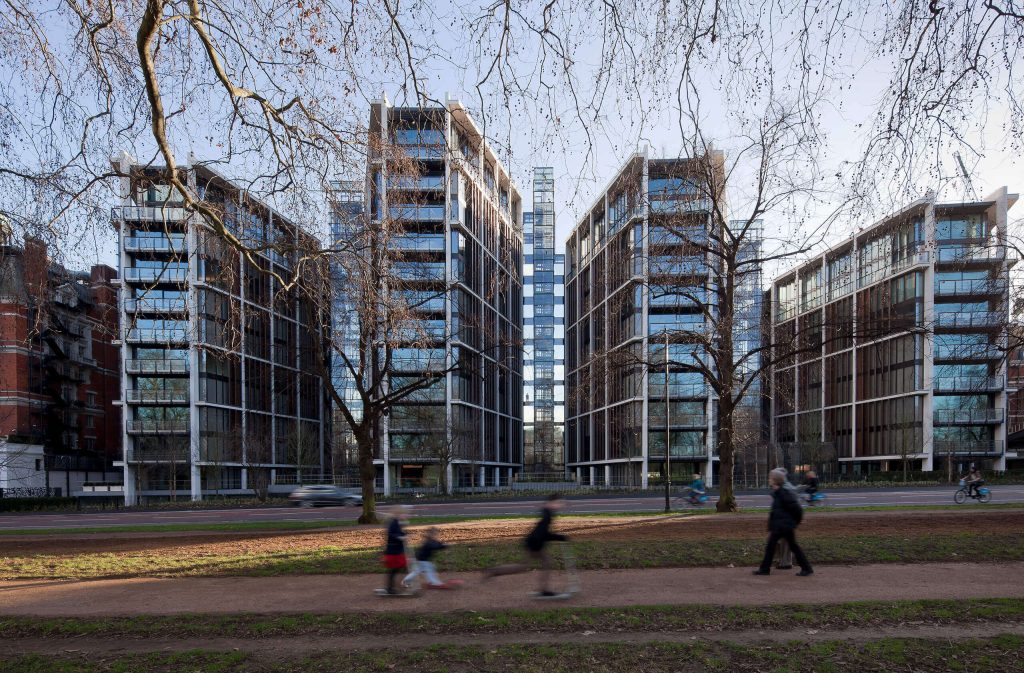
Residents at One Hyde Park, one of London’s most expensive residential developments, succeeded in a legal claim over extensive building defects valued at around £35 million.
The case centred on problems that emerged after occupation, including construction and design failures that required major remedial work. What turned this from a private dispute into a legal issue was the point at which the defects were no longer cosmetic, but structural and costly enough to trigger litigation over responsibility and recovery.
This is the moment many property owners recognise too late: when ownership shifts from enjoyment to exposure.
The Legal Question This Raises
When serious building defects appear years after purchase, who is legally responsible for putting them right — and how far does that responsibility extend once the property has been sold and occupied?
The case raises the recurring question of whether liability sits with the original developer, contractors, designers, managing entities, or whether the cost ultimately lands with residents through service charges and special levies.
Who Is Exposed
The immediate exposure falls on property owners, who may face huge repair bills while liability is argued out. Developers and construction firms face claims long after completion, particularly where defects point to systemic failures rather than wear and tear. Managing agents and freeholders can also become legally exposed if they are seen as intermediaries who failed to act, warn, or pursue remedies early enough.
Lenders and insurers sit just behind this line of exposure, watching closely because outcomes affect coverage, valuations, and future risk models.
How Responsibility Is Usually Examined
In cases like this, responsibility is examined through contracts, building regulations, warranties, and limitation periods. Courts look at what standards applied at the time of construction, who signed off the work, and whether defects arise from design choices, workmanship, or materials. The focus is rarely on intention and almost always on duty: who owed one, and whether it was breached in a way that caused financial loss.
Importantly, responsibility is often shared rather than singular.
What People Commonly Assume (and Get Wrong)
Many owners assume that buying into a premium development means defects are unlikely, or that any problems will automatically be covered by warranties or insurance. Others believe that once they have paid service charges, liability shifts away from them.
Legally, neither assumption holds. High value does not equal low risk, and service charges do not erase personal exposure when large-scale remediation is required.
What Typically Happens Next
After a successful ruling, attention usually turns to enforcement, recovery, and apportionment. Even when residents win, disputes often continue over how costs are allocated, how quickly works are carried out, and whether additional claims follow. In parallel, similar developments begin reassessing their own exposure, often triggering new claims or renegotiations with insurers and contractors.
These cases rarely end cleanly; they tend to reshape how risk is managed going forward.
Bottom Line
Serious building defects do not stay technical for long. Once the cost crosses a certain threshold, ownership becomes a legal and financial exposure rather than a passive asset. The One Hyde Park case shows how quickly that line can be crossed — and how expensive it can be when it is.