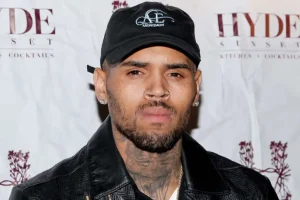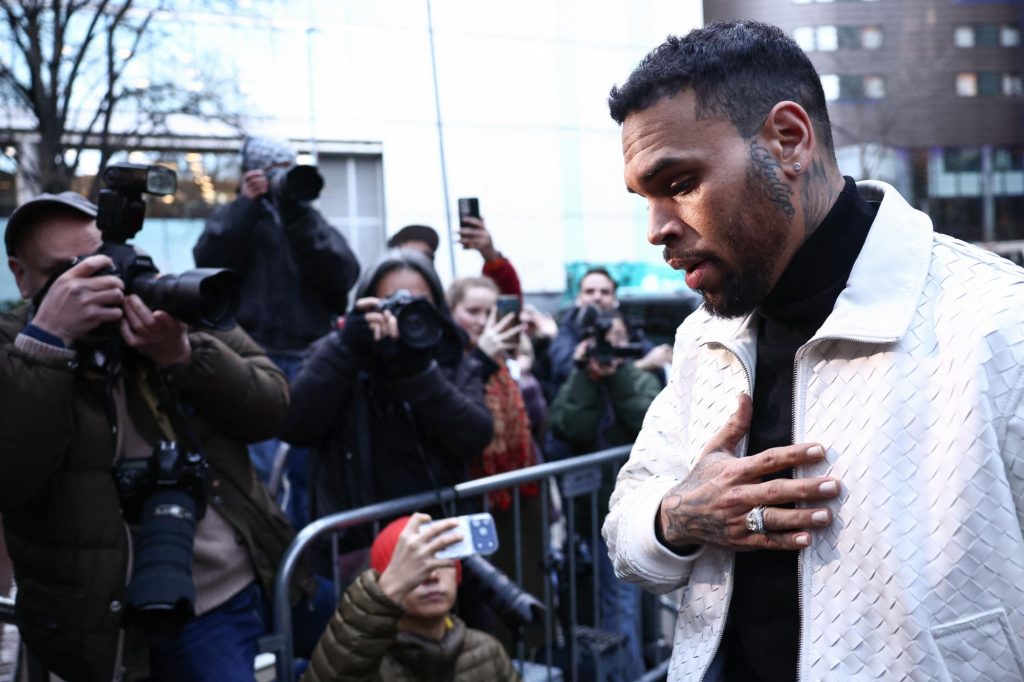
The legal trigger arrived quietly and early in the day: a brief hearing at Southwark Crown Court tied to allegations that stretch back nearly two years.
Brown attended the hearing alongside a co-defendant, US rapper Omololu Akinlolu, also known as HoodyBaby, who is named in relation to the same alleged incident.
For Chris Brown, the moment mattered not because a verdict was near, but because procedure had switched on a different kind of pressure. Bail terms, travel conditions, and a return date suddenly shaped his weeks.
The outcome is distant, but the constraints are immediate.
Inside the courtroom, Brown said little beyond confirming his name. Outside, the contrast was jarring—fans waiting, photos held out, autographs signed.
It looked like a normal celebrity moment, except it happened between court steps and security checks. The legal system had already entered his schedule, rearranging it in plain sight.
The case centers on allegations tied to an early-morning incident at a London nightclub, with Brown pleading not guilty to all charges.
Another hearing date has been set months away, and the trial itself is not expected until later in the year.
That gap matters. Time, not testimony, becomes the dominant force, stretching uncertainty across tours, appearances, and everyday decisions.
This is the legal fault line most people never see. Before any facts are tested, the system asserts control through conditions—where someone can go, who they can speak to, how they move across borders.
Brown’s situation illustrates how procedure can stall momentum long before a jury ever hears a word. The law here functions less like a judgment and more like a lever.
The practical effects are specific and unglamorous. Travel requires notification and coordination; addresses must be logged; certain venues are off-limits.
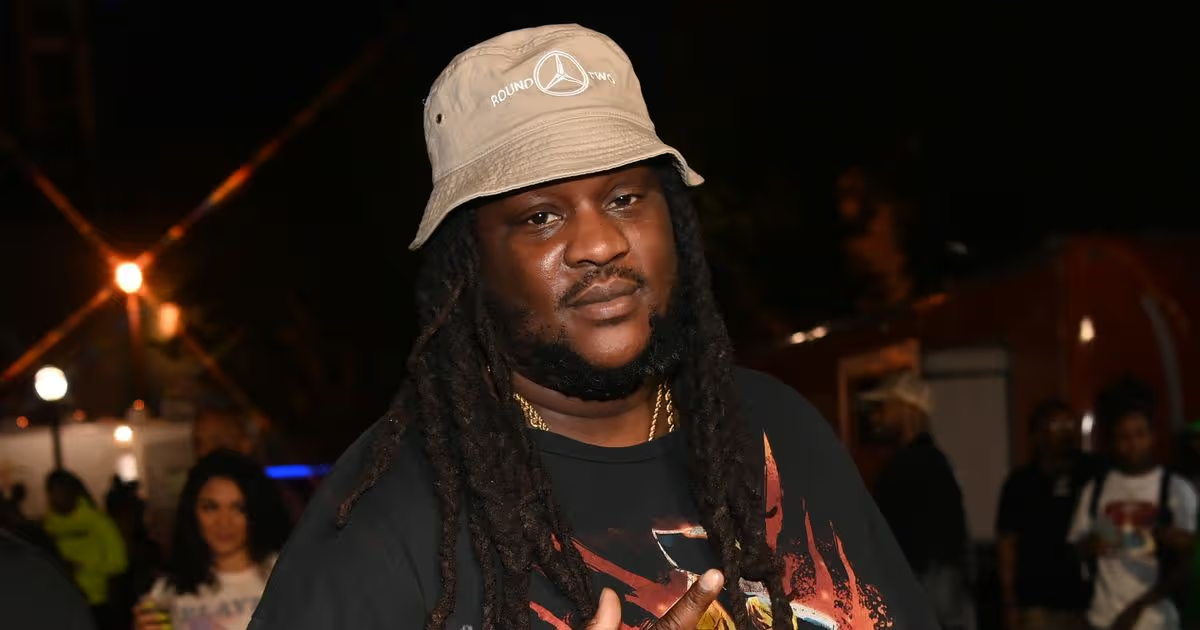
US rapper Omololu Akinlolu, also known as HoodyBaby, is a co-defendant in the case and attended the London court hearing alongside Chris Brown.
Past permission to tour came with passport restrictions that turned every border crossing into a check-in. These details don’t decide guilt or innocence, but they do decide rhythm—what’s possible this month versus next.
There’s also the reputational math that plays out in real time. Silence is often the safest response, yet it leaves a vacuum filled by images: a courtroom arrival, a brief wave, autographs on the pavement.
Each snapshot carries weight without resolving anything. Public attention moves faster than the court calendar, and that mismatch creates its own strain.
This pattern isn’t unusual for public figures. Athletes miss seasons while investigations inch forward. Actors pause projects as insurers wait. Musicians reschedule tours around hearings that last minutes.
Procedure quietly shapes outcomes not by deciding cases, but by deciding timing—and timing decides leverage.
That tension opens a safe controversy readers recognize. Is the law protecting everyone involved by slowing things down, or does delay itself become a penalty?
How much exposure is unavoidable once a case becomes public, even when nothing has been proven? The answers depend on where you stand, which is why these moments spark debate without delivering closure.
For Brown, the human position at the center of this is narrow and uncomfortable. A future date looms, conditions remain in force, and daily life continues under watch. The court has not weighed evidence, and no finding is imminent.
Yet the pressure is already doing its work—reshaping calendars, narrowing options, and turning waiting into the main event.
Nothing here is finished. The allegations remain contested, the process unresolved. What exists now is the in-between space the law creates so effectively, where consequences arrive early and certainty comes later—if it comes at all.