
The moment the paperwork is filed, everything changes and that’s where Jenna Wolfe now finds herself.
A divorce filing by her wife, Stephanie Gosk, has quietly activated a legal process that reshapes timing, leverage, and privacy long before any judge weighs in.
There has been no ruling, no hearing, and no public fight over facts. But the filing alone introduces pressure that operates immediately, not eventually.
According to court records, Gosk filed for divorce after nearly 13 years of marriage. The two have been separated since 2021, but the formal filing changes the landscape in ways separation never does.
Once a divorce action is live, control over pace and disclosure begins to shift. What was once private limbo becomes a structured process with deadlines, obligations, and consequences that do not wait for closure.
For Wolfe, the filing lands at a moment where personal history, public identity, and professional timing are tightly intertwined.
She came out publicly while working on the Today, married Gosk the same year, and built a family that has largely stayed out of headlines since the separation. The legal trigger doesn’t accuse, explain, or resolve, it simply activates. And once activated, the process doesn’t pause for comfort or context.
This is the fault line many people miss when they think of divorce as something that only matters at the end. Early procedure matters more than eventual outcomes.
Filing first can set the jurisdiction, define the timeline, and determine what information must be exchanged and when.
Even without disputes over money or custody on the record yet, the process itself can narrow options before either side makes a public move.
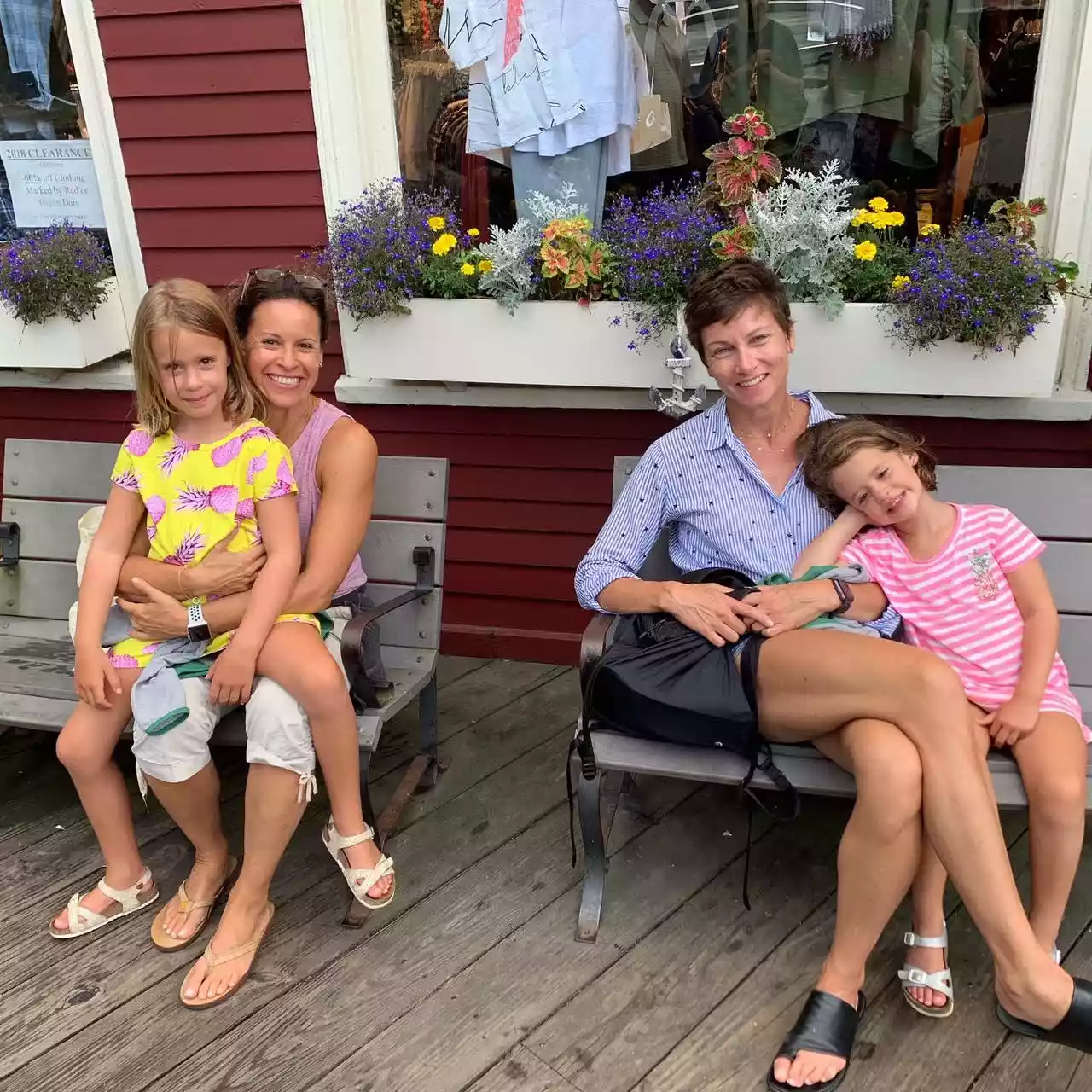
The family are shown together in an earlier photograph taken in 2019.
What’s at risk right now isn’t a verdict — it’s control. Control over schedules, over silence, over when private matters become administratively visible.
Divorce filings can trigger automatic financial restraints, documentation requirements, and structured communication channels. None of that requires a courtroom showdown.
It happens quietly, efficiently, and often faster than the people involved expect.
The personal consequences arrive before any legal conclusions. Wolfe has built a career that depends on credibility, composure, and timing, whether on air or behind the scenes.
Even a low-conflict divorce introduces variables that affect how and when someone responds publicly, if at all. Silence can be strategic, but it can also be imposed by counsel while filings move forward. That waiting period is its own kind of exposure.
There’s also the reality of parenting under procedural pressure. Wolfe and Gosk share two children, and while no custody terms have been made public, the filing opens the door to temporary arrangements that can shape daily life long before final decisions.
School schedules, travel, and work commitments can all be affected by interim agreements that exist purely because the process has started.
This dynamic isn’t unique to media figures. Public-facing professionals — athletes, executives, broadcasters — often find that legal procedure quietly determines outcomes before narratives ever form.
Similar situations have played out where careers pause, deals delay, or reputations sit in suspension, not because of findings, but because process takes time. The law doesn’t need drama to exert force; it only needs activation.
That’s where debate tends to surface. Some see the system as protective, creating structure where emotions run high. Others experience it as restrictive, a mechanism that limits autonomy before facts are weighed.
Privacy versus exposure becomes a real tension once filings exist, especially when public curiosity meets sealed details and unanswered questions.
For Wolfe, none of the big questions have answers yet. There’s no public record of spousal support discussions, no custody framework disclosed, no indication of how quickly the case will move.
What exists instead is a waiting period defined by procedure rather than choice. The filing doesn’t tell a story — it creates one, slowly, through deadlines and silence.
That uncertainty is where things now sit. A marriage formally enters the legal system, control subtly redistributes, and life continues under a new set of constraints that didn’t exist the day before - a reminder of how the law affects everyday life.
No judgment has been made, and none is imminent. But the pressure is already real, and the outcome remains unwritten.