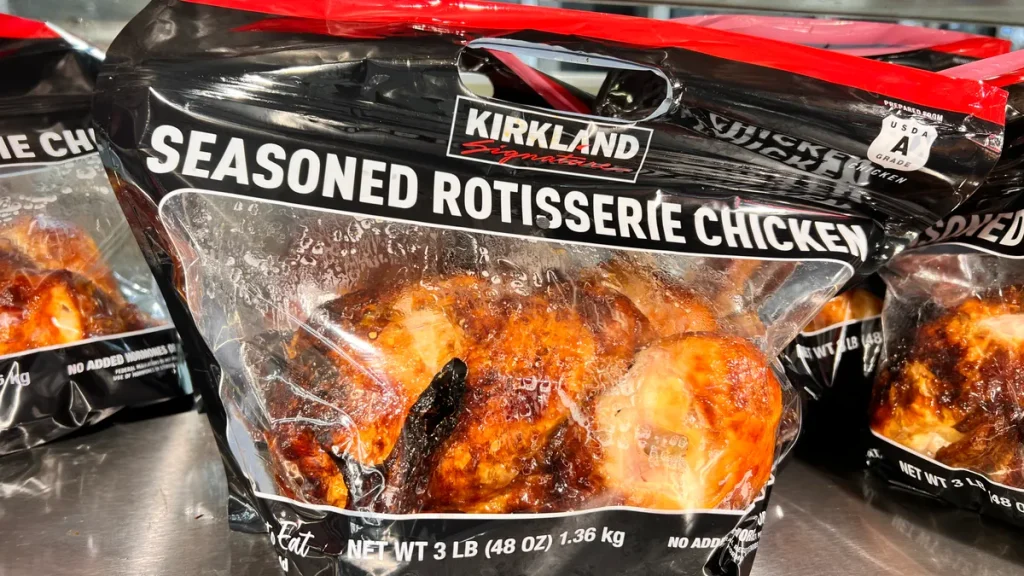
Costco’s $5 Rotisserie Chicken Faces Class-Action Lawsuit Over ‘No Preservatives’ Claim
For years, Costco’s $5 rotisserie chicken has been treated less like a grocery item and more like a promise. Cheap, convenient, and widely marketed as having “no preservatives,” it has become a staple for families trying to balance cost, health, and time.
That image is now under legal pressure after a proposed class-action lawsuit challenged how the product is advertised.
The lawsuit, filed in California, accuses Costco of misleading consumers by promoting its Kirkland Signature rotisserie chicken as preservative-free while allegedly using ingredients that function as preservatives. While no court has ruled on the claims, the filing itself has already shifted the conversation — and potentially Costco’s exposure — before any facts are tested at trial.
At the center of the dispute is how consumers interpret the words “no preservatives,” and how much responsibility retailers have to clarify what those claims really mean. For shoppers who say they relied on that language when making everyday food choices, the issue isn’t abstract. It’s about trust, labeling, and what happens when marketing and ingredient lists don’t align in the way people expect.
The plaintiffs argue that Costco’s in-store signage and website create what lawyers call an “overall net impression” that the chicken contains no added preservatives at all. According to the complaint, that impression conflicts with the inclusion of sodium phosphate and carrageenan — ingredients the lawsuit claims function as preservatives, even if they are disclosed elsewhere on the label.
That distinction matters more than it might seem. Consumer protection cases often hinge not on whether an ingredient appears somewhere on packaging, but on whether a reasonable shopper would understand its role. The lawsuit claims that listing ingredients in small print on the back of the label does not offset bold “no preservatives” messaging displayed prominently at the point of sale.
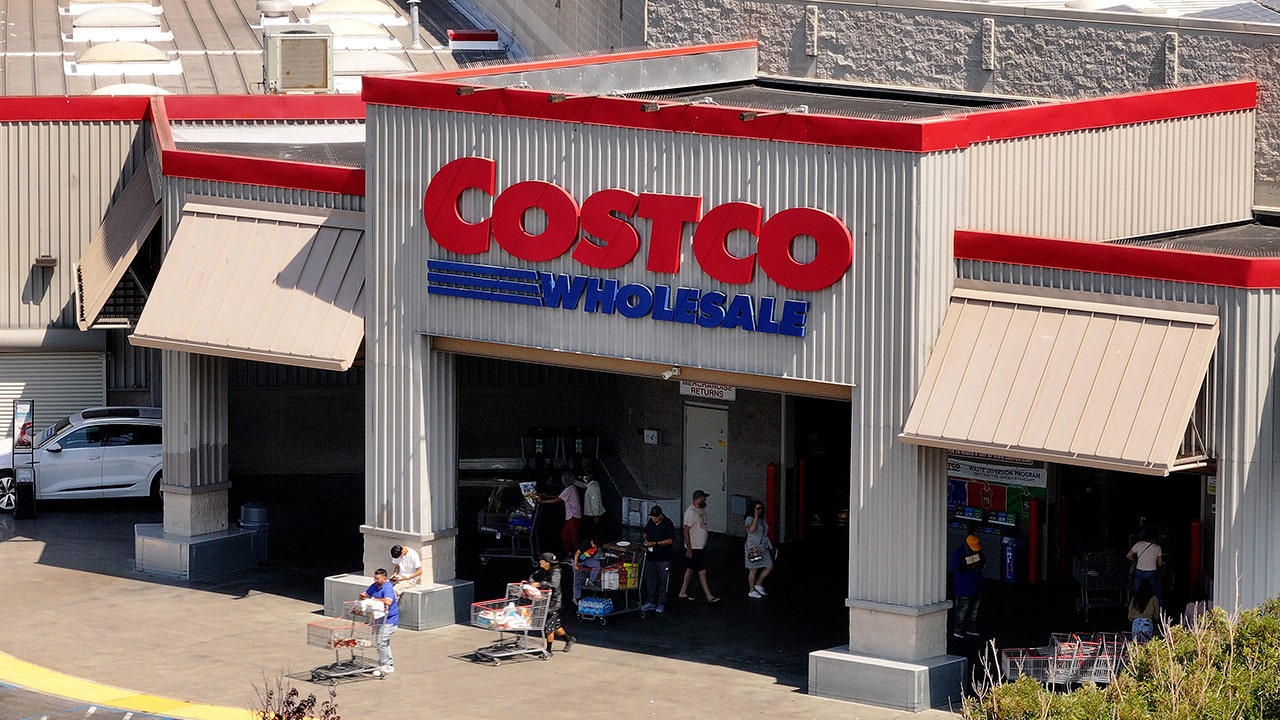
Shoppers enter and exit a Costco Wholesale warehouse. The retailer is facing a proposed class-action lawsuit related to labeling claims for its popular $5 rotisserie chicken.
From a legal standpoint, this type of case rarely turns on scientific debates alone. Instead, it focuses on timing and perception. What did consumers see first? What claims were emphasized? And did those claims influence purchasing decisions before shoppers had a realistic chance to examine ingredient details?
For Costco, the pressure isn’t limited to the courtroom. Class-action filings can force companies to rethink labeling, marketing language, or settlement strategy long before a judge weighs in. Even without admitting wrongdoing, retailers sometimes adjust claims early to reduce risk, avoid prolonged litigation, or protect brand trust.
That’s why cases like this often feel unresolved for a long time. A lawsuit can sit in procedural stages — motions, certifications, negotiations — while the product at issue remains on shelves.
During that period, companies must decide whether to hold the line or quietly change course, knowing that either move could carry implications.
For consumers, the case taps into a broader unease about food labeling and transparency. Many shoppers say they make quick decisions based on front-facing claims, especially when feeding families on a budget. When those claims are challenged, it raises uncomfortable questions about how much scrutiny is realistic in a grocery aisle.
Similar lawsuits against major brands have followed this same pattern: a widely used product, a simple claim, and a legal argument that the claim oversimplifies something more complex.
Some have ended in settlements or labeling changes without ever reaching trial. Others have been dismissed. The outcome is rarely immediate, and rarely as clear-cut as headlines suggest.
What makes this case particularly charged is the product itself. Costco’s rotisserie chicken is one of the retailer’s most iconic loss leaders, often cited as a reason customers maintain memberships. Any suggestion that its marketing could be misleading strikes at the heart of Costco’s reputation for value and transparency.
For now, nothing has been decided. Costco has not been found liable, and the allegations remain claims, not conclusions. But the filing alone has created a moment of uncertainty — one where legal definitions, consumer expectations, and corporate strategy collide before a judge or jury has said a word.
Whether the case moves forward, settles quietly, or is dismissed entirely, it highlights how quickly an everyday purchase can become a legal fault line. And for shoppers scanning signs in a busy warehouse aisle, it raises a lingering question that won’t be answered anytime soon: when a label says “no preservatives,” what does that really mean?