When a Snowstorm Becomes a Legal Problem: Who Is Responsible When Winter Turns Dangerous
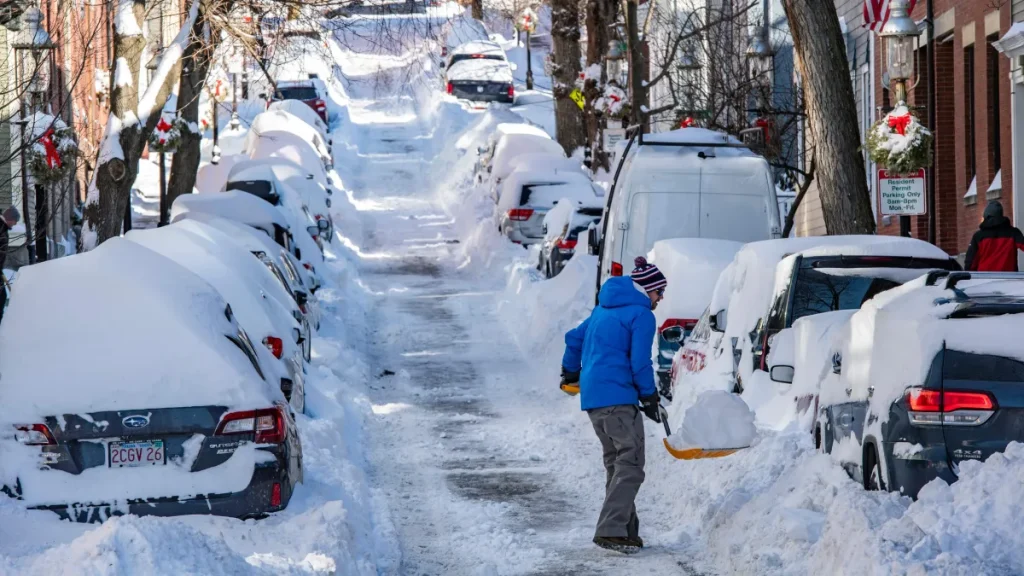
From Boston to the Midwest, heavy snowstorms do more than cancel flights and close schools, they shift legal liability. While most people see a blizzard as a personal inconvenience, the law treats it as a moment when responsibility for safety can change.
Once snow and ice accumulate, ordinary spaces like sidewalks and parking lots can become legal risk zones, raising questions about who is responsible when winter conditions cause injury or damage.
The "Reasonable Action" Standard
The law doesn’t punish you for the weather itself, but it does expect action once a danger becomes obvious. This is rooted in the doctrine of Duty of Care.
Courts generally don't expect miracles while a storm is still raging—a concept often protected by the "Storm in Progress" rule, which may shield owners from liability until a reasonable time after the precipitation stops.
However, once the flakes stop falling, the clock starts ticking. The legal question is rarely "How bad was the storm?" and almost always "What did you do once it was over?"
If a storm ends at 3:00 AM and a visitor slips at 10:00 AM on an untreated path, a court may find that the owner breached their duty by failing to remediate a foreseeable hazard.
Natural vs. Unnatural Accumulation
A critical legal distinction often hinges on how the snow got there. In many jurisdictions, a property owner is not liable for "natural accumulations"—snow that fell and stayed where it landed.
However, liability often shifts the moment that snow is altered, a concept known as unnatural accumulation.
This occurs if a leaky gutter creates an isolated patch of "black ice" on a cleared sidewalk, or if a plow piles snow in a way that it melts and refreezes across a walking path.
By modifying the environment, the owner may inadvertently create a new, unnatural hazard that carries a much higher burden of legal responsibility.
The Confusion of Shared Spaces
Snow-related injuries are a leading cause of civil litigation, often because of a misunderstanding of who "controls" the premises. Legally, responsibility usually follows control, not just deed ownership.
This creates common pitfalls where tenants assume the landlord is responsible while landlords assume the city handles it.
However, many municipal ordinances "delegate" this duty, legally requiring the property occupant to clear public paths within a specific window, such as 4 to 24 hours.
Failure to follow these local statutes can be used as evidence of negligence per se, making a defense much harder to maintain.
Comparative Negligence: A Two-Way Street
In many snow-related lawsuits, the defense will raise the "Open and Obvious" doctrine, arguing that if a snowbank or icy patch is clearly visible, a "reasonable person" should have avoided it.
Most states now follow Comparative Negligence rules, meaning liability is rarely all-or-nothing.
A court might find a property owner 60% at fault for failing to salt, while finding the pedestrian 40% at fault for wearing inappropriate footwear or failing to look where they were walking. The final legal payout is then reduced by the plaintiff’s own percentage of fault.
Why Timing is Everything
The biggest hurdle in snow-related legal issues is that the evidence literally melts. Because the ice patch is often gone by the time a claim is filed, documentation becomes the cornerstone of any case.
For both the property owner seeking to prove they maintained the area and the injured party seeking to prove a hazard existed, logs and photos are vital.
Maintenance records showing exactly when a contractor salted often dictate the outcome of a case more effectively than witness testimony.
The Legal Takeaway: Snowstorms don’t pause the law; they activate it. You don’t have to control the weather, but you are legally required to respond to it. Whether you are an owner or a pedestrian, the law expects "reasonableness" in the face of winter's risks.