
Applying for disability benefits can feel confusing and stressful, especially when paperwork is involved. Many claims are delayed or denied simply because important documents are missing or unclear. Knowing what papers you need ahead of time can make the process smoother and less overwhelming.
What documents truly matter, and how can you keep them organized? When you understand what is required and prepare early, you improve your chances of approval. A well-documented claim tells a clear story and helps decision-makers understand your situation.
Medical Records That Prove Your Disability
Medical records are the foundation of a successful disability claim. These records show that your condition exists and how serious it is. They include doctor visit notes, test results, scans, treatment plans, and hospital records.
Reviewers rely heavily on this information to understand your health. Your records should come from licensed doctors or medical facilities. Regular treatment history is important because it shows your condition is ongoing.
Large gaps in care may raise concerns unless they are explained clearly. Always try to keep treatment consistent when possible. It also helps to understand how to get medical records for disability in an organized way. Many clinics offer online requests or written forms.
Ask for complete copies and review them for errors. Keeping accurate and updated medical records can greatly improve your approval chances.
Doctor Statements and Professional Medical Opinions
Doctor statements provide clear medical opinions about how your condition limits your ability to work. These statements go beyond test results and explain your daily struggles. They help connect your diagnosis to real-life limits.
Claims with strong doctor opinions are often easier to approve. A good medical opinion explains what tasks you cannot do and why. It should describe limits on standing, lifting, focusing, or using your hands.
Simple language is best because it avoids confusion. Doctors who have treated you over time usually provide the strongest statements. Make sure the statement is recent and signed.
Older opinions may not reflect your current condition. Keep copies with your main medical records. A clear and detailed doctor's statement can strongly support your claim.
Work History and Employment Documentation
Your work history shows how your disability affects your ability to earn a living. These records explain what kind of jobs you had and what tasks you performed. Reviewers use this information to see if you can still do similar work.
Honest and clear work records are very important. Useful documents include job descriptions, pay stubs, and tax forms. If you stopped working or reduced hours due to your condition, include proof.
Employer letters can also help explain changes or accommodations. These details show that your condition affected your work directly. Organize your work history in order by date.
Make sure job duties match the limits described by your doctor. When your work records and medical records support each other, your claim becomes stronger and clearer.
Personal Statements and Daily Activity Reports
Personal statements allow you to explain your disability in your own words. They describe how your condition affects daily tasks like cooking, cleaning, or sleeping. These details help reviewers understand your life beyond medical charts.
Clear examples make your statement more believable. Daily activity reports are often required during the claim process. They ask about routines, hobbies, and personal care.
Always answer honestly and consistently. Do not exaggerate, but do not minimize your struggles either.
Keep copies of all personal statements you submit. If you are asked similar questions later, consistency matters. Personal statements help complete your story and support the medical evidence.
Financial Records and Disability Application Forms
Financial documents help determine eligibility for disability benefits. These records show your income, savings, and financial situation. Missing or unclear financial details can delay your claim.
Keeping these documents organized saves time. Common financial records include tax returns, bank statements, and benefit letters. Application forms and consent papers must be filled out carefully.
Small mistakes or missing signatures can cause delays. Always double-check forms before submitting them. Create a separate folder for financial documents and forms.
Label files clearly and keep copies of everything. Being organized helps you respond quickly if more information is requested.
Statements From Family Members and Caregivers
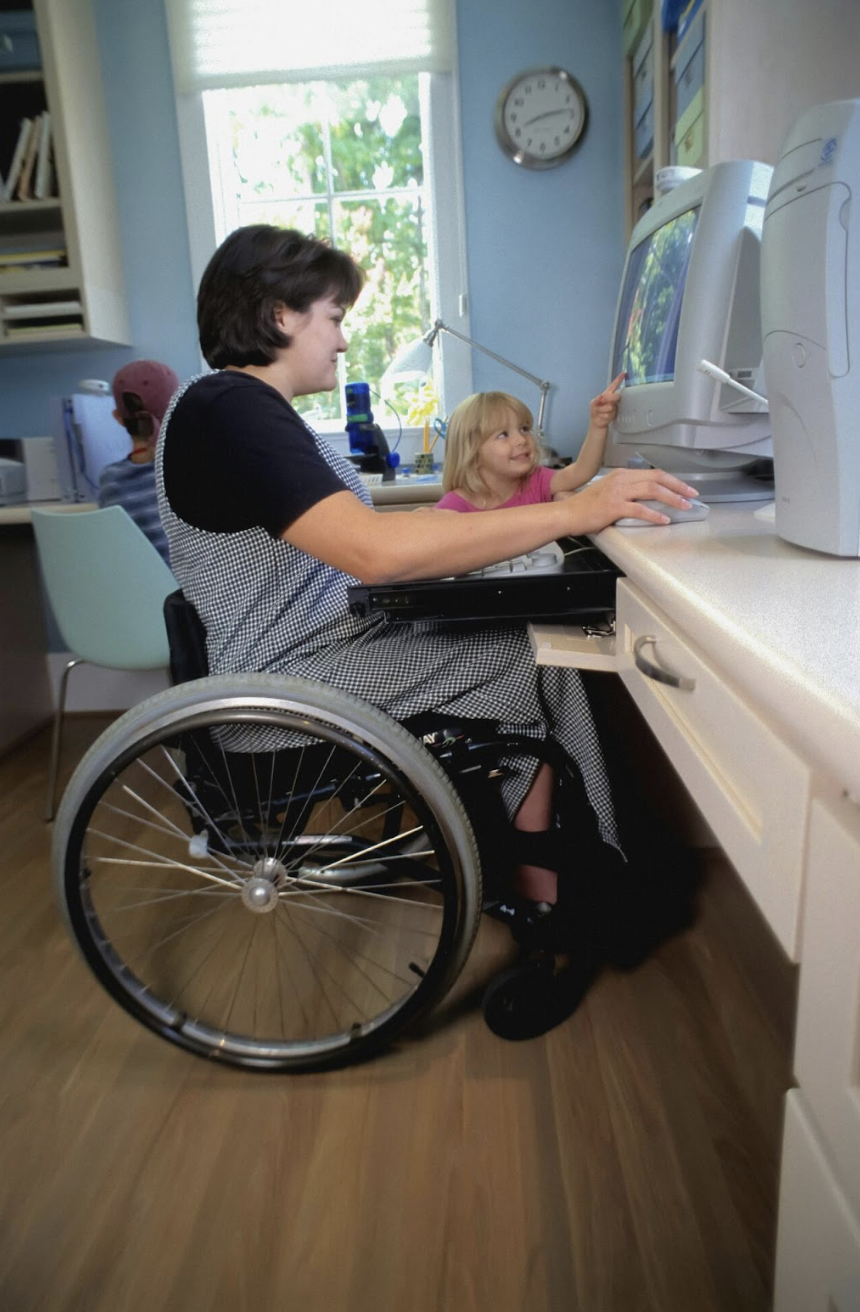
Statements from family members or caregivers provide valuable personal insight. These people often see your struggles daily. Their observations help confirm how your disability affects your life and these statements support, but do not replace, medical records.
A strong statement describes what they see regularly. This may include pain, fatigue, memory problems, or mood changes. Simple and honest language works best.
Specific examples are more helpful than general comments. Ask them to focus on changes over time.
Place these statements with your personal records. When combined with medical and work documents, they help create a complete and convincing claim.
Organization Tools and Record-Keeping Systems
Staying organized is just as important as having the right documents. A disability claim can involve many papers, dates, and deadlines. Without a clear system, it is easy to lose track of important records.
Good organization helps you respond quickly and avoid mistakes. Start by creating folders for each document type. Use separate sections for medical records, work history, financial papers, and personal statements.
Label everything clearly with dates and sources. This makes it easier to find what you need when asked. Tracking communication is also important.
Write down phone calls, letters, and emails related to your claim. Organization shows responsibility and helps your claim move forward smoothly. A clear system can reduce stress and improve your approval chances.
Prepare These Essential Documents Now for a Successful Disability Claim
A successful disability claim depends on having the right documents and keeping them well organized. Medical records, doctor opinions, work history, personal statements, financial papers, family statements, and strong organization systems all work together to support your case. Each document helps tell your story clearly and honestly.
Taking time to prepare and stay organized can prevent delays and reduce stress. When your paperwork is complete and consistent, reviewers can better understand your situation. Preparation, patience, and organization are key to improving your chances of approval.
For more helpful guides and articles on many topics, be sure to explore other posts available on our blog.