Understand Your Rights. Solve Your Legal Problems


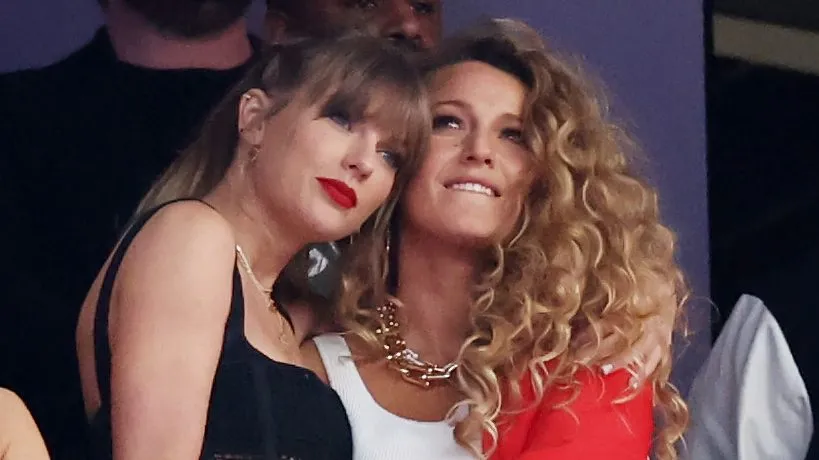
Unsealed court filings in the Blake Lively–Justin Baldoni lawsuit have revealed private text messages involving Taylor Swift, underscoring how informal communications can become admissible evidence.
The disclosures did not determine liability, but they changed the evidentiary landscape by placing private messages into the public court record. The episode illustrates how, under civil discovery rules, personal texts can acquire legal significance regardless of intent.
The unsealing of private text messages involving Taylor Swift in ongoing litigation between Blake Lively and Justin Baldoni has drawn attention not because of their content, but because of how they entered the court record.
The messages surfaced after a judge ordered hundreds of exhibits unsealed in a California civil case that is moving toward trial.
Legally, this moment matters because it demonstrates a routine but often misunderstood feature of civil litigation: once a court determines that communications are relevant and not protected, private texts can become discoverable evidence and, in some circumstances, publicly accessible.
What changed is not the parties’ legal positions, but the evidentiary visibility of materials that were previously shielded from public view.
The jurisdictional authority rests with the California court overseeing the case, where evidentiary decisions are governed by relevance, proportionality, and admissibility standards.
The unsealing does not establish the truth of the messages or their ultimate use at trial, but it illustrates a procedural reality with consequences that extend far beyond celebrity disputes.
Court filings unsealed in January included text messages exchanged in late 2024 between Lively and Swift, submitted as exhibits in motion practice connected to Baldoni’s previously dismissed countersuit.
The materials form part of a broader evidentiary record that also includes emails, depositions, and third-party communications.
The texts were identified by Lively’s legal team in filings responding to a motion for summary judgment and appear alongside other materials referenced in connection with her retaliation and harassment allegations.
The court’s decision to unseal the exhibits did not determine their admissibility at trial and did not resolve the underlying claims. The case is scheduled to proceed to trial in May, subject to further procedural rulings.
The central legal issue is how private messages become court evidence through the civil discovery process. Under applicable evidentiary standards, parties may obtain communications that are relevant to claims or defenses and proportional to the needs of the case.
Text messages, emails, and direct messages are treated no differently from formal correspondence once those thresholds are met.
Whether such materials are ultimately presented to a jury depends on admissibility rulings, including relevance, hearsay limitations, and potential unfair prejudice.
Separately, courts apply a presumption of public access to judicial records, balanced against privacy and fairness concerns when deciding whether exhibits remain sealed. Unsealing reflects a procedural judgment about transparency, not a factual finding.
Do private texts automatically become evidence?
No. Messages become evidence only if a court determines they are relevant and discoverable. Many communications exchanged during litigation never appear in filings or reach the public record.
Does unsealing mean the court accepted the messages as true or accurate?
No. Unsealing allows public access to exhibits; it does not validate their accuracy or determine how much weight, if any, they will carry at trial.
Can text messages involving non-parties be used as evidence?
Yes. Under third-party discovery standards, communications involving individuals who are not defendants can be produced if they bear on disputed issues, subject to objections and protective orders.
Will these texts necessarily be shown to a jury at trial?
Not necessarily. Admissibility is decided later, often through motions in limine, and many unsealed materials are never presented at trial.
As the case moves toward trial, the court will separately decide whether the unsealed text messages are admissible evidence, a determination that turns on relevance, context, and potential unfair prejudice.
Even if some messages are excluded from presentation to a jury, their presence in the public court record can still influence litigation strategy, settlement posture, and reputational exposure for those involved.
Challenges to sealing or admissibility rulings may be raised on appeal, but such disputes typically proceed alongside the case rather than delaying trial, unless a higher court intervenes on narrow procedural grounds.
The unsealed text messages involving Taylor Swift in the legal dispute between Blake Lively and Justin Baldoni do not decide who is right or wrong in the case.
What they do make clear is a legal reality that affects anyone involved in a lawsuit: private texts can become public court evidence through routine discovery and court transparency rules.
As the case moves toward trial, a judge will still decide which messages, if any, are admissible for a jury to see.
Regardless of the outcome, the episode highlights a lasting consequence of modern litigation, once personal messages enter the court record, they can create legal exposure, strategic pressure, and reputational impact that extends well beyond the courtroom itself.