The China Mega-Embassy Row Isn’t Just a Planning Dispute — It’s a Case Study in Why the Public Is Losing Trust
The argument over China’s proposed new embassy at Royal Mint Court is often described in technical terms: a planning decision, a diplomatic calculation, a potential legal challenge. That framing explains the mechanics, but it misses the reason the story has taken hold of public attention and refused to let go.
What is driving the anger is not architecture or procedure. It is the growing sense that decisions of consequence are being taken at a distance from the people most affected by them, and that once those decisions reach the centre of government, the public’s role is reduced to coping with the fallout.
When a National Decision Becomes a Local Burden
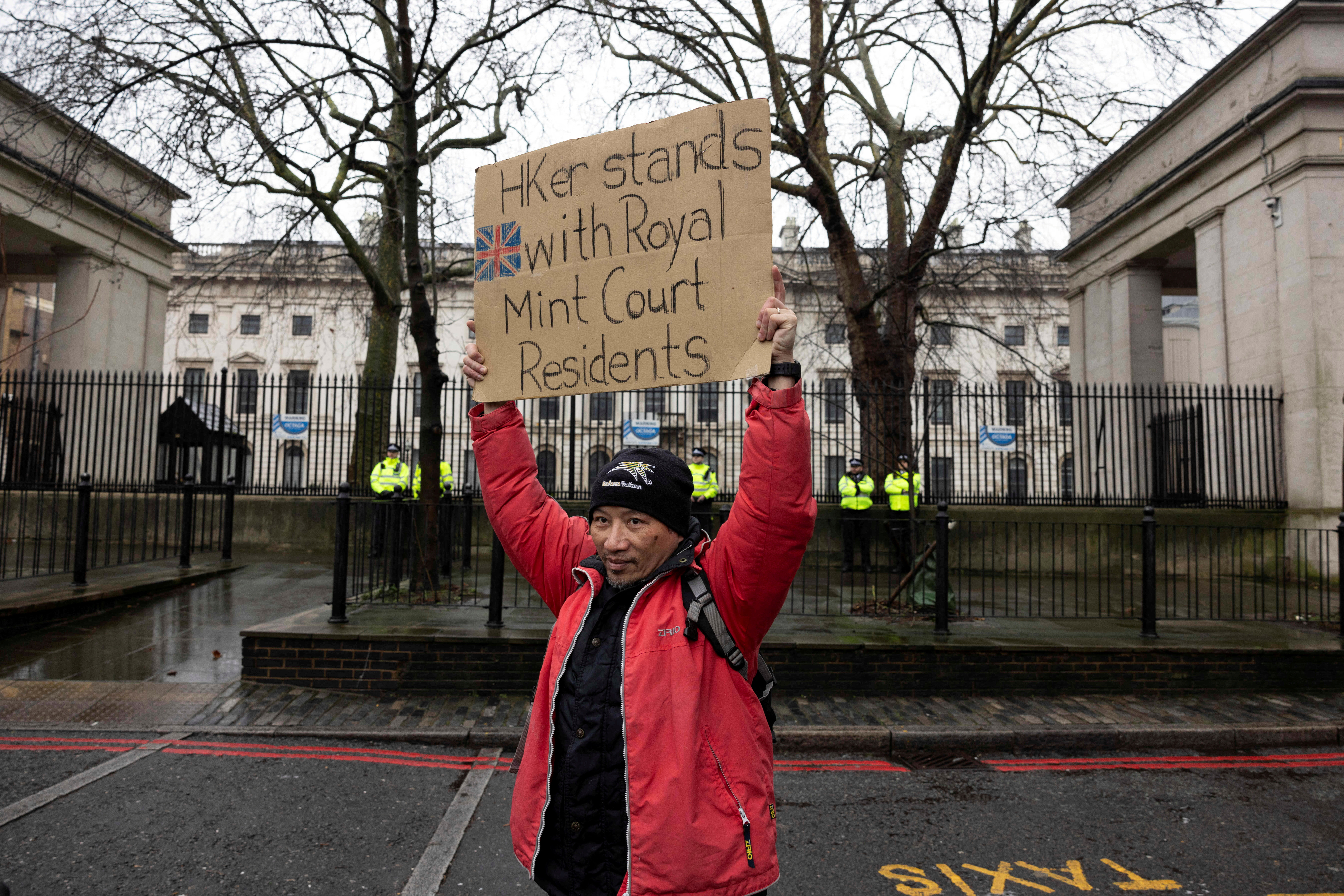
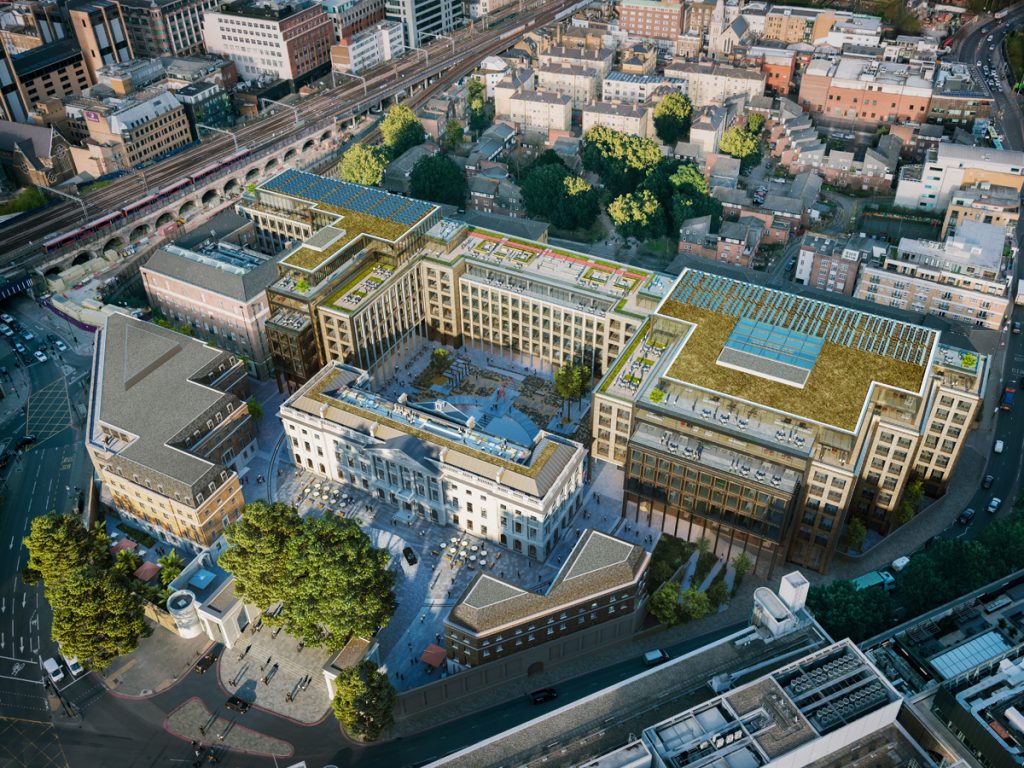
For residents living alongside the Royal Mint Court site, the embassy proposal is not an abstract exercise in foreign relations. It is something that would sit immediately next to their homes, reshaping the environment they live in day after day.
Concerns about privacy, disruption and long-term security have been raised repeatedly over several years. Residents say they engaged in meetings, submitted objections and attempted to find compromises, only to come away with the impression that the outcome mattered more than the process.
That experience is familiar to anyone who has lived near a major infrastructure or security-sensitive development. The frustration lies less in disagreement than in the belief that opposition was never capable of altering the course of events.
It is this sense of being overruled rather than out-argued that has turned a planning row into a flashpoint.
Why the Prospect of Years in Court Has Struck a Nerve
What has broadened the dispute beyond east London is the expectation that approval would not end the argument but entrench it. Residents have already signaled that they are prepared to pursue legal action, setting the stage for a prolonged court battle that could stretch on for years.
The government has set a hard deadline of January 20, 2026, to finalize its decision. While campaigners rely on crowdfunding to mount a judicial review, the government’s defense would be funded by the taxpayer. Legal proceedings of this scale consume time, money and administrative resources, regardless of the eventual outcome. Even a successful defense leaves behind a bill that cannot be reclaimed and years of uncertainty that affect everyone involved.
At a time when public services remain under pressure and households are repeatedly told that finances are tight, the idea of a drawn-out legal fight over a deeply contested project has proved inflammatory. It reinforces the perception that public money is being used to defend decisions rather than resolve disputes.
Security, Surveillance and an Unease That Has Not Been Eased
The strength of feeling surrounding the embassy also reflects a more instinctive discomfort. The prospect of a large, heavily secured foreign state complex embedded in a dense residential area has unsettled many people who are otherwise indifferent to planning politics.
Recent reports of 208 subterranean rooms and a "hidden chamber" have amplified these fears. Critics point to the site’s proximity to fiber-optic cables that carry sensitive data for the City of London and Canary Wharf. That unease has been voiced particularly forcefully by members of diaspora communities who argue that they came to the UK to escape the kind of state monitoring they now fear could be concentrated at the heart of London.
Whether or not every concern proves justified, the failure to reassure has allowed anxiety to harden into opposition.
The Stakes for Keir Starmer
For the government, the danger lies less in the legal details of the case than in what the episode communicates about power. Approval is widely expected this week, timed just before the Prime Minister’s anticipated diplomatic visit to Beijing. A project that appears to advance despite local opposition and visible protest risks reinforcing the idea that once a decision reaches ministerial level, accountability becomes largely symbolic.
That perception does lasting damage. It suggests a system in which the public absorbs disruption, uncertainty and cost, while meaningful authority remains distant and insulated. Even supporters of the government have begun to question whether this is compatible with promises of transparency and renewal.
Why This Story Refuses to Fade
The embassy dispute has endured because it brings together several frustrations the public already feels keenly: decisions that seem imposed rather than earned, legal conflicts that drag on without resolution, and public money spent managing controversy instead of preventing it.
For many readers, the site at Royal Mint Court has become a proxy for a wider unease about how power is exercised and whose voices matter when the stakes are high. That is why the reaction has been emotional rather than procedural, and why the story continues to provoke anger rather than indifference.
It is no longer just a question of what is built on a historic site in London. It is a test of whether the public believes it still has a meaningful place in decisions that shape the country it lives in.
The decision due by January 20 is not a technicality; it is a choice of legacy. If the government green-lights the project just days before a trade mission to Beijing, it confirms the public’s darkest suspicion: that their security and their voices are merely bargaining chips in a larger game. The court battle that follows will not just be about a building, but about whether the center of power still hears the people it claims to represent.