Bieber’s ‘Nuclear’ Litigation: The Death of the TikTok Diagnosis
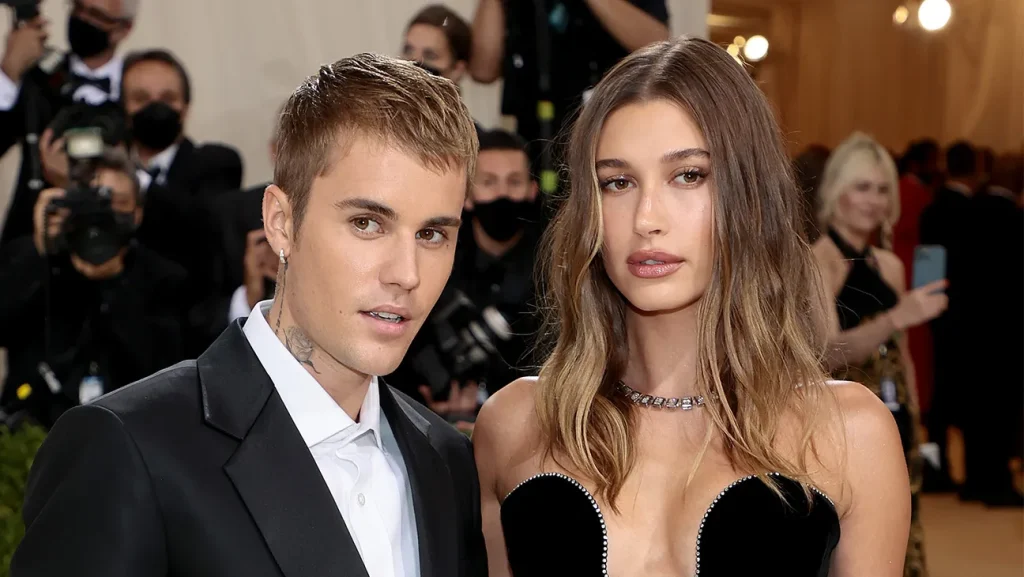
Justin Bieber isn’t just angry. He is executing a clinical legal strike. By unleashing attorney Evan Spiegel against TikTok creator Julie Theis, the singer is moving to bankrupt the "deep dive" economy. This is no longer a tabloid spat; it is a calculated legal execution designed to silence the amateur clinical diagnosis. Bieber’s team is betting they can turn a TikTok opinion into a multi-million dollar defamation trap.
The "At Your Own Peril" Doctrine
The cease-and-desist letter obtained by TMZ isn't just a warning—it is a predator’s roadmap. When Spiegel informed Theis that she acts "at [her] own peril," he signaled a shift toward aggressive tort litigation. The language used is deliberately nuclear, designed to strip away the influencer’s sense of digital safety. By labeling her claims "actionable" and "highly damaging," the Bieber camp is preparing for a multi-million dollar defamation suit.
This maneuver targets the specific intersection of "opinion" and "implied fact." Theis, a self-proclaimed psychologist, argued that the Biebers exist in a state of "tolerant co-dependence."1 In 2026, labeling a marriage "abusive" is not protected speech if it suggests knowledge of a crime. If the Bieber team can prove Theis manufactured a narrative to gain followers, they effectively end her career.
The Death of the ‘Opinion’ Defense
Julie Theis is currently betting her livelihood on the "opinion-based commentary" defense. She claims her videos are merely a clinical breakdown of relationship dynamics and power.2 However, California’s defamation laws are notoriously lethal regarding "mixed opinion." A statement is defamatory if it implies the existence of undisclosed, ugly facts.
By accusing Justin of "drug addiction" and labeling the marriage "abusive," Theis moved from analysis to accusation.3 The Bieber legal team is positioning these claims as "fabricated stories" rather than subjective vibes. They are banking on the fact that a jury will see a "psychologist" tag as an attempt to lend false authority to a smear campaign. If the court agrees, the First Amendment will not save her from a massive judgment.
A ‘Temper Tantrum’ or Absolute Justice?
Theis calls the threat an "elitist temper tantrum" to win over the court of public opinion.4 This is a classic PR pivot intended to win the war of optics while the courtroom remains empty. By framing herself as a victim of "silencing," she invites her audience to view the Biebers as bullies. Yet, the legal reality is far colder: wealth buys the best litigation, and the Biebers have a bottomless war chest.
Her decision to resurface Justin’s 2019 confession about "disrespecting women" is a massive gamble. While it provides context, it also demonstrates what lawyers call "actual malice." In defamation law, showing a pattern of digging for dirt can prove the defendant intended to cause harm. Theis thinks she is providing evidence, but she is actually giving Spiegel his "smoking gun" for intent.
The Fallout: The "Jack Blues" Factor
The timing of this legal blitz coincides with the first year of the couple’s son, Jack Blues. For the Biebers, this isn't just about hurt feelings; it is about protecting a brand that now includes a legacy. Reputation damage is calculated in dollars, and the Bieber brand is worth hundreds of millions. Any allegation of domestic abuse carries a heavy "price tag" in lost endorsements and business ventures.
When the Biebers claim "substantial liability," they are referring to the loss of future earnings. If a major brand drops Hailey because of viral "abusive marriage" theories, Theis could be held responsible for every cent. This is the "scorched earth" policy of celebrity litigation. They are not just asking for a video to be deleted; they are threatening to take everything she owns.
The Financial Guillotine: CACI 1707
To a California judge, these TikToks are a textbook study in CACI No. 1707. This is the specific jury instruction that determines if a statement is a fact or just fluff. Experts argue that her "clinical" tone led followers to believe she had "undisclosed knowledge" of the couple’s private lives. If a jury agrees, her "opinion" defense vanishes entirely.
Legal scholars point to the massive risk of Special Damages and the Anti-SLAPP paradox. In 2026, California’s legal landscape is increasingly hostile to character assassination masked as free speech. If Theis files an Anti-SLAPP motion and loses, she is immediately liable for the Biebers’ legal fees. Just this month, the Jay-Z paternity dismissal saw a judge order $120,000 in fees under similar statutes. For an influencer, this is a financial guillotine.
The CACI Cheat Sheet: How the Jury Will Judge Her
| Instruction | The Jury's Question | The Bieber Argument |
| CACI 1707 | Did the statement imply a false assertion of fact? | Yes. Using "psychology" implies her claims are factual data. |
| CACI 1700 | Did she act with reckless disregard for the truth? | Yes. She prioritized "viral deep dives" over clinical ethics. |
| CACI 1704 | Would a reasonable person find the statement damaging? | Yes. Accusations of "abuse" jeopardize multi-million dollar deals. |
The Biebers aren't just suing for an apology; they are aiming for Liquidated Damages. If Hailey can prove she lost a single contract—like a Vogue cover or a Rhode partnership—the financial liability is massive. Reputation damage is tangible. Marketing analysts estimate a "fallout" in celebrity resonance can reduce brand value by billions. In the Biebers' case, every viral "abusive" label is a direct hit to their ROI.
The End of the "Deep Dive" Era
This case is a warning shot to every creator on TikTok and YouTube. For years, influencers have analyzed celebrities under the guise of "educational content." The Bieber lawsuit draws a hard line where the "entertainment" ends and "defamation" begins. If Spiegel succeeds, it will trigger a mass deletion of "analysis" videos across the entire internet.
Theis remains defiant, citing her right to "people’s voices" and her freedom to disagree.5 But disagreement is a luxury; defamation is a liability that stays with you forever. As the legal clock ticks, the world is watching to see if a TikTokker can survive the Bieber machine. The era of consequence-free gossip is dead, and the Biebers are the ones holding the shovel.
The Bieber Case as an Industry Stress Test
In 2026, the Bieber legal blitz is more than a warning—it is a stress test for the entire “Deep Dive” economy. While Julie Theis is the immediate focus, dozens of creators have spent years monetizing the same brand of psychological speculation under the banner of “educational analysis.”
Legal observers say the cease-and-desist letter signals a willingness to pursue broader accountability, not just a single takedown. Rather than targeting gossip itself, the strategy appears aimed at the mechanics of influencer commentary—where opinion shades into implied fact, and monetized analysis becomes legally actionable.
Below is a Litigation Risk Scorecard outlining the creator profiles most exposed if celebrity defamation enforcement accelerates.
2026 Bieber Litigation Risk Scorecard
| Creator Profile | Content Category | Risk Level | Primary Legal Vulnerability |
|---|---|---|---|
| The “Clinical” Analyst | Professional-sounding diagnoses (BPD, codependency, addiction) | CRITICAL (9/10) | CACI 1707 – Implied Fact: Presenting commentary through clinical language or credentials can lead jurors to interpret opinions as undisclosed factual assertions rather than protected speech. |
| The “Blind Item” Narrator | Repeating anonymous rumors about abuse or drug use | HIGH (8/10) | Reckless Disregard: Republishing defamatory rumors is legally equivalent to originating them. “I’m just reading what I found” offers no shield against actual malice. |
| The “Body Language” Expert | Micro-expression analysis to “prove” anger or fear | MEDIUM (5/10) | Subjectivity Line: General observations are safer, but declaring an “abusive dynamic” based on gestures risks crossing into factual accusation. |
| The “Timeline” Historian | Resurfacing old clips to suggest a current pattern | LOW (3/10) | Truth & Fair Comment: If footage is authentic and clearly framed as historical context or speculation, it is generally protected. |
Why Creators Are Becoming “Actionable”
Legal analysts point to three converging factors that elevate influencer risk:
1. Quantifiable Brand Damage
Influencers are no longer treated as casual speakers. When a creator with millions of followers labels a global brand figure an “addict” or “abuser,” the alleged harm can be modeled in lost endorsements, sponsorships, and future earnings—opening the door to special damages claims.
2. The Follower Multiplier Effect
Reach matters. The larger the audience, the easier it is for plaintiffs to argue measurable reputational harm tied directly to viral content.
3. The “Deep Dive” Production Trail
Courts have increasingly scrutinized the process behind content. Extensive scripting, editing, and monetization can be used to argue the creator acted with recklessness or commercial motive, undermining claims of spontaneous opinion or harmless commentary.
The “Safe Harbor” Checklist
For creators still discussing celebrity relationships, legal commentators suggest three practical guardrails:
-
Avoid Clinical Labels
Drop terms like “abusive,” “addict,” or “codependent” unless reporting verified facts. -
De-Emphasize Credentials
Using professional titles or degrees to lend authority to gossip is a litigation magnet. -
Frame Commentary as Personal Reaction
Say “I feel uncomfortable watching this” rather than “This is an abusive dynamic.”
Bottom Line
The Bieber dispute isn’t just about silencing one TikTok account—it signals a recalibration of how far monetized “analysis” can go before it becomes legally expensive. The era of consequence-free psychological speculation may not be over, but it is no longer risk-free.