Why Courts Can Suspend Prison Sentences — Even After “Disgraceful” Criminal Conduct
Legal Definition: Suspended Sentence A suspended sentence is a custodial term governed by the Sentencing Act 2020.Under the Sentencing Council’s General Option to Suspend guideline, a judge may suspend a custodial sentence of between 14 days and two years. This occurs if there is a realistic prospect of rehabilitation or strong mitigation. It results in community-based requirements rather than immediate incarceration.
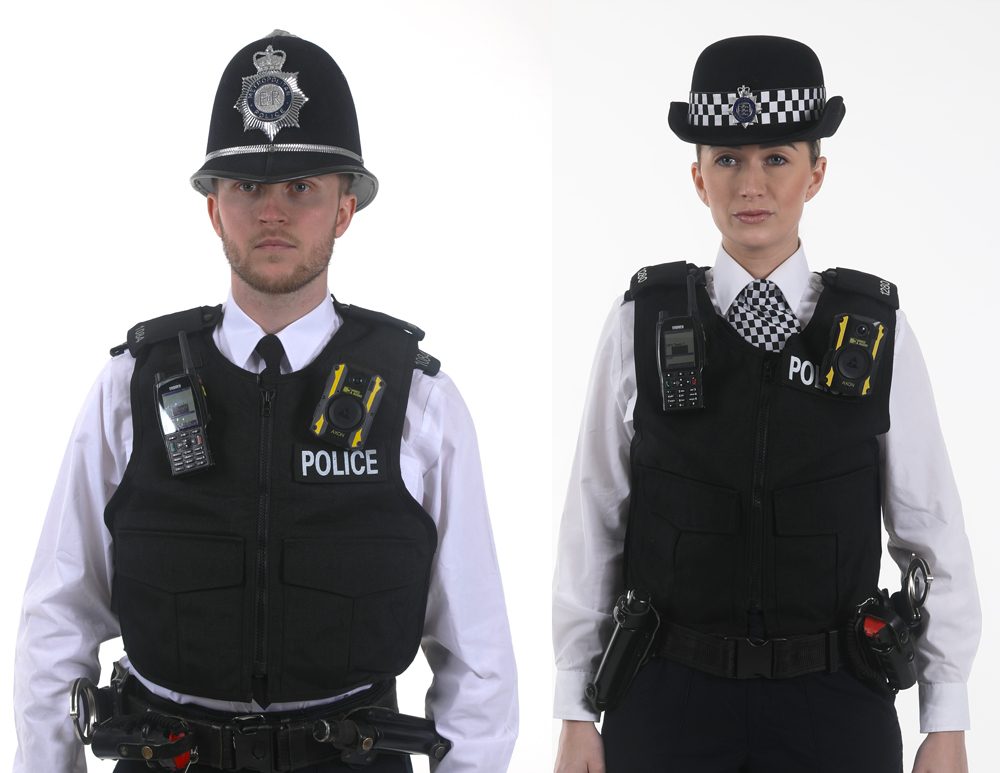
To most people, a criminal conviction for sexual assault involving a breach of public trust should result in immediate imprisonment. Under the Sentencing Act 2020, judges possess the discretion to suspend custodial terms if a defendant poses no significant risk to the public. That principle is now drawing attention following the sentencing of two former Metropolitan Police officers for an assault at a London casino. This decision does not determine guilt or final civil liability.
What You Need to Know
Sentencing in England and Wales is governed by the Sentencing Act 2020. Once a judge determines a sentence is under two years, they evaluate the Sentencing Council’s General Option to Suspend Guideline. Personal history informs this assessment of future risk.
What the law does not protect
-
Employment status for those in regulated professions.
-
Immunity from civil litigation or private lawsuits.
-
Privacy regarding the details of a criminal conviction.
The Mechanics of a Suspended Sentence
The process begins under Section 264 of the Sentencing Act 2020, which defines the custodial threshold. A judge must first decide if the offense warrants prison before considering a suspension. According to the Sentencing Council’s Definitive Guideline, "good character" serves as a specific mitigating factor. This creates a strategic irony where years of public service offset the immediate punishment for a criminal act.
Who controls this decision is entirely at the discretion of the presiding judge. In practice, the court weighs the "realistic prospect of rehabilitation" against the "appropriate punishment." Legally, this means the court prioritized the lack of prior convictions over the symbolic need for a jail cell. Where limits exist, any custodial term exceeding 24 months must be served immediately without exception.
Why This Decision Matters in Practice
This ruling confirms that a "good character" defense remains a high-value asset in UK criminal strategy. It creates a procedural risk for the Metropolitan Police regarding future recruitment and retention standards. This matters because it shifts the burden of "punishment" from the state’s prisons to the employer’s disciplinary board.
This is a procedural step regarding the administration of a penalty. It does not predict future civil litigation, imply the actions were minor, or determine the long-term impact on the victim.
Why This Feels Unfair (But Is Legal)
The law prioritizes future risk reduction over the public’s desire for retribution. While the conduct is a betrayal of office, the Sentencing Act 2020 treats the individuals as first-time offenders. This creates a friction point where judicial mechanics prioritize rehabilitation over current public outrage.
What This Means for Everyone Else
For employers, this underscores that a "suspended" record still constitutes a full criminal conviction for HR purposes. Ordinary people must realize that a guilty plea remains the primary mechanism to avoid immediate incarceration.
FAQ
Why can this happen at all?
The Sentencing Act 2020 allows judges to balance crime severity with rehabilitation potential. Suspended sentences keep individuals under strict court supervision without the cost of physical imprisonment.
Does this mean they are not "in trouble"?
No, a suspended sentence is a criminal conviction that appears on all enhanced background checks. They must complete 250 hours of unpaid work or face immediate activation of the prison term.
Can the victim challenge this?
Victims may apply to the Attorney General under the Unduly Lenient Sentence (ULS) scheme. This allows the Court of Appeal to review if the judge made a legal error in suspending the term.
Does a suspended sentence end the case?
It ends the criminal trial phase but often triggers mandatory misconduct hearings. Under Police Conduct Regulations, these officers faced immediate dismissal regardless of the jail outcome.