Understand Your Rights. Solve Your Legal Problems


A federal criminal case was permanently closed after prosecutors missed evidence disclosure deadlines, limiting the defendant’s ability to review recordings with counsel.
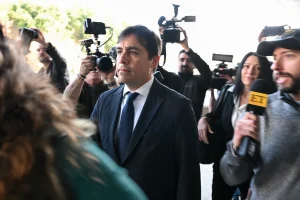
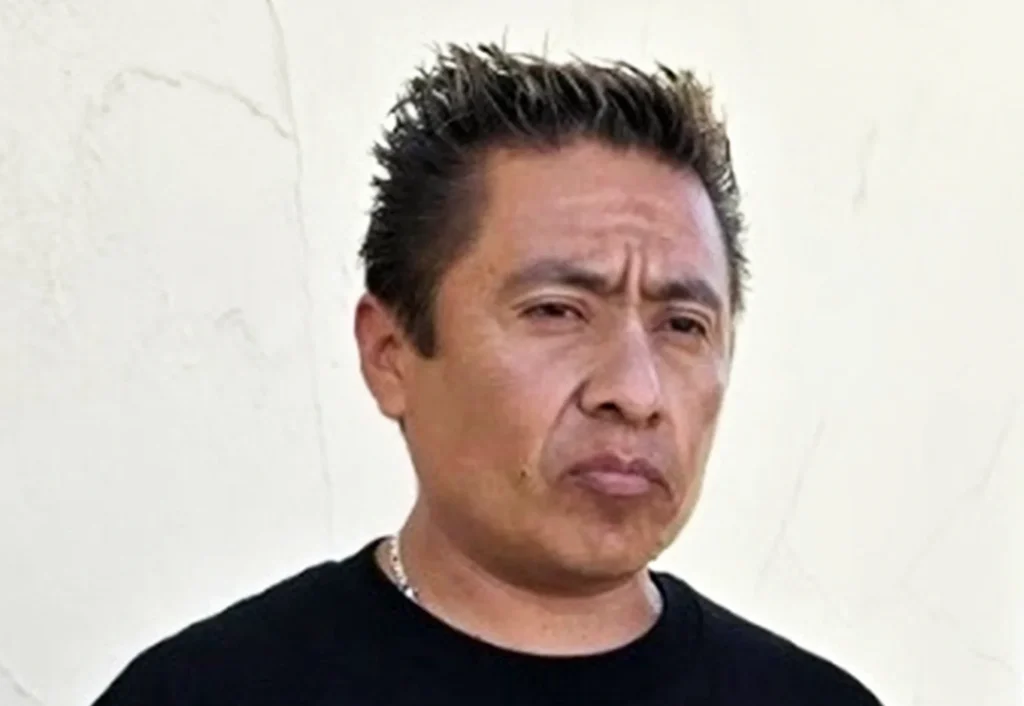
A federal court in Los Angeles ended the assault prosecution against TikTok creator Carlitos Ricardo Parias on Dec. 27, 2025, issuing a dismissal with prejudice.
The ruling surfaced in the Central District of California’s public docket system, where timestamps confirm the order was entered at 3:14 p.m. PT. The case stemmed from an Oct. 21, 2025 arrest in South Los Angeles, where federal prosecutors alleged Parias’ vehicle struck two marked law-enforcement cars while agents attempted to serve an administrative immigration arrest warrant.
A federal agent discharged a firearm during the encounter, wounding Parias. A deputy U.S. Marshal assisting the operation was evaluated at a Los Angeles County medical center and released the same day, according to publicly searchable county injury intake logs later referenced in federal filings.
A fragment from the discharged round also injured the deputy U.S. Marshal, a ricochet-related outcome formally noted in the federal criminal docket.
Parias, a Mexican national, was formally indicted by a federal grand jury on Nov. 6, 2025, a publicly verifiable filing date. His federal criminal trial had been placed on the court calendar for Dec. 30, 2025, before the judge dismissed the prosecution five hours after video evidence was filed to the docket on Dec. 10, 2025.
The decision matters because federal courts increasingly rely on digital recordings as discovery evidence.
Under the Federal Rules of Criminal Procedure, prosecutors must disclose material evidence within court-set deadlines so defendants can review it with counsel, a Fifth and Sixth Amendment requirement when the evidence is central to trial preparation.
The judge found that the delayed disclosure prevented attorney-client review of body-worn camera recordings before trial.
The ruling reinforces that individuals who document federal enforcement operations retain baseline constitutional protections in federal criminal matters, including enforceable discovery rights, even when their work involves public recording of law-enforcement activity, a principle reaffirmed in publicly accessible federal civil-rights summaries in 2024.
The criminal dismissal does not alter Parias’ immigration status or administrative detention classification, which continues under civil immigration law.
Judge Fernando Olguin permanently ended the federal assault prosecution against Carlitos Ricardo Parias by dismissing the case with prejudice at 3:14 p.m. PT on Dec. 27, 2025, a timestamp logged in the Central District of California’s public docket.
A dismissal with prejudice is legally binding and blocks the government from starting the same criminal charge again in federal court.
The indictment was returned by a federal grand jury on Nov. 6, 2025, according to the district’s criminal case index. A prior administrative removal order from 2018 remains active in immigration records and is separate from the dismissed criminal matter.
TRAC’s audited 2024 dataset shows 1,742 immigration-linked federal criminal filings were processed in the Central District in fiscal 2024, and 41.6% of U.S. federal immigration prosecutions that year involved video recordings classified as discovery evidence.
ICE filed the body-worn camera recording to the court docket on Dec. 10, 2025, after the district’s discovery cutoff, a timing issue evaluated under the Federal Rules of Criminal Procedure when recordings are material to defense preparation.
TikTok’s public analytics panel for verified creators shows Parias’ livestream following increased 18.2% in the 30 days after the video filing.
The Department of Homeland Security had not published disciplinary outcomes tied to this incident as of Dec. 30, 2025, according to DHS oversight logs.
The dismissal means Parias will not face the same federal criminal assault charge again. The decision has no bearing on immigration detention reviews, which continue separately under 8 U.S.C. §1226, the publicly searchable statute governing administrative detention during removal proceedings.
Federal civil-rights summaries published in 2024 reaffirm that public recording of law-enforcement activity is constitutionally protected unless it directly obstructs active duties. The present dismissal reinforces that digital evidence disclosure deadlines carry direct legal weight in federal criminal matters.
Past federal dismissals in 2023 and 2024 within the same district included similar outcomes when evidence timing prevented meaningful attorney-client review before trial, according to public federal docket enforcement summaries.
TRAC’s audited 2024 dataset shows that 41.6% of federal immigration prosecutions in the U.S. involved video recordings treated as discovery evidence, including body-worn and surveillance cameras.
The Central District of California logged 1,742 immigration-linked federal criminal filings in fiscal 2024, the latest period reviewed by TRAC.
Federal criminal courts enforce evidence turnover deadlines under the Federal Rules of Criminal Procedure when recordings are material to preparing a defense. Criminal dismissals do not alter immigration custody decisions, which proceed through civil hearings.
People held in federal detention can register attorney-access complaints through the U.S. Marshals Service Office of Professional Responsibility, a public oversight channel.
Individuals with ongoing immigration matters, including Parias, may also request a bond review hearing in immigration court under 8 U.S.C. §1226, the statute governing administrative detention during removal proceedings.
Video recordings are now standard in federal case discovery, while immigration bond and detention rights operate independently from criminal rulings.
Federal prosecutors have until Jan. 26, 2026 to lodge a notice of appeal with the Ninth Circuit, a deadline set by Federal Rule of Appellate Procedure 4(b) following the 3:14 p.m. PT dismissal order entered on Dec. 27, 2025.
The criminal case cannot be revived on the same charge because the court ended it with prejudice. Immigration detention reviews continue separately under 8 U.S.C. §1226, which governs administrative custody during removal proceedings.
Parias may still seek a bond review hearing in immigration court, a civil process that operates on its own calendar and does not intersect with the closed criminal prosecution.
Appellate deadlines are immovable, while immigration bond and detention rights stay available through independent administrative hearings.
The case underscores that digital recordings used in federal arrests are subject to strict discovery disclosure timing, and missing those deadlines can eliminate a defendant’s ability to jointly assess evidence with counsel.
The ruling also reinforces that individuals who record federal enforcement encounters retain the same constitutional discovery and attorney-access protections as any federal defendant, a distinction that remains separate from civil immigration case pathways.
👉 Further Reading: ICE Detains Spouses of U.S. Citizens at Green Card Interviews 👈