Understand Your Rights. Solve Your Legal Problems


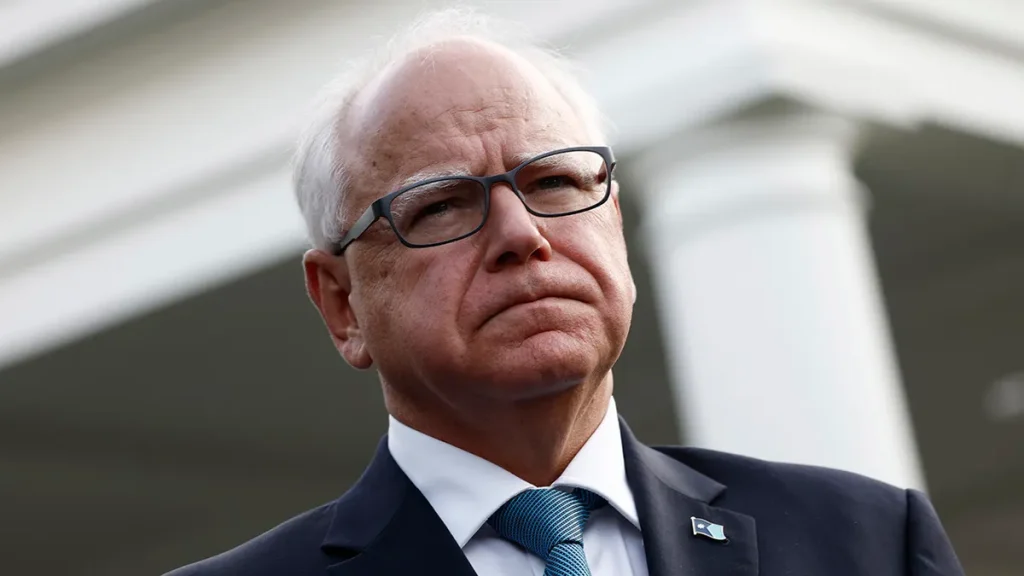
State officials say existing audits are active as national scrutiny grows over whether public childcare funds were paid to centers that appeared inactive, affecting parents and taxpayers.
Minnesota Governor Tim Walz’s office is disputing claims that public childcare funds were misallocated after an independent journalist’s video showed visits to several childcare centers that appeared inactive despite receiving large state payments.
🚨 Here is the full 42 minutes of my crew and I exposing Minnesota fraud, this might be my most important work yet. We uncovered over $110,000,000 in ONE day. Like it and share it around like wildfire! Its time to hold these corrupt politicians and fraudsters accountable
We ALL… pic.twitter.com/E3Penx2o7a
— Nick shirley (@nickshirleyy) December 26, 2025
The video was posted online on Dec. 26, 2025, and spread rapidly on social platforms, focusing attention on facilities in Minneapolis and other parts of the state that reportedly received millions in subsidy payments from the Child Care Assistance Program (CCAP).
The controversy comes amid broader federal fraud investigations tied to Minnesota’s social services spending.
The development matters because CCAP provides financial support for low-income families to access licensed childcare while working or in education, and any disruption in subsidies or provider participation can affect childcare availability.
Minnesota agencies must balance fraud prevention with maintaining access to childcare providers; licensing and registration of providers are governed by state rules that require oversight of health, safety, staffing, and compliance.
The video, published by independent journalist Nick Shirley, includes footage of visits to multiple purported childcare locations, including a site in Minneapolis whose exterior sign reportedly read “Quality Learing Center” despite receiving significant public funds for licensed childcare services.
Critics highlighted the appearance of inactivity at the site.
Walz’s spokesperson responded that the governor has taken steps to strengthen program integrity, including using outside auditors on high-risk programs and pursuing criminal prosecutions where evidence supports it.
The spokesperson also said investigations into the specific facilities raised in the video have already been underway, and at least one location has been closed as part of normal oversight processes.
Minnesota’s Child Care Assistance Program (CCAP) provides subsidies to qualifying low-income parents so they can maintain employment, training, or education while accessing licensed daycare.
Payments are administered through county agencies, and only providers holding active state licensing or approved licensed-exempt certification may register with CCAP and bill for reimbursement.
Licensed centers must meet health, safety, staffing, and facility standards under Minnesota Rules Chapter 9502, which governs inspections, child capacity limits, staff-to-child ratios, record retention, and compliance requirements.
The funding questions resurfaced after Nick Shirley’s viral video circulated online, drawing national political attention.
The FBI, led by Director Kash Patel, has publicly confirmed an expanded deployment of investigative personnel to Minnesota to support ongoing reviews of suspected fraud involving federal benefit programs.
Elected officials, including Rep. Tom Emmer and Vice President JD Vance, amplified the video online, linking it to broader public-fund oversight debates.
The episode underscores two parallel pressures: maintaining childcare access for subsidy-using families, and verifying that providers are operational and compliant before public payments are issued.
CCAP is intended to support childcare access for eligible families.
When providers are investigated or removed from the program for non-compliance, parents who rely on those providers may need to find alternate licensed care - a process managed through county agencies.
CCAP eligibility rules require continuous provider licensing and registration to maintain payment eligibility.
For licensed centers, failure to meet safety, attendance, documentation, or billing rules can lead to audits, corrective action, or payment holds.
The CCAP provider guide specifies that billing must reflect actual authorized care and that absent days are treated under specific program rules, and improperly billed days won’t be reimbursed under CCAP policy.
Minnesota’s Department of Human Services, along with county assistance offices, will maintain ongoing compliance reviews of childcare providers participating in CCAP, applying existing licensing verification, attendance auditing, and overpayment recovery procedures when required.
If a provider cannot substantiate approved capacity, staffing, or billed attendance, counties may issue repayment demands, require corrective compliance plans, or temporarily suspend subsidy reimbursement eligibility under Minnesota’s overpayment authority.
Federal investigators have confirmed only that broader public-benefit fraud inquiries involving Minnesota remain active, with no new criminal charges announced that are tied exclusively to the childcare video itself.
For families who depend on subsidies to access daycare while working or in education, the issue carries direct relevance because provider suspensions or closures during reviews can temporarily narrow the number of centers able to accept assisted-care billing, a pattern previously documented in Minnesota metro counties in 2023 county budget testimony.
This matters as a household access issue and a taxpayer stewardship question, where clarity on licensing status, attendance records, and pre-payment validation protects public funds while helping parents and compliant providers understand the regulatory duties that underpin subsidy participation.
👉 Further Reading: Somali Nationals Arrested in Minneapolis During Federal Immigration Sweep 👈