Understand Your Rights. Solve Your Legal Problems


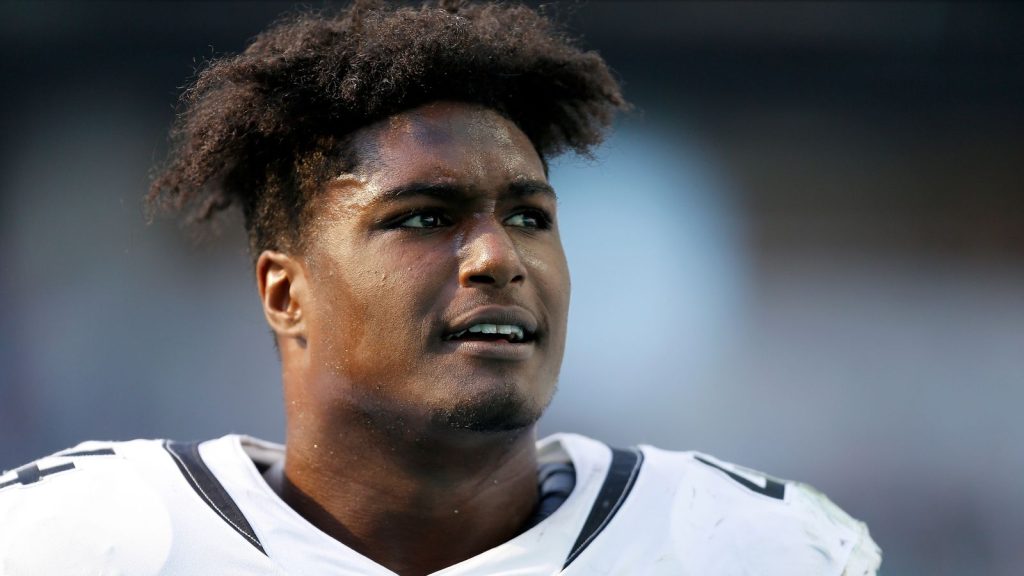
When police responded to an early-morning welfare call at a Frisco, Texas residence shortly before 6 a.m., they were not investigating a reported crime. Yet by the end of the response, former UCLA standout and NFL linebacker Myles Jack was in custody, injured, and facing a felony charge that has confused many readers: deadly conduct involving a firearm — even though no one was shot or physically harmed.
That apparent contradiction has driven much of the public reaction. How can someone be charged with a serious firearm offence when no one was injured? The answer lies in how Texas criminal law is written to address risk to public safety, not just physical harm after the fact.
Under Texas law, deadly conduct focuses on danger, not damage. Prosecutors do not need to show that anyone was hurt, targeted, or even intended to be harmed. Instead, the legal threshold is whether a firearm was allegedly discharged in a manner that created a substantial and unjustifiable risk to others.
At this stage, the charge is an allegation only, not a determination of guilt.
This is why deadly conduct charges can be filed even when no one is shot and no victim is identified.
According to police statements, officers were dispatched to the residence after receiving a welfare concern. After arriving, officers reported hearing gunshots from inside the home. Based on that perceived risk, officers established a perimeter and evacuated nearby residences as a precaution.
During the response, a second-story window was broken and Jack allegedly exited the residence, falling to the ground below. He was taken into custody several hours later and transported to hospital with non-life-threatening injuries. A subsequent search of the residence reportedly found no other occupants inside. The investigation remains ongoing.
These details matter legally because Texas firearm statutes allow law enforcement to intervene at the moment a serious public risk is perceived — not after someone is injured.
To many readers, the charge may feel counter-intuitive. No injuries were reported, and authorities have not alleged that anyone was deliberately targeted. But under Texas law, that gap between what happened and what could have happened is precisely where deadly conduct statutes operate.
In practice, courts typically look at:
Where a firearm was allegedly discharged
Who might reasonably have been nearby
Whether the conduct created immediate danger to the public or responding officers
The statute is designed to prioritise prevention over aftermath.
Legally, intent, motive, and injury are not required at the charging stage.
No.
A deadly conduct charge:
Does not establish guilt or criminal intent
Does not require proof that anyone was shot or harmed
Does not predict whether the case will go to trial
Does allow police and prosecutors to secure custody, set bail, and continue investigating
In practical terms, firearm-related charges often function like a legal pause button — allowing authorities to stabilise a potentially dangerous situation first and determine responsibility later.
With charges filed, prosecutors will review police reports, forensic evidence, and any witness statements before deciding how the case proceeds. Charges may be amended, reduced, or dismissed as the investigation develops.
Defence counsel may challenge whether the alleged conduct meets the statutory definition of deadly conduct or whether the available evidence supports the charge as filed.
Bail, which was set at $100,000, is not a judgment on guilt. It is a procedural mechanism designed to manage public safety and ensure court appearances while the case remains pending.
This stage of the case is procedural, not determinative. Filing charges does not imply guilt, predict conviction, or establish criminal liability. It simply reflects the state’s view that further legal scrutiny is warranted.
That separation between accusation and outcome is a core protection within the criminal justice system — including in high-profile cases.
For the public, the case highlights how firearm laws are enforced based on perceived risk rather than final harm. For homeowners, it shows how welfare calls can escalate rapidly when firearms are involved. And for public figures, it underscores that status does not change how public-safety statutes are applied — even if it intensifies attention.
More broadly, it reflects a recurring reality of criminal law: the system often acts early and explains itself later.
Can someone be charged with deadly conduct if no one was hurt?
Yes. Texas law focuses on whether the alleged conduct created a substantial risk to others, not whether an injury occurred.
Does this mean Myles Jack is guilty?
No. Charges are allegations only. Guilt can be determined only through a plea or trial.
Why were nearby homes evacuated?
Evacuations are a standard police response when officers believe there is an unresolved firearm-related risk.
Could the charges change or be dropped?
Yes. Prosecutors can amend, reduce, or dismiss charges as evidence is reviewed.
Is posting bail the end of the case?
No. Bail allows temporary release while the case continues through the courts.
Editorial rule of thumb: when headlines focus on the arrest, Lawyer Monthly explains how the law actually works.
👉 Related: Why the Tyler Skaggs wrongful-death case against the LA Angels settled during jury deliberations 👈