Understand Your Rights. Solve Your Legal Problems



A Delaware lawsuit and a USPTO challenge could determine whether “Twitter” can be reused, affecting users and businesses that still rely on the name.
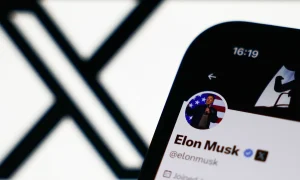
X Corp., the owner of the social media platform now known as X, has filed a lawsuit in federal court in Delaware to block a startup from reviving the Twitter name.
The action follows a move earlier this month by Operation Bluebird Inc., which asked U.S. trademark officials to cancel several Twitter-related trademarks so it could launch a new platform tied to the domain “twitter.new.”
The dispute surfaced publicly in mid-December and centers on who legally controls one of the most recognizable names in social media.
The case matters because U.S. trademark law allows brands to lose protection if they are abandoned through nonuse.
X argues the Twitter name is still active and protected, while Operation Bluebird claims the company deliberately discarded it after rebranding.
The outcome could shape how companies handle legacy brands after major rebrands and how far startups can go when attempting to reclaim well-known names.
Operation Bluebird filed its petition with the U.S. Patent and Trademark Office in early December, asking for cancellation of multiple Twitter trademark registrations.
One of the registrations cited dates back to 2012, with claimed first use of the Twitter name in commerce in 2006, reflecting the brand’s early role in social networking.
X’s lawsuit identifies the company as a Nevada corporation operating from Texas and describes Operation Bluebird as a Delaware-based entity.
X is seeking court orders that would prevent the startup from using the Twitter name or suggesting any affiliation with the existing platform.
The complaint argues that allowing another company to use “Twitter” would create confusion for users and advertisers who still associate the name with X’s service.
👉 EU Reviews Possible Digital Services Act Breach by X Under Elon Musk’s Ownership 👈
X says the Twitter name remains in active commercial use, citing continued access through twitter.com and the fact that users, media, and businesses still refer to the platform as Twitter.
The company argues these factors show the trademark was never abandoned, even after the shift to the X brand.
Operation Bluebird disagrees, pointing to X’s public statements about ending the Twitter brand and its investment in a full rebrand.
The startup says its trademark challenge follows established legal standards and highlights a broader issue in trademark law: how much ongoing use is required to preserve rights in a brand that is no longer actively promoted.
For users, nothing changes in the short term. X continues to operate as usual.
However, the case could determine whether another platform is allowed to use the Twitter name, raising the risk of confusion if multiple services appear linked.
For advertisers and businesses, the dispute underscores how rebranding can complicate trademark protection, especially when legacy domains and brand recognition remain in use.
Under U.S. trademark law, a mark may be considered abandoned if its use stops and the owner shows no intent to resume it.
Federal law also provides that three consecutive years of nonuse can be treated as evidence of abandonment, although that presumption can be rebutted.
Crucially, “use in commerce” must be genuine, routine business use, not activity undertaken solely to preserve legal rights—an issue at the center of the dispute between X and Operation Bluebird.
The case is moving forward on parallel legal paths.
Trademark cancellation petitions are handled administratively by the U.S. Patent and Trademark Office through the Trademark Trial and Appeal Board, while claims of infringement are heard in federal court.
Both the USPTO filings and the Delaware court docket are part of the public record, allowing interested parties to monitor motions, responses, and rulings as the dispute develops.
Operation Bluebird’s trademark cancellation request will continue through the U.S. trademark office’s administrative process, which includes formal responses and evidence submissions.
At the same time, X’s lawsuit in federal court will move forward through standard litigation steps such as pleadings and motions.
No trial dates or final decisions have been set, and any outcome is likely to come only after extended legal review in one or both forums.
Beyond the procedural timeline, the dispute raises broader questions about the durability of well-known digital brands after a rebrand.
It affects users who still associate the platform with the Twitter name and businesses that depend on brand recognition.
The case could help clarify how much ongoing use is required to preserve trademark rights in legacy names, particularly in the online economy where old and new identities often coexist.
👉 You Might Also Like:
$1 Trillion for One Man: The Legal Reckoning That Could Overturn Elon Musk’s Giant Tesla Payday 👈