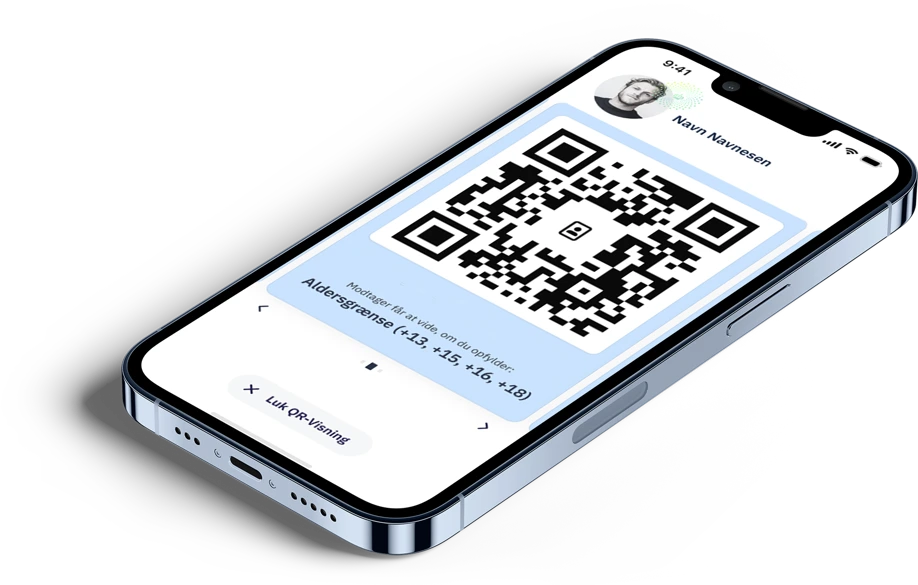
Denmark Launches AltID App as Digital Identity and Age Wallet
Denmark’s rollout of AltID affects residents, businesses, and public services by changing how identity and age verification are handled digitally.
Denmark plans to introduce a new government-backed mobile application, AltID, in spring 2026, allowing residents to store and use digital proof of identity and age on their smartphones.
Developed by the Danish Agency for Digital Government, the app is intended to complement physical identification documents and will be voluntary to use.
At launch, AltID will allow users to confirm their identity or verify that they meet age requirements without presenting a physical ID card.
The timing is significant because AltID represents Denmark’s first concrete step toward complying with an EU regulation requiring all member states to offer a digital identity wallet.
As online services, retail transactions, and public administration increasingly rely on digital verification, governments face growing pressure to balance convenience with data protection.
AltID is designed to address that challenge by limiting the personal information shared during everyday interactions, making its introduction relevant for privacy policy, consumer protection, and cross-border digital access within the European Union.
What AltID Will Offer at Launch
At introduction, AltID will contain two credentials: a digital ID and a digital proof of age.
The age function allows users to confirm they are above a specific legal threshold without revealing their exact date of birth or personal identification number.
This selective disclosure model reflects a shift toward minimizing data sharing in routine transactions such as retail purchases or entry to age-restricted venues.
How AltID Connects to EU Digital Identity Rules
AltID is Denmark’s national implementation of the EU’s updated electronic identification framework, commonly referred to as eIDAS 2.0.
The regulation requires all EU member states to provide citizens with a digital identity wallet that can be used for both public and private services.
Over time, these wallets are expected to become interoperable across borders, enabling residents to use approved digital credentials in other EU countries.
Privacy, Data Protection, and Implications for Services
AltID has been designed with a privacy-first technical architecture that limits the collection and visibility of personal data.
Danish digital authorities have stated that identity credentials stored in the app will remain locally on a user’s device rather than in a centralized government database.
As a result, issuers and service providers cannot see when or where a credential is used, reducing the risk of tracking or secondary data use.
This approach is consistent with European data-protection principles and reflects wider public concern about digital surveillance and the aggregation of personal information.
Beyond privacy safeguards, AltID is expected to influence how both public services and private organizations verify identity.
Retailers, logistics providers, and online platforms may be permitted to accept AltID credentials for age or identity checks once regulatory conditions are met.
Public authorities could also add additional digital documents over time, potentially simplifying administrative processes and creating more consistent verification standards across sectors.
What AltID Means for Everyday Users
AltID represents a practical shift in how people in Denmark may prove who they are or confirm their age in daily situations, without handing over more personal data than necessary.
For residents, it offers an alternative to physical ID cards that can be used selectively, while businesses and public authorities gain a more standardized way to verify identity.
The system is built to meet EU legal requirements and reflects a wider move across Europe toward digital services that place limits on data sharing.
As AltID develops further, how widely it is adopted and whether it works smoothly across borders will help determine its real impact on everyday transactions across the EU.
👉 Denmark Advances Plans for the iPort Zealand Intermodal Freight Hub in Ringsted 👈