Florida teens charged in killing of 14-year-old Danika Troy
The Pace, Florida case involves two teenagers charged with killing 14-year-old student Danika Troy, renewing concerns about youth violence, firearms and online conflicts among minors.
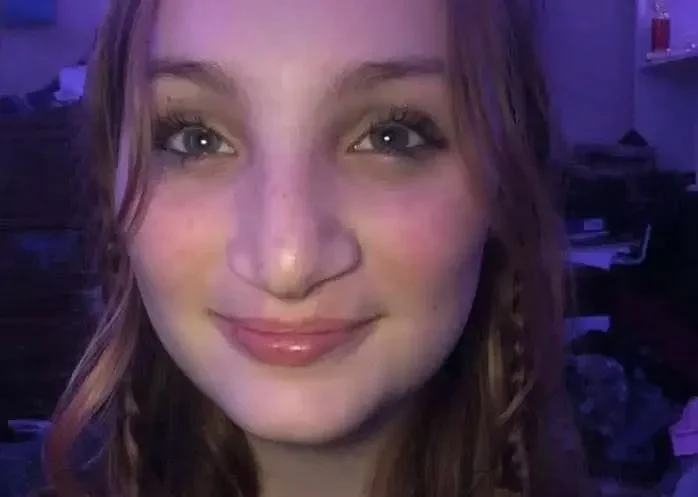
Authorities in Santa Rosa County, Florida, say two teenagers have been charged with first-degree premeditated murder after 14-year-old Danika Jade Troy was found shot and burned off a walking path near Kimberly Road in the Floridatown area of Pace.
Her mother reported her missing on Dec. 1, 2025, after noticing her electric scooter was gone, and a passerby discovered her body the following day in a wooded area along the trail.
Deputies say the suspects, 16-year-old Gabriel Coleman Williams and 14-year-old Kimahri Blevins, are classmates who allegedly lured Troy into the woods before she was shot multiple times and her body set on fire.
Investigators say the killing followed a falling-out linked to social media interactions over the Thanksgiving school break, but the sheriff has stressed that the explanations the teens gave do not match forensic findings and that a clear motive has not been confirmed.
The case matters because it involves juveniles on both sides of a homicide, a firearm believed to have been stolen from a home, and questions about how digital disputes can escalate into real-world violence.
Florida law allows children 14 and older accused of serious felonies to be transferred to adult court, and prosecutors in the First Judicial Circuit say they plan to present the case to a grand jury to determine whether the teens will face adult charges.
Timeline of the killing and early investigation
According to the Santa Rosa County Sheriff’s Office and local court documents, Troy was last seen on the evening of Nov. 30 riding her electric scooter near her home in Pace.
Her mother reported her missing on Dec. 1 when she did not return, and deputies initially listed her as a missing or runaway juvenile.
On Dec. 2, a man walking along a wooded path near Kimberly Road spotted what appeared to be burned remains and notified authorities.
Deputies later identified the body as Troy using her shoes and the nearby scooter, which matched the description her mother had provided. The medical examiner determined that Troy had been shot multiple times before her body was set on fire.
An arrest report cited by local television station WALA states that a witness told investigators the two boys had planned the attack and that Williams said Troy had made comments that upset him.
Blevins reportedly told detectives that they initially intended to shoot her once, but Williams kept firing, after which the pair burned her body and left the scene.
Within roughly 24 hours of the body’s discovery, deputies arrested Williams and Blevins on charges of first-degree premeditated murder. Both are held without bond at a juvenile facility overseen by the Florida Department of Juvenile Justice while the state attorney reviews evidence and prepares the grand jury presentation.
How authorities and the community have responded
Santa Rosa County Sheriff Bob Johnson described the crime as “horrific” at a press briefing, noting that Troy was only 14 and that both suspects are also teenagers.
He said investigators believe Troy was lured to the wooded path by boys she knew from school, including a 16-year-old who, according to Troy’s mother, had pretended to have romantic feelings for her over several months.
Johnson has also said that the firearm used in the killing is believed to have been taken from Williams’ home without permission, and that the boys’ explanations for why they acted do not line up with physical and forensic evidence.
In addition, he has publicly expressed a desire to see the teens tried as adults, a decision that will ultimately be made by prosecutors and a grand jury under Florida’s juvenile transfer laws.
The Santa Rosa County District Schools system issued a statement calling Troy’s death “a tragic loss of one of our students” and confirming that the two suspects are also students in the district.
The district said it is cooperating with law enforcement and has expanded counseling and support services for students and staff at the affected school following the killing.
Community members gathered outside Avalon Baptist Church in nearby Milton for a candlelight vigil one week after Troy was reported missing.
Local coverage shows friends, church leaders and residents lighting candles, praying and sharing memories of Troy, while the church and other local groups have promoted GoFundMe and church-based donation drives to help the family with funeral costs.
What the killing highlights for families and young people
Investigators have said that a social-media conflict preceded the killing, including reports that Troy blocked one of the boys and that the teens exchanged insulting comments online during Thanksgiving break.
At the same time, officials have emphasized that they do not yet have a confirmed motive and that the explanations offered so far do not match physical evidence from the scene.
For families, the case underscores how quickly disputes among teenagers can move from phones to in-person meetings, especially when young people arrange to meet peers without telling adults.
Troy’s mother has told multiple outlets that her daughter believed she was meeting a classmate she had feelings for, highlighting the vulnerability of teens to manipulation framed as romance or acceptance.
The case also raises questions about access to firearms in homes with children. Sheriff Johnson has said the handgun believed to have been used was stolen from a parent, and another report notes that Williams’ guardian was arrested on separate drug charges the same day as the killing, prompting further scrutiny of supervision and household conditions.
Similar youth cases in Florida have led schools and local agencies to increase digital-safety programming, encourage reporting of threats and emphasize safe storage of firearms, echoing guidance from national organizations that stress locked storage and restricted access when minors are present.
Youth violence data and juvenile-justice context
While overall youth arrests for violent crimes have declined sharply over the past two decades, recent data show an uptick in the most serious offenses.
A brief for policymakers from the Council of State Governments and the Council on Criminal Justice reports that more than 1,200 young people were arrested for homicide in 2022, a 54% increase from 2019, even as other youth violent-crime arrests hit historic lows.
The U.S. Office of Juvenile Justice and Delinquency Prevention (OJJDP) has documented that firearms are involved in roughly two-thirds of youth homicides, and that the number of youth homicide victims rose about 30% from 2019 to 2020, the largest single-year increase in four decades.
Florida’s juvenile law, codified in Chapter 985 of the Florida Statutes, allows prosecutors to seek transfer of minors 14 and older to adult court for serious felonies through a combination of judicial waiver, direct file, or grand jury indictment.
OJJDP’s summary of Florida’s transfer laws notes that, for certain offenses and prior histories, the state attorney must either request transfer or explain in writing why transfer is not being sought.
Where families can find support and information
In Florida, crime victims and their families can seek assistance through the Florida Attorney General’s Bureau of Victim Compensation, which provides information on counseling, funeral-cost support and other services for those affected by violent crime.
Santa Rosa County residents can also request case-status updates through the sheriff’s office, though details are limited when suspects are minors.
The Santa Rosa County District Schools system has said additional counseling is available at the school Troy attended, including on-campus mental-health support following the killing.
Local churches such as Avalon Baptist and community organizations have also organized prayer services and fundraisers, including online donation pages, to help cover funeral expenses and related costs.
Parents concerned about online conflict or threats involving their children can generally report issues to school administrators, local law enforcement and, when relevant, the platforms where the communication occurred, many of which provide tools to flag harmful behavior and support investigations.
Next steps in the legal process
Prosecutors in Florida’s First Judicial Circuit have indicated that they will present evidence to a grand jury to decide whether Williams and Blevins should be indicted as adults on first-degree murder charges.
Grand jury proceedings are typically closed to the public, but any resulting indictment would appear in publicly accessible court records.
In the meantime, juvenile detention hearings will continue at regular intervals, as required under Florida’s juvenile statutes, which limit how long children can be held without court review.
Additional forensic testing, including full autopsy findings, ballistics analysis and digital evidence review — is ongoing and may shape charging decisions and any later plea negotiations.
Victim notification provisions in Florida law, often referred to as Marsy’s Law protections, give Troy’s family the right to be notified of major developments in the case, attend certain proceedings, and provide impact statements if the case results in a conviction or plea.
Why this story matters
The killing of 14-year-old Danika Troy in a wooded area near her home involves two classmates who are themselves children, highlighting difficult questions about youth safety, firearms and digital conflict.
Families in Pace and across Florida are watching how investigators, schools and courts handle a case that sits at the intersection of online behavior and offline violence.
The legal process, including potential transfer of the teens to adult court will help define accountability, while the broader community debate focuses on prevention, safe gun storage and early intervention in youth disputes.
Going forward, observers will be looking at how this case shapes local policies on school safety, social-media education and support for families affected by serious crime.