Understand Your Rights. Solve Your Legal Problems


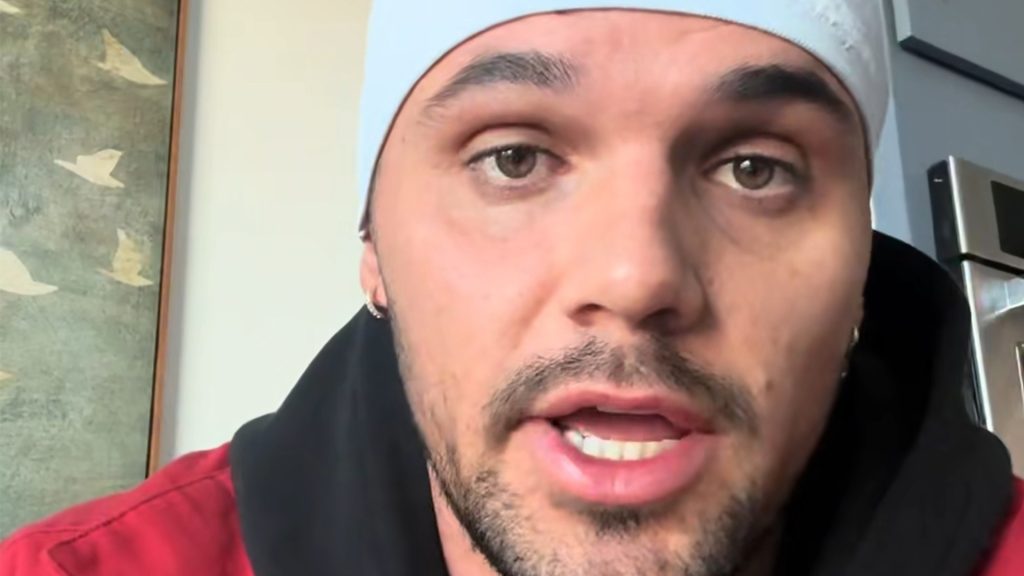
Secret Lives of Mormon Wives star Chase McWhorter has confirmed he was arrested on 4 July in Utah for DUI and alleged drug possession. His new TikTok apology lays out what happened that night and underscores the serious charges and court process now ahead of him.
Chase McWhorter, the 30-year-old reality figure from The Secret Lives of Mormon Wives, has finally addressed the question driving national searches: what happened during his DUI and alleged drug-use arrest, and what does it mean for him now?
In a 4 December TikTok statement, McWhorter confirmed that reports about his 4 July traffic stop in Utah are accurate, admitting he drove after ingesting substances he “shouldn’t have” and describing the decision as “selfish” and “dangerous.”
Police documents referenced in U.S. reporting detail that the stop occurred after officers observed erratic lane movement and later claimed to find suspected narcotics inside the vehicle. Additional filings indicate he was charged with DUI, possession of a controlled substance and driving on a suspended licence. A missed September court appearance briefly triggered an arrest warrant before his attorney entered a not guilty plea and resolved the issue.
For a public personality already navigating post-divorce scrutiny, shifting co-parenting dynamics and reality-TV attention, the arrest now carries real legal consequences. His apology—raw, direct and at times emotional—has reignited interest in how this case will move through Utah’s criminal system and what it could mean for his future.
Police reports say McWhorter was pulled over on 4 July after officers received information about a white Tesla swerving in its lane. Officers stated that he showed signs of impairment and later claimed they found a substance that tested positive for controlled drugs. Toxicology testing referenced in public filings reportedly showed the presence of multiple substances.
According to court records reported by U.S. outlets, McWhorter was charged with DUI, possession or use of a controlled substance and driving on a suspended or revoked licence. A warrant was issued in September after he allegedly failed to appear for an initial hearing, but it was recalled once counsel filed a not guilty plea on his behalf.
In his TikTok video, McWhorter did not contest the underlying events. Instead, he expressed regret, apologised to his ex-wife Miranda—whom he notified the following day—and acknowledged the personal and legal fallout that continues to unfold.
@dchasemac
McWhorter’s case involves three separate criminal offences:
• Driving under the influence (DUI): Prosecutors must show the defendant operated a vehicle while impaired or over a statutory limit. Courts typically examine officer observations, sobriety testing, toxicology results and video evidence.
• Possession of a controlled substance: The issue is whether a person knowingly possessed or used an unlawful substance. Evidence usually includes where the material was found, lab confirmation and whether the search complied with constitutional requirements.
• Driving on a suspended licence: This focuses on whether the licence was valid and whether the driver knew of the suspension.
Cases like this move through arraignment, discovery, pre-trial negotiations and—if necessary—trial. Potential penalties range from fines, education or treatment programmes and probation to licence restrictions and, in some instances, short custodial terms.
Jail is legally possible for DUI, drug-possession and licence-related charges. Whether custody is imposed depends on statutory ranges, prior record and judicial discretion.
Public court filings indicate three charges: DUI, possession or use of a controlled substance and driving on a suspended licence. Each carries its own elements and potential penalties.
Reports say his attorney has filed a not guilty plea, a standard early procedural step that preserves all legal defences while evidence is reviewed.
He admitted driving after ingesting substances, called the act “dangerous,” apologised to his ex-wife and followers and acknowledged the consequences he is now facing.
Because McWhorter’s personal life and public persona are tied to family dynamics, faith and high-profile relationship breakdowns, the arrest has broader resonance—illustrating how quickly a real-world criminal case can reshape a public figure’s trajectory.
This case mirrors a common reality: even a short drive while impaired can set off parallel criminal proceedings, insurance consequences, licence suspensions and long-term record considerations. DUI laws are designed to intervene before harm occurs. A driver does not need to cause an accident to face serious charges.
Drug-possession allegations often arise from what officers say they observe or find during a traffic stop. Even minimal quantities can carry criminal exposure, especially when paired with impairment-related accusations.
For parents, a single incident can later appear in family-law disputes or professional licensing reviews. The broader message is that the legal system treats these charges the same way, regardless of a person’s public profile.
A negotiated resolution involving probation, fines, mandatory education or treatment and a defined licence restriction period, with no active jail term.
If the case went to trial and resulted in convictions across multiple counts, the court could impose a combination of jail time, longer licence suspension, higher fines and monitoring conditions.
Many first-time cases resolve through plea agreements outlining treatment, supervision and fines, avoiding a full trial. Specific outcomes depend on statutory rules and the evidence exchanged between both sides.
Does a public apology matter legally?
Not directly. Courts rely on admissible evidence and statutory criteria, though counsel may reference remorse during sentencing discussions.
Can this affect his work or sponsorships?
Potentially. Criminal cases can influence brand partnerships and employment decisions, even when penalties are relatively limited.
Is missing a court date a separate issue?
It can be. Missed hearings often trigger warrants until the defendant or counsel resolves the non-appearance with the court.
Are DUI laws the same everywhere?
No. Definitions, penalties and diversion options vary by state, meaning similar conduct can produce different legal outcomes depending on jurisdiction.
Chase McWhorter’s confirmation of his 4 July arrest anchors the case firmly within Utah’s criminal process: DUI, possession and licence-status charges, followed by a not guilty plea and ongoing court supervision. His public apology signals personal accountability, but it does not affect the legal pathway ahead.
The coming months will centre on court dates, negotiations and statutory requirements—an unmistakable reminder of how swiftly an impaired-driving incident becomes a full legal crisis with enduring personal repercussions.
👉 Related: Zachery Ty Bryan’s Fiancée Hit with No Contact Order After Dramatic DUI and Endangerment Arrest 👈