Understand Your Rights. Solve Your Legal Problems


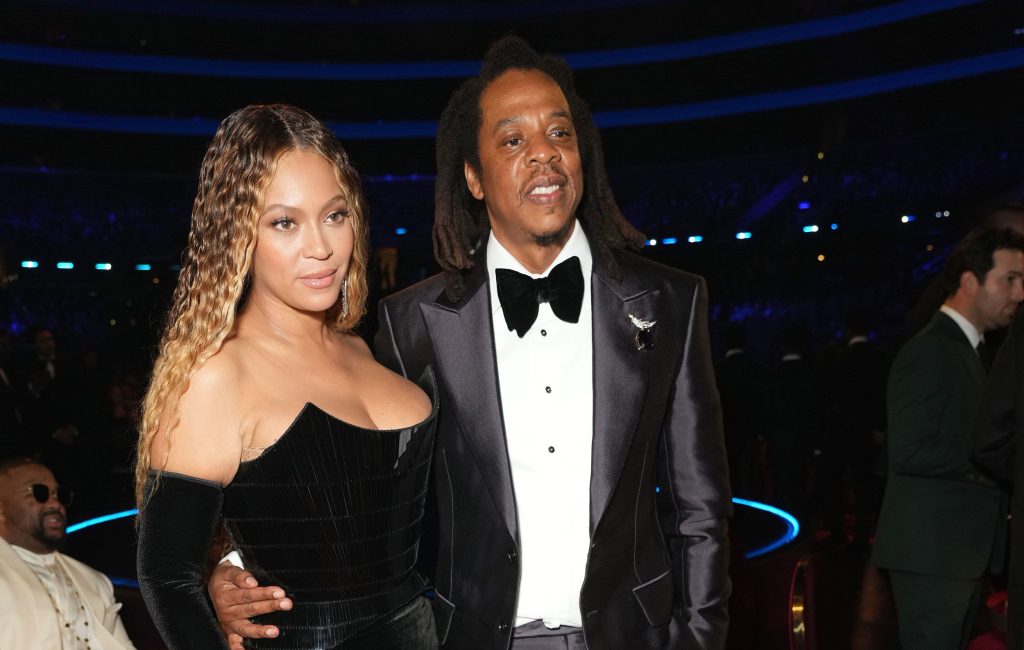
A new 2025 interview with designer Oscar G. Lopez claims Jay-Z’s compliment about Rachel Roy’s Met Gala dress helped spark Solange Knowles’ infamous 2014 elevator outburst. The confrontation, caught on hotel security footage, never led to criminal charges but remains one of the most dissected celebrity conflicts of the decade. Here’s the legal meaning behind the resurfaced claim.
On the night of the 2014 Met Gala, a silent elevator at The Standard, High Line in Manhattan captured one of the most viral celebrity moments of the modern era.
As the doors slid shut, Solange Knowles stepped toward her brother-in-law Jay-Z, kicking and swinging as a bodyguard intervened and Beyoncé watched from inches away. The leaked footage — grainy, wordless and instantly iconic — exploded across global media and raised a simple but urgent question: what actually caused the fight, and did the law ever have a role to play?
That question has resurfaced in December 2025 after fashion designer Oscar G. Lopez, who created Rachel Roy’s black lace Met Gala gown, publicly claimed that Jay-Z complimented Roy’s dress earlier in the evening and that Solange viewed the exchange as improper. His account reignites long-running speculation around the emotional context of the confrontation while reviving public interest in why the high-profile altercation never evolved into a criminal case.
Despite the intensity of the footage, no police report was filed, no injuries were documented and no civil complaint ever emerged. For the family, the moment was a private matter resolved internally; for the public, it became a symbol of fame colliding with surveillance culture; and for the law, it remained a closed non-case.
:max_bytes(150000):strip_icc():focal(999x0:1001x2)/beyonce-solange-6-0556f683d54f48709d1c63b76623f2f3.jpg)
A new detail has emerged offering fresh insight into what sparked Jay-Z and Solange Knowles’ now-infamous elevator confrontation.
The incident occurred shortly after the Met Gala afterparty in May 2014. Jay-Z, Beyoncé and Solange entered the hotel elevator alongside a bodyguard. Moments later, Solange advanced toward Jay-Z, appearing to strike him while the bodyguard pressed the emergency stop and attempted to restrain her. The footage leaked days later, reportedly recorded off a monitor by an employee who was subsequently dismissed.
A joint family statement issued soon afterward said the parties had apologised to one another and “moved forward as a united family.” There were no public complaints, no reports of injury and no indication that anyone sought legal intervention. The moment nevertheless dominated cultural conversation, amplified by later artistic references: Beyoncé’s “Flawless” remix nodding to elevator drama and Jay-Z’s admissions of marital infidelity in later music.
Designer Oscar G. Lopez’s 2025 claim — that Jay-Z complimented Rachel Roy’s dress and Solange perceived it as inappropriate — adds context to the emotional backdrop but does not alter the legal history. The fight never entered a courtroom, and the resurfaced explanation does not create new legal exposure.

Fashion designer Oscar G. Lopez, who created Rachel Roy’s 2014 Met Gala gown, has said that Jay-Z complimented Roy’s dress that night — a moment he believes contributed to tension with Solange Knowles.
The central legal question is when a physical altercation becomes a prosecutable assault. In most U.S. jurisdictions, prosecutors typically need:
conduct that meets the statutory definition of an assault or harassment
evidence of injury or risk
a complainant or cooperative witnesses
In this case, none of the participants filed a police report. With no identified injuries, no statements and no complainant, the incident did not meet the threshold for law enforcement involvement. Viral footage alone is rarely enough to prompt prosecutors to launch an unsolicited case, especially where the individuals involved prefer private resolution.
Had a report been made, authorities would have assessed video evidence, witness accounts and any medical information to determine whether the conduct met legal standards for intent, harm or threat. Outcomes in such cases range from diversion programmes to fines or, in more serious matters, probation or short custodial sentences. None of those processes were triggered here.
No. The altercation is more than a decade old, and any statute of limitations for minor assault or harassment has long expired. The 2025 claim does not change that.
Unlikely. Police rarely act on video alone without cooperation from the people involved and without clear evidence of significant harm.
Yes. The footage belonged to the hotel, and the unauthorised leak raised serious privacy concerns. The employee responsible was reportedly terminated, but no public civil or criminal case followed.
No. His account offers potential emotional context, not new evidence of criminal conduct. The absence of a complaint remains decisive.
Because Lopez’s explanation touches on long-running rumours about the relationships and dynamics surrounding that night, renewing public curiosity about an incident the legal system never pursued.
The episode highlights a crucial point in assault law: police involvement is not automatic. Physical contact does not always equal a criminal case. Prosecutors generally need a victim willing to cooperate, evidence of harm and a clear legal basis to proceed.
It also shows how surveillance footage can reshape a narrative instantly. A private disagreement that once would have faded quietly became a cultural landmark when the video leaked — despite the absence of legal consequences.
Most importantly, it demonstrates how family-related disputes often resolve outside formal systems. Prosecutors prioritise cases involving significant injury, ongoing danger or vulnerable victims, not one-off altercations among adults who decline to press charges.
No complaint, no law-enforcement involvement and a private reconciliation, supported by a joint family statement. The matter stayed personal, not legal.
If someone alleged injury or fear and cooperated with police, authorities could investigate, gather statements and potentially bring assault or harassment charges, resulting in court dates, protective orders or fines.
Most low-level disputes between family members or acquaintances end privately when no one files a report. Without cooperation, prosecutors typically decline to proceed.
Was Jay-Z required to press charges?
No. In low-level assault cases, the person involved can choose not to make a statement. Without a cooperative complainant, cases rarely move forward.
Could Beyoncé or hotel staff have triggered a case instead?
They could have reported the incident, but there is no record that they did. Hotels often address leaks internally without involving law enforcement.
Does the 2025 explanation prove motive?
No. It reflects Lopez’s perspective on the events surrounding the evening, not a legal finding. The family’s own statement emphasised reconciliation.
Is this connected to other legal matters involving the family?
No. The elevator incident stands alone and has no formal legal connection to later artistic or personal disclosures.
The 2025 claim sheds new light on interpersonal dynamics but does not reopen a legal matter that never became a case. The 2014 elevator fight remains a cultural moment defined by viral footage and family tension rather than criminal process. Its enduring relevance lies in what it reveals about privacy, surveillance and the limits of the justice system — not in unresolved legal questions.
For readers navigating California’s family-violence statutes, this guide breaks down the key definitions and protections.
👉 What Is Domestic Violence in California? The 2025 Guide to Understanding the Law, Your Rights, and the Real Consequences 👈