Understand Your Rights. Solve Your Legal Problems


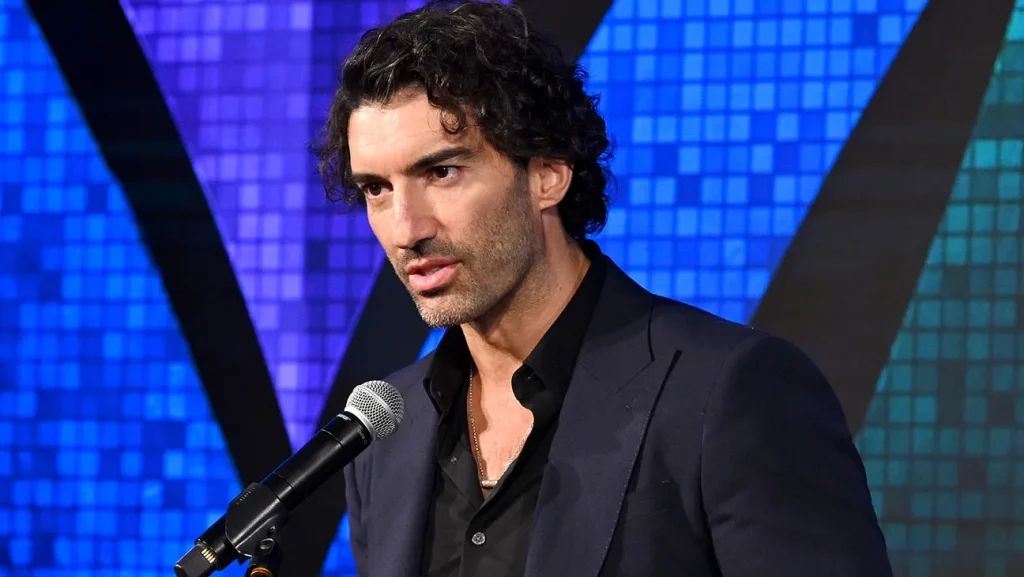
A deposition remark by Justin Baldoni has intensified scrutiny of an ongoing workplace-conduct lawsuit involving Blake Lively, affecting industry discussions on set safety and accountability.
Court records released this week detail comments actor-director Justin Baldoni, 41, made about actor Blake Lively, 38, during a 2025 deposition connected to her civil lawsuit alleging harassment and retaliation during the production of It Ends With Us.
The filing describes Baldoni characterizing Lively’s actions as a strategic effort to frame workplace concerns, referring to what he called a “Taylor Swift playbook.” The remark appeared in text messages introduced as part of the discovery process and is now part of the broader evidentiary record.
The disclosure matters because it highlights how off-camera interactions are increasingly evaluated through legal frameworks governing workplace safety in the entertainment sector.
Lively’s claims fall under state and federal anti-harassment standards, and the litigation raises questions about oversight obligations, boundary protocols and the role of personal communications in assessing disputed conduct on film sets.
The case is scheduled for trial in 2026, making the comment relevant to how courts will interpret the dynamics between the two performers.
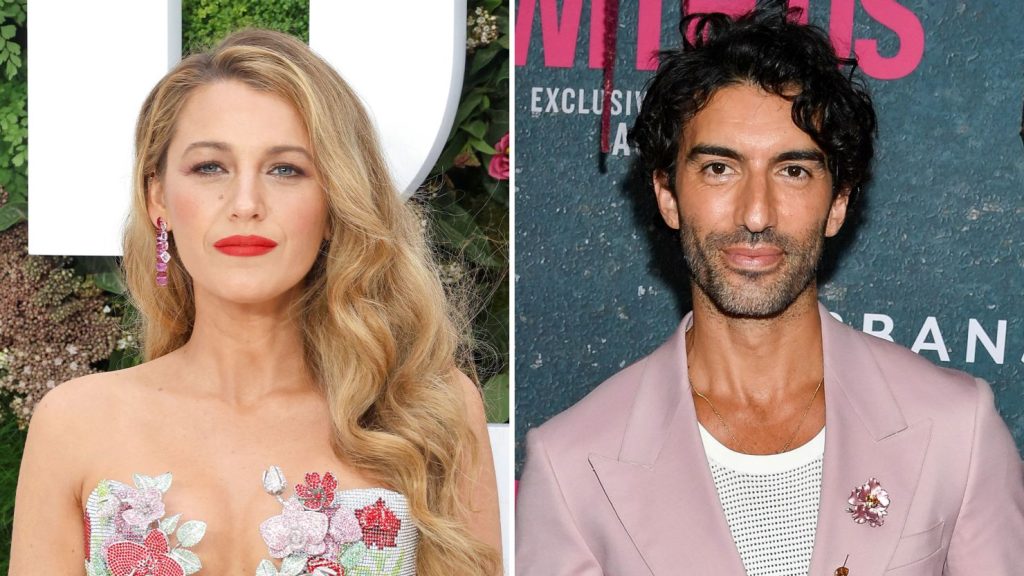
Justin Baldoni criticized Blake Lively’s conduct on the set of It Ends With Us, alleging she portrayed herself as a victim during production.
The comment emerged from text messages Baldoni sent after a January 2024 production meeting where Lively outlined conditions she said were necessary to ensure a safe working environment.
His deposition confirms he perceived her concerns as part of a broader reputational risk for him and the film. Attorneys for both sides introduced the messages to clarify his state of mind during the escalation of the dispute.
Under U.S. civil-procedure rules, written communications relevant to motive or workplace perception can be admitted to help courts assess whether conduct met legal thresholds for harassment or retaliation.
The remark is relevant because it illustrates Baldoni’s understanding of the conflict, which may influence how a jury interprets intent and workplace context.
Lively filed a complaint in late 2024 alleging that comments and interactions during filming created an unsafe environment and that raising concerns led to retaliation and negative characterizations of her role on set.
She later filed a civil action seeking financial damages for harassment-related violations, emotional distress and lost earnings. Baldoni denied the allegations and previously filed his own claims, though those counterclaims were later dismissed by the court.
Entertainment-industry employment disputes often involve overlapping legal questions, including whether reported conduct constituted protected activity, whether subsequent actions could be considered retaliatory and whether safety protocols were followed.
California and New York, where aspects of the production took place, have strengthened employee protections in recent years, making compliance a central issue in litigation involving creative workplaces.
The lawsuit grew from on-set disagreements into a multifaceted legal case testing evolving workplace-conduct standards.
Filings show Baldoni described Lively as having significant influence due to longstanding professional and personal relationships, including with figures such as Taylor Swift. His attorneys argued the remark reflected his perception of potential reputational harm, while Lively’s team says it demonstrates a pattern of minimizing her workplace concerns by framing them as strategic rather than substantive.
Courts regularly assess whether comments about a complainant’s industry standing or public visibility are relevant to claims of retaliation or credibility attacks. In this case, such references may help the judge determine whether characterizations made about Lively formed part of a defensive posture or an attempt to undermine her workplace assertions.
Mentions of high-profile relationships are legally significant because they relate to influence, motive and perceived leverage.

He called it the “Taylor Swift playbook.”
According to the filings, Lively requested updated safety measures aligned with prevailing entertainment-industry guidelines: regular presence of an intimacy coordinator, closed sets for sensitive scenes, clear boundaries regarding physical contact outside of filming and the prohibition of unscripted intimate improvisation. These practices are widely adopted following industry reforms introduced in the late 2010s.
Such protocols intersect with state workplace-safety requirements designed to prevent harassment and ensure informed consent during performance staging. Whether the production fulfilled those requirements, and whether concerns raised were met with appropriate responses, will be key elements for the court to consider.
The case hinges in part on whether modern intimacy-coordination standards were followed and whether responses to concerns met legal obligations.
As of December 2025, Baldoni’s countersuit has been dismissed, leaving Lively’s claims as the central matter moving toward trial. Baldoni has sought dismissal of the remaining allegations, arguing the conduct described does not meet legal thresholds for harassment, retaliation or damages. Lively’s attorneys argue the case should proceed to a jury because the record includes evidence of boundary disputes, contested communications and alleged reputational harm.
The court will need to determine whether the allegations, supported by documents and testimony, present factual questions appropriate for a jury under employment and civil-rights law. The trial schedule indicates the dispute remains active, with further hearings expected in early 2026.
The primary unresolved question is whether the court will allow a jury to weigh the competing accounts of on-set conduct and workplace response.
What prompted public attention to the remark?
The comment was disclosed through deposition materials included in a publicly filed motion in the ongoing civil case.
Is the lawsuit resolved?
No. Counterclaims have been dismissed, but Lively’s allegations remain active and are expected to proceed unless the court grants dismissal.
Does the remark affect the film’s release?
The film was released in 2024; current litigation affects workplace-conduct assessments, not distribution.
Is Taylor Swift involved in the case?
She is not a party. Her name appears only in relation to messages and references describing perceived industry influence.
The dispute involving Justin Baldoni’s “Taylor Swift playbook” remark underscores broader questions about accountability, workplace safety and the use of personal communications as evidence in entertainment-industry litigation.
The core issue is whether the production met legal obligations to prevent harassment and respond appropriately when concerns were raised.
As the case proceeds, it may influence how studios implement safety standards and manage disputes involving high-profile performers. The outcome will shape ongoing discussions about professional protections across film sets, where issues of power, perception and protocol increasingly intersect.