Understand Your Rights. Solve Your Legal Problems


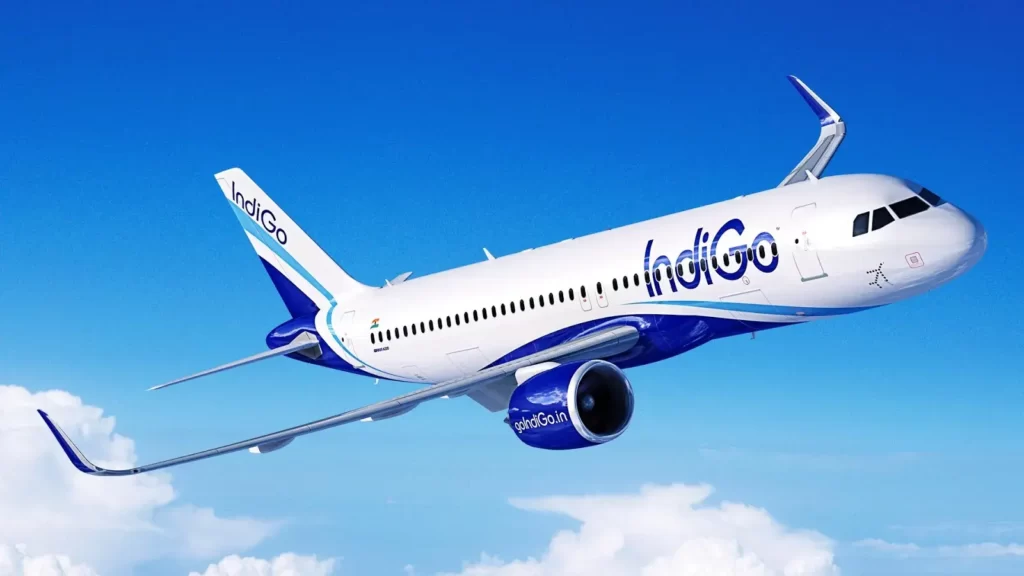
The disruption has affected thousands of domestic and international passengers relying on India’s largest airline for winter-season travel.
IndiGo has reduced a portion of its domestic schedule after two days of widespread delays and cancellations across major Indian airports.
The airline, which carries more passengers than any other carrier in India, confirmed that a mix of operational constraints and regulatory changes slowed its network at the beginning of the country’s peak winter travel period.
Passengers at major hubs including Delhi, Bengaluru, Mumbai and Hyderabad experienced long queues, missed connections and extended wait times as flight departures fell behind schedule.
The airline moved to pare back operations temporarily as part of a controlled effort to restore punctuality, a technique commonly used by large carriers when network pressure builds faster than available resources.
The episode underscores the sensitivity of India’s rapidly expanding aviation market to weather variations, technology issues and airport congestion, all of which place additional strain on airlines operating high-frequency schedules.
IndiGo said multiple operational factors converged at the same time, including isolated technology issues, evolving winter schedules and poor weather in parts of northern and central India.
These pressures were compounded by the rollout of updated Flight Duty Time Limitations, a national requirement dictating crew rest and working hours.
Airlines globally tend to experience short-term adjustments when crew rostering rules change, particularly during seasonal peaks when buffer capacity is limited.
India’s aviation system has also faced infrastructure strain throughout 2024 and 2025, with several metro airports operating above their designed passenger throughput.
In these conditions, delays at one airport can cascade quickly across an airline’s domestic network.
The carrier introduced temporary schedule cuts for at least 48 hours to reduce pressure and allow aircraft and crews to return to their planned rotation.
Similar measures were used by global carriers during periods of post-pandemic congestion, when airlines slowed their schedules to restore punctuality and manage passenger loads more effectively.
On Wednesday, more than 100 IndiGo flights were cancelled, with Bengaluru seeing the highest volume.
Delhi, Mumbai and Hyderabad also recorded significant reductions, reflecting their role as key points in IndiGo’s hub-and-spoke network.
Passenger support teams were deployed at major airports to help travellers with refunds or alternative bookings, in line with India’s Directorate General of Civil Aviation (DGCA) customer-service obligations.
India remains one of the fastest-growing air travel markets globally, but the pace of growth has outstripped improvements in airport capacity, air traffic management and ground infrastructure.
Several airports are undergoing expansion projects, and the DGCA has introduced new rostering and safety rules over the past year to match rising traffic.
IndiGo, which operates more than 2,300 flights a day, is heavily exposed to these structural challenges. Its expansion into international markets, including new routes to the Middle East and Southeast Asia, has increased its reliance on tightly timed aircraft rotations.
With a fleet now exceeding 400 aircraft, small delays have a greater likelihood of creating system-wide bottlenecks.
The airline said it expects operations to gradually stabilise as the trimmed schedule allows for better recovery times.
Passengers travelling during the winter season, typically one of India’s most congested travel periods may still encounter delays as airports manage dense schedules, fog-related slowdowns in the north, and holiday traffic.
Consumer advocates often recommend that passengers check flight status frequently, allow additional time for connections, and use airline apps for rebooking options.
Under Indian aviation rules, travellers affected by cancellations are entitled to refunds or alternative flights, depending on availability.
What caused the IndiGo delays?
A combination of technology issues, seasonal schedule changes, weather disruptions, airport congestion and new crew duty rules affected operations.
How long will the reduced schedule remain in place?
IndiGo said the adjustments will run for at least 48 hours, with operations stabilising gradually.
Which airports were most affected?
Bengaluru recorded the highest number of cancellations, followed by Delhi, Mumbai and Hyderabad.
Are passengers entitled to refunds?
Yes. Under DGCA rules, affected passengers may request refunds or rebooking on alternative flights.
IndiGo’s decision to cut flights reflects the pressures facing India’s aviation sector as demand rises faster than infrastructure capacity.
The disruption affected thousands of travellers and highlighted how regulatory and operational changes can quickly ripple through a large network.
As IndiGo works to restore normal service, passengers relying on the carrier remain central to the issue.
Ongoing improvements to airport capacity and traffic management will influence how India's largest airline manages similar challenges in the future, keeping IndiGo’s operational stability in focus.