Understand Your Rights. Solve Your Legal Problems



Walk into almost any British kitchen right now and you’ll spot something new on the counter - a little coffee corner with a compact machine, a jar of beans and those glass mugs you normally see in cafés.
It feels as though the whole country has plunged into a coffee renaissance, and this time it’s happening entirely at home.
What pushed the UK into this new obsession? And why are so many Britons swapping their morning Pret run for a homemade latte?
The answer blends cost, culture, TikTok inspiration, and a craving for small daily rituals that feel good.
For years, grabbing a cappuccino on the way to work was almost part of the national routine. But with prices creeping into the £4–£5 range in most UK cities and even higher for oat-milk or flavoured options, the habit has become noticeably less appealing.
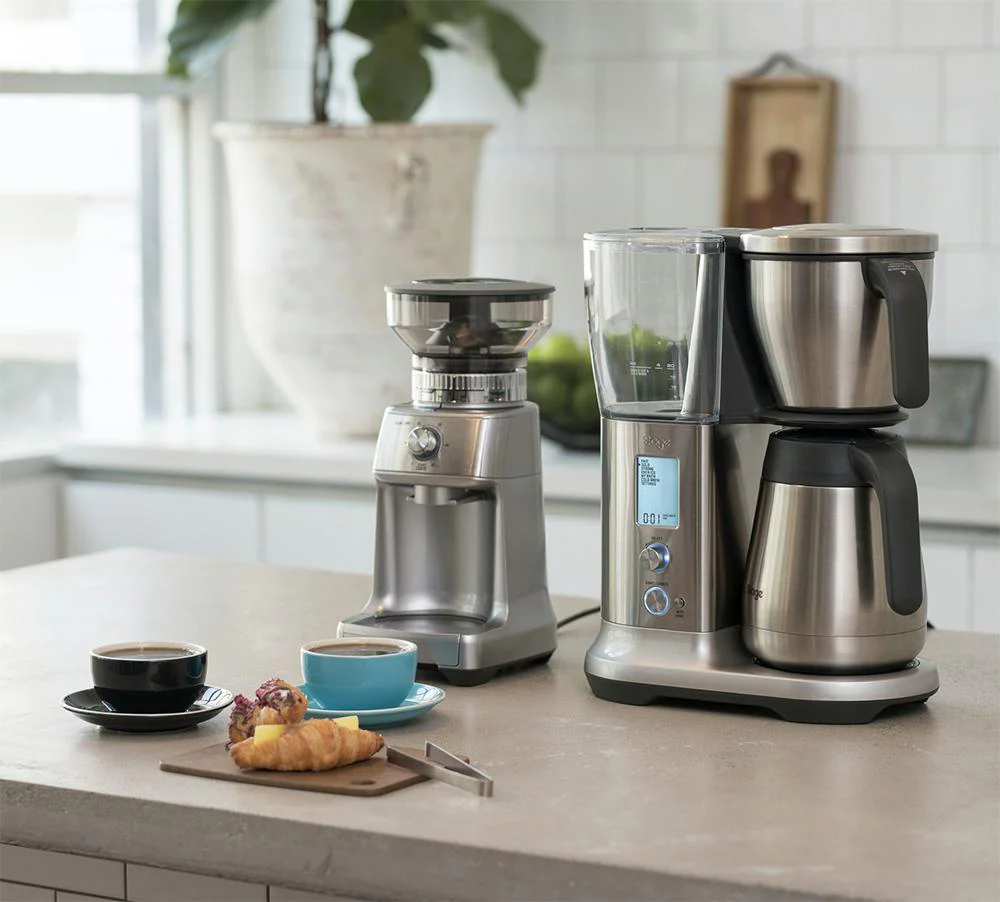
A sleek Sage setup showing the rise of at-home coffee
People started doing the sums. A bag of beans from Tesco Finest or Origin Coffee costs a fraction of a week’s worth of takeaways.
A compact machine like a Sage Bambino or De’Longhi Dedica suddenly feels like a smart investment, especially when the flavour at home begins to rival anything on the high street.
Before long, the daily coffee run becomes the occasional treat rather than the norm.
There is also the aesthetic side of things - a huge part of why this trend exploded. If you scroll through TikTok, especially the wildly popular #CoffeeTok community, you’ll see endless videos of people showing off their “coffee corners.”
Small shelves, elegant mugs, tiny syrup bottles, warm lighting, and compact machines have turned ordinary kitchen spaces into mini café set-ups.
It’s not just about the look, though. The whole thing feels personal. People enjoy arranging their mugs, choosing beans for the week, learning how to froth milk, or perfecting their version of a flat white.
It’s a tiny, comforting ritual in a world that often feels a bit too fast and one that photographs beautifully, which only fuels the trend further.
The biggest driver of the at-home coffee boom is simple: people now know how to make great coffee. TikTok creators from professional baristas to enthusiastic beginners have made coffee genuinely accessible.
Want to learn how to steam milk without burning it? How to make microfoam? Why your espresso tastes sour? It’s all there, explained in seconds.
This open, welcoming learning culture has given people confidence.
Even those who once lived off instant coffee now find themselves experimenting with grind sizes, pour-over techniques, or moka pots.
What used to be intimidating suddenly feels fun, creative, and surprisingly easy to master with a little practice.
Beyond money and trends, something deeper sits beneath the UK’s at-home coffee wave. As more people work from home or mix office days with home days, the line between morning and work has blurred.
A homemade coffee has become a gentle moment of calm, part hobby, part ritual that helps set the tone for the day.
It’s the quiet of waiting for the kettle to boil or the hum of a small espresso machine. It’s the smell of freshly ground beans.
It’s those few minutes when the world feels slower. And for many, that little pause has become unexpectedly meaningful.
Why is at-home coffee so popular in the UK now?
Rising prices, TikTok tutorials, and the appeal of having a cosy coffee setup at home have pushed the trend mainstream.
Do you need an expensive machine?
Not at all. Many people start with a moka pot, AeroPress, or a small entry-level espresso machine.
Is making coffee at home cheaper?
Yes — dramatically. A home-brewed latte often costs less than £1 compared to £4–£5 in cafés.
What’s the main TikTok hashtag behind the trend?
The most influential and clickable is #CoffeeTok.
👉 The Hot Coffee Case: What You Didn't Know About the Liebeck vs. McDonald's Lawsuit 👈