Understand Your Rights. Solve Your Legal Problems


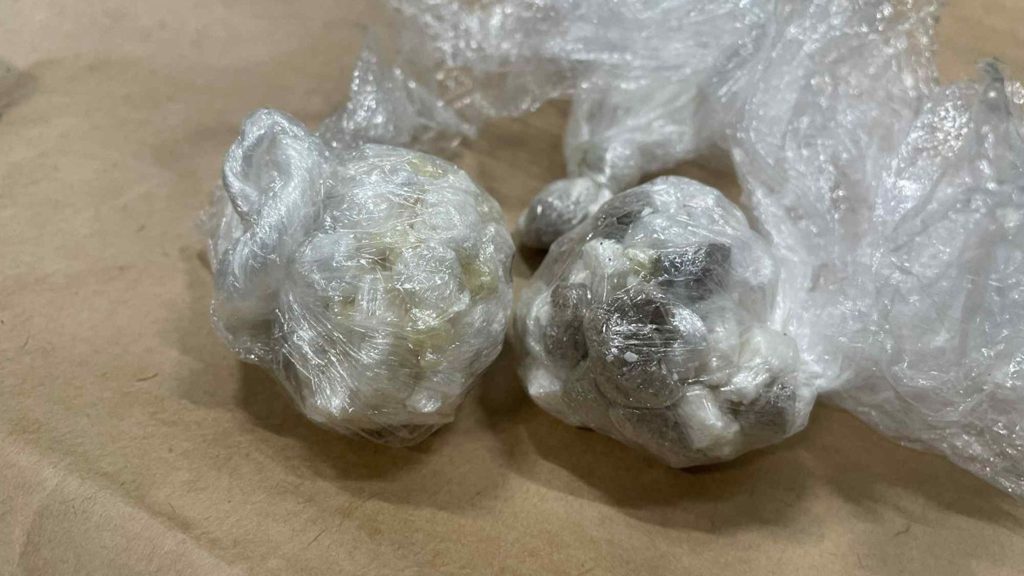
Greater Manchester Police located Class A and B drugs after tracking a dangerous e-bike in Harpurhey, prompting questions about driving offences, child safety, and drug-supply activity.
Authorities are reviewing evidence to determine next steps under UK criminal law.
Police in Greater Manchester recovered illegal drugs after officers tracked an e-bike being ridden dangerously with a young child on board.
The incident involved a 21-year-old man and occurred in the Harpurhey area on Thursday evening.
It surfaced when officers observed the vehicle mounting pavements and moving unpredictably in traffic. The case raises questions about potential drug-supply offences, road-safety breaches, and safeguarding obligations relating to the child.
Greater Manchester Police and associated safeguarding authorities are implicated due to their responsibilities for public protection and evidence assessment.
The matter is significant for community safety and accountability because it concerns the interaction of drug-related activity, high-risk vehicle use, and the presence of a minor in a hazardous situation.
Police observed an e-bike carrying a 10-year-old child while being operated in a dangerous manner in Harpurhey. Officers reported seeing the vehicle weave through traffic and ride onto the pavement.
A drone unit followed the e-bike to a nearby address. At the location, officers located 94 wraps of crack cocaine and heroin, as well as a machete, nitrous oxide canisters, and a quantity of cannabis.
A 21-year-old man was detained on suspicion of dangerous driving, possession with intent to supply Class A drugs, and possession of Class B drugs. He remains in custody while enquiries continue.
The incident touches on potential offences related to possession with intent to supply under the Misuse of Drugs Act 1971. Courts typically consider factors such as quantity, packaging, and associated items when evaluating intent.
Dangerous driving allegations fall under the Road Traffic Act 1988, where risk to the public and manner of operation are central considerations. Where minors are present, safeguarding duties may also trigger multi-agency assessment.
The presence of weapons and controlled substances may raise questions about potential links to organised criminal activity, although this requires evidentiary thresholds that are assessed independently by investigators and prosecutors.
Under UK safeguarding principles and UN child-protection standards, authorities must consider potential risk to a child exposed to unsafe environments. Cases involving minors in proximity to suspected criminal activity generally trigger welfare checks.
UN Office on Drugs and Crime (UNODC) frameworks on community safety emphasise the need to prevent environments where drug distribution intersects with public-place risks such as reckless vehicle use. Such incidents can impact overall neighbourhood safety.
OSCE rule-of-law principles underscore the importance of proportional, evidence-based policing and timely oversight where weapons, drugs, and child-safety concerns overlap.
Police typically begin with securing the scene, seizing suspected controlled substances, and gathering digital and physical evidence. Drone footage may support the assessment of driving behaviour and movement patterns.
Safeguarding referrals can occur where a minor is found in potentially harmful circumstances. Local authorities may conduct parallel welfare checks while police continue criminal enquiries.
Prosecutors become involved once investigators compile initial evidence packages. If substances are confirmed through forensic analysis, the case may proceed to charging decisions based on statutory thresholds.
Incidents involving dangerous vehicle use in residential areas pose immediate risks to pedestrians and other road users. They may also heighten community concern about drug-related activity.
The presence of a child during suspected criminal conduct can undermine public trust in local safety conditions and raise questions about broader safeguarding practices. Such cases often lead to calls for improved oversight of high-risk vehicles such as e-bikes.
Discovery of weapons and drugs may affect perceptions of neighbourhood security and increase pressure on enforcement agencies to address emerging patterns of illicit activity.
Courts generally look at whether the manner of driving posed a clear risk to the public, regardless of the vehicle type. Factors can include speed, evasive movements, pavement use, and behaviour around traffic. Evidence from officers and digital recordings may support these assessments.
Intent is usually inferred from quantities, packaging, paraphernalia, and surrounding circumstances. UK law does not require a completed transaction; prosecutors consider whether evidence indicates preparation for distribution.
Agencies may conduct immediate welfare checks and review the child’s circumstances. Social-care professionals evaluate whether further support, monitoring, or intervention is required.
Weapons found alongside controlled substances can be seized and analysed for fingerprints or DNA. Their presence may inform risk assessments, though charging decisions depend on statutory definitions and evidence of possession.
Drone footage can assist in documenting movements, identifying locations, and corroborating officer observations. The material is subject to standard evidentiary rules before being used in court.
Police will continue reviewing seized items, analysing substances, and examining digital and drone footage. Forensic results will guide decisions on whether the case meets thresholds for charges under drugs or driving legislation.
Safeguarding professionals may assess the child’s welfare as part of parallel protection duties. Prosecutors will review compiled evidence once investigations progress and determine whether statutory charging standards are satisfied.
Any weapons or additional items requiring specialist examination will be processed by accredited forensic laboratories before further updates are issued.
This case centres on suspected drug-supply offences, dangerous driving, and child-safeguarding considerations.
It is significant because it involves public-safety risks, potential criminal-law breaches, and questions of accountability in environments where controlled substances and hazardous vehicle use intersect.
The eventual outcome will depend on forensic findings, investigative conclusions, and routine prosecutorial review.
Related:👉 Meth Found in Blackberry Shipments Leads to Federal Investigation in Atlanta 👈