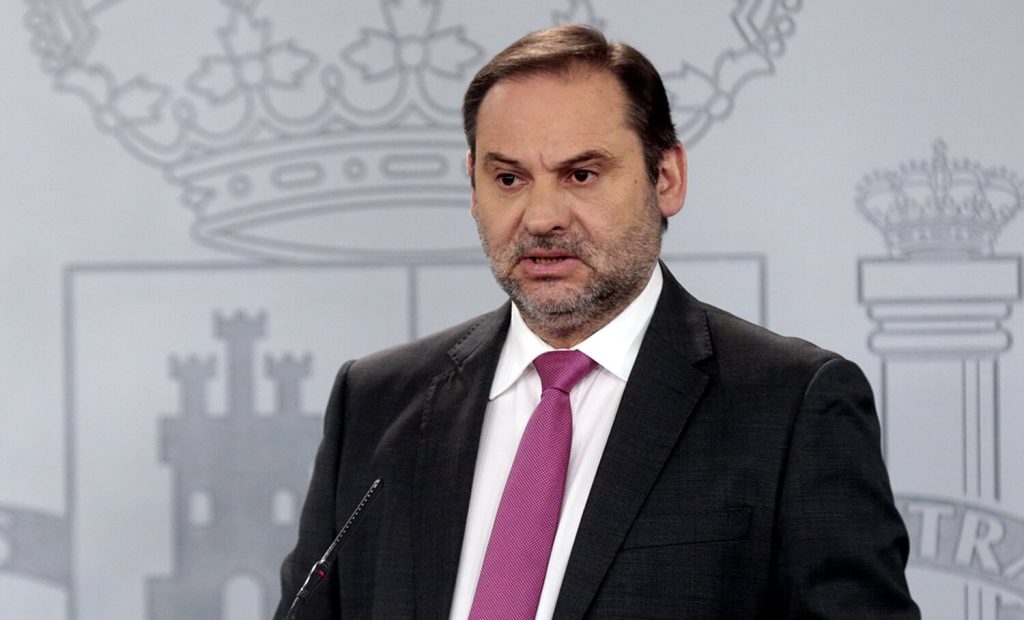
Former Spanish Minister Ábalos and Adviser García Remanded in Corruption Scheme
Spain’s Supreme Court ordered former transport minister José Luis Ábalos and former adviser Koldo García into pre-trial detention amid an ongoing corruption investigation, citing flight-risk concerns and potential offences linked to public contracting.
The decision raises questions over oversight, procurement safeguards and public accountability.
Supreme Court Orders Detention of Ábalos and Adviser García
Spain’s Supreme Court has ordered the pre-trial detention of former transport minister José Luis Ábalos and former adviser Koldo García in connection with an ongoing corruption investigation.
The case, centred in Madrid, escalated publicly on Thursday when the order was issued following a review of the prosecution’s latest submissions.
The court’s decision concerns alleged misconduct involving public contracting and raises legal questions regarding potential criminal organisation, bribery and influence-peddling offences.
The matter engages Spain’s judiciary, the prosecutor’s office and relevant anti-corruption authorities responsible for procurement oversight. Officials determined that detention was necessary due to what the court described as an elevated risk that the individuals might evade legal proceedings.
The development is significant because it touches on public-sector integrity, the functioning of procurement systems and broader accountability obligations within government institutions.
What We Know So Far
The Supreme Court authorised the detention of José Luis Ábalos and Koldo García without bail as part of the wider “Koldo Case” investigation.
The order followed prosecutorial filings indicating that the potential penalties sought, reported to be lengthy custodial sentences could heighten flight-risk concerns.
Authorities have confirmed that the investigation involves contracts awarded to a company allegedly linked to another suspect, Víctor de Aldama.
Evidence presented to the court reportedly includes extensive recordings and documentation gathered during the earlier phases of the inquiry.
Ábalos, who served as transport minister between 2018 and 2021, remains a member of parliament but is currently suspended from parliamentary activity.
The detention order affects his ability to fulfil parliamentary duties, including salary entitlements.
García attended the court separately on Thursday.
Investigators have been examining the case for an extended period, and procedural steps for the first phase of the trial are expected to move forward in the coming months.
The Legal Questions Raised
The investigation brings several legal issues into focus.
Under Spanish criminal law, allegations of bribery, influence peddling, embezzlement and participation in a criminal organisation carry distinct evidentiary burdens, including demonstrating intent, illicit benefit and structured coordination among participants.
Public-sector procurement frameworks typically require clear procedures for awarding contracts, and scrutiny often intensifies when external relationships may influence award decisions.
Courts commonly evaluate whether any conflicts of interest or misuse of confidential information occurred during the contracting process.
The case also raises questions regarding parliamentary privilege and procedural rights when an elected official is implicated in an active criminal matter.
Spanish courts routinely assess how pre-trial restrictions interact with constitutional guarantees and principles of proportionality.
Human Rights and Public Impact
Public-sector corruption engages multiple international standards, including UN Convention Against Corruption (UNCAC) principles on transparency, oversight and accountability.
These frameworks emphasise institutional safeguards to prevent misuse of public authority.
The case also touches on public-interest considerations, as alleged interference in procurement processes can affect community trust in essential services.
Rule-of-law bodies such as the OSCE highlight that predictable, transparent contracting systems are fundamental to public confidence.
From a rights perspective, the individuals involved retain procedural protections, including the presumption of innocence and access to legal representation, consistent with European human-rights standards.
Role of Law Enforcement & Regulators
In cases involving public contracting, authorities typically review procurement records, financial flows and communication logs to establish whether irregularities occurred.
Digital forensics may be used to authenticate recordings and documents collected during earlier stages.
Anti-corruption units may coordinate with the prosecutor’s office to determine whether evidence meets the threshold for formal charges.
Matters involving elected officials often include procedural steps requiring judicial authorisation for searches, surveillance or detention.
Regulators overseeing procurement systems may also be consulted to provide technical assessments of whether contracting procedures were followed.
If cross-border elements arise, law-enforcement cooperation may be facilitated through established European judicial networks.
Risks, Implications & Public Impact
Corruption allegations within government structures can affect public trust in procurement processes and administrative decision-making.
The detention of senior political figures may lead to increased scrutiny of institutional safeguards designed to prevent misuse of office.
Potential risks include broader concerns about transparency, internal controls and the resilience of systems managing public funds.
Cases of this nature also raise questions about oversight mechanisms for political appointees and advisers.
For communities, the integrity of public contracting is linked to service delivery, resource allocation and overall confidence in governance structures.
The outcome of the proceedings may influence future approaches to procurement monitoring and accountability.
Key Questions People Are Asking
How does pre-trial detention work in high-level corruption cases?
Courts assess whether there is a risk of flight, destruction of evidence or interference with proceedings. Detention is used only when lesser measures, such as passport surrender or reporting conditions, are deemed insufficient.
What happens to Ábalos’s parliamentary status during detention?
A detained MP retains their seat unless they voluntarily resign or Parliament initiates internal procedures. Suspension from duties can occur based on parliamentary rules and judicial circumstances.
How are procurement irregularities examined by investigators?
Investigators typically analyse contract documentation, communication logs, financial transactions and any external relationships that may have influenced the process. Expert assessments help determine compliance with procurement criteria.
Can evidence such as audio recordings be used in corruption trials?
Spanish courts admit digital recordings if obtained lawfully and properly authenticated. Forensic analysis is often required to verify integrity and chain of custody.
Does the case have implications for other public officials?
While the investigation concerns named individuals, the issues raised—such as procurement oversight and conflict-of-interest management—are relevant to broader governance practices.
What Happens Next
Investigators will continue assessing documentary evidence, communications and procurement records. The prosecutor’s office will review whether the compiled material meets the thresholds required for formal indictments.
Judicial authorities may schedule preliminary hearings to determine the scope of charges and procedural matters.
Detention orders are subject to periodic review to ensure compliance with proportionality and legal standards.
If additional evidence is identified, investigators may make further requests to the court, including authorisations for technical examinations, financial tracing or expert assessments related to procurement processes.
Legal Context in Focus
The Supreme Court’s decision to detain José Luis Ábalos and Koldo García reflects judicial concerns about flight risk in a high-profile corruption investigation.
The case raises important questions about procurement integrity, public-sector conduct and institutional oversight.
As proceedings continue, the focus will remain on how evidence is assessed and how accountability mechanisms function within Spain’s legal framework.
More on Corruption & Public Accountability:
👉 Serbian Opposition Calls to Cancel Expo 2027 in Belgrade Over Corruption Concerns 👈