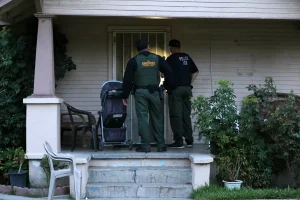
Karoline Leavitt Under Fire: ICE Detention of Nephew’s Mother Sparks Questions Over What She Knew
ICE detained Bruna Caroline Ferreira — mother of Karoline Leavitt’s nephew — in a Nov. 12 operation near Boston. Now held in Louisiana, Ferreira faces removal proceedings over a long-expired visa, prompting sharp questions about what Leavitt knew before the arrest and how the case intersects with the administration’s aggressive immigration stance.
A political shockwave hit the White House this month when ICE officers detained the mother of press secretary Karoline Leavitt’s nephew — instantly thrusting Leavitt, one of the administration’s most visible voices on immigration, into the center of a controversy she did not publicly acknowledge before it erupted.
The Nov. 12 arrest of Bruna Caroline Ferreira in Revere, Massachusetts, has already sparked calls for clarity about what Leavitt knew ahead of the operation and whether senior officials were aware that a close family connection could become collateral in the administration’s widening immigration crackdown.
Ferreira was intercepted while driving to pick up her 11-year-old son from Michael Leavitt’s home in New Hampshire. Within hours, ICE transferred her out of state; within days, she was flown to the South Louisiana ICE Processing Center — a process so rapid that even some relatives were unaware of her location until after the move.
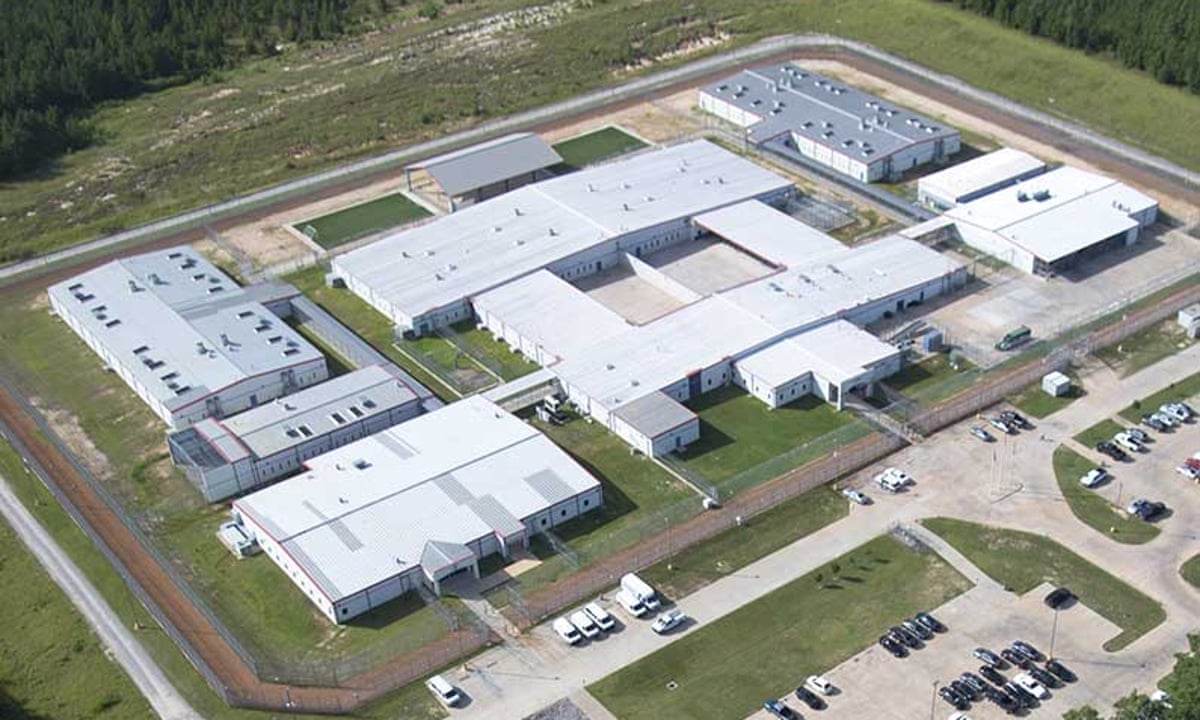
An aerial photograph of the South Louisiana ICE Processing Center, where Bruna Caroline Ferreira is currently being held during removal proceedings.
DHS says she overstayed a 1999 tourist visa, while her attorney rejects an unverified claim of a prior “arrest” that appears nowhere in Massachusetts court records.
The fallout has been immediate: a child abruptly separated from his mother, a family caught in a federal dragnet, and a press secretary facing uncomfortable questions about how the administration’s hardline public messaging squares with a case unfolding inside her own extended family. With critics demanding answers and officials refusing to elaborate, the political pressure surrounding what Leavitt knew — and when — continues to intensify.
👉 What an ICE Detention Really Means: Inside the Legal Process Most Americans Never See 👈
What We Know So Far
Ferreira entered the U.S. in 1998 as a child and remained after her tourist visa expired the following year. She later held DACA protections but was unable to renew them during Donald Trump’s first term.
She shares an 11-year-old son with Michael Leavitt, who has full-time custody in New Hampshire. Ferreira was detained en route to pick up the child.
ICE moved her through multiple states before placing her in the South Louisiana ICE Processing Center, where she is now in active removal proceedings.
A DHS spokesperson referenced a “battery” arrest on her record, but no criminal case appears in Massachusetts databases. Her attorney insists she has “no criminal record whatsoever.”
Karoline Leavitt and Ferreira have reportedly not communicated in years, but the arrest has public implications due to Leavitt’s role as the administration’s chief spokesperson.
The Legal Issue at the Centre
Ferreira’s case falls under federal immigration removal law, specifically the enforcement of unlawful presence after a visa overstay. A B2 tourist visa requires departure after a set period; remaining past that date places an individual in removable status.
In adjudicating these cases, immigration judges examine:
-
the original visa entry record
-
the date of expiration
-
the individual’s immigration history (including DACA, if applicable)
-
any verified criminal allegations
-
family ties and humanitarian considerations
The government must prove removability. The respondent may seek relief such as adjustment of status or cancellation of removal if eligible. Cases often involve multiple hearings and can extend over several months.
Key Questions People Are Asking
Was Leavitt notified before the arrest?
There is no public evidence showing whether Leavitt was informed in advance. The absence of clarity has fueled political questioning due to her central role in the administration’s immigration messaging.
Is Ferreira accused of a crime?
No criminal charges have been confirmed. DHS referenced a past “arrest,” but no corresponding Massachusetts court case has been found.
What is the legal basis for detention?
The sole confirmed basis is a long-expired visa. This is sufficient under federal law to initiate removal proceedings.
Could a judge dismiss the case?
It is possible but uncommon. Dismissals occur only when the government cannot meet its burden of proof or when the individual qualifies for specific relief.
How long could the proceedings last?
Given national backlogs, proceedings can stretch from months to over a year.
What This Means for Ordinary People
Ferreira’s case underscores how immigration enforcement can reignite decades-old visa issues, even for individuals who entered as children and previously held DACA protections. It also shows how quickly ICE can conduct out-of-state transfers, leaving families scrambling to locate loved ones.
More broadly, it highlights:
-
how visa overstays remain enforceable regardless of time elapsed
-
the vulnerability of former DACA recipients whose protections lapsed
-
the difference between civil immigration detention and criminal custody
-
how family circumstances may be considered, but rarely dictate outcomes
The case also demonstrates the immense personal impact these proceedings have on households navigating sudden enforcement.
Possible Outcomes Based on Current Facts
Best-case scenario:
Ferreira may qualify for a form of relief allowing her to remain in the U.S., depending on statutory eligibility and judicial review.
Worst-case scenario:
A removal order could send her back to Brazil and impose a multi-year reentry ban.
Most common outcome in similar cases:
Extended immigration court proceedings with multiple hearings while the respondent explores every potential pathway for relief.
Frequently Asked Questions
Does Leavitt have any legal role in this case?
No. Immigration cases proceed under federal law with no consideration of political relationships.
Why was Ferreira moved to Louisiana?
ICE regularly transfers detainees to centers with available bed space. Distance does not affect the legal process.
Does the child’s situation influence the case?
Family hardship may be raised in proceedings, but it does not automatically prevent removal.
Final Legal Takeaway
Ferreira’s detention is legally straightforward but politically explosive. She now faces formal removal proceedings while held in a Louisiana ICE facility. DHS says her visa expired in 1999; her attorney disputes claims of prior criminal conduct. Meanwhile, the case has intensified scrutiny on Karoline Leavitt, whose role as the administration’s primary immigration messenger has collided with a deeply personal family development — raising sharp questions about what she knew and how the White House will navigate the fallout.