Understand Your Rights. Solve Your Legal Problems


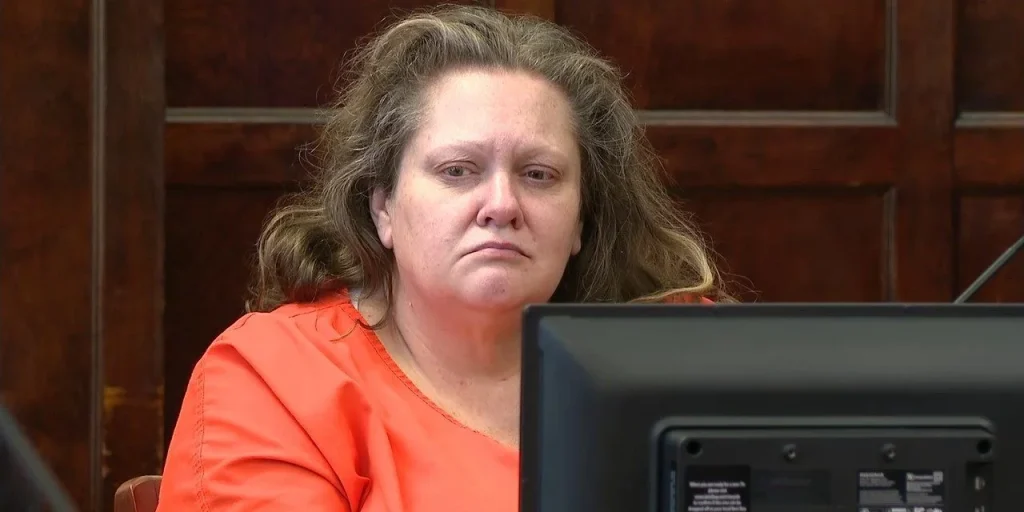
A West Virginia mother has pleaded guilty to the death of her 14-year-old daughter, prompting legal scrutiny over prolonged neglect, missed safeguarding opportunities, and the responsibilities of caregivers under state law.
Authorities in Boone County, West Virginia, have confirmed that 51-year-old Julie A. Miller has pleaded guilty to a charge of death of a child by a parent, guardian, or custodian following the death of her daughter, 14-year-old Kyneddi Miller.
The case came to light in April 2024, when sheriff’s deputies responded to a report of cardiac arrest at the family home and found the teenager unresponsive in a severely emaciated condition.
Prosecutors have since stated in open court that the child had been lying in the same location for several days before authorities were notified.
The investigation has also involved two additional family members, raising questions about oversight responsibilities, home-schooling arrangements, and prolonged disengagement from education and healthcare services.
The matter has drawn attention because it touches on safeguarding duties, the legal obligations of caregivers, and the mechanisms that typically protect children who are isolated from contact with schools or medical professionals.
Deputies from the Boone County Sheriff’s Office were called to the home in April 2024 after a report of a juvenile in cardiac arrest.
Responding officers found 14-year-old Kyneddi Miller lying on a foam pad and pronounced her dead at the scene. The sheriff’s office described her condition as severely emaciated.
Court records show that Julie A. Miller was initially charged in April 2024 with murder by a parent for failure to provide necessities and with child neglect resulting in death. She later agreed to plead guilty to a single count of death of a child by a custodian.
Prosecutors stated in an August 2024 hearing that the teenager had reportedly been in the same location for four to five days before authorities were contacted. The prosecutor’s office also noted that the child had not been seen outside the home for a prolonged period.
Two other family members, Donna and Jerry Stone, were subsequently charged in May 2024. A court-ordered evaluation later found Jerry Stone incompetent to stand trial, while proceedings for Donna Stone are scheduled to continue in 2026.
Under West Virginia law, caregivers have a duty to provide adequate food, medical care, and supervision for children in their custody. Courts typically assess whether a caregiver’s actions or omissions represent a failure to meet these basic obligations.
Cases involving prolonged isolation may raise questions about the adequacy of home-schooling arrangements and whether mandatory reporting opportunities were missed.
Authorities often examine whether a child had access to healthcare and whether caregivers took reasonable steps to seek assistance when a child’s condition deteriorated.
Where multiple adults live in the same household, investigators generally consider each individual’s legal responsibilities and whether any party had a duty to intervene or notify authorities.
International frameworks such as the UN Convention on the Rights of the Child emphasise a child’s right to life, development, and protection from harm. These principles support the expectation that children receive regular access to health, education, and monitoring mechanisms designed to identify risk.
In the United States, safeguarding responsibilities often rely on regular contact with schools, medical services, and community organisations. When children are removed from these environments, established protections can weaken, increasing the importance of parental compliance with state requirements for education and welfare.
Cases involving extreme neglect also highlight public-interest concerns around oversight systems, including how agencies identify children who have minimal external contact and how risk assessments function when families do not engage with services.
When a child dies in circumstances involving possible neglect, local law enforcement normally conducts the initial investigation, collects physical evidence, and interviews household members. Digital and medical records are commonly reviewed to establish timelines.
If potential criminal offences are indicated, the case is referred to the prosecuting attorney, who determines the appropriate charges. The court then oversees competency evaluations, plea negotiations, and procedural hearings.
Home-schooling in West Virginia is regulated through statutory requirements, including notice procedures and academic assessments. Education authorities may become relevant where questions arise about compliance with these obligations.
If online communications or reporting gaps are identified, agencies such as child protection services may review whether earlier interventions could have occurred.
Child neglect cases of this severity can raise concerns about gaps in safeguarding systems, particularly when children have little contact with mandatory reporters. The lack of contact with schools and medical providers can limit opportunities to identify early warning signs.
Community trust in oversight institutions may be affected when a child remains unseen for long periods without external checks. These issues can prompt broader review of how information is shared between education, health, and welfare authorities.
There may also be considerations for caregivers and households responsible for vulnerable children, including the importance of seeking medical attention in a timely manner and maintaining engagement with required reporting structures.
West Virginia law defines child neglect as the failure of a caregiver to provide necessary food, shelter, supervision, or medical care. Courts assess whether a caregiver’s actions or omissions resulted in serious risk or actual harm to the child.
Families must submit a notice of intent to home-school and ensure annual academic assessment. Compliance requirements vary, but authorities can follow up if concerns arise about a child’s welfare or educational progress.
Prosecutors typically review evidence gathered by law enforcement to determine whether charges are supported. Factors may include medical findings, witness statements, and the child’s living conditions.
If several adults share caregiving responsibilities, each may be evaluated for their role in providing care or failing to act. Charges depend on the evidence connecting each individual to the alleged neglect.
Yes. When children have prolonged absence from public services, authorities may examine whether statutory requirements were met and whether the lack of oversight contributed to risk.
Following a guilty plea, courts typically schedule a sentencing hearing where evidence and any victim-impact submissions may be presented. Judges consider statutory sentencing ranges along with factors raised by both prosecution and defence.
For co-defendants, proceedings continue according to their individual circumstances, including competency reviews, pre-trial motions, and future trial dates. Child protection services may also review case records to identify any systemic lessons.
Authorities may continue monitoring compliance with any court-ordered supervision or registry requirements, depending on the final sentence.
The case also underscores the legal duties placed on caregivers and the safeguards designed to protect children who have limited contact with external services.
It highlights the importance of timely medical care, educational engagement, and adherence to state oversight rules, raising broader questions about how welfare systems detect risk when children remain isolated from routine monitoring.