Understand Your Rights. Solve Your Legal Problems


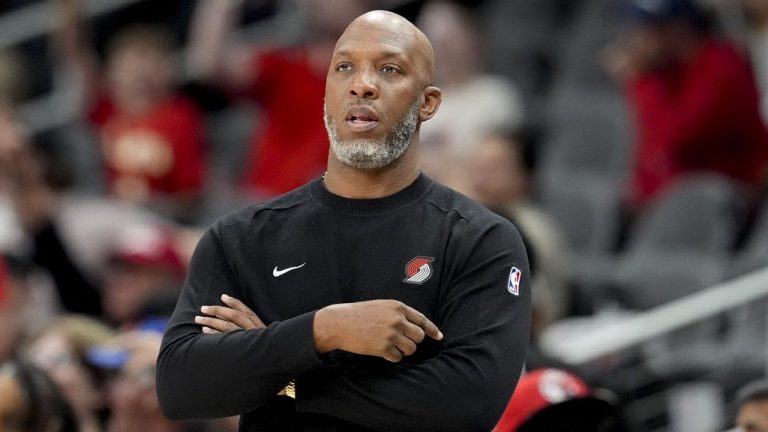
Chauncey Billups has pleaded not guilty to federal conspiracy charges alleging involvement in a rigged, Mafia-linked poker scheme. The case raises questions about potential financial offences and oversight responsibilities in illicit gambling operations.
Federal prosecutors in New York have charged Portland Trail Blazers head coach and Basketball Hall of Famer Chauncey Billups with two conspiracy offences linked to alleged participation in rigged, illegal poker games.
The case surfaced publicly during his arraignment in a New York federal court, where he entered a not-guilty plea. Prosecutors allege the scheme operated across several U.S. cities and intersected with individuals associated with organised crime.
The charges relate to money laundering conspiracy and wire fraud conspiracy, each carrying significant potential penalties under federal law.
Authorities also outlined parallel allegations involving other defendants, including former NBA players, in a broader investigation into illegal gambling operations.
The matter has prompted scrutiny of how illicit gambling networks function, the responsibilities of individuals who participate in or promote such activity, and the legal implications for both participants and facilitators.
The case is considered significant due to its scale, alleged organised-crime links, and the public profile of some defendants.
Prosecutors allege that Billups participated in a scheme involving illegal poker games operated in multiple cities, including Manhattan, Las Vegas, Miami and the Hamptons.
Court filings state that the games were manipulated using technological tools such as altered shuffling devices and hidden cameras.
Billups is accused of receiving payments connected to the games, including a reported $50,000 transfer following a 2020 event.
Prosecutors say he acted as a draw for high-net-worth participants, although he has denied wrongdoing through his plea.
More than 30 individuals were charged in the wider federal investigation, which includes allegations of illegal gambling operations and extortion conspiracies involving members of organised-crime families. Billups was released on a $5 million bond secured against property in Colorado.
According to court records, all defendants are scheduled to return for a status conference on 4 March, with the presiding judge indicating an intention to begin trial proceedings in 2026.
Under U.S. federal law, wire fraud conspiracy generally concerns agreements to use electronic communications to further a fraudulent scheme. Courts typically examine whether participants knowingly joined a plan designed to obtain money or property through deception.
Money laundering conspiracy charges usually relate to allegations that individuals agreed to conceal or process proceeds derived from unlawful activity.
Authorities often consider factors such as intent, financial transfers and the purpose of the transactions.
In cases involving illegal gambling, prosecutors may assess whether defendants knowingly contributed to unlicensed or fraudulent gambling operations. When allegations intersect with organised-crime groups, investigators may also review whether conduct facilitated or benefited criminal enterprises.
These charges raise broader questions about individual responsibility within illicit gambling schemes and the evidentiary requirements for proving participation or financial gain.
Domestic and international frameworks emphasise the need to reduce the risks posed by organised-crime involvement in financial or gambling activities.
The United Nations Convention against Transnational Organized Crime highlights the importance of preventing networks that facilitate financial exploitation, coercive practices or unregulated economic flows.
Its principles stress transparency, accountability and strong oversight in environments vulnerable to criminal infiltration.
Within the United States, federal and state systems prioritise safeguarding individuals from fraudulent schemes and ensuring regulatory compliance in gambling-related activities.
Public-interest considerations include the potential financial harm to participants, the broader community impact of organised-crime activity and the implications for professional-sports integrity when high-profile figures are referenced in investigations.
Law enforcement agencies typically respond to illegal-gambling allegations by examining digital, financial and communication evidence. Investigators may coordinate with organised-crime units where allegations involve recognised criminal groups.
Federal bodies, including the FBI and the Department of Justice, often review whether financial transactions suggest laundering or concealment.
Regulatory authorities may also assess reporting requirements and compliance obligations when gambling intersects with professional sports or digital platforms.
These cases can influence public confidence in financial transparency and regulatory oversight. Allegations of manipulated gambling operations may raise questions about safeguarding systems, exposure to exploitation and the effectiveness of anti-fraud and compliance controls.
Overall, such matters highlight the importance of consistent enforcement and robust oversight to ensure gambling-related activity operates within lawful and accountable frameworks.
Federal law prohibits operating unlicensed gambling businesses that run continuously, involve multiple participants and generate substantial revenue. Prosecutors also use conspiracy, wire fraud and money-laundering statutes when schemes involve deception or illicit financial transfers.
Money laundering generally involves processing funds derived from unlawful activity to conceal their source or ownership. Courts consider intent, the purpose of transfers and whether the activity sought to disguise illicit proceeds.
Investigations typically review financial records, electronic communications, surveillance evidence and witness accounts. Digital forensics may be used to assess technological tools allegedly deployed to manipulate games.
If individuals knowingly collaborate with criminal enterprises, additional statutes may apply. Prosecutors often examine whether conduct benefited or facilitated organised-crime operations.
Regulators may assess whether association with illicit gambling compromises the integrity of sports leagues. They may also evaluate internal safeguarding and compliance procedures.
The court will continue pre-trial proceedings, including evidence review, filings and potential motions from both sides. Federal investigators may complete additional analysis of financial and digital records connected to the alleged scheme.
The prosecution and defence will exchange discovery material as required under federal rules. The court may schedule further administrative hearings before the planned 2026 trial timeline.
Authorities typically issue statements only when procedural milestones occur or when filings become part of the public record.
Monitoring at this stage ordinarily involves assessing compliance with bond conditions and managing case progression toward trial.
The case centres on federal allegations that Chauncey Billups participated in a scheme involving fraudulent gambling activity and associated financial conduct.
The legal issues relate to conspiracy, potential fraud and the integrity of financial transactions connected to unlicensed gambling.
The matter carries public-interest significance due to its scale, alleged organised-crime links and the involvement of professional-sports figures. As the case proceeds, oversight, evidence standards and due-process protections will shape how the allegations are tested in court.