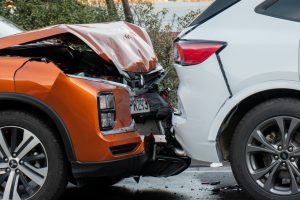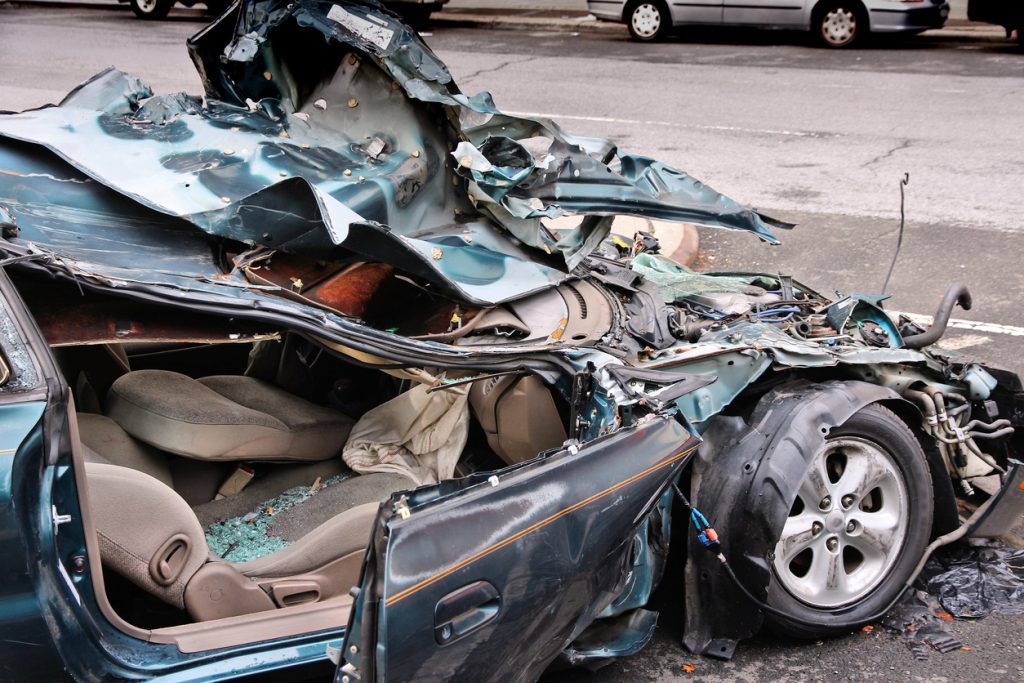
A serious collision doesn’t always leave your vehicle undrivable. In fact, many drivers walk away from an accident only to learn, often with surprise, that their car has been deemed a “total loss” even though it can still be driven off the lot. This situation creates confusion, disputes with insurers, and concerns about compensation.
Understanding what a “totaled but drivable” designation means is essential to protecting your financial interests and ensuring you receive a fair settlement.
When Is a Car Considered “Totalled”?
A car is labeled a total loss when the cost of repairs exceeds a specific threshold of the vehicle’s actual cash value (ACV). Insurers calculate this using state regulations and internal formulas. In many states, if repairs reach between 60% and 80% of the vehicle’s value, they will declare it totaled.
Crucially, this determination is based on economics, not whether the vehicle physically runs. Even if the engine starts and the car can be driven safely in the short term, the insurer may still conclude that repairing it is not financially reasonable.
Why a Drivable Car Can Still Be a Total Loss
There are several reasons a still-drivable vehicle ends up classified as totalled:
- Structural Damage
If the car sustained hidden damage to the frame, crumple zones, or unibody, repair costs can escalate quickly.
- High Parts and Labor Costs
Modern vehicles, especially those with advanced sensors, cameras, and safety systems, are expensive to repair. Damage to ADAS systems, airbags, or wiring can push repair estimates over the threshold.
- Vehicle Age and Depreciation
A car with high mileage or lower market value requires far less damage before repair costs exceed its ACV.
- Supplemental Findings
Body shops often uncover additional problems once repairs begin, increasing the total estimate.
The vehicle may run fine today, but if repairing it requires replacing critical structural components or advanced electronics, insurers may simply decide it isn’t worth the investment.
Your Options After the Car Is Declared Totalled
If your car is declared a total loss but remains drivable, you generally have two choices:
Option 1: Accept the Total Loss Settlement
The insurer pays you the ACV of your vehicle, minus any deductible. You then surrender the car, and the insurer sells it for salvage.
This route offers:
- Fast compensation
- No responsibility for future mechanical issues
- A clean break, allowing you to buy another vehicle without ongoing concerns
However, some drivers find that the settlement doesn’t fully reflect the car’s true market replacement cost. If that happens, you may challenge the valuation by providing:
- Recent comparable vehicle listings
- Maintenance records
- Upgrades and aftermarket improvements
- Pre-accident photos
An attorney can also negotiate a higher settlement when valuation disputes arise.
Option 2: Keep the Car Through a Salvage Retention
If you want to keep your drivable vehicle, you can choose a “salvage retention” option. Here’s what to expect:
- The insurer subtracts the salvage value from your total loss payment.
- You keep possession of the vehicle.
- The car will receive a salvage title (and later, depending on state rules, a rebuilt title).
This option may be appealing if:
- You cannot afford to replace the vehicle immediately
- The vehicle is still safe to drive
- You can perform repairs at a lower cost
- Sentimental value makes replacement undesirable
Keep in mind: A salvage or rebuilt vehicle may have reduced resale value and can be harder to insure in the future.
Can You Still Drive a Totalled Car?
Legally, whether you can continue driving a totalled vehicle depends on:
- State title laws
- The type of damage the car sustained
- Whether the car remains safe for public roads
Some states require a salvage inspection before the vehicle can be legally operated. Others allow driving until the title is officially reassigned. Regardless of the law, safety should be your top priority. If components like airbags, brakes, or structural supports are compromised, the vehicle may be unsafe—even if it’s technically drivable.
What Insurance Covers After the Total Loss
Once the insurer determines the car is totalled, your coverage changes:
- Comprehensive or collision pays the ACV if you carry those protections.
- Liability-only drivers receive no payout for their own vehicle.
- Rental coverage may continue for a short period, depending on policy structure.
If you retain the car, some insurers will only provide liability coverage thereafter, not full coverage, due to the salvage title designation.
When to Seek Legal Guidance
Disputes over total loss valuations are common. If the insurance company undervalues your car, delays payment, or misapplies state total-loss thresholds, a lawyer can:
- Challenge lowball ACV calculations
- Ensure state regulations were followed
- Negotiate higher payouts
- Assist with diminished value claims if applicable
If you want to explore this issue further, this guide offers additional insight:
what happens when your car is totalled but still drivable