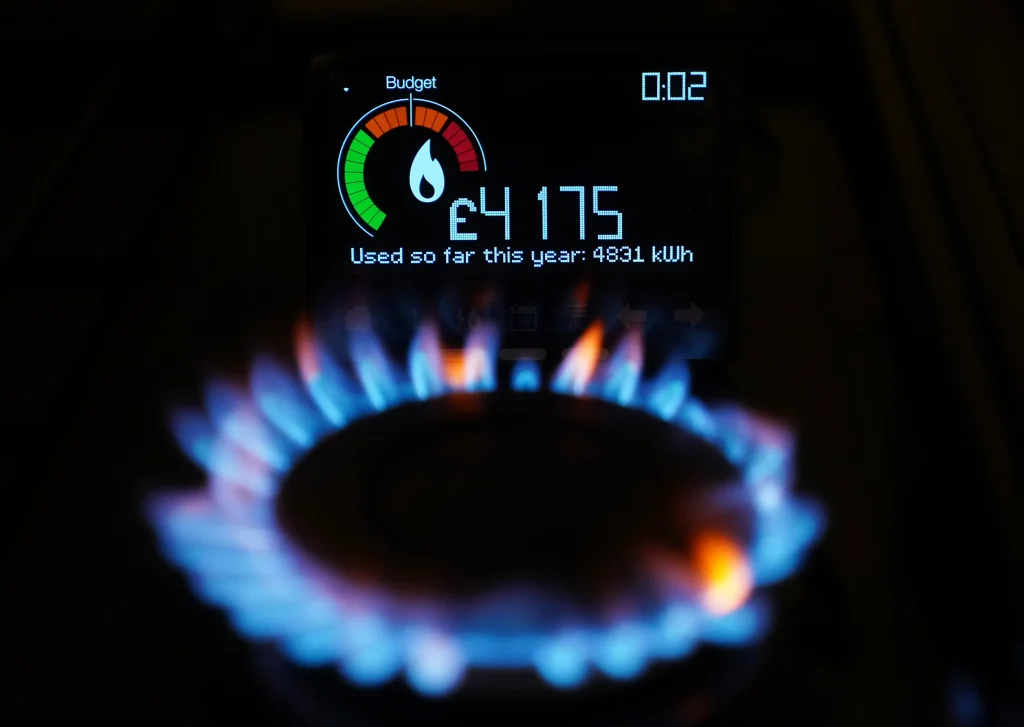
From 1 January 2026, household energy bills will rise by 0.2% on average, according to new figures released today by Ofgem. While this looks minimal, MoneySavingExpert founder Martin Lewis has warned that high electricity users will see increases of 3–4%, driven by sharply rising electricity unit rates and standing charges.
Why the January 2026 Price Cap Matters
Ofgem’s latest update changes the maximum unit rates and standing charges suppliers can bill customers on standard variable tariffs.
But behind the headline 0.2% rise:
-
Electricity unit rates are rising sharply
-
Gas unit rates are falling
-
Standing charges for both fuels are rising again
-
Policy and network costs now make up a large share of bills
This means households with high electricity usage and little or no gas use will be disproportionately affected.
New Energy Price Cap Rates from 1 January 2026 (Direct Debit)
| Fuel | Unit Rate (per kWh) | Change vs Previous Cap | Standing Charge (per day) | Change vs Previous Cap |
|---|---|---|---|---|
| Gas | 5.93p | Down 5.7% | 35.09p | Up 3.1% |
| Electricity | 27.69p | Up 5.1% | 54.75p | Up 2% |
Rates are averages across Great Britain and vary by region. Figures assume payment by monthly Direct Debit and include 5% VAT.
Martin Lewis: “Electricity costs are going up while gas falls — and standing charges rise again”
Reacting to Ofgem’s announcement, Martin Lewis warned:
“The headline is Ofgem's Energy Price Cap is to rise 0.2%, but that's only part of the story. Electricity costs are rising a real amount, gas falls, and yet again the hated standing charges are rising.”
He highlighted the key changes:
-
Electricity unit rate: 27.69p/kWh (up 5.1%)
-
Electricity standing charge: 54.75p/day (up 2%)
-
Gas unit rate: 5.93p/kWh (down 5.7%)
-
Gas standing charge: 35.09p/day (up 3.1%)
Lewis said households on the Price Cap with high electricity use will likely see bills rise 3–4%.
He added that the rises are driven not by wholesale markets, but by policy and network costs such as:
-
nuclear funding
-
Warm Home Discount
-
network upgrades
-
interconnector costs
Why Are Electricity Prices Rising While Gas Falls?
According to Lewis, electricity is treated as the policy dumping ground for government schemes:
-
Warm Home Discount
-
renewables funding
-
debt relief schemes
-
network investment
This has created a perverse outcome where electricity becomes more expensive even as the Government encourages households to move away from gas.
What Happens After January?
Analysts currently predict a 4–5% rise in April 2026, driven by:
-
increased network costs
-
ongoing policy charges
-
long-term infrastructure investment until mid-2030s
Should You Fix Your Energy Tariff Now?
According to Martin Lewis:
-
The cheapest fixes are currently around 10% cheaper than the current Price Cap.
-
New, even cheaper tariffs may launch next week.
-
Households with high electricity use benefit most from switching.
He recommends using comparison tools such as Cheap Energy Club to find the best tariff.
Tracker and Time-of-Use Options
-
EDF’s special tracker: good for very low-usage households (cuts up to £50 from annual standing charges).
-
Octopus time-of-use tariffs: ideal for EV owners or flexible users with smart meters.
How the Price Cap Works (Quick Guide)
The Energy Price Cap:
-
sets the maximum unit rates suppliers can charge on standard/default tariffs
-
limits standing charges
-
updates every 3 months
-
does not limit your total bill — the more you use, the more you pay
Two-thirds of UK households are on Price-Capped tariffs.
The Legal Basis for the Energy Price Cap
The Energy Price Cap was created under the Domestic Gas and Electricity (Tariff Cap) Act 2018, which requires Ofgem to limit unit rates and standing charges for standard variable tariffs. Ofgem is legally obliged to review the cap every three months, using methods set out in the Gas Act 1986 and Electricity Act 1989. These frameworks allow policy and network costs to be added to bills, which is why standing charges continue to rise even when wholesale gas prices fall.
Energy Price Cap — Frequently Asked Questions
Why are electricity prices rising but gas falling?
Because policy and network costs are placed mostly on electricity bills, making electricity artificially more expensive relative to gas.
How much will my bill increase on 1 January 2026?
The average household will see a rise of 0.2%, but high electricity users may see 3–4% increases.
Why are standing charges rising again?
Standing charges fund fixed costs including network maintenance, environmental programmes, debt relief, and Warm Home Discount obligations.
Should I fix my energy tariff now?
Fixing can save around 10% versus the current Price Cap, but waiting a week could secure even cheaper deals if suppliers launch new tariffs.
Why does Martin Lewis call policy charges “perverse”?
Because the Government wants consumers to move away from gas, yet policy costs added to electricity bills make electricity relatively more expensive.
What is the April 2026 forecast?
Analysts expect a 4–5% rise, driven mainly by increased network costs and ongoing infrastructure investment.
⭐ Sources
Ofgem – January 2026 Price Cap announcement
MoneySavingExpert.com – Martin Lewis analysis on X
Comparison site rate data (Cheap Energy Club)
Supplier pricing structures (EDF, Octopus, British Gas, Ovo)
Energy network cost assessments (Ofgem documentation)