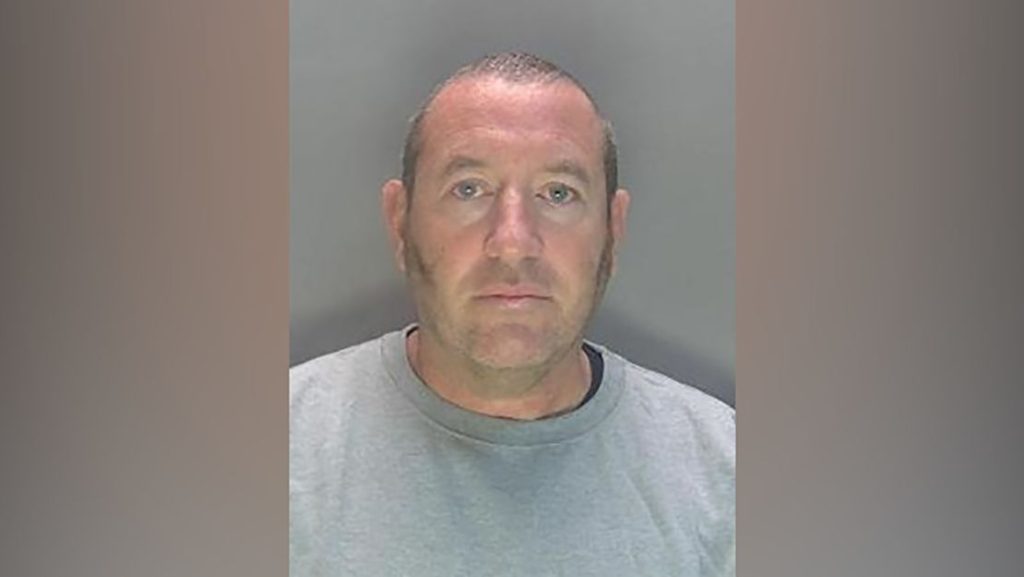
David Carrick, the former Metropolitan Police firearms officer already serving one of the longest minimum terms ever handed to a UK rapist, returns to the Old Bailey today to be sentenced again, this time for attacking a 12-year-old girl decades ago and raping a woman he met online years later.
The new convictions, delivered on Wednesday, lay out a pattern of abuse stretching from the late 1980s to 2019, exposing how a man trusted with a police warrant card exploited that authority while hiding a double life of violence, coercion, and sexual domination.
Jurors heard that Carrick assaulted the child over many months before she revealed the truth to her family. More than 20 years later, he entered a relationship with another woman and repeatedly raped her behind closed doors while projecting a “charming” persona to the outside world.
These latest findings land on top of his earlier guilty pleas in 2022 and 2023—71 sexual offences, including 48 rapes involving 12 separate victims, crimes that earned Carrick 36 life sentences and a minimum of 32 years behind bars.
The New Convictions and Why They Stayed Hidden for Decades
Carrick, now 50, denied every fresh allegation and refused to take the witness stand, but jurors found the evidence overwhelming.
The panel convicted him of two rapes, one sexual assault, coercive and controlling behaviour against a former partner between 2014 and 2019, and five indecent assaults on a 12-year-old girl dating back to the late 1980s.
A key piece of evidence was a handwritten confession Carrick wrote in 1990, discovered years later in his own medical records and signed simply “Dave.” In it, he admitted the child was “telling the truth.” That note, for reasons still being examined, never made its way to police at the time.
For one survivor, learning that Carrick was a serving Metropolitan Police officer came as its own shock. She told jurors she immediately feared for anyone who might find themselves alone with him while he carried a warrant card.
The case has also highlighted how Carrick managed to operate in plain sight for so many years. He presented himself publicly as charming and dependable, masking a private life marked by intimidation, manipulation, and serial offending.
Detectives later acknowledged that the trajectory of this case could have changed dramatically had the 1990 confession reached law enforcement.
His crimes only began to unravel after his arrest in 2021, when additional victims recognised his name and picture in the media and felt able to come forward, helping expose a pattern of abuse stretching across decades.
How Sentencing Really Works When New Crimes Emerge After a Life Sentence
Many people assume that once a defendant is already serving life, additional convictions make no real difference. In reality, the opposite is true. When new victims come forward, the courts must recognise each offence separately, and the punishment can increase in several important ways.
Can new convictions extend a life sentence?
Yes. Judges can impose additional life sentences, increase the minimum term the offender must serve before parole can even be considered, or order that new sentences run consecutively (one after another). This ensures the law reflects the harm done to each individual victim rather than folding their experiences into earlier cases.
Why hold a fresh sentencing hearing?
The justice system requires every offence to be formally recorded and sentenced on its own merits.
Each survivor has the right to have their case heard in open court, acknowledged by the judge, and given a sentence that stands independently rather than being swallowed by previous convictions. It is part of ensuring transparency, fairness, and recognition for every victim.
What the judge will consider
In Carrick’s case, the sentencing judge, Mrs Justice McGowan, will assess factors commonly used in serious sexual offence cases, including:
-
The victims’ ages and vulnerability
-
The duration and pattern of abuse
-
Evidence of planning or manipulation
-
Carrick’s refusal to accept responsibility
-
The scale of offending over multiple decades
Judges may also reflect on the breach of trust when the offender held a position of authority such as a police officer, because the public expects those individuals to protect, not harm.
Any new term imposed will be added to Carrick’s existing life sentences. He will remain in a high-security setting, and parole will only be considered after serving his full minimum term, currently 32 years but subject to increase once this latest sentence is handed down.
Impact on Survivors and the Police Force
Survivors described years of trauma, fear, and lasting distrust of law enforcement. Prosecutors called Carrick a man who “hid behind a carefully constructed facade,” while detectives said his confession, had it reached them in 1990, could have prevented later attacks.
Senior officers have reiterated that the case forced a re-examination of how allegations against police officers are handled, prompting national changes in vetting and misconduct procedures.