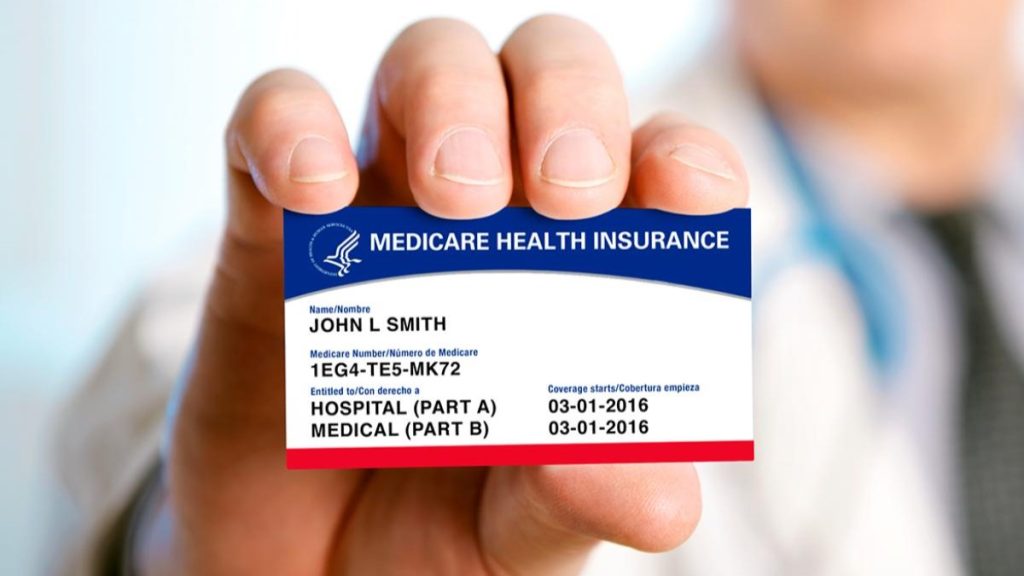
The Centers for Medicare & Medicaid Services announced that Medicare Part B premiums will rise in 2026, prompting immediate attention to the legal framework that governs how these increases interact with Social Security benefits. Once a premium adjustment is issued, federal rules determine who pays the full amount, who receives statutory protection, and how the costs are distributed across different groups of beneficiaries.
What the Part B Premium Increase Legally Means
A Medicare Part B premium is set each year through a defined statutory formula under the Social Security Act. CMS calculates the “standard premium” using projected program spending for outpatient medical services, physician fees, and durable medical equipment. When the figure increases sharply, several legal safeguards and administrative mechanisms engage automatically.
Because most beneficiaries have their Part B premiums deducted directly from Social Security, the relationship between these two programs is tightly regulated. When a premium rise exceeds a beneficiary’s COLA increase, it can reduce their net monthly payment unless a specific statutory protection applies. The legal framework focuses on consistent administration rather than on individual financial impact.
How the Hold-Harmless Provision Works
The hold-harmless rule is one of the clearest examples of a built-in statutory protection. It prevents a beneficiary’s Social Security payment from decreasing solely because of a Part B premium increase.
Key legal features include:
-
Eligibility applies only when premiums are deducted from Social Security benefits.
-
The protection applies on a case-by-case basis; it is not universal.
-
The rule limits the amount deducted, not the premium itself.
-
Any uncollected portion is redistributed among beneficiaries who are outside the protected group, as required by statute.
The mechanism maintains stability in net Social Security payments but does not insulate all Medicare enrollees. New beneficiaries, individuals who pay premiums directly, and those with higher incomes remain outside the rule’s scope.
How Income-Based Premiums Affect the Calculation
Higher-income beneficiaries pay Income-Related Monthly Adjustment Amounts (IRMAA), which are added to the standard premium through a statutory income-bracket system. These brackets are calculated using modified adjusted gross income from two years prior.
Legally, IRMAA interacts with the premium system in several important ways:
-
Hold harmless does not apply to IRMAA amounts.
-
IRMAA determinations are issued by the Social Security Administration based on federal income data.
-
Surcharges function independently of standard premium protections.
Because IRMAA is not shielded by the hold-harmless rule, individuals subject to these surcharges experience the premium increase differently than standard-benefit recipients.
How Deductible Adjustments Operate in Law
Medicare Part B deductibles are governed by a separate annual calculation. The deductible represents the amount a beneficiary must pay before Medicare covers outpatient services.
Legally relevant points include:
-
Deductible adjustments are not capped by the hold-harmless rule.
-
Deductibles and premiums follow different statutory formulas.
-
Higher deductibles affect out-of-pocket exposure even when net monthly benefits remain stable.
Because the deductible is set independently of premiums, changes in one do not limit or offset changes in the other.
Common Misconceptions About Medicare Premium Law
Certain misunderstandings tend to circulate whenever Part B costs are updated:
“The hold-harmless rule freezes premiums.”
It does not. The premium still increases; the rule only limits the amount deducted from a qualifying beneficiary’s Social Security check.
“The protection applies to everyone.”
Eligibility depends on specific statutory criteria, including whether premiums are deducted from Social Security.
“Premium increases are discretionary.”
CMS is required by federal law to base the annual figure on projected program spending using established methodology.
“Part D and Medicare Advantage costs are protected.”
They are not covered by the hold-harmless rule and follow separate regulatory structures.
or readers navigating broader planning issues such as Medicaid eligibility, caregiving rights, or elder protections, see our guide to Texas elder law and Medicaid planning.
How Premium Calculations Are Finalised
Premium-setting follows a formal administrative rulemaking process. CMS must publish estimates, accept public comments, and issue a final rule—typically through the annual Physician Fee Schedule. This process ensures transparency and creates a predictable timeline for their release.
The Social Security Administration then incorporates the final premium into beneficiary notices, while IRMAA determinations follow a separate statutory review pathway. The interplay of these administrative steps forms the basis for how Medicare costs appear in January benefits.
What Happens Next
Once premium and deductible amounts are finalized, SSA issues updated notices, hold-harmless eligibility is applied automatically for qualifying beneficiaries, and income-related surcharges are calculated. The legal process now moves toward implementation, with beneficiaries seeing the final numbers reflected in early 2026 benefit statements.
Frequently Asked Questions About the 2026 Medicare Part B Increase
Does the hold-harmless rule apply to Medicare Advantage?
No. It applies only to the standard Part B premium deducted from Social Security.
Can IRMAA decisions be appealed?
Yes. Federal law allows appeals in specific circumstances, such as certain qualifying life events, and requires supporting documentation.
Are Part B premiums tied to inflation?
No. They are tied to projected program spending rather than broader inflation indexes.
Why do premiums sometimes rise faster than Social Security benefits?
Because the calculations use different statutory formulas and respond to different cost drivers.