Understand Your Rights. Solve Your Legal Problems


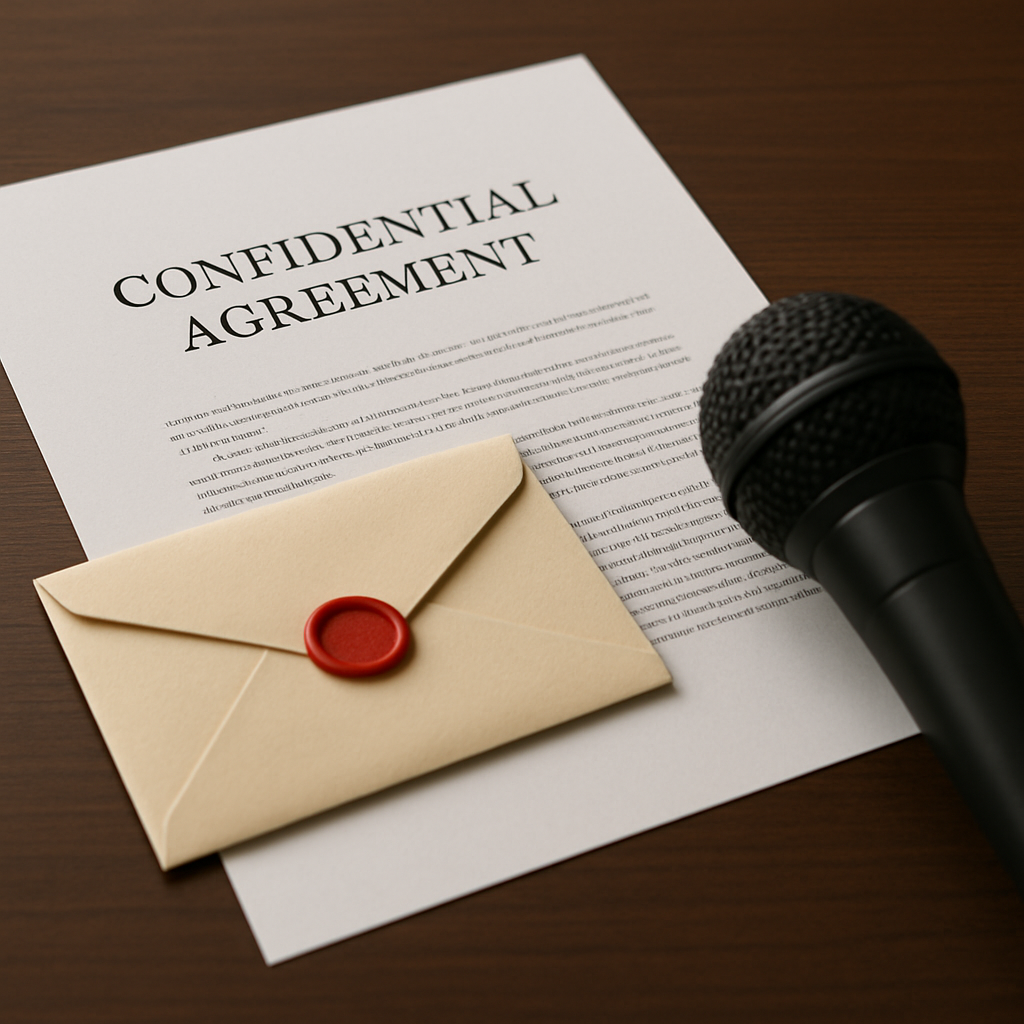
Every once in a while, a moment on television brushes up against a legal boundary most viewers never think about. The recent tensions involving Ray J and Kim Kardashian—raised in the background of a long-running reality storyline—reminded the public of something far more universal: an agreement meant to stay private can collide with a camera that never seems to turn off.
It’s not really about a famous family. It’s about a simple, slightly uncomfortable truth: confidentiality agreements don’t stop becoming binding just because someone is holding a microphone or speaking to millions of followers. And in an age where people share the intimate corners of their lives for entertainment or income, what happens when a moment of “authenticity” crosses a contractual line?
Most people will never end up in a courtroom with a celebrity, but NDAs, confidentiality clauses, and settlement agreements appear in everyday life far more than many realise. What unfolds on reality TV is, in a way, a magnified version of problems ordinary people face online and offline.
A confidentiality agreement often exists because the people involved want certainty. Maybe it’s part of a workplace settlement. Maybe it smooths the end of a partnership. Maybe it closes a dispute both sides want to move past. Whatever the reason, the document usually requires one simple thing: stop talking about this.
The law treats that promise seriously. Courts have repeatedly held—through cases such as Gillard v. AIG and numerous state-level decisions—that once parties exchange something of value (money, peace of mind, the end of a dispute), the promise of confidentiality becomes part of the deal, not an optional afterthought.
Even in high-profile disputes, judges don’t care whether the public finds the story interesting. They care about whether the person did what they agreed to do. If a clause says neither side can discuss a particular event, that’s the rule—whether you’re a celebrity with a global audience or someone navigating a private conflict.
This is why the friction around the Kardashian–Ray J saga resonates beyond gossip. It mirrors a pattern that plays out constantly: someone signs an agreement, life moves on, emotions shift, and eventually the urge to explain, correct the record, or vent publicly becomes stronger than the paper they once signed.
Reality TV lives on unscripted moments—the surprising confessions, the heated exchanges, the vulnerable breakdowns. It’s easy to forget how many layers of production sit between what the cast says and what the world hears: raw footage, editing teams, network executives, and the ever-present pressure to deliver a compelling episode.
But NDAs don’t loosen simply because a showrunner wants a storyline.
In fact, the combination of:
personal emotion
high financial stakes
long-term public branding
and cameras designed to capture spontaneity
creates ideal conditions for violating an agreement without even meaning to.
A quick aside meant to “clarify something,” a reference to a past situation, or even an implied accusation can cross the line. Courts have found that intent doesn't always matter—a point emphasised in cases involving breached settlement agreements where the disclosure wasn’t dramatic but still meaningful.
The risk isn’t limited to TV. Podcasts, YouTube channels, and livestreams can create the same problems. A 17-second audio clip can breach a clause that cost thousands—or even millions—to create.
Contrary to the internet’s assumptions, NDAs aren’t enforced by emotion or outrage. Judges take a more structured approach, studying the text of the agreement and the real-world impact of what was said.
Here are the factors courts weigh most often:
Some NDAs prohibit “any public mention.” Others only restrict discussing specific allegations. Courts interpret these agreements based on their wording, similar to how they interpret commercial contracts.
If the statement confirms something already publicly known, the analysis changes. But if it presents new details—context, motive, internal communication—that can immediately be deemed a breach.
Statements made on a show, podcast, or monetized social platform frequently weigh against the speaker because they can suggest commercial benefit from the breach.
Courts look at whether the breach defeats the deal’s original intent—privacy, closure, reputation management, financial stability.
Sometimes harm is built into the contract via liquidated damages, a predetermined penalty listed directly in the agreement. In other cases, the wronged party must prove they suffered financial or reputational loss.
These standards come from decades of contract law and settled cases—not from celebrity conflicts. And they apply to ordinary people just as readily.
The public imagines breaches as explosive tell-all interviews. In reality, it’s often a fleeting comment that causes the most trouble.
A whisper of blame.
A joking reference to a past incident.
A moment of anger that turns into a social media post.
Courts have ruled in multiple jurisdictions—from California to New York—that even partial disclosures can violate an NDA if they chip away at the confidentiality the other party bargained for.
Someone doesn’t need to sit for a full interview for a breach to occur. A single paragraph on Instagram has triggered entire lawsuits. A casual remark made during a livestream has led to enforcement actions. Even “liking” posts that hint at restricted topics has been raised in breach claims.
This is why the Kardashian–Ray J situation resonates. It’s not the controversy itself—it’s the broader pattern of old agreements colliding with new public platforms.
Most people will never appear on a reality show, but many will encounter some version of a confidentiality agreement at work, during a dispute, or in a personal relationship.
Common questions echo across search engines:
Can I talk about something if it happened years ago?
Does venting on social media count as breaking an NDA?
If someone else mentions me publicly, can I respond?
Can I tell a friend what happened?
What if the information is technically already public?
These questions cut across all kinds of everyday scenarios. A nurse settling a workplace claim may face restrictions on discussing what happened. A small-business partner may sign a non-disparagement clause as part of a buyout. A family member resolving a private dispute may agree not to speak about certain events publicly.
Once the agreement is signed, the source of the disclosure doesn’t matter—podcast, tweet, group chat, or reality show. Courts treat these platforms as public arenas.
This is why legal scholars and courts continually remind people that public speech is not protected from contractual commitments just because it’s personal.
Even when a breach seems obvious, enforcement isn’t automatic. Several barriers stand between the alleged breach and a courtroom showdown:
proving harm
the cost of litigation
whether the breach was “material”
the willingness of each side to escalate
the existence of liquidated damages
the risk of drawing more attention to the issue
Sometimes the matter ends in a quiet negotiation. Sometimes the parties trade accusations through lawyers and settle again. Sometimes a judge weighs in because the breach fundamentally undercuts the purpose of the deal.
But courts rarely throw out NDAs lightly. In fact, many states have upheld strict enforcement unless the clause violates public policy—for example, when NDAs attempt to conceal workplace discrimination or restrict reporting criminal conduct. Regulations in California, New York, New Jersey, and other jurisdictions have grown increasingly protective in these areas.
Outside of those exceptions, confidentiality agreements still stand as one of the most enforceable private tools in contract law.
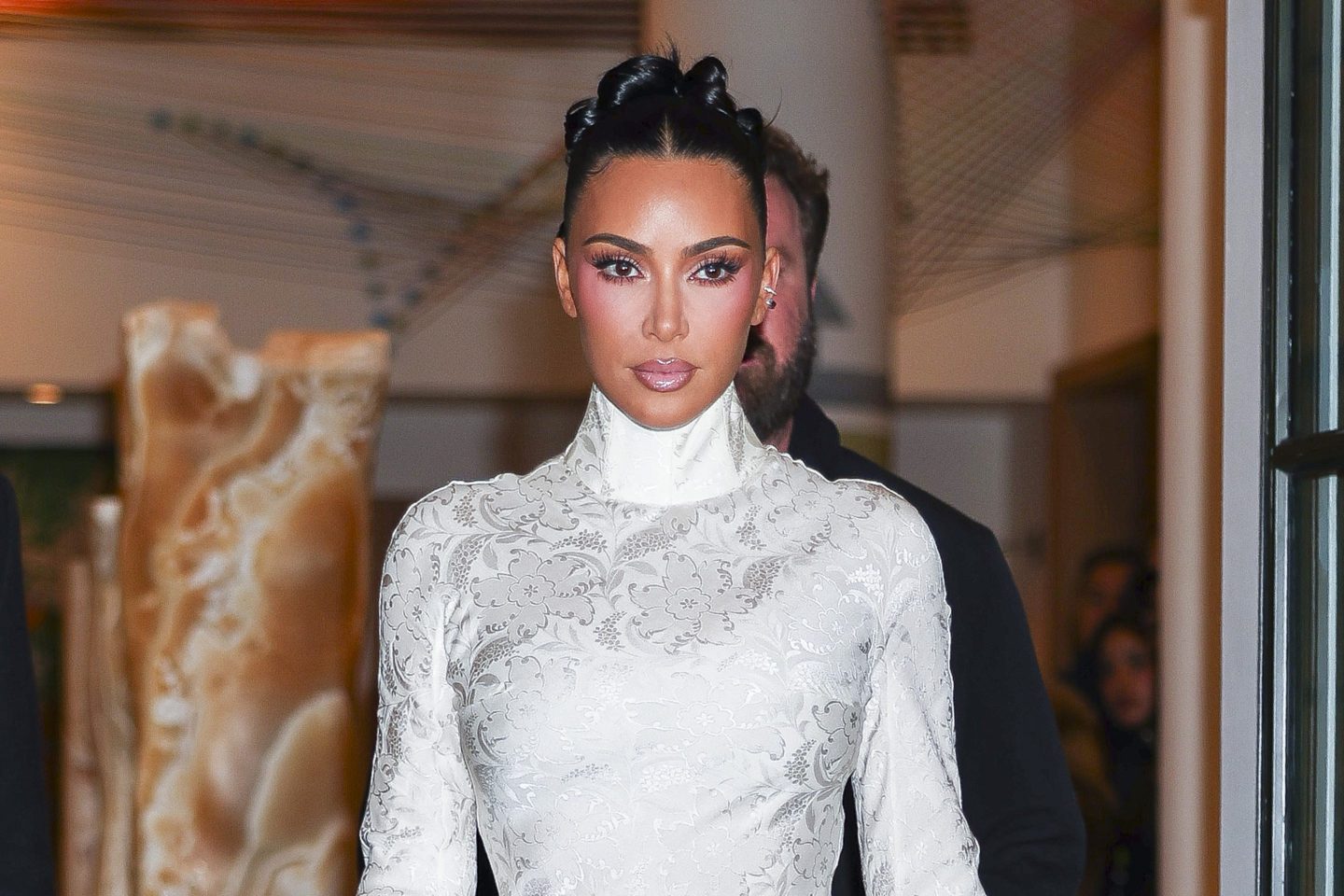
Public figures often navigate a complex balance between sharing personal narratives and complying with the limits imposed by confidentiality agreements.
The modern public identity—curated across Instagram, TikTok, podcasts, Facebook, livestreaming platforms, and reality TV—runs directly into the quiet, rigid nature of settlement contracts.
People want to share.
Contracts ask them not to.
Platforms reward openness and confession.
Written agreements expect restraint.
That tension guarantees future conflicts.
A settlement reached fifteen years ago can suddenly resurface when someone’s brand evolves into full-time online storytelling. A moment of honesty during a podcast tour can undo months of negotiation that once brought peace.
The specific names change—Ray J, Kim Kardashian, or the next public figure in a similar situation—but the legal tension remains the same.
Confidentiality agreements belong to the world of certainty. Reality TV and social media belong to the world of spontaneity. One is built on paper, the other on personality. When the two meet, the law usually wins—but never quietly.
They can. Courts often examine whether the hint undermines the purpose of the agreement, even if details are not fully disclosed.
Sometimes. Courts look at whether the agreement restricts discussing the topic altogether or only private details. The wording of the contract is crucial.
Usually yes. Signing the agreement means the individual—not the producers—is accountable for avoiding restricted topics, regardless of editing choices.
In most cases, yes. Courts treat social media as public disclosure, and even short posts can trigger a breach.
Not automatically. Courts may determine that each breach stands on its own, and one party’s violation does not erase the other's responsibility.