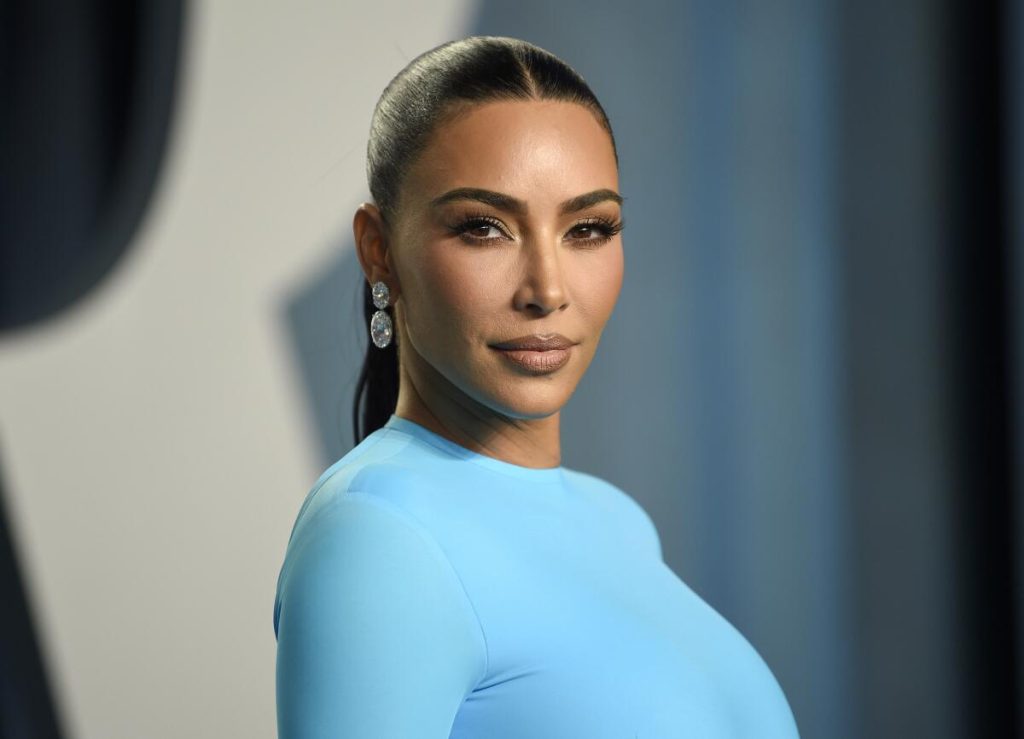
Skims, the shapewear brand co-founded by Kim Kardashian, has been valued at $5 billion after raising $225 million in new investment. According to the company, the round backed in part by Goldman Sachs will fund a wave of new store openings and accelerate global expansion.
The announcement marks one of the largest U.S. consumer-brand fundraising rounds this year. It also comes at a time when Skims faces fierce pressure from giants like Lululemon and Alo Yoga, as the athleisure and “solutionswear” space becomes even more crowded.
Yet behind the headline number is a story about influence, timing, brand building—and the legal realities that come with scaling a fashion empire at record speed.
For many consumers and industry watchers, this has become a case study in how celebrity-backed companies expand from viral trend to global retail force.
How Skims Went From Controversy to Category Leader
Skims launched in 2019 with a clear idea: shapewear that embraced a wider spectrum of skin tones and body types.
The brand’s original name, Kimono Intimates, drew backlash for cultural insensitivity—criticism Kardashian later acknowledged and addressed by rebranding to Skims.
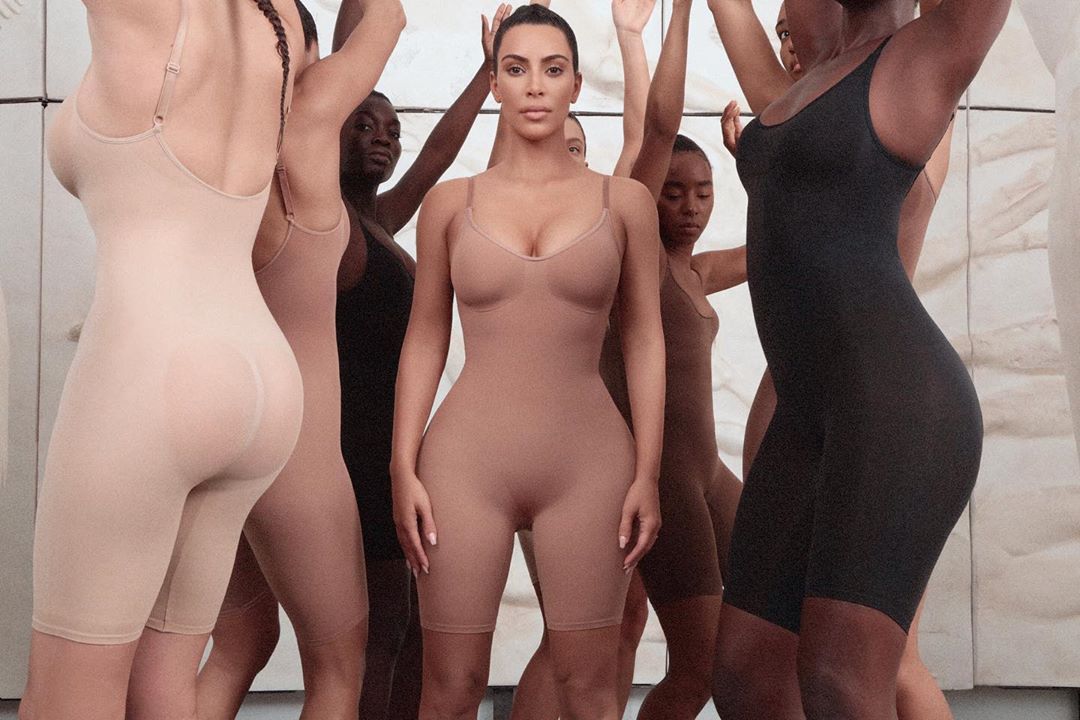
Kim Kardashian leads a Skims campaign showcasing inclusive, skin-tone shapewear alongside a diverse group of models.
Ironically, that controversy only accelerated attention.
The company leaned into inclusivity, comfort-focused materials, and social-media-driven marketing that tapped celebrity friends, influencer networks, and attention-grabbing campaigns with Paris Hilton and Megan Fox.
Over six short years, Skims expanded far beyond shapewear into loungewear, underwear, sportswear, and fashion basics.
Today, it operates 18 U.S. stores, sells through global retailers, and is pushing deeper into mainstream retail, where margins are harder, operations are bigger, and legal scrutiny grows sharper.
With sales expected to top $1 billion this year, CEO Jens Grede says the company now has the confidence to “pursue its long-term goals,” including building a physical retail presence that could rival legacy brands.
The Brand, the Business, and the Bigger Picture
For consumers, Skims’ rise signals a shift in how apparel brands are built—less about runways, more about social capital, identity, and online community.
For investors, the $5B valuation puts Skims in the same conversation as Under Armour and far ahead of many heritage lingerie brands struggling to adapt.
For competitors, it’s a wake-up call: celebrity influence, when paired with relentless product releases and data-driven demand forecasting—can disrupt even the most established categories.
And for lawyers and regulators, Skims’ rapid expansion raises familiar questions about advertising accuracy, sustainability claims, international supply chains, and influencer endorsements.
Why Skims’ Valuation Keeps Climbing and the Risks That Could Slow It Down
Skims’ soaring valuation is powered by a blend of celebrity influence and genuine product appeal: Kim Kardashian’s global reach creates instant visibility, but customers stay for the fabric, fit, and comfort that define the brand.
Its “everyday luxury” pricing positions Skims between mass-market lingerie and premium athleisure, giving shoppers an attainable slice of the Kardashian lifestyle.
The company’s next big pivot—an aggressive move into brick-and-mortar retail—signals confidence after years of digital dominance, while its viral marketing engine continues to thrive on limited drops, nonstop new collections, and campaigns designed to trend.
Inclusivity remains one of the brand’s strongest commercial levers, with expanded skin-tone shades and sizing helping Skims win loyalty from consumers who felt overlooked by traditional labels.
But the path forward carries significant risks. Global expansion brings complex supply-chain obligations and stricter regulations, while Skims faces increasingly fierce competition from Lululemon, Alo Yoga, and rising sustainable brands.
The company’s identity is also tightly tied to Kardashian herself—an undeniable asset, but a potential vulnerability if public perception shifts. Physical retail introduces heavy cost pressures, from staffing to logistics to real-estate commitments.
And as watchdogs and consumers demand more transparency, Skims continues to face scrutiny over sustainability, materials, and labour practices.
Together, these forces show that while Skims is still climbing, its next stage will depend on how well it balances ambition with accountability.
The Compliance Issues Behind Skims’ Expansion
With Skims moving aggressively into global retail, the legal landscape shifts dramatically. Here are the key areas consumers and investors should understand.
1. Product Claims & Consumer Protection Laws
Claims like “solutionswear,” “smoothing technology,” or “inclusive sizing” must be accurate, and brands are legally responsible for ensuring those statements aren’t exaggerated or misleading.
When marketing crosses the line between aspiration and factual representation, regulators can investigate or impose penalties.
False or unsubstantiated claims fall under:
-
The U.S. FTC Act (false or deceptive advertising)
-
State consumer protection statutes
“The FTC doesn’t mandate the specific wording of disclosures. Regardless of the advertising medium or platform, the same general principle applies: people should get the information they need to evaluate sponsored statements,” explains Hannah E. Taylor, partner at Frankfurt Kurnit Klein & Selz, in a 2023 analysis of advertising-law enforcement.
“When it’s unclear but material to consumers, the sponsor of an endorsement should be identified in each applicable post.”
2. Supply Chain & Labour Transparency
Skims publishes a statement under the California Transparency in Supply Chains Act, asserting zero tolerance for forced labour.
But transparency expectations are rising globally.
The big question: Can Skims prove its factories meet the ethical standards it advertises?
If not, it risks the same lawsuits that have hit other apparel brands.
3. Influencer & Endorsement Regulations
Because Skims relies heavily on celebrity and influencer marketing, it must comply with:
-
FTC endorsement guidelines
-
Mandatory disclosure rules
-
International advertising codes
Failure to disclose paid partnerships can result in fines—especially for high-visibility brands.
4. Retail Expansion = New Liability
Physical stores introduce:
-
Premises liability issues
-
Accessibility compliance
-
Employment and wage-law requirements
-
Product-return and consumer-rights obligations abroad
In regions like the EU, consumer law is far stricter than in the U.S.
Bottom Line for Readers
If you buy from—or invest in—fast-growing fashion brands, look for:
-
Clear product claims
-
Transparent sourcing
-
Ethical certifications
-
Disclosed endorsements
-
Accessible return policies
Growth is exciting. Compliance is what makes it sustainable.
The Future of Skims: Expansion or Overreach?
Skims’ future will hinge on how it balances ambition with accountability.
Investors will watch revenues especially whether physical retail delivers the returns the brand expects.
Consumers will watch fit, comfort, and ethics.
And the industry will watch whether Skims becomes more than a celebrity brand—whether it evolves into a true global apparel powerhouse capable of outlasting trends, criticism, and the volatility of fame.
For now, Kardashian’s empire is only growing.
What happens next will define whether Skims becomes a permanent fixture in modern fashion—or another cautionary tale of hyper-growth in the influencer era.
People Also Ask (PAA)
Is Skims really worth $5 billion?
Yes. After raising $225M, Skims confirmed a valuation of $5B based on investor pricing.
Why is Skims so popular?
A mix of comfort-driven design, inclusive marketing, viral campaigns, and Kardashian’s influence.
Will Skims go public?
An IPO remains unannounced, but analysts believe the company is positioning itself for one.
What controversies has Skims faced?
The original “Kimono” name backlash, debates about cultural appropriation, debates over a viral “face wrapping” product, and ongoing questions about sustainable sourcing.