Understand Your Rights. Solve Your Legal Problems


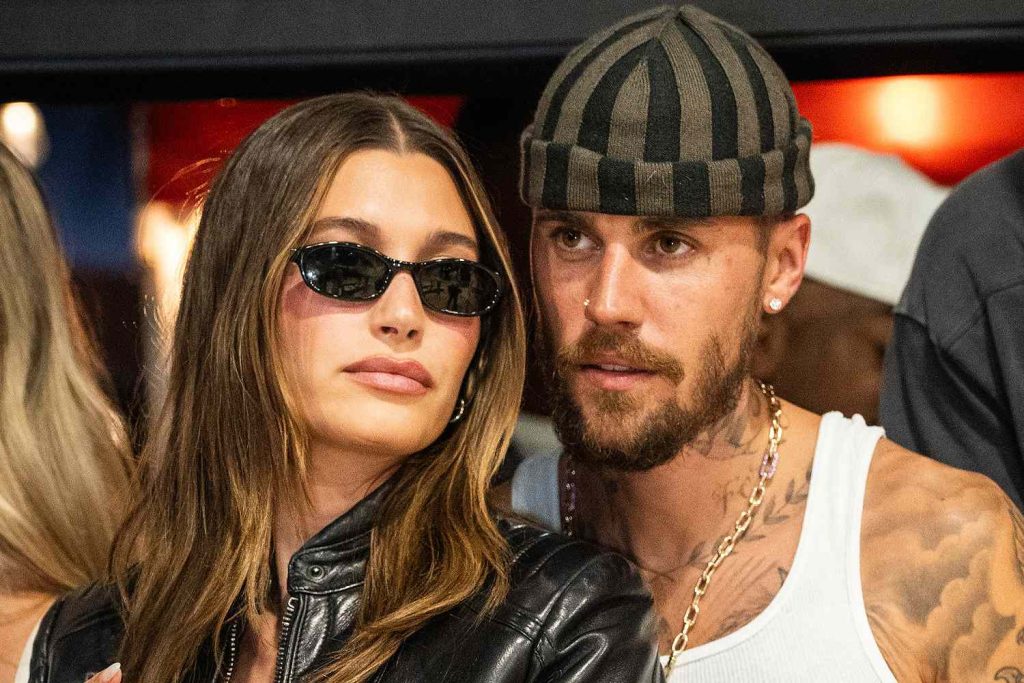
Hailey Bieber says she and her husband, Justin, are taking their marriage “a day at a time” after he previously confirmed the couple’s relationship struggles in July - a candid admission that reignited global debate over privacy and defamation in celebrity relationships.
“We’re just taking it a day at a time,” Hailey, 28, shared in a recent interview, adding that she feels “comfortable” with where they currently are as a couple, despite years of living under the world’s microscope - a space where even personal emotions can spark headlines and legal gray areas.
The model and Rhode founder welcomed their first child, Jack Blues, with the 31-year-old pop icon in August 2024, an experience that reshaped their marriage, priorities, and the way they share their lives online.
“We both feel very protective of our son,” Hailey said, “and I don’t think that’s ever going to change.”
When Hailey and Justin married in 2018, their union became a lightning rod for fan obsession and social-media commentary. Every appearance, lyric, or Instagram caption seemed to fuel speculation about their relationship status.
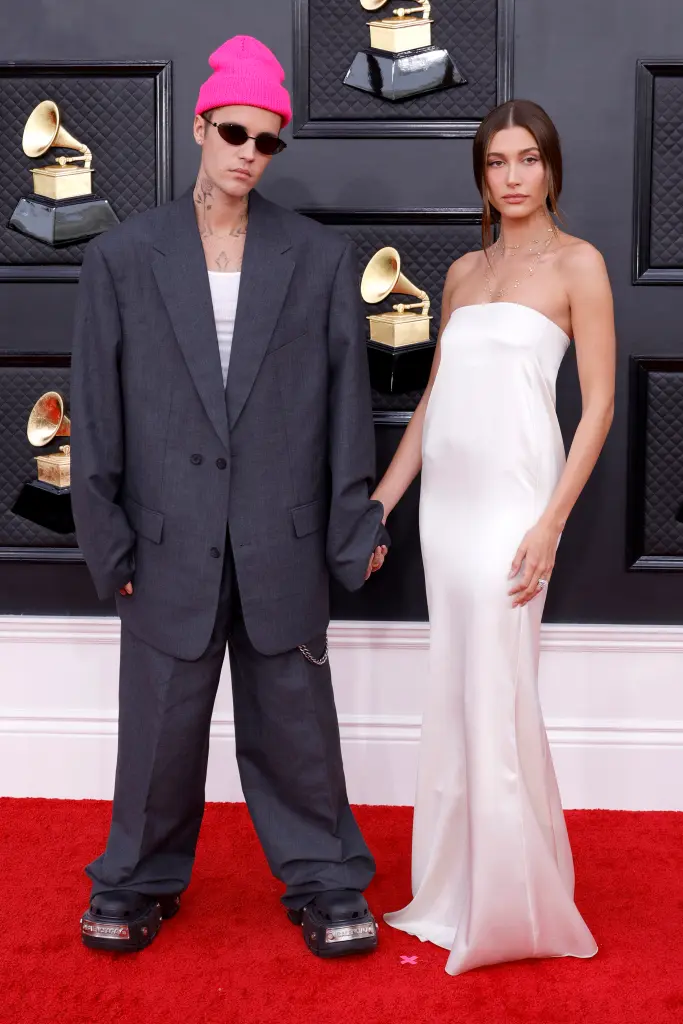
Hailey’s remarks follow months after Justin appeared to reference their marital challenges in lyrics from his surprise seventh album, SWAG.
That scrutiny only intensified after Justin’s surprise seventh album SWAG dropped earlier this year, featuring lyrics hinting at “growing pains” and emotional distance. For fans, it sounded like a confession.
For Hailey, it became another lesson in how celebrity couples must survive the digital magnifying glass.
In a world where every unfollow or facial expression can become a trending topic, maintaining a sense of privacy isn’t just difficult — it’s almost revolutionary.
Motherhood has been Hailey’s most transformative chapter yet. “I don’t think there’s anything someone can tell you about it that will ever prepare you,” she admitted, noting that she now feels “much more prepared” for the possibility of a second child.
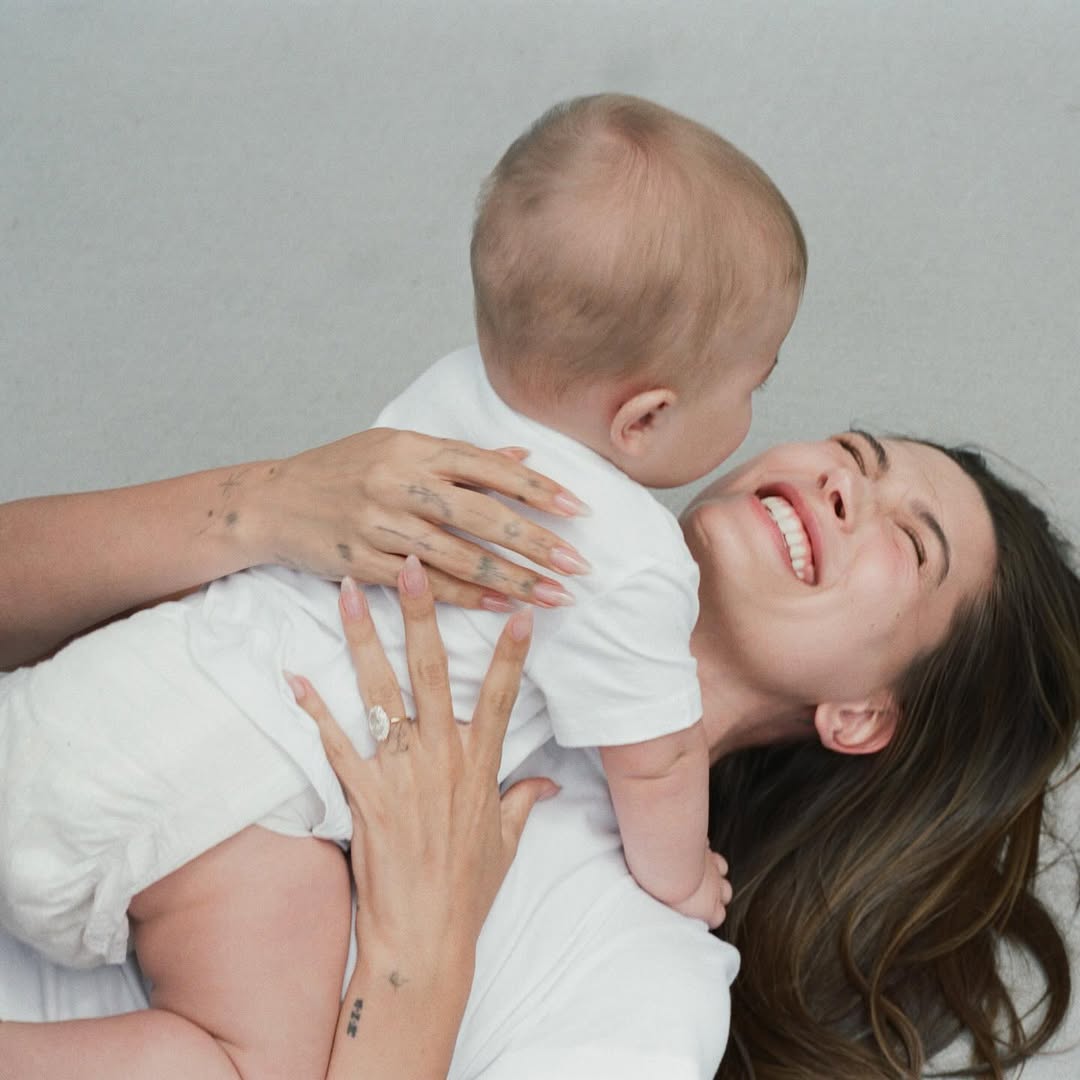
Hailey Bieber shares a sweet moment with her son, Jack Blues Bieber. (@haileybieber Instagram)
Her words struck a chord online, echoing the vulnerability she’s shown in past interviews about anxiety, faith, and the constant tension between personal life and public expectation.
For many women famous or not, Hailey’s openness feels like a reminder that love and motherhood rarely look picture-perfect. Relationships evolve, and so do the people inside them.
The Biebers’ situation is hardly unique in Hollywood. From Kim and Kanye to J.Lo and Ben Affleck, celebrity couples face relentless speculation about every argument or absence.
Psychologists often point to the “parasocial pressure” effect — where millions of strangers feel emotionally invested in a marriage they don’t actually inhabit. The internet turns private milestones into public debates, making forgiveness and growth harder to navigate.
For Hailey and Justin, balancing emotional privacy with a career built on connection may be their toughest challenge yet.
In U.S. law, celebrities have a complicated relationship with privacy rights. Public figures, by definition, open parts of their lives to scrutiny — but that doesn’t mean everything is fair game.
The tort of public disclosure of private facts can apply when intimate details are shared without consent and aren’t of legitimate public concern.
Defamation and invasion-of-privacy laws often overlap in cases involving rumors or paparazzi intrusions. As ABA Journal explains, the core issue is whether coverage serves public interest or simply exploits personal pain.
“When a celebrity’s private life becomes a profit vehicle for media outlets, the legal line often depends on consent and intent,” notes Rachel Fiset, managing partner at Zweiback, Fiset & Zalduendo LLP.
“Even public figures maintain a zone of dignity and the courts have shown increasing willingness to protect that.”
A notable example came from the 2022 case Meghan Markle v. Associated Newspapers, where the Duchess of Sussex successfully argued that publishing a private letter to her father violated her privacy.
The ruling underscored that celebrity doesn’t equal consent - a lesson increasingly relevant in the age of viral content and paparazzi drones.
For readers, this means online speculation about someone’s relationship especially when based on rumor, can cross into defamation territory. As media consumers, we all play a part in how far that line gets pushed.
Despite months of speculation about a possible split, Hailey and Justin Bieber appear stronger than ever.
Justin recently shared a photo of the couple kissing at Kendall Jenner’s 30th birthday celebration — a quiet but powerful statement that they’re still standing side by side.
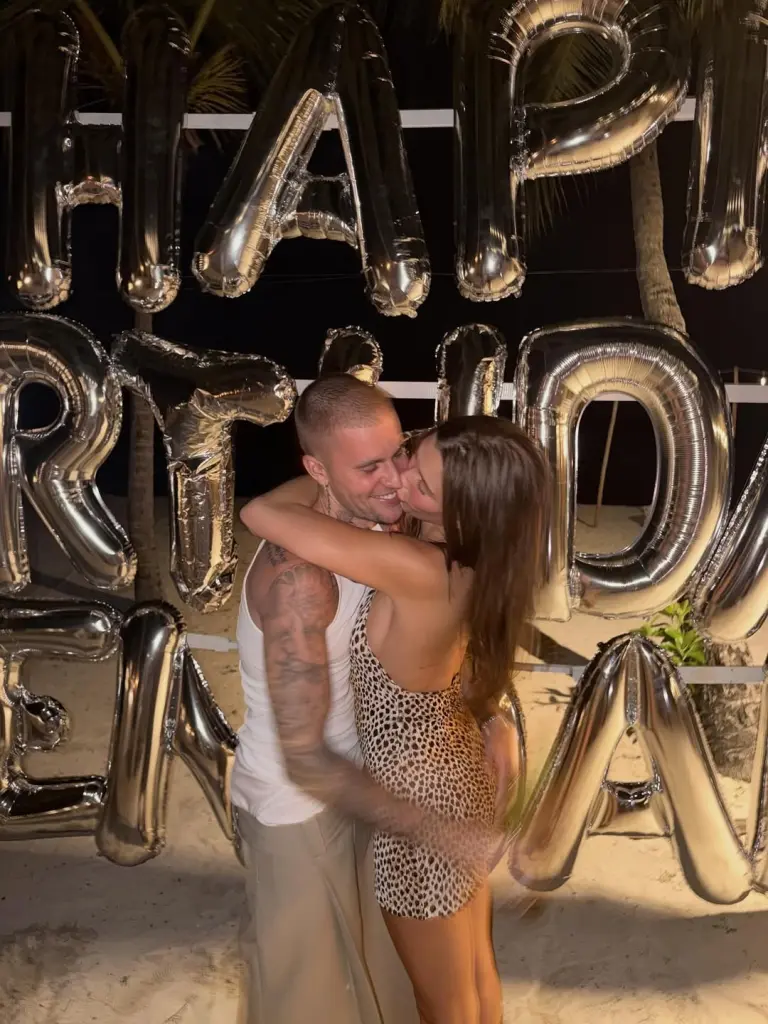
Hailey and Justin Bieber looked happier than ever, spotted kissing during Kendall Jenner’s 30th birthday celebration.
Yet behind that snapshot lies something deeper than a celebrity romance. It’s the story of two people learning to grow together while the world watches, to protect what’s sacred when everything feels exposed, and to keep choosing love even when it’s difficult.
In an era where every post invites judgment, the Biebers’ openness feels less like oversharing and more like reclaiming control.
Their journey poses timeless questions that every reader can relate to:
How much of our personal life do we owe the public?
When does transparency become exploitation?
And can love survive when it’s constantly online?
Whatever lies ahead, Hailey and Justin’s story continues to challenge how we define authenticity and reminds us that behind every viral headline is a very human struggle to hold on to grace, privacy, and each other.
Is Hailey Bieber still married to Justin Bieber?
Yes. Despite ongoing rumors, the couple remain together and recently celebrated their sixth wedding anniversary.
Why do so many celebrity marriages struggle?
Experts cite media intrusion, constant travel, and lack of privacy as key stressors. The “parasocial” nature of fandom amplifies even minor conflicts.
Do celebrities have legal protection from paparazzi?
To a degree. California’s Civil Code §1708.8 limits harassment by photographers, especially when children are involved.
Can public speculation be considered defamation?
If false statements cause reputational harm, yes — even social-media posts can qualify, depending on context and intent.